Journalism students travel to Sierra Leone to film documentary about period poverty


Students in Sierra Leone

(Photos by Charles “Stretch” Ledford.)

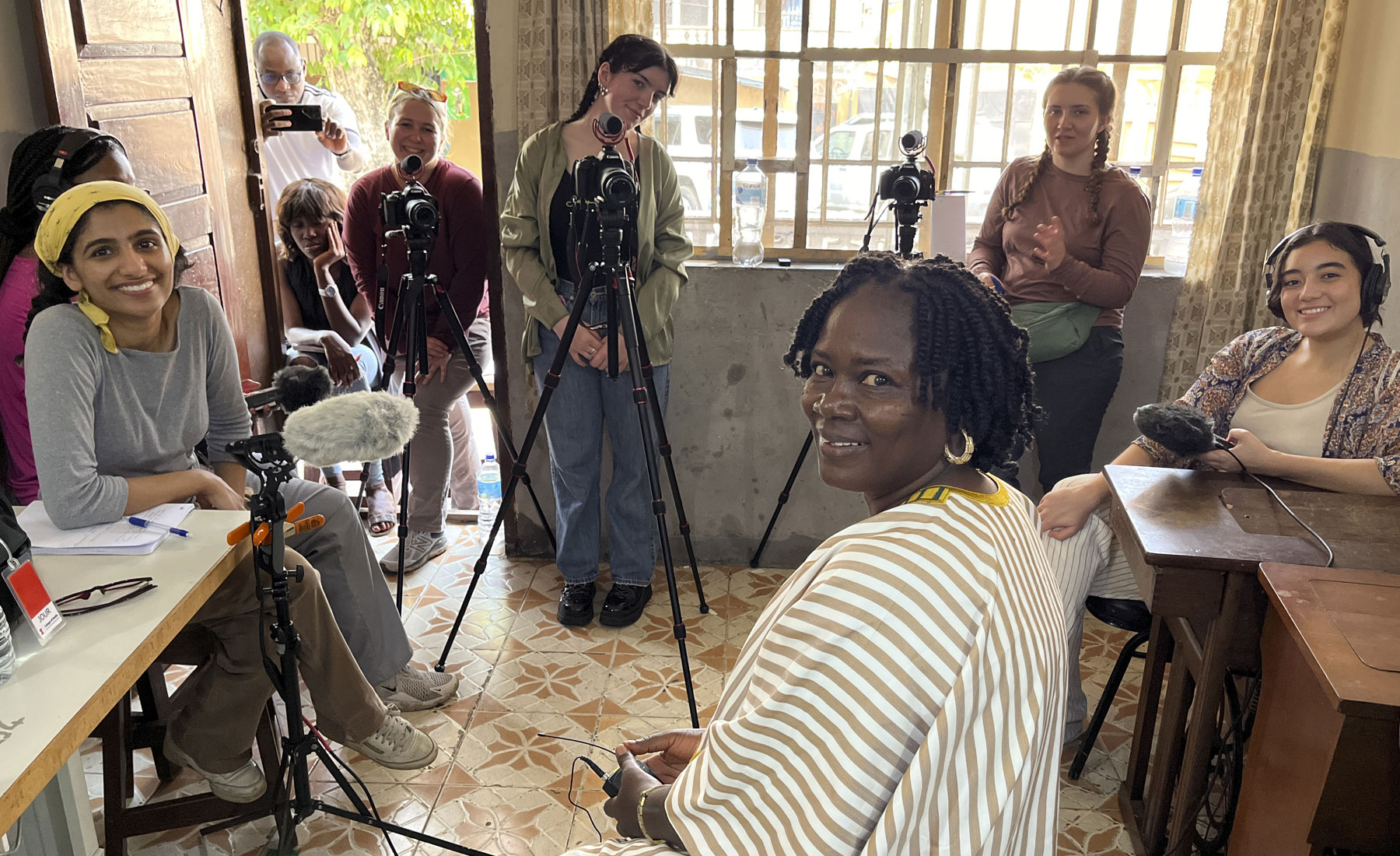
A group of journalism students heard harrowing stories from the local women they interviewed while filming a documentary about period poverty in Sierra Leone, West Africa, over spring break.

“Girls talked of being bullied at school when they got their period. Mothers talked about the struggle to have enough money to feed their children,” said Alison Davis, a lecturer in journalism who co-led the trip with Charles “Stretch” Ledford, associate professor of journalism.
Students interviewing in Sierra Leone

While difficult to hear, students hope sharing these stories will shed light on a widespread global issue known as period poverty, which refers to a substantial negative impact on one’s quality of life due to shame, economic destitution, and/or religious and cultural taboos associated with menstruation.

“All women have periods, but not all women have access to period products,” said Elena Cleary, a junior in agricultural communications. “It is my privilege to be able to share the stories of the most amazing, resilient, and kind-hearted women I have ever met.”

The forthcoming documentary, From Shame to Celebration: Sierra Leonean Women Reframe the Culture of Menstruation, focuses on a local woman-led grassroots organization called Uman Tok, which employs 18 women at a living wage to provide sustainable feminine health kits to women and girls around the country. In addition to making tangible progress to alleviate period poverty and menstrual exclusion, Uman Tok is educating a generation of girls and boys on sexual and reproductive health awareness. 

The film will feature interviews with a nurse midwife, the headmistress of a small semi-private school just outside of Freetown, and girls at the school who speak about the challenges they face as young women. 
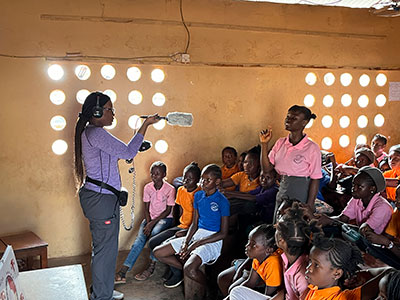
Journalism student Faith Lee in Sierra Leone

The reporting trip is part of a new pilot class in the Department of Journalism, led by Davis and Ledford. They hope the class, “Globally Focused Advanced Documentary Filmmaking,” will be offered by the journalism department each spring semester.

The spring 2024 pilot class was executed in collaboration with Dr. Sophie King-Hill of the University of Birmingham (UK) and Dr. Francis Sowa of Fourah Bay College in Freetown, Sierra Leone. 

Ledford originally conceptualized the class as a research and learning lab where advanced journalism students would develop and apply their skills as documentary filmmakers and multimedia backpack journalists to report on issues of pressing international concern, especially in the Global South. Davis, who has over 25 years of experience producing nationally distributed documentaries, is mentoring the students in the process of creating their first long-form video story.

Illinois students partnered with four honors broadcast journalism students from Fourah Bay College to shoot primary footage for the film.

Ledford said he hoped the experience would be as beneficial for the Sierra Leonean students as it was for those from Illinois. 

Fourah Bay student Hannah Yankson described her experience as amazing as well as enlightening.

“As a media practitioner, I have been reporting on issues in the country, but this experience is one I will never forget,” Yankson said. “We got the chance to know about their classes at [the University of Illinois] and how journalism is practiced on their side, and they also learned from our side as to how our university operates.” 
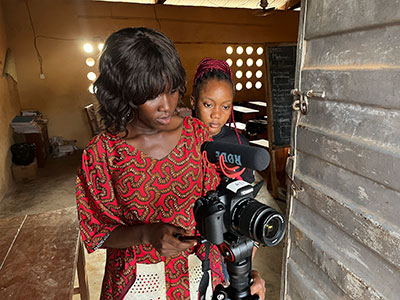
Sierra Leone filming

Stella Bangura, also a Fourah Bay student, said learning how to use the equipment was somewhat difficult, but the Illinois team was helpful. 

“This was really an important exposure and experience for us,” she said. “It was highly meaningful as we enriched ourselves with [new] ideas and different knowledge.” 

Illinois students left for Sierra Leone on March 6 and returned March 16. For five days they worked on production of the film, conducting interviews, and shooting B-roll in Freetown and nearby Allen Town. They also took a day to tour Bunce Island, a major transit point for West Africans who had been imprisoned and were destined for slavery in the Americas.

Ledford, who has worked in nearly 60 countries in the last 40 years, said traveling to a developing country can present numerous issues and this experience was no different. 

“The challenges were myriad and nearly unceasing. Everything from powering our equipment to finding quiet places to interview our subjects in a crowded, cacophonous city; from dealing with lack of Internet connectivity to keeping our team fed and hydrated over many hours in the field; not to mention the abundance of various fauna unfamiliar to our students,” he said.

While the work was stressful and exhausting, with students and instructors working up to 20 hours a day, Ledford said it was also rewarding and infused with laughter and tears of both joy and utter sadness.

“Time will tell the true impact the assignment had on them,” Ledford said. 
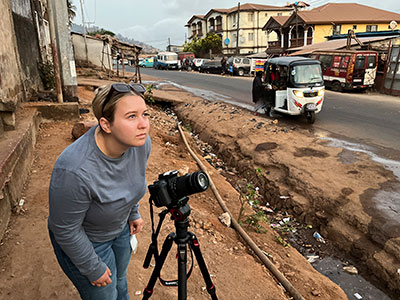
Stephanie Wayda in Sierra Leone

Maggie Knutte, a junior in journalism, said the experience left a lasting impression on her.

“The subjects we were interviewing and working with were some of the most amazing women I have ever had the privilege of meeting,” Knutte said. “Now after coming home, I feel so honored that I am able to help tell their stories to the world. They are some of the kindest people I have ever met, despite living with hardships I could not imagine.”

For Faith Lee, a junior in journalism, the trip was the most fulfilling week of her life.

“Being a part of this project has not only made me a better storyteller and journalist, but a better human being,” Lee said. “I hope our work will show that period poverty is not just a Sierra Leonean issue, but a global issue.”

Davis said the week abroad was one of the most rewarding weeks of her teaching career and praised the work ethic and talent of the Illinois and Fourah Bay students who had to put their classroom knowledge to the test, making quick decisions under pressure, working in an uncontrolled environment, and dealing with the physical challenges of 90+ degree heat with no air conditioning. 

She said the students also had to get comfortable asking extremely hard questions and then processing the sometimes-difficult information they gathered. 

“These women shared their stories because of the foundation of trust our students built with them. This is probably what I am most proud of—that our students, including those from Fourah Bay College, conducted these hard interviews with grace,” Davis said. 

Davis and Ledford intend to build on their relationship with Fourah Bay College faculty and students and continue to tell the story of Sierra Leonians working locally to mitigate the impact of the global problem of period poverty, and of other woman-led solutions to issues as framed by the United Nations Sustainable Development Goals.

A chapter of the documentary, From Shame to Celebration: Sierra Leonian Women Reframe the Culture of Menstruation, will premiere on the web on May 28, 2024, which is recognized worldwide as Menstrual Hygiene Day. Their goal is for the full feature to be seen locally and nationally on PBS member stations, the BBC, and broadcast in Sierra Leone.

The project is funded by:

See more photos from the class’s visit to Sierra Leone.
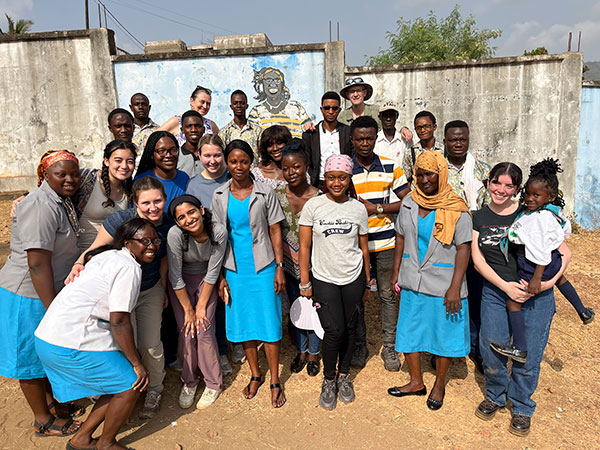
 

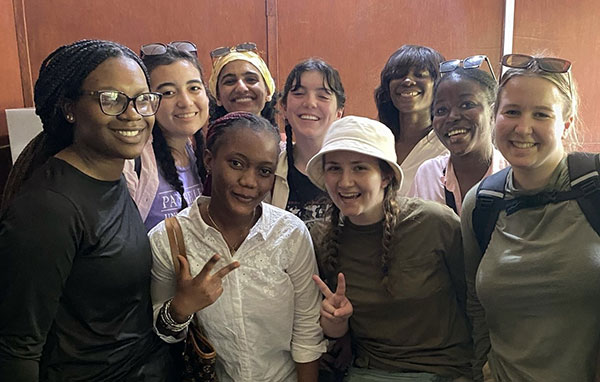
Group in Sierra Leone


Ebertfest 2024 full program announced, including ‘Omoiyari: A Song Film by Kishi Bashi’


Ebertfest 25th logo

AUDIENCE CHOICE FILM IS ROBERT ALTMAN’S  ‘COOKIE’S FORTUNE’

NEWLY LAUNCHED ‘LITTLE INDIAN GIRL COLLECTIVE’ PANEL IN DIALOGUE AND PERFORMANCE

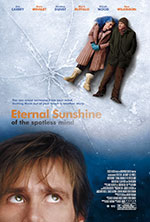
ACADEMY AWARD-WINNING ‘ETERNAL SUNSHINE OF THE SPOTLESS  MIND’ TO  BE SCREENED

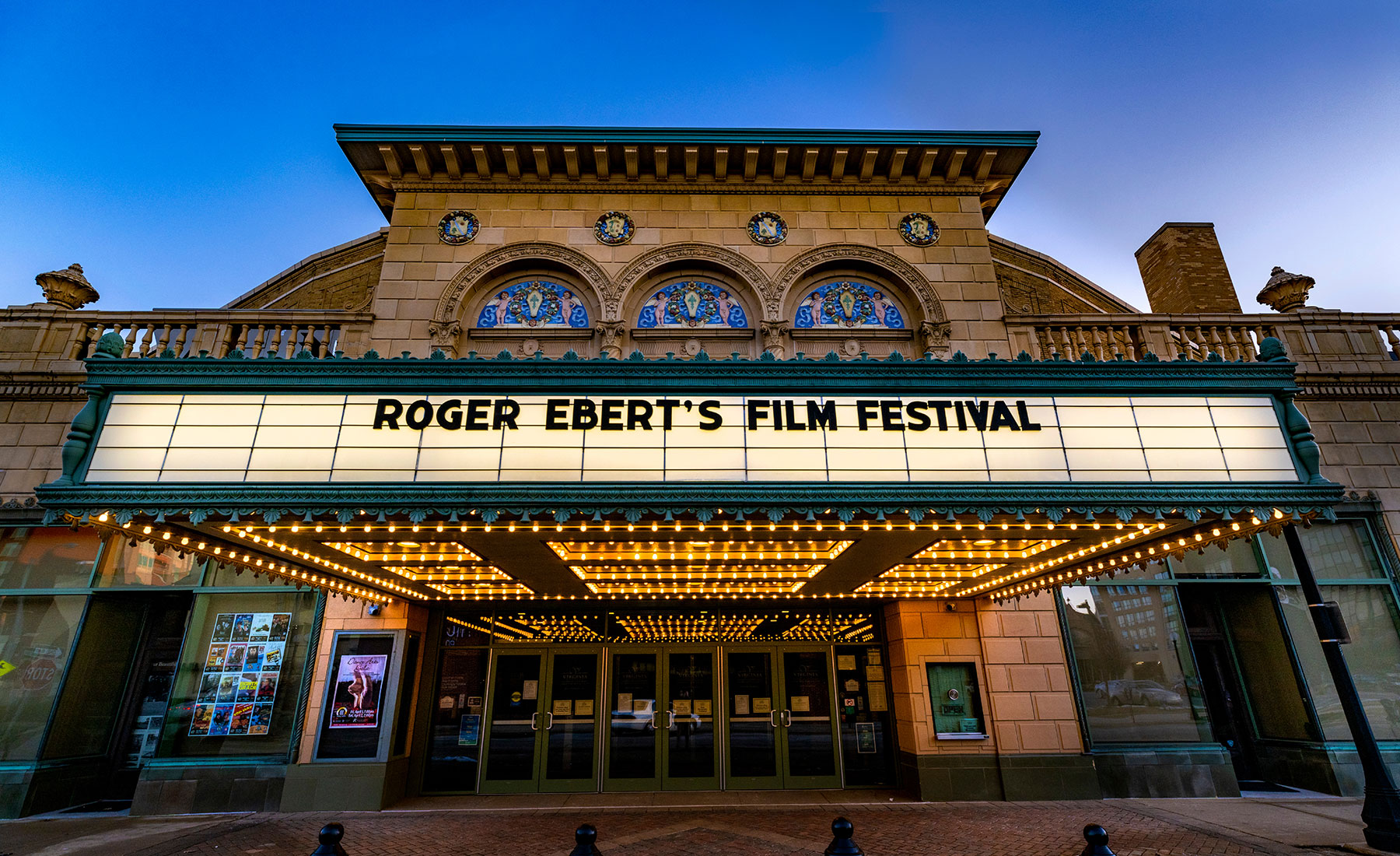
Roger Ebert’s Film Festival is pleased to announce its full program, with the additions of the documentary Omoiyari: A Song Film by Kishi Bashi, the Audience Choice film Cookie’s Fortune, the indie cult classic Eternal Sunshine of the Spotless Mind, and a panel with the Little Indian Girl Collective.

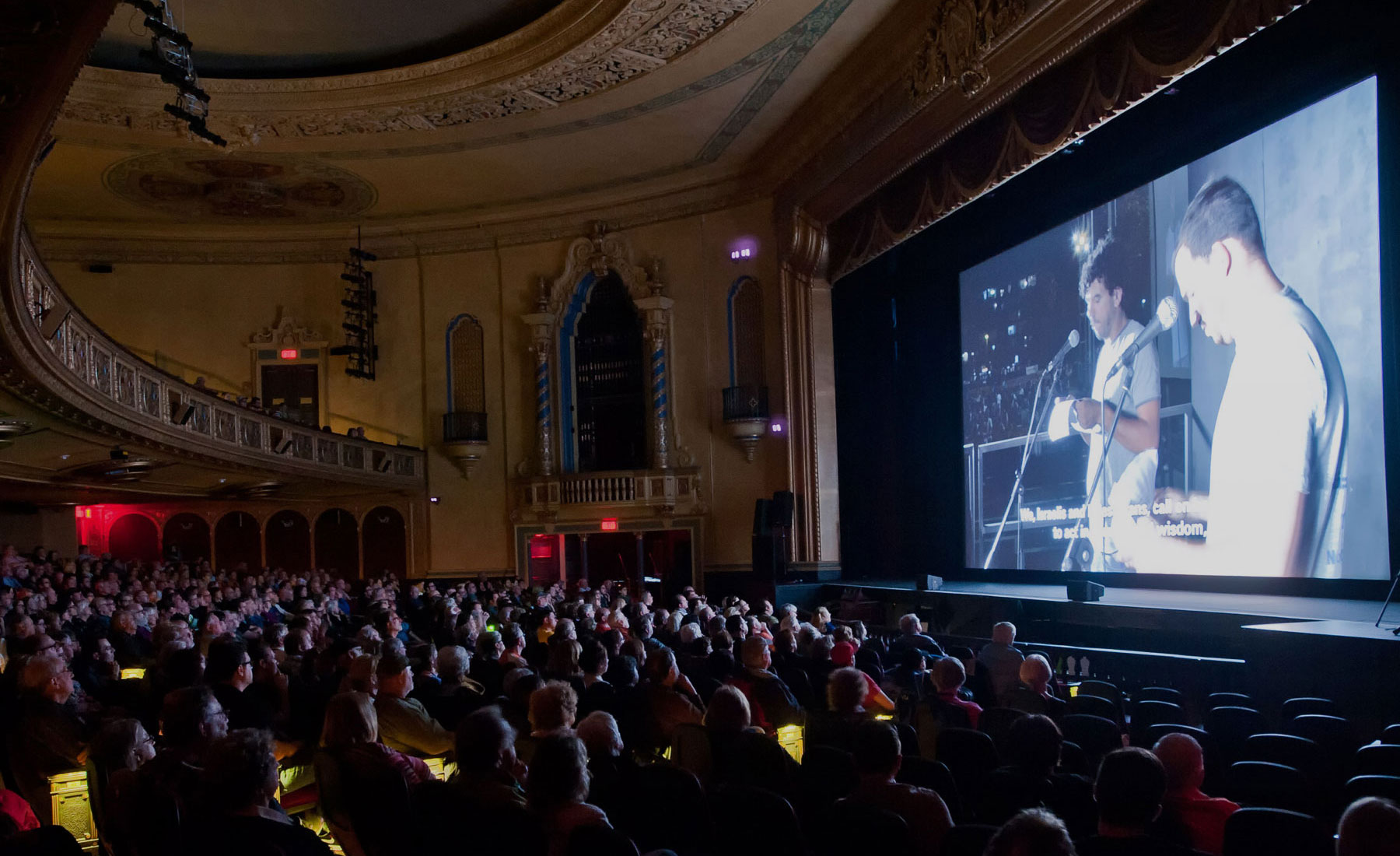
Ebertfest, celebrating its 25th anniversary, will be held from Wednesday, April 17, through Saturday, April 20, 2024, at the Virginia Theatre, 203 W. Park, in downtown Champaign. Individual tickets are now on sale.

Omoiyari
Kishi Bashi


Kaoru Ishibashi, renowned singer, multi-instrumentalist, and songwriter who performs under the name Kishi Bashi will join Ebertfest to discuss a documentary he co-directed, Omoiyari: A Song Film by Kishi Bashi. When a media interview links the Muslim ban and the immigration crisis at the U.S.-Mexico border with the incarceration of Japanese-Americans during WWII, he goes on a journey to learn about this history and its relevance to better understand his own identity as a bi-cultural American.

Cookie's Fortune

After polling Ebertfest fans, this year’s Audience Choice film winner is Cookie’s Fortune, a 1999 American noir comedy film directed by Robert Altman and starring Glenn Close, Julianne Moore, Liv Tyler, Patricia Neal, Charles S. Dutton, and Chris O’Donnell. The award-winning film, which premiered at Sundance Film Festival in 1999, follows a dysfunctional family in small-town Mississippi and the conflicts that arise after the death of their wealthy aunt. Roger Ebert described the film as the “kind of comedy with a lot of laughs, and even more smiles.” 

Little Indian Girl Collective

The Little Indian Girl Collective will present a panel on “Women Who Embody Revolution Through Storytelling.” In the midst of the climate crisis, fast-paced news, social media, and increasing disconnection, hope is found in community-driven stories. Little Indian Girl, a new storytelling collective, discusses the future of storytelling and the power of narrative sovereignty with women, Indigenous and two-spirit artists, and Earth guardians who embody revolution through art. A song featuring Indian and Intuit throat singing traditions will be performed.

Eternal Sunshine

Eternal Sunshine of the Spotless Mind (2004), an American science fiction, romantic drama film directed by Michel Gondry, will be screened at this year’s festival. The film, which stars Jim Carrey and Kate Winslet, follows two individuals who undergo a procedure to erase each other from their memories following the dissolution of their relationship. Based on Charlie Kaufman’s screenplay, and a story by Michel Gondry, Kaufman, and Pierre Bismuth, Roger Ebert gave the film high praise with 4 stars. “The wisdom in Eternal Sunshine is how it illuminates the way memory interacts with love. We more readily recall pleasure than pain,” Ebert wrote. Bismuth, Gondry, and Kaufman won the Academy Award for Best Original Screenplay, and Winslet received a nomination for the Academy Award for Best Actress. A cult classic, it’s considered by many critics to be one of the best films of the 2000s. Kaufman was a past Ebertfest guest in 2010 with the first film he directed, Synecdoche, New York.

Matt Singer

Matthew Singer, author of Opposable Thumbs: How Siskel & Ebert Changed Movies Forever, will also be a special guest at the festival and will sign copies of his book. 

This year’s festival will be dedicated to film historian David Bordwell, a past Ebertfest guest and the Jacques Ledoux Professor Emeritus of Film Studies at the University of Wisconsin-Madison, and to Ebertfest’s namesake, Roger Ebert, on this milestone occasion of the festival’s 25th anniversary. Bordwell, who passed away on February 29, 2024, wrote the foreword for two of Ebert’s books, Awake in the Dark and The Great Movies III.

Please see previous 2024 press releases and ebertfest.com to get additional information about the filmmakers and musicians attending, including Michael Barker, Eric Roberts, Renee Elise Goldsberry , Lynn Whitfield, Malcolm D. Lee, Andrew Davis, Lisa Cortes, Christine Swanson, Michael Swanson, Larry Karazewski, Scott Alexander, Diane Moore, Rana Segal, Roderick Cox, Gingger Shankar, Richie Davis, and many more.

The final program schedule is:

Wednesday, April 17

6:30 p.m.—Star 80


Thursday, April 18

9:30 a.m.—Little Indian Girl Collective Panel

11 a.m.—Conducting Life / The Light of Truth: Richard Hunt’s Monument to Ida B. Wells (double short film presentation)

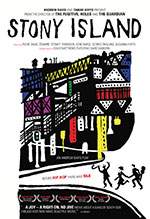
3 p.m.—Stony Island

8 p.m.—The Teachers’ Lounge


Friday, April 19

9 a.m.—Cookie’s Fortune

1:30 p.m.—Eternal Sunshine of the Spotless Mind 

4:30 p.m.—Little Richard: I Am Everything

9:30 p.m.—The Best Man


Saturday, April 20

9:30 a.m.—Blackmail featuring the Anvil Orchestra

1 p.m.—Omoiyari: A Song Film by Kishi Bashi

4 p.m.—Albany Road

9 p.m.—Man on the Moon


Ebertfest passes are currently available to purchase online or by calling the box office at 217-356-9063. Individual festival passes to see all films cost $200, which includes reserved seating. New this year are 4-film passes for $70: choose between an Evening Pass or a Saturday Pass.

Roger Ebert was a Pulitzer Prize-winning film critic for the Chicago Sun-Times, University of Illinois journalism alumnus, and Urbana native. Ebertfest is a collaboration between his widow, Ebert Digital CEO Chaz Ebert, and the University of Illinois College of Media.

For additional information, please visit ebertfest.com and follow Ebertfest on social media:

To become a supporting Festival Sponsor please contact Molly Cornyn, the Festival Coordinator, at mcornyn2@illinois.edu.

###

PRESS CONTACTS: 

Molly Cornyn, mcornyn2@illinois.edu, 217-333-1590 

Students explore media industry in Chicago during inaugural spring break media tour


A group of College of Media students participated in a spring break media tour in Chicago, meeting Illinois alumni and visiting various industry sites including advertising agencies, news organizations, and a film studio.

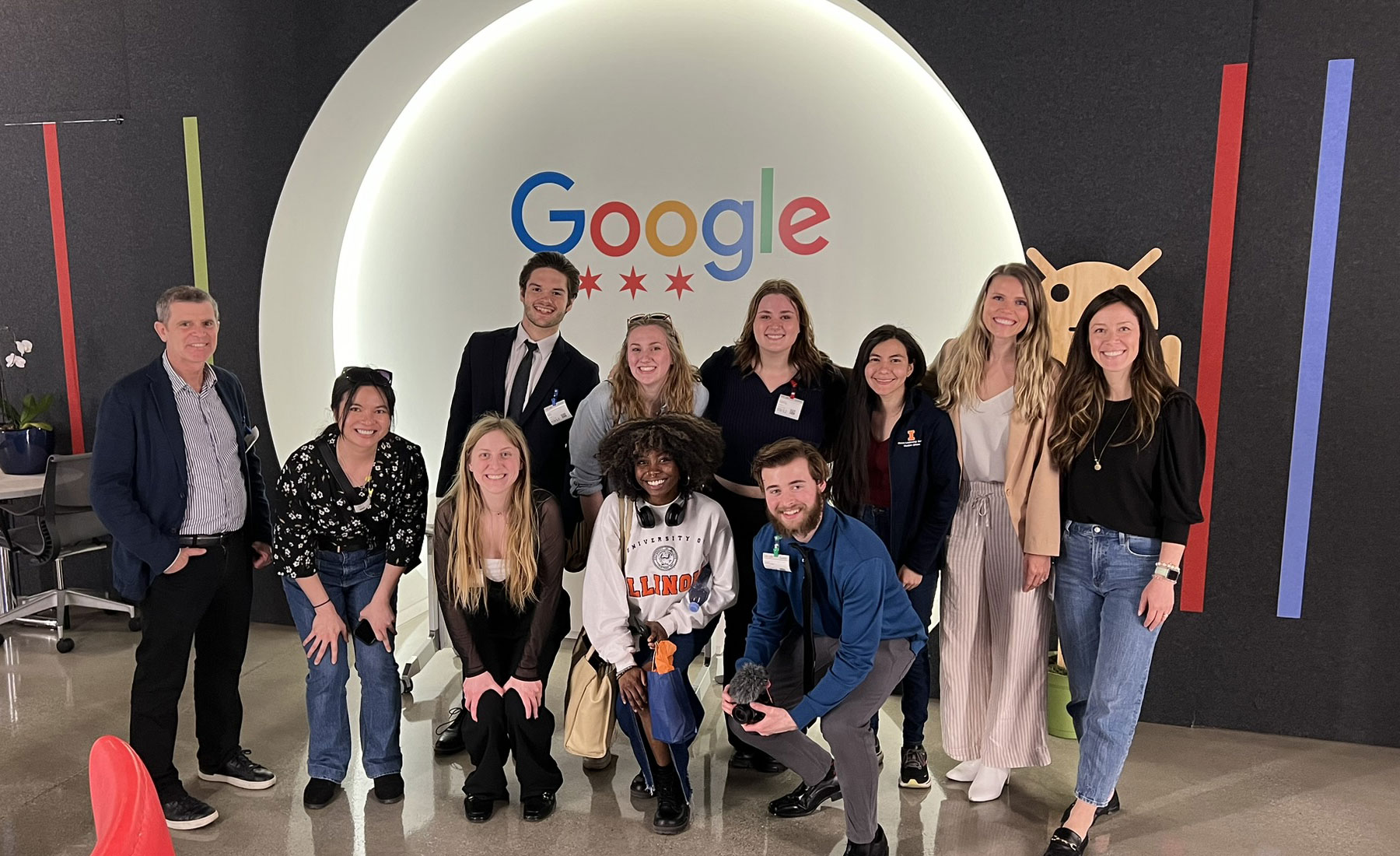
Google

Led by faculty members Victor Font, lecturer in media and cinema studies, and Margaret Ng, assistant professor in journalism, seven students attended the three-day trip, held March 10-12.  

The inaugural trip was an experiential learning opportunity for students to discover more about media-related careers firsthand.  

Bekah Douglas, a junior in media and cinema studies, described the trip as a “once-in-a-lifetime journey” and credits her family and College of Media donors for making the trip possible. 

“I was so lucky to attend the College of Media’s spring break trip and have the chance to meet with the artists that make Chicago (and the world) a better place. The opportunity to travel outside of the classroom, to network, to explore the possibilities of media is priceless,” Douglas said. 

For Douglas, visiting the Lyric Opera of Chicago to participate in a press announcement for the 2024 season with Holly Gilson and her PR staff and touring the opera house, was her favorite memory.

“I have been a devoted opera fan for many years, so getting to learn the history behind the building and hearing from the artists who make the shows possible was very emotional for me,” Douglas said.

Ng also enjoyed the opera house, where students had the chance to sit on stage alongside professional journalists and watch brief vocal performances that previewed the upcoming season. 

“Witnessing the opera house’s level of preparation was a captivating experience. Additionally, observing reporters at work during a press conference taught us a great deal about media coverage of the arts,” Ng said.

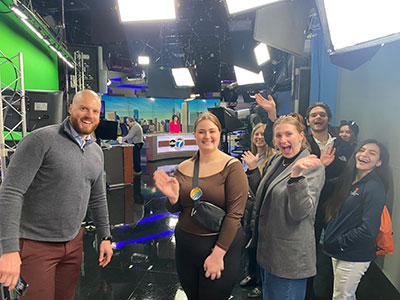
Group at ABC7 Chicago

Students also met alumna Judy Hsu (BS ’93, journalism), ABC7 evening news anchor, along with other anchors and hosts, and watched a live news broadcast (pictured at right). 

“We were right behind the camera, watching the entire hour-long program unfold,” said Ng. “[The anchors] interacted with the students during the short off-camera intervals. They were so friendly and easygoing, yet they could swiftly transition back to delivering news concisely and professionally within a few seconds. I was deeply impressed by their focus and professionalism.”

Gavin Schroeder, a senior in media and cinema studies, said the trip was not only fun but informative. He enjoyed meeting other Media students and talking with professionals in their respective fields.

“[The trip] opened my mind to the similarities that people in the workforce experience. What I took away most was the advice on how to assert yourself and stand out, along with knowing how to work in a team environment,” he said.

Kartemquin visit

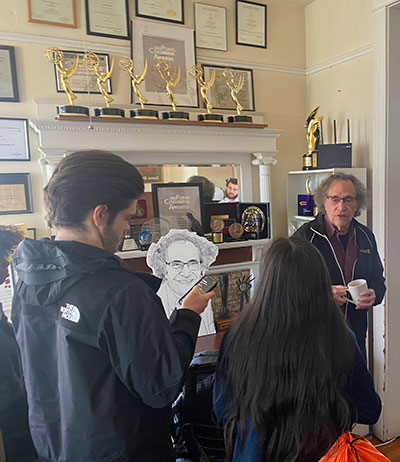
Schroeder said meeting with communications staff and touring McDonald’s International Headquarters was impressive. As an aspiring filmmaker, the highlight of the trip for him was a meet and greet with Gordon Quinn, founder of Kartemquin Films (pictured at right). 

Penny Bradford, a junior in journalism, was also inspired by a visit to the production studio. She said Quinn’s dedication to public media and storytelling allowed her to see a career she had not yet considered. 

“Overall, the trip brought unique experiences and allowed us to connect with [alumni] of the University, along with others that are currently in positions we may want to see ourselves [in],” Bradford said.

Payton Jarzyna, a senior in advertising, said the trip sparked excitement as she will soon enter the workforce.

“I learned about a lot of fields I didn’t even realize I could go into. I also learned more about the job application process, and how to stand out as a candidate,” Jarzyna said. “The businesses we visited and the people we talked to were super knowledgeable and helpful.”

The itinerary also included conversations with:

  • Michael Phillips, Chicago Tribune film critic and mentor to the College of Media Roger Ebert Fellows 
  • Geno Schellenberger (BS ’20, advertising), communications director at Havas Chicago 
  • Suheily Davis (BS ’04, journalism), vice president, global chief diversity officer, McDonald’s International Headquarters
  • Journalism alumni who work in nonprofit communications and fundraising, including Samantha Kiesel (BS ’13), marketing content manager at Boys and Girls Club of Chicago; Isabel Morales (BS ’13), media relations manager at the Nature Conservancy; and Rosie Powers (BS ’12), strategist for Mission Minded; along with Sarah Morris, Associate Vice Chancellor for Regional and International Advancement at the University of Illinois
WGN radio tour

In addition, students were invited behind the scenes to see:

  • A model and perimeter tour of the Barack Obama Presidential Library with UIC alumna Rebecca Silverman and the communications and content staff at the Obama Foundation
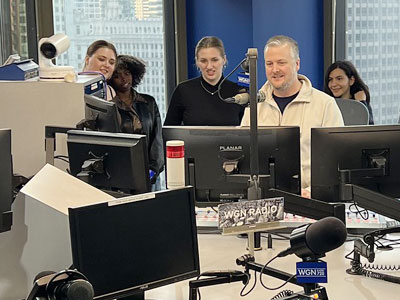
  • Blackhawks Live coaches show with Jon Hansen (BS ‘06, journalism) and Joe Brand at WGN Radio (pictured at right)
  • Google with advertising alumni Katelyn Pringle (BS ’09) and Stephanie Stewart (BS ’08, advertising), both senior account executives

See more photos from their trip.

Advertising and ICR faculty and graduate students recognized at 2024 AAA conference


AAA group of faculty and students

Faculty and graduate students in the Charles H. Sandage Department of Advertising and Institute of Communications Research were honored with awards and presented research at the annual conference of the American Academy of Advertising, held March 14-17, 2024, in Portland, Oregon. 

Nelson AAA award

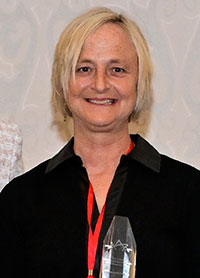
Professor Michelle Nelson, head of the Charles H. Sandage Department of Advertising, won AAA’s Career Award, the Ivan L. Preston Outstanding Contribution to Research on Advertising Award. As AAA’s top research award, this is designed to honor an individual who has made an outstanding contribution to the discipline of advertising through a systematic and sustained program of published research. The award carries a $1,000 prize. This award is given only to active AAA members for exemplary research on advertising across 20 years or more. 

Chang-Dae Ham, associate professor of advertising and associate head of graduate studies, was elected vice president of AAA and began his term on the executive committee.

Kevin Wise, professor of advertising, was appointed head of AAA’s graduate student committee. 

ICR student WooJin Kim (Advisor: Chang-Dae Ham) won a doctoral dissertation competition award for “When Humans Anthropomorphize Nonhumans: Examining the Role of AI Interactivity and Human Motivations.” Floria Yujin Lee, a graduate student in advertising, won a travel fellowship award. 

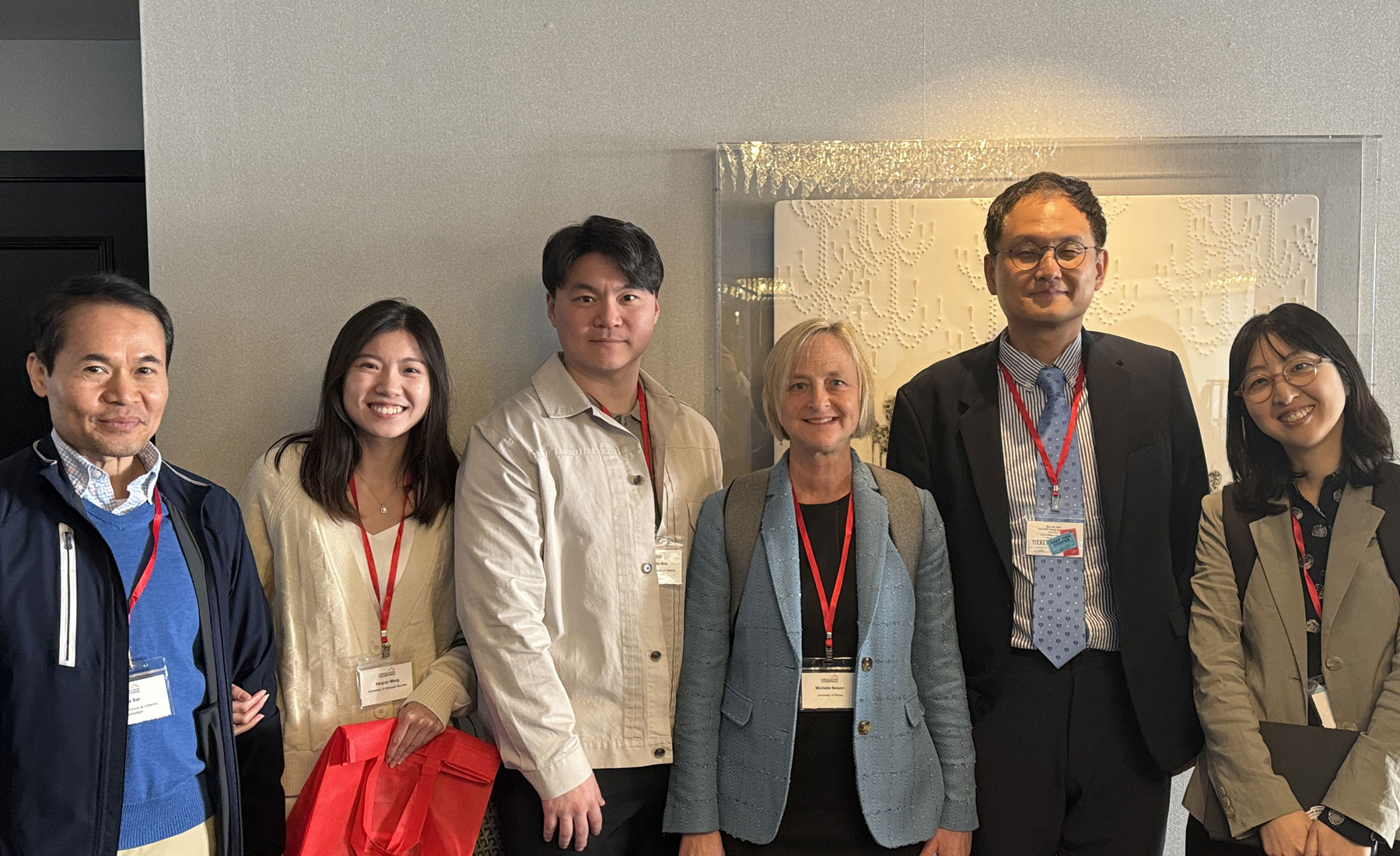
(Pictured at top: Professors Sela Sar at left, Michelle Nelson in center, and Chang-Dae Ham at right at the conference with graduate students.)

Presentations

Pre-Conference Panel Session: “How to Develop a Successful Journal Submission: Advice from Editors and Leading Experts” – with presentation “Best practices for experimental studies” by Sela Sar, professor of advertising

Special Session: “Stepping out of the Ivory Tower: Engaged Research & Teaching in Advertising” led by Professor Michelle Nelson

Research paper presentations: 

AAA students present
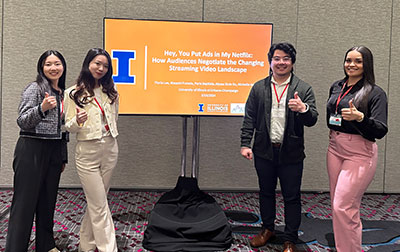
“Hey, You Put Ads in My Netflix: How Audiences Negotiate the Changing Streaming Video Landscape”
Floria Yujin Lee (MS Advertising), Masashi Fukada (MS Advertising), Paris Baptiste (MS Advertising), Xinle Du (MS Advertising); Professor Michelle Nelson 

“Exploring Motivation to Follow Virtual Influencers (VIs): The Role of Emotional Attachment as a Mechanism for Generating Positive Effects in VI-Endorsed Advertising”
Professor Chang-Dae Ham and Seo Jeong Heo (ICR) 

“When Lonely Hearts Meet Talkative Artificial Intelligence (AI) Chatbot: Exploring the Role of AI Interactivity in Sociality Motivation in the Context of AI-Powered Advertising”
WooJin Kim (ICR), Professor Chang-Dae Ham, Dongchan Lee (Northwestern University), Se Il Park (ICR), Seo Jeong Heo (ICR), Floria Yujin Lee (MS Advertising) 

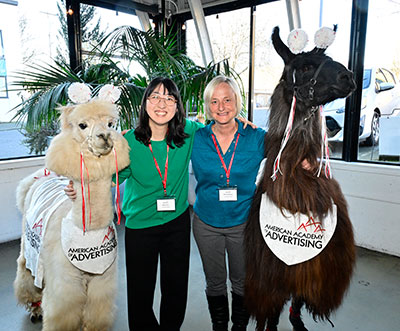
Michelle and Regina with alpaca and llama

(Pictured above: Alumna Regina Ahn (MS ’14, advertising; PhD ’19, ICR) and Professor Michelle Nelson met a llama and alpaca during the AAA conference.)

See more photos from the conference.


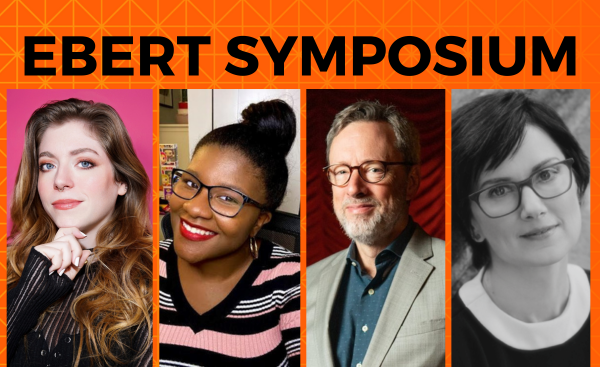
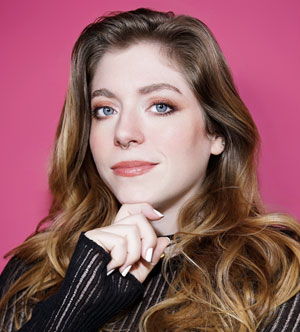
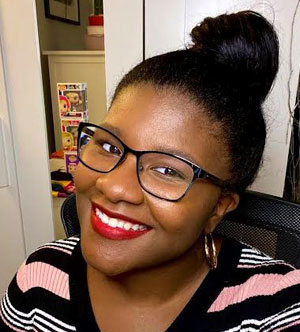
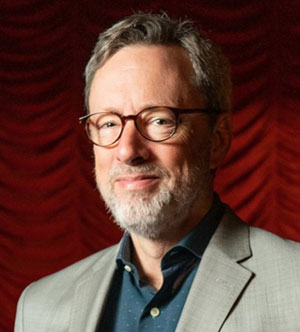
Ebert Symposium 2024 to address ‘Representations and Their Critics’


Ebert Symposium 2024 panelists

Updated 4/30/2024: Recordings are now available to watch.

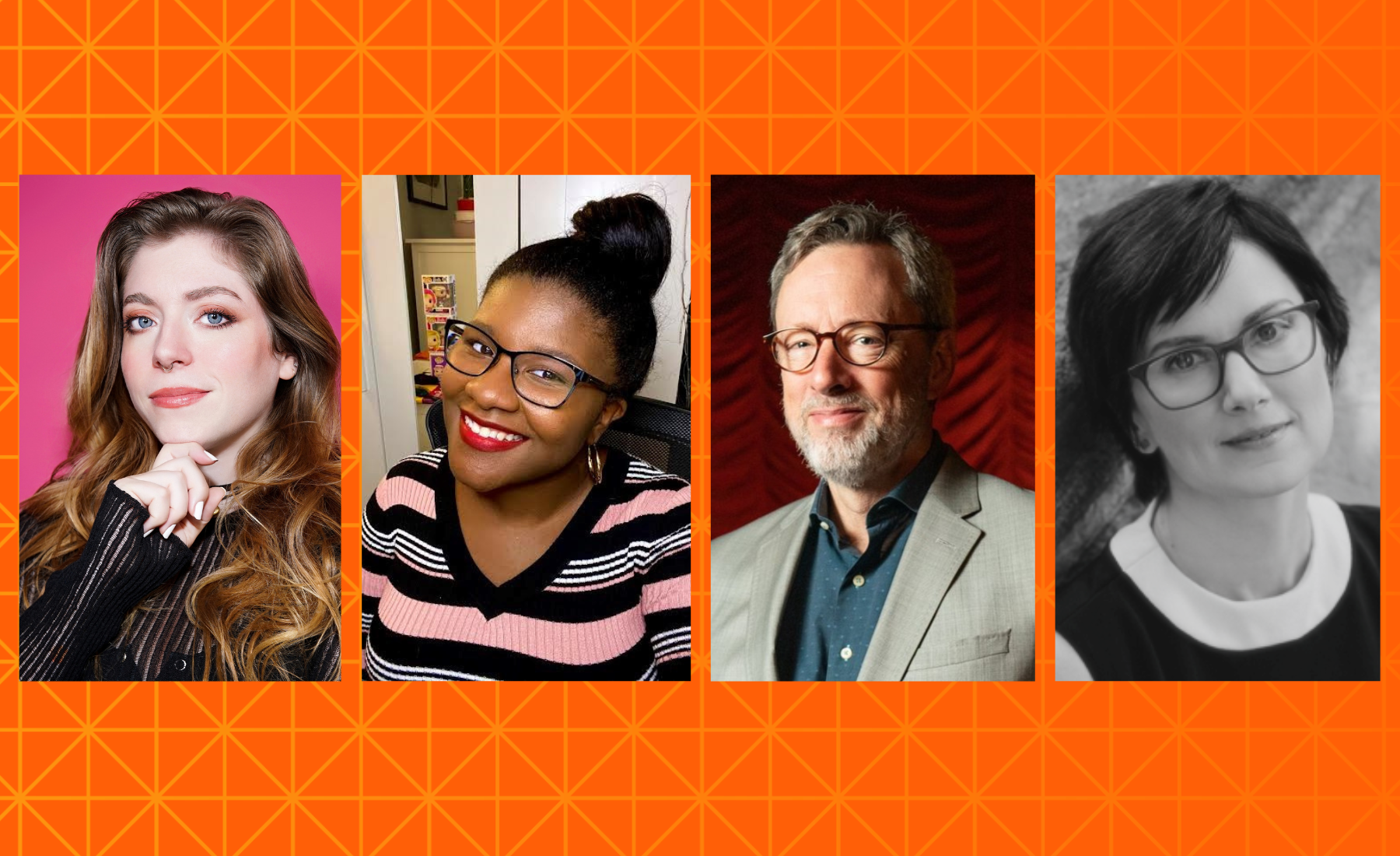
This year’s Chaz and Roger Ebert Symposium, presented by the Roger Ebert Center for Film Studies, will address “Representations and Their Critics.” Discussions will consider the current state of film criticism, the interpretive power of media critics, and how this work might evolve over the next decade. Presenters include culture commentators and film critics Megan Cruz, Bobbi Miller, Michael Phillips, and Dana Stevens.

Join us for this two-day event, in person or via Zoom:

Tuesday, April 16, 7-9 p.m.
Knight Auditorium at Spurlock Museum
Watch a screening of important film representations—a selection of scenes from movies curated by the panel—along with discussion about their importance. Free tacos will be provided before the screening, while supplies last.

The panelists—culture commentators and film critics Megan Cruz, Bobbi Miller, Michael Phillips, and Dana Stevens—selected short clips on important representations in film that included contemporary womanhood, atomic bomb portrayal, Black male representation, conversations about abortion, and more.

Watch the recording:


Wednesday, April 17, 9:30 a.m.-12:30 p.m.
Starlight Room at Siebel Center for Design
Meet the critics over coffee and pastries, and enjoy an interactive panel discussion about the state of film criticism and the future of media critics, led by moderator Tanya Melendez, a doctoral student at the University of Illinois Department of Communication and contributor to Entertainment Weekly.

Watch the recording:


About the presenters

Megan Cruz

Megan Cruz

Megan Cruz, @jstoobs on TikTok, is a host, pop culture commentator, writer, and producer who has built a strong audience with a diverse 600k+ following across social platforms. She was named by New York Times as one of eight TikTok stars redefining how movies are reviewed. She is the former co-host/EP of the #1 entertainment podcast Geeks of the Week, which had over 1 million monthly listeners. She has hosted a spectrum of live and taped events from press junkets to Netflix’s Geeked Week showcase, Disney+/Hulu’s Live From D23 Stage to Warner Bros The Batman, and Disney/Pixar’s Lightyear red carpet livestreams.

She is a passionate advocate for marginalized voices, especially women in film. Her brand new podcast, The Broad Perspective, focusing on female trailblazers in the entertainment industry, was released on December 6, 2023, with a profile in Variety.

Bobbi Miller

Bobbi Miller

Bobbi Miller is a culture critic and host of The Afternoon Special Podcast, where she pulls back the curtain on some of pop culture‘s most interesting niches and tries to make sense of it all. Across the Internet and beyond, she creates edu-taining pop culture content that uses history, analysis, and a dash of humor to highlight film, TV, and more.

When she’s not masquerading as a niche Internet micro-celebrity, you can probably find her engaging in various enrichment activities, including reading and ranking all the Ghostfaces in the Scream franchise. 


Michael Phillips

Michael Phillips

Michael Phillips is the film critic of the Chicago Tribune, appointed in 2006 after serving as the Tribune theater critic since 2002. Previously he worked as theater critic for the Los Angeles Times, the San Diego Union-Tribune, the St. Paul Pioneer Press, and the Dallas Times-Herald. He started out as arts editor and film critic for the Twin Cities weekly City Pages, while serving as film critic for Minnesota Public Radio.

Since 2015, Phillips has been the advisor/mentor for the University of Illinois College of Media Roger Ebert Fellowship, and had the honor to co-host the nationally syndicated TV series At the Movies, first opposite Richard Roeper and, later, A.O. Scott. He also introduced 100+ films, from Citizen Kane to Total Recall, on the universal goodwill machine known as Turner Classic Movies. (Photo courtesy of Sally Blood.)

Dana Stevens

Dana Stevens

Dana Stevens is the film critic at Slate and a co-host of the Slate Culture Gabfest, the magazine’s weekly culture podcast. She has also written for the New York Times, the Washington Post, the Atlantic, and Bookforum. Her first book, Camera Man: Buster Keaton, the Dawn of Cinema and the Invention of the Twentieth Century, came out in 2022 and is now out in paperback.

Sony Pictures Classics co-president to present Academy Award-nominated feature ‘The Teachers’ Lounge’ at 25th anniversary of Ebertfest


Ebertfest 25

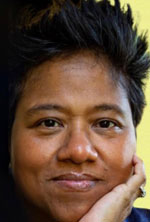
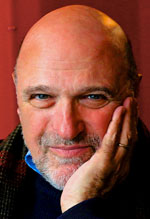
Writers Scott Alexander, Larry Karaszewski to screen ‘Man on the Moon’ 

Director Andrew Davis and brother Richard Davis to bring their Chicago-rooted film ‘Stony Island’

Filmmakers Christine and Michael Swanson, actors Lynn Whitfield and Renee Elise Goldsberry join indie film ‘Albany Road’

Michael Barker
The Teacher's Lounge


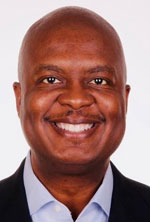
Roger Ebert’s Film Festival, also known as Ebertfest, announced that Sony Pictures Classics Co-President Michael Barker is slated to present the Academy Award-nominated feature, The Teachers’ Lounge, at this year’s 25th anniversary of Ebertfest.

Barker, who co-founded Sony Pictures Classics in 1992, is an entertainment leader and icon with his films receiving nearly 200 Academy Award nominations and 40+ wins.

Ebertfest will be held from Wednesday, April 17, through Saturday, April 20, 2024, at the Virginia Theatre, in downtown Champaign. 

The Teachers’ Lounge, a 2024 Oscar nominee for Best International Feature Film, stars Leonie Benesch (of The Crown), who plays Carla Nowak, a young Polish teacher at a German secondary school forced to deal with her student being accused of theft. Rogerebert.com calls the film “glorious” and a “proper movie, with its own theme and distinct aesthetic and strong personality.”

Christine Swanson
Michael Swanson
Renee Goldsberry


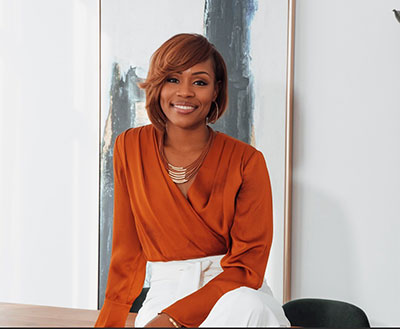
Writer and director Christine Swanson and her husband, producer Michael Swanson, along with acclaimed actors Lynn Whitfield and Renee Elise Goldsberry, will attend Ebertfest to discuss their film Albany Road. The film, which was partially shot in Champaign, Illinois, and produced by Shatterglass, centers around a New York executive forced to share a rental car with her former nemesis, her ex-fiancé’s mother, due to a snowstorm. Christine Swanson is a multiple-award winning director of film and television for HBO Films, Lionsgate, and BET Films.

Michael Swanson is an Emmy Award-winning studio executive, film producer, and theatre producer responsible for Parks and Rec, The Good Place, and Brooklyn Nine-Nine. Whitfield is an Emmy Award winner for The Josephine Baker Story, Eve’s Bayou, and has won two NAACP Image Awards for Greenleaf. Goldsberry is the 2016 Tony Award winner for Best Featured Actress in a Musical for her role of Angelica Schuyler in Hamilton.
Man on the Moon

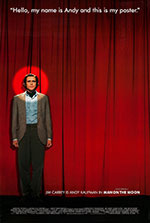
Writers Scott Alexander and Larry Karaszewski will join the distinguished guest panel to discuss their 1999 biography of Andy Kaufman, Man on the Moon, starring Jim Carrey. Roger Ebert described it as a film that “remains true to Kaufman’s stubborn vision.” Alexander and Karaszewski are known for writing unusual true stories together. Their feature film credits include the Oscar-winning Man on the Moon, Ed Wood, The People vs. Larry Flynt, Big Eyes, and Dolemite Is My Name.
Andrew Davis
Stony Island


University of Illinois alum Andrew Davis (BS ’68, journalism), director of The Fugitive, past Ebertfest guest, and a friend to Roger Ebert, with his brother, actor Richard Davis, guitarist for Chicago Catz and lifelong musician who has recorded with legends like Bobby Womack, Gladys Knight, and Mariah Carey, will also be part of the guest line-up to discuss their 1978 film Stony Island. The two teamed up to create the music-filled drama that tells the story of two struggling musicians from Chicago’s Southside who form an R&B band and take it on the road.
Anvil Orchestra
Blackmail


The Anvil Orchestra returns as an Ebertfest favorite, with the silent version of Alfred Hitchcock’s Blackmail. Roger C. Clark and Terry Donahue create magic with their homemade instruments. 

Light of Truth


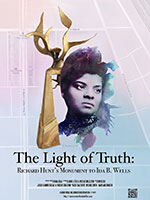
Ebertfest welcomes director Rana Segal with her film The Light of Truth: Richard Hunt’s Monument to Ida B. Wells. Renowned sculptor Richard Hunt, who passed away in December 2023, has more public artworks than any other artist. 

The survey is out for the Audience Choice Film to celebrate the 25th Anniversary of Ebertfest. The winning title will be announced soon.

As previously announced, this year’s Ebertfest commences with an opening night screening of Bob Fosse’s critically acclaimed film Star 80 with stars Eric Roberts and Mariel Hemingway in attendance and will showcase the 25th anniversary of writer-director Malcolm D. Lee’s wedding-themed, reunion romantic comedy The Best Man as this year’s centerpiece film with Lee coming to celebrate. 

Additional guests include Directors Lisa Cortes, Diane Moore, and Conductor Roderick Cox.

Ebertfest passes are currently available to purchase online or by calling the box office at 217-356-9063. Individual festival passes to see all films cost $200, which includes reserved seating. New this year are 4-film passes for $70: choose between an Evening Pass or a Saturday Pass.

Roger Ebert was a Pulitzer Prize-winning film critic for the Chicago Sun-Times, University of Illinois journalism alumnus, and Urbana native. Ebertfest is a collaboration between his widow, Ebert Digital CEO Chaz Ebert, and the University of Illinois College of Media.

For additional information, please visit ebertfest.com and follow Ebertfest on social media:

To become a supporting Festival Sponsor please contact Molly Cornyn, the Festival Coordinator, at mcornyn2@illinois.edu.

###

PRESS CONTACT: Molly Cornyn, mcornyn2@illinois.edu, 217-333-1590 

Journalism alumna appointed to Reuters Global Race and Justice team as U.S. Correspondent 

Bianca Flowers (BS ’13, journalism) was recently appointed to Reuters Global Race and Justice team as its first U.S. correspondent.

In her new role, she will pursue new and ambitious projects with a focus on producing agenda-setting coverage in the areas of race, identity, and social justice.

Flowers, who is based in Chicago, has spent the last two years at Reuters covering global steelmakers, agriculture, and construction manufacturing, centered on the integration of automation in manufacturing and the advancement of smart farm technology. 

Her expertise also encompasses coverage of labor unions, including her contributions to reporting on the historic United Autoworkers strike in 2023, the collapse of Silicon Valley Bank’s impact on commercial real estate, and the acquisition of U.S. Steel. 

Prior to joining Reuters, Flowers worked as a senior video journalist for Dow Jones where she covered short and long-form feature stories on personal finance, income equality, and diversity in the tech industry. She was one of the lead writers for MarketWatch’s “The Value Gap,” which  launched in 2020. She conducted in-depth interviews with business leaders and policymakers on reducing racial and social inequalities in various sectors. Flowers began her career at Fortune magazine and has held editorial roles at Learnvest, Investopedia, and ABC News. 

Read the full announcement.

Bianca Flowers

Advertising alum wins prestigious award for ag entrepreneurism

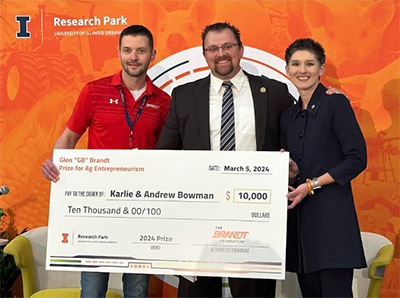
Alumna Karlie Elliott Bowman (BS ’09, ACES; MS ’10, advertising), and her husband Andrew Bowman, were awarded the 2024 Glen “GB” Brandt Prize for Ag Entrepreneurism, announced during the 2024 AgTech Summit hosted by the University of Illinois Research Park.

The prestigious award recognizes a grower, producer, or farmer who exemplifies an entrepreneurial spirit and advances innovation in agricultural practices and products.

Working with the University of Illinois, the Bowmans have developed new popcorn hybrids, resulting in specialty red and blue “hull-less” popcorn. They market the product behind the tagline, “No toothpicks required.” They have also pioneered an automated in-store popcorn demonstration unit, a reflection of their forward-thinking approach to product marketing and customer engagement.

The Bowmans are fifth-generation farmers near Oneida, Illinois, with more than 1,800 acres of corn and soybean seed beans. Karlie is also an account manager at Hill+Knowlton Strategies, one of the world’s leading strategic communications companies. 

Read more about the ag award.

See their consumer site: https://pilotknob.farm

Bowmans

Derek Long takes on history of Hollywood film distribution in his first book, ‘Playing the Percentages’


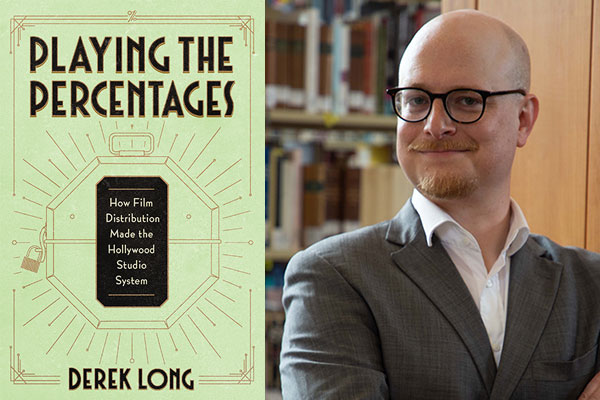
Derek Long, assistant professor of media and cinema studies, sheds light on a rarely covered piece of Hollywood history in his first book, Playing the Percentages: How Film Distribution Made the Hollywood Studio System.

Derek Long publishes book

Praised as “invaluable to media industry scholars of the past and present,” the book is a comprehensive history of film distribution in the United States during the silent era that illustrates the importance of power struggles between distributors and exhibitors over booking, pricing, and playing time (i.e., how long it stays in theaters).

“When people think about Hollywood as an industry, maybe they think about the more glamorous aspects of it like stars, producers, or figures in Hollywood,” Long said. “But I was interested in how Hollywood came to be an industrial institution and the history of that, particularly in the silent era.”

Playing the Percentages, set for release on April 16, considers the economic history of the industry’s film distribution process from 1910 through 1930, including booking, circuiting, and packaging marketing practices.

While many Hollywood histories focus on linear narratives such as industry growth and improvements in technology, Long said there was a “hole in the scholarship” regarding the various ways films were distributed, sold, or marketed. 

“That was a story nobody had really told, at least in an American context, and so I wanted to fill that gap,” he said. 

Long didn’t begin writing Playing the Percentages until 2017, but the project developed out of his dissertation over a decade ago. 

Previous histories basically think about distribution as a mechanism or industrially organized system of shipping films out when there’s a lot more to it than that.

In addition to using digital libraries, Long conducted extensive archival research across the country, visiting the Margaret Herrick Library in California, which is the archives and repository of the Academy of Motion Picture Arts and Sciences; the Warner Brothers Archives at University of Southern California; the Library of Congress in Washington, D.C.; the New York Public Library; the Shubert Archives in New York; and the Harry Ransom Center at the University of Texas.

After months of research, Long said it became apparent that developing the system of film distribution was not a straight line and his book highlights those crucial changes in the system brought about by live theater, the rise of longer feature-length films, and the transition to sound. 

“Previous histories basically think about distribution as a mechanism or industrially organized system of shipping films out when there’s a lot more to it than that,” Long said. “Actually, the history of building that system is part and parcel of the history of Hollywood as an industry, and how it came to be so powerful, particularly in the 1930s and ’40s.” 

Long, whose course specialties include film history, media distribution, and digital tools and historiography, has incorporated his research discoveries into his lectures on classical Hollywood and how distribution works. 

In addition to teaching and writing, Long is also the creator and developer of Early Cinema History Online, a filmographic database of credits for over 35,000 early American films. The searchable archive, which serves as a reference tool for scholars, features credits for titles released in the United States from 1908 through 1920. 

He also organizes the annual MACS Student Showcase, screening student work that has been produced in MACS classes throughout the academic year. This year’s showcase will be held on Saturday, May 4, at the Spurlock Museum.

Long is already thinking about a sequel to his first book, which would look at film distribution relationships in the 1930s and ’40s, including how race was a factor.  

“I want to look at alternative systems of distribution, particularly for race cinemas, films specifically for African American audiences,” Long said. “That was essentially a completely segregated and different form of distribution.”

In the meantime, Long is enjoying the feeling of accomplishment after completing his first book.

“It’s very exciting to see your book in print for the first time,” Long said. “Especially when you’ve been working on it for so long.”

Long’s book, Playing the Percentages, will be available on April 16; use code UTXM25 for a discounted price.

Share on social

How will generative artificial intelligence affect political advertising in 2024?


Michelle Nelson
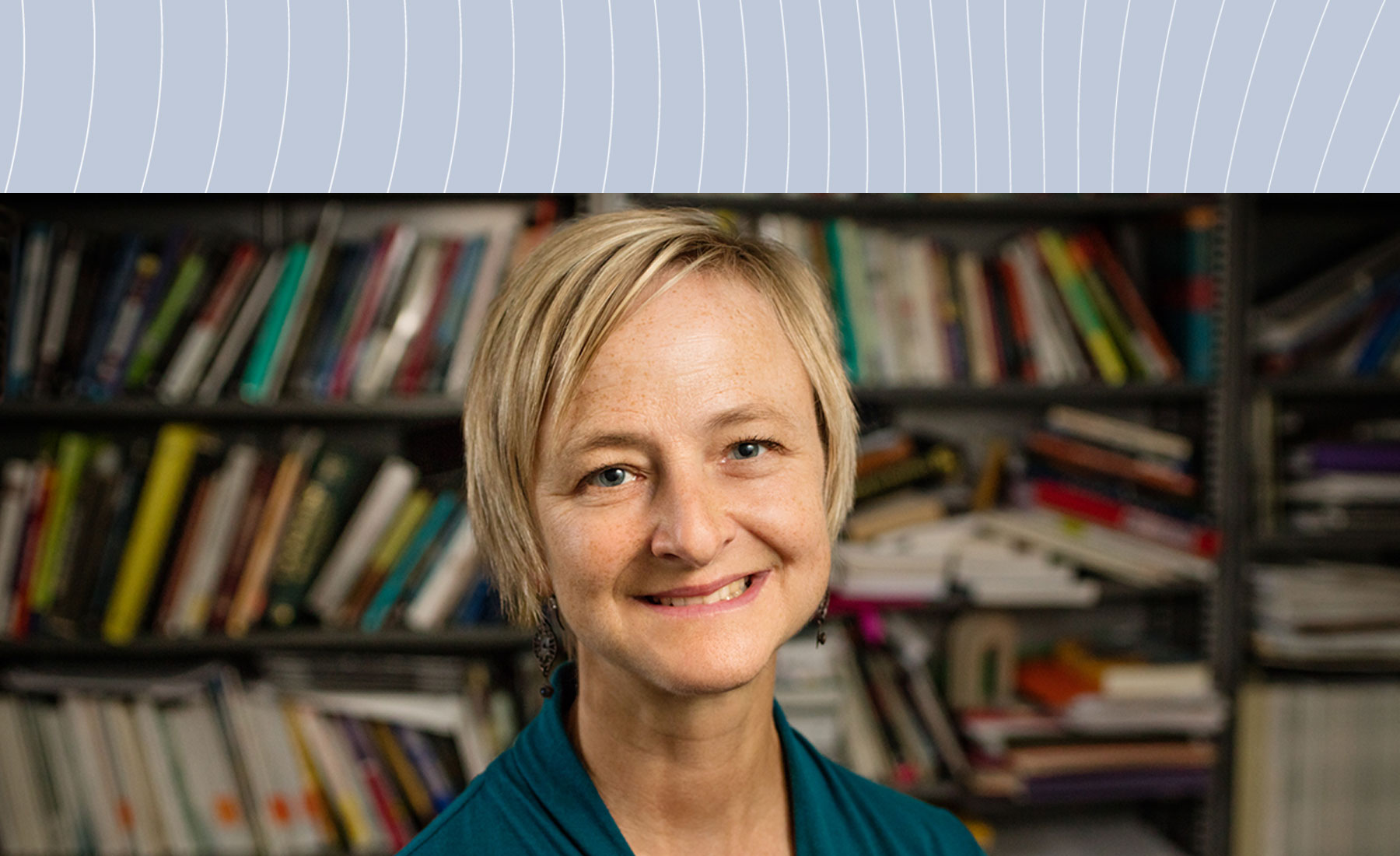
Michelle Nelson, professor and head of the Charles H. Sandage Department of Advertising, says voters should expect to see a lot more generative AI in political ads during the 2024 election cycle, warning that it might be difficult-to-impossible to tell what’s real and what’s fake. (Photo by L. Brian Stauffer.)

It’s estimated that $12 billion will be spent on political ads this election cycle—30% more than in 2020. The sheer volume of ads is remarkable, and there is vast potential to use this political information to contribute to democracy: to reach more potential voters and provide accurate information. There’s also more potential than ever for generative artificial intelligence to misrepresent candidates and policies, leading to confusion in the voting booth. News Bureau editor Lois Yoksoulian spoke with advertising professor and department head Michelle Nelson about the topic.

How is AI used in political ads, and what are some recent examples of AI-generated political ads?

After President Joe Biden announced his re-election bid, the Republican National Committee released an AI-generated political advertisement that depicted a dystopian world should Biden be re-elected. The video ad features a number of “what if” questions (e.g., What if crime worsens?) with AI-generated images. This is a classic fear appeal-negative attack ad. Emotional ads reach us, and we remember them—like the famous Daisy political ad used during the 1964 election cycle or the Willie Horton ad used in 1988. But they may also get some backlash for being too negative, too manipulative, especially because they are using AI.

Some say the Joe Biden RNC ad is the first AI-generated ad, but it’s hard to prove. However, in the top left corner of the ad, you see a disclosure in a small font: “Built entirely with AI imagery.” The video description on the GOP’s YouTube page says, “An AI-generated look into the country’s possible future if Joe Biden is re-elected in 2024.” So they are not hiding the use of AI. There’s also a spoof ad that ran on The Daily Show, which uses an AI-generated voiceover for Biden. It’s pretty easy these days to use AI tools to create content and make it look pretty real.

Are the entities behind these types of ads required to disclose that AI has been used?

The Federal Election Commission, the governmental body that regulates political communication, including advertising in the U.S., sought public comments on amending a regulation related to the use of deliberately deceptive AI in campaign ads at their meeting titled 2023: REG 2023-02 Artificial Intelligence in Campaign Ads. They have not yet made a ruling here. However, states such as California, Texas, Michigan, Washington, and Minnesota have enacted new state laws where any deepfake AI images, video, or audio need to be labeled in. A similar law is being discussed here in Illinois. It’s not clear how these state laws relate to the Constitution.

Some tech companies have started requiring disclosures. For example, Google indicated that all AI-generated political ads shown on YouTube or other Google platforms “that alter people or events” must have a prominent disclosure. There is also a verification process for political ads in some regions.

Microsoft has started their “Content Credentials as a Service” which is like a watermarking tool—it lets users digitally sign and authenticate the media—whether it’s an image or video through their Coalition for Content Provenance and Authenticity. The idea is that the watermark serves as metadata so users can see the history of the content. For example, “how, when, and by whom the content was created or edited,” whether by a person or AI. This information stays with the content so anyone can see the origin.

To what extent AI-generated political content is now being watermarked or disclosed I have no idea. It seems difficult to police all of these images at this moment in time.

What is the potential harm of using AI in political ads? 

The concerns for harm relate to possibilities for deepfakes and disinformation. Others can re-create something using AI voice or images without authorization to create stories and content that are absolutely untrue.

We’ve had tools and technology in the past, like Photoshop to manipulate existing images. Do you remember the 2004 ads featuring altered photos depicting John Kerry, the Democratic nominee for president, and Jane Fonda at an anti-Vietnam War rally? Ads are regularly embellished or altered: The colors or lighting are changed to make people look ominous or more youthful. But this is different. This is a whole new level. Anyone can make AI messages using free tools such as Open AI’s ChatGPT or Google’s Bard. This may be good when used responsibly, or it may be harmful.

Our research shows that many people don’t know that the First Amendment protects political advertising in the U.S. Political advertising is not held up to the same standards as commercial advertising, say for a cheeseburger. The Truth-in-Advertising laws by the Federal Trade Commission do not apply to political ads. That means political ads can legally be deceptive or lie. Of course, there are libel laws, but they are rarely used in this arena.

Beyond this regulatory difference in commercial and political advertising, the idea is that we want free-flowing political information to contribute to a dialogue that can enhance our democracy. Too much regulation can have a chilling effect on political speech. Yet the potential today with AI to lie and deceive and to deploy these messages in a personalized manner and at a grand scale offers a challenge perhaps to our thinking about regulation and political advertising.

Do you have any advice on how consumers can spot the use of generative AI in political ads?

They can’t. You can look for irregularities like the number of legs on the cat. But it is getting harder and harder to tell if AI makes an image or video. Whether it’s Taylor Swift, an image of Trump in jail, or a funny meme, we can’t always tell, especially as we scroll through our social media feeds. The best we can do is hope that the tech industry develops systems able to trace the origin of the content so we can see who made the image and when and how. If this tech is built in, it’s harder to fool people. We could also encourage disclosure mandates among tech companies.

But in the age of this kind of media and in an election year, we need to focus on the basics of media literacy—looking for reliable sources of information, watching the political debates and trying to form our own informed opinions.

Editor’s note: To reach Michelle Nelson, call 217-344-5068; email nelsonmr@illinois.edu

View original press release.

DEV College of Media
119 Gregory Hall
810 S. Wright St.
Urbana, IL 61801
217-333-2350