Media faculty, students present research at 2026 International Communication Association conference


Faculty and graduate students from the College of Media co-presented various topics of research at the 76th annual International Communication Association Conference—the largest academic conference for communication scholars—on June 4-8, 2026, in Cape Town, South Africa. The ICA aims to advance the scholarly study of human communication by encouraging and facilitating excellence in academic research worldwide. 
ICA 2026 program cover

This year’s conference theme addressed “Communication and Inequalities in Context.” College of Media presenters included faculty in the Institute of Communications Research and the Charles H. Sandage Department of Advertising; graduate students in the MS advertising program; and doctoral students in the Institute of Communications Research PhD program. 

College of Media research presenters and presentations are listed below in bold.

Pre-Conference: A Causal Inference Institute in Communication Studies
Organizers

  • Shuning Lu, U of Maryland, College Park, USA
  • Ewa Maslowska, Associate Professor, Advertising
  • Harsh Taneja, Associate Professor, Advertising

When Communication Makes the Difference: From Signals to Relational Dynamics
Human-Machine Communication
“Reconsidering Gender: A Computational Examination of Conversational Dynamics between Human and Gendered AI”

  • Weizi Liu, Texas Christian U, USA
  • Haocan Sun, Beijing Normal U, CHINA
  • Mike Yao, Professor, Advertising

Human-Machine Care: Well-Being and Vulnerability
Human-Machine Communication
“Emotionally Vulnerable Subtype of Internet Gaming Disorder: Measuring and Exploring the Pathology of Problematic Generative AI Use”

  • Di Wu, Beijing Normal U, CHINA
  • Haocan Sun, Beijing Normal U, CHINA
  • Weizi Liu, Texas Christian U, USA
  • Guoming Yu, Beijing Normal U, CHINA
  • Mike Yao, Professor, Advertising

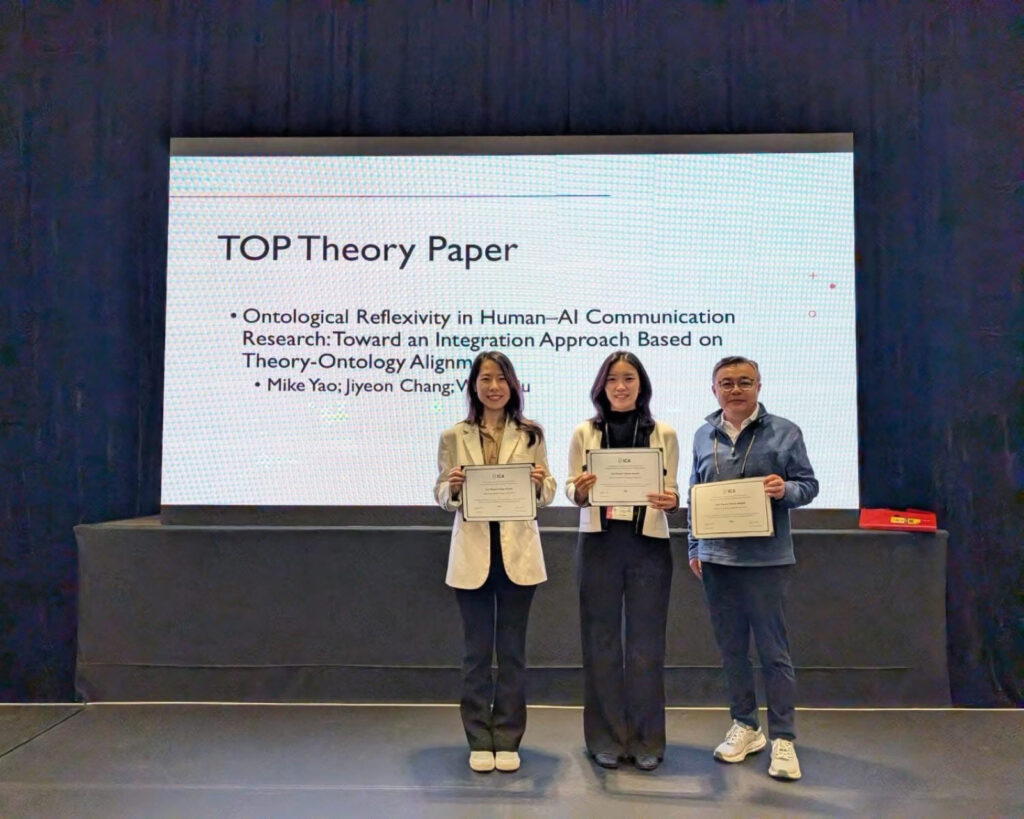
Top Papers in Human-Machine Communication
Human-Machine Communication
“Ontological Reflexivity in Human–AI Communication Research: Toward an Integration Approach Based on Theory-Ontology Alignment”

  • Mike Yao, Professor, Advertising
  • Jiyeon Chang, Student, ICR
  • Weizi Liu, Texas Christian U, USA
Media faculty and students at ICA

Persuasion and Consumer Behavior
Information Systems
“The Brand Transparency Paradox: Consumer Reactions to Explicit Mentions of Artificial Intelligence”

  • Viviana Zambrano Rodriguez, U of South Carolina, USA
  • Louvins Pierre, Assistant Professor, Advertising

“Exploring How Attitudes toward AI and Disclosure Influence Purchase Intention of AI-Integrated Products through Hedonic, Social, and Epistemic Value”

  • Louvins Pierre, Assistant Professor, Advertising
  • Viviana C. Zambrano Rodriguez, U of South Carolina, USA
  • Yanbo Li, Student, ICR

AI in News Production and Consumption
Information Systems
“Audience Perceptions of AI Newscasters: Social Presence, Trust, and Emotional Responses”

  • Haochen Ji, Student, ICR
  • Jiayi Wang, Student, MS Advertising
  • Kevin Wise, Professor, Advertising
  • Xiaoyu Xu, State U of New York at Cortland, USA
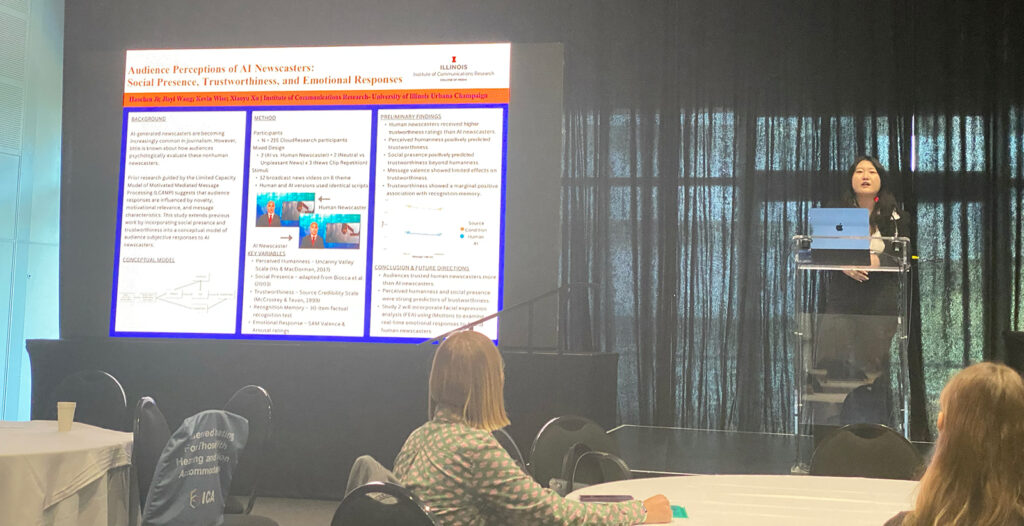
Media grad student presenting at ICA

AI Taking Over: Promises and Pitfalls of AI Use in Research, Journalism, and Society
Computational Methods
“When Machines Start Writing: Assessing the Impact of Generative AI on Journalism Labor Markets”

  • Sakshi Bhalla, Student, ICR
  • Jennifer Henrichsen, Washington State U, USA
  • Benjamin Toff, U of Minnesota, USA

Cognitive and Emotional Processing
Information Systems
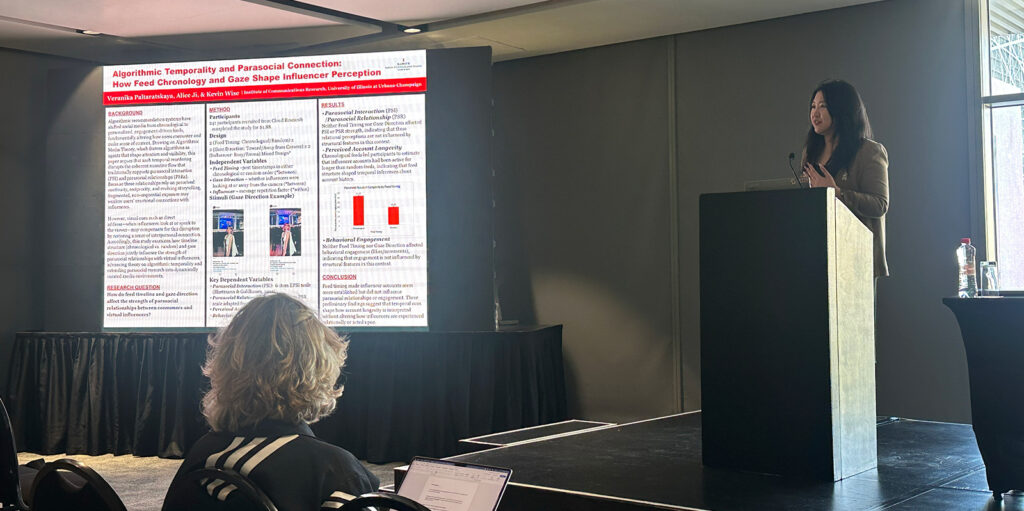
“Algorithmic Temporality and Parasocial Connection: How Feed Chronology and Gaze Shape Influencer Perception”

  • Veranika Paltaratskaya, Student, ICR
  • Alice Ji, Student, ICR
  • Kevin Wise, Professor, Advertising
Media grad student presenting at ICA

Editorial Board Meeting: Journal of Computer-Mediated Communication (JCMC)

  • Chair: Mike Yao, Professor, Advertising

MIAU-steerable AI: Trust, Adoption, Dependency, and Behavioral Regulation in Generative Tech Ecosystems
Communication and Technology
“Social Media Exit and Platform Loyalty: Generational Differences in Platform Abandonment”

  • Margaret Yee Man Ng, Associate Professor, Journalism
  • Ewa Maslowska, Associate Professor, Advertising

Computational Methods Research Escalator
Computational Methods
“When AI Imagines Consumers: A Computational Analysis of Representational Bias in Generative AI Brand Imagery”

  • Haochen Ji, Student, ICR

Co-Constructing Trust in HMC
Human-Machine Communication
“Revisiting Trust in the Era of Generative AI: Factorial Structure and Latent Profiles”

  • Haocan Sun, Beijing Normal U, CHINA
  • Weizi Liu, Texas Christian U, USA
  • Di Wu, Beijing Normal U, CHINA
  • Guoming Yu, Beijing Normal U, CHINA       
  • Mike Yao, Professor, Advertising

Growing up with AI: Children’s and Adolescents’ Understanding, Trust, and Risk
Children, Adolescents, and Media
“Children and AI Mind Attribution: Reasoning and Learning with ChatGPT through Social Learning Theory”

  • Boram Cho, Student, MS Advertising
  • Jiyeon Chang, Student, ICR
  • Michelle Nelson, Professor, Advertising

Top Papers Session
Information Systems
“Following the News: Polarization and the Networked Structure of Attention”

  • Sakshi Bhalla, Student, ICR

Perception, Trust, and Bias of Artificial Intelligence
Information Systems
“Emotional and Social Drivers of Artificial Intelligence Pessimism Aversion: Extending the Appraisal Tendency Framework to AI Environments”

  • Heng Zhang, Chongqing U, CHINA
  • Nansong Zhou, Student, ICR
  • Jer Shyuan Ng, Royal Melbourne Institute of Technology, AUSTRALIA
  • Shiyi Zhang, Chongqing U, CHINA

Masculinities, Femininities in Digital Communication
Feminist Scholarship
“Masculine Anxiety and the Making of Racialized Nationalism in China: A Qualitative Investigation Into Sunxiaochuan Bar”

  • Nini Zhou, Student, ICR
  • JungHwan Yang, U of Illinois Urbana-Champaign, USA

(Photos by Boram Cho.)
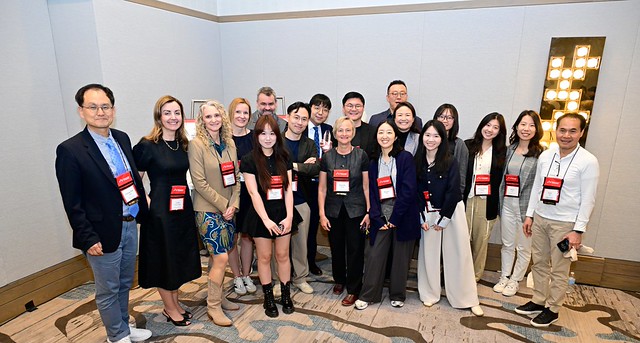
Advertising and ICR faculty, students, alumni present research at 2026 American Academy of Advertising Conference


Advertising faculty with appointments in the Institute of Communications Research, doctoral students in ICR, graduate students in advertising, and ICR alumni participated in the 2026 annual conference of the American Academy of Advertising, held March 26-29 in Austin, Texas.

Through presentations and panels, they discussed research and ideas related to teaching AI and advertising, ethics, and more. Advertising Professor Chang-Dae Ham serves as the 2026-27 president-elect of AAA and will become AAA’s president next year.

Below is a list of the Illinois participants and their research.

AAA conference group shot

Special Topic Sessions

“Navigating Advertising Academic Leadership During a Time of Change: An Inside Look at Administration Roles in the Age of A.I., Program Changes, and Industry Upheaval”

Speakers: Huan Chen (University of Florida), Joe Phua (Southern Methodist University), Shu-Chuan (Kelly) Chu (DePaul University), Matthew S Eastin (University of Texas at Austin Professor and Head Michelle Nelson, Soojung Kim (University of North Dakota), Fuyuan Shen (Pennsylvania State University), Tom Reichert (University of South Carolina), Heidi Hennick-Kaminski (Michigan State University), Harsha Gangadharbatia (University of North Carolina at Chapel Hill)

“Teaching Privacy in the Age of AI: Preparing Ethical Advertising Professionals”

Speakers: Kristen Sussman (Texas State University), Faren Karimkhan (Syracuse University), Daniela Molta (Syracuse University), Associate Professor Ewa Maslowska, Carina Alderete (Accenture)


Panels

“Foundational Framework in Virtual Influencer Marketing: Bridging Operational Control and Narrative Archetypes in Virtual Influencer Design”

Speakers: ICR doctoral student Seo-Jeong (Rachel) Heo, Professor and Associate Head of Graduate Studies Chang-Dae Ham

“When Robots Cross the Line: Consumer Moral Judgments of Robots’ Harm and Authority Violations”

Speakers: ICR doctoral student Seo-Jeong (Rachel) Heo, Yuhosua Ryoo (University of Minnesota Duluth), ICR alum WooJin Kim (University of Colorado Boulder)

“Scandals, Morality, and Cancel Culture: How Consumers Judge Brands and Influencers”

Speakers: Saima Kazmi (University of Oregon), Assistant Professor Louvins Pierre, Josh Anderson (University of Arizona)

“When Identity Disclosure Matters: The Interplay of Identity Disclosure, Message Type, and Product Type in AI Influencer Advertising on Social Media”

Speakers: ICR doctoral student Se Il Park, Professor and Associate Head of Graduate Studies Chang-Dae Ham

“Beyond the Algorithm: The Double-Edged Impact of Explainable AI”

Speakers: ICR alum WooJin Kim (University of Colorado Boulder), ICR doctoral student Se Il Park, Professor and Associate Head of Graduate Studies Chang-Dae Ham, ICR alum Un Chae Chung (University of Wisconsin Whitewater)

“Peripheral Cues in a Democracy? Using the Elaboration Likelihood Model to Examine Information Cues and Negativity in Millions of Political TV Advertisements”

Speakers: ICR doctoral student Alice Ji and Professor and Head Michelle Nelson

“Zero-Click Persuasion in LLM Advertising: The Role of Response Structures and Regulatory Mode Fit”

Speakers: ICR doctoral student Seo-Jeong (Rachel) Heo, Yuhosua Ryoo (University of Minnesota Duluth)

“Measuring AI-Advertising Aversion: An Initial Scale Development and Empirical Assessment of Its Relationship with AI Anxiety”

Speakers: Assistant Professor Louvins Pierre, Viviana Carolina Zambrano Rodriguez (University of South Carolina), MS advertising student Jiayi (Joy) Wang

“From Black Box to Glass Box: The Moderating Role of AI Literacy on the Political Matching Effect”

Speakers: ICR alum WooJin Kim (University of Colorado Boulder), ICR doctoral student Se Il Park, ICR alum Un Chae Chung (University of Wisconsin Whitewater), ICR alum Seo Yoon Lee (Texas Christian University), ICR doctoral student Jiyeon Chang

“Adaptive or Defensive? How Perceived Regulatory Efficacy Shapes Consumer Coping with Targeted Advertising”

Speakers: Professor and Associate Head of Graduate Studies Chang-Dae Ham, Ilwoo Ju (Purdue University)

“Signaling Transparency or Triggering Skepticism? Exploring How AI Disclosure in Product Advertising Influences Purchase Intention”

Speakers: Assistant Professor Louvins Pierre, Viviana Carolina Zambrano Rodriguez (University of South Carolina), MS advertising student Jiayi (Joy) Wang, ICR doctoral student Nisa Rahman


Moderators

Professor Sela Sar served as moderator for a panel on the theme of “Rethinking Advertising Research”

ICR doctoral student Yujin (Floria) Lee served as moderator for a panel on the theme of “Social Representation in Advertising”

Share on social

ICR team co-edits book on media, meanings surrounding quinceañeras


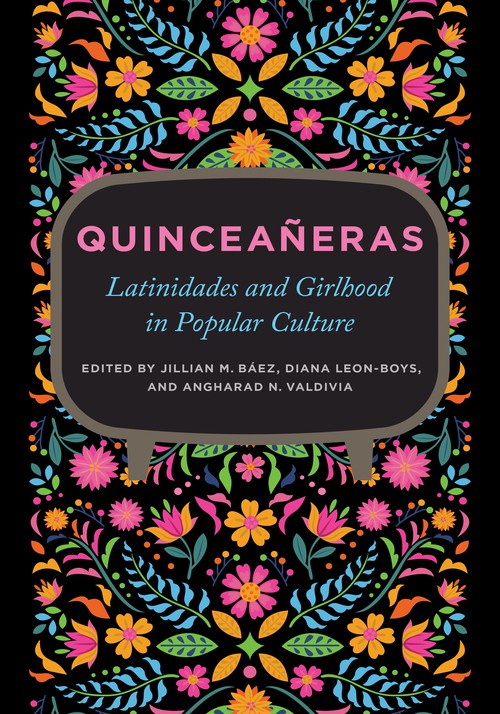
A team from the Institute of Communications Research, including two alumni and an emerita professor, have co-edited the book “Quinceañeras: Latinidades and Girlhood in Popular Culture” (University of Illinois Press).

Quinceañeras book cover

Jillian M. Báez (PhD ’09, communications and media, ICR), Diana Leon-Boys (PhD ’20, communications and media, ICR), and Institute of Communications Research Professor Emerita Angharad N. Valdivia (PhD ’91, communications and media, ICR) edited a collection that draws on the expanding field of girlhood studies to examine the increasing visibility of the event and the figure of the quinceañera herself in pop culture.

The contributors focus on quinceañeras as a trope for English-language media’s treatment of Latina girlhoods and Latinx cultures but also examine how use of the quinceañera charts openness and inclusivity within Latinx culture.

Valdivia was part of an ICR team that also organized an exhibit on quinceañeras in 2022, with current ICR doctoral student Stephanie Pérez and alum Ariana Cano (PhD ’24, communications and media, ICR), who were also book contributors.

Share on social

ICR student selected for 2026-27 Humanities Research Institute Fellowship


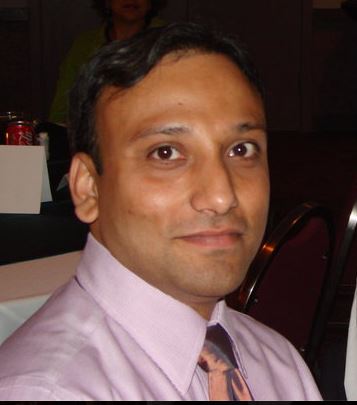
Anirban Mukhopadhyay, a student in the Institute of Communications Research, has been selected as a 2026-27 Humanities Research Institute Graduate Student Fellow.

Anirban Mukhopadhyay

Mukhopadhyaym will join six other graduate students and seven faculty members who will meet at the Humanities Research Institute throughout the year to address how they are rethinking research paradigms.

The theme for this year’s Fellowship is “Up Against Erasure,” which invites researchers to persuade others of the stakes of identifying processes of erasure, of being up against it, and of working in opposition to it. Mukhopadhyay’s research narrative is “Governing the AIR: Radio, Polity, and Nationalism in Postcolonial India, 1950–2023.”

As an HRI Graduate Student Fellow, Mukhopadhyay will receive a $25,000 stipend and a tuition and partial fee waiver.

HRI grants fellowships to Illinois faculty and graduate students, who spend the year engaged in research and writing. All HRI Fellows participate in HRI activities, including the yearlong Fellows Seminar.

Share on social

I on the Media: Inside the Cultural Momentum of the 2026 Sports Season


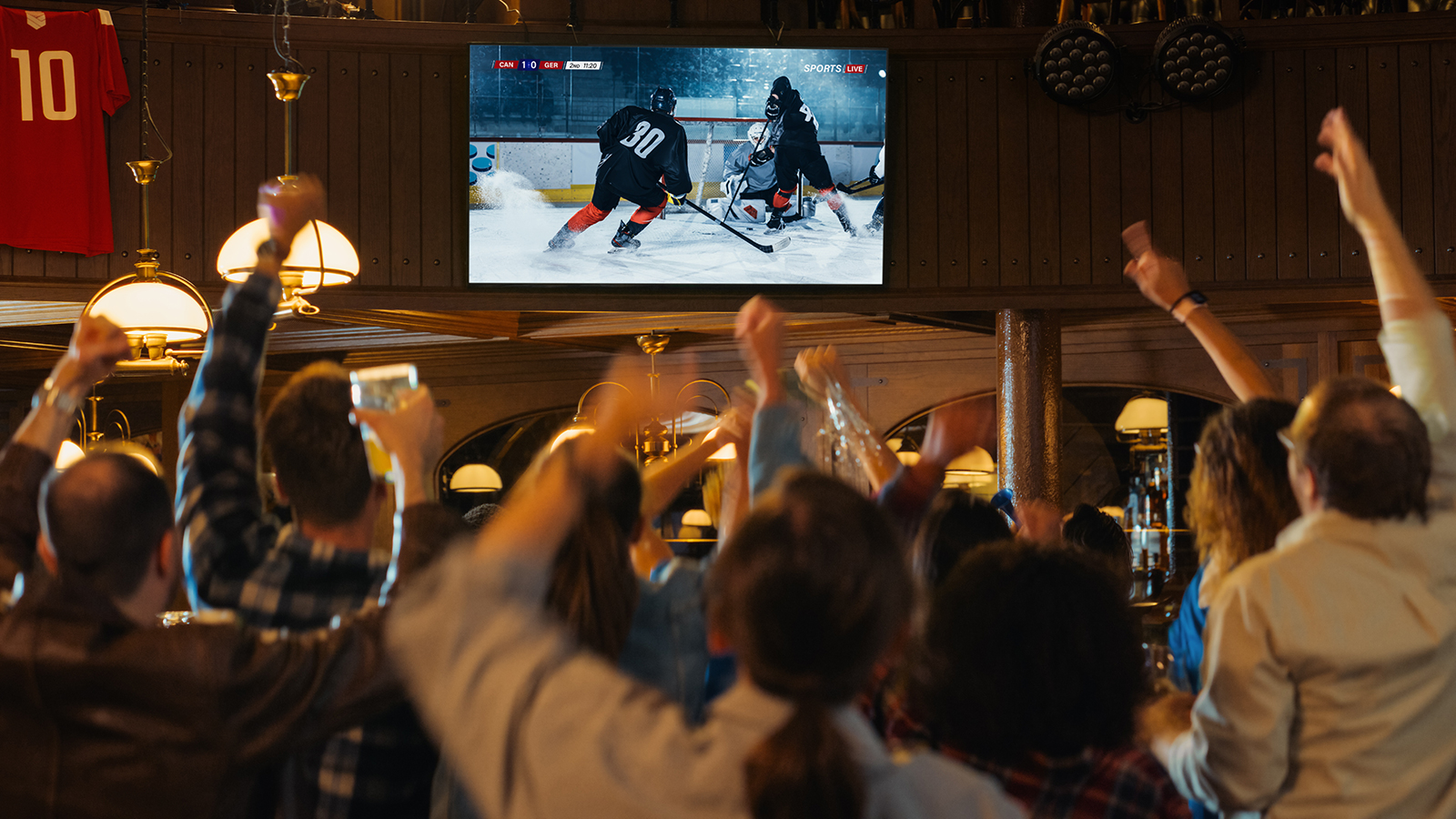
Fans at a pub watching hockey and cheering together

The Super Bowl, the Milano Cortina Winter Olympics, and the FIFA World Cup this summer have set the stage for a sports season defined not just by competition but by community.

Steve Hall

These sporting events create shared viewing rituals that bring millions of people together to experience the games in real time. And while audiences continue to reach historic highs, even as media habits fragment, it’s worth examining how these events shape identity, fandom, community, and the way people connect with one another.

To help understand why sports carry such cultural influence and how brands try to engage with fans in these moments of collective attention, we spoke with Steve Hall, senior lecturer of advertising, who is teaching a brand new course this semester on “Sports Advertising and Branding” and serves as chair of the University of Illinois Urbana-Champaign Athletic Board.


With the rise of “communal viewing”—from watch parties to bars to fan zones—how does the social nature of watching sports amplify the impact of an ad compared to watching alone?

Viewing sports together as a shared social experience can be extremely powerful and create incredible opportunities for advertisers. It can also pose serious challenges.

The impact of advertising in communal contexts is complicated and depends on a dizzying array of variables. There are a lot of questions that need to be asked. For starters, how does an advertiser define and measure impact? From a media perspective, there’s a ton of data analytics being generated to measure what and when people are watching when it comes to sports on linear and streaming platforms. But that’s just scratching the surface.

Questions remain: What kind of fan zone, bar, or watch party is it? Organized or spontaneous? Is the game, match, or race interesting or boring? What stake or emotional connection do each of the audience members have with the sport, teams, players, and the group of people or type of fans who are there watching? Favorite or rival team winning or losing? Are people intensely engaged, having side conversations, focused on eating a pastrami on rye, checking fantasy stats, or posting videos of themselves at the party on social media?

Then you have the ad itself. Is the storytelling mediocre or amazing? Does it connect with the audience on an emotional, human level from a creative perspective? Do people discuss, share, or comment on the ad with others in a positive or negative way? Is there a strategy to amplify the advertising message across omnichannel touchpoints?

Understanding the impact of advertising in communal viewing environments is complicated. Stay curious. Keep asking questions. Because you’ll never have all the answers.

With the United States co‑hosting the 2026 FIFA World Cup, how significant is this moment for American brands looking to reach a global audience—especially given soccer’s growing popularity in the U.S.?

Whether you call it soccer or football doesn’t matter—the 2026 FIFA World Cup is a huge moment for all brands looking to reach global audiences. As the most popular sport on the planet, fandom is massive and culturally diverse. That opens a very big door for advertisers to tell their stories, create experiences, and connect with people everywhere on the world stage. To be successful, culture should be at the epicenter of advertising, fan engagement activities, and marketing programs. Branding is about what people think, feel, and believe. It’s reputation.

The FIFA World Cup will present incredible opportunities for advertisers to leverage culture, meet new audiences, create trust, and build relationships with everything from in-stadium brand activations to prime-time TV commercials. This global event will allow brands to align fans, teams, and athletes with relevant, authentic storytelling, sponsorships, partnerships, and innovative experiences that will not only reach global audiences, but connect with them in entirely new ways. After all, the world will be watching. Game on.

What are students currently analyzing and discovering in your brand new “Sports Advertising and Branding” course?

Currently, we’re looking at the relationship between culture, trends, and sports. Overall, the class allows students to explore, discover, and examine sports advertising and branding in a broad array of contexts that connect advertising, marketing, media, sports, teams, athletes, fans, events, experiences, and partnerships at amateur, collegiate, and professional levels.

The course introduces industry practices and processes to help students understand and apply concepts related to research, data, consumer behavior, strategic planning, creative content, production, media, and branded integration into the incredibly immense and fascinating world of sports.

Specific topics include sports information, public relations, event management, fan engagement, merchandising, brand activation, technology, e-sports, NIL, gambling, ethics, personal branding, sports celebrities, and collaborations. The class also incorporates experiential learning opportunities with alumni, sports industry professionals, and coaches, as well as attending NCAA athletic events on campus.

Margaret Ng selected as Center for Advanced Study Associate for 2026-27 academic year


Margaret Ng, associate professor of journalism and a faculty member in the Institute of Communications Research, has been selected as a Center for Advanced Study Associate for the 2026–2027 academic year.

Margaret Ng

As a CAS Associate, Ng will take time off from teaching in Fall 2026 to advance her research on “platform migration,” focusing on how regulatory bans, algorithmic shifts, and geopolitical tensions drive user migration between social media platforms. She argues that these shifts are fueling digital nationalism and reshaping digital sovereignty in an increasingly fragmented society.

Ng said recent events highlight the urgency of this topic, including the restructuring of TikTok in the U.S. and regulatory restrictions in Taiwan, the decline of Twitter/X use among journalists and academics, and the rise of Truth Social as the de facto official channel for the U.S. Presidency. These events reveal how global tensions and local politics are transforming the platforms people choose and the public spheres they build. 

“We live in an era of rapid digital migration. We are seeing a wave of “digital migration” where users are trading in the dominant platforms for new communities that match who they are and what they care about.” Ng said.

“This project examines the forces behind this shift—from algorithmic decay and privacy concerns to political polarization and digital fatigue—and how these movements are reshaping the social, political, and cultural dimensions of online life.”

Ng said her study will particularly investigate digital migration across the United States, Hong Kong, and Taiwan by integrating large-scale computational analysis, surveys of thousands of users, and in-depth interviews with college students, journalists, tech workers, and elderly users. Drawing from those insights, the project will develop a framework that explains how political systems, institutional pressures, and everyday user practices intersect to shape modern migration patterns. 

Ng said the findings promise to advance both theory and policy by documenting how these digital migrations create new forms of labor precarity, fragment public discourse, and erode the shared information environment essential for democracy.  As users segregate into platforms that reflect their personal identities, the project explores how this new “digital mobility” challenges Big Tech dominance, redefines national sovereignty online, and ultimately reshapes the future of media, regulation, and public life.

Ng was appointed a CAS Associate for the Fall 2026 semester upon the recommendation of CAS professors and with concurrence of campus and university administrations.

CAS Associates are tenured Illinois faculty members whose project proposals are selected in an annual competition. They are granted one semester of teaching release time to pursue an individual scholarly or creative project. 

The Center for Advanced Study works with every department on campus to identify and support the most productive, high-achieving, and innovative faculty at Illinois, providing them with connections and funding to pursue their work. Members of this accomplished community are invited to participate in CAS activities throughout the year and given opportunities to present their work to the CAS community. See CAS’s upcoming events.

Share on social

I on the Media: Melita Garza discusses journalism’s role in Ken Burns’s ‘The American Revolution’


Ken Burns’s new PBS series The American Revolution is more than a sweeping historical documentary—it illustrates the ways in which journalism helped ignite and sustain the fight for independence. Melita Garza, associate professor and Tom and June Netzel Sleeman Scholar in Business Journalism, and winner of Journalism History’s 2024 essay contest, shares her insights on journalism’s pivotal role in shaping America’s founding era.

Ken Burns's "The American Revolution" film promo

About the Media Expert

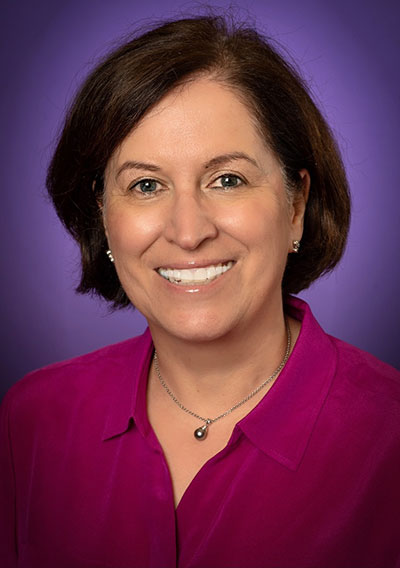
Melita M. Garza

Melita M. Garza, associate professor in the Department of Journalism and a faculty member of the Institute of Communications Research, is an American journalism historian who studies news as an agent of democracy, specializing in English- and Spanish-language news, the immigrant press, and coverage of underrepresented groups. She is the lead editor of The Routledge Companion to American Journalism History (2024). Her research has won awards from the American Journalism Historians Association, and the Association for Education in Journalism and Mass Communication divisions of: History, Minorities and Communication, and International Communication.


How does this series place journalism at the heart of the American Revolution?

The most obvious example is the documentary’s treatment of colonial reaction to the Stamp Act, showing that the two dozen weekly newspapers, along with pamphleteers, stoked support for colonial tax protests. Significant though this is, the imprint of journalism on the Revolution is much bigger than that.

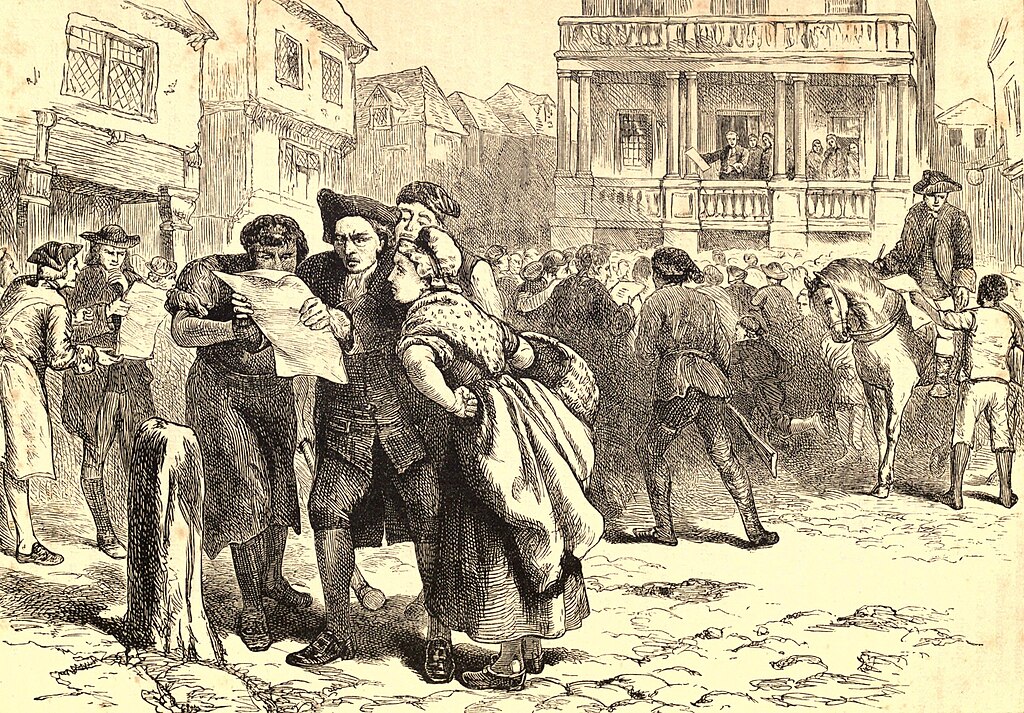
Bostonians reading the Stamp Act in 1765
Bostonians reading the Stamp Act in 1765, public domain, via Wikimedia Commons

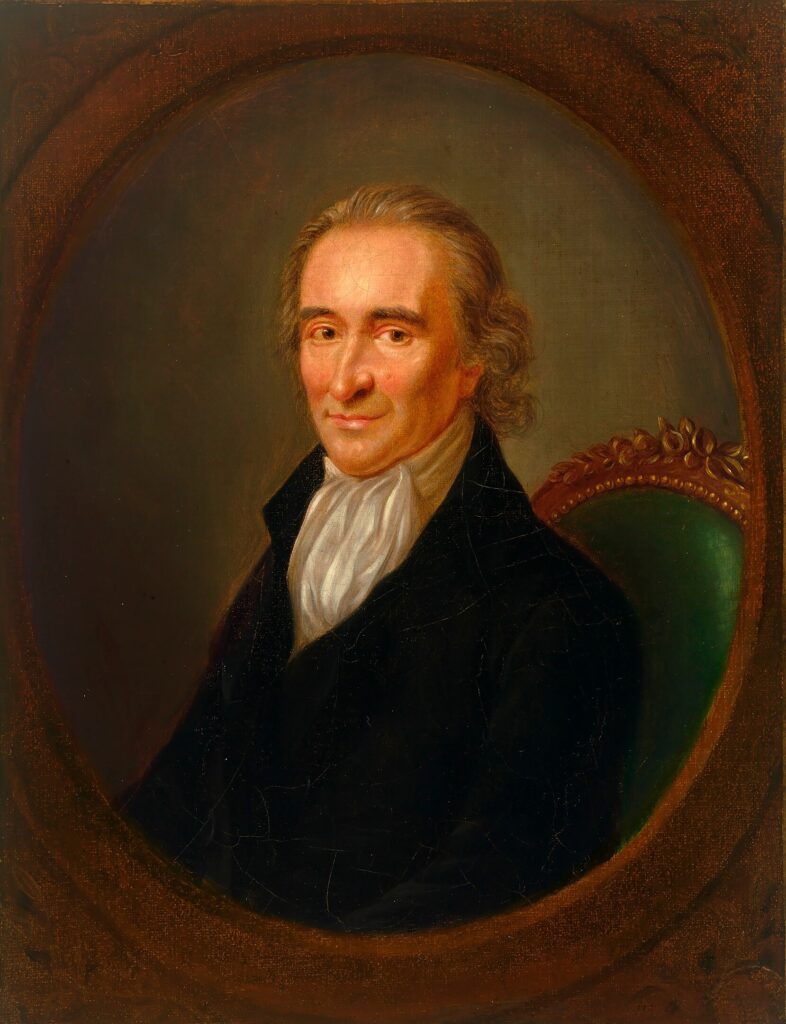
Consider that Burns starts his six-part history with a quote from Thomas Paine, America’s first political journalist. The documentary opens with a black screen that slowly transforms into the pink, purple, and yellow colors of dawn. The audience then hears a voice intoning:

From a small spark, kindled in America, a flame has arisen not to be extinguished. Without consuming, it winds its progress from nation to nation, and conquers by a silent operation. Man finds himself changed and discovers that the strength and powers of despotism consist wholly in the fear of resisting it, and that in order to be free, it is sufficient that he wills it.”

Although these words of agency come from Paine’s The Rights of Man, written in 1791 during the French Revolution, they capture the spirt of Paine’s earlier writings, such as Common Sense, which helped catalyze the colonists to pursue and persist in the American Revolution. Writing for Wired in 1995, Jon Katz explained why this pioneer of free expression should be remembered in the Internet age. “Because we owe Paine. He is our dead and silenced ancestor. He made us possible.” The documentary covers the eight years of the American Revolution, making it impossible to push too deeply into any single historical actor’s role with the depth they deserve. Ideally, however, the series will inspire viewers to take another look at Thomas Paine and other figures from our past whose impact isn’t fully understood today.

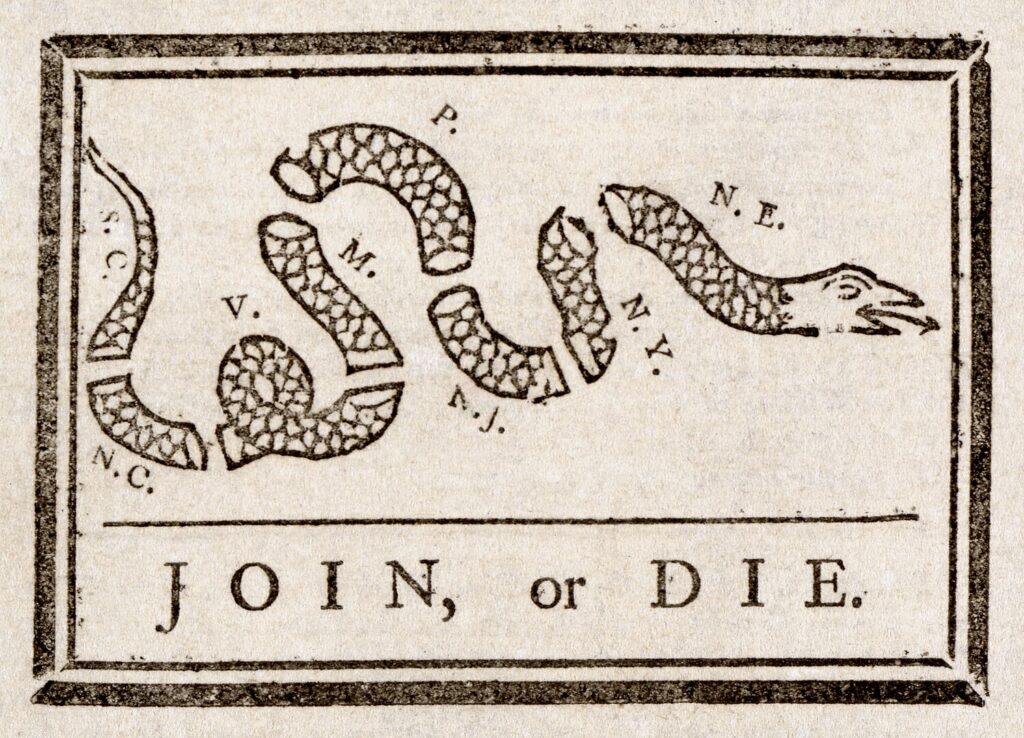
Join, or Die
Political cartoon (1754) attributed to Benjamin Franklin, public domain, via Wikimedia Commons

And there’s more. Still within the first two-and-a-half minutes of the documentary, viewers are introduced to Benjamin Franklin. Although described simply as a noted scientist and writer in The American Revolution, Franklin was a pivotal figure in the development of American journalism and is credited with publishing one of the earliest pieces of colonial visual journalism: the political cartoon. The documentary showcases the famous “Join, or Die” snake woodcut drawing, published in Franklin’s Pennsylvania Gazette on May 9, 1754. Originally designed to rouse the colonists to unite during the French and Indian War, the documentary notes that it was republished to urge colonial unity against the British during the American Revolution.

The documentary is replete with such examples of what I call “hidden” journalism, in which their groundbreaking significance to the journalism profession as a whole remains obscured.

Apart from serving as a sparkplug for rebellion, what are some other ways the documentary depicts the role of journalism in colonial life?

There are a few things, again, just in the first installment, that the documentary flicks at, which underscore the primacy of journalism and print culture more generally in the lives of the colonists. For instance, in a segment discussing the impact of British culture on colonial life, historian Jane Kamensky references the London Book Shop and the Crown Coffee House in Boston. Bookstores offered colonial citizens exposure to Enlightenment ideas, among other things, and served as centers of cultural exchange for the community. Book sellers were often also in the newspaper business. One such newspaper owner was Benjamin Franklin, who is also credited with being first to open a book shop in colonial America. Likewise, coffeehouses were central places for the exchange of news and newspapers. These are two more examples of the “hidden” journalism in the documentary.

Another aspect of journalism that might be easy to overlook in the documentary involves the episode of the Saturday, December 27, 1760, arrival of the British frigate that “brought with it big news”—the death of King George II and the ascendancy of King George III to the British throne. In early colonial America, it was often faster to get news from England by ship than it was to get news from southern colonies, considering the state of the roads at the time. Even so, having to wait two months to find out that you were being ruled by a new monarch illuminates the pace of colonial communication compared to that of today’s high speed Wi-Fi society.

What can The American Revolution teach us about telling historical stories in ways that connect with today’s audiences?

Ken Burns is well known as a gifted storyteller and the documentary’s striking visuals, sound effects and music, and well-edited commentary from experts, are staples of his work. In The American Revolution, letters and journals from young men, women, and officials and pundits on both sides are the stars. These primary sources allow individuals to speak as though they are reporting to us from the homefront and the battlefront, and that brings the Revolution right into our living rooms centuries after it ended. Simply employing solid storytelling techniques is only partly why the story resonates with today’s audiences. The other reason is that we can see parallels with our own experience. Some of these parallels are obvious. Others are a matter of perspective.

Thomas Paine
Thomas Paine (1792) by Laurent Dabos, public domain, via Wikimedia Commons

For instance, one scene shows colonists on the street reading newspapers together, with some looking like they are commenting to each other. Thinking critically about media and information, the colonists were practicing true social media. In person, face-to-face, they exchanged ideas in a way today’s often anonymous, digital exchanges can’t compare. And as the documentary also notes, word of mouth was also a prime source of news. While it is true that stories and ideas didn’t have a World Wide Web to buzz through, these mechanisms still allowed journalism, starting with Thomas Paine’s Common Sense, to go viral through the colonies. In fact, the documentary points out a prime reason for print culture’s popularity in the Thirteen Colonies: At the time, only Scandinavia was more literate than the American colonial population.

Other relatable issues that we still grapple with today, such as women’s rights, the limits of free speech, taxation, and immigration, to name a few, are also highlighted. Take immigration. In the documentary, historian Christopher Brown discusses “the sheer diversity…living in the heart of the Thirteen Colonies”:  Africans, Scots, Scots-Irish, Huguenots, Germans, and Native Americans, along with the English. The outcome of American Revolution, both the reel one and the real one, proves it was not culture, national origin, or language that brought the colonists success. In historian Christopher Brown’s words, the colonists cohered “around a set of purposes and ideals for one common cause.” In my view, the American Revolution shows how colonial journalism played a prime role in establishing coherence for that single cause: freedom.

Share on social

ICR faculty and students receive honors at 2025 National Communication Association convention


The Institute of Communications Research marked a highly productive year at the 2025 National Communication Association convention from November 19-23 in Denver, Colorado, with faculty members, students, and alumni presenting research, chairing panels, and contributing to programming at the 111th annual event.

In addition to this strong scholarly presence, several members of the ICR community were recognized with some of NCA’s most prestigious awards.

“These achievements underscore ICR’s enduring leadership in communication scholarship and its commitment to fostering impactful research across generations of scholars,” said Mike Yao, director of ICR and professor of digital media in the Charles H. Sandage Department of Advertising.

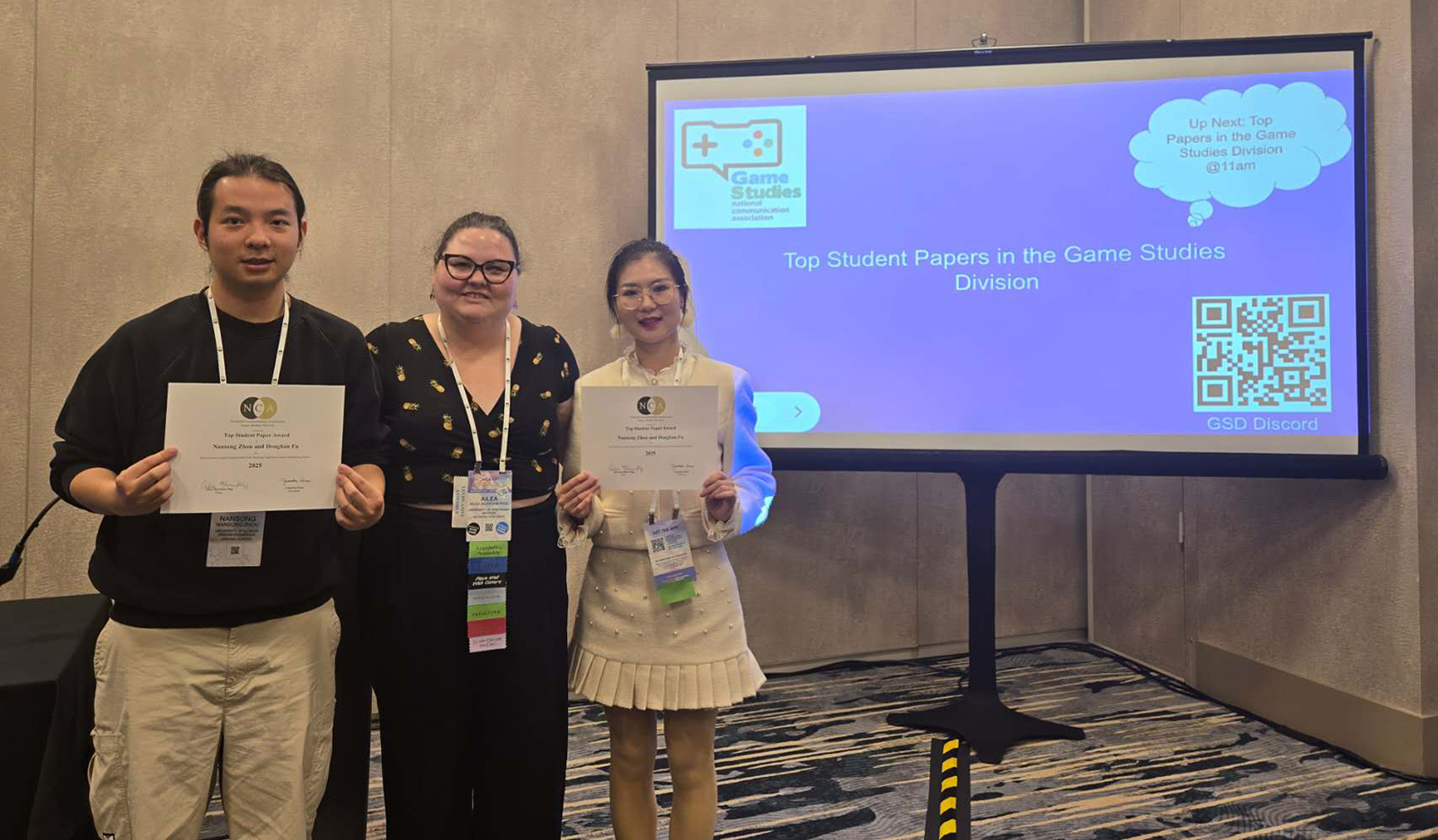
One of this year’s standout accomplishments came from ICR doctoral student Nansong Zhou (pictured above), whose paper “Serious Games as Digital Mental Health Tools: Increasing Depression Literacy and Reducing Stigma,” co-authored with Donghan Fu (University of Missouri-Columbia), was selected as a Top Student Paper in the Game Studies Division. Zhou was also elected to serve as the Division’s next Student and Early Career Representative, a leadership role that reflects his growing visibility and influence within the field. 

ICR Professor Sang-Hwa Oh and ICR alum Seo Yoon Lee receive NCA award.

ICR’s reputation for shaping the field was further affirmed by the recognition of Sang-Hwa Oh, associate professor of advertising, whose article—co-authored with former ICR doctoral student Seoyoon Lee (PhD ’23)—received the inaugural Teri Thompson Outstanding Article Award from Health Communication (pictured above). This rare honor is especially notable: Out of the journal’s 35-year publication history, only three papers were selected for this distinction. Receiving the award directly from the journal’s founding editor, Teresa Thompson, underscored the lasting influence and methodological rigor of Oh’s research on social media, public risk perception, and preventive health behaviors.

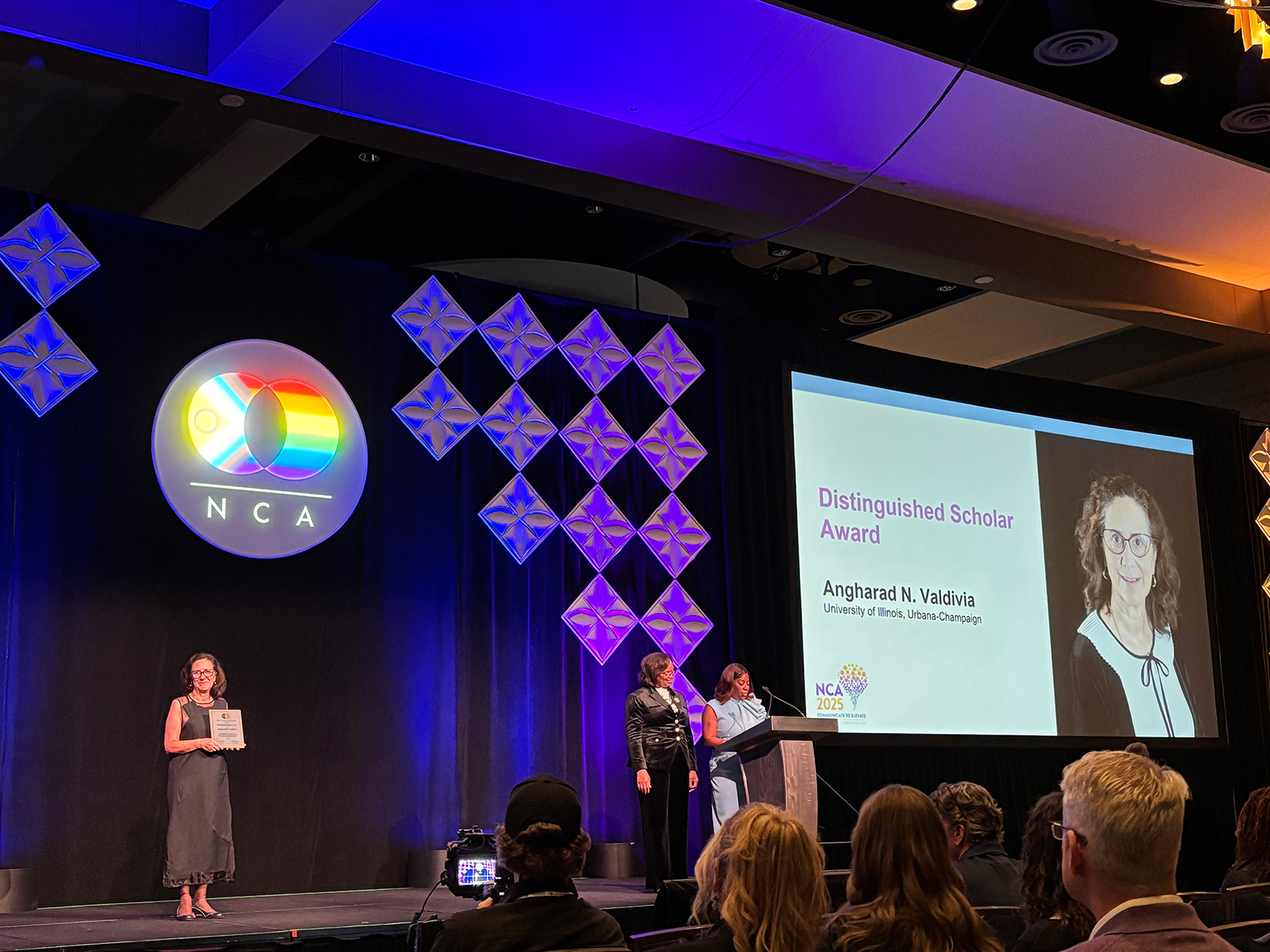
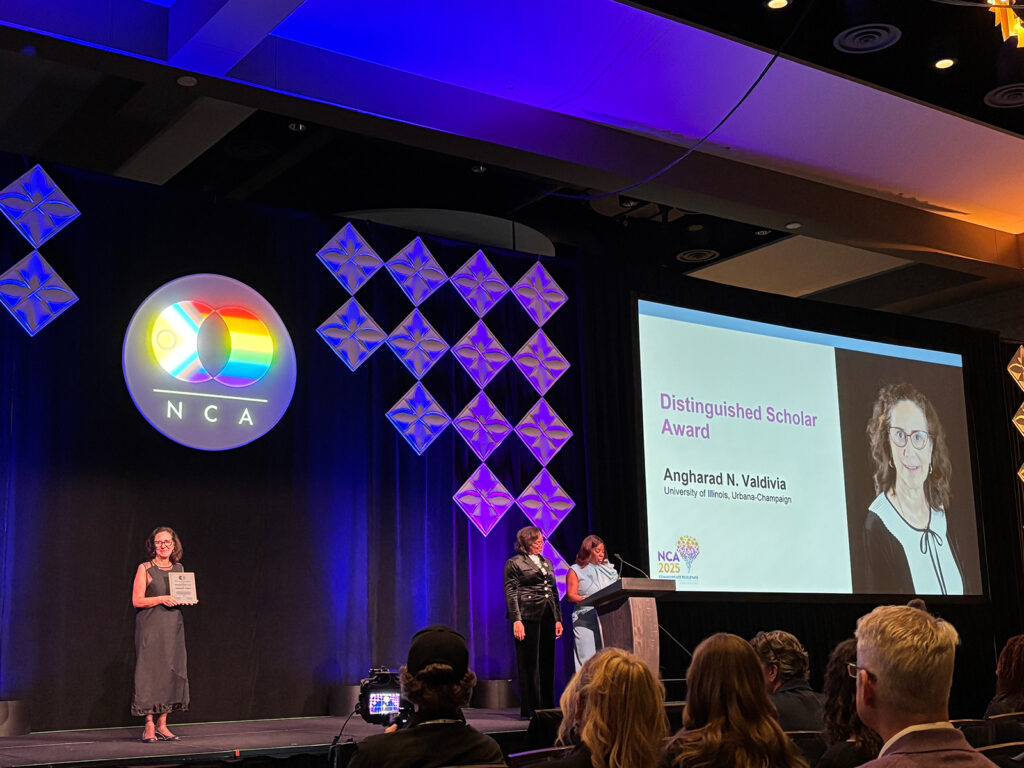
Professor Angharad N. Valdivia wins NCA Distinguished Scholar Award

The conference also celebrated the contributions of Angharad Valdivia, ICR professor emerita, who was honored with NCA’s Distinguished Scholar Award during the President’s Award Ceremony (pictured above). One of NCA’s highest honors, the award recognizes a career of groundbreaking scholarship and mentorship in media studies, Latina/Latino studies, and global communication. Valdivia’s presence throughout the conference—as panel chair, respondent, mentor, and presenter—reflected both her continuing intellectual leadership and her deep commitment to supporting emerging scholars. Valdivia’s NCA participation included:

  • Senior Mentor, 2025 La Raza Mentoring Panel
  • Member, Publications Council Meeting
  • Chair and respondent, “The Complexities of Elevating Latinidad and the Media”
  • Respondent, “Audiences Navigating Disney and Popular U.S. TV Shows”
  • Presenter (with ICR doctoral student Kendra Williams), “Barbie as a Cultural Phenomenon: Doll, Brand, and Media Icon”

ICR faculty and students also contributed important new research to the conference program. Kevin Wise, professor of advertising, and doctoral student Alice Ji collaborated on the study “Reimagining the Presentation of Important Safety Information (ISI) in Social Media Pharmaceutical Advertising,” co-authored with ICR doctoral student Veranika Paltaratskaya and Erin Willis (University of Colorado, Boulder), presented in the Health Communication Division. Their work adds to ICR’s growing presence in research addressing digital health communication and public understanding of risk information.

Ji contributed an additional presentation on ISI in pharmaceutical social media advertising as part of the Health Communication Division’s paper session. ICR doctoral student Jennifer Zhang presented her dissertation research, “More Vivid, More Deeply Processed: Exploring the Roles of Message Format in Misinformation and Correction of Health Misbeliefs,” in the Health Communication Division.

Two ICR alumni were also recognized with major awards at NCA:

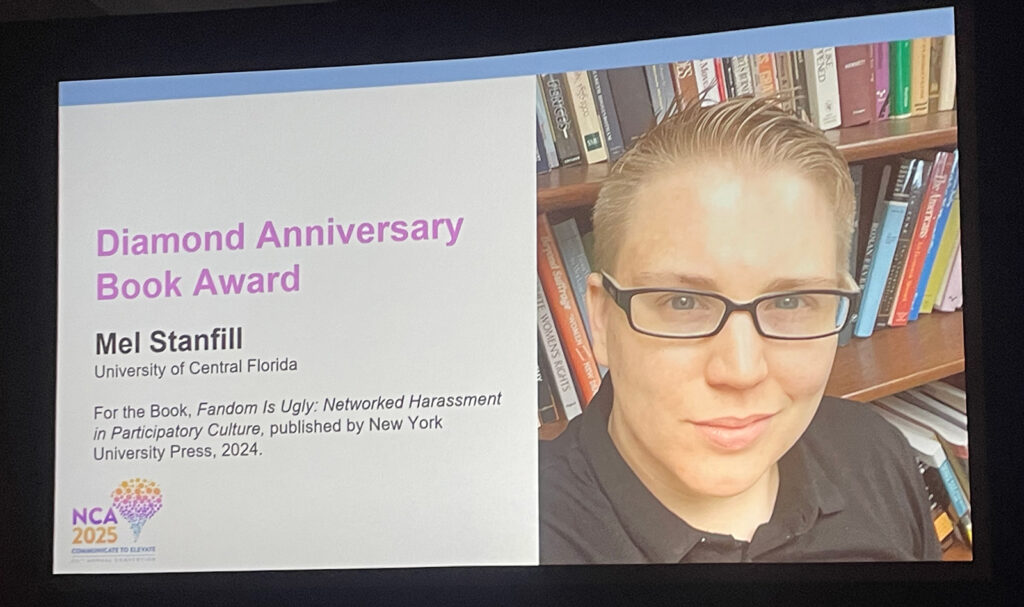
Mel Stanfill (PhD ’15), University of Central Florida, won the Diamond Anniversary Book Award for the book Fandom Is Ugly: Networked Harassment in Participatory Culture (NYU Press, 2024).

ICR alum Mel Stanfill

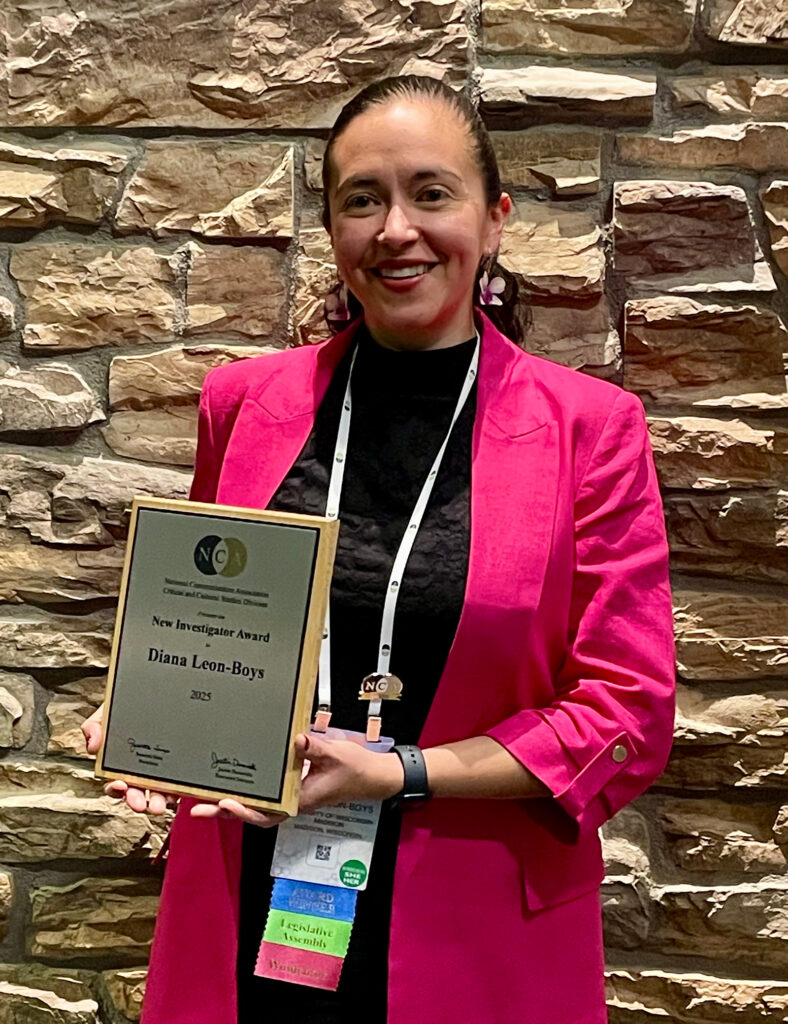
Diana Leon-Boys (PhD ’20), University of Wisconsin-Madison, won NCA’s New Investigator Award in the Critical and Cultural Studies Division.

See NCA’s full list of 2025 national and interest group award winners.

Share on social

I on the Media: Jonathan Knipp explores the psychology of horror films


Jon Knipp

From Psycho to Hereditary, horror films have long mirrored our collective fears. But today’s fascination with true-crime dramas and serial-killer stories—like Netflix’s Monster: The Ed Gein Story—may suggest something deeper at play. As audiences crave both terror and understanding, the line between entertainment and ethics grows thin.

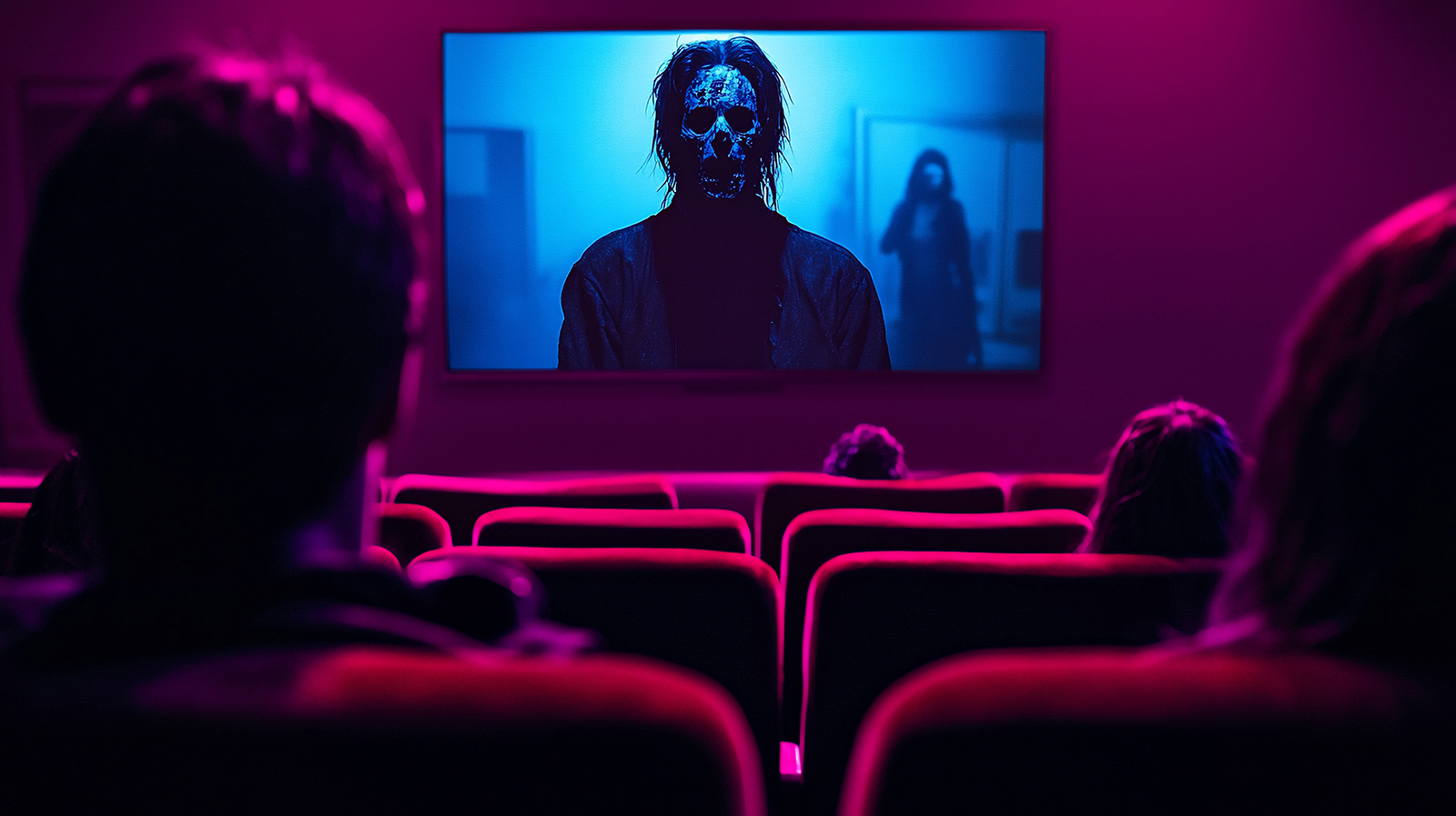
Jonathan Knipp, senior lecturer of media and cinema studies who teaches a class on horror movies, shares his perspective on the psychology of horror films—why people like them, how and when the industry has changed, and where the genre might be headed in the future.

Why do people want to watch horror films? From a psychological perspective, why do so many of us enjoy the feeling of being scared?

I think all moviegoing (to the theater) is a ritual. But horror movies have an interesting distinction. People leave their houses to get scared so they can share the experience of not just encountering common anxieties, but working through them, too. You reach the climax…and you survived! Horror movies can be traumatizing (hello, Hereditary) but they also end. Is it too much to say that it’s kind of an exorcism?

Are there certain cinematic techniques or storytelling devices that consistently provoke fear or fascination in audiences?

Some of my students say that they only get scared if what they’re seeing “could really happen,” whatever that means (probably slasher movies and pursuit narratives). Others get freaked out by occult themes and devilry. There’s a tendency to dismiss “jump scares” as cheap and cliche, but audiences still jump.

How has the horror genre evolved over the years? What’s changed the most in how these films are made?

CGI replaced the reliance on practical effects, which many audiences dislike. Now there is a bit of a pushback, with filmmakers going back to the arcane use of makeup applications and puppetry but with digital gloss. Sometimes it works really well, like in The Substance. I think one of the biggest developments (in my lifetime) is the PG-13 horror movie, which is great because younger people are drawn to them. But it can also leave you wondering where all the blood and guts have gone.

Many point to Alfred Hitchcock’s 1960 Psycho as a turning point for horror. What makes this film stand out in the genre?

Hitchcock famously used the crew of his TV show to make it. That means they worked fast and cheap. Psycho shows a master filmmaker going down and dirty while still creating images that are composed and sequences that are still shocking in their effectiveness. Also, this film signaled a movement away from monster movies towards antagonists that were…human.

The new Netflix series about Ed Gein has stirred a lot of discussion. Is it ethical to portray real-life killers in ways that might make them seem sympathetic or even humanize them?

I think this is a case-by-case thing. It’s important to remember that these crimes are committed by people and not monsters. The more we understand, the more we can efficiently profile these criminals. That’s the theory at least. It’s like the topics of gun violence and suicide. They need to be understood, but there’s always a risk of glorifying the crime and/or triggering the spectator.

Why do you think horror tends to thrive during certain cultural or political moments? What do our fears on-screen say about us as a society?

Horror movies go in cycles. They can reflect the times or simply current trends. A surprise hit can result in a lot of imitations, like when Scream inspired a lot of self-referential horror movies. When audiences gravitate towards social media, you get a bunch of horror movies about the Web. In the ’50s, it was radioactive monsters. In the ’70s, you have counterculture horror movies inspired by Manson and many that match the political disillusionment of the era. Sometimes it’s hard to determine what cycle you’re in until you leave it.

What do you see as the future of horror?

More long-form series, like the ones Mike Flanagan makes for Netflix (The Fall of the House of Usher is great). More short-form, social media-inspired content. Can TikTok be scary? Some enterprising content creator will probably find out.

Share on social

Media literacy research and engagement initiatives address societal challenges


Faculty and graduate students across the College of Media are pursuing a range of activities aimed at understanding challenges to media literacy and developing interventions to improve it.

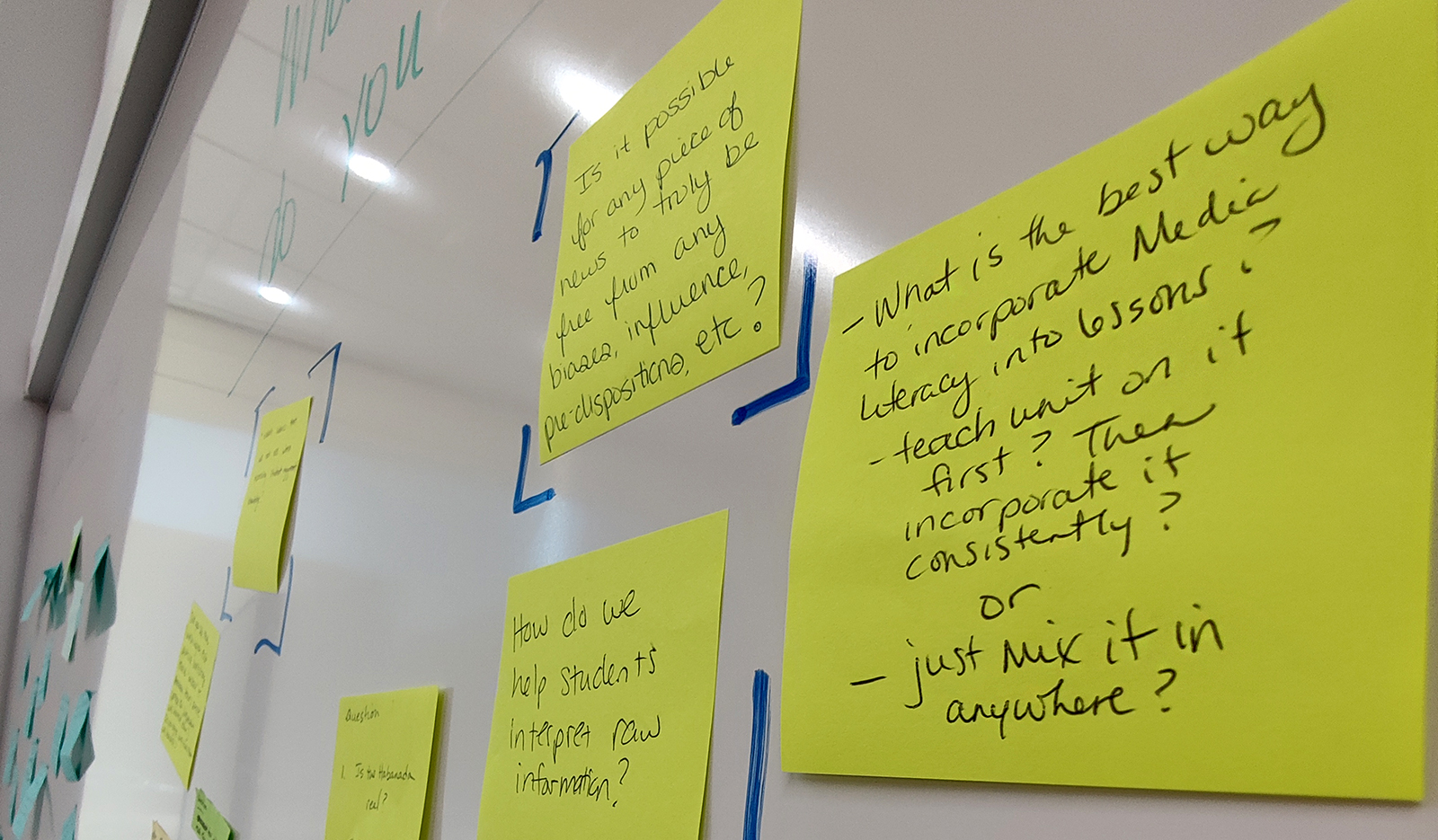
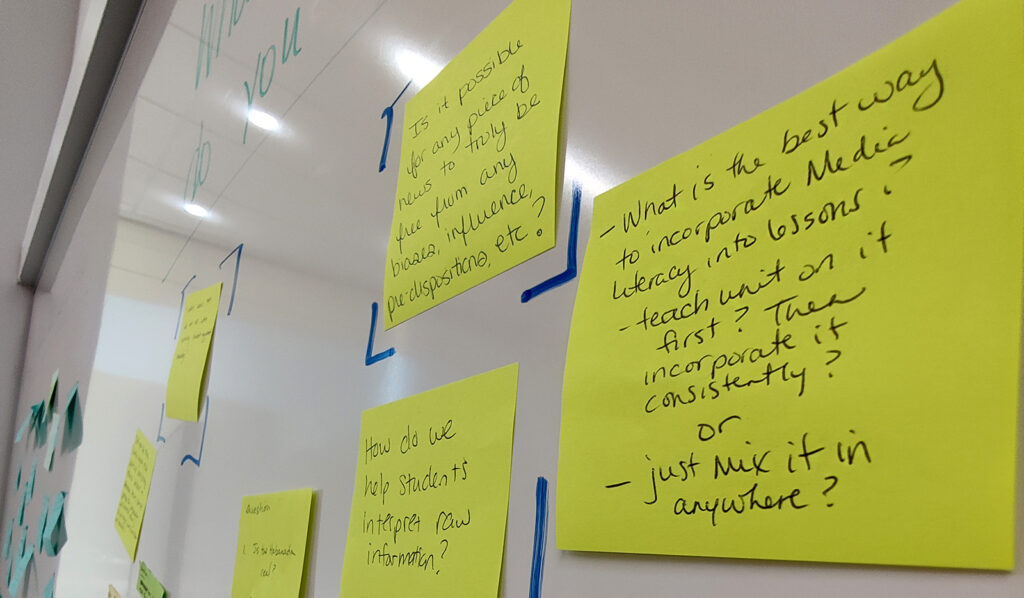
Post-Its from IMEDIA workshop

Recent activities include:

A team including Michelle Nelson, professor of advertising, Amanda Ciafone, associate professor of media and cinema studies, Stephanie Craft, professor of journalism, ICR doctoral student Gillian Paxton, and undergraduate student Maaike Niekerk, is investigating older adults’ media use, media literacy, and the role of media in fostering social connection. The research seeks to understand how older adults use media across a broad range of platforms and tools, including generative AI, and the challenges they face in doing so. The aim is to explore how improving media literacy may help them better navigate the media environment to meet their social and information needs. The study involves interviews with those who offer help and instruction regarding media and technology use through senior centers, public libraries, park districts and the like, and focus groups with older adults. This project is funded by a College of Media seed grant.

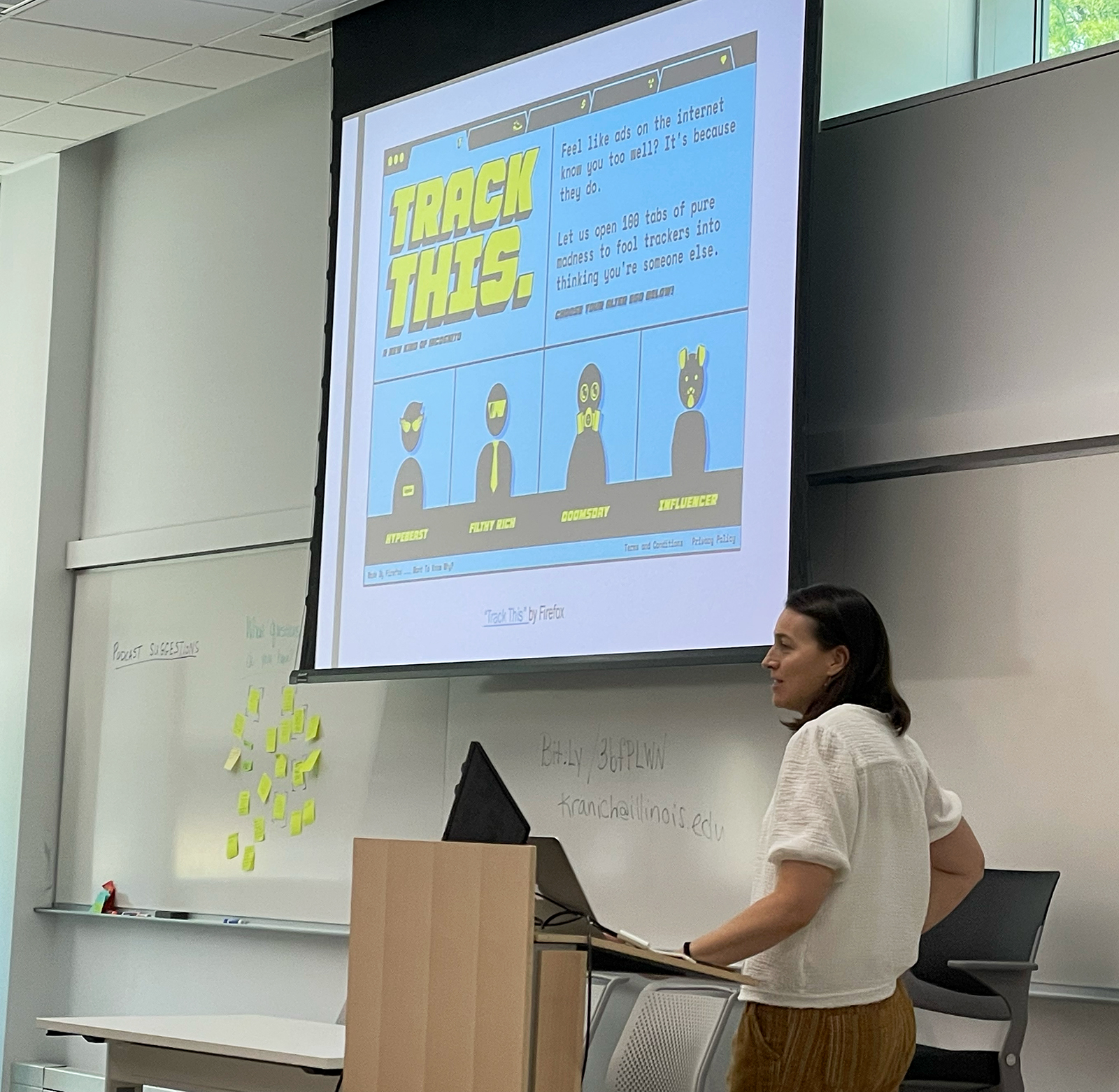
Professor Amanda Ciafone presenting at IMEDIA workshop
Amanda Ciafone, associate professor of media and cinema studies, presents at a workshop hosted by IMEDIA.

Related to this project, Ciafone was awarded funding to organize media and digital literacy workshops with European scholars and advocates to advance research, education, and transatlantic dialogue on older age and media literacy under the Jean Monnet Center of Excellence grant awarded to the European Union Center at the University of Illinois Urbana-Champaign. Ciafone said Europe has more rapid “demographic aging,” where a population’s average age increases, than the United States and robust models for media literacy policy and education.

As part of its mission to bolster research in media literacy, the College of Media hosts a regular gathering of faculty across campus to discuss research in media literacy across disciplines and to identify potential opportunities for collaboration. These conversations have so far included faculty in the College of Fine & Applied Arts, University Library, School of Information Sciences, College of Education, and College of Liberal Arts & Sciences.

The Initiative for Media Education Inquiry and Action, a collaboration between the College of Media and College of Education, is developing a media literacy micro-credential for teachers. IMEDIA was created in 2021 to help teachers in Illinois fulfill the mandate of a state law requiring media literacy instruction in public high schools. IMEDIA has offered in-person workshops for teachers to help them incorporate media literacy into their current teaching. The aim of the micro-credential is to broaden the reach of workshops by making the instruction and resources available online in a way that also offers teachers the opportunity to add a media literacy credential to their licenses.

A research study conducted by Nelson, ICR doctoral student Sakshi Bhalla, and Michael Spikes, co-founder of the Illinois Media Literacy Coalition, emerged from IMEDIA’s teacher workshops. The study, which included interviews with 20 educators from across the state of Illinois about the nature and challenges of media literacy education in their schools, found several digital divides that undermine the efficacy of state-mandated media literacy instruction in Illinois high schools. Their findings were published in the Journal of Media Literacy Education.

IMEDIA also is updating its eText, MEdia Matters, which is currently used in a variety of introductory undergraduate courses. The text will be a key resource for teachers pursuing the micro-credential and will be freely available for use in their classrooms.

Craft is part of a team comprising faculty from five universities engaged in a long-term research initiative to build a model of news literacy behavior that will inform efforts to increase people’s resistance to misinformation. The team has developed a widely used measure of news literacy knowledge and most recently has been investigating how greater news literacy knowledge translates into better news consumption behaviors reflecting that greater knowledge. The most recent study was presented in August at the annual meeting of the Association for Education in Journalism and Mass Communication.   

Share on social

DEV College of Media
119 Gregory Hall
810 S. Wright St.
Urbana, IL 61801
217-333-2350