Ebert Symposium 2024 to address ‘Representations and Their Critics’


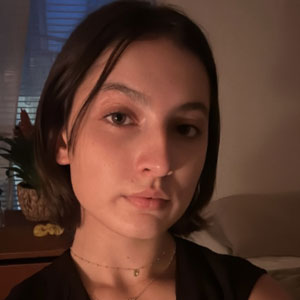
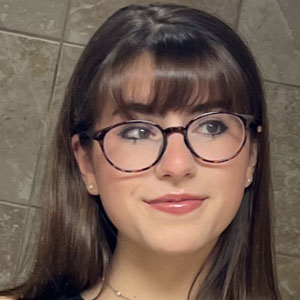
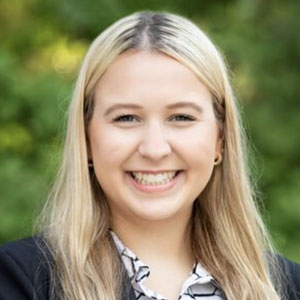
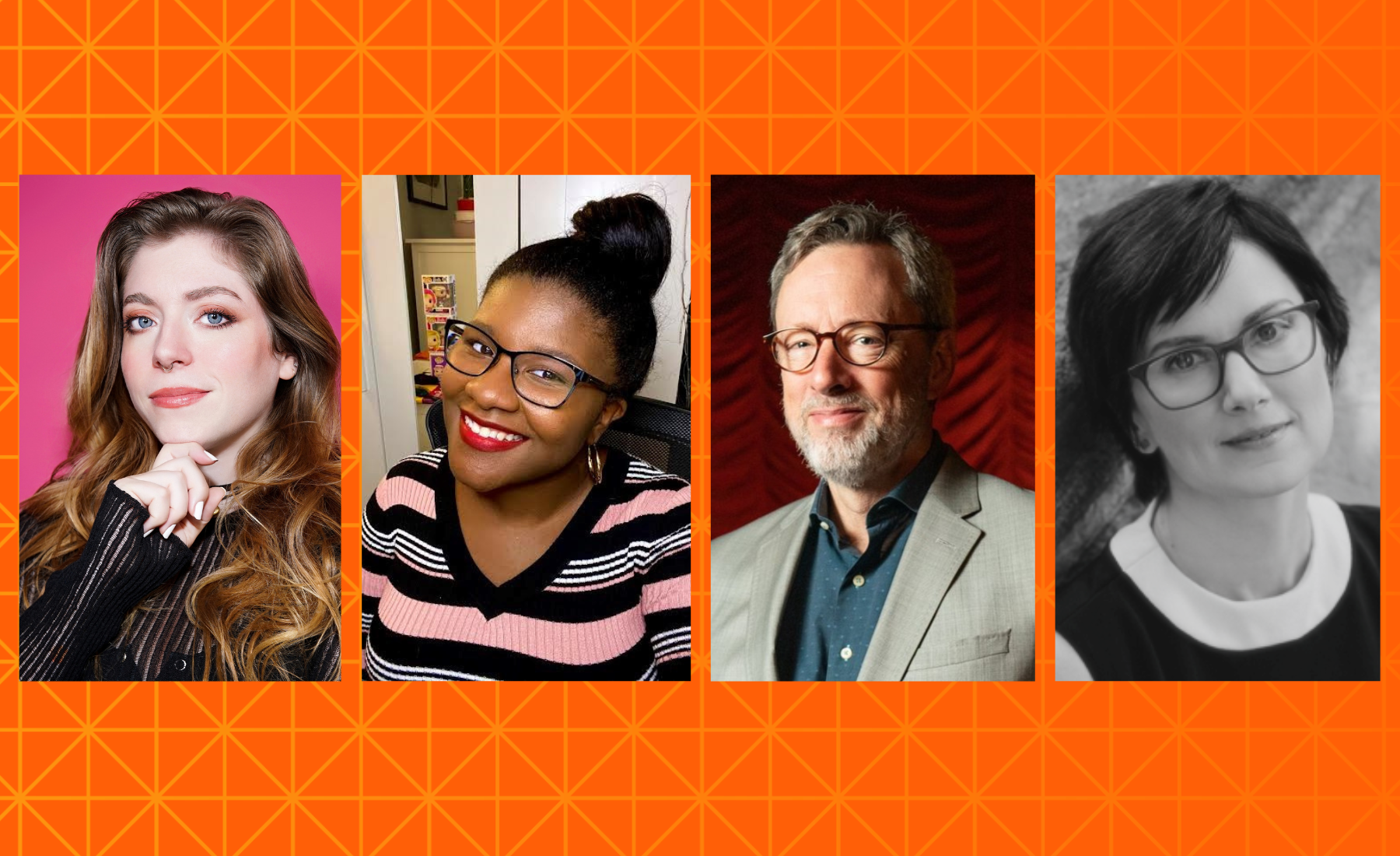
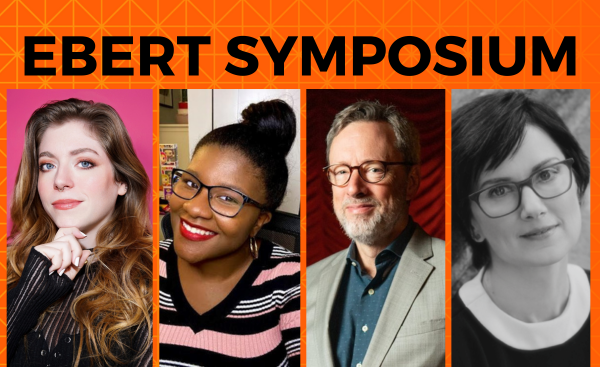
Ebert Symposium 2024 panelists

Updated 4/30/2024: Recordings are now available to watch.

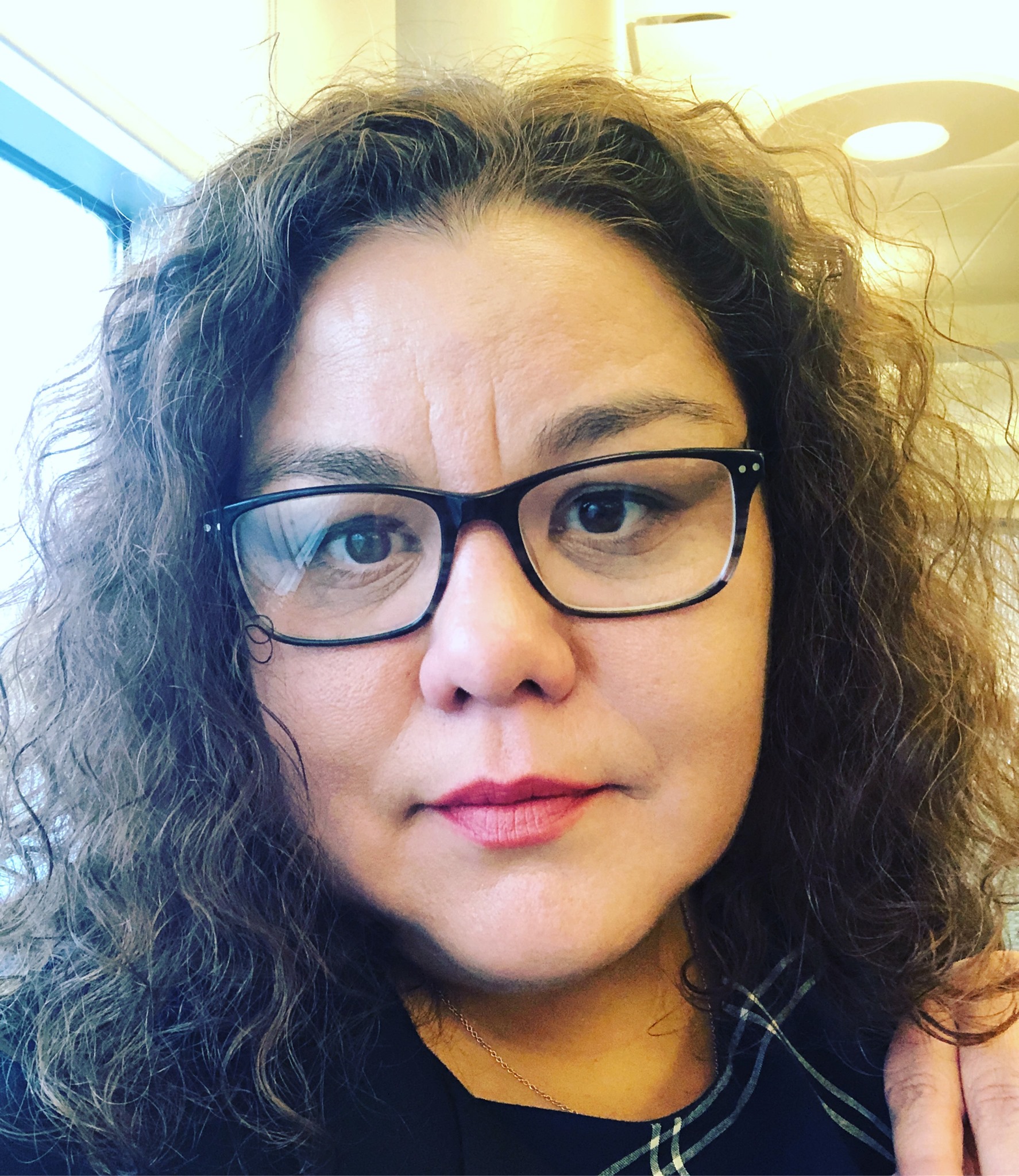
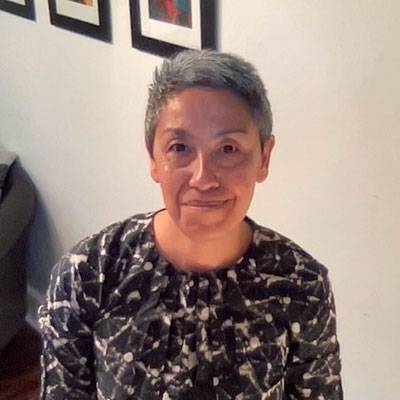
This year’s Chaz and Roger Ebert Symposium, presented by the Roger Ebert Center for Film Studies, will address “Representations and Their Critics.” Discussions will consider the current state of film criticism, the interpretive power of media critics, and how this work might evolve over the next decade. Presenters include culture commentators and film critics Megan Cruz, Bobbi Miller, Michael Phillips, and Dana Stevens.

Join us for this two-day event, in person or via Zoom:

Tuesday, April 16, 7-9 p.m.
Knight Auditorium at Spurlock Museum
Watch a screening of important film representations—a selection of scenes from movies curated by the panel—along with discussion about their importance. Free tacos will be provided before the screening, while supplies last.

The panelists—culture commentators and film critics Megan Cruz, Bobbi Miller, Michael Phillips, and Dana Stevens—selected short clips on important representations in film that included contemporary womanhood, atomic bomb portrayal, Black male representation, conversations about abortion, and more.

Watch the recording:


Wednesday, April 17, 9:30 a.m.-12:30 p.m.
Starlight Room at Siebel Center for Design
Meet the critics over coffee and pastries, and enjoy an interactive panel discussion about the state of film criticism and the future of media critics, led by moderator Tanya Melendez, a doctoral student at the University of Illinois Department of Communication and contributor to Entertainment Weekly.

Watch the recording:


About the presenters

Megan Cruz
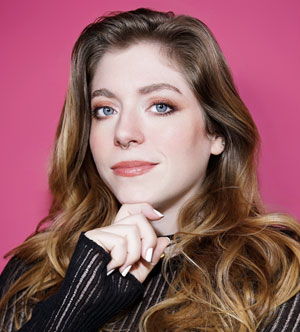
Megan Cruz

Megan Cruz, @jstoobs on TikTok, is a host, pop culture commentator, writer, and producer who has built a strong audience with a diverse 600k+ following across social platforms. She was named by New York Times as one of eight TikTok stars redefining how movies are reviewed. She is the former co-host/EP of the #1 entertainment podcast Geeks of the Week, which had over 1 million monthly listeners. She has hosted a spectrum of live and taped events from press junkets to Netflix’s Geeked Week showcase, Disney+/Hulu’s Live From D23 Stage to Warner Bros The Batman, and Disney/Pixar’s Lightyear red carpet livestreams.

She is a passionate advocate for marginalized voices, especially women in film. Her brand new podcast, The Broad Perspective, focusing on female trailblazers in the entertainment industry, was released on December 6, 2023, with a profile in Variety.

Bobbi Miller
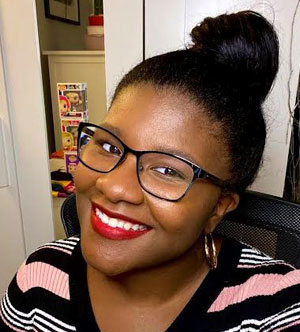
Bobbi Miller

Bobbi Miller is a culture critic and host of The Afternoon Special Podcast, where she pulls back the curtain on some of pop culture‘s most interesting niches and tries to make sense of it all. Across the Internet and beyond, she creates edu-taining pop culture content that uses history, analysis, and a dash of humor to highlight film, TV, and more.

When she’s not masquerading as a niche Internet micro-celebrity, you can probably find her engaging in various enrichment activities, including reading and ranking all the Ghostfaces in the Scream franchise. 


Michael Phillips
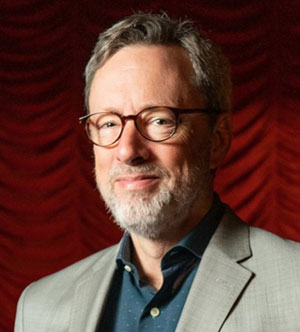
Michael Phillips

Michael Phillips is the film critic of the Chicago Tribune, appointed in 2006 after serving as the Tribune theater critic since 2002. Previously he worked as theater critic for the Los Angeles Times, the San Diego Union-Tribune, the St. Paul Pioneer Press, and the Dallas Times-Herald. He started out as arts editor and film critic for the Twin Cities weekly City Pages, while serving as film critic for Minnesota Public Radio.

Since 2015, Phillips has been the advisor/mentor for the University of Illinois College of Media Roger Ebert Fellowship, and had the honor to co-host the nationally syndicated TV series At the Movies, first opposite Richard Roeper and, later, A.O. Scott. He also introduced 100+ films, from Citizen Kane to Total Recall, on the universal goodwill machine known as Turner Classic Movies. (Photo courtesy of Sally Blood.)

Dana Stevens
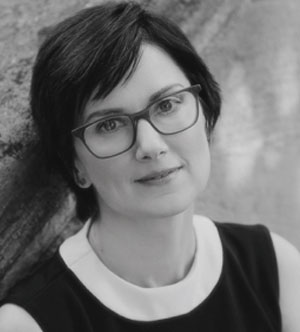
Dana Stevens

Dana Stevens is the film critic at Slate and a co-host of the Slate Culture Gabfest, the magazine’s weekly culture podcast. She has also written for the New York Times, the Washington Post, the Atlantic, and Bookforum. Her first book, Camera Man: Buster Keaton, the Dawn of Cinema and the Invention of the Twentieth Century, came out in 2022 and is now out in paperback.
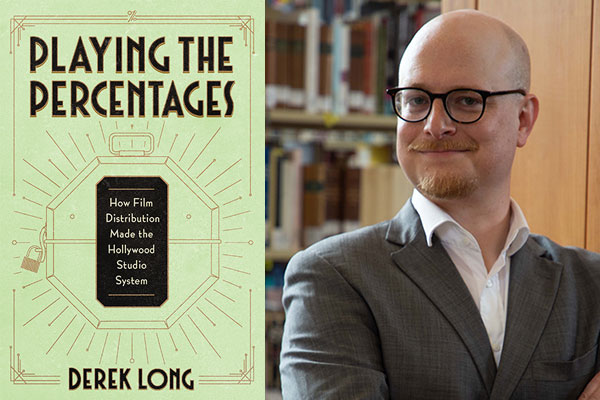

Derek Long takes on history of Hollywood film distribution in his first book, ‘Playing the Percentages’


Derek Long, assistant professor of media and cinema studies, sheds light on a rarely covered piece of Hollywood history in his first book, Playing the Percentages: How Film Distribution Made the Hollywood Studio System.

Derek Long publishes book

Praised as “invaluable to media industry scholars of the past and present,” the book is a comprehensive history of film distribution in the United States during the silent era that illustrates the importance of power struggles between distributors and exhibitors over booking, pricing, and playing time (i.e., how long it stays in theaters).

“When people think about Hollywood as an industry, maybe they think about the more glamorous aspects of it like stars, producers, or figures in Hollywood,” Long said. “But I was interested in how Hollywood came to be an industrial institution and the history of that, particularly in the silent era.”

Playing the Percentages, set for release on April 16, considers the economic history of the industry’s film distribution process from 1910 through 1930, including booking, circuiting, and packaging marketing practices.

While many Hollywood histories focus on linear narratives such as industry growth and improvements in technology, Long said there was a “hole in the scholarship” regarding the various ways films were distributed, sold, or marketed. 

“That was a story nobody had really told, at least in an American context, and so I wanted to fill that gap,” he said. 

Long didn’t begin writing Playing the Percentages until 2017, but the project developed out of his dissertation over a decade ago. 

Previous histories basically think about distribution as a mechanism or industrially organized system of shipping films out when there’s a lot more to it than that.

In addition to using digital libraries, Long conducted extensive archival research across the country, visiting the Margaret Herrick Library in California, which is the archives and repository of the Academy of Motion Picture Arts and Sciences; the Warner Brothers Archives at University of Southern California; the Library of Congress in Washington, D.C.; the New York Public Library; the Shubert Archives in New York; and the Harry Ransom Center at the University of Texas.

After months of research, Long said it became apparent that developing the system of film distribution was not a straight line and his book highlights those crucial changes in the system brought about by live theater, the rise of longer feature-length films, and the transition to sound. 

“Previous histories basically think about distribution as a mechanism or industrially organized system of shipping films out when there’s a lot more to it than that,” Long said. “Actually, the history of building that system is part and parcel of the history of Hollywood as an industry, and how it came to be so powerful, particularly in the 1930s and ’40s.” 

Long, whose course specialties include film history, media distribution, and digital tools and historiography, has incorporated his research discoveries into his lectures on classical Hollywood and how distribution works. 

In addition to teaching and writing, Long is also the creator and developer of Early Cinema History Online, a filmographic database of credits for over 35,000 early American films. The searchable archive, which serves as a reference tool for scholars, features credits for titles released in the United States from 1908 through 1920. 

He also organizes the annual MACS Student Showcase, screening student work that has been produced in MACS classes throughout the academic year. This year’s showcase will be held on Saturday, May 4, at the Spurlock Museum.

Long is already thinking about a sequel to his first book, which would look at film distribution relationships in the 1930s and ’40s, including how race was a factor.  

“I want to look at alternative systems of distribution, particularly for race cinemas, films specifically for African American audiences,” Long said. “That was essentially a completely segregated and different form of distribution.”

In the meantime, Long is enjoying the feeling of accomplishment after completing his first book.

“It’s very exciting to see your book in print for the first time,” Long said. “Especially when you’ve been working on it for so long.”

Long’s book, Playing the Percentages, will be available on April 16; use code UTXM25 for a discounted price.

Share on social

Angela Aguayo selected as 2024-25 Humanities Research Institute Faculty Fellow


Angela Aguayo

Angela Aguayo, associate professor of media and cinema studies and acting director of the Roger Ebert Center for Film Studies, has been selected as a 2024-25 Humanities Research Institute Faculty Fellow.

As an HRI Faculty Fellow, Aguayo will be provided with research funds and one semester of release time to work on a new book, titled Collective Matters: Documentary Film Practice and Public Engagement in the US, 1970-Present.

Her book will address the micro-practices of public engagement with documentary production that have led to sustained media culture. When the larger culture is deeply divided, the traditions and strategies of community-centered documentary storytelling build connections between people.

“There is a long tradition of communities representing themselves, acquiring equipment, pinning a sheet to a wall, and projecting images made by the community for the community,” Aguayo said. “These early films addressed social problems, local needs, and aspired to compel hearts rather than turn profits. This tradition had evolved over the years, shaped by technological innovation and years of connecting media-making with communities who need validation, visibility, and representation.”

Drawing upon research in media, communication, and cultural studies, and informed by interviews with media workers, filmmakers, and activists, the book will consider how community-centered documentary storytelling provides frameworks for larger civic-sector conversations.

“These are the types of media that start and sustain conversations in the world, beyond the screening room, about what could and should be done to activate the conditions for a more equitable and just world,” Aguayo added.

Aguayo will join six other faculty members and seven graduate students who will meet at the Humanities Research Institute throughout the year to address how they are rethinking research paradigms. She will take leave from teaching for the Fall 2024 semester.

The upcoming project will be Aguayo’s third book. Her first book was a reader on theories of public argumentation. Her second book, Documentary Resistance, addressed the possibilities for documentary and social change.

HRI grants fellowships to Illinois faculty and graduate students, who spend the year engaged in research and writing. All HRI Fellows participate in HRI activities, including the yearlong Fellows Seminar.

HRI’s 2024-25 theme, “Think Again…,” is an invitation to revisit well-known texts, to upend dominant narratives, to historicize what appears self-evident in the present, and/or to ask what happens when we juxtapose x with y in ways never been done before. “Think Again” underscores the opportunity to think across diverse interdisciplinary formations, and to identify when, how, and under what conditions new ones may be happening.

Q&A with Carrie Wilson-Brown

Get to know some of our College of Media faculty. Carrie Wilson-Brown is a lecturer of media and cinema studies and of advertising.

What’s it like to teach two Media majors?
The Charles H. Sandage Department of Advertising has incredibly creative faculty and creative classes, and we tend to dive into the social sciences. Most research by the tenure-track faculty is on effects: how advertising affects populations, why people are persuaded by particular messages, or what pushes us behaviorally. It’s also capitalism and buying, and for me, what’s so intriguing is coming from a creative space to get to the minutiae of what makes people psychologically tick. In the Department of Media & Cinema Studies, there’s a community of creative people who love film and television; they love to talk about film, television, and storytelling, and also the industry. I’m able to mold them together, but I get something so vastly different from the students and faculty as well.

You double-majored in journalism and communication, yet lecture on different topics. What were your reasons?
It doesn’t seem like it would have relevance with advertising, but some of the relevance is that we read advertising texts like any story, if you think about it. When I ask students, “Why advertising classes,” all can point to an advertisement that tugged at their heartstrings or made them cry or joyous. People who love certain ads see them as a way to tell stories, not only as a way to sell products to audiences. Advertisements are created for more than that, building culture with each one that is produced. On the other hand, I’m mostly doing video production classes, and 15 years later, with social media, this is what people do, and it’s such a beautiful process to see. [Students] are storytellers out of the womb, always with a camera in your hand. I love visual culture; I love helping students create visual culture.

What courses are you teaching currently?
I teach three courses this semester, two in advertising and one in media and cinema studies. I teach ADV 301: Becoming an Influencer; ADV 393: Advertising and Society; and MACS 203: Contemporary Movies. I’ve only taught it twice, but MACS 203 is fun to teach because I take “contemporary” very seriously—something I’ve watched in the past three to four years. There are a lot of films that slipped under the radar during COVID-19, so it’s great to pick newer films. We watch the movie, and then we try to apply concepts in small prompts. It’s one of those spaces of joy for students in their day where I’m like, “Let’s go watch movies.”

What has been your best memory from teaching here?
Last semester, I taught ADV 393: Advertising in Society for the first time, and I don’t have a traditional advertising background. I think when I talk about advertising, it’s from a bit of a different perspective, and there were a couple of moments where a group of four or five students wanted to clap after my lecture because it was such a crescendo. Sometimes, as professors, we get hung up on dictating knowledge, but when someone says they want to clap, they feel engaged with what I was saying and want to listen to me.

What’s one piece of advice you would give to students?
There’s no one way to be successful at college. It’s easy to be trapped because you have friends, roommates, or siblings you see are successful—whatever that looks like to you. Maybe they’re paving their way through higher education in a very particular manner, whether that’s joining groups, being in fraternities or sororities, or staying up until three in the morning. But, if you look around, you are in a community of around 43,000 people, and everybody seems to do their successes differently. Don’t figure out the formula to success because that might not be your formula. Find the way that’s best for you.

—Interview by Chloe Barbarise, New Voices Intern

Amanda Ciafone lends Coca-Cola expertise to new TV series ‘A History of the World in Six Glasses’


Amanda Ciafone filming
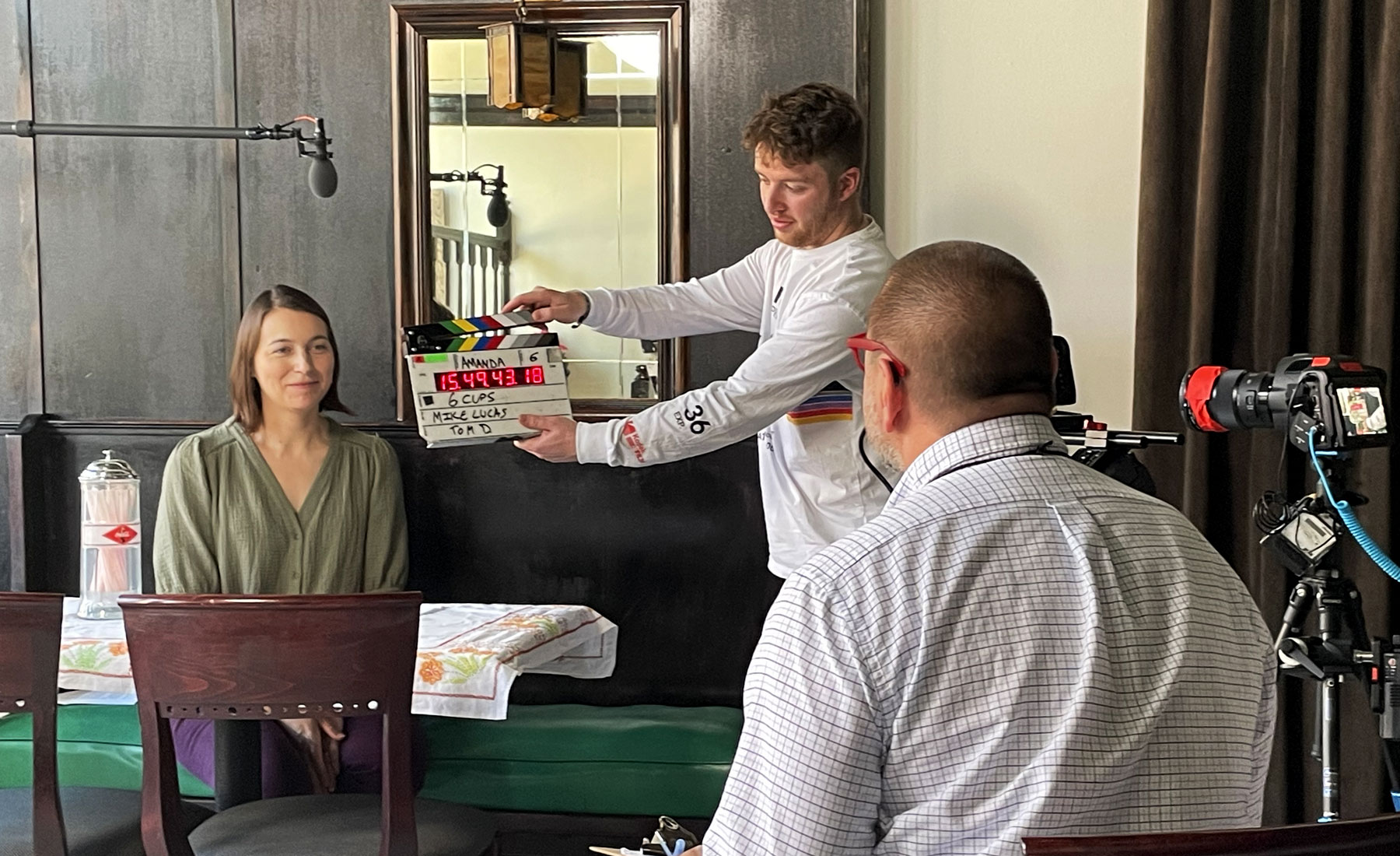
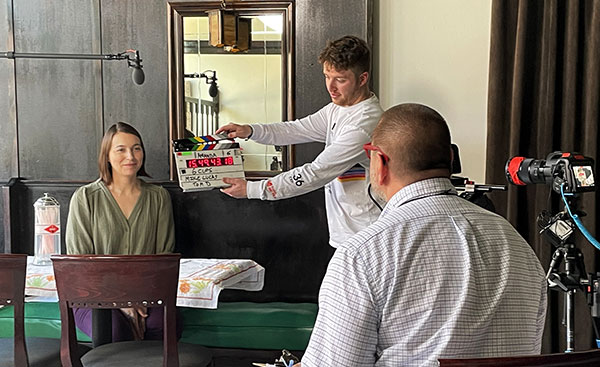
Amanda Ciafone, associate professor of media and cinema studies with an appointment in the Institute of Communications Research, was interviewed on August 19, 2022, at Flesor’s Candy Kitchen in Tuscola, Illinois, for the soda episode of the new TV series ‘A History of the World in Six Glasses.’ 

From a corner table in the Coca-Cola-branded brick building of Flesor’s Candy Kitchen (est. 1901) in Tuscola, Illinois—with a nostalgic Coca-Cola straw canister positioned nearby—Amanda Ciafone, associate professor of media and cinema studies, shared stories about Coca-Cola’s origins with producers of the new TV series A History of the World in Six Glasses.

Streaming on Fox Nation, the six-episode series stars comedians Dan Aykroyd, co-host Jim Belushi, and their friends Kevin Nealon, Jon Lovitz, and George Wendt. It’s based on a book of the same title by Tom Standage, who is interviewed in the broadcast among other authors and historians, where the history of beer, spirits, soda, wine, tea, and coffee are explored. The episodes are peppered with retro stock footage and ads, bubbly animations, as well as anecdotes, trivia, and taste tests around the bar from the chummy cast. 

Ciafone is featured in episode three—”Soda: American Fizz Goes Global”—drawing upon her research of Coke from her first book, Counter-Cola: A Multinational History of the Global Corporation (University of California, 2019). Ciafone’s book examines the Coca-Cola Company and the politics, cultural representations, and social movements around the multinational corporation’s impact on the environment, consumer health, workers’ rights and conditions, and international cultures and economies. She also has an appointment in the Institute of Communications Research and is ICR’s director of graduate studies.

“With the rising temperance movement in the late 19th century, [pharmacist and inventor] John Pemberton realized taking the red wine out will allow his drink to be marketable to a wider consumer base,” Ciafone explained in the episode. “So he’s seeking ingredients that will give you that kind of buzzy uplift without the alcohol, and he turns to coca and kola and puts them together to make this drink: Coca-Cola.”

Ciafone also described how social concerns, such as kids drinking caffeine, affected Coca-Cola.

“While the temperance movement, and eventually Prohibition, was a great boon to Coca-Cola because it didn’t have alcohol, those same forces of concern about people’s consumption of drinks that had ingredients that were potentially risky or unknown eventually brought Coca-Cola under the focus of both popular movements and government regulators.”

But of course, Coca-Cola survived court cases, brand wars, sugar substitutions, and other sticky situations.

Ciafone paraphrased a famous management guru, Peter Drucker, who said that “Coca-Cola is fundamentally an advertiser with access to a distribution system,” she said. “And it’s true. So much of their business is the production of the image around the drinks.”

To learn more about the popularity of soda (or pop), its place in American history, and its global impact, watch A History of the World in Six Glasses on Fox Nation.

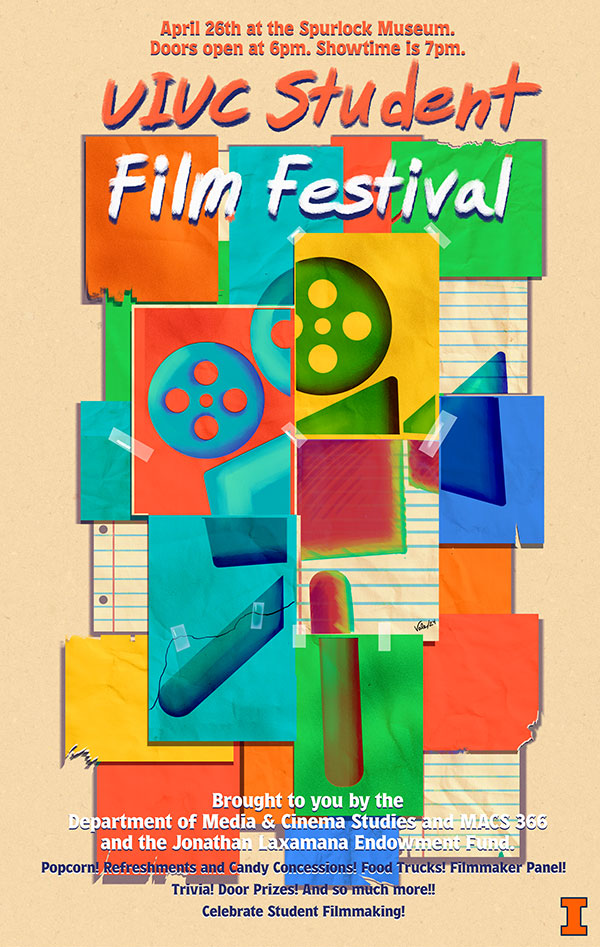
UIUC Student Film Festival 2024


UPDATE: Watch a recording of the 2024 UIUC Student Film Festival, featuring 13 film selections created by students at the University of Illinois. 

UIUC Student Film Fest 2024 poster

Join us for a celebration of student filmmaking at the 15th annual UIUC Student Film Festival, featuring the work of students from across the University of Illinois campus. Programming will include roughly 2 hours of student shorts, a filmmaker panel, and some trivia and door prizes!

Doors open at 6 p.m.

This event is produced, programmed, and curated by students in MACS 366: Film Festivals. 

Sponsored by the Department of Media & Cinema Studies and the Jonathan Laxamana Endowment Fund.


Julie Turnock awarded National Endowment for the Humanities Fellowship


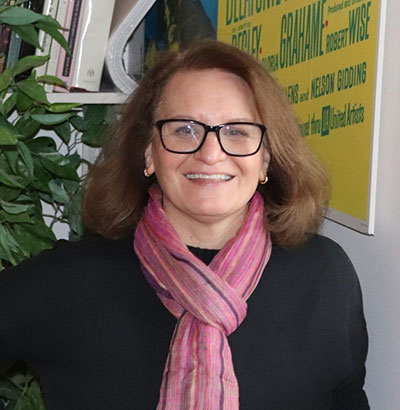
Turnock

Julie Turnock, professor of media and cinema studies, was awarded a National Endowment for the Humanities Fellowship for a book project titled Beyond King Kong: Special Effects in the Hollywood Studio Era, 1915–1965. 

She will receive $60,000 in funding to research and write a book about the technical, labor, industrial, and aesthetic history of the special effects industry during the Hollywood studio era.

Turnock’s book project is a history of the labor performed by unsung “below-the-line” effects workers of the era. Through archival historical research, oral history accounts, interviews, theoretical discourse, and formal visual analyses, this project presents a polemic for considering the “specialness” of effects work not from the point of view of the film but from the position of the specially contracted labor. As a labor history, it centers the workers of the Hollywood studio era who are rarely considered in cinema histories, training attention onto those whose skills make much of “movie magic” possible.  

Turnock served as the inaugural director of the Roger Ebert Center for Film Studies and is on sabbatical this academic year. 

The NEH awarded $33.8 million in grants for 260 humanities projects across the country, including 82 fellowships. The fellowship program supports advanced research in the humanities, and recipients produce articles, books, digital materials or other scholarly resources. NEH Fellowships are competitive awards granted to individual scholars pursuing projects that embody exceptional research, rigorous analysis, and clear writing.

The NEH has received an average of 1,120 applications per year for fellowships in the last five rounds of competition, according to its website. During that time, it awarded an average of 79 fellowships per year for a funding rate of 7%, making the fellowships among the most competitive humanities awards in the country.

The NEH is an independent federal agency and one of the largest funders of humanities programs in the U.S. It supports research and learning in history, literature, philosophy and other areas of the humanities by funding selected peer-reviewed proposals from around the nation.

See University of Illinois News Bureau press release.

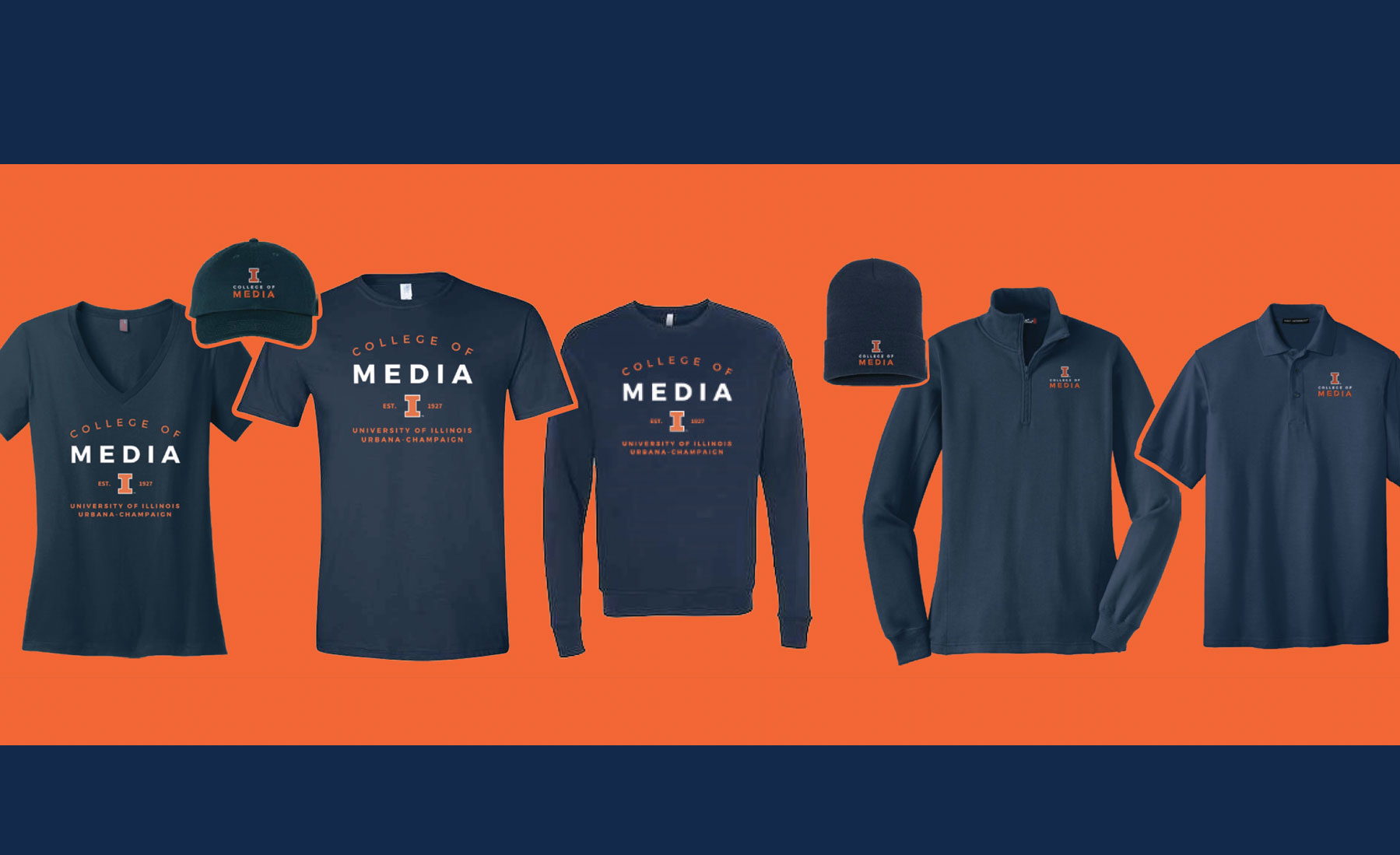
College of Media apparel on sale for limited time


Media apparel shop

Show off your University of Illinois and college pride with branded apparel items featuring the College of Media, Advertising, Journalism, Media & Cinema Studies, and the Institute of Communications Research.

From November 9 through December 4, a College of Media apparel shop will be open with items to purchase including branded sweatshirts, ball caps, T-shirts, beanies, polo shirts, and quarter-zip pullovers. 

Orders will be ready to ship or pick up locally by Monday, Dec. 18. Customers can select shipping via USPS Priority Mail or via UPS Ground shipping, or pick up orders from Dixon Graphics at 312 S. Neil in Champaign (open Monday-Friday, 8 a.m.-5 p.m.). USPS International Priority Mail is available as well.  

To browse the shop, visit https://stores.inksoft.com/ui_media_shop/shop/home. 

The shop will close at 11:59 p.m. on Monday, Dec. 4.

2023-2024 Ebert Fellows announced


Roger Ebert Fellows
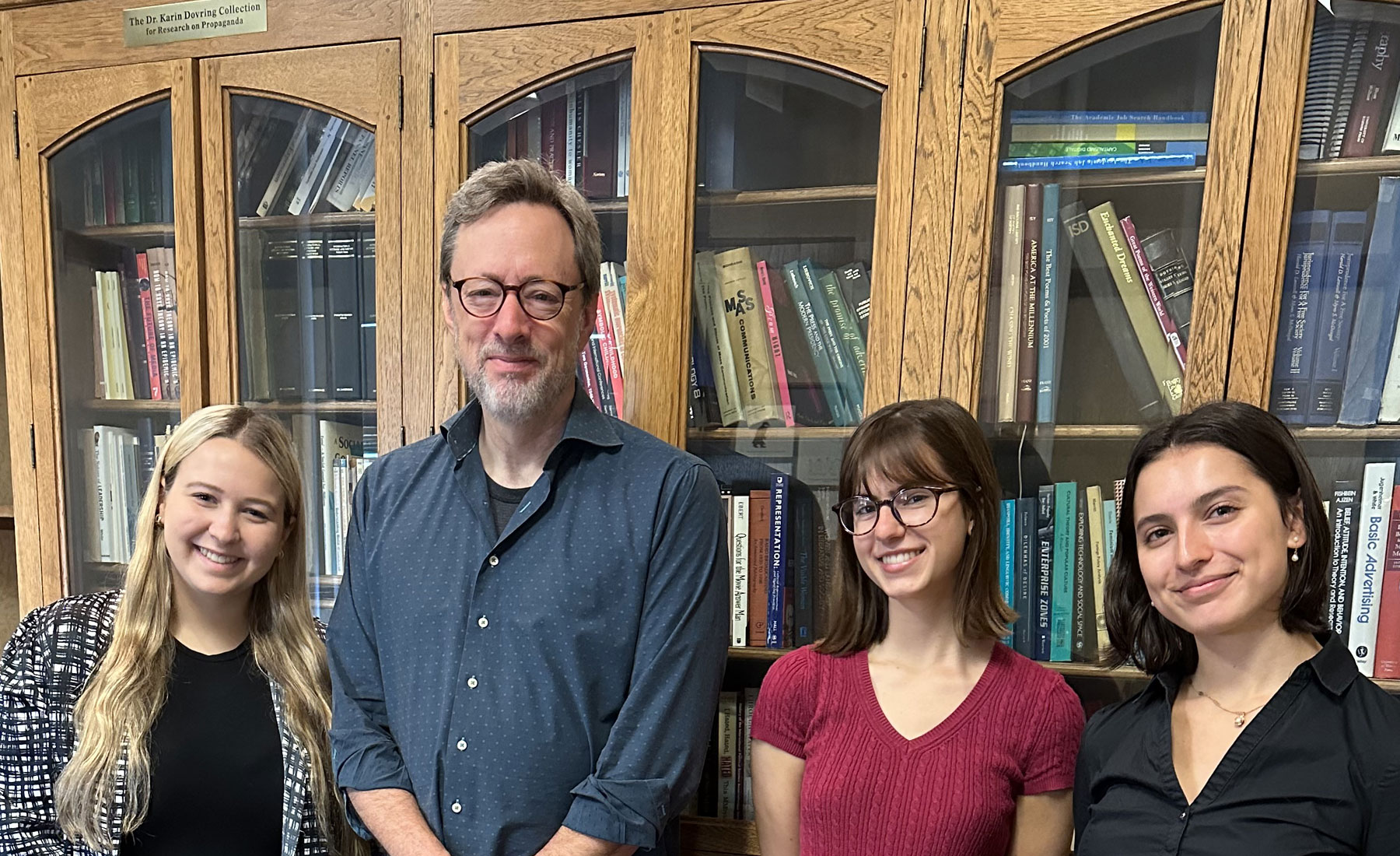
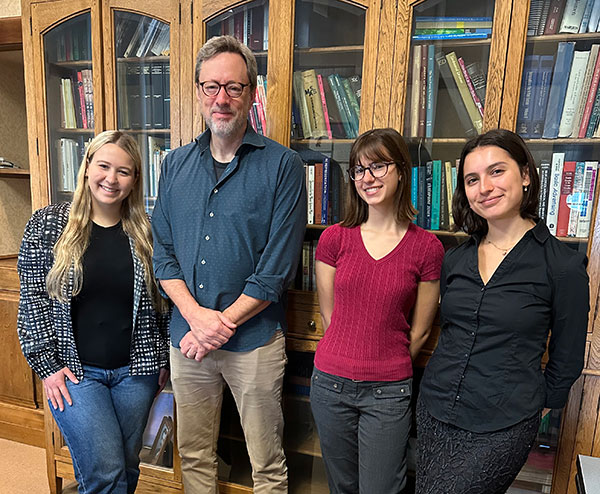
The 2023-24 Roger Ebert Fellows, pictured with mentor Michael Phillips, are Stephanie Wayda, Caroline Tadla, and Hanna Brazas-Mata.

Three College of Media undergraduate students were chosen for this year’s Roger Ebert Fellows program, named after the late Pulitzer Prize-winning film critic and University of Illinois journalism alumnus Roger Ebert. The fellows will work closely with Michael Phillips, film critic at the Chicago Tribune, to hone their writing and interview skills, sharpen their critical eye, and host a screening in 2024 with the Roger Ebert Center for Film Studies.

This year’s Ebert Fellows are Hanna Brazas-Mata, Caroline Tadla, and Stephanie Wayda.

“With my help, they can learn to be their own best editors, no matter what kind of writing they end up doing in the future. And I hope I can introduce them to at least one or two terrific films they might not otherwise have discovered,” Phillips said.

The Ebert Fellows will participate in various activities throughout the year, such as developing their podcasting skills by working with the producers of the Filmspotting podcast in the studios of Chicago Public Radio. They’ll also cover Ebertfest for Illinois Public Media. And for the third year in a row, the Ebert Fellows will attend and cover the True/False Film Festival in Columbia, Missouri, writing for RogerEbert.com.

Phillips is excited to work with the students’ strengths, making them “better, sharper, more persuasive versions of the writers and thinkers they are already,” he said.

He’ll be paying attention to each fellow’s particular interests, who might be especially valuable for them to meet, and what to experience first-hand. 

Meet the 2023-2024 Ebert Fellows

Hanna Brazas-Mata

Hanna Brazas-Mata is a junior in media and cinema studies who is looking forward to exploring different career paths through this fellowship.

“I love working with people, production, and writing, and I know all of those aspects of work will be explored in this fellowship,” she said. “Honestly, I see myself having many jobs in many different areas of the industry and this fellowship will give me a taste of that diversity in experience, and work that makes me so excited about my future.”

Brazas-Mata said being an Ebert Fellow is her biggest academic accomplishment and it’s a privilege to work with Phillips and the other fellows.

Her favorite film is Heathers, which reminds her of watching it on her mom’s VHS player.

“Heathers truly never gets old to me; it’s clever, funny, and is a dark twist on classic teen comedies. It also has some great one-liners and costumes,” Brazas-Mata said.

Caroline Tadla

Caroline Tadla is a junior in media and cinema studies. Her dream is to become a screenwriter since she’s always had a passion for writing.

“It’s so encouraging to see the things you’re passionate about manifest into something serious. I’m very excited to gain exposure in the world of film and critical writing,” Tadla said.

After meeting the other fellows and Phillips, she said she’s happy to work with people with similar goals and interests. 

She’s also looking forward to attending the True/False Documentary Film Festival in Columbia, Missouri. 

Tadla’s favorite film is The Social Network because, as an aspiring screenwriter, “I love how fast-paced and clever the dialogue is as well as the unique narrative structure.”

Stephanie Wayda

Stephanie Wayda is a senior in journalism and said she’s interested in the film and entertainment space and this fellowship will help her see what she wants to specifically do.

“It will open the door to meeting new people and sharpen my skills,” Wayda said. “So I think it’ll be a really great, well-rounded experience.”

Wayda is interested in film production and development and is a part of Illini Film and Video Club. 

“I am really honored to be a part of the program and uphold all of the history and meaning with Roger Ebert,” she said.

Wayda’s favorite films are those centered around women like Don’t Worry Darling and Promising Young Woman.

Media, FAA faculty’s collaborative film-poem ‘Factories at Sea’ selected for multiple film festivals


Victor Font and Cristobal Bianchi
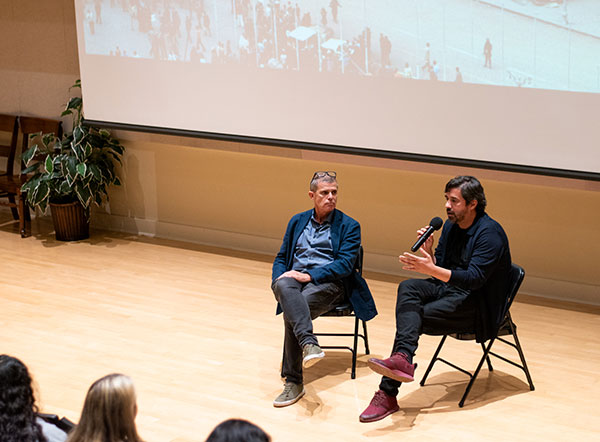
Victor Font, lecturer of media and cinema studies, and Cristobal Bianchi, assistant professor of studio art, created the three-minute film-poem Factories at Sea. The Roger Ebert Center for Film Studies screened the film followed by a Q&A during a welcome event. (Photo by Isabella Pennebaker, photography intern.)

An interdisciplinary collaboration between two College of Media and College of Fine & Applied Arts faculty members has led to an award-winning visual poem that’s been selected to be screened at five film festivals worldwide.

Victor Font, lecturer of media and cinema studies, and Cristobal Bianchi, assistant professor of studio art, worked together to create a three-minute film-poem titled Factories at Sea. 

Described as “a beautiful accomplishment” and an “interesting reflection on our relationship with nature and violence,” Factories at Sea has been accepted in the official programs of the International Festival of Films on Art (Montreal), the London Short Film Festival, Fotogenia Festival (Mexico), and the Chroma Art Film Festival (Miami). It has been selected as a semi-finalist in the Zed Fest Film Festival & Screenplay Competition in California. The film is also pending submission in the Oakland Short Film Festival, with results announced in February.

Going up against thousands of entries, Font said having their film merely selected by the festivals is an honor.

“In the beginning, the goal was whatever comes from that combination of words and images, if it was good, we would submit it to a festival,” Font said. “But we weren’t sure that was going to happen.”

Bianchi reached out to Font in the spring to see if he would be interested in helping to convert Factories at Sea, a poem he wrote and published in his poetry book Avistamientos (Editorial Aparte, 2022), into a short film.

Font, whose course specialties include Introduction to Digital Media Production, Cinematography and Sound Design, Smartphone Cinema, Film Production, and Advanced Filmmaking, said that to “visually tell something that would match the poem” was a challenge.

“It’s not like when you grab a script or storyboard for advertising. For me, with a background of non-fiction and fiction, I have never done this before,” said Font, who has been in the production business for more than 25 years. “I’ve never had a poem that I could transform [into] images or find the images that suits well for the poem.”

Font and Bianchi began the project in May and devoted much of the summer to bringing the visual poem to fruition. Both were abroad for the summer—Font in Barcelona, Spain, and Bianchi in Santiago de Chile—but they worked together over Zoom to complete the project.

Still from Factories at Sea
Still image from Factories at Sea.

Bianchi, who provided narration as well as video clips of his son and father for the film, said Factories at Sea touches on personal topics such as becoming a father, and the passage of time. It also addresses community life and contemporary scenarios full of crises, people, and their possessions.

Bianchi says unlike mainstream narratives, he appreciates projects that “break the rules.”

“I like it when I don’t understand things, when they are left open [to interpretation],” he said.

For Bianchi, poetry is more than just literature but also a performative act. In 2000, he founded the Casagrande art collective in Chile, which has developed a series of editorial and public art interventions in the public sphere.

The Bombing of Poems, one of the collective’s internationally renowned works, consists of dropping 100,000 poems printed as bookmarks from an aircraft in cities that have experienced aerial bombing during military confrontations, such as Santiago de Chile (2001), Warsaw (2009), London (2012), and Madrid (2018).

This project is currently in a solo exhibition in Santiago de Chile called “Bombardeos de poemas: Volver a mirar el cielo (Bombings of Poems: Looking Again at the Sky),” in the context of 50 years since the Chilean coup d’état. Font helped Bianchi edit and produce the main video that is projected in one of the gallery rooms at Palacio Pereira’s art gallery.

Although the film-poem was a novel venture for Bianchi and Font, the duo already foresees a future collaboration, offering another opportunity to see what transpires.

“The art arrives in the process—it’s not before it starts and not when it’s finished,” Bianchi said. “The process is so important like that. In the process arrives the piece.”

Factories at Sea was also completed with the help of Elizabeth Zuba of Brooklyn, who translated the poem into English.

DEV College of Media
119 Gregory Hall
810 S. Wright St.
Urbana, IL 61801
217-333-2350