Media students present at 2025 Undergraduate Research Symposium


Undergraduate Research Week program cover 2025

Update May 29, 2025: Congratulations to the students who presented “Uman Tok: Tailoring Hope, Renewing Futures in Sierra Leone” for receiving an award for Outstanding Oral Presentation at the Undergraduate Research Symposium from the Office of Undergraduate Research! Some of these students previously won an award in 2024 for Outstanding Exhibit on this same research topic, which they continued work on in 2025.


Updated April 28, 2025

Students from all four majors in the College of Media participated in the annual University of Illinois Undergraduate Research Week, held April 20-26.

The Undergraduate Research Symposium, the signature event held on Thursday, April 24, at the Illini Union, features presentations, posters, and performances from students across campus. 

Below is a list of Media student presentations as well as acknowledgements of Media graduate students and faculty who have mentored students presenting at Undergraduate Research Week.

Oral Panel

Health Modalities

“Evaluating the Persuasiveness of LLM-based Chatbots in Health Communication”

  • Atharva Sindwani, Sophomore, Computer Science + Advertising

Research Mentor: Leona Yi-Fan Su, Advertising
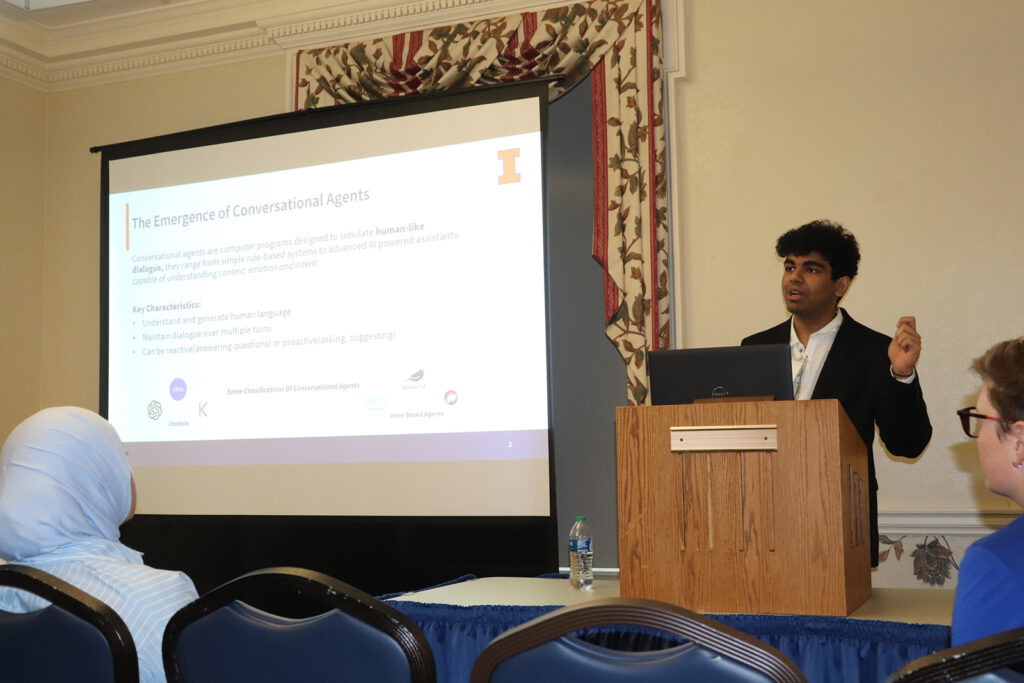
Atharva Sindwani

Media & Culture

“Uman Tok: Tailoring Hope, Renewing Futures in Sierra Leone”

  • Nathan Gonzalez, Sophomore, Journalism, COM
  • Elena Cleary, Senior, Agricultural Communications, ACES
  • Nour Longi, Senior, Journalism, COM
  • Piper Pascarella, Junior, Journalism, COM
  • Faith Lee, Senior, Journalism, COM
  • Maggie Knutte, Senior, Journalism, COM

Research Mentors: Charles “‘Stretch” Ledford, Journalism, and Alison Davis, Journalism
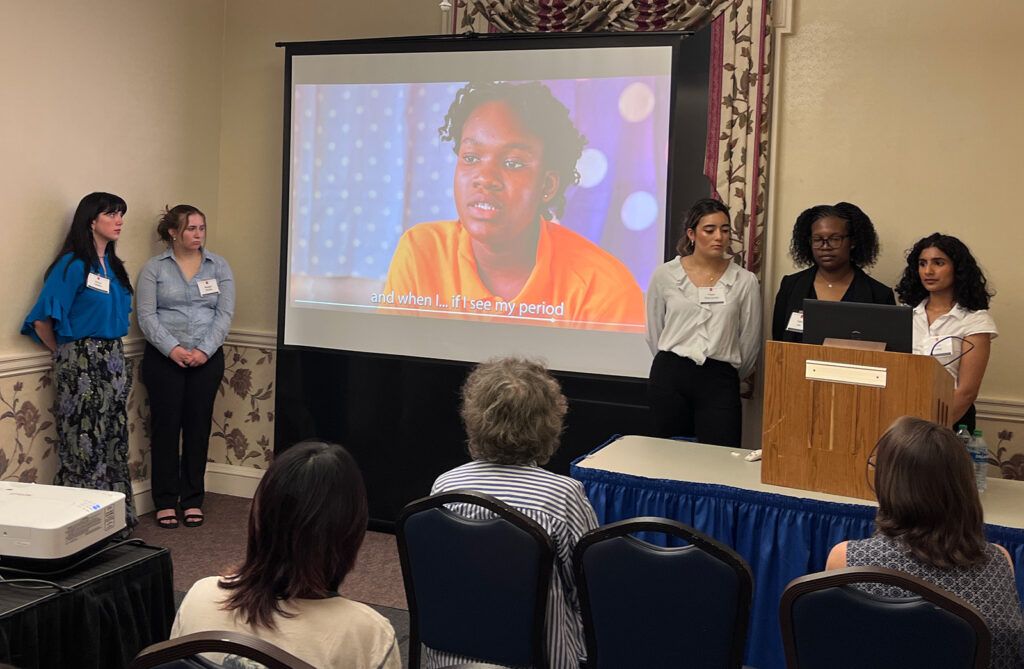
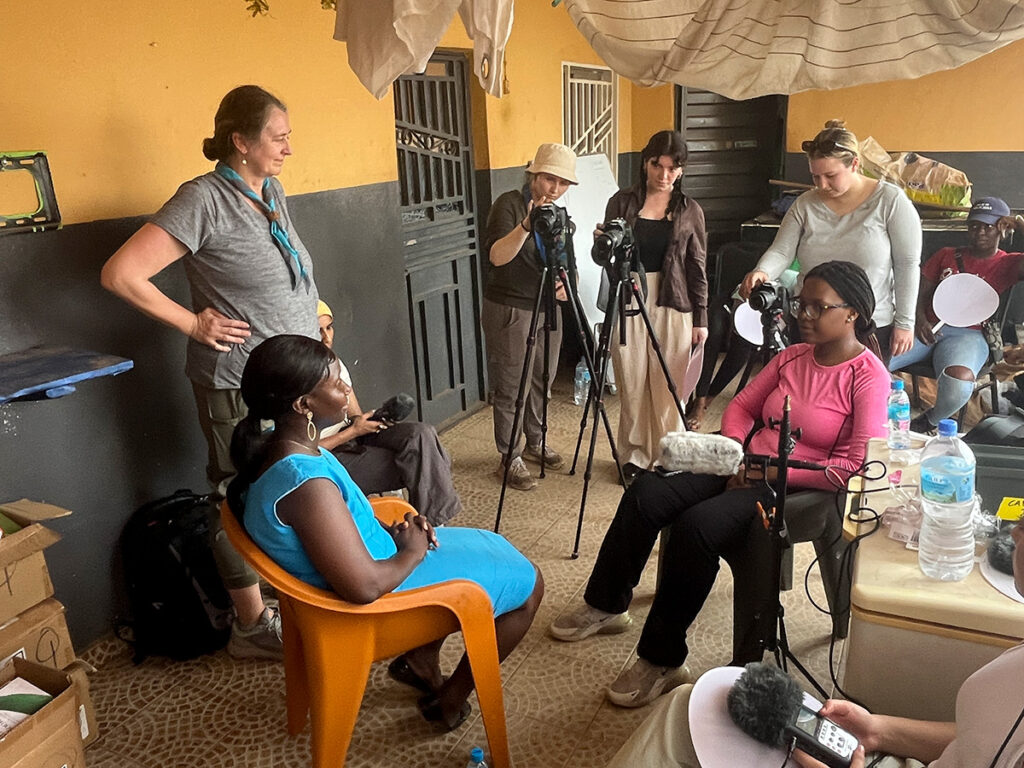
Journalism students present on Uman Tok at Undergraduate Research Symposium

(From left to right: Elena Cleary, Maggie Knutte, Piper Pascarella, Faith Lee, Nour Longi. Not pictured: Nathan Gonzalez.) 

Social Change & Identity

“The Relations Between Cinematic Spaces and Cycles of Oppression in Kenji Mizoguchi’s Street of Shame”

  • Rory McFadden, Senior, Media & Cinema Studies

Research Mentor: Jenny Oyallon-Koloski, Media & Cinema Studies
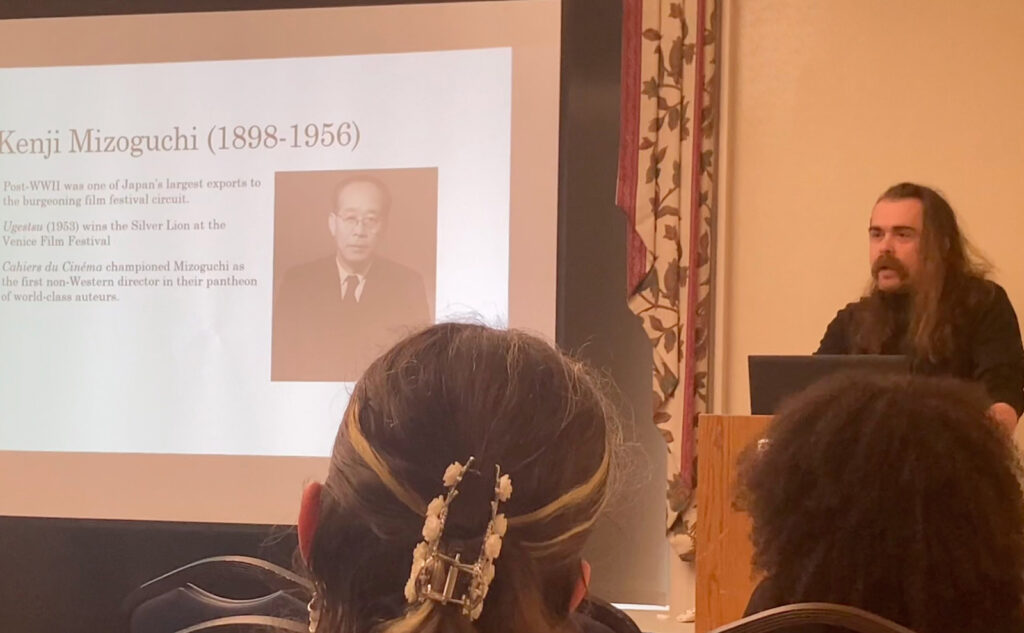
Rory McFadden

Artificial Intelligence & Machine Learning II

“Navigating the Future: Investigating the Use of Artificial Intelligence in Students’ Writing”

  • Arianna Gandhi, Sophomore, Advertising

Research Mentor: Carolyn Wisniewski, Center for Writing Studies
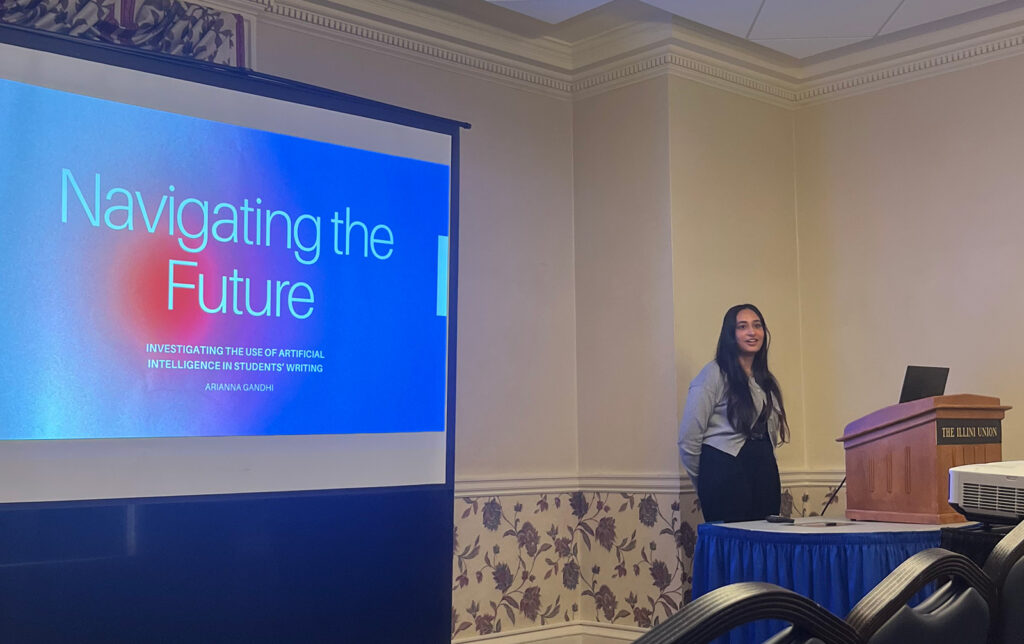
Arianna Gandhi at Undergrad Research Symposium


Poster Presentations

Humanities, Culture, & Society

Graphic Witness in Media: “Three Billboards Outside Ebbing, Missouri” and Beyond

  • Francesca Dumitrescu, Senior, Media & Cinema Studies

Research Mentor: CL Cole, Media & Cinema Studies
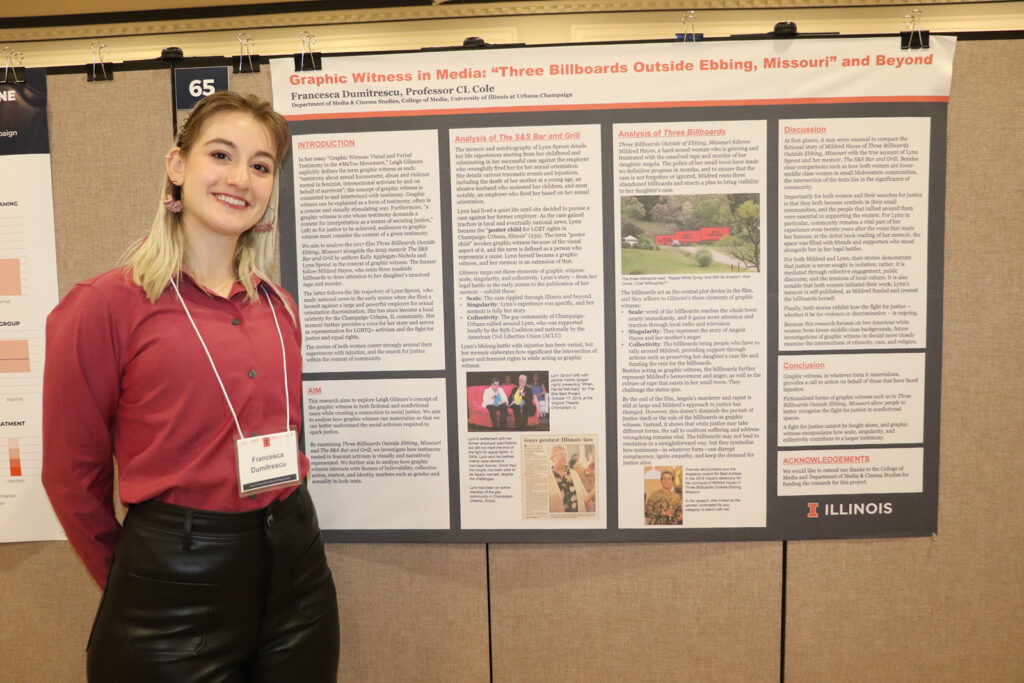
Francesca Dumitrescu

Social Science and Human Behavior

“Terror Discourse: Social Media’s Response to Counter-Terrorism Events”

  • Mihir Sharma, Freshman, Global Studies, LAS
  • Nina Issel, Sophomore, Journalism, COM

Research Mentor: Do Young Gong, Political Science
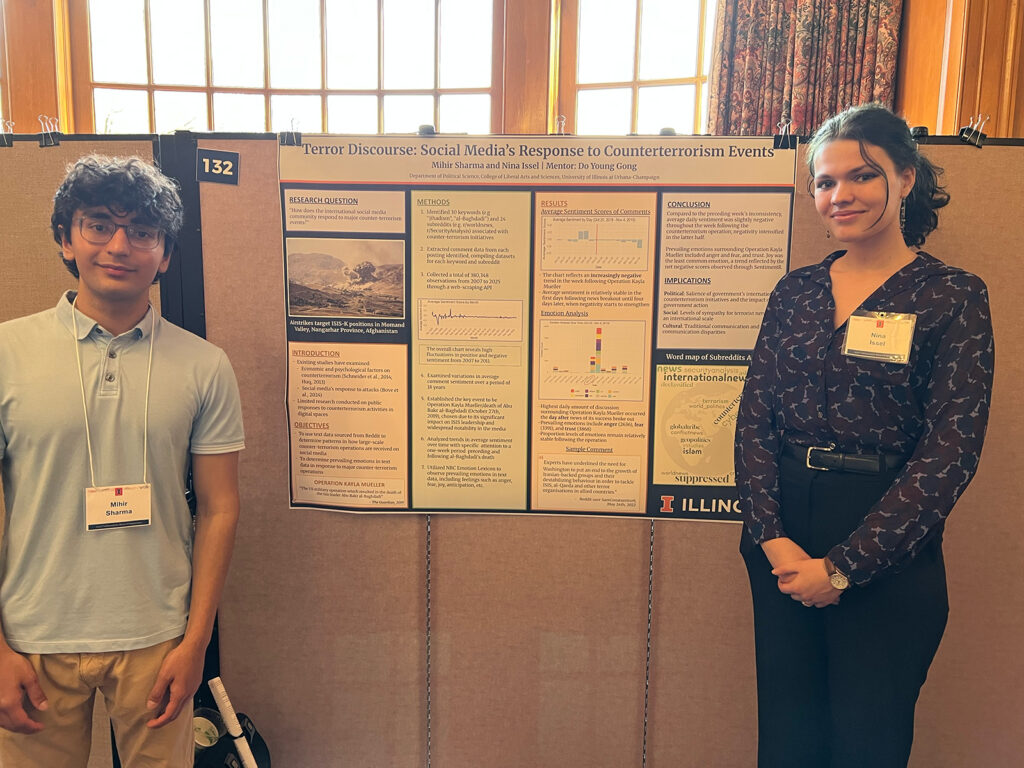
Nina Issel

CS Student Ambassadors/Research Scholars (CS STARS)

Tuesday, April 22, 4-6 p.m., Illini Union Rooms A, B, C, and South Lounge

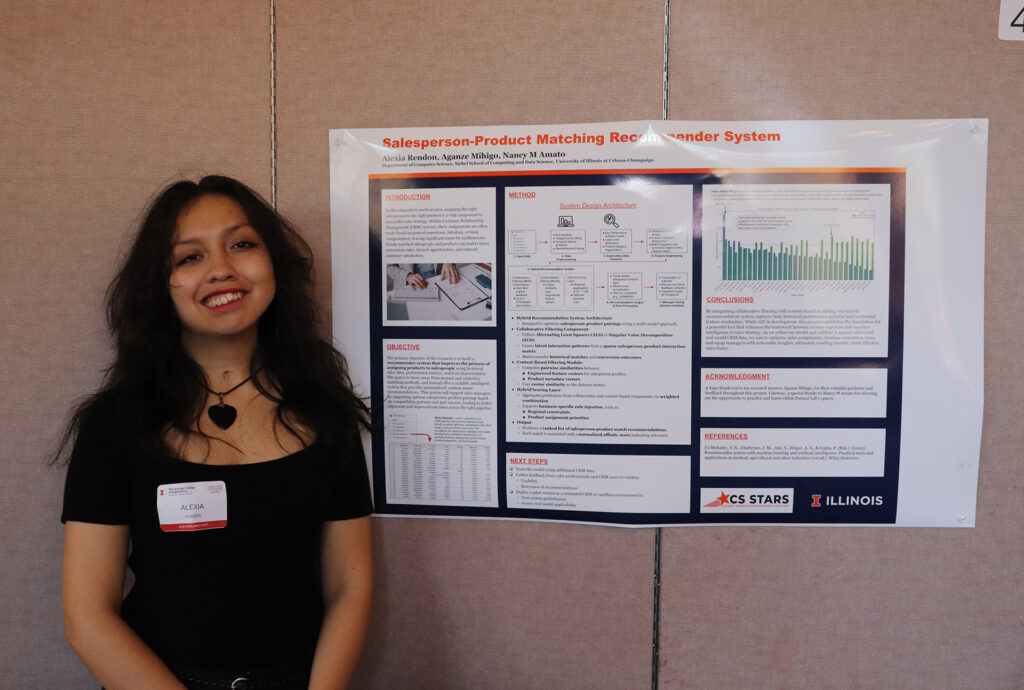
“Salesperson-Product Matching Recommender System”

  • Alexia Rendon, Junior, Computer Science + Advertising, COM
“Understanding High school Students’ Experiences in a Culturally Responsive Computing Program”

  • Skyla Jin, Freshman, Computer Science + Advertising, COM
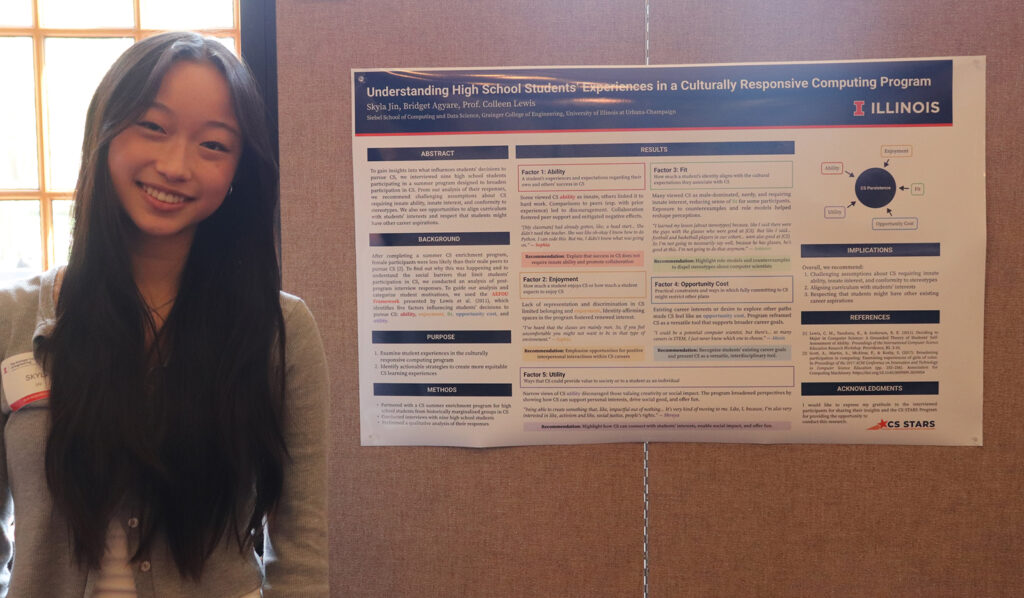
Skyla Jen

“Virtual Reality Game for Interactive Motion Planning”

  • Grace He, Junior, Computer Science + Advertising, COM
  • Omosefe Edomwande, Freshman, Computer Science, ENG
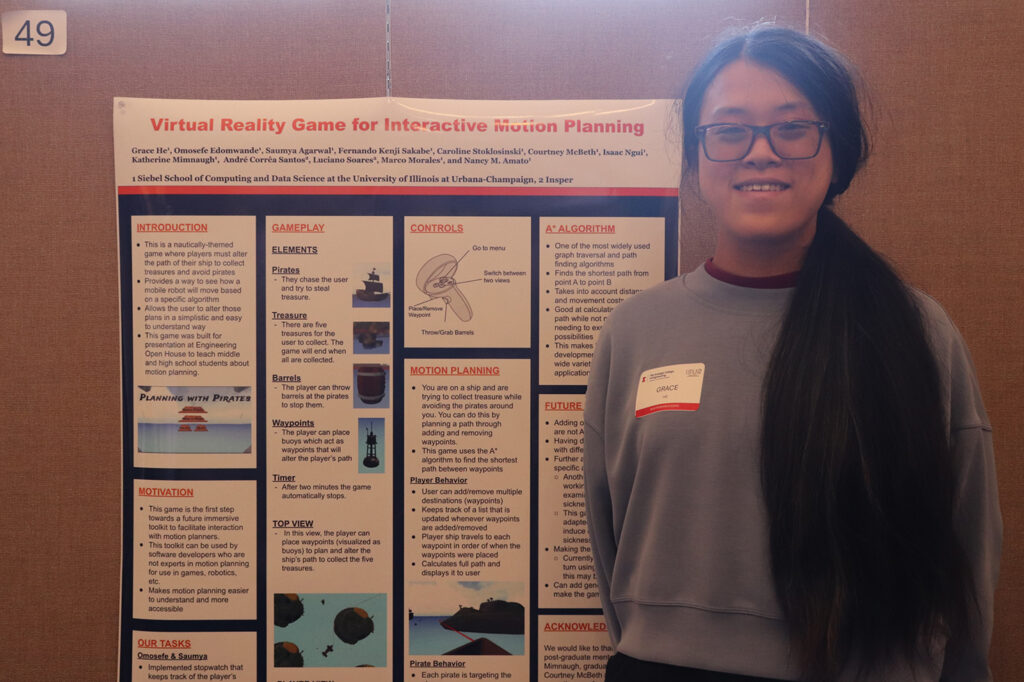
Grace He


Undergraduate Research Apprenticeship Program

The Undergraduate Research Apprenticeship Program offers undergraduate students with little or no research experience the opportunity to work with graduate students and postdoctoral scholars on their research projects, explore the culture and process of research, and build on their existing abilities within a community of scholars.

  • Nina Issel, Sophomore, Journalism (COM)

Media Research Mentors
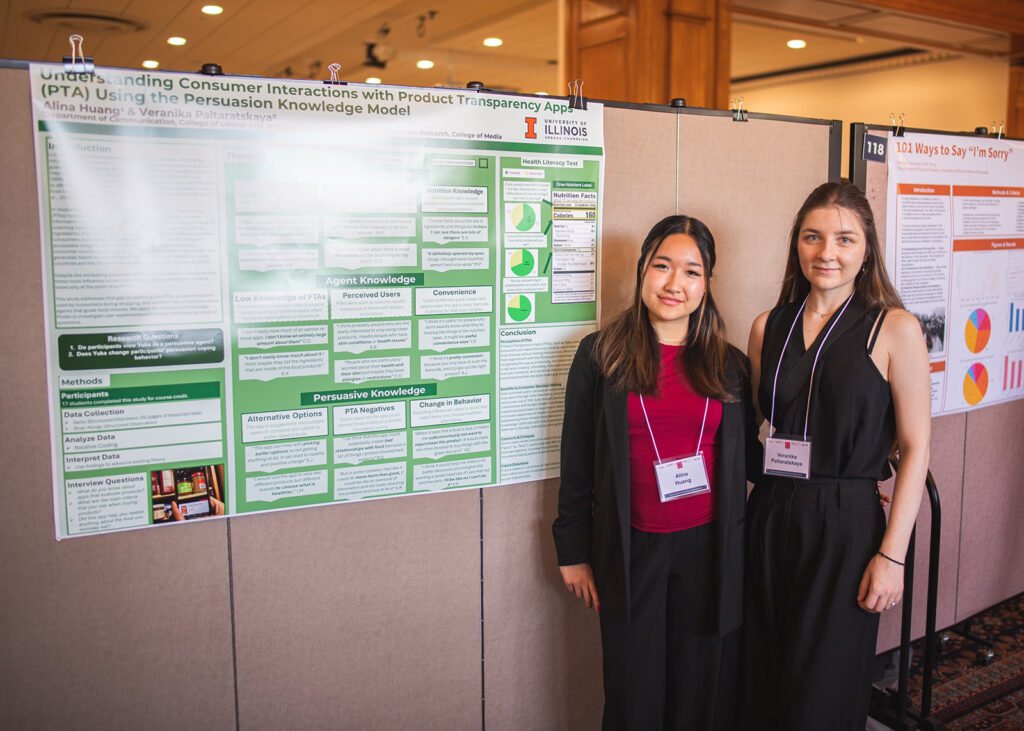
Alina Huang and Veranika Paltaratskaya

Doctoral student Veranika Paltaratskaya (above right), Institute of Communications Research, was the research mentor for Alina Huang, sophomore in communication and psychology (LAS), who presented “Understanding Consumer Interactions with Product Transparency Apps (PTAs) Using the Persuasion Knowledge Model” as part of the Social Science & Human Behavior poster presentations.
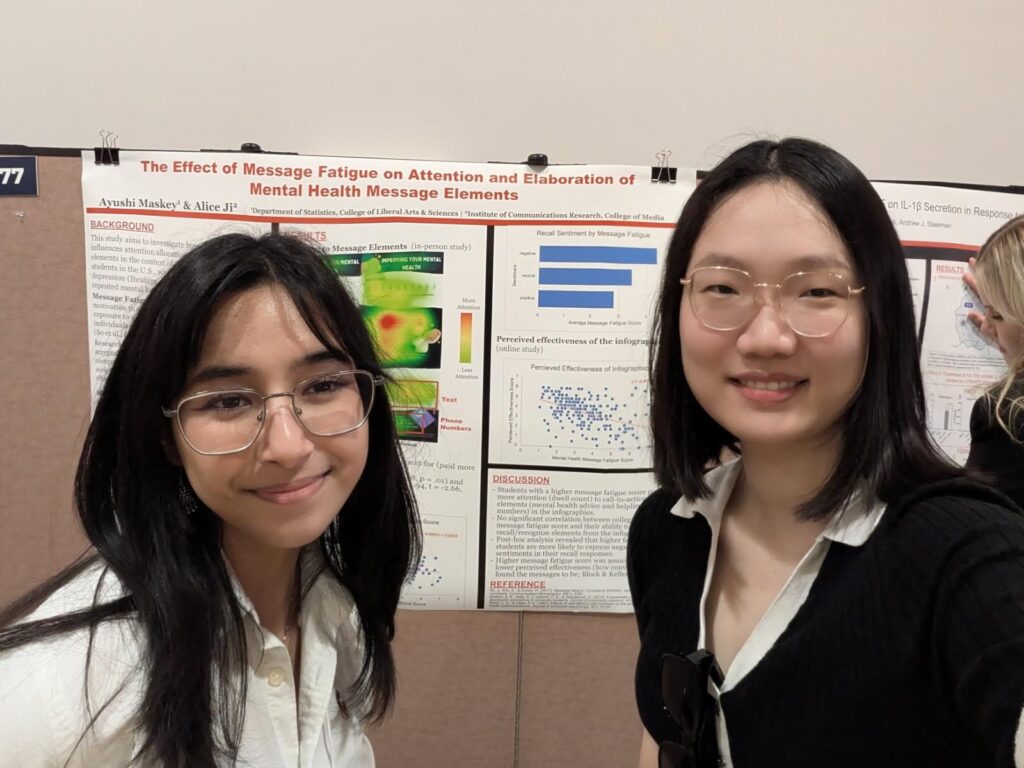
Ayushi Maskey and Alice Ji

Doctoral student Alice Ji (above right), Institute of Communications Research, was the research mentor for Ayushi Maskey, junior in statistics + computer science (LAS), who presented “The Effect of Message Fatigue on Attention to Mental Health Messages” as part of the Heath & Wellness poster presentations.
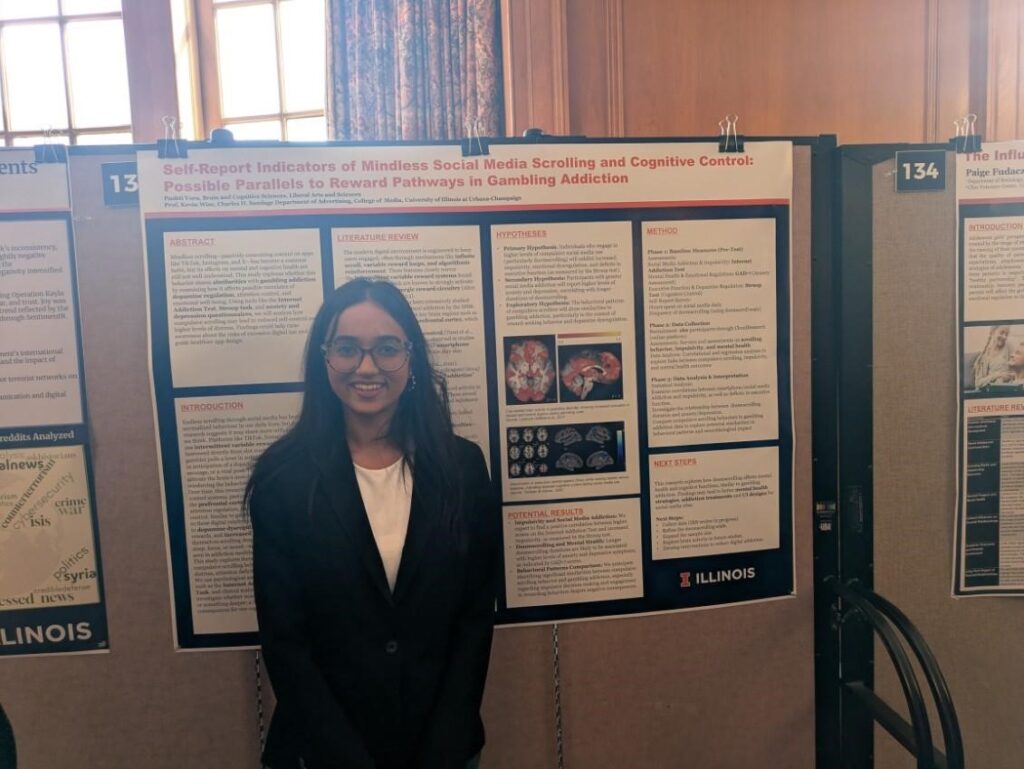
Pushti Vora

Kevin Wise, professor of advertising, was the research mentor for Pushti Vora, junior in brain and cognitive sciences (LAS) who presented “The Impact of Mindless Scrolling on Dopamine Regulation and its Parallels to Gambling Addiction” as part of the Social Science & Human Behavior poster presentations.
Chloe Barbaise

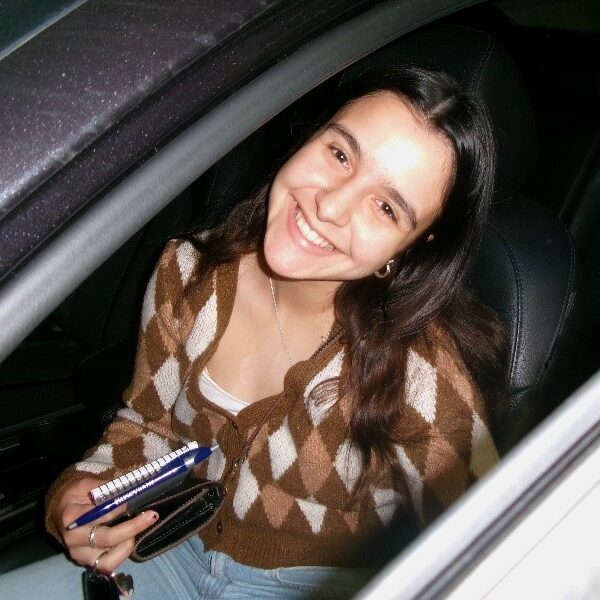
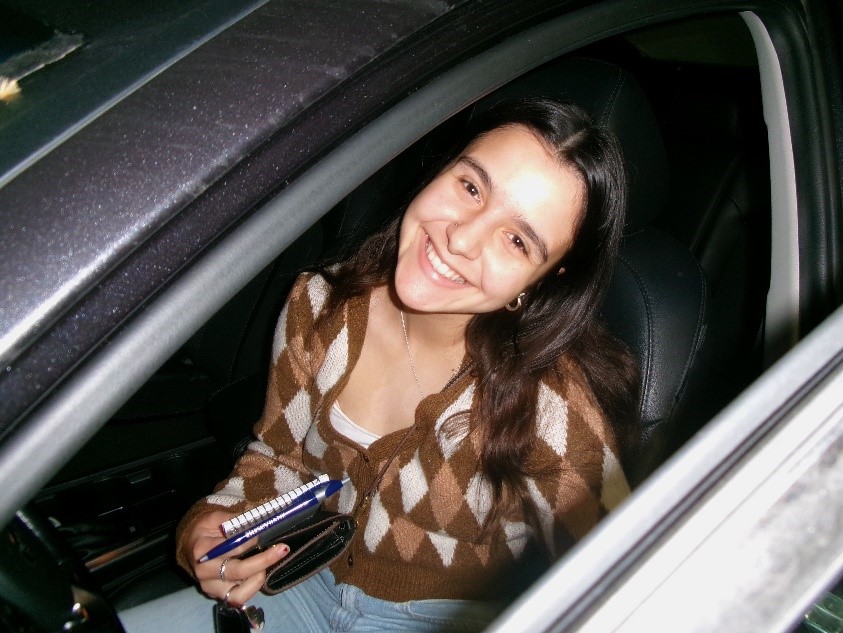
Get to know some of our College of Media students! Chloe Barbaise is a Class of 2027 journalism major.

Chloe-Barbaise.jpg

Why did you choose journalism as your major?
I’ve always loved to write since I was in elementary school and my interest in journalism came about in middle school. We took a trip to our high school’s journalism program and when I saw the media room, I started to think about journalism as a career interest. Fast forward, I knew that U of I had one of the top journalism programs, and I wanted to come here to study journalism.

What’s the most important thing you have learned as a journalism student?
I would say the most important thing that I have learned is being comfortable using cameras. I did not like taking photos or videos; I enjoy the editing and writing aspects of journalism. However, last year, I took a class with Alison Davis, JOUR 215: Multimedia Reporting. Now, I’m taking another class with her, and I learned that it’s just a part of journalism.

How would you describe New Voices and working with the College of Media?
I really enjoyed being a part of the New Voices program. Daniel Almanza, assistant director of Media Career Services, manages the program and helps us with professional development and gaining different media-related experiences. The program helped us get connected to the College of Media and gave us the opportunity to write for the college website, where I conducted interviews with many faculty members and alumni that I wouldn’t have the opportunity to do otherwise. As a first-generation student, this program made me feel seen by the college as soon as I was enrolled.

Describe your role at The Daily Illini
In my first year at The Daily Illini, I became a copy editor because I love to edit. It consisted mostly of fact-checking, spelling, and grammar. In the spring, I applied to become a senior copy editor. It was a paid position that opened more doors than just continuing as a copy editor.

—Interview by Mariah Brooks, New Voices Intern

Share on social

Excerpts from ‘Engaging in a Divided Society’


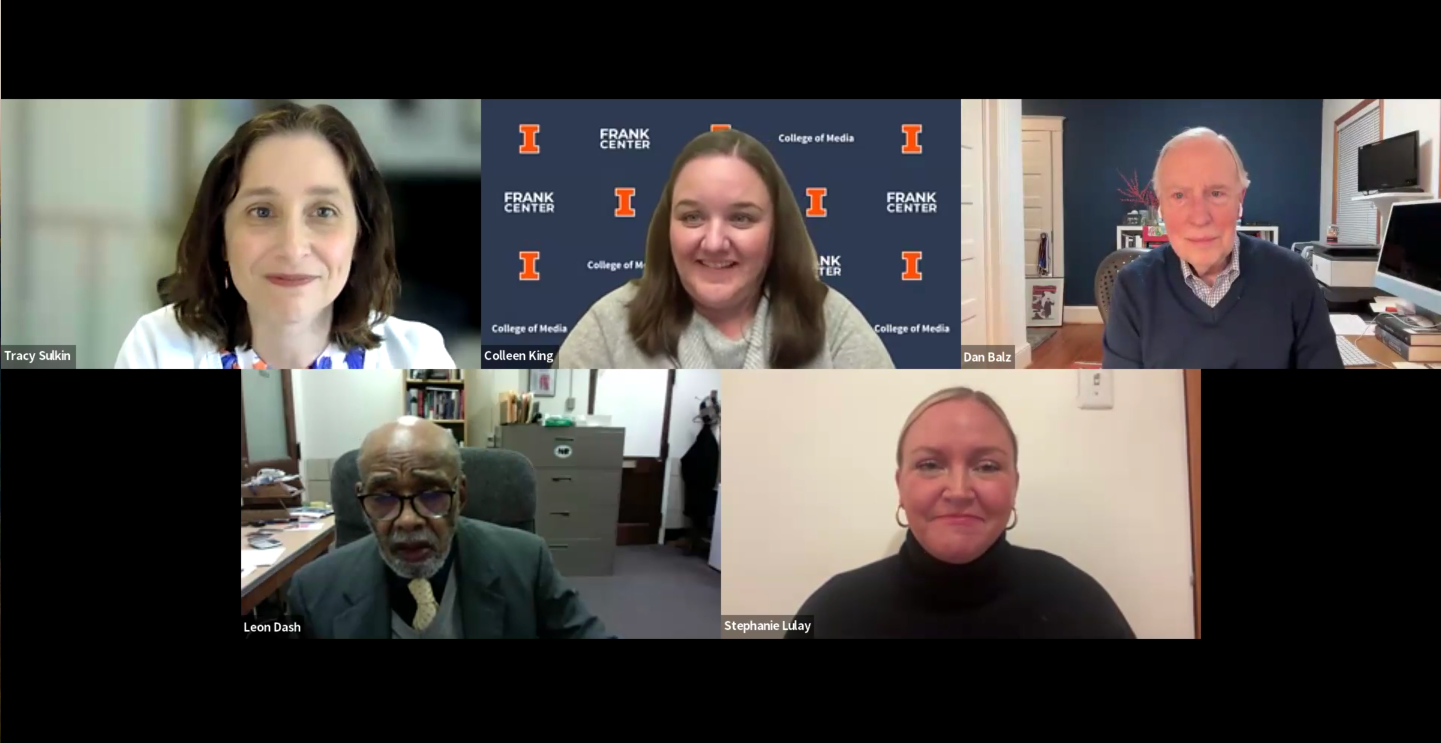
On February 25, 2025, the Suburban Illini Club hosted the College of Media for “Engaging in a Divided Society: Lessons from Journalism,” a panel discussion on how to engage with others in an age of polarization.

Panelists from Engaging in a Divided Society

Moderated by College of Media Dean Tracy Sulkin, panelists included journalism faculty and alumni: 

  • Leon Dash, Professor and Swanlund Chair, Department of Journalism; 1995 Pulitzer Prize Winner for Explanatory Reporting while at The Washington Post
  • Colleen King, Clinical Assistant Professor, Department of Journalism; Director of the Richard and Leslie Frank Center for Leadership and Innovation in Media; former Executive Producer for MSNBC’s The 11th Hour with Brian Williams  
  • Dan Balz (BS ’68, MS ’72, journalism), Chief Correspondent at The Washington Post covering national politics, the presidency and Congress
  • Stephanie Lulay (BS ’08, journalism), Executive Editor and Co-Founder, Block Club Chicago, an award-winning, reader-funded nonprofit newsroom focused on Chicago’s neighborhoods

The webinar was a continuation of a College of Media series launched in Fall 2024 called “Bridging Divides: Conversations on Media and Disagreement.” 

Read excerpts from “Engaging in a Divided Society” below. Note: Answers have been condensed for length and clarity.


Sulkin: It strikes me that a threshold that we discuss a lot is the lines between news versus commentary. And many see the lines between those two as becoming increasingly blurred. I wonder what your thoughts are about the extent to which that seems a useful theoretical divide, and then what the consequences are of the blurring of those lines.

Dash: News columns are very clear that they are news columns, and I try to point that out to the students, in terms of understanding what a news column is. An opinion column is very, very different from a news column, in which you have a lot of leeway to express your opinion. I think social media has blurred the lines between what is considered news and what is considered an opinion. But I think the conventional publications have continued to distinguish between the two and keep them separated.

Lulay: I think Twitter/X and TikTok are full of opinions. We’re in a period where newsrooms are rapidly disappearing and we’re in an era that the world really needs more truth tellers. Something I’ve seen, engaging with readers for a long time, is that readers on the whole really aren’t able to distinguish between news-driven reporting and opinions on the Op-Ed page, and I think that that damages trust.

Balz: One of the things we’ve noticed is that commentary and opinion writing draws a huge audience. And we know that because of the siloed nature of how people get their news, that people seek out opinion journalism that conforms with their points of view. And in the in the digital age, particularly when you’re looking at a homepage for—whether it’s the Washington Post or the New York Times or the Wall Street Journal—the commentary pieces are right there smack next to the news pieces. In a printed paper, the opinion pages are in a separate place. They’re clearly marked. But in a sense the, the presentation has helped to blur the lines.

Sulkin: We’ve been talking about the public’s trust in the news and looking at polling about what people think about the media. There’s been a slow decline in trust in all sorts of institutions over the past several decades, with the news media being part of that. Pew reports that over three-quarters of Americans and majorities from both political parties think that news organizations tend to favor one side or the other. Yet large majorities also say that news coverage keeps politicians from doing things that they shouldn’t. So that scrutiny, that watchdog role, still holds. What are your views about what would help the public to regain trust, if we think it’s been lost, or where could we build on some of those pockets of trust?

Lulay: I’m really happy to be in a local newsroom these days. I think we can make a real impact in terms of trust. Trust is built from the ground up and there’s no better place to build relationships with readers than in a local newsroom. Rebuilding trust in our city is key to why Block Club was founded.

When we started this newsroom, there was a study that trust, particularly on the South and West sides of our city—these are under-resourced areas of our city—trust was at an all-time low with the media. And that was because of generations of the media either only reporting on crime or chaos that happened in those neighborhoods, if they ever showed up at all. At Block Club, instead of covering a traditional beat like courts and education in such a big city where there’s too much going on, our reporters are assigned to two to three contiguous neighborhoods. And when they’re covering a smaller area like that, they really are able to build close relationships with readers, which we believe ensures the news that we’re reporting not only reflects what they most care about, but also leads to a more accurate portrayal of their neighborhood.

King: I would say it’s very tricky because the skills that we teach our students to cover Chicago and maybe go work for Stephanie [Lulay] are not different than skills I would teach up-and-coming reporters to go work with Dan [Balz]. I think people are turning off the news in large part because it always seems like bad news right now. So perhaps we can be more creative in our angles, but I also think transparency is a big part of reporting. And being honest in what we know and what we don’t is a big part of it, too. You know, it is our job to hold people accountable; that’s why we do what we do. Hopefully over the course of time, people can see that our reporting holds up and is fact-based and we’re just trying to report the truth as best we know it.

Balz: Repairing the decline in trust is a very difficult job that we can’t do in and of ourselves as news organizations. What’s happened in terms of the decline of trust is a societal-wide problem. Just as the polarization of the country is a societal-wide problem. And it will take time to begin to overcome that. We have a role to play in that. There are things we can do about that. Colleen [King] is exactly right. Transparency is important. The idea of being open about what we know and what we don’t know is important. But we also have to do what we’ve always done, which is to be aggressive in our reporting and follow that wherever it leads us and live with the consequences of that. Our first obligation is to find the truth to the best that we can find it on any day or week.

Sulkin: We had Chuck Todd visit the College of Media in December right before he announced that he would be departing NBC News after a long career there. I think a narrative thread he was pulling was that local news is the cure to what ails the news ecosystem. I think part of the argument was that maybe if folks have the opportunity to engage with local news, that helps with some spillover to how they think about national news. But the growing news deserts mean a lot of folks don’t have local news. As we are preparing students and launching them out into their careers, Colleen and Leon, what are we doing to correct some of these news desert issues?

Dash: My emphasis with my students is fact-based reporting. It’s a no-no in my classes when they say, ‘I assume’ or ‘I think.’ I say you shouldn’t be ‘assuming’ and you shouldn’t be ‘thinking’ anything. You should know. If you don’t know, you should say you don’t know.   And transparency is a big part of that. Being honest and upfront. I don’t even know how you overcome this divide in this society today. But in terms of conventional journalism, fact-based reporting is very, very important and transparency is also very important.

King: And I would say we’re training our student journalists to learn all kinds of skills. Our students are leaving our universityknowing how to podcast and write, do audio and video journalism, and write online or for print news outlets. So they could really drop in anywhere and cover any community they want to. While we’ve got many who want to return home to the Chicagoland area, or make it big in New York or LA or Washington, we do encourage them to think about covering smaller communities— at least getting a start there—and understanding what it’s like to cover a community where you do get to know your audience and the people you’re covering and in government as well.

Share on social

Media faculty and TAs make list of teachers ranked as excellent


Congratulations to all the College of Media faculty and teaching assistants who were ranked as excellent by their students!

Congrats!

This list is based on Instructor and Course Evaluation System questionnaire forms completed by students during the Fall 2024 semester and Winter 2024-25. Only those instructors who distributed ICES forms at least once during this time period and who released their data for publication are included in the list. View the complete list.

Note: * denotes that the instructor ratings were outstanding.

ADVERTISING

KENT BROWN – ADV 314

STEVE HALL – ADV 150

JACQUELINE HITCHON – ADV 250

SHACHAR MERON – ADV 290, 390

MICHELLE NELSON – ADV 598

*MARISA PEACOCK – ADV 491, 498

SELA SAR – ADV 550

PETER SHELDON – ADV 452

JOURNALISM

CHRISTOPHER BALL – JOUR 101, 451

LEON DASH – JOUR 482

*ALISON DAVIS – JOUR 215, 240, 340

JOSH HEUMAN – JOUR 311

ED KIESER – JOUR 427

VINCE LARA-CINISOMO – JOUR 361

CHARLES “STRETCH” LEDFORD – JOUR 215

CAROL LOMBARDI – JOUR 220

MEDIA

*DANIEL ALMANZA – MEDIA 199

EDDIE NJOROGE – MEDIA 100

MEDIA & CINEMA STUDIES

CL COLE – MACS 356

VICTOR FONT – MACS 260, 370

DORIE GEISSLER – MACS 224

JOSH HEUMAN – MACS 391

DEREK LONG – MACS 211

*JENNY OYALLON-KOLOSKI – MACS 485

STRATEGIC BRAND COMMUNICATION

*SHACHAR MERON – SBC 500

STEVE RAQUEL – SBC 502

TEACHING ASSISTANTS

C. CHICK – ADV 150

*K. COOK – ADV 250

*A. GOODREAU – ADV 150

M. KHOWAJA – ADV 150

J. LIN – ADV 360

A. LIU – ADV 250

M. LYERLA – ADV 284

*Z. RANDOLPH – ADV 360

M. ZHAO – ADV 150

*D. CARRILLO-FUCHS – MACS 101

T. CHEN – MACS 150

*J. CINTRON – MACS 101

*Y. GAO – MACS 101

W. HELMKE – MACS 260

Y. HONG – MACS 100

A. JI – MACS 100

*Y. KANG – MACS 101

K. KRISHNA – MACS 101

*G. LEONARDO – MACS 375

J. OH – MACS 100

A. PENG – MACS 101

J. ZHANG – MACS 150

Share on social

How can science literacy help people better understand the news?


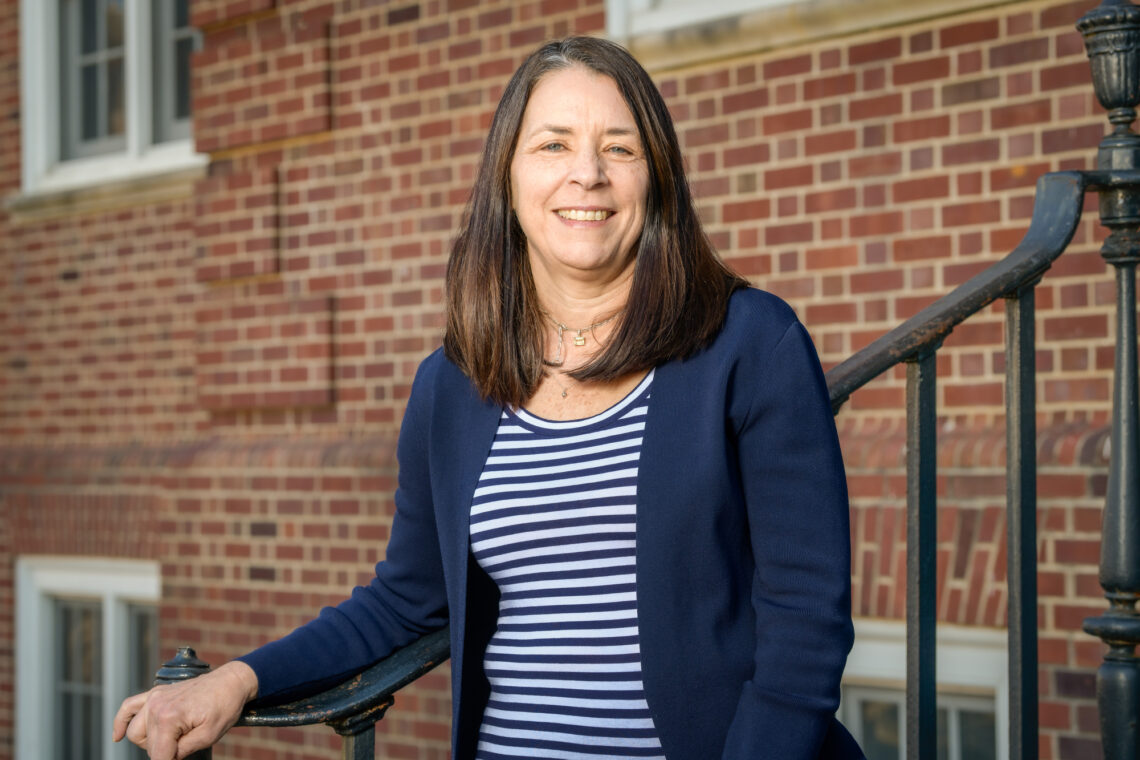
In today’s rapidly evolving media landscape, the spread of misinformation and disinformation regarding scientific topics such as natural disasters, vaccines and climate change can pose a risk to public health. Nancy Averett, a University of Illinois Urbana-Champaign lecturer of journalism and expert in science and environmental journalism spoke with News Bureau physical science and media editor Lois Yoksoulian about how science literacy can help the American public make more informed choices.

Nancy Averett
Photo by Craig Pessman

What is science literacy?

Scientific literacy means using the scientific method to create a systematic process, free of as many biases as possible, to uncover evidence to answer a question.

A scientifically literate person understands that science rarely deals in absolutes. If a study shows there’s a 95% chance that smoking and cancer are linked, then most scientists would say the link is real — even though there’s a small amount of room for doubt. And any scientifically derived result should be reproducible by independent researchers using the same methods.

A scientifically literate person also should understand that scientific knowledge evolves as younger scientists build upon, or occasionally tear down, the theories of the scientists that came before them.

Why is it important for the average American to keep up to date on science news?

We’ve thrived as a nation, in part, because of the incredible scientific breakthroughs that have happened in the past century. For example, most of us don’t wake up in the morning worried about contracting smallpox or having to light a candle to illuminate our bedroom.

But our way of life was built for a world in balance, and now we are out of balance with nature and drastically changing the world. Our warming planet is amping up weather-related disasters like Hurricane Helene and the Los Angeles wildfires. We’re also experiencing incredible technological advances that could lead to more scientific breakthroughs but that also threaten our humanity.

These problems impact our food, our health and our economic stability. Rather than turning away from science at this time, we should embrace it. Science is unique in that it can uncover the truth or at least the truest version of the truth, and information is power.

What are some potential problems with consuming science news in today’s media environment?

People get their news from a wide range of sources that may or not be trustworthy. For example, popular podcaster Joe Rogan told his viewers that he wasn’t going to get the COVID-19 vaccine because he worried about its safety. This undoubtedly led to some people deciding not to get the vaccine even though Rogan had zero evidence that it was unsafe.

Even journalists in more traditional media are notorious for disliking math and not understanding things like statistics. They tend to shy away from science or fail to explain it in a way that helps people understand why it’s important. They’re also intimidated by scientists, so they don’t press the scientists to explain their work in an understandable way.

There are ways for journalists and scientists to combat these problems. For example, one acclaimed environmental health researcher went on Joe Rogan’s podcast to talk about her research looking at how certain chemicals are disrupting fertility. She wanted to get her message about the dangers of these chemicals to as many people as possible, so she didn’t just stick to more mainstream media outlets.

I think scientists are getting better at recognizing that if they want the public to understand and appreciate what they do, they need to communicate better. And when students take classes like my science journalism class, they gain confidence that they can cover science.

How can readers fact-check scientific claims in the media?

Readers can always look at the original source. Any scientific claim should have been published in a reputable scientific journal. That means it has gone through peer review — scientists, who were not involved in the research, have examined how the study was organized, the methods used, the sample size, how it dealt with various biases that might creep into the research, and the statistical analysis.

In one of my journalism classes, I show students an Instagram post from a lifestyle influencer who posts about the “health benefits” of drinking raw milk. The influencer quoted part of a study, so I asked my students to look up the study and read the abstract. They found that while the influencer had quoted part of the study accurately, she’d left out another part that described the dangers of drinking raw milk.

Another issue is reproducibility. If scientists from different institutions and parts of the world are in general agreement with a scientific claim, it’s more likely to be true. For example, a consensus of the world’s scientists agree that fossil fuel use is linked to the warming of Earth’s surface.

Another approach is to go to a reputable fact-checking source such as Snopes, Mediawise and Politifact.

Is there any way readers can spot potential author/media outlet bias in science stories?

Yes. Be aware of headlines that claim absolutes such as a scientific study had 100% effectiveness. Science just doesn’t work that way. The most a study can show is that there’s a strong chance that something works or is true.

A good science news story will include an outside source — someone in the same field as the scientist who was not involved in the research. This source may offer criticism of, or skepticism about, the study, or they may praise it. I would be skeptical if a news story doesn’t include an outside voice.

Consider the scientist who led the study. Are they affiliated with an institution known for producing good science? The journal Nature just published an analysis of the universities with the most retracted journal articles in science. You can also check the website Retraction Watch and type in a researcher’s name to see if they’ve published any studies that were later retracted.

There are also some simple things to think about when evaluating a study or a story about a study. How many subjects were part of the experiment? The smaller the number, the less robust the findings. What type of study is it? There are observational studies, where the scientist carefully observes something and makes conclusions; experimental studies where scientists manipulate two or more variables to find an answer; and randomly controlled trials. The latter is the gold standard.

The media is supposed to present the news without taking sides, but that doesn’t mean they should give equal weight to both sides. Going back to the example of fossil fuels and global warming, there’s very strong evidence gathered from many scientists that the two are linked. So I think journalists should be able to report on climate change or vaccines as a way to stop the spread of disease without giving equal support to climate change deniers or anti-vaxxers.

There is also a potential for journalists to put scientists on a pedestal and never question their findings. That’s a more subtle kind of bias. Scientists do make mistakes; they can have implicit biases or their funding may support research that’s not necessarily in the public’s best interests. Journalists should approach their work with some healthy skepticism.

Editor’s note:

To reach Nancy Averett, email naverett@illinois.edu.

View original press release.

Share on social

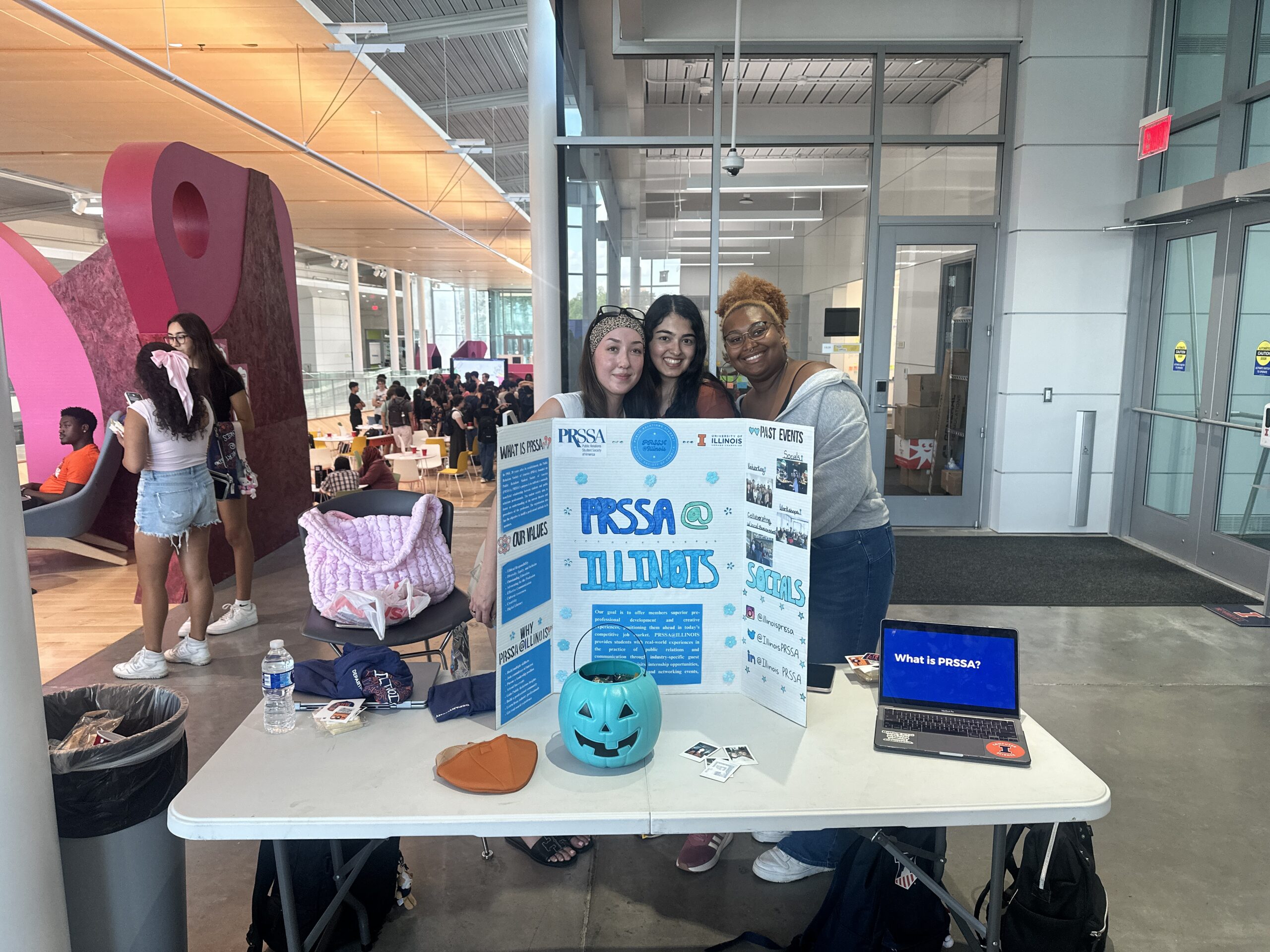
Public Relations Student Society of America at Illinois back in action thanks to student-led mission


The Public Relations Student Society of America at Illinois is back after a four-year hiatus, thanks to a group of determined students who revitalized the local chapter.

PRSSA at adv event
Pictured at right, Jordan Butler, a senior in journalism and president of PRSSA at Illinois, with other members at Advertising + You in Fall 2024.

Jordan Butler, a senior in journalism and president of PRSSA at Illinois, said a call to action in a College of Media newsletter last spring led to a group chat amongst students which ultimately became the impetus for the official return of PRSSA at Illinois in Fall 2024. The local chapter had been inactive since 2019.

“Over [this past] summer, a couple of [us] took on [the executive board positions] and then this semester and last semester we started to really build out more. We’ve been working to gain more members and to let people know who we are, and [organizing] different activities and events across campus,” Butler said.

The Illinois chapter of PRSSA was originally formed in 2012 to offer students the chance to work with real clients, put together campaigns, and network with industry professionals.

The goal today remains similar, says Butler, who noted the group’s emphasis on helping students learn how to communicate effectively.

I think people have this very rigorous idea of what PRSSA is in the sense of [it being] very structured or business-like, but it’s so much more than that. And there’s so much that falls under the realm of PR that I think you don’t know it until you do it, until you try it, until you talk about it.

However, Butler also hopes its members “have found different things that [are] fun or interesting through public relations that perhaps they weren’t maybe as interested in when they walked through our doors or started with us.”

Butler can attest to how PRSSA at Illinois has helped her improve her communications skills. As an introverted person, Butler admits she doesn’t always feel comfortable reaching out to others first or speaking to a crowd, but her experience as president has allowed her to hone that skill.

“I’ve really learned how to kind of put myself out there in those positions and network with people and do a lot of public speaking, even if it makes me really nervous,” said Butler, who also works as a communications and social media intern at Research Park, a technology hub for corporate research, development operations, and startup companies at the University of Illinois Urbana-Champaign.

Currently, PRSSA at Illinois includes a small membership of less than 15 students, but Butler hopes to see that number go up in time.

“We’re just trying to get our names out there as much as possible but also focus on what our members are really interested in doing and what they’re really interested in learning about,” she said.

PRSSA at Illinois, which is open to all majors, holds meetings every Wednesday from 5:30-6:30 p.m. in 31 Gregory Hall.

In response to student interest, a public speaking workshop will be held soon.

Butler encourages any students interested in PRSSA to join a workshop or a meeting to talk to current members and ask questions.

“I think people have this very rigorous idea of what PRSSA is in the sense of [it being] very structured or business-like, but it’s so much more than that. And there’s so much that falls under the realm of PR that I think you don’t know it until you do it, until you try it, until you talk about it,” she said.

For more information about PRSSA at Illinois, check out their Instagram page @illinoisprssa.

Share on social

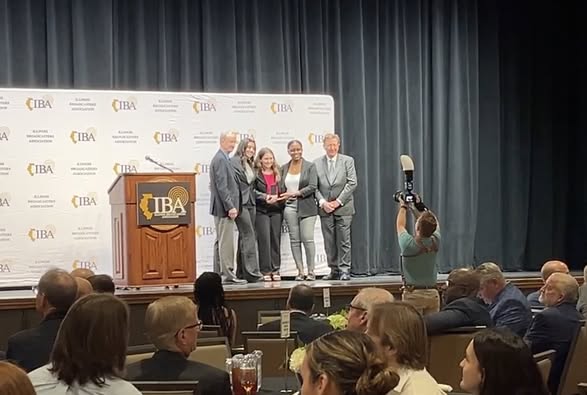
Students win Illinois Broadcasters Association Student Silver Dome Award for Television Photojournalism


Students win IBA Silver Dome award

Students from University of Illinois and Fourah Bay College in Sierra Leone won first place in the 2024 Illinois Broadcasters Association Student Silver Dome Award for Television Photojournalism.

Illinois journalism students Maggie Knutte, Faith Lee, Nour Longi, Piper Pascarella, and Stephanie Wayda, and agricultural communications student Elena Cleary, along with Fourah Bay College broadcast journalism students, were selected for their entry “The Women of Uman Tok Reframe Menstruation in Sierra Leone.”

Learn more at a screening and discussion on Thursday, Feb. 13, 2025, on “Uman Tok: A Discussion on Global Collaboration and Period Poverty.”

Learn more about the IBA awards and the student documentary.

Share on social

New album by journalism alum Professor Emeritus Jay Rosenstein makes ‘Illinois Entertainer’ Top 10 lists


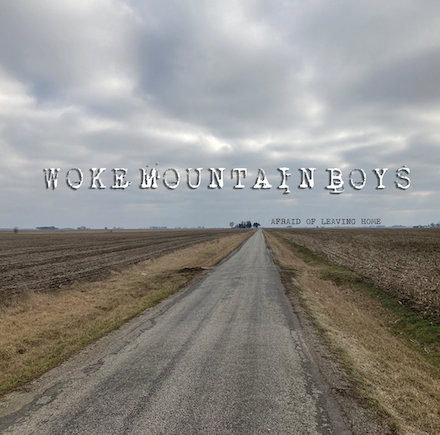
Woke Mountain Boys album cover

Jay Rosenstein (BS ’82, Grainger Engineering; MS ’98, journalism; MFA ’17, FAA), professor emeritus of media and cinema studies, recorded and released a new album with his band the Woke Mountain Boys titled Afraid of Leaving Home.The album was recently selected for two top ten Best Albums of 2024 lists from Illinois Entertainer.

Rosenstein plays guitar and harmonica on the 6-track album, in addition to singing vocals, and mixed and produced the album with Alex Poeppel. 

The album was ranked #4 for Local Albums as selected by Illinois Entertainer staff and #10 for journalist Jeff Elbel’s top picks for 2024.

Read Illinois Entertainer’s review of Afraid of Leaving Home.

New experiential learning opportunities for Media students include international, domestic trips


Three experiential learning opportunities are being offered to students this spring including two new trips—one to the nation’s capital and another to two Scandinavian countries—as well as a return visit to the West African country of Sierra Leone.

Washington, D.C., March 19-22

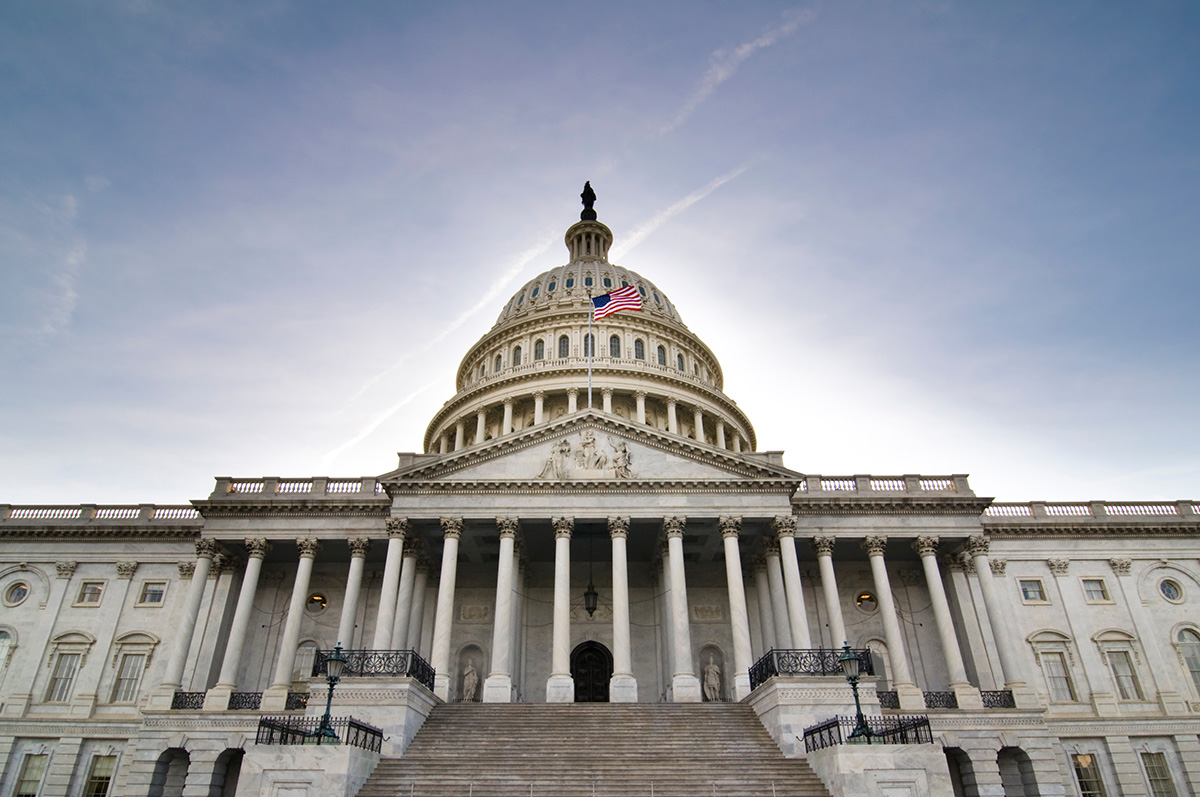
Capitol Hill

Colleen King, clinical assistant professor of journalism and director of the Richard and Leslie Frank Center for Leadership and Innovation in Media, will be taking eight students to Washington, D.C., to visit news outlets and key government locations. 

In addition to participating in newsroom tours, students will receive journalism advice for coursework and career planning; learn to identify local journalism beats; and understand the basics of how professional newsrooms and control rooms operate.

The trip is designed to help students gain invaluable knowledge about U.S. history and the First Amendment to better cover politics, campaigns, and elections, as well as the day-to-day workings of the U.S. government.

Some of the sites the students will visit include the NBC News/MSNBC Washington bureau, the CBS News Washington bureau, Politico, the Albritton Journalism Institute and its website NOTUS (News of the United States), a tour of Capitol Hill, and a visit to the National Archives.

(Update: See photos from their trip to DC.)

Sierra Leone, West Africa, March 14-22

Sierra Leone
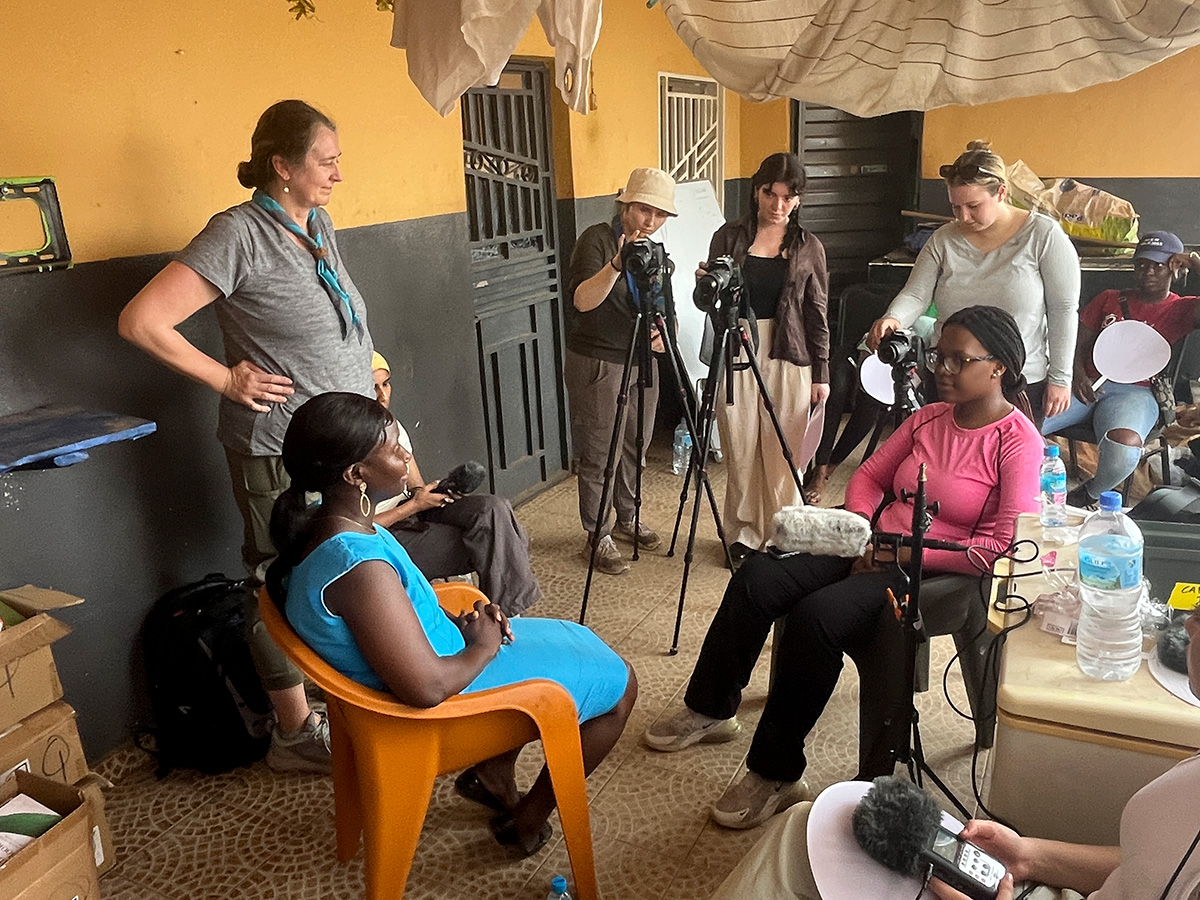
Students film in Sierra Leone in Spring 2024. (Photo by Charles “Stretch” Ledford.)

Charles “Stretch” Ledford, associate professor of journalism, and Alison Davis, lecturer in journalism, will lead a return trip back to Freetown, Sierra Leone, with six students in the “Globally Focused Advanced Documentary Filmmaking” class. 

Under the supervision of Ledford, Davis, and Dr. Francis Sowa, dean of communications, media, and information studies at the University of Sierra Leone’s Fourah Bay College, Illinois and Fourah Bay journalism students will continue production of the documentary film Uman Tok: Tailoring Hope, Reclaiming Futures. An early cut of the film won first place in the 2024 Illinois Broadcasters Association Student Silver Dome Award for Television Photojournalism.

The multi-year international reporting project tells the story of Uman Tok, a small, woman-led nonprofit in Freetown, Sierra Leone’s capital city. Uman Tok (“woman talk” in the local language) employs 15 marginalized women at a living wage to produce reusable, washable menstrual pads for schoolgirls around the country who otherwise would not have a means of managing their monthly periods.  

In addition to collaborating on the documentary film, students will be working on a virtual reality experience, a podcast, and an ink-on-paper comic book for readers of any level.  

The media the journalism students produce will be used in an advertising campaign for Uman Tok created by students in the Charles H. Sandage Department of Advertising’s capstone course this spring. 

This year, both Illinois journalism students and their peers from Fourah Bay College will not only work together in the field, but also live together on the same compound, in an environment designed to foster organic collaboration, shared learning, and more authentic and deeply reported stories. 

Read more about the origin of the documentary and the students’ first trip to Sierra Leone in 2024.

Scandinavia Tour, May 26-June 4

Scandinavia

Marisa Peacock, senior lecturer in advertising, is planning a 10-day study abroad trip for 21 students to Copenhagen, Denmark, and Stockholm, Sweden.

Designed to give students a deep dive into the branding, advertising, and cultural strategies of major global companies, the trip will also provide a broader exploration of Scandinavian design, architecture, and culture. 

Students will visit corporate headquarters of iconic companies like LEGO, IKEA, H&M, and UNIQLO to understand their global marketing strategies and meet with alumni working with these brands in fields of design, marketing, and communication.  

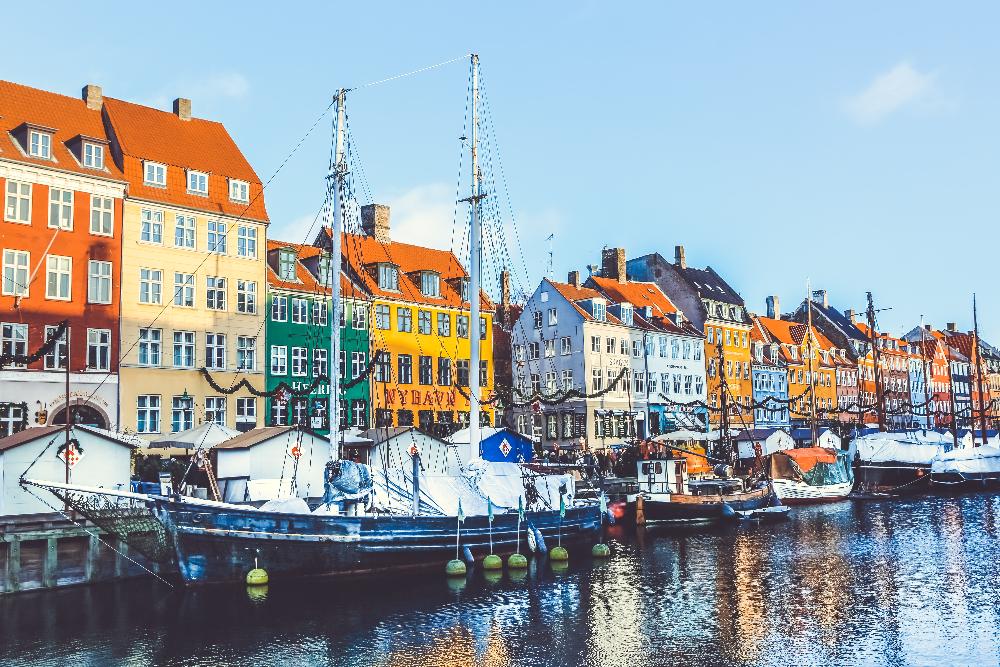
Additionally, the itinerary includes visits to renowned cultural and design sites such as the Swedish Museum of Architecture and Design, Nyhavn harbor, and the Louisiana Museum of Modern Art.

Peacock said she pitched the idea of visiting the area due to an interest in Scandinavian design, which blends functionality with simplicity and modernity, and because brands like IKEA, LEGO, and UNIQLO incorporate corporate responsibility with a dedication to diversity, inclusion, and sustainability, which is also an important hallmark of brand building. 

Share on social

Journalism alum Nicole Anderson Cobb shares experience with historical research and theater-making in new book

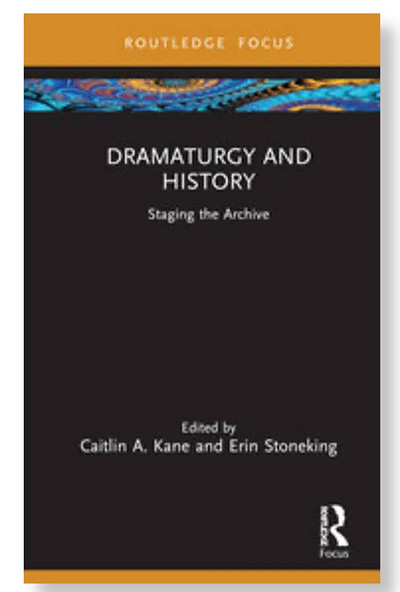
Dramaturgy and History book

Nicole Anderson Cobb (MS ’16, journalism) shared her experience with historical research and theater-making in the newly released edited volume Dramaturgy & History: Staging The Archive.

Dramaturgy and History provides a practical account of an aspect of dramaturgical practice that is often taken for granted: dramaturgs’ engagements with history and historiography.

Anderson Cobb’s chapter centers on her time as an artist-in-residence at Allerton Park & Retreat Center in Monticello, Illinois, in collaboration with Latrelle Bright. 

“I hope my essay ‘Beyond Land Acknowledgement: Rendering Central Illinois History along the Potawatomi Trail of Death’ will be useful for other scholars, and theater-makers and those interested in remembering complex histories in their local spaces,” she said.

Read more about her experience as Allerton’s artist-in-residence from 2022-2023.

DEV College of Media
119 Gregory Hall
810 S. Wright St.
Urbana, IL 61801
217-333-2350