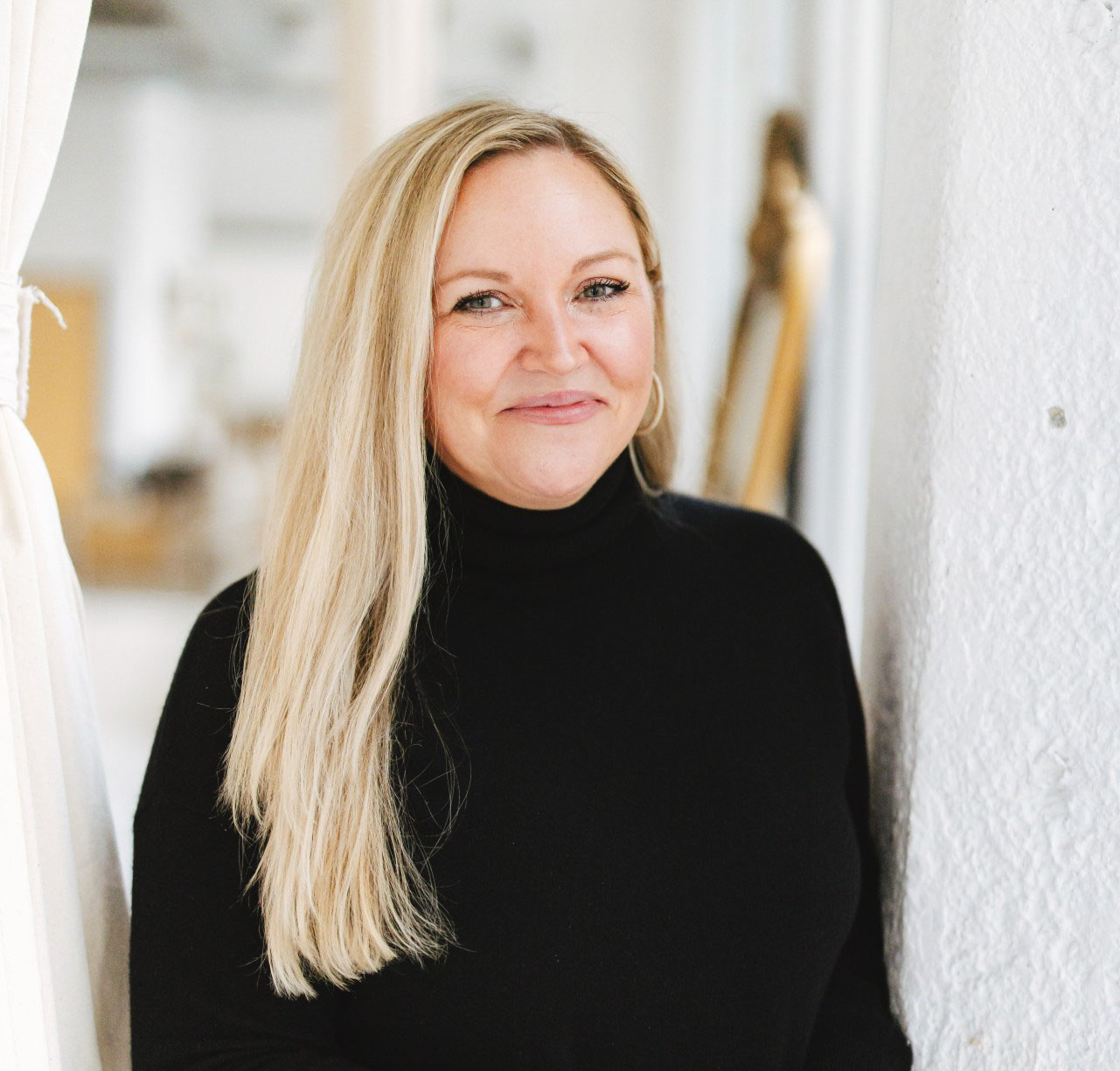
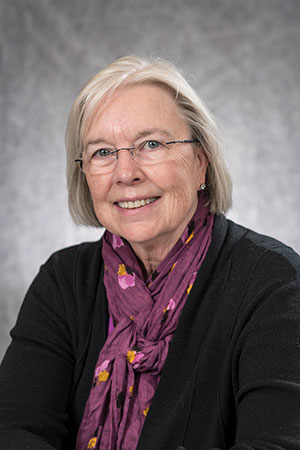
Stephanie Lulay’s (BS ’08, journalism) start-up venture, Block Club Chicago—whose mission is to deliver reliable, nonpartisan, and essential coverage of Chicago’s diverse neighborhoods—has become a news staple for readers throughout the city since its founding in 2018.
Lulay serves as executive editor and co-founder of the award-winning newsroom, which has 18,000 paid subscribers, more than 130,000 newsletter subscribers, and an average of 2.3 million pageviews a month. Over seven years, the newsroom has grown from a staff of eight reporters and editors to a staff of 39. Lulay credits her journalism education at Illinois as a key to her success.
“The [University of Illinois] gave me the problem-solving skills and the confidence I needed to succeed in this industry,” she said.
In honor of her career accomplishments and her continued engagement as an alum, Lulay was chosen as the winner of the 2025 College of Media Emerging Leader Award.
“The College of Media is pleased to award Stephanie Lulay as our 2025 Emerging Leader for her innovative and entrepreneurial path in the journalism industry, along with her enthusiasm for sharing her experiences with our students and alumni,” said Dean Tracy Sulkin. “Stephanie is an alum who exemplifies, in an ever-changing media landscape, how to enhance the lives of people in our state.”
Lulay calls Block Club Chicago a “freemium site”—very few articles are paywalled and most stories are accessible for free, including breaking news, health, election coverage, and news from underserved South Side and West Side neighborhoods. They also produce twice-weekly Block Club Chicago podcasts, hosted by fellow Illinois journalism alum Jon Hansen (BS ’06).
The [University of Illinois] gave me the problem-solving skills and the confidence I needed to succeed in this industry.
Stephanie Lulay
Executive Editor and Co-Founder of Block Club Chicago
Their reporter model is different from traditional newspapers, too. Rather than having beats, reporters are assigned to neighborhoods, tasked with covering whatever news is most important that day.
Lulay says their “big bet” is when they put reporters on the ground every day, it will lead to a more accurate portrayal of the neighborhoods in Chicago and build reader trust.
“That’s what makes me so excited about working for a local newsroom in this time. I When you know who is serving you, and you see them all the time — at your kid’s school, at a community meeting —that is key to rebuilding trust between media and people,” Lulay said.
Lulay says she took what she learned at college with her into the workforce—including the hands-on experience she gained from writing and editing for The Daily Illini and the confidence she built from working closely with Brant Houston, Knight Chair Professor in Investigative and Enterprise Reporting in the Department of Journalism.
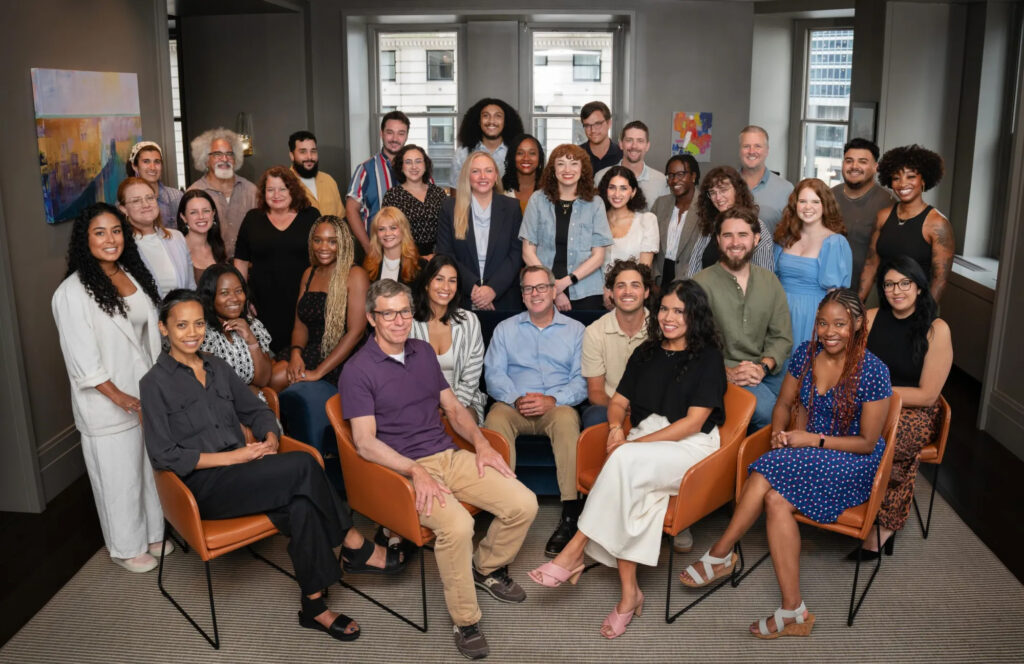
The staff of Block Club Chicago.
“Brant really encouraged me to dig into some big investigative stories and to not think of myself just as a student, but as an investigative journalist,” she said. “Because of that, I was able to get real-life professional experience.”
When Lulay and 115 reporters across the country lost their jobs after DNAinfo sites shuttered in November 2017, one of the first calls she made was to Houston.
Lulay describes Houston as “a godfather in the nonprofit news movement,” and said he gave her the right connections and insight to think through their plan at the start of Block Club Chicago.
Lulay has stayed engaged with College of Media students through educational webinars and classroom visits.
She hopes Block Club Chicago’s success might inspire others to start up similar newsrooms across the country, especially recent College of Media graduates.
“I would love to see some Illini students graduate, pop up in a news desert, and start a newsroom there,” Lulay said. “It’s hard work, but there is so much opportunity right now in nonprofit news and I’d love to see some students capitalizing on that.”
Leon Dash, winner of a Pulitzer Prize and Swanlund Chair Professor of Journalism, sat in his office chair on the third floor of Gregory Hall, appearing calm and collected on his last day of teaching at the College of Media.
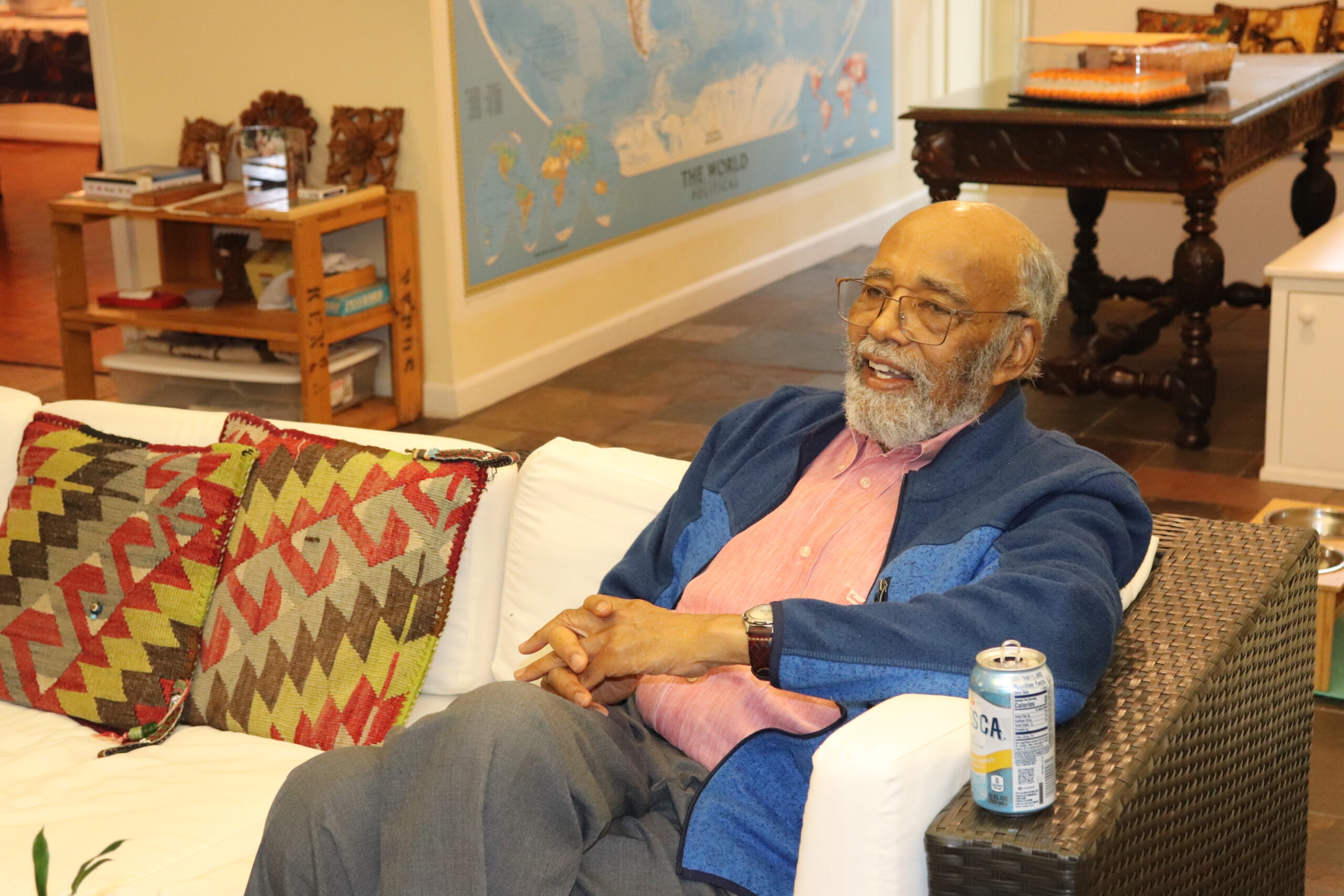
Leon Dash at his retirement celebration on May 13, 2025. (Photo by Kelly Youngblood.)
With 27 years of classroom instruction soon to be behind him, and a 30-plus-year career as an investigative news reporter for The Washington Post in his rearview mirror, Dash was looking forward to his next step—retirement.
Dash has always tended to look ahead to the next step, the next chapter, the next story.
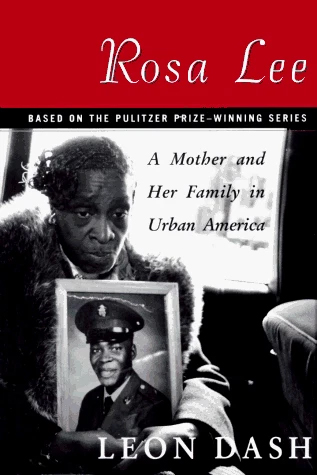
This inclination may have contributed to him becoming a Pulitzer Prize finalist in 1987 for a six-part series on teenage pregnancy, and eventually winning the Pulitzer Prize in Explanatory Journalism in 1995 for an eight-part series, “Rosa Lee’s Story,” that shed light on an impoverished, urban family trapped in intergenerational cycles of crime and addiction.
Dash followed Rosa Lee Cunningham, her children, and her grandchildren for four years, chronicling their struggles and occasional victories for TheWashington Post series, which also won the Robert F. Kennedy Journalism Award for setting “the standard for reporting about poverty.”
The piece was also named to the “Top 100 Works of Journalism of the Century” by the Arthur L. Carter Journalism Institute at New York University.
A year after winning the Pulitzer, Dash published a book based on the series, Rosa Lee: A Mother and Her Family in Urban America. Dash didn’t know it yet but that book, along with another one he wrote about teen pregnancy—When Children Want Children: The Urban Crisis of Teenage Childbearing—would become required reading for his journalism students one day.
Dash’s trailblazing efforts in immersion journalism opened many doors for him, including an opportunity to join the faculty at the College of Media. In Fall 1998, he stood in front of his first class of college students and began the next half of his journalism career—this time as an instructor.
Dash said he was intimidated at first but quickly found his footing thanks to his “self-appointed” faculty mentor and fellow professor of journalism, the late Bob Reid. With Reid’s guidance, Dash said his transition from the newsroom to classroom went very smoothly.
Throughout his extraordinary career, Dash has seen the journalism landscape undergo several changes. The most notable for him is a decline in assertive news reporting.
“So many of the publications are weak when it comes to standing up to power. That used to not be the case,” he said.
At the Post, Dash said he was expected to confront people in power, if necessary, to get answers to the tough questions.
But now more than ever, media outlets are fearful of economic and legal repercussions, he said.
“That was a big disappointment to me. It was painful to watch,” he said. “That kind of interference was unheard of in the past.”
Dash also believes social media has blurred the lines between what is considered news and what is considered opinion, which creates confusion; and people tend to look to a variety of political figures and social influencers for their news today, rather than trained journalists, which Dash views as “very dangerous.”
About 10 years ago, he ran into a former newspaper colleague who told him her job required her to produce two to three different ledes a day for the same story. Using the same facts, the reporter told Dash she had to create a new enticing hook to reel in more readers.
For Dash, who was accustomed to spending months on stories, the idea of churning out multiple ledes a day sounded like “a nightmare.”
Dash says he has no solutions for the many issues plaguing the journalism industry today but does encourage others to think for themselves.
He knows social media is here to stay and engages on a few platforms, sometimes connecting with former students.
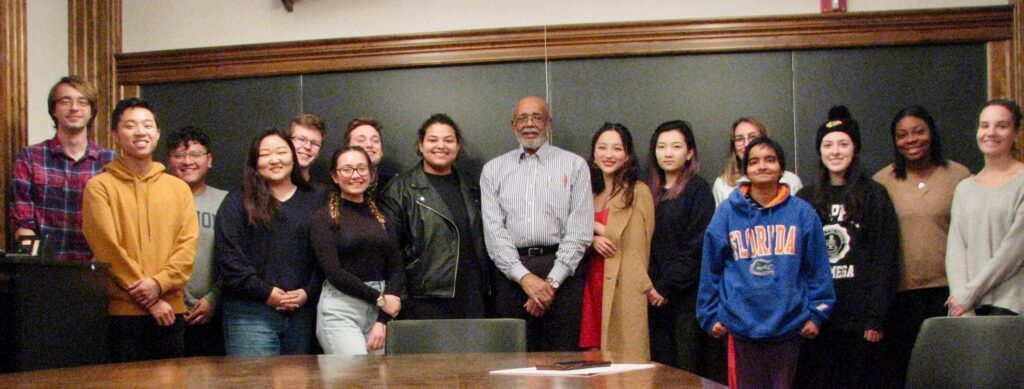
Leon Dash with students in his Great Books of Journalism course in Fall 2019.
He even joined a Facebook Group, which is now inactive, called “Dash Survivors,” created by former students to playfully discuss Dash’s more rigorous coursework.
Dash’s current news diet includes online subscriptions to The New York Times, The Washington Post, and The News-Gazette. He never thought he’d make the transition from reading print news to digital news but now he says it’s more convenient.
“I no longer have ink stains on my fingers from reading the newspaper,” he said.
Dash will miss a lot about teaching, especially working with students who have the ability and genuine interest to become a successful journalist one day.
“Those kinds of revelations are always pleasant, and I’ll miss that,” he said.
But Dash is already looking ahead to his next piece of work. Namely, he said: “A book I need to write.”
He said his forthcoming book “entails lengthy interviews with Black and white Americans focusing on what, when, and under what circumstances did they have a defining ethnic experience on the American landscape.”
Stories of the past might be whitewashed, rewritten, or replaced in official spaces, but people’s consciousness of the past can’t be stripped away.
Melita Garza, Associate Professor and Tom and June Netzel Sleeman Scholar in Business Journalism
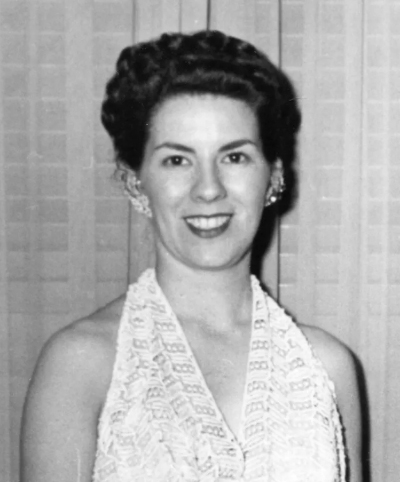
Melita Garza’s mother, Linda Rosa Caballero Hinojosa de Garza, circa 1940s.
In this Newsweek opinion piece, Melita Garza, associate professor and Tom and June Netzel Sleeman Scholar in Business Journalism, combines a Mother’s Day remembrance with a call to use oral history to preserve the lived experiences of events that some want to see removed from museums, books, and other official histories.
“In drawing on these personal recollections, I hope to make the case that listening to our mothers and recording their stories is a way to honor them that will endure long after the flowers have wilted, the perfume faded, and the chocolate box recycled. I say this not just as a daughter, but also as a media historian who spent more than 20 years as a reporter telling the stories of others in the Milwaukee Journal, the Los Angeles Times, the Chicago Tribune, and Bloomberg News,” Garza said.
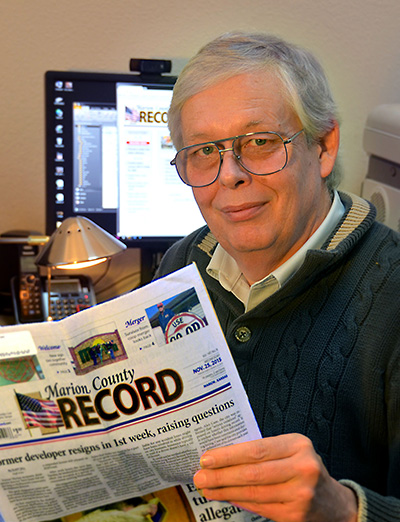
Former Page 1 and planning editor for Milwaukee Journal, creator and publisher of American Journalism Review / NewsLink website and independent strategic planning consultant to more than 350 news organizations worldwide. Current editor and publisher of three weekly newspapers in Kansas, including Marion County Record, which won a record 45 awards and was named the state’s best mid-size non-daily for both news and advertising in 2018. Former Pulitzer nominee for coverage of computer hackers. Five times honored for directing teams of students in producing multimedia projects named best in the nation.
Member and subcommittee chair for Senate Committee on Educational Policy and campus Council on Learning Outcome Assessment. Member, Senate Admissions Committee. Chair, College of Media Courses and Curricula Committee. Former associate dean for academic affairs and administration.
Research and Creative Endeavor
Continued work as a professional journalist focuses on exploring and showcasing enterprising content selection and presentation strategies that increase rates of audience engagement and habituation and, therefore, marketability of news.
Get to know some of our College of Media students! Aaron Anastos is a Class of 2026 dual degree student majoring in journalism and anthropology.
What made you choose journalism at Illinois? My older siblings went to Illinois, so I was already familiar with the campus. I started off as an undeclared major but by getting involved in The Daily Illini and UI7 Newsroom, I started to realize how much I enjoyed storytelling. Illinois has such a strong journalism program that I ended up declaring my major in journalism.
What student organizations have you joined? Since my freshman year, I’ve been an opinions writer for The Daily Illini and a feature reporter for UI7 Newsroom. During my time at The Daily Illini, I served as assistant opinions editor from 2023-2024. In the UI7 Newsroom, I have my own segment called, “Aaron Anywhere.” If you get involved, you slowly start to get to know everybody and build connections.
What classes have you enjoyed the most? I was lucky enough to take JOUR 205: History of American Journalism with Stephanie Craft, professor of journalism and associate dean for academic affairs, my freshman year. Dr. Craft is a very passionate professor and has a great knowledge of journalism. It gave me a really deep appreciation for the course. Another class that stands out is JOUR 217: Content Producing for UI7. It was like a boot camp for broadcasters and in that class, I learned I wanted to get involved with journalism. It also helped me make friendships that I still have today.
You were awarded the Ebert Fellow role for 2024-2025. What has this experience been like? I get the opportunity to work with Michael Phillips, a film critic for the Chicago Tribune. He mentors us on writing different pieces, such as film reviews and film criticisms. We get feedback from him and get different experiences within the film industry. We recently went to the True/False Film Festival to cover the event, and it was a really cool experience. We also hold screenings every month, curating certain films through the Ebert Center. The most recent one we did was Dog Day Afternoon.
Do you have any advice for incoming College of Media students? Do not be afraid to get involved and get out of your comfort zone. Some of the most impactful experiences I’ve had in journalism have been ones that have gotten me completely out of my comfort zone. Also, know that we have a very tight-knit community in journalism. We all have each other’s backs.
Get to know some of our College of Media Students! Nathan Gonzalez is a class of 2027 journalism major.
Why did you choose journalism at the University of Illinois? When my mom gave me my first camera, I became interested in videography and editing. In high school we had a sports broadcasting program where we’d livestream all the different games and give weekly news updates. I also gained experience in print journalism in high school through our art magazine and that piqued my interest in storytelling and how I could use different channels to tell stories. When I applied here, I saw a lot of potential in what Illinois built with their journalism program. As a first-generation college student, I didn’t have much guidance, and having the administration and faculty here being so kind and helpful has allowed me to be a stronger journalist. Had I gone to a different program, I am not sure I would been offered these experiences to become the journalist I am today. They’ve really helped me navigate what the field is, what journalism is, what broadcasting and television is, and I feel like now I’m more confident about all that.
How has being here helped you narrow down the sector of journalism you hope to go into in the future? I knew I wanted to do broadcasting, and I’ve always had a love for television. Growing up I was homeschooled and didn’t have an iPad or an iPhone, so my connection to the outside world came from watching broadcast news on television. The TV stations and the anchors were the ones who taught me about the world around me.
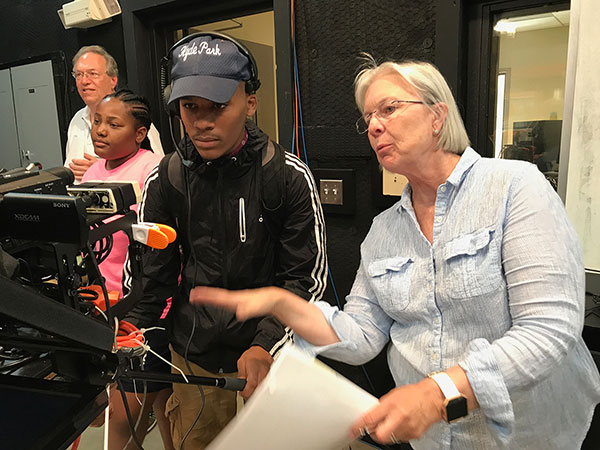
When the newly remodeled Richmond Studio reopened during my freshman year, I wandered around there and told Ken Erdey, the technical coordinator for Richmond Studio, I wanted to get involved. That experience further reassured me that broadcast was the right fit. I love every aspect of the newsroom, and I feel that it really helped me become a stronger journalist.
Which class at the College of Media have you found the most valuable so far? I would say the most valuable class I’ve taken is JOUR 400: Newsroom Experience. This class offers a lot of different opportunities. This was my first time getting hands-on experience with studio cameras. I learned how to write a package and how to use it to tell a visual story. I recently was nominated for a Crystal Pillar from the National Academy of Television Arts & Sciences for college students. A lot of what I learned in this class went into developing that package that got me that honorable mention.
What professional experiences will you be doing this summer? As a White House Correspondents’ Association scholar, I was invited to the White House where I met and questioned White House press secretary Karoline Leavitt on the administration’s relationship with the media. Under this program, I’ll be mentored by Jose Del Pino, international White House correspondent. This summer, I’ll also be interning at Fox News in Washington, D.C., as an assignment desk intern!
Can you talk about your recent research trip to Africa? We went to Freetown in Sierra Leone, West Africa. We were filming a documentary on period poverty. It is a very impoverished country and period products are very expensive, so girls experience mental shame due to the lack of education about what goes on.
I had never been out of the continent, let alone travel on my own, but for some reason I just thought to myself, why not? As a journalist, my job is to be, as the department likes to say, curious and fearless. So, I just said why not? Why can’t I? I feel that’s what really compelled me.
Is there a professor or faculty member at the College of Media that you’re inspired by? Someone who I’m extremely grateful for is Kenneth Erdey. He supervises the university newsroom and was one of the first people I met at Meet Media (a welcome week activity for College of Media students where they get the chance to meet their future classmates and professors). I went up to him and asked him how to become a producer. We talked for about an hour that day and, to sum it up, he told me to go to the newsroom and keep showing up. From there he’s helped me with my writing, taught me how to sharpen my work, given me advice on interviews, worked through my packages with me, and offered critiques where I needed them. He’s always ready and willing to give any advice he can. He’s always been there to give me reassurance that mess-ups happen, and that college is the perfect place to make them. He also gave me my first job and has helped me carve out my career path. I love all my professors and they’re all very talented and have helped me very much. But Ken has been there since my freshman year and I’m very grateful for that.
What advice would you give to an undergraduate student within the College of Media majoring in journalism? I would say to be honest with yourself. I live and breathe what I do because I love what I do. It’ll completely open your world. Journalism will make you connect with people in ways that you would’ve never thought of and connect with people you could’ve never imagined. I would’ve never imagined being in Africa interviewing a young girl about her struggles and challenges. It is truly an eye-opening field. Get ready because it will truly change you.
“Both awards are contested greatly by surrounding schools and programs. Their accomplishments with wins, even nominations, are truly resume builders,” said Kenneth Erdey, journalism instructor and technical coordinator for Richmond Studio, where UI7 broadcasts take place.
NATAS Mid-America EmmyAwards
Best Non-Fiction Longform – A.I. Uncovered: Produced by Piper Pascarella and journalism students from JOUR 445: Advanced Television Reporting last fall—including Hannah Lonergan, Kaitlyn Devitt, Maggie Knutte, Layli Nazarova, Daniel Branand, Ashley Gilbert, Rylee Jones, Jessie Cleverly, and Anna Koh—this UI7 special report looked at how artificial intelligence is reshaping our world.
Watch the segment:
Best Sports Program – Power Play: Produced by journalism students John Shay and Andrew Burkey, this pre-game sports show delivered insightful and engaging coverage of Illinois Hockey. Mazie Gierat (journalism), Peter Hanson (English major, journalism minor), and Caleb Noble (BS ’24, journalism) also played key roles in the show’s production.
Watch the segment:
Honorable Mention, Photography – Illini Boxing Club: Nathan Gonzalez (journalism) earned well-deserved recognition in the photography category for his work covering the Illini Boxing Club for Good Morning Illini.
SINBA Awards
The Illinois News Broadcasters Association announced the winners in the 2025 Student Awards, including several students from the UI7 Newsroom. These student broadcasters were honored Saturday, April 26, during the INBA Spring Convention in Bloomington.
The journalism student winners and their programs include:
First Place in Outstanding Hard Television Program – UI7 Presents Decision 2024: Piper Pascarella, Maggie Knutte, and Hannah Lonergan
First Place in Outstanding Sports Television Program – Illini Sports Night: Emily Richie and John Shay
Second Place in Outstanding Soft Television Program – Good Morning Illini: Hannah Lonergan, Mallory Miller, and Caroline Tadla
Nancy Benson, professor emerita of journalism, died on April 21, 2025. She was 72 years old.
In 1996, she was hired as a visiting professor in the Department of Journalism and became an assistant professor in 1997. She was promoted to associate professor in 2003 and to full professor in 2014. Before retiring in 2019, she served as interim head of the Department of Journalism.
During her 40-year career in broadcast journalism at various television and radio stations across the Midwest, including morning drive anchor and reporter at WMAQ radio in Chicago, Benson won numerous awards for reporting.
The highlight of her teaching career was developing an international reporting course. After a term of teaching about a particular country, she traveled with her students to that country. There, they would research and produce stories about issues that otherwise had been ignored. Nancy took students to Peru, China, Romania, Italy, and Turkey.
Get to know some of our College of Media students! Brendan Gallian is a Class of 2027 journalism major.
Why did you choose journalism at Illinois? After visiting other schools and learning more about the College of Media, I realized Illinois offered opportunities and experiences I wouldn’t find elsewhere, and I became more excited about what Illinois had to offer. I’m grateful I decided to attend, as it opened doors I didn’t expect when I first started my college search.
What drew you to journalism as a major? I’ve always loved sports. I played baseball growing up, collected sports cards, and I’m a huge White Sox fan. Journalism has given me a way to stay connected to the world of sports. Sports reporting allows me to combine my love of writing with the energy and excitement of the games. Once I got into feature writing, it became even more meaningful. Instead of focusing on scores and stats, I realized how much I enjoyed telling human stories, capturing the moments and people that don’t always get the spotlight.
How have your experiences outside the classroom shaped your journalism skills? Joining The Daily Illini has been one of the most essential parts of my experience at Illinois. I started as a sportswriter in Fall of 2023, covering cross country, track and field, and later, hockey. Writing two weekly stories and covering previews and recaps pushed me out of my comfort zone. I learned how to move beyond box scores and find the bigger story, like when I wrote about a soccer player scoring his first goal in front of his family. Telling stories like that showed me how much I enjoy feature writing and finding the human side of sports. Now, as the sports editor, I manage the entire sports section. I assign beats, edit articles, run weekly meetings, and make sure we maintain high-quality reporting. It’s a leadership role that taught me to be organized, work with different writers, and step up when needed.
Outside of The Daily Illini, I interned at Illinois Public Media (WILL), where I produced audio features, including a story about farmers installing wetlands to support local biodiversity. These hands-on experiences gave me a real-world understanding of journalism, helping me to become well-versed in conducting interviews and creating stories that matter.
What is one of your favorite stories you’ve written? One of my favorite stories was about a hockey player who scored his first goal in front of his family. Rather than writing a standard recap, I focused on the personal significance of the moment for the player. That experience reinforced how much I enjoy human-interest storytelling. I also appreciated covering smaller community events, like a local model train show. These stories allow me to highlight moments that may otherwise go unnoticed. They reminded me that journalism is not solely about significant headlines but about capturing meaningful human experiences.
What are your career goals after graduation? My long-term goal is to cover the Chicago White Sox for a professional publication. Although fewer journalists currently cover the team full-time, I want to help fill that gap and tell important stories about the organization. I plan to continue writing human-interest features and sports stories, focusing on the people behind the headlines. Whether I work for a traditional media outlet, a niche publication, or even a museum or historical organization, I want to keep telling meaningful stories.
What advice would you give to incoming journalism students? Believe in yourself and stay committed, even when it gets difficult. Journalism is competitive, and self-doubt is normal, but persistence is key. Try everything, join student media groups, pursue internships, and take different classes because you won’t know what you genuinely enjoy until you explore. Building relationships with professors and peers is also crucial, and the College of Media has many people dedicated to helping students succeed. Most importantly, remember that journalism is about passion. If you love storytelling, that will carry you through the challenges.