Professor Leona Yi-Fan Su chosen as Sandage Scholar in Advertising Research


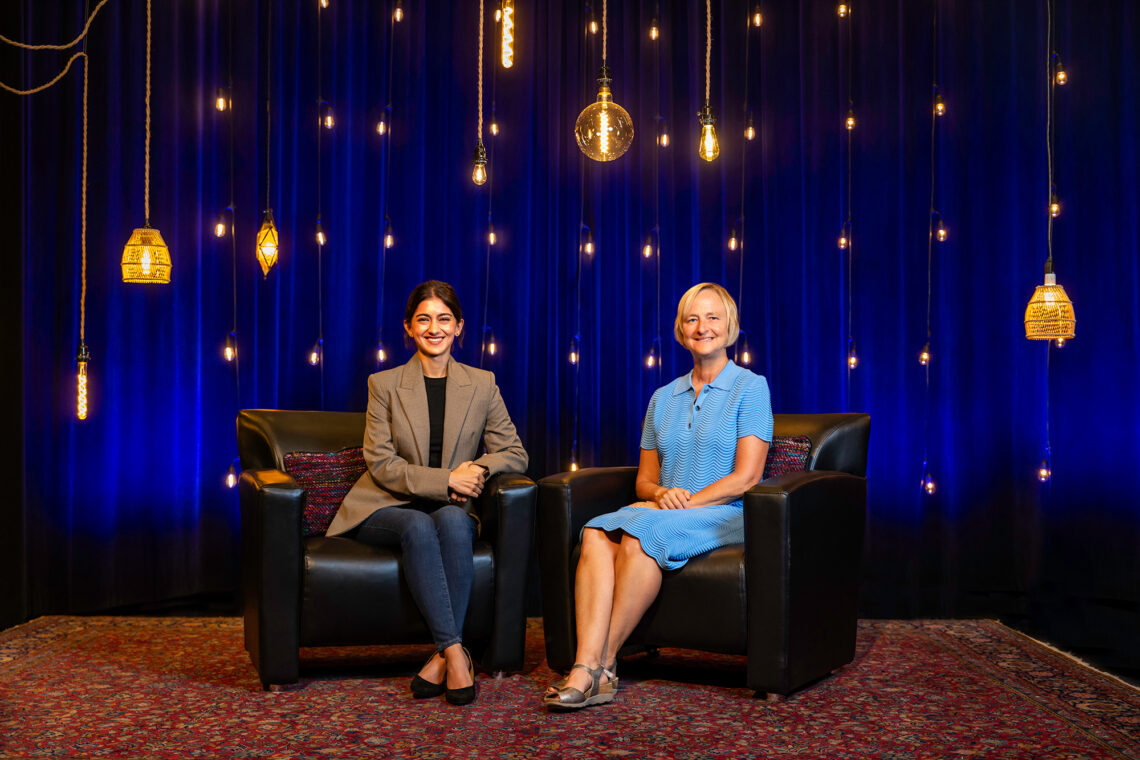
Leona-Yi-Fan-Su

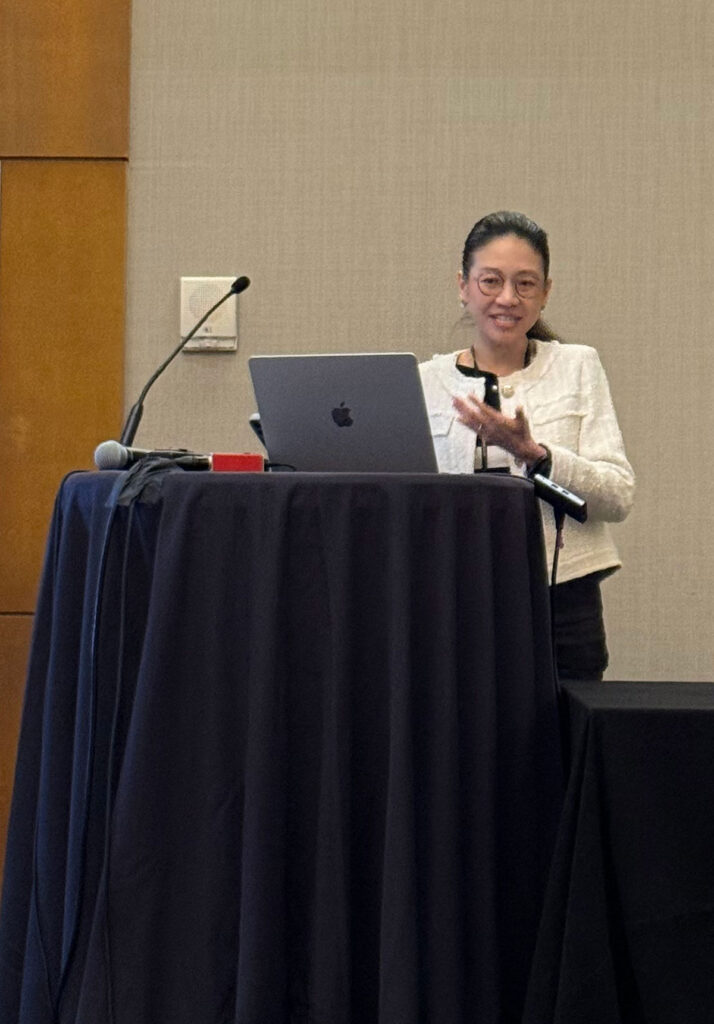
Leona Yi-Fan Su, associate professor of advertising, has been selected to become the next Charles H. Sandage Scholar in Advertising Research for 2025-2027.

Su was chosen based on her proposal, “Digital marketing in the agricultural sector, with emphasis on how farms can leverage emerging technologies such as social media and artificial intelligence (AI) to enhance advertising and marketing effectiveness.”

The Charles H. Sandage Scholar in Advertising Research was established in 2021 to honor outstanding associate professors in the department who are accomplished researchers in the field of advertising, media, or communication research with the potential for continued achievement.

The Sandage Scholar designation is for two years, with recipients receiving $12,000 per year in discretionary funding for research. In line with the fund’s guidelines, full professors in the department provided evaluations on the research proposals.

Share on social

I on the Media: Sang-Hwa Oh discusses Netflix’s ‘KPop Demon Hunters’ and K-pop branding


K-pop, short for “Korean pop,” is a music genre from South Korea celebrated for its dynamic mix of styles, elaborate choreography, and visually captivating performances. Its influence now extends beyond music, reaching film and other media.

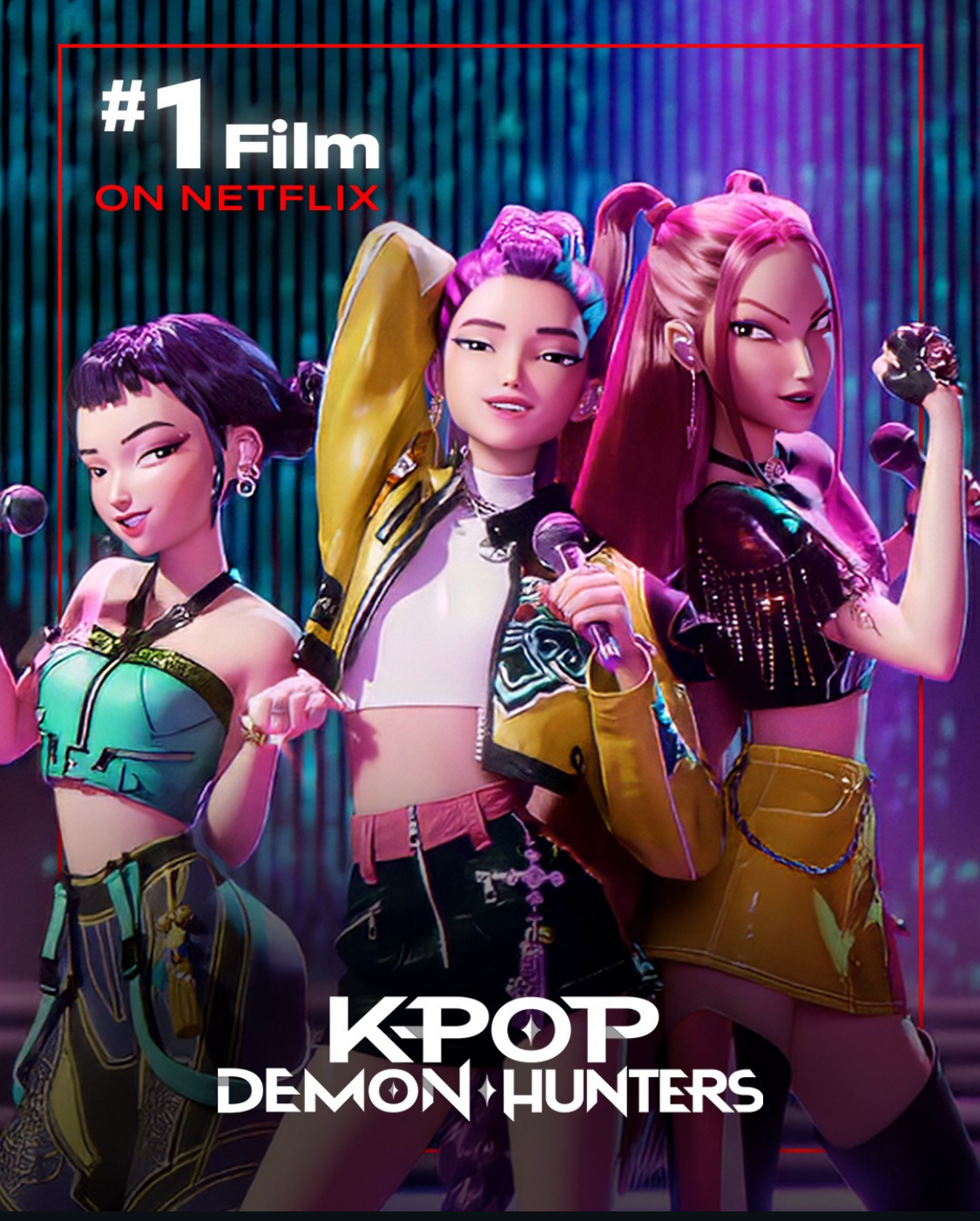
This summer’s animated movie KPop Demon Hunters not only became the most-watched film in Netflix history but also made headlines as the first soundtrack to place four songs in the Billboard Hot 100’s top 10.

Sang-Hwa Oh, associate professor of advertising and expert in entertainment, celebrity, and K-pop branding, and PR and strategic communication, shares the factors that helped turned KPop Demon Hunters into a global cultural phenomenon.

About the Media Expert

Sang-Hwa Oh

Sang-Hwa Oh is an associate professor of advertising in the Charles H. Sandage Department of Advertising and a faculty member of the Institute of Communications Research. Her research delves deep into the realms of emerging media effects, encompassing AI and VR technologies, and scrutinizes the dissemination of health and risk misinformation. She focuses on enhancing media literacy and understanding the nuanced roles that varying emotions play in the communication processes essential for promoting public health and initiating positive social change.


KPop Demon Hunters became a global phenomenon. Does its success show a shift in who’s shaping pop culture today? Are there specific branding or fan engagement tactics that global brands might want to experiment with?

KPop Demon Hunters

The success of KPop Demon Hunters goes beyond viewership numbers. It illustrates how the center of popular culture has expanded. In the past, Western stories and filmmaking styles stood as the benchmark for mainstream entertainment. In contemporary popular culture, however, diverse cultures and storylines emerge as parallel centers of attention, captivating audiences worldwide. What feels ordinary and familiar to one community may appear fresh and captivating to another, and this interplay of familiarity and novelty has become a powerful force in shaping global culture.

What makes KPop Demon Hunters especially meaningful is the way it blends cultural specificity with universal resonance. Its storytelling emphasizes shared human experiences—making mistakes, confronting hardships, building relationships, and affirming one’s identity. These themes transform cultural differences into stories that spark empathy across audiences.

The K-pop industry has long modeled this approach. Idol groups share their debut journeys and performances openly through social media platforms such as YouTube, while fans respond in real time. This participatory model, pioneered by the K-pop industry, has transformed how global audiences interact with media and set new standards for branding practices worldwide. By extending this participatory structure to the screen, KPop Demon Hunters shows how branding has shifted away from one-directional promotion and now thrives through fan engagement and interaction.

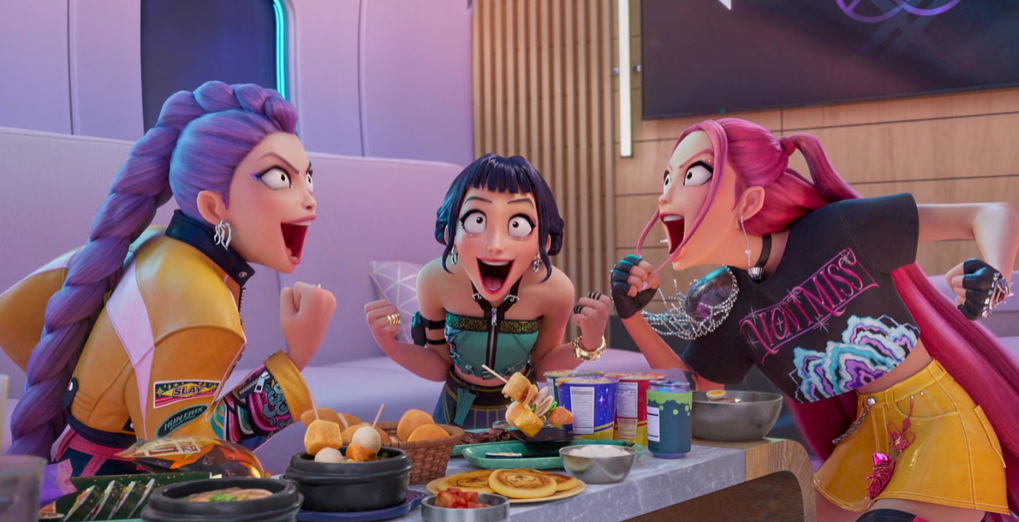
The film showed idols doing everyday things—eating ramen, lounging on the couch. How does that kind of relatability play into humanizing celebrity brands?

One of the film’s most distinctive features is how it humanizes its characters, making them feel approachable and relatable, lowering the barrier between celebrity and fan. These are not just comic touches; they reframe the idols not as untouchable superstars but as humanized brands with whom fans can feel a genuine connection.

K-pop fandom has long been built on this premise. Fans seek not distant superheroes but special presences that feel tied to their own lives. KPop Demon Hunters captured this sentiment effectively, giving audiences the sense that they were not just spectators but part of the story. This deeper emotional connection helps explain why some viewers engaged repeatedly, building layers of affective experience that fuel what is often called the fandom economy. This demonstrates how emotional branding fosters loyalty through shared identity and emotional resonance—principles later expanded through Netflix’s participatory fan strategy.

KPop Demon Hunters scene eating at couch

KPop Demon Hunters had lore, character backstories, and fan art contests—almost like a real K-pop group debut. How does that kind of immersive fan experience help drive engagement?

Netflix placed fan experiences at the center of its promotional strategy, mirroring the immersive fan culture of K-pop. Just as idol groups connect with audiences through YouTube vlogs, fan meetings, or pop-up stores, KPop Demon Hunters translated these participatory practices into its own story world.

Its characters are not confined to fictional roles; they are embodied by real singers and actors, allowing audiences to experience them as living figures. Beyond polished stage personas, the film included meme-worthy comic moments and open-ended storylines that encouraged reinterpretation and fan-made creations. As a result, the film relied not on one-directional marketing but on branding amplified through fan-driven participation. Viewers became active agents, creating and sharing fan-cams that captured their real-time reactions while watching, participating in dance challenges, and generating memes that spread organically on social media. In this way, audiences shifted from being passive consumers to becoming co-authors of the story itself.

This extended beyond digital platforms. In the United States and other countries, Netflix organized sing-along screenings, inviting audiences to join in the songs featured throughout the film. These screenings turned a typical movie showing into a fun, shared, and participatory event, amplifying the sense of belonging and collective enjoyment.

Ultimately, the film became more than an animated feature. It served as an experimental space for fandom participation, where audiences could create, share, and connect. This, in turn, was a driving force behind its explosive global success

What does the global success of KPop Demon Hunters reveal about how Korean cultural products—like K-pop, K-dramas, and animation—are evolving and resonating with international audiences?

The global success of KPop Demon Hunters demonstrates how Korean cultural products have evolved from niche appeal to influential creative forces shaping global media culture. Rather than being treated as foreign curiosities, they are now embraced as meaningful contributions to the global mainstream.

While the film benefited from the global networks established by the K-pop industry, its appeal reached far beyond existing fandoms. Many viewers with little prior exposure to K-pop were drawn to its accessible storytelling, dynamic music, and engaging characters. This suggests that Korean cultural products are entering a new phase: sustaining loyal fan communities while also attracting new audiences worldwide.

A compelling example of this cultural translation appears in the film through the characters Derpy, the tiger, and Sussie, the magpie. In Korean folk paintings (hojakdo), the tiger is often portrayed as a humorous or satirical figure, while the magpie symbolizes good fortune and joyful news. The film reimagines these figures with playful personalities, making them immediately recognizable to Korean audiences yet fresh and engaging for international viewers. Their popularity quickly extended beyond the screen. Netflix released official merchandise featuring Derpy and Sussie, and The National Museum of Korea saw its special-edition goods sell out. This indicates how entertainment products today are branded through the convergence of emotional resonance, cultural symbolism, and market strategy.

The film also situates its story within Korea’s historical background. Beginning with references to earlier eras, including the Joseon dynasty, and moving into contemporary Seoul, it underscores continuity between Korea’s past and present. Seoul’s cityscapes are rendered with careful detail, grounding the story in a distinctly Korean setting while offering imagery that resonates with audiences worldwide.

In turn, KPop Demon Hunters illustrates that Korean cultural products now embody a dual identity. They remain rooted in Korean traditions and aesthetics while speaking to universal human experiences. The result is a model of cultural production that is locally grounded, globally resonant, and emotionally authentic.

Share on social

I on the Media: Ewa Maslowska discusses AI “friendships”


As AI chatbots become more sophisticated, people are increasingly turning to them not only for information, but also for companionship. Concerns are growing over increasing cognitive, emotional, and social reliance on AI tools.

The College of Media spoke with Ewa Maslowska, associate professor of advertising and expert in consumer-brand interactions in the context of new technologies, to learn how AI chatbots are able to simulate friendships, the benefits and risks of using chatbots as “friends,” and how to maintain healthy boundaries with chatbots.  

About the Media Expert

Ewa Maslowska

Ewa Maslowska is an associate professor of advertising in the Charles H. Sandage Department of Advertising. Her research centers around marketing communication and consumer behavior, specifically consumer-brand interactions in the context of new technologies.

Her current research and teaching interests include personalized advertising, brand engagement, social media advertising, eWOM, consumer decision making, digital analytics and computational advertising.


In your research, you describe AI chatbots as exhibiting human traits to assume roles as “friends.” What makes these simulated friendships feel so real?

Several factors contribute to the realism of these simulated relationships. First, chatbots communicate in natural, conversational language and can simulate diverse personality traits. They are hyper-personalized, adapting to individual users over time. Like social media platforms and other engagement-driven technologies, they are designed to exploit cognitive and emotional vulnerabilities to maximize user interaction.

Humans are predisposed to anthropomorphize. We often attribute human characteristics to non-human entities. I am sure we have all described an object in human-terms, maybe named our car or a laptop.

AI chatbots are designed to trigger perceptions of humanness, encouraging users to relate to them in personal and social ways. They address us by name, praise our ideas, agree with us, and offer encouragement. Many users say that chatbots do not judge or challenge them, but they simply listen. In this sense, they function as mirrors, reflecting back our thoughts and beliefs. I strongly recommend Shannon Vallor’s book The AI Mirror. Chatbots are also always available. As such, they are easier to form relationships with than our fellow humans, who do not always have the time, who may disagree with us, who may criticize us, or be in a bad mood.

What should be considered before using AI chatbots?

AI chatbots can have mental health benefits: Chatbots may stimulate cognitive engagement, provide positive emotional experiences, encourage behavioral change, and offer a space to practice social skills.

However, there are also risks. Overuse and emotional overdependence are growing concerns. Delegating cognitive tasks to AI may impair critical thinking, and outsourcing emotions and empathy may hinder the development of interpersonal skills. Interactions with a chatbot may reshape our expectations for human relationships, potentially leading to disappointment or even social withdrawal. Moreover, chatbots are designed to sound convincing, and despite known issues such as hallucinations and bias, we tend to trust them, sometimes more than other people.

AI image with fingers

Privacy is another major concern. We have to rely on the companies behind these tools to protect our data and not use the data to train their algorithms or try to manipulate us. This is especially important in the case of emotional dependence. Because chatbots reflect users’ beliefs and are trained on online content, they can reinforce biases and create echo chambers.

You argue that AI chatbots’ ability to form simulated relationships—and thereby influence users—constitutes a new dimension of social engineering. Can you explain what that means and how this form of persuasion is different from traditional advertising?

Unlike traditional advertising, which typically relies on one-way communication, AI chatbots engage users in two-way, dynamic, personalized, and emotionally resonant conversations. This interaction creates a sense of intimacy and trust, which can make users more susceptible to influence.

Furthermore, traditional advertising is often clearly marked and easily identifiable. AI persuasion is frequently embedded within seemingly neutral interactions, which makes it harder for users to distinguish between genuine advice and influence.

Whereas traditional dark patterns manipulate users through interface designs, such as misleading buttons or confusing opt-outs, AI chatbots use relational manipulation that leverages simulated empathy, attentiveness, emotions, and social cues.

What responsibilities do advertisers and designers have when creating chatbots that can persuade through simulated relationships? What should they keep in mind so that AI persuasion doesn’t cross ethical lines?

Designers who create these tools and advertisers who use them to embed their products or develop interactions with their customers should keep in mind that these chatbots are not just delivering messages, but they are engaging users in interactions that can shape beliefs, behaviors, and maybe even identities.

They need to realize that these tools are not neutral; they reflect certain values and beliefs. Transparency is very important, but it should be done in a non-manipulative manner (compare cookie disclosures that discourage from rejecting cookies and other dark patterns). There should be mechanisms to provide users with an option to consent or opt out. Chatbots should have safeguards to not exploit emotional vulnerabilities and to protect users, especially vulnerable populations. Chatbots should also be auditable. There is also an issue of accountability—that is, who is responsible for intended but also unintended consequences. We need new ethical guidelines for both designers and advertisers.

If you could give advice to everyday users about maintaining healthy boundaries with AI chatbots, what would it be?

It’s essential to maintain healthy boundaries with AI chatbots, especially as they become more integrated into our daily lives. With so much hype surrounding AI, it’s easy to fall into extremes: either becoming overly optimistic or deeply skeptical. We need to think critically and expose ourselves to a variety of perspectives. There are excellent books, newsletters, and podcasts that can help us better understand what these tools can do, and how to use them in ways that protect our well-being.

My first piece of advice is simple: prioritize your human relationships. These relationships can be challenging, but they offer emotional depth, shared vulnerability, and opportunities for empathy that AI cannot replicate.

On a more practical level, I’ve adopted strategies to dehumanize my interactions with AI chatbots. For example, I don’t thank the chatbot. I see it as analogous to thanking a spreadsheet for executing a formula. I’ve also customized my chatbot settings to depersonalize the interaction. For example, I’ve asked it not to address me by name, not to evaluate my questions or provide encouragement, and to provide a range of perspectives.

Finally, it’s important to remember that engagement is the business model. Like social media, these tools are designed to exploit our cognitive and emotional vulnerabilities. We need to practice self-awareness. Reflect on how your interactions with AI affect your mood, thinking, and behavior. Set usage goals. Sometimes, the best way to protect ourselves is through traditional methods: turning off notifications, scheduling tech-free time, and taking walks to take care of our minds and bodies.

Share on social

I on the Media: Mike Yao discusses dependence on AI


Recently, there has been heightened media attention around the potential misuse of generative AI tools like ChatGPT—ranging from stories about individuals using it in harmful ways to concerns about people becoming overly dependent on it for companionship or therapy. While these accounts may represent extreme cases, they raise important questions about the role of AI in everyday life and how society should think about its limitations.

The College of Media spoke with artificial intelligence expert Mike Yao to learn more.

About the Media Expert

headshot of Mike Yao

Mike Yao is a professor of digital media in the Charles H. Sandage Department of Advertising and director of the Institute of Communications Research. He also oversees the Media, Technology, and Social Behavior Research Lab at Illinois and is a contributor to campus’s Generative AI Solutions Hub. Yao’s research delves into the interplay between media, technology, society, and human communication. He examines how people engage with emerging technologies like AI and immersive multimedia across diverse social settings and how these interactions influence social behavior and human communication in digitally mediated spaces.


What have you learned about artificial intelligence so far through your research?

At the Media Technology and Social Behavior Research Lab, we study not only what AI can do technically, but also how people actually communicate with it. Our research looks at the dynamics and social processes embedded in human–AI dialogue. Instead of treating AI as just a tool that performs specific functions, we focus on the communicative side, examining biases, stereotypes, expectations, linguistic patterns, and conversational styles that emerge when people interact with AI in social or interpersonal contexts.

What we are increasingly finding is that much of the challenge stems from the interface itself. Generative AI systems like ChatGPT are conversational by design. They allow people to use natural language to give instructions or ask for support. This seems simple, but it represents a profound departure from earlier technologies. In the past, users had to click with a mouse or write a line of code, actions that were purely instrumental and utilitarian, to “communicate” with technological systems. Once the interface begins to mimic human conversation, it introduces an entirely new layer of social, cultural, and psychological meaning into the interaction.

This conversational affordance makes AI feel more like a partner than a tool, opening the door to emotional connection, dependency, and even relationship-like dynamics. People begin to apply the same relational scripts they use with other humans—seeking empathy, validation, or intimacy. That is why the risks around reliance, especially in friendship or therapeutic contexts, are so pronounced.

At the same time, this is still a very new and rapidly growing area of research. We are only beginning to gather empirical evidence about how these relationships form, what they mean, and how they might shape human-to-human communication. What is clear, however, is that AI’s conversational design fundamentally changes how people use and think about technology, creating opportunities but also raising complex questions about boundaries, responsibility, and human well-being.

Where should we draw the line between what AI tools can do (brainstorming, tutoring) versus what should remain in the hands of trained professionals (mental health counseling, medical advice)?

AI illustration

The line between AI use and human expertise is not fixed; it has to be negotiated. Historically, the affordances of technology were clear: a hammer looks like it’s meant to hit nails, and it is intended to be used for performing that task. Generative AI is different. It’s a general-purpose system whose applications vary enormously depending on how a person first encounters it; one user sees a math tutor, another a coding partner, another a conversational companion. Because we don’t yet have stable “mental prototypes” of what AI is for, people project many different expectations onto it.

This makes it risky to rely solely on instinct or isolated stories when deciding what AI should or shouldn’t do. Instead, these boundaries should be informed by empirical evidence and social science research studying how people actually use AI, what benefits and harms emerge, and in what contexts.

My own view is that AI should be framed as a complementary tool rather than a replacement. Professionals, doctors, counselors, and teachers may use it to extend their capacity, but accountability for accuracy, safety, and judgment must remain with the human expert. The stakes are different for students or learners, who are still building the very skills AI might perform for them. Outsourcing too much to AI in those contexts risks undermining education and development.

And here’s where creativity offers an important example. Human creativity has multiple dimensions: idea generation, originality, and the craft of execution. AI can assist in implementation, but it cannot substitute the human act of judgment—deciding whether something is good, meaningful, or valuable. A piece of art, for instance, isn’t only about technical execution; it’s about interpretation in a social and cultural context. That value judgment is inherently human. If we let AI replace that instead of empowering it, we risk reducing creativity to production rather than meaning-making.

What responsibility should companies like OpenAI have in building safeguards against harmful usage, and what responsibility falls on society, parents, educators, or policymakers?

Responsibility here is shared. Companies like OpenAI clearly need to build technical safeguards, set limits, and be transparent about risks. But society as a whole also has a role: parents, educators, and policymakers must help set the norms and guardrails.

We’ve faced similar challenges before. Think about movie ratings, Internet protocols, or even electricity and railroad standards. These were not set by companies alone. They emerged through collective debate, negotiation, and regulation. AI is no different.

So, while developers must act responsibly, it is also vital that we, as a society, engage in open dialogue about values; what kind of transparency, respect, and agency we want to guarantee. Only through democratic processes and evidence-based policymaking can we create the appropriate boundaries for AI use.

What strategies can educators, media professionals, and advertisers use to encourage positive, productive uses of chatbots—while discouraging harmful or unhealthy reliance?

I think the guiding principle should be this: AI should empower humans and enrich human experience, not replace it. Technology should extend human capacity, not lead us away from it.

For educators, this means being clear about boundaries. Young people and students are especially vulnerable because they may not yet have the knowledge to judge AI’s output. They might outsource their learning without realizing what they’re losing. Educators need to frame AI as a support tool, for brainstorming, practice, or feedback, while keeping the responsibility for understanding and critical thinking with the learner.

For professionals such as journalists, marketers, or advertisers, the principle is similar. AI can make processes faster or more efficient, but the responsibility for quality, accuracy, and ethical judgment always lies with the human communicator. A writer might use AI to refine a draft, but the accountability for what’s published belongs to the writer, not the machine.

In terms of messaging, media and advertisers can help by highlighting these responsible uses and reinforcing that AI is a tool to support, not substitute, human creativity, empathy, and expertise.

What risks emerge when users turn to ChatGPT for friendship, therapy, or even romantic companionship? How might this affect human-to-human relationships in the long term?

The risks are real, but they’re also complicated. Humans are creative—we often use technologies in unintended ways. Some people are turning to AI chatbots for companionship, therapy, or even romantic connection. The conversational style of these systems makes them feel supportive, echoing patterns we know from parasocial relationships with media or even earlier technologies.

The danger is that overreliance on AI could weaken human-to-human relationships. If people begin substituting machine companionship for the effort and vulnerability required in real human connections, that could have long-term social costs.

But there’s also an opportunity here: AI functions as a mirror. Instead of only asking “what is AI doing wrong?”, we might ask “what is missing in people’s lives that makes AI companionship so appealing?” Loneliness, lack of empathy, strained family dynamics—these are human issues, and AI is simply revealing them in a new way.

So, the real risk is not just technological misuse, but a failure to reflect on ourselves. If we treat every problem as “AI’s fault,” we miss the deeper lesson: what human needs are being unmet, and how can we as a society address them?

If companies promote or integrate ChatGPT into their products, what ethical obligations do they have in framing its limits? How can advertising balance highlighting its benefits without overselling its role?

Ethics can be debated, but some principles are broadly shared: transparency, respect, and human agency. Companies have an obligation not to oversell AI as a replacement for human expertise or care. They should present it as a supportive tool while being clear about what it cannot do.

Advertising should highlight real benefits, efficiency, accessibility, assistance, while also being explicit about limits. The obligation is honesty: to frame AI as a powerful supplement, not a magical replacement.

“I on the Media” is a series from the University of Illinois College of Media in which faculty at the college address current issues and research.

Mandatory media literacy education in Illinois schools impaired by digital divides


Teachers and high school students live in vastly different media worlds, and that’s one of several digital divides that undermine the efficacy of state-mandated media literacy instruction in Illinois high schools, a recent study suggests.
Sakshi Bhalla and Michelle Nelson
Professor and head of Advertising Michelle Nelson (right) and ICR doctoral student Sakshi Bhalla conducted a study that explored the state of Illinois’ mandate on media literacy instruction for high school students.

The researchers—Institute of Communications Research doctoral student Sakshi Bhalla and Michelle Nelson, professor and head of advertising, both of the University of Illinois Urbana-Champaign; and Michael A. Spikes, director of the Teach for Chicago Journalism Program at Northwestern University—interviewed 20 educators from across the state of Illinois about the nature and challenges of media literacy education in their schools. The findings, published in the Journal of Media Literacy Education, indicate that these efforts are undermined by differing media choices, skills, and perceptions of media literacy, as well as socioeconomic and political disparities.

Under a recent Illinois law, Public Act 102-0055, public high schools are required to provide at least one unit of media literacy instruction. However, a significant hurdle to effective instruction is the digital divide between the media experiences of teachers—whose media experiences are based on legacy media such as television and social media platforms with less relevance to youths, such as Facebook—and those of their students, whose worlds revolve around digital and social platforms such as TikTok and Snapchat, the researchers said.  

“We discovered that there are a lot of differences in how teachers and students access the media, whether it is in terms of the platforms or more structural determinants such as teachers getting news from mainstream news media, for example, and students getting news from TikTok or partisan commentators on YouTube,” said Bhalla, the first author of the paper. “To foster meaningful media literacy, we must consider the role of students’ lived experiences, while extending lessons on media access, evaluation, and creation across a stratified population.”

Recruited from different regions of Illinois, the educators in the study represented a diverse group in terms of school size, socioeconomic profiles, and participants’ disciplines, which included art, English, and library sciences. Participants were interviewed about their awareness of the Illinois law, their understanding of the aptitudes that constitute media literacy, the challenges of teaching the subject in their schools’ settings, and the resources they need to support instruction, Nelson said.

Because the state mandate was passed without providing resources or much training, some teachers felt constrained because they did not want to navigate into political waters, and they were left wondering what to do.

The Illinois law, which took effect at the beginning of 2022-23 school year, defines media literacy as “the ability to access, analyze, evaluate, create, and communicate using a variety of objective forms, including print, visual, audio, interactive, and digital texts.”

However, the researchers said that this definition of media literacy presumes a single, shared media experience that is no longer accurate, and “the idiosyncrasies of unique media use—particularly in social and digital media—mean there may be no ‘common ground’ upon which to analyze, evaluate, or create.”

Accordingly, some teachers said they were unfamiliar with the platforms used by their students and relied on their pupils to teach them how to use these technologies, while others struggled to respond when students mentioned media or commentators they used for news and information.

Nearly half of those in the study worked in schools where at least 40% of the students were low income, and the researchers said that students’ socioeconomic profiles determine whether students are taught basic functional skills or higher-level analytical skills. In low-income schools, instruction focused on building functional skills such as keyboarding and other technical proficiencies associated with jobs, whereas teachers in more affluent school districts said that their curricula focused on higher-level skills such as critical analysis of the media landscape and assessing media’s credibility and accuracy.

With few resources for planning course content, some teachers based instruction on current events, with students discussing controversial issues such as gun violence and the war in Ukraine.

“Because the state mandate was passed without providing resources or much training, some teachers felt constrained because they did not want to navigate into political waters, and they were left wondering what to do,” Nelson said. Teachers grappled with maintaining neutrality during class discussions, which they said were often “hijacked” by students’ emotional responses to particular issues based on the types and political leanings of the media they consumed, along with those of the students’ parents and the broader community.

“Students are discovering themselves through different political ideologies. And teachers found students to be a lot more political following the 2016 presidential election, issues surrounding COVID-19, and movements such as Black Lives Matter and Blue Lives Matter, and how all of these things were entering the world of emerging adults,” Bhalla said.

But when teachers pointed out fallacious information in the media or pointed out credible sources to correct misinformation, they said their pupils perceived them as biased or responded in ways that indicated they were unconvinced by facts.

“Those in the study also struggled with the complexities of defining right-leaning or left-leaning media and evaluating media bias, because it’s multidimensional and changes with every article, news story, and political event,” Bhalla said.

Despite these many challenges, most of the teachers in the study believed that teaching media literacy and discussing controversial topics in today’s polarized climate are important. However, to be effective, media literacy education in Illinois schools must understand the media world that young people inhabit; provide better resources for them, their teachers, and schools; and provide learning for all students, honing functional skills as well as higher level proficiencies, the researchers said.

The team used their findings to develop media literacy workshops for Illinois teachers during the summers of 2022 and 2023 through the Initiative for Media Education Inquiry and Action. An initiative of faculty and students in the College of Media and College of Education, IMEDIA supports teachers in integrating media education into their classrooms. “We had participants work in groups to create lesson plans and then share those with other people, so when everybody left, we hoped that they would have at least one lesson that they could implement the following school year,” Nelson said.


Editor’s note:

To reach Michelle Nelson, email nelsonmr@illinois.edu.
To reach Sakshi Bhalla, email sakshib3@illinois.edu.

The paper “Classroom contexts: Teachers talk teaching media literacy” is available online or from the News Bureau.
DOI: 10.23860/JMLE-2025-17-2-3

See original press release.

Share on social

Media faculty, students present research at 2025 Association for Education in Journalism and Mass Communication annual conference


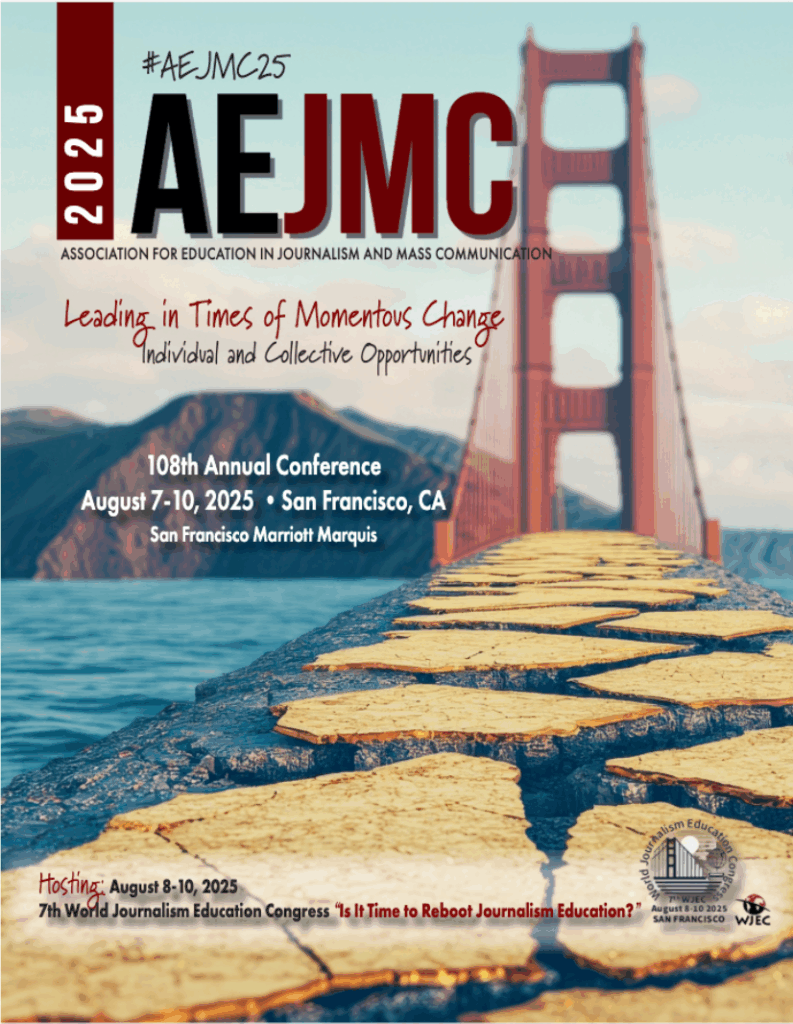
2025 AEJMC conference program cover

Faculty and graduate students from the College of Media co-presented various topics of research at the 108th annual conference of the Association for Education in Journalism and Mass Communication on August 7-10, 2025, in San Francisco, California.

This year’s conference theme was “Leading in Times of Momentous Change: Individual and Collective Opportunities.” Presenters included faculty in the Institute of Communications Research, the Charles H. Sandage Department of Advertising, and the Department of Journalism; and graduate students in ICR’s PhD program and the MS advertising program.

The AEJMC aims to promote the highest possible standards for journalism and mass communication education, to cultivate the widest possible range of communication research, to encourage the implementation of a multi-cultural society in the classroom and curriculum, and to defend and maintain freedom of communication to achieve better professional practice and a better-informed public.

College of Media research presenters and presentations are listed below. (Please see the AEJMC conference program for complete listings and participants.)

2024-25 AEJMC Elected Standing Committee Members

Research

Publications

Scholar-to-Scholar (Poster) Refereed Research Paper Sessions

Navigating Trust and Authenticity in AI-Generated Advertising Content

“Evaluating Consumer Perceptions of AI-Suggested Brands: Insights from the FCB Grid Framework”

Discussant

AI in Advertising: Emotional Appeals, Trust, and the New Creative Frontier

“The Influence of ‘Artificial Intelligence’ as a Persuasive Hook and Persuasion Knowledge on Consumer Evaluations”

Perceptions, Persuasion, and Authenticity in AI-Driven Advertising

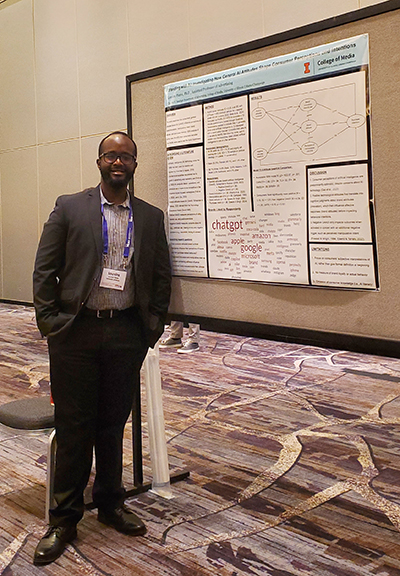
Louvins Pierre poster presentation at AETMC

“Branding with AI: Investigating How General AI Attitudes Shape Consumer Perceptions and Intentions”

Algorithmic Experiences

“Ephemeral Visibility and Real-Time Monitoring: How Algorithmic Rankings Amplify Fans’ Data Labor for Idols’ Publicity”

  • Anna Yan Liu, ICR doctoral student

Current News Strategies

“Targeting Against Disinformation: An Experimental Test of Generic and Microtargeted Corrections in Social Media”

Emerging Technology Diffusion

“Using the Technology Acceptance Model to Understand College Students’ Intentions to Use Mobile Applications to Change Their Behaviors”

Environmental Communication

“Perceptions of Climate and Diversity Advocacy in Politically Trying Times: Examining Responses to Companies That Abandon, Maintain, or Expand Csa”

Media Literacy and Information Consumption

“From Knowledge to Intentions: Testing a Model of News Literacy Behaviors”

Refereed Research Paper Sessions

Histories from Inter and Intra-National Perspectives

“From Piñata Factories to the Pandemic: Latino Media Survived with Community Focus”

Advancement in Crisis Communication and CSR research

“Tell Me More: Curiosity and Engagement with CSR Messaging”

“AI in Advertising: Collaboration, Creativity, and Consumer Perception”

Moderating/Presiding

PFR Panel Sessions

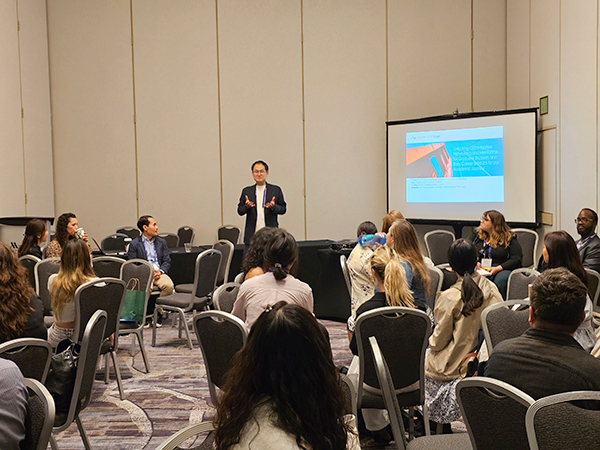
Chang-Dae Ham presenting at AEJMC

“Unlocking Opportunities: Networking and Mentorship for Graduate Students and EarlyCareer Scholars for your Academic Journey”

Moderating/Presiding

Panelists

“The Privacy-Personalization Dilemma: Crafting Ethical Data Strategies in Advertising”

Panelist

Research Panel Sessions

 “Developing Research Agendas for Advertising and Visual Communication: Insights from Professionals in an Ever-Changing Media Landscape”

Panelist

“How to Arm Your Students with Just Enough Business Skills to Cover Anything”

Panelist

Teaching Panel Session

“Ethical Leadership and Journalism Education Amid, Well, Everything”

Panelist

Commission on the Status of Women, AEJMC Council of Affiliates, and Lillian Lodge Kopenhaver Center for the Advancement of Women in Communication, Florida International University

Workshop Session: Women Faculty Moving Forward: Pathways to Success

Panelist

AEJMC Elected Standing Committee on Research

Research Award Panel Session: James A. Tankard/AEJMC-Knudson Latin-America Prize Book Awards

Discussant

Award Panel Session: Nafziger-White-Salwen Dissertation Award

Panelist

Washington Media Scholars Foundation Graduate Research Scholarship Winners

“Invisible Persuasion in LLM-Based Recommendation: How Flattery Style and Product Involvement Shape Intention to follow Recommendation and Click-to-Action via Consumer Judgment Confidence”

  • Seo-Jeong Heo, ICR doctoral student

“What makes generative AI ads persuasive? Regulatory Fit Theory Application”

  • Boram Cho, MS Advertising student

Share on social

Media faculty, students, alumni present research at 2025 International Communication Association conference


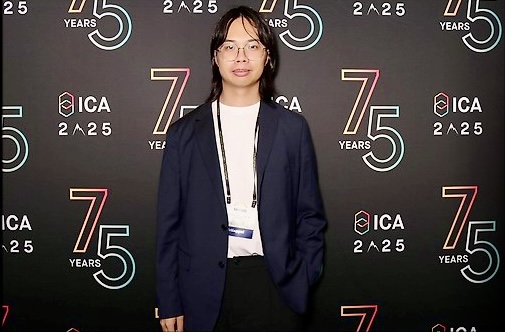
Faculty, graduate students, and recent alumni from the College of Media co-presented various topics of research at the 75th annual International Communication Association Conference—the largest academic conference for communication scholars—on June 12-16, 2025, in Denver, Colorado. The ICA aims to advance the scholarly study of human communication by encouraging and facilitating excellence in academic research worldwide. 

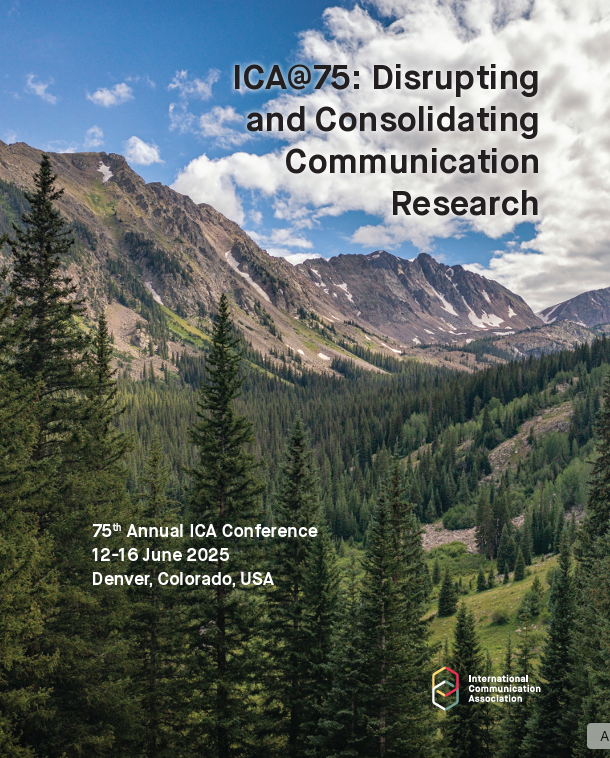
2025 ICA program

This year’s conference theme addressed “Disrupting and Consolidating Communication Research.” College of Media presenters included faculty in the Institute of Communications Research and the Charles H. Sandage Department of Advertising; graduate students in the MS advertising program; and doctoral students in the Institute of Communications Research PhD program. 

College of Media research presenters and presentations are listed below in bold. (Please see the ICA conference program for complete listings.)

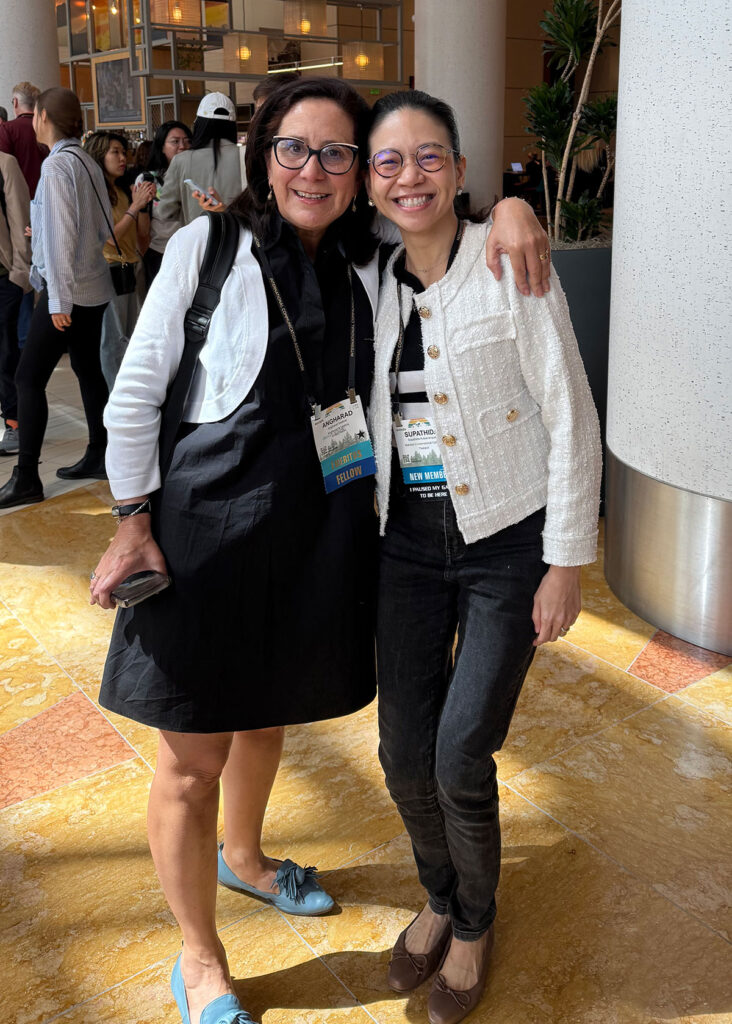
Angharad Valdivia and Supathida Kulpavaropas

Intersectional Experiences of Oppression and Resistance

  • Chair: Angharad Valdivia, Professor Emerita, Institute of Communications Research

Making Sense of AI Across the Media Industries: Disrupting Communication Research by Bridging Divides

“Enterprise AI: Hidden Ironies for Creators, Marketers, and Media Scholars”

  • Mike Yao, Professor of Digital Media, Advertising; Director of the Institute of Communications Research

Playing for a Better Life: Serious Games and Gamification

“The Power of Play: The Effectiveness of Serious Game on Depression Stigma”

  • Nansong Zhou, ICR student
  • Donghan Fu, Wuhan U, China
  • Zikun Liu, Wuhan U, China

Feminist Disruptions: Institutionalizing Gender in Communication Studies

“Intersectional FSD, a Utopia Yet to Be Achieved”

  • Angharad Valdivia, Professor Emerita, Institute of Communications Research
Alice Ji
Alice Ji

Media Literacy and Information Environments

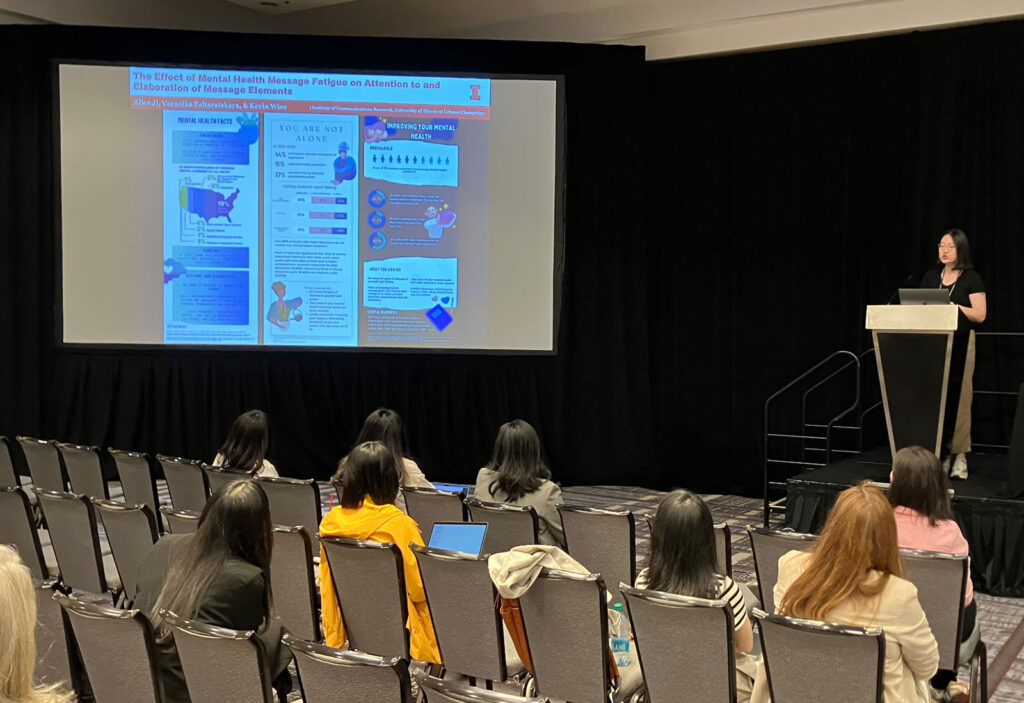
“The Effect of Message Fatigue on Visual Attention to, and Elaboration of Mental Health Infographics”

  • Alice Ji, ICR student
  • Veranika Paltaratskaya, ICR student
  • Kevin Wise, Professor of Advertising

Conversations With the Machine (Priming, Tensions, Failure, Impact)

“Competitors or Complements? Examining the Effect of Human-AI Interaction on Human-Human Interaction”

  • Maggie Zhang, ICR student
  • Sakshi Bhalla, ICR student
Yanbo Li

Algorithmic Bias and Transparency

  • Chair: Yanbo Li, ICR student

“Recommendation Transitions on YouTube”

  • Yanbo Li, ICR student
  • Sakshi Bhalla, ICR student
  • Harsh Taneja, Associate Professor of New and Emerging Media, Advertising

Organizers

Kevin Wise
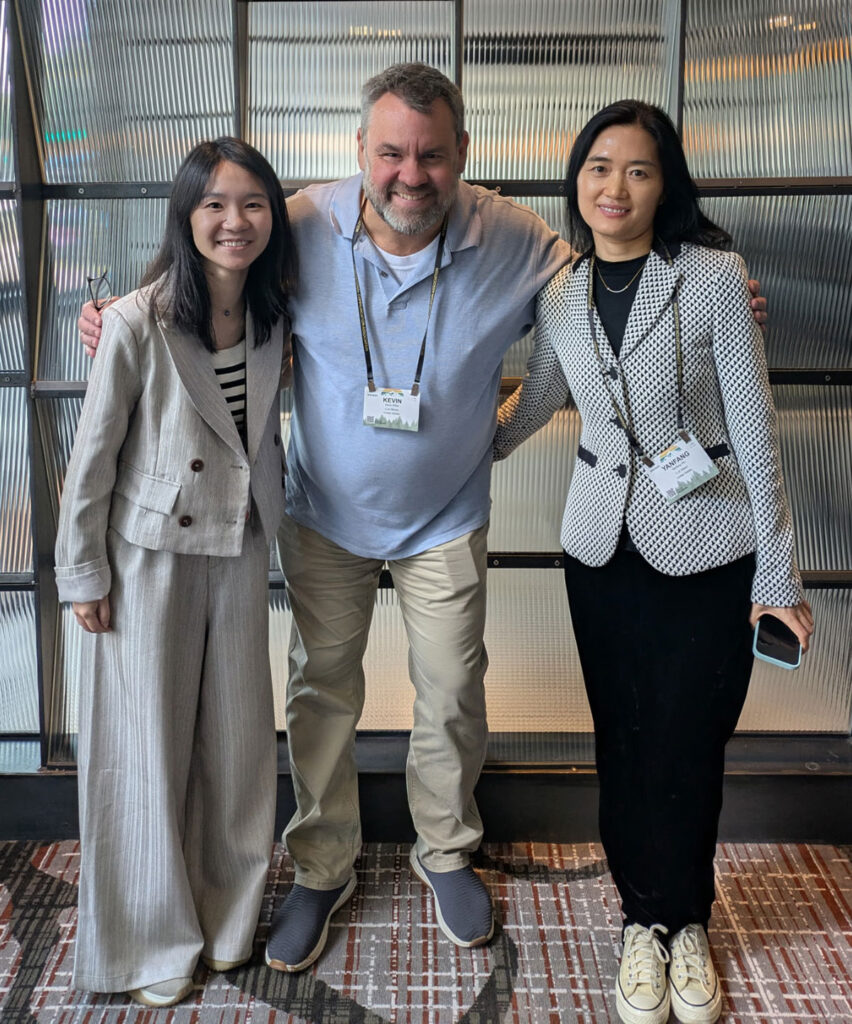
Kevin Wise (center) with Chen (Crystal) Chen at left, PhD ’23, ICR; and Yanfang Wu at right, Wise’s former student while at Missouri

Consolidating Communication Research Through Causal Inference

  • Shuning Lu, U of Maryland
  • Ewa Maslowska, Associate Professor of Advertising
  • Harsh Taneja, Associate Professor of New and Emerging Media, Advertising
  • Nathan Walter, Northwestern U

Information Processing and Health Outcomes

“Debunking COVID-19 Falsehoods: A Test of Three Cognitive Predispositions as Buffers for Partisan Influences”

  • Wei Wang, U of Wisconsin–Madison
  • Yihan Danny Jia, Boston U
  • Maria Grabe, Boston U
  • Kevin Mudavadi, Indiana U Bloomington
  • Gillian Paxton, ICR student
  • Jennifer Hwang, U of California, Los Angeles
  • Jimmy Ochieng, Indiana U Bloomington

MIAO-nipulating Trust: AI Dialogue, Verification, and Cross-Platform Misinformation

“Comparing Conversational Agents’ and Social Media Posts’ Roles in Correcting Health Misinformation”

  • Ziyang Gong, iSchool
  • Junqi Shao, iSchool
  • Nisa Rahman, ICR student
  • Leona Yi-Fan Su, Associate Professor of Advertising

Personalization and Privacy

“Shh… Is Algorithm Listening?” How Folk Beliefs and Knowledge Shape Our Coping Mechanisms Against Targeted Ads”

  • Jiyeon Chang, ICR student
  • Se Il Park, ICR student
  • Yujin Lee, ICR student

Language and Social Interaction Research Escalator Session

“The Market of Marriage: Matchmaking and the Reinforcement of Gender and Class Boundaries in China”

  • Anqi Peng, ICR student

Making Sense of the Machine and the Communication with it

Mike Yao, Harsh Taneja, and ICR students

“The Minds Behind the Prompts: How Mental Models Shape User Interaction with Generative AI”

  • Weizi Liu (MS ’19, advertising; PhD ’24, iSchool)
  • Mike Yao, Professor of Digital Media, Advertising; Director of the Institute of Communications Research

“From ‘Ghostly Companions’ to ‘Invisible Mechanisms’: Exploring Lay Representations and Performance Expectations of AI Across Task Contexts”

  • Jiyeon Chang, ICR student
  • Mike Yao, Professor of Digital Media, Advertising; Director of the Institute of Communications Research
  • Weizi Liu (MS ’19, advertising; PhD ’24, iSchool)

Popular Media and Culture Research Escalator Session

“Reclaiming Dignity or Reinforcing Misogyny? A Study of Sigma Male Meme Localization in China”

  • Weiting Du, ICR student
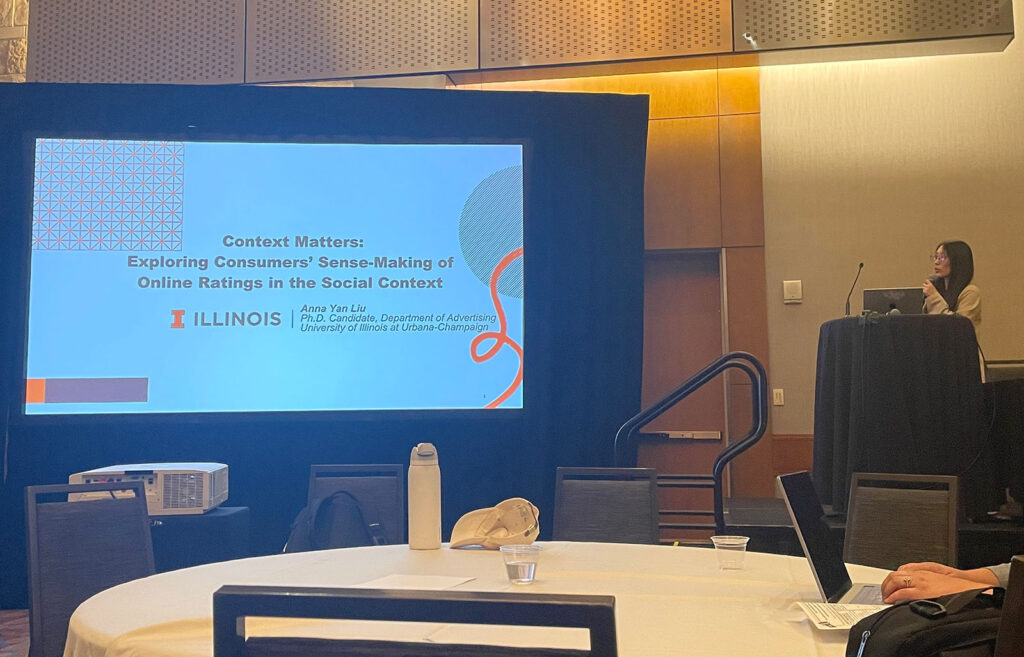
Anna Liu
Anna Liu

Promising Student Papers

“Online Ratings in the Social Context: Exploring Consumers’ Critical Data Literacy and Sense-Making of Numeric Information”

  • Anna Liu, ICR student

Communicating with the Machine: Dynamics and Sophistication

“Testing the Machine-Likeness Hypothesis: How Humans Communicate Like Intelligent Agents”

  • Hai Liang, Chinese U of Hong Kong, HONG KONG
  • Longhan Wei, Chinese U of Hong Kong, HONG KONG
  • Maggie Zhang, ICR student
  • Jiyuan Qi, Chinese U of Hong Kong, HONG KONG
  • Anfan Chen, Hong Kong Baptist U, HONG KONG

GATO-lyzing Minds: Digital Advocacy, Social Cues, and Online Persuasion Tactics

“When Humans Anthropomorphize Non-Humans: The Influence of Language Cues and Human Motivation on Anthropomorphism and Persuasion”

  • WooJin Kim, U of Colorado Boulder
  • Chang-Dae Ham, Professor of Advertising and Associate Head of Graduate Studies
Supathida Kulpavaropas

Advertising and Consumer Behavior

“Does the Phrase ‘Limited Edition’ Embedded in Ad Matter? The Influence of an Advertising Attribute on Consumer’s Choices and Variety-Seeking Behavior”

  • Supathida Kulpavaropas (PhD ’17, ICR)
  • Sela Sar, Professor of Advertising
  • Xiaowei Zhang (MS ’23, advertising)
  • Qing Ang (MS ’24, advertising)

Virtual Social Processes

  • Chair: Sela Sar, Professor of Advertising

“What Makes Fake News More Viral? Emotions as Catalyst for Fake News Virality”

  • Sela Sar, Professor of Advertising
  • George Anghelcev, Northwestern U
  • Qing Ang (MS ’24, advertising)
  • Xiaowei Zhang (MS ’23, advertising)

Critical (Race) Disruptions and Transformations in Dominant Communication Paradigms

“The Tensions Between Internationalizing and Intersectionalities in the ICA”

  • Angharad Valdivia, Professor Emerita, Institute of Communications Research

Share on social

Media students present at 2025 Undergraduate Research Symposium


Undergraduate Research Week program cover 2025

Update May 29, 2025: Congratulations to the students who presented “Uman Tok: Tailoring Hope, Renewing Futures in Sierra Leone” for receiving an award for Outstanding Oral Presentation at the Undergraduate Research Symposium from the Office of Undergraduate Research! Some of these students previously won an award in 2024 for Outstanding Exhibit on this same research topic, which they continued work on in 2025.


Updated April 28, 2025

Students from all four majors in the College of Media participated in the annual University of Illinois Undergraduate Research Week, held April 20-26.

The Undergraduate Research Symposium, the signature event held on Thursday, April 24, at the Illini Union, features presentations, posters, and performances from students across campus. 

Below is a list of Media student presentations as well as acknowledgements of Media graduate students and faculty who have mentored students presenting at Undergraduate Research Week.

Oral Panel

Health Modalities

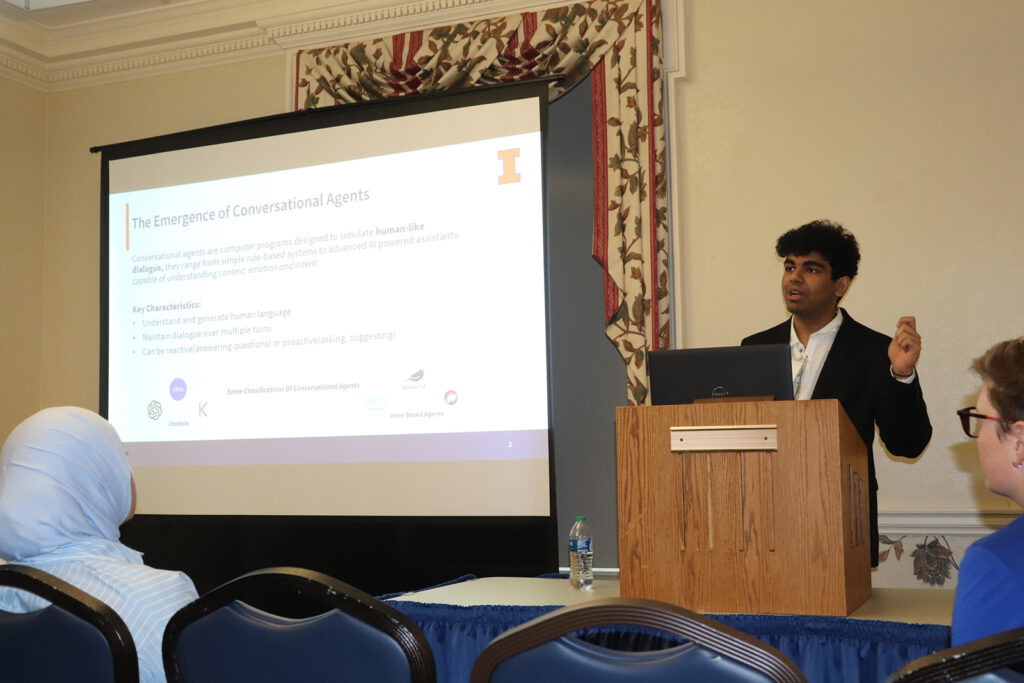
“Evaluating the Persuasiveness of LLM-based Chatbots in Health Communication”

  • Atharva Sindwani, Sophomore, Computer Science + Advertising

Research Mentor: Leona Yi-Fan Su, Advertising

Atharva Sindwani

Media & Culture

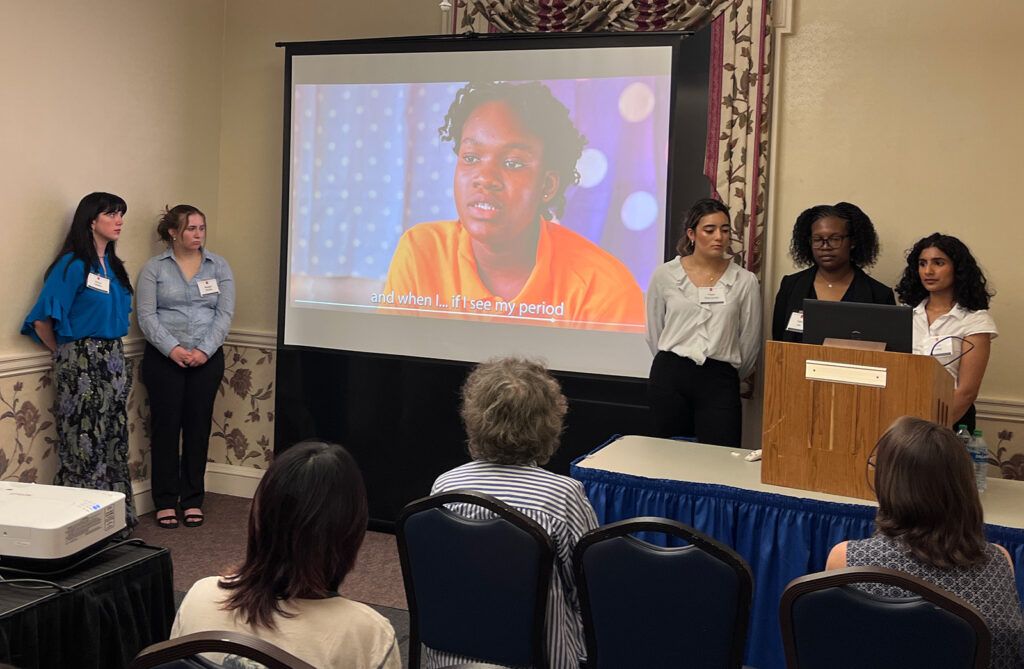
“Uman Tok: Tailoring Hope, Renewing Futures in Sierra Leone”

  • Nathan Gonzalez, Sophomore, Journalism, COM
  • Elena Cleary, Senior, Agricultural Communications, ACES
  • Nour Longi, Senior, Journalism, COM
  • Piper Pascarella, Junior, Journalism, COM
  • Faith Lee, Senior, Journalism, COM
  • Maggie Knutte, Senior, Journalism, COM

Research Mentors: Charles “‘Stretch” Ledford, Journalism, and Alison Davis, Journalism

Journalism students present on Uman Tok at Undergraduate Research Symposium

(From left to right: Elena Cleary, Maggie Knutte, Piper Pascarella, Faith Lee, Nour Longi. Not pictured: Nathan Gonzalez.) 

Social Change & Identity

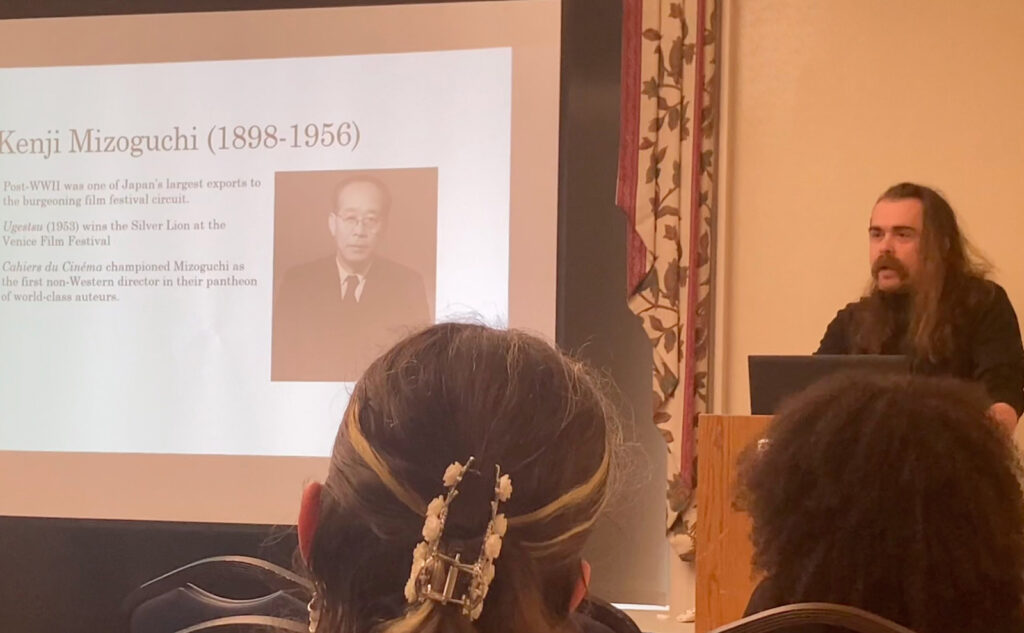
“The Relations Between Cinematic Spaces and Cycles of Oppression in Kenji Mizoguchi’s Street of Shame”

  • Rory McFadden, Senior, Media & Cinema Studies

Research Mentor: Jenny Oyallon-Koloski, Media & Cinema Studies

Rory McFadden

Artificial Intelligence & Machine Learning II

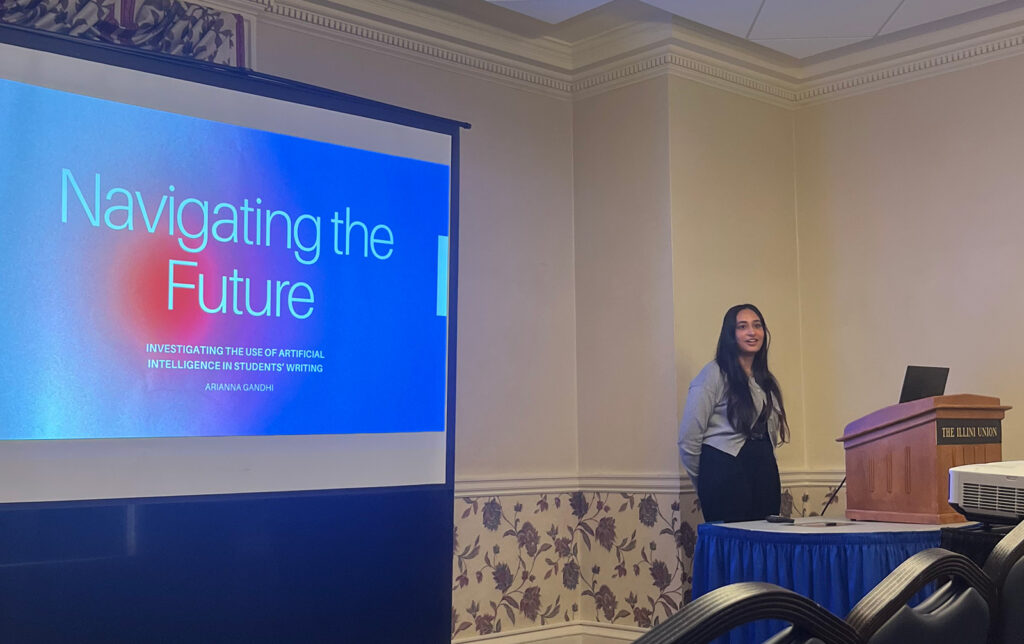
“Navigating the Future: Investigating the Use of Artificial Intelligence in Students’ Writing”

  • Arianna Gandhi, Sophomore, Advertising

Research Mentor: Carolyn Wisniewski, Center for Writing Studies

Arianna Gandhi at Undergrad Research Symposium


Poster Presentations

Humanities, Culture, & Society

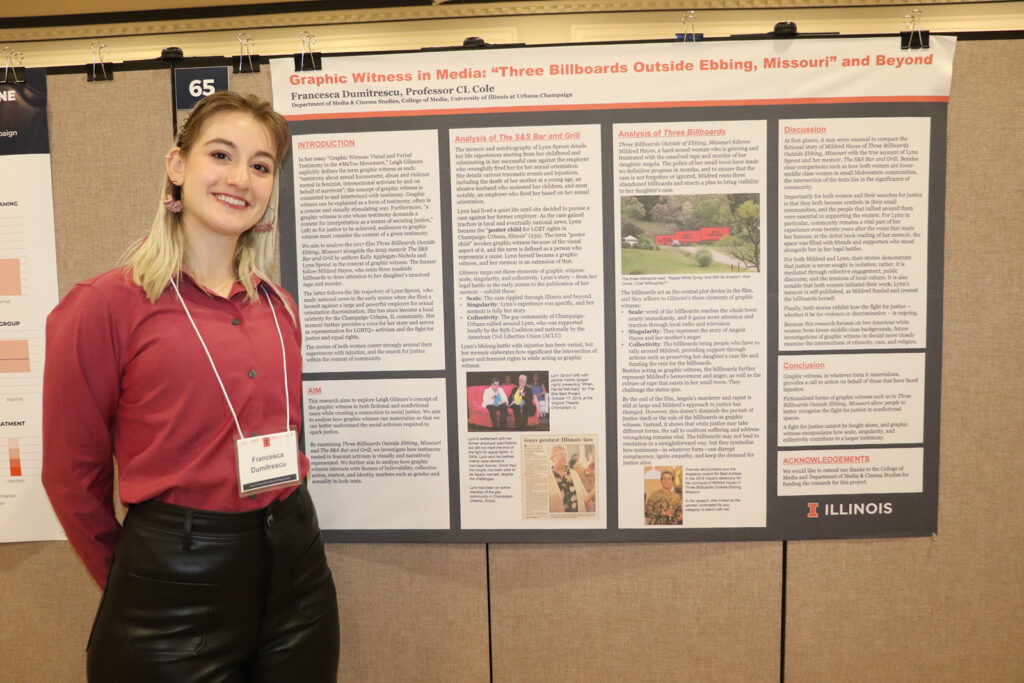
Graphic Witness in Media: “Three Billboards Outside Ebbing, Missouri” and Beyond

  • Francesca Dumitrescu, Senior, Media & Cinema Studies

Research Mentor: CL Cole, Media & Cinema Studies

Francesca Dumitrescu

Social Science and Human Behavior

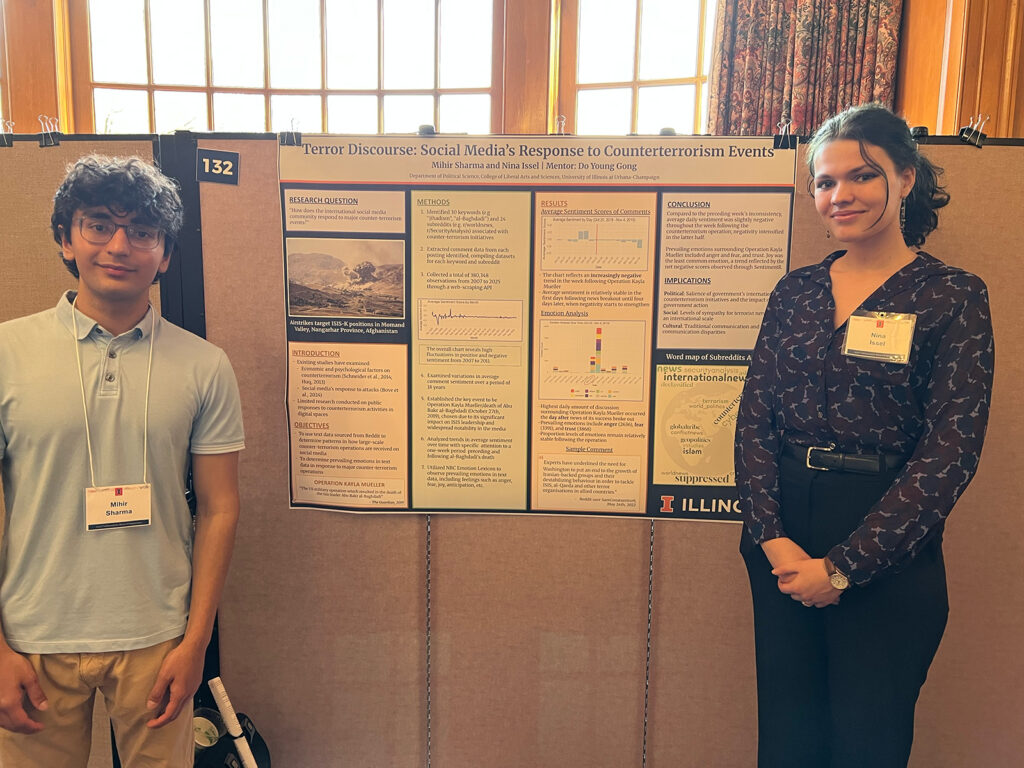
“Terror Discourse: Social Media’s Response to Counter-Terrorism Events”

  • Mihir Sharma, Freshman, Global Studies, LAS
  • Nina Issel, Sophomore, Journalism, COM

Research Mentor: Do Young Gong, Political Science

Nina Issel

CS Student Ambassadors/Research Scholars (CS STARS)

Tuesday, April 22, 4-6 p.m., Illini Union Rooms A, B, C, and South Lounge

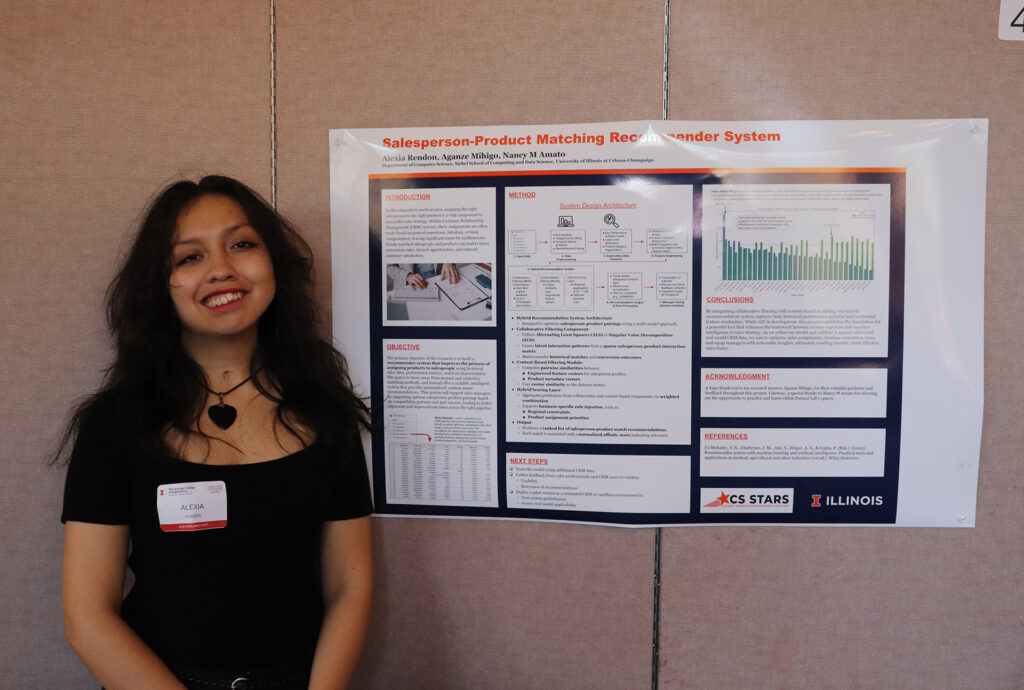
“Salesperson-Product Matching Recommender System”

  • Alexia Rendon, Junior, Computer Science + Advertising, COM

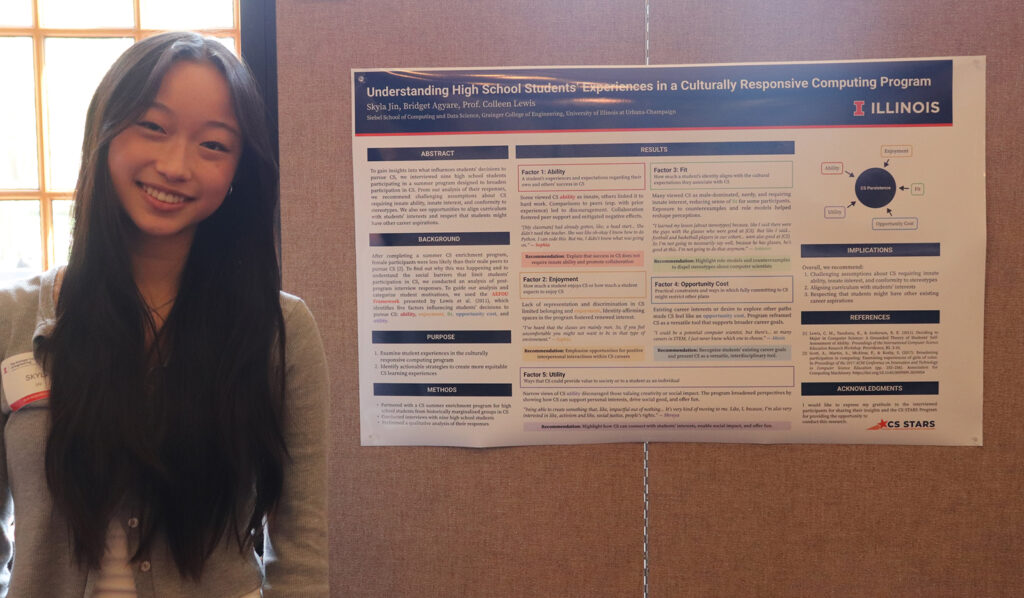
“Understanding High school Students’ Experiences in a Culturally Responsive Computing Program”

  • Skyla Jin, Freshman, Computer Science + Advertising, COM
Skyla Jen

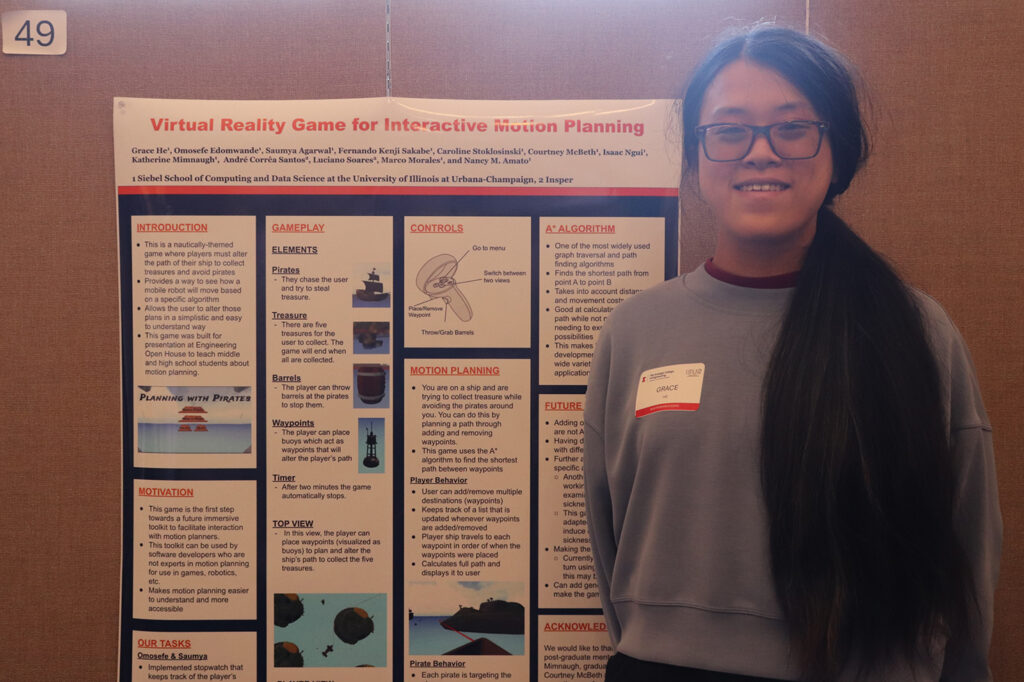
“Virtual Reality Game for Interactive Motion Planning”

  • Grace He, Junior, Computer Science + Advertising, COM
  • Omosefe Edomwande, Freshman, Computer Science, ENG
Grace He


Undergraduate Research Apprenticeship Program

The Undergraduate Research Apprenticeship Program offers undergraduate students with little or no research experience the opportunity to work with graduate students and postdoctoral scholars on their research projects, explore the culture and process of research, and build on their existing abilities within a community of scholars.

  • Nina Issel, Sophomore, Journalism (COM)

Media Research Mentors

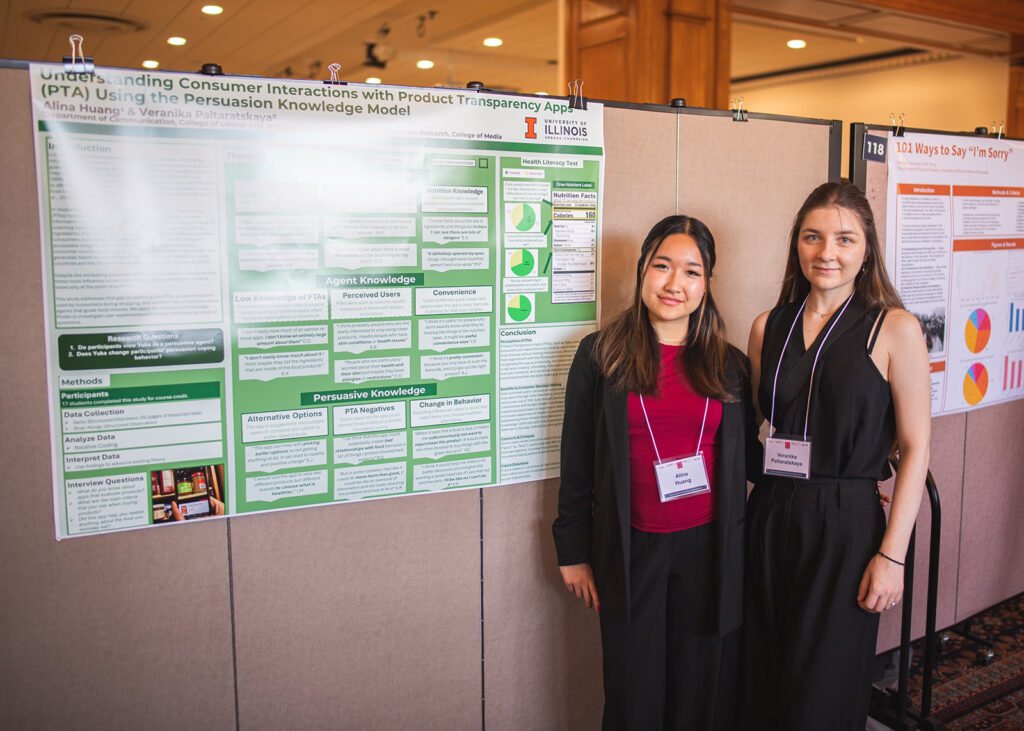
Alina Huang and Veranika Paltaratskaya

Doctoral student Veranika Paltaratskaya (above right), Institute of Communications Research, was the research mentor for Alina Huang, sophomore in communication and psychology (LAS), who presented “Understanding Consumer Interactions with Product Transparency Apps (PTAs) Using the Persuasion Knowledge Model” as part of the Social Science & Human Behavior poster presentations.

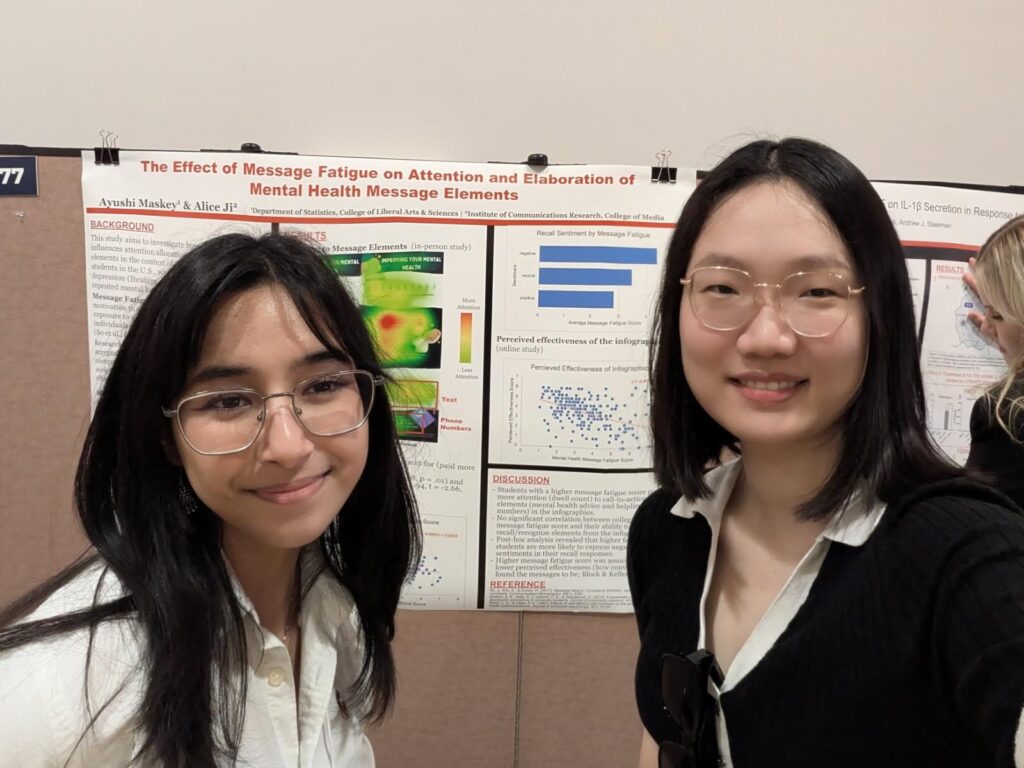
Ayushi Maskey and Alice Ji

Doctoral student Alice Ji (above right), Institute of Communications Research, was the research mentor for Ayushi Maskey, junior in statistics + computer science (LAS), who presented “The Effect of Message Fatigue on Attention to Mental Health Messages” as part of the Heath & Wellness poster presentations.

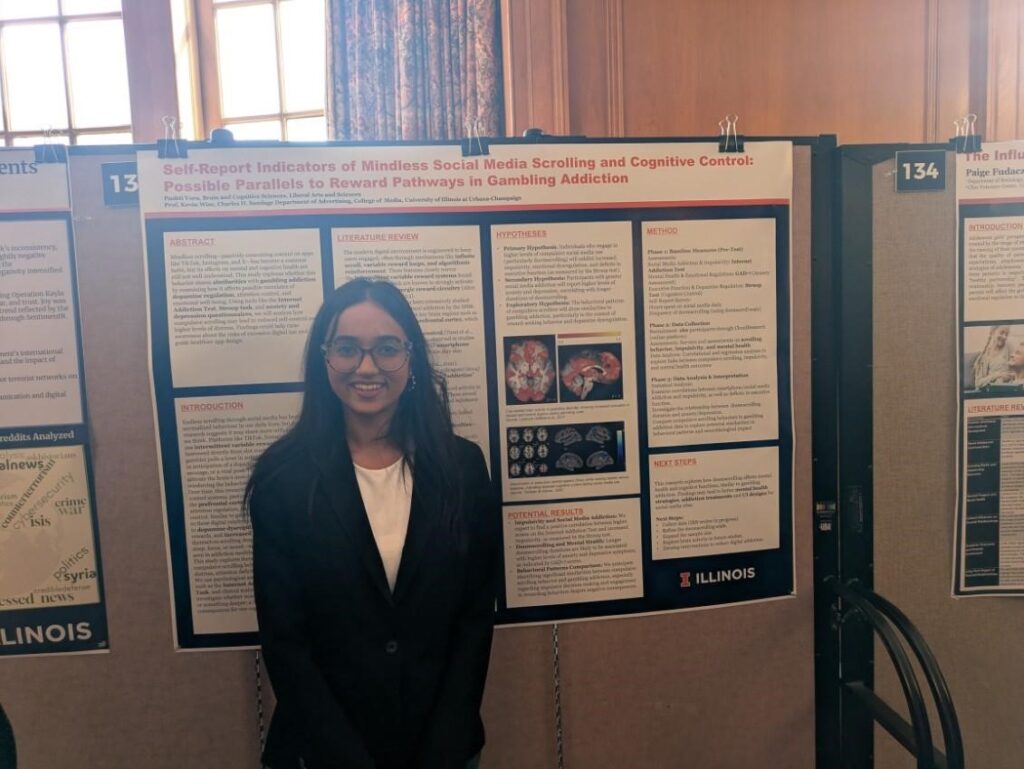
Pushti Vora

Kevin Wise, professor of advertising, was the research mentor for Pushti Vora, junior in brain and cognitive sciences (LAS) who presented “The Impact of Mindless Scrolling on Dopamine Regulation and its Parallels to Gambling Addiction” as part of the Social Science & Human Behavior poster presentations.

Advertising and ICR faculty, students present research at 2025 American Academy of Advertising Conference


Advertising faculty and graduate students in the MS advertising and ICR doctoral programs, as well as several alumni, participated in the 2025 annual conference of the American Academy of Advertising, held March 6-9 in Pittsburgh, Pennsylvania.

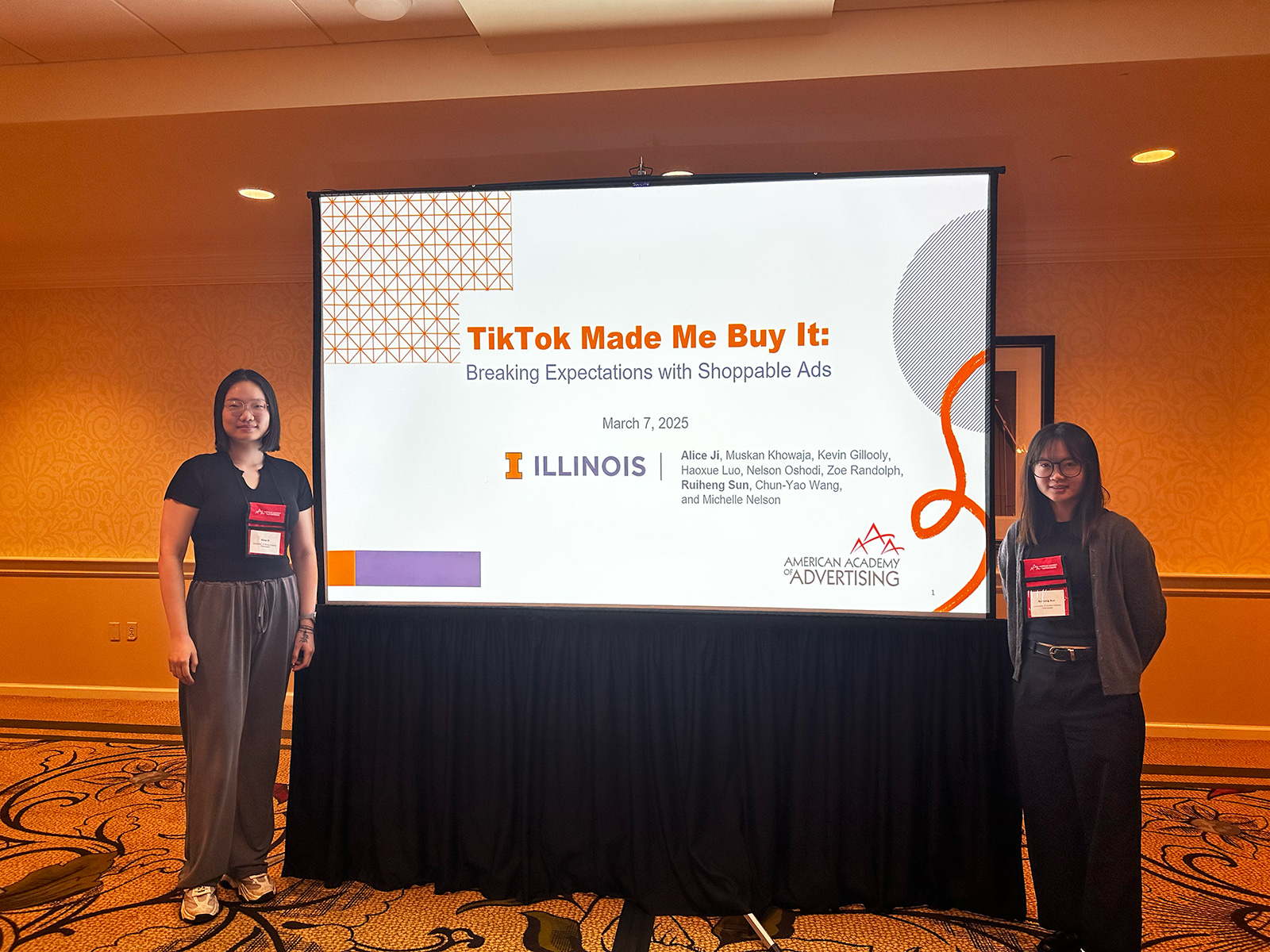
ADV and ICR students at 2025 AAA
ICR doctoral student Alice Ji and advertising graduate student Ruiheng (Rachel) Sun co-present “TikTok Made Me Buy It” at the 2025 AAA conference.

Faculty and graduate students participated in eight paper presentations and three panels, discussing research and ideas related to teaching AI and advertising, disability, ethics and data, and more.

As vice president of AAA, Chang-Dae Ham, professor of advertising and associate head of graduate studies, organized the research paper reviews and conference program and Kevin Wise, professor of advertising, served as chair of AAA’s graduate student committee.

The full list of Illinois papers and authors included:

“Finessing Realism: Harmonizing Behavioral Realism and Message Framing in Virtual Influencer Advertising – Mind Perception Theory Application”
Seo Jeong Heo, Se Il Park, Floria Yujin Lee

“Does Authenticity Matter? The Impact of Visual Realism and Humanlike Expressions on the Effectiveness of Virtual Influencers”
Jinping Wang (University of Florida), Assistant Professor Guolan Yang

“Navigating Consumer Acceptance of Cultured Meat: An Exploratory Narrative Review of Communication Strategies”
Ziyang Gong, Tianli Chen, Yan (Anna) Liu, Associate Professor Leona Yi-Fan Su, Jingen Xuan

“In Watermark We Trust? Exploring How Consumers Cope with AI Influencer Advertising: Multidimensional Persuasion Knowledge and Construal Level Approach”
Se Il Park, Floria Yujin Lee, Seo Jeong Heo

“TikTok Made Me Buy It: Breaking Expectations with Shoppable Ads”
Alice Ji, Muskan Khowaja, Kevin Gilloly, Haoxue Luo, Nelson Oshodi, Zoe Randolph, Ruiheng Sun, Chun-Yao Wang, Professor and Head Michelle Nelson

“Exploring How Consumer Evaluation of Social Justice Issues Influence Brand Activism Effectiveness”
Assistant Professor Louvins Pierre, Carolyn Lin (University of Connecticut)

“Understanding Consumer Engagement with Vertical Farming Brands on Twitter: An Approach Using Guided Latent Dirichlet Allocation for Topic Modeling”
Junqi Shao, Tianli Chen, Associate Professor Leona Yi-Fan Su

“When Virtual (vs. Human) Celebrity Voice Matters: Interplay between Celebrity Type and Endorsing Message – Construal Level Theory Application”
Floria Yujin Lee, Seo Jeong Heo, Se Il Park

Panels

“Teaching Data Ethics in Advertising: Pedagogical Approaches That Meet Industry Demand“
Natalie Brown Devlin (University of Texas at Austin), Associate Professor Ewa Maslowska, Daniela Molta (Syracuse University), Associate Professor Harsh Taneja

“Generative AI and the Future of Advertising Creativity: Bridging the Gap Between Academia and Industry”
Weizi Liu (Texas Christian University), Yanyun (Mia) Wang (University of Boulder), Assistant Professor Louvins Pierre, Tripp Westbrook (Firehouse Agency), Linda Groendyke (Digital Insights Labs), Jon Irwin (Liquid Agency)

“Disability DEI in Advertising: Preparing Future Advertising Professionals to Embrace Disability Authentically in Their Work”
Cathy Chan Butler (American Association of Advertising Agencies), Josh Loebner (VML), Professor and Head Michelle Nelson, Edward Timke (Michigan State University), Beth Haller (Towson University), Erin Whiteside (University of Tennessee), Summer Shelton (Limelight Insights by Shugoll), Maria DeMoya (University of Tennessee), Eric Haley (University of Tennessee)

Share on social

New book by Matthew Ehrlich explores the history of the phony cancer drug Krebiozen


In March 1951, Andrew Ivy—at the time, one of the most renowned scientists and medical ethicists in the U.S.—held a press conference in Chicago to announce Krebiozen, a recently discovered wonder drug that Ivy said could dramatically help cancer patients. The announcement created a frenzy among cancer patients, who deluged the University of Illinois’ Chicago campus, where Ivy was vice president in charge of the professional schools at the time, with telephone calls trying to obtain it.

Matthew Ehrlich

But within a few months, Krebiozen was denounced by the American Medical Association and, a few years later, Ivy, the drug’s creator Stevan Durovic and some of their supporters were prosecuted for fraud.

The dramatic Krebiozen saga culminated in Durovic fleeing the U.S., Ivy’s reputation in ruins and two of his U of I colleagues—President George Stoddard and Provost Coleman Griffith—ousted from their positions, in part because of their association with the scandal.

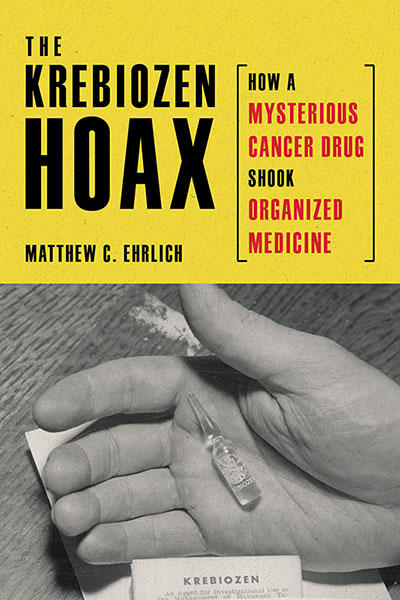
The Krebiozen Hoax: How a Mysterious Cancer Drug Shook Organized Medicine, a new book by Matthew C. Ehrlich, a professor emeritus of journalism at Illinois, examines the controversial drug’s dramatic rise and fall.

Although the sensational story of Krebiozen has since faded into obscurity, Ehrlich said that its lessons are relevant today, offering potent reminders about the dangers of medical misinformation, misplaced trust and the unquestioning adoption of unproven treatments. “The Krebiozen Hoax” is also a cautionary tale about the pitfalls of hubris and how the political climate can undermine public trust in established institutions and mainstream medicine.

According to the author, Krebiozen was “a quintessential example of medical quackery” that “foreshadowed today’s bitter debates over health misinformation, medical freedom and scientific and educational expertise.”

Krebiozen also marked a “key historical moment for the Food and Drug Administration,” which was then flexing new regulatory powers, and its stance on that drug triggered backlash from cancer patients and accusations of medical overreach when the agency reported the drug was worthless as a cancer treatment, refused to license it and blocked its interstate shipment. 

“It was a big episode, not just in the history of the U of I but also in the history of the whole state of Illinois, since the legislature and the governor got involved,” Ehrlich said. “And then, of course, it became a national deal with the involvement of the FDA and the National Cancer Institute. Illinois Senator Paul Douglas and even President Lyndon Johnson at one point got sucked into this whole thing.”

The story of Krebiozen is a poignant reminder that these travails are nothing new, but instead have ample historical precedent. It is also a reminder of the damage that can be inflicted when quackery and all the untruths that accompany it go unchecked for too long.

The book details how Durovic, an unknown doctor who had never published peer-reviewed research on the drug’s performance, duped a world-renowned clinician and scores of vulnerable patients who were desperate to find a cure for a frightening disease. 

Ever evasive about the medicine’s formula and origins, Durovic indicated that it was derived by stimulating horses’ immune systems and extracting their blood, a potential form of immunotherapy that piqued Ivy’s research interests in the body’s defenses against cancer and may have clouded his professional judgment.

The Krebiozen Hoax book

“Where I think Ivy went wrong is when he dug in his heels and refused to listen when first his close friends, then his scientific associates and prominent groups and organizations told him Krebiozen was worthless,” Ehrlich said. “He really seemed to have a natural stubbornness and a strong ambition to make a lasting contribution to science that may have gotten the best of him. And he never renounced Krebiozen, despite all the personal and professional travails that befell him.”

Ehrlich’s book examines how public excitement over the drug elevated Ivy’s Sisyphean pursuit of clinical trials and federal approval for the drug to a nationwide cause, attracting A-list supporters such as movie star Gloria Swanson and environmentalist Rachel Carson, a cancer patient who briefly and unsuccessfully treated herself with it.

The battle to obtain “fair trials” of Krebiozen that advocates believed would demonstrate its efficacy once and for all pitted them against federal regulators, mainstream medicine and the AMA. Ivy and Durovic accused the AMA of conspiring with powerful corporate interests to keep Krebiozen off the market after failing to seize control of it. 

When the FDA refused to license the drug, angry demonstrators besieged the White House, with cancer patients waving picket signs declaring, “I need Krebiozen to live!”

“Krebiozen is one episode in a long, sorry series of such episodes, and that’s one of the reasons I wanted to write about it,” Ehrlich said. “It just had colorful characters involved, including Ivy, Stoddard, and Douglas.”

Ivy was a distinguished physiologist and medical ethicist who testified as a representative of the AMA at the Nuremberg trials and was once dubbed “the conscience of U.S. science” by Time magazine. His friend Douglas was a firebrand Democrat legislator and decorated war hero who became one of Krebiozen’s biggest supporters and foremost legislative sponsors. 

“And, like Ivy, once Douglas committed to it, he dug in and would not be dissuaded from it,” Ehrlich said.

Were it not for Ivy’s star power, political connections, rapport with the press and federal agencies’ confusion over which of them was responsible for regulating it, the Krebiozen controversy likely would have fizzled more quickly, according to the author.

Dr. Andrew Ivy
Dr. Andrew Ivy

Ehrlich examines the historical conditions that existed when Krebiozen came to prominence and how they likely heightened the controversy surrounding the drug.

In Ehrlich’s exploration of Krebiozen’s tumultuous history, he notes that it was among nearly150 miracle cures for cancer that were touted at one time or another. The Krebiozen controversy copied the pattern of many such brouhahas that preceded it—and foreshadowed many of those that came after it, including controversial treatments for COVID-19 such as hydroxychloroquine, Ehrlich said. 

“People should be aware that these things happen from time to time,” Ehrlich said. “The story of Krebiozen is a poignant reminder that these travails are nothing new, but instead have ample historical precedent. It is also a reminder of the damage that can be inflicted when quackery and all the untruths that accompany it go unchecked for too long.”

The book was published by 3 Fields Books.


Editor’s note:    

To reach Matthew Ehrlich, call 217-333-1365 or email mehrlich@illinois.edu.

ISBN: 0252088115 

A press kit with photos of the author and the book’s cover is available from News Bureau.

View original press release.

Share on social

DEV College of Media
119 Gregory Hall
810 S. Wright St.
Urbana, IL 61801
217-333-2350