This fall, the College of Media announces two new department heads, seven faculty promotions, and one new faculty member.
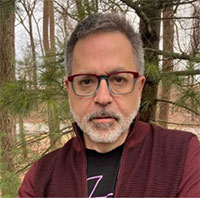
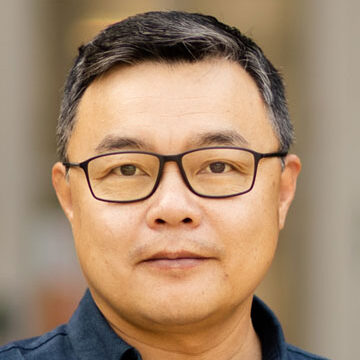
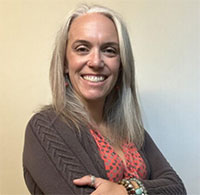
In the Charles H. Sandage Department of Advertising, Sang-Hwa Oh has been promoted to associate professor with indefinite tenure. Carrie Wilson-Brown has been promoted to senior lecturer. Penne Heede joins the department as a new lecturer.
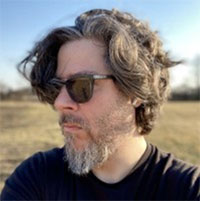
In the Department of Journalism, Professor Jeffrey Magee has been named interim head. He previously served in the College of Media as associate dean for academic affairs from 2019 to 2022. Alison Davis and Josh Heuman have both been promoted to senior lecturer.
In the Institute of Communications Research, Amanda Ciafone, associate professor of media and cinema studies, will serve as interim director of graduate studies for Fall 2025. Derek Long, associate professor of media and cinema studies, will return as director of graduate studies in Spring 2026.
Continuing for a second term within the college administration, Jason P. Chambers, professor of advertising, will serve as associate dean for access and engagement, and Stephanie Craft, professor of journalism, will serve as associate dean for academic and faculty affairs.
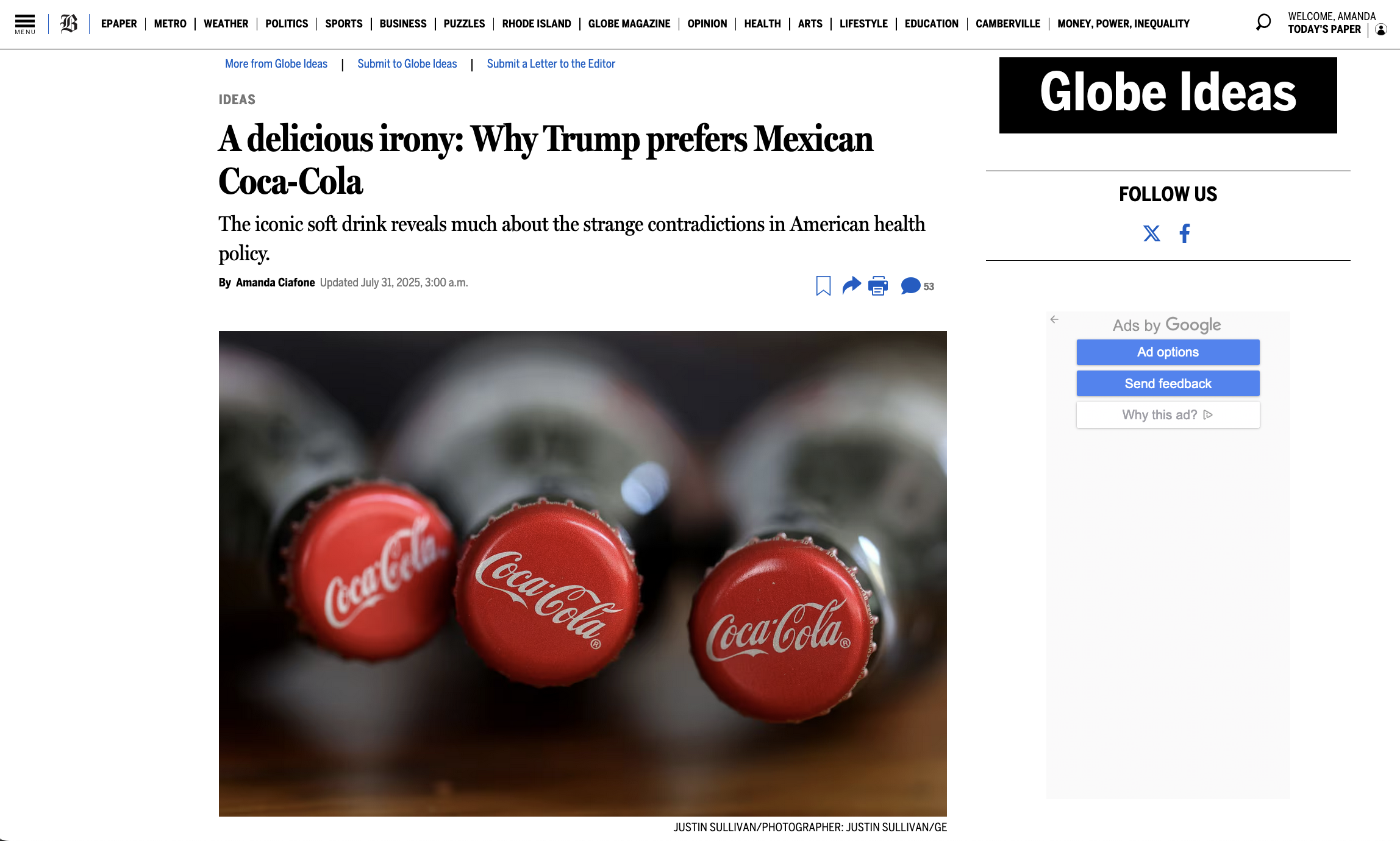
Border walls and tariffs must be high against Mexico, but the Cokes it exports to the United States get a pass. A product beloved by immigrants and cool kids alike, it is known for its real cane sugar and retro glass bottle. And it’s a product that, in its very sweetness, shows that taste is political—that what we consume is shaped by trade policies, subsidies, and the strength of our regulatory institutions.
Amanda Ciafone, Associate Professor of Media and Cinema Studies
Amanda Ciafone, associate professor of media and cinema studies, discusses the strange contradictions in American health policy in a Boston Globe op-ed piece titled “A delicious irony: Why Trump prefers Mexican Coca-Cola.”
“When President Trump recently professed his preference for ‘REAL Cane Sugar in Coke in the United States,’ he may have been remembering the Cokes of his youth. More likely he was thinking of the taste of a ‘Mexican Coke,’ the only version of Coca-Cola sweetened with real sugar, rather than high-fructose corn syrup, that is commercially available in the United States—and it’s imported from Mexico,” Ciafone writes. “It was hard not to marvel at the irony.”
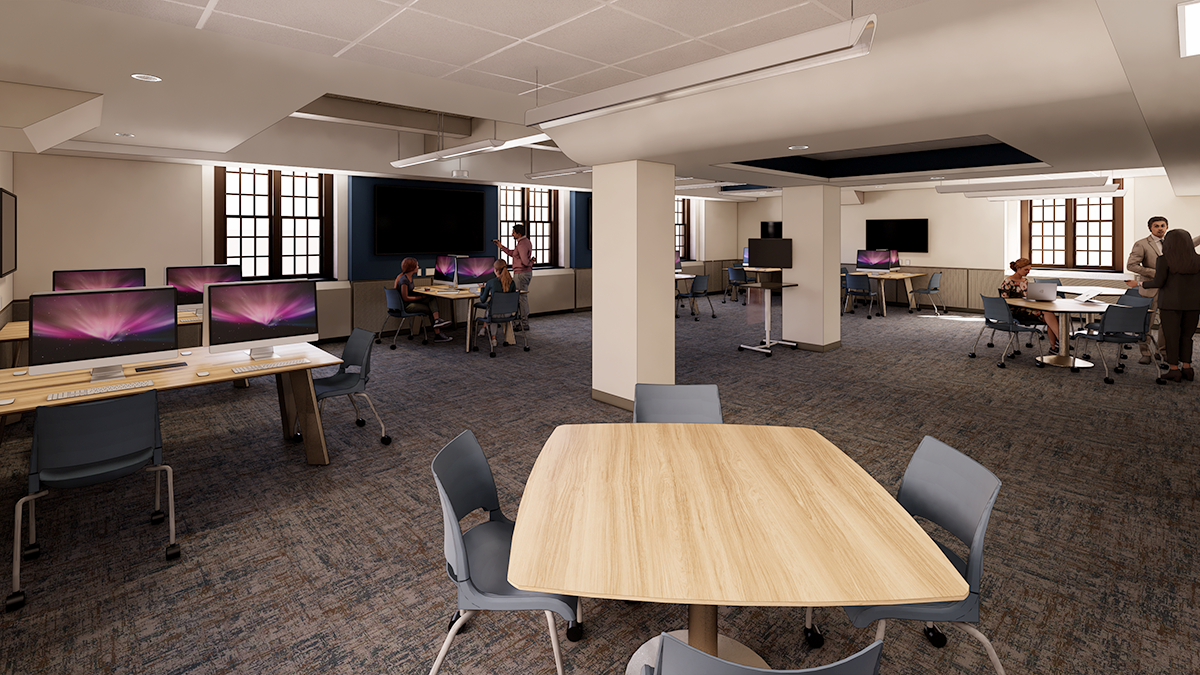
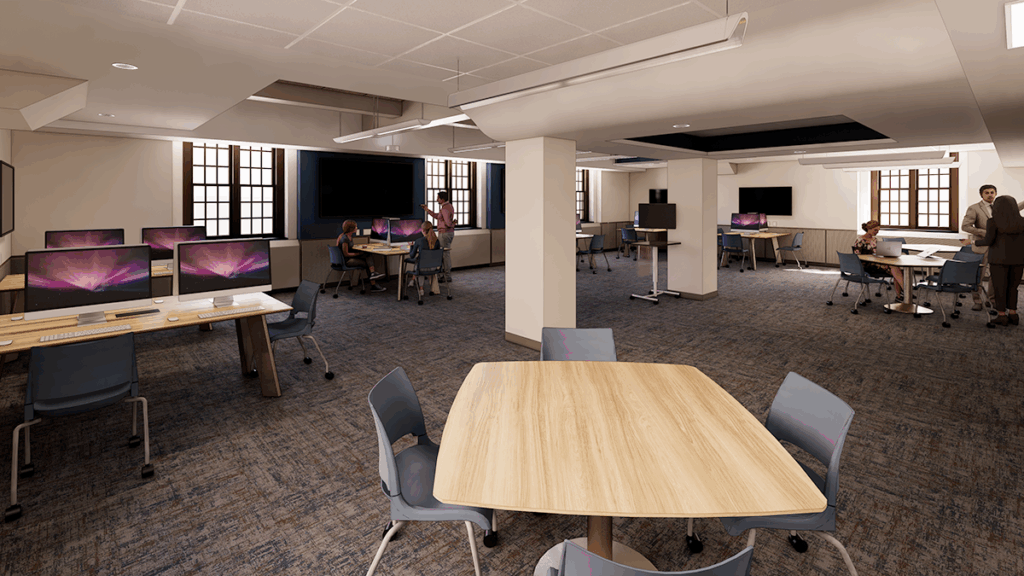
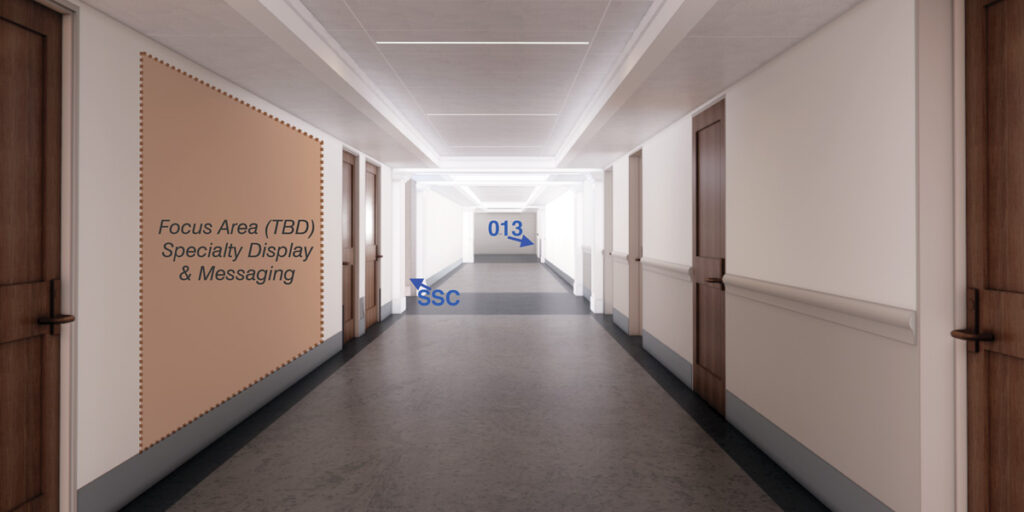
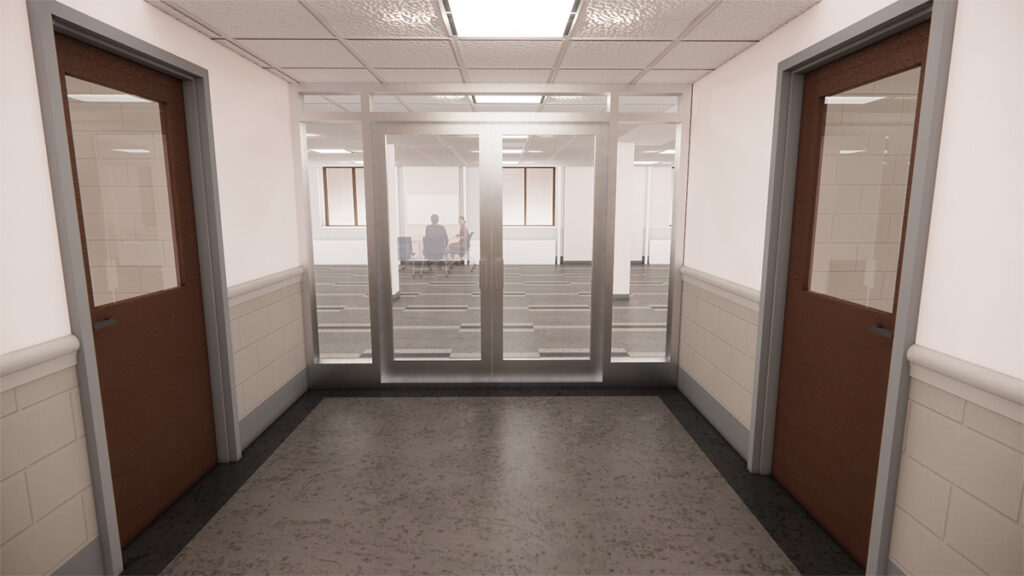
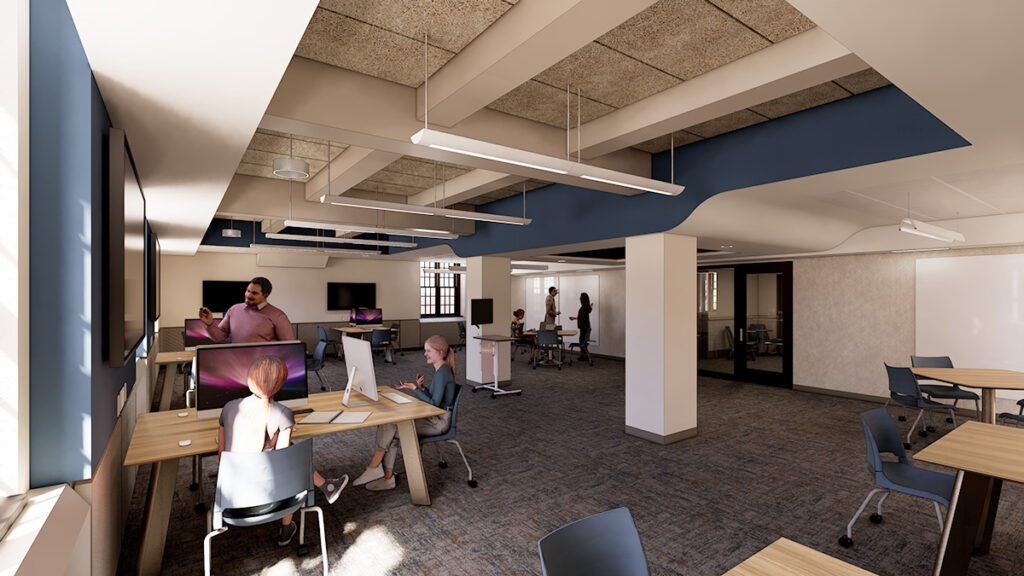
This will result in the creation of a new hybrid/flexible, state-of-the-art classroom (see architectural rendering above), which will open in Spring 2026, and a renovated main corridor, plus updated flooring throughout, including in faculty offices.
See photos depicting the original spaces, the renovation process, and the architectural renderings.
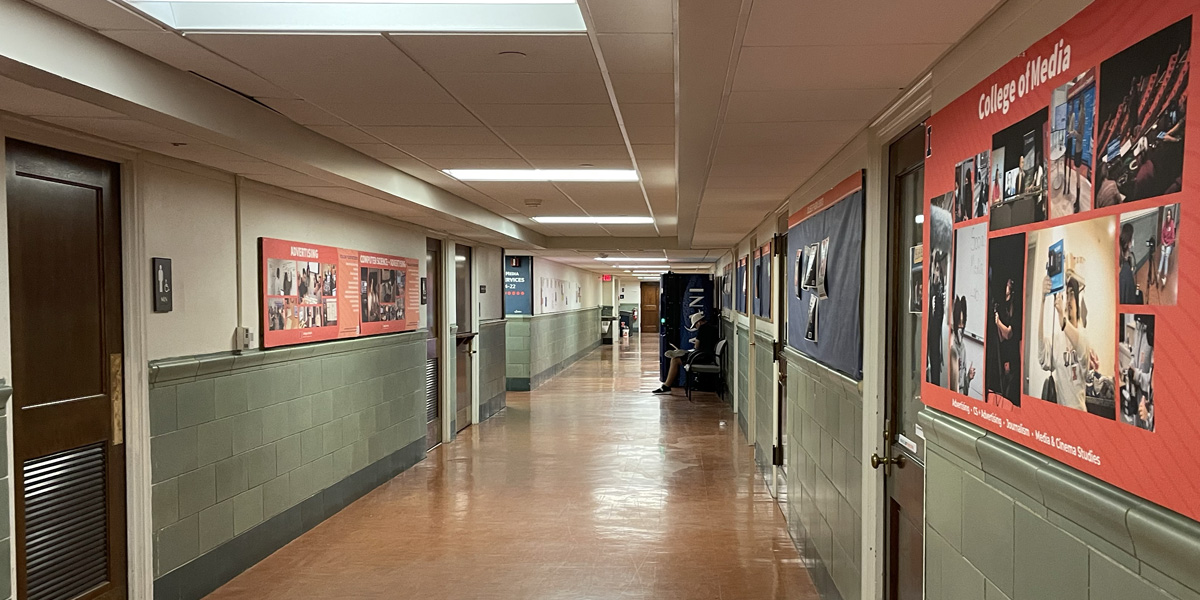
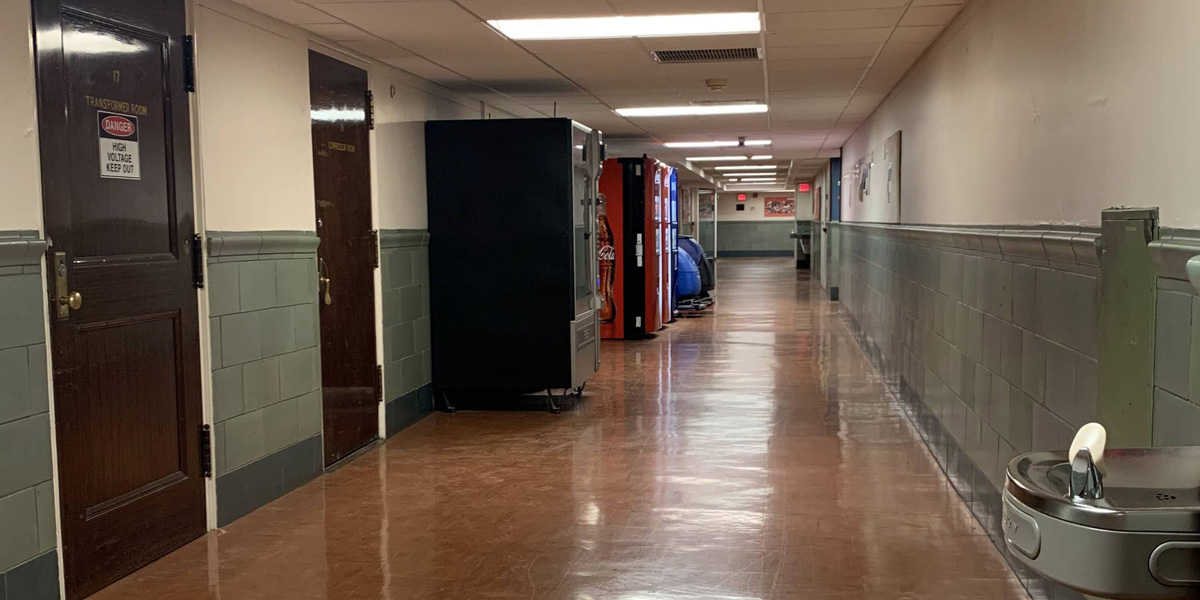
Gregory Hall Lower-Level Corridor
Before Renovations
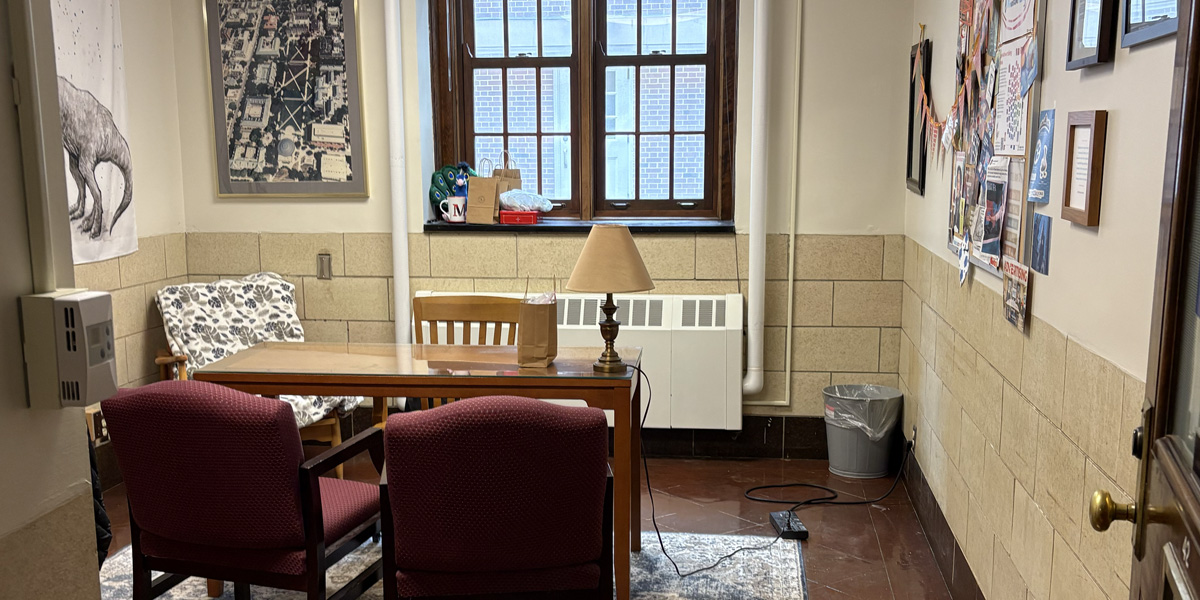
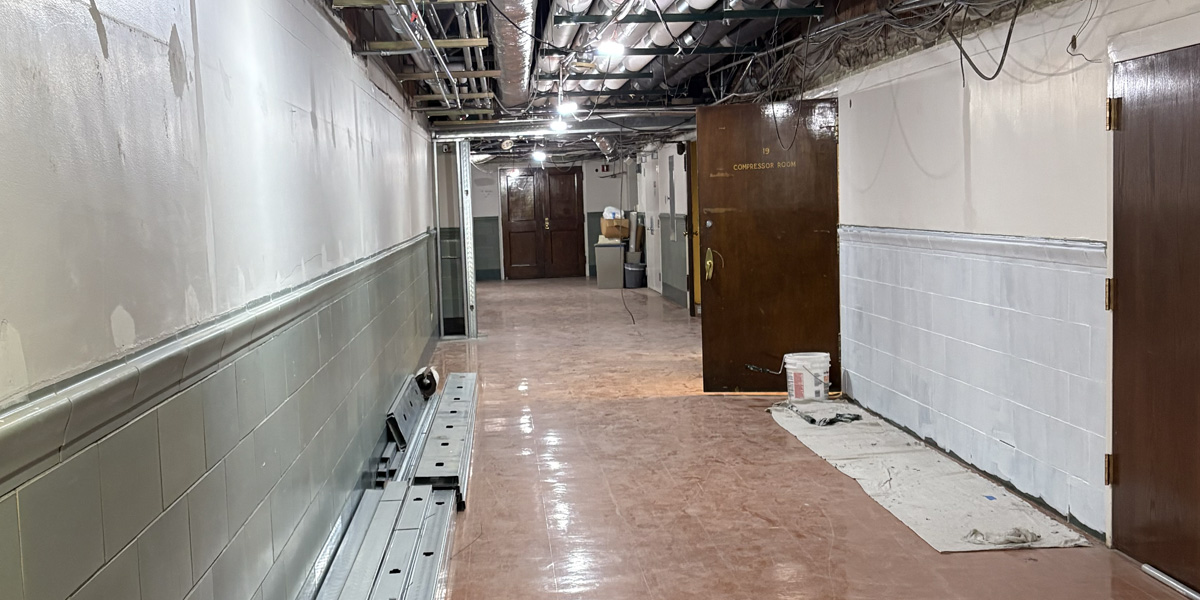
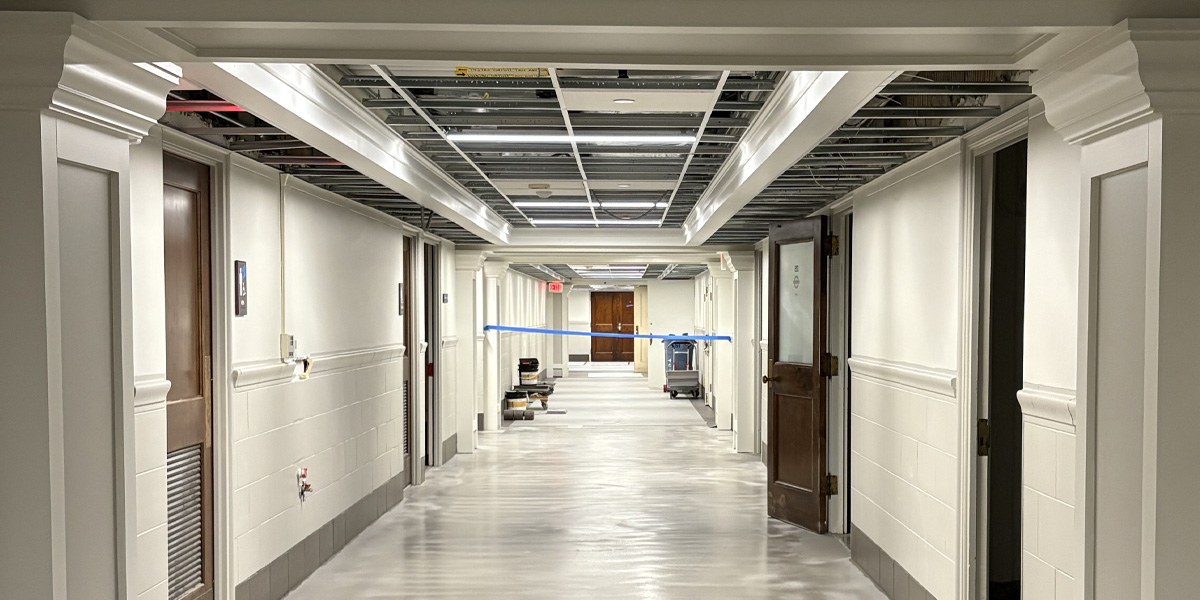
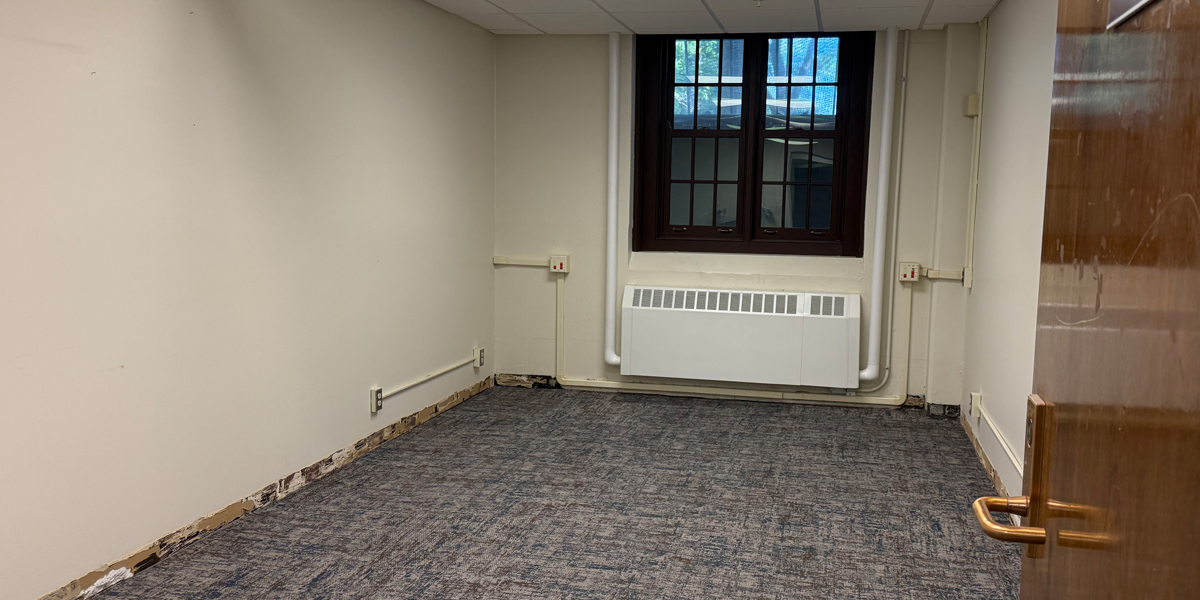
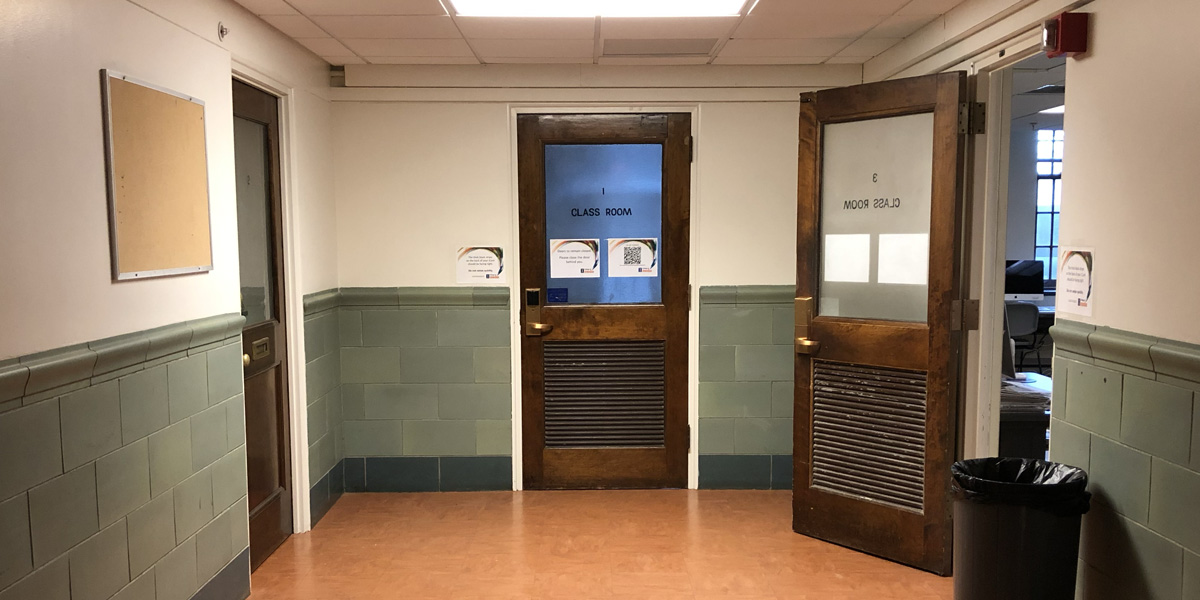
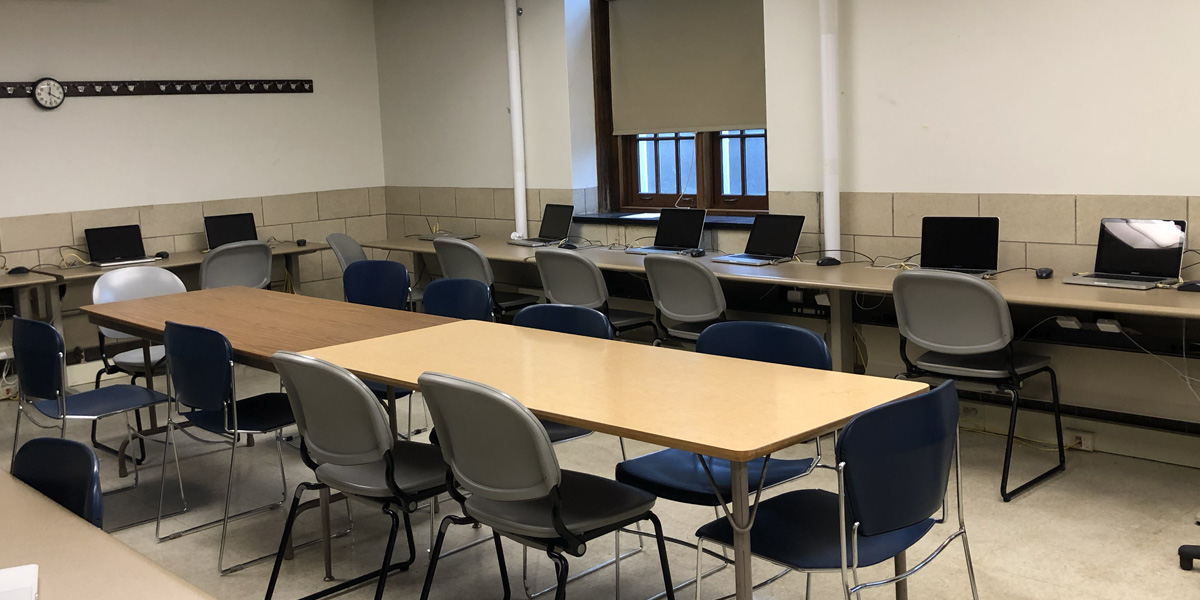
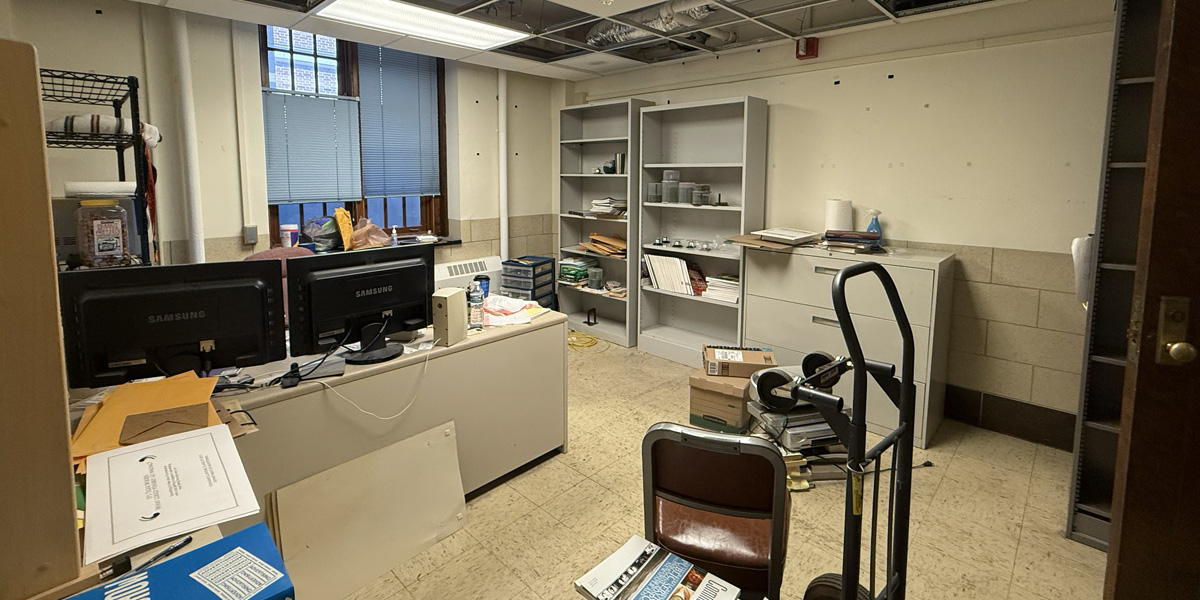
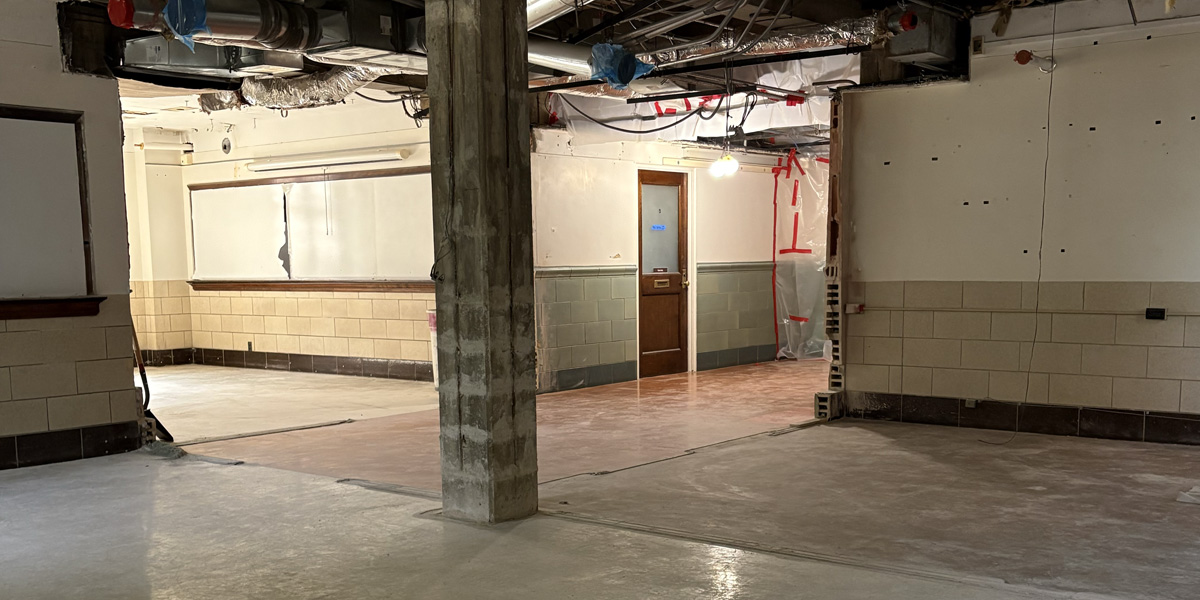
Substantial work in the lower level of Gregory Hall has not occurred since the 1990s. See photos of the original corridor and a faculty office.
Gregory Hall lower level corridor before renovations
Gregory Hall lower level corridor before renovations
Gregory Hall lower level faculty office before renovations
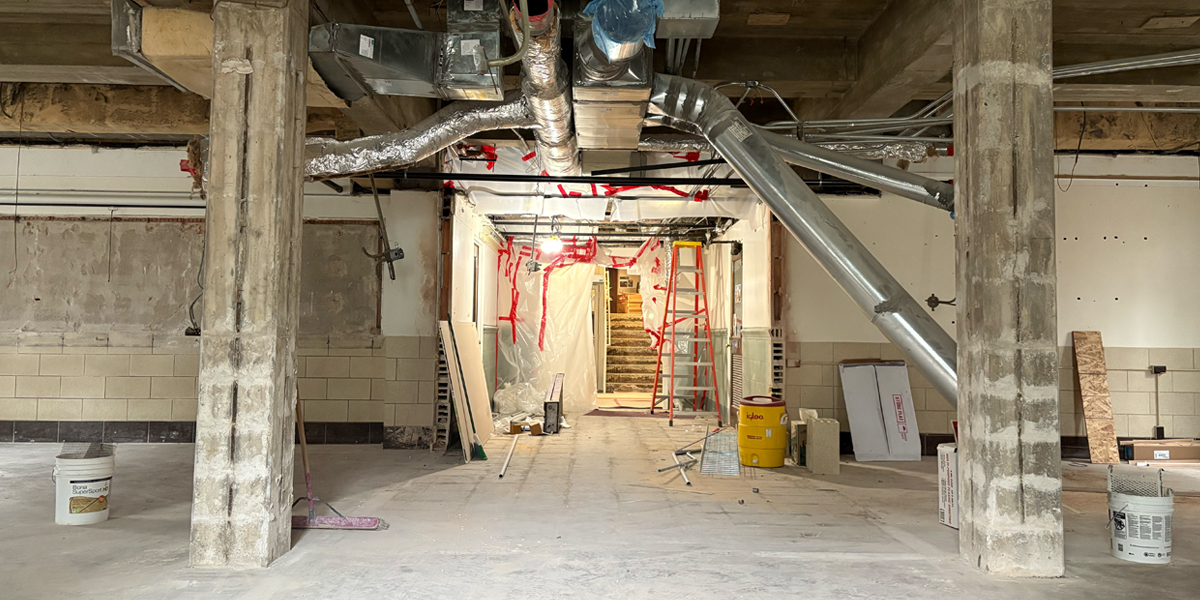
Renovation Progress
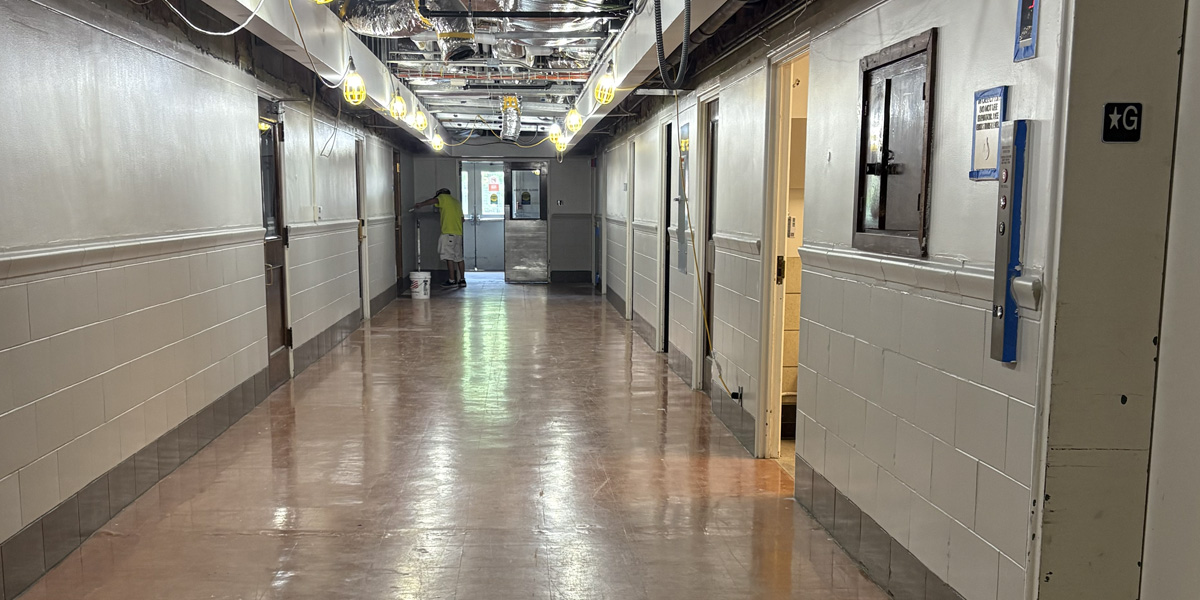
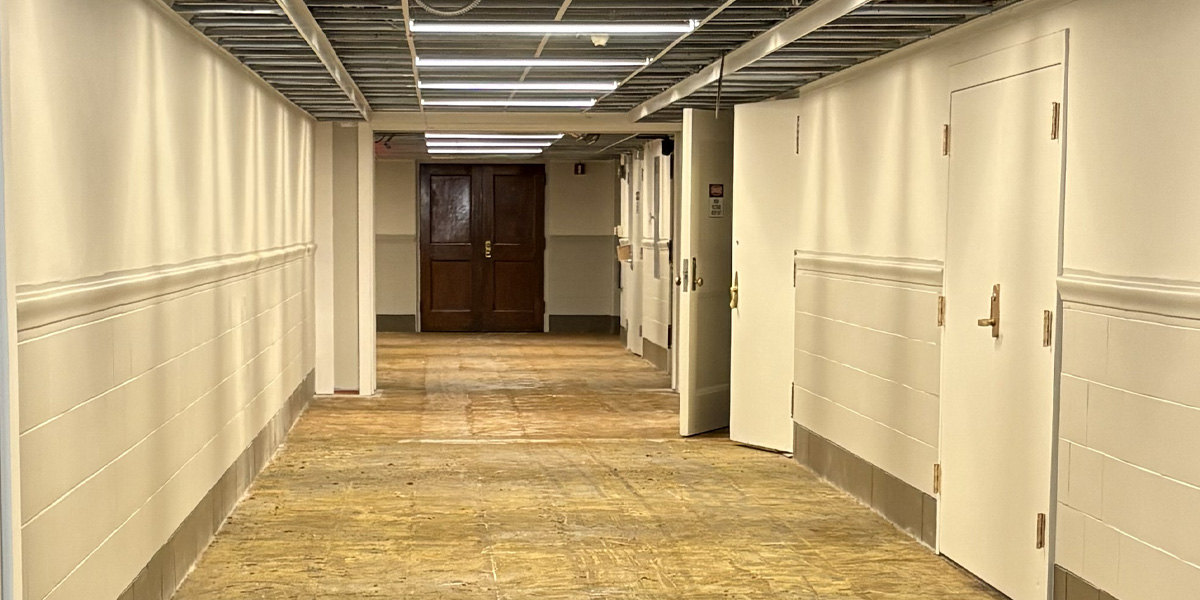
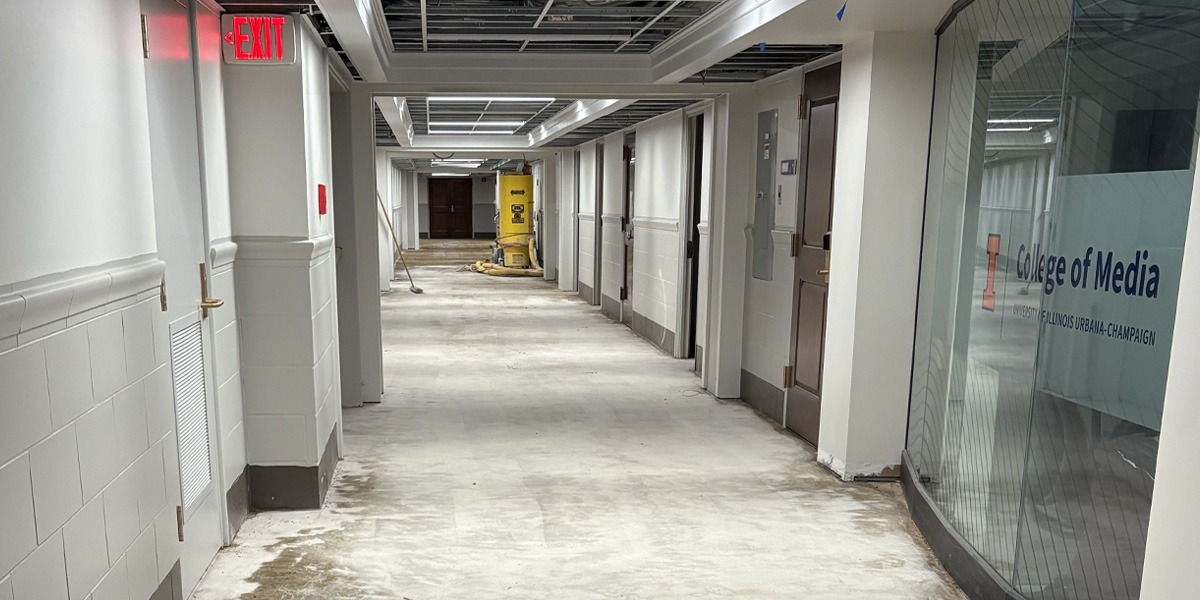
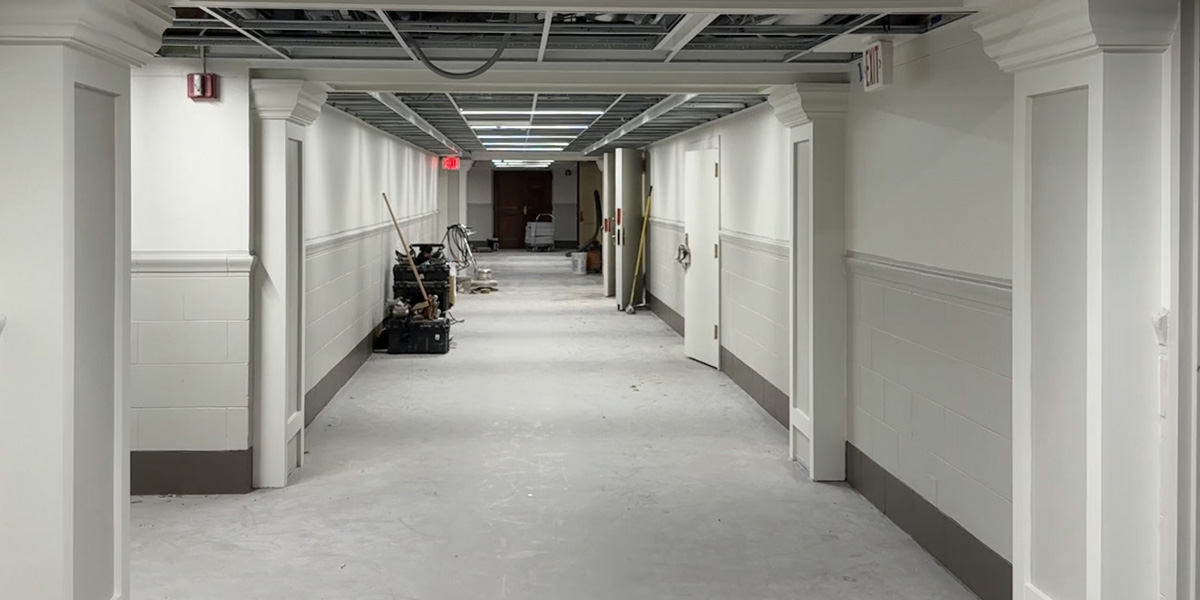
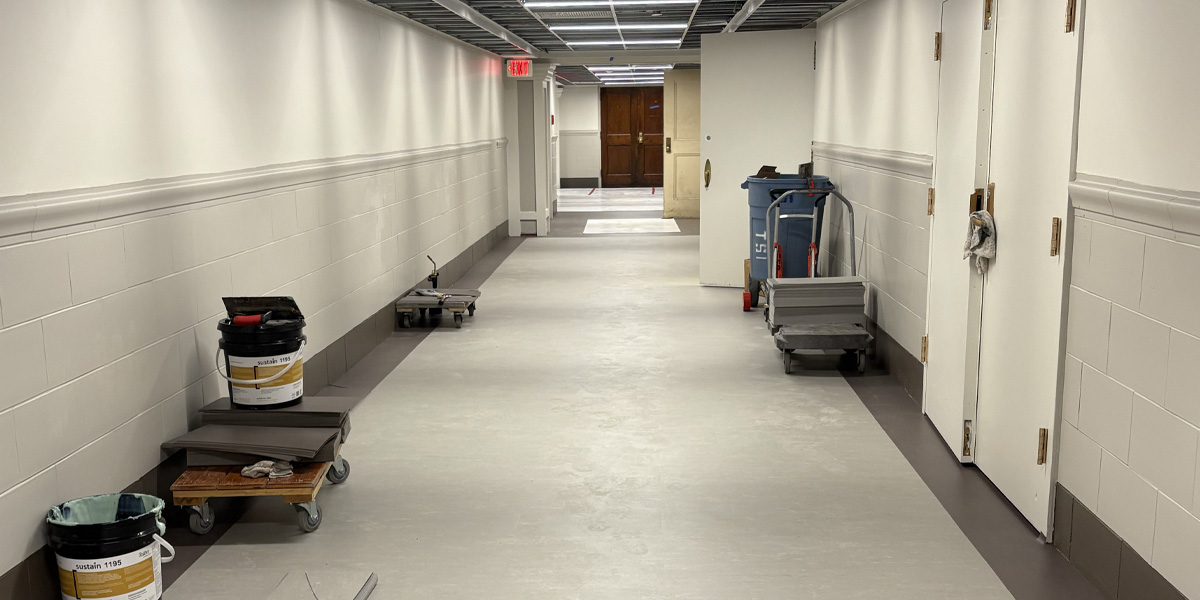
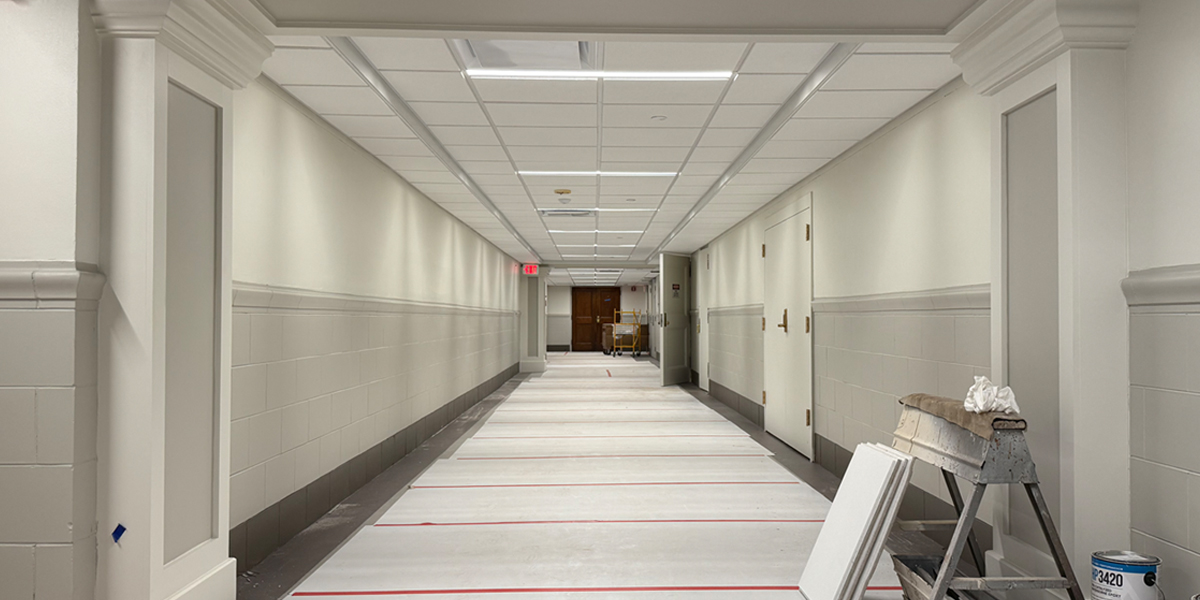
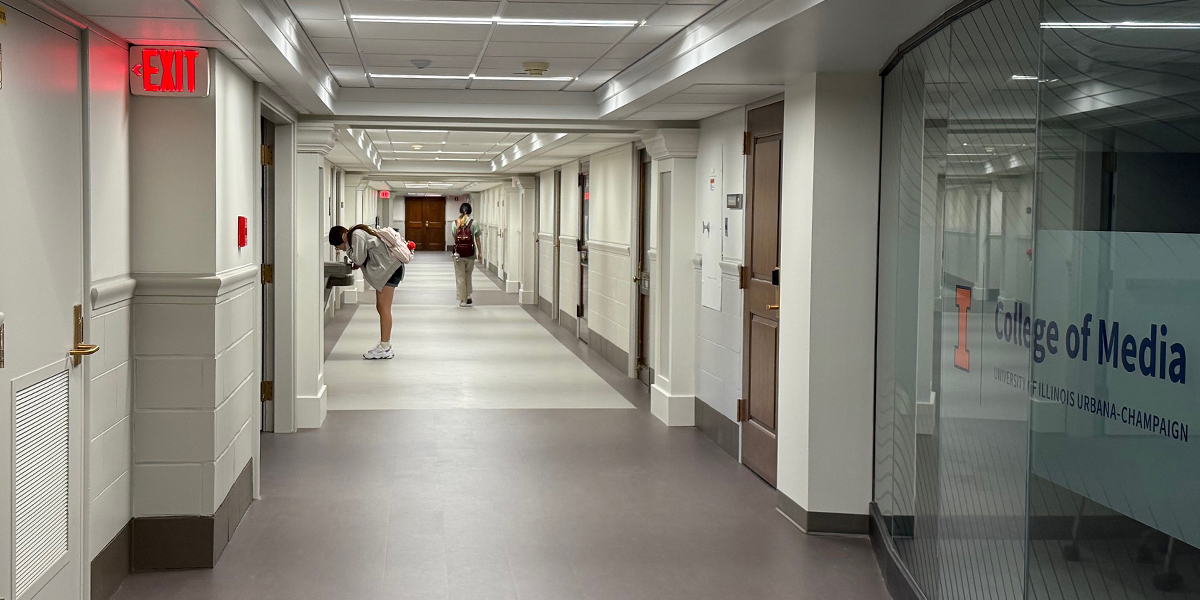
Renovations included painted walls throughout the entire hallway, including the east and west wings, new lighting, and new flooring, including in faculty offices.
Painting primer in the hallways
Painting in the hallways
Lights installed and floor removed
Floor removal process
Floor mitigated, walls painted, lights in, and portals built
Crown molding detail
New floor installed in hallway
New carpet installed in faculty office
Ceiling tiles installed
First day of Fall 2025 classes
Architectural Rendering
The corridor renovations will be complete by the start of Fall 2025. By Spring 2026, new digital signage will be installed in place of bulletin boards that previously lined the walls.
Gregory Hall Room 1
Before Renovations
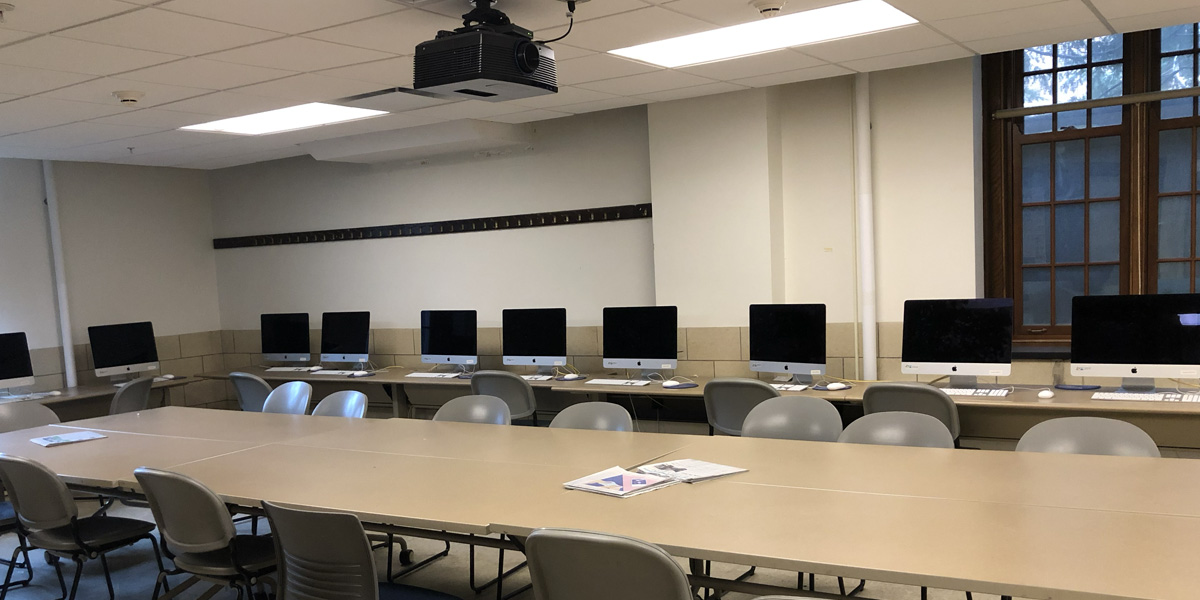
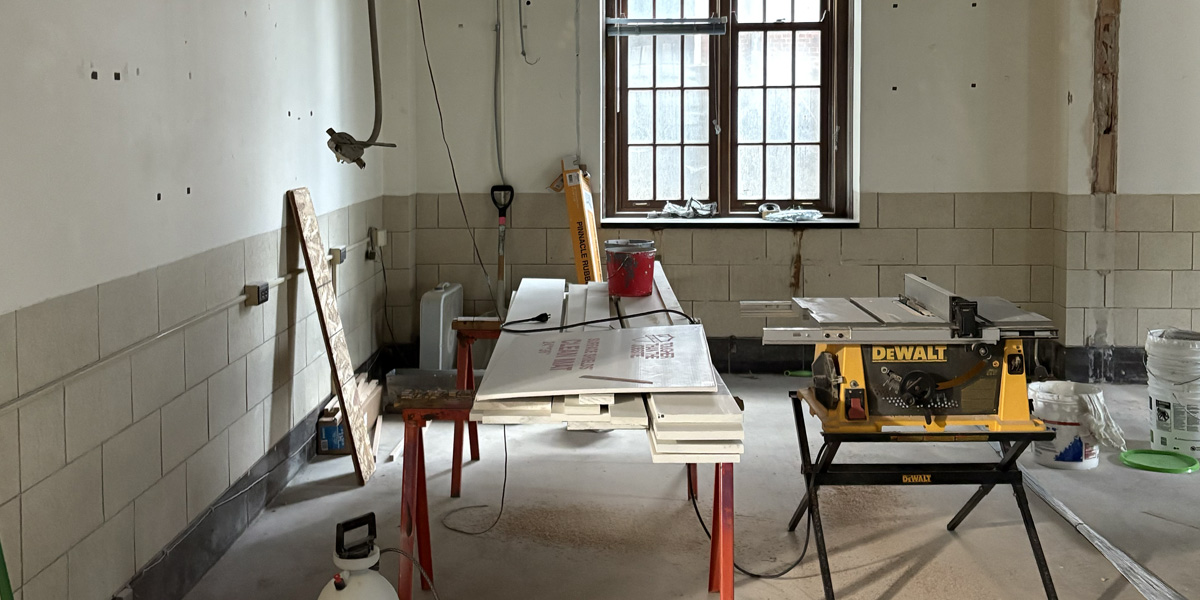
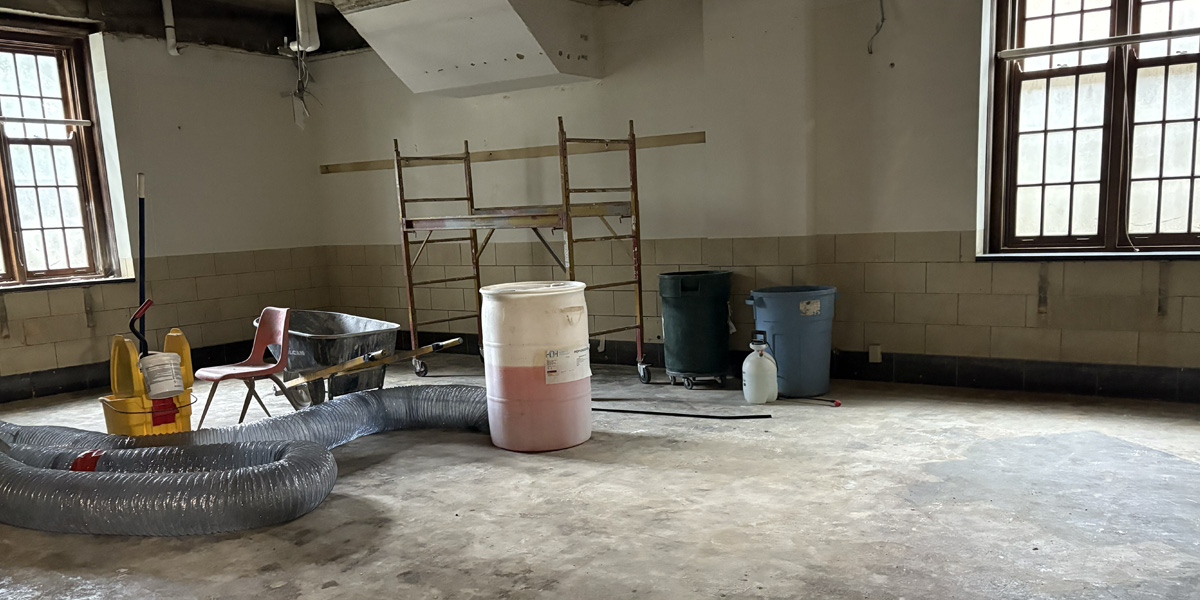
Rooms 1, 2, and 3 on the east wing were two smaller classrooms and a faculty office.
Gregory Hall Rooms 1, 2, and 3 before renovation
Gregory Hall Room 1 before renovation
Gregory Hall Room 2 faculty office moving out before renovation
Gregory Hall Room 3 before renovation
Renovation Progress
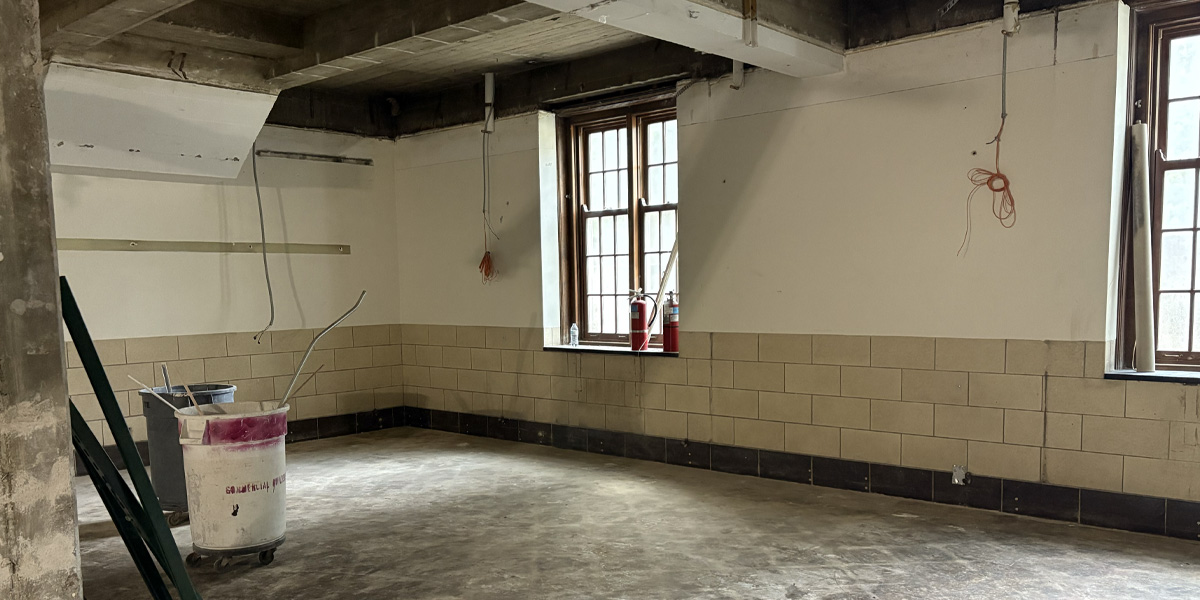
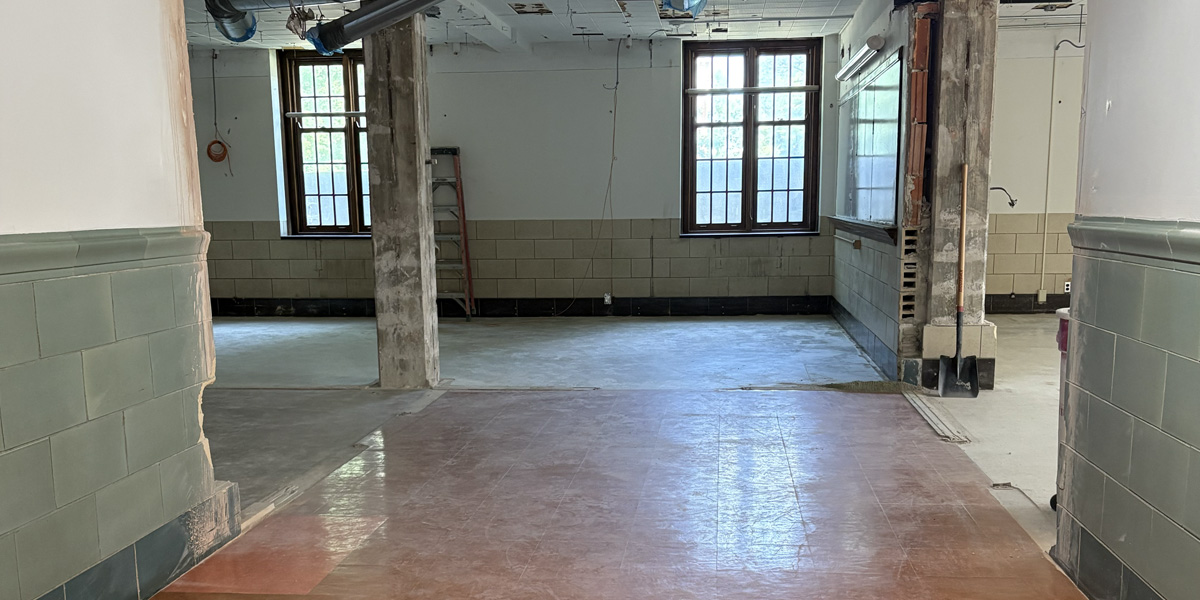
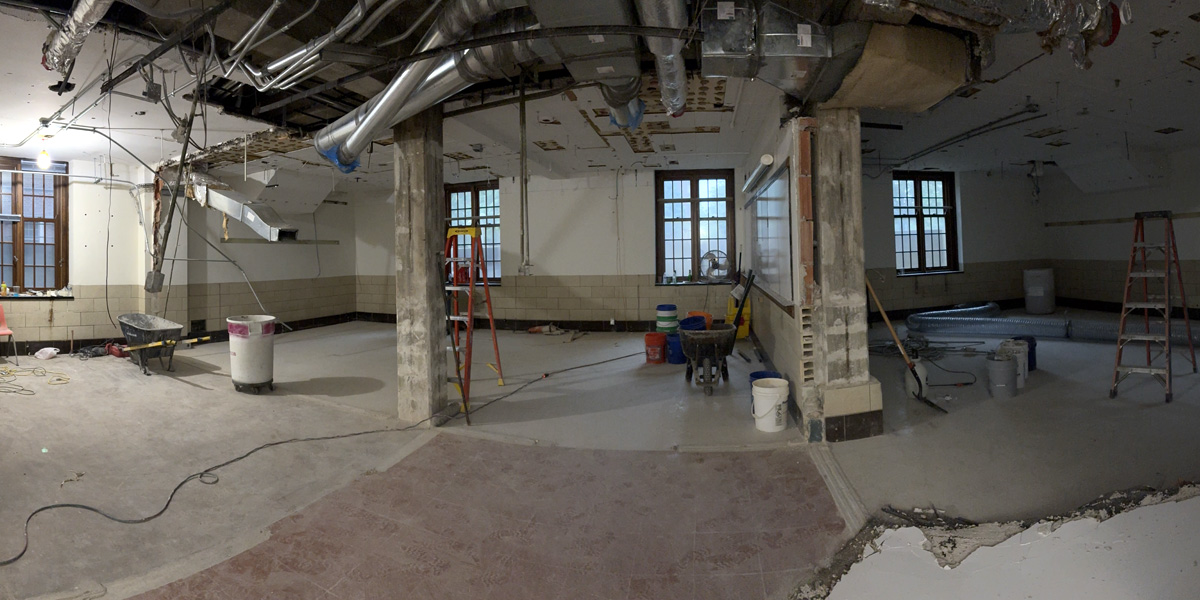
Renovations included knocking down walls to combine Rooms 1, 2, and 3 into a new hybrid/flexible, state-of-the-art classroom.
Gregory Hall Room 1 after demo
Gregory Hall Room 2 after demo
Gregory Hall Room 3 after demo
Gregory Hall Rooms 1, 2, 3 after demo, from hallway
Gregory Hall Rooms 1, 2, 3 after demo
Gregory Hall Rooms 1, 2, 3 after demo, from northwest corner
Gregory Hall Rooms 1, 2, 3, looking south, with the last wall knocked down
Architectural Renderings
By Spring 2026, Room 1 will offer classes by all three departments in the College of Media, supporting activities such as advertising brand consultations, journalism press conferences, and media and cinema studies production, and will enable hybrid teaching and conferencing.
—Photos by Meghan Burnett and Holly Rushakoff. Architectural renderings by Reifsteck Wakefield Fanning.
Get to know some of our College of Media students! Bo Ravanh is a Class of 2026 media and cinema studies major.
What inspired you to choose media and cinema studies as your major, and how did you decide that College of Media was the right fit for you? I believe cinema is something magical. A film can bring so much good into the world. To me, that’s what the art of filmmaking is about—creating these little worlds and putting them on screen. They can change minds, shift perspectives, and leave a lasting impact. That belief is what pulled me in. The power of cinema is something I take seriously, and I would say never underestimate it. What drew me to this major was not just the subject itself but also the community. The College of Media is a place full of people who care about media and storytelling the way I do. So, choosing the media and cinema studies major felt like the right step to build on that interest and take it further.
How have opportunities at the College of Media or involvement in student organizations helped you grow in media and cinema studies? Through my media and cinema studies courses, I have built a strong understanding of both the technical aspects of filmmaking and the art and subtext that gives a story emotional resonance with the audience. The MACS courses helped me to understand how people interpret and respond to films, including myself.
I have also been able to apply what I learn in the classroom. I joined the Illini Film and Video RSO as an opportunity to explore filmmaking in a more hands-on setting. It gave me practical experience in content production and film analysis, and it was a great way to collaborate and build connections with a community of student filmmakers who have inspired me to keep learning.
What course within the College of Media have you enjoy or would like to recommend to other students? If I had to choose a favorite, I’d say MACS 320: Popular Culture. It’s primarily taught by Dr. Josh Heuman, who is a fantastic professor. The class covers a lot of interesting topics and helped me see how popular media affects not just us as individuals, but the world around us. I think that kind of perspective is really valuable for students who are interested in pursuing a career in content creation.
Looking back, what personal or academic achievement are you most proud of, and what is the most useful skill you gained from your time at College of Media? I’d say one of my biggest personal achievements in college was making a 40-minute short film with a friend. It was an adventure story called The Heart of Daphne, and we didn’t make it for a class. It came entirely from our own motivation and love for filmmaking. Looking back, I don’t think we could have pulled it off without everything we’d learned here. We even hosted a big premiere, and a lot of people showed up to watch. It was such a fun and meaningful experience; it might be my favorite memory from college and definitely something I’m proud of.
What advice would you give to other incoming students? One piece of advice I’d give is to trust your own voice. In college, especially within the filmmaking community, you’ll come across a lot of opinions about how things should be done. That actually turned out to be one of the biggest challenges for me. For a while, I felt like I had to follow a certain way of doing things to be seen as successful.
What helped me move past that was going back to the reason I started making movies in the first place. When I was a kid, I picked up a [camcorder] and started filming just for the fun of it. There were no rules, no expectations, just creativity and excitement. Remembering that helped me realize that filmmaking isn’t just about following rules. It’s about passion, creativity, and finding your own rhythm. It’s about exploring your own ideas and creating something that feels true to you. So, my advice is to stay curious and learn, because there is a lot to take in here. But also hold on to your perspective. Use what you learn to shape your own style. That is how you grow, and that is what makes you unique as a creator.
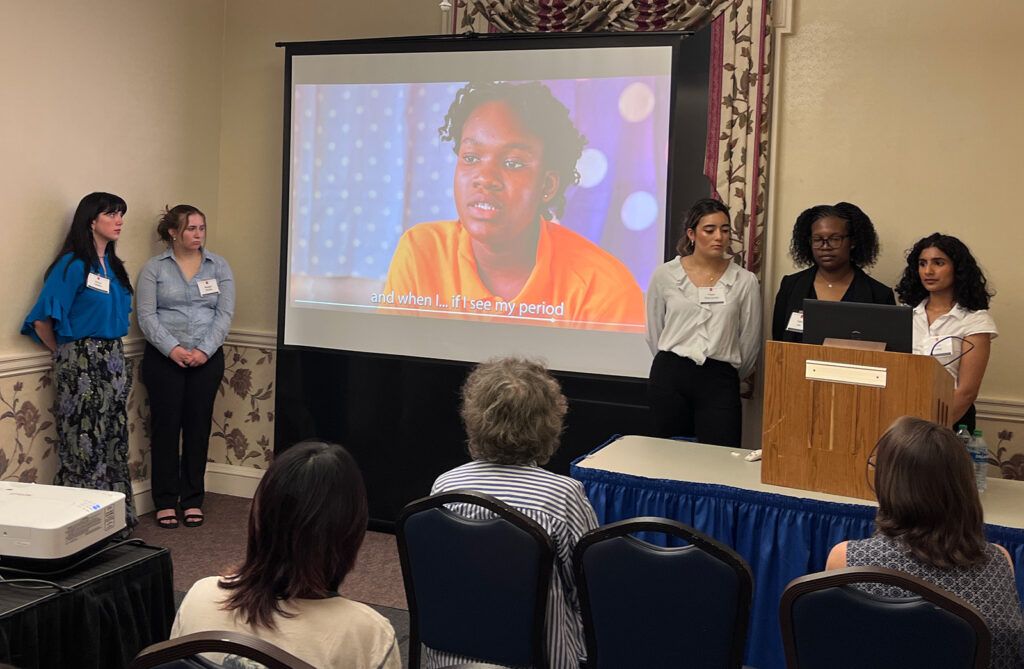
Update May 29, 2025: Congratulations to the students who presented “Uman Tok: Tailoring Hope, Renewing Futures in Sierra Leone” for receiving an award for Outstanding Oral Presentation at the Undergraduate Research Symposium from theOffice of Undergraduate Research! Some of these students previously won an award in 2024 for Outstanding Exhibit on this same research topic, which they continued work on in 2025.
Updated April 28, 2025
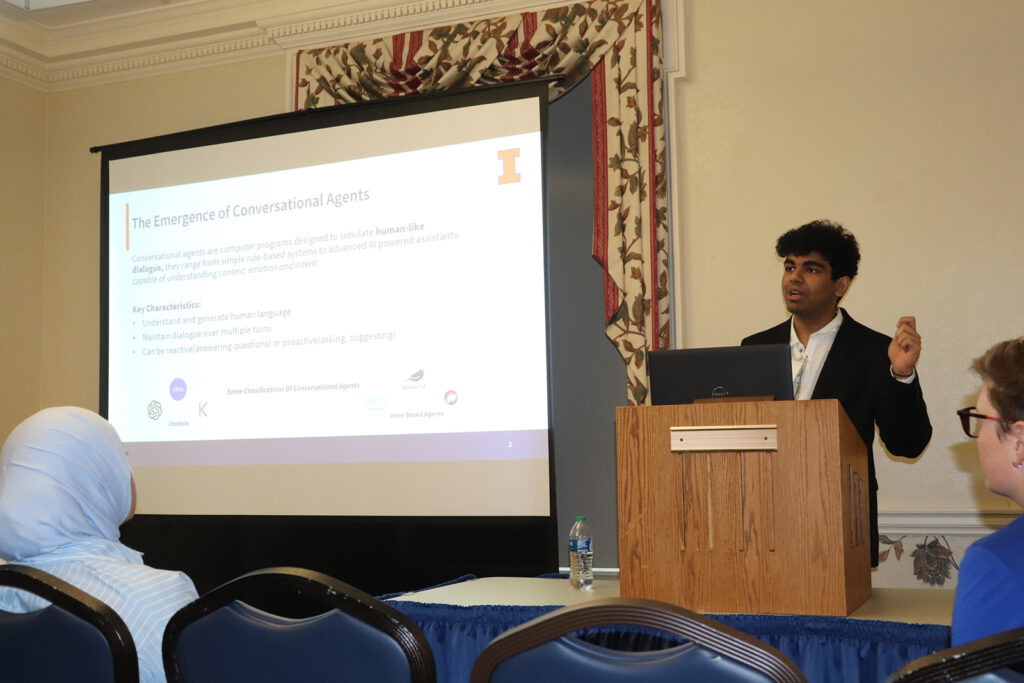
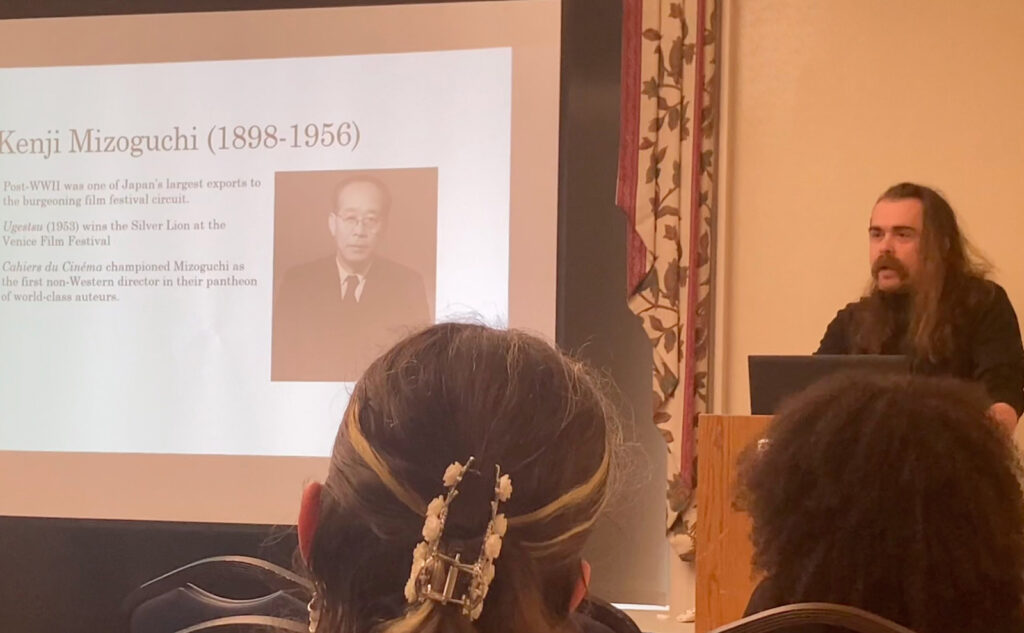
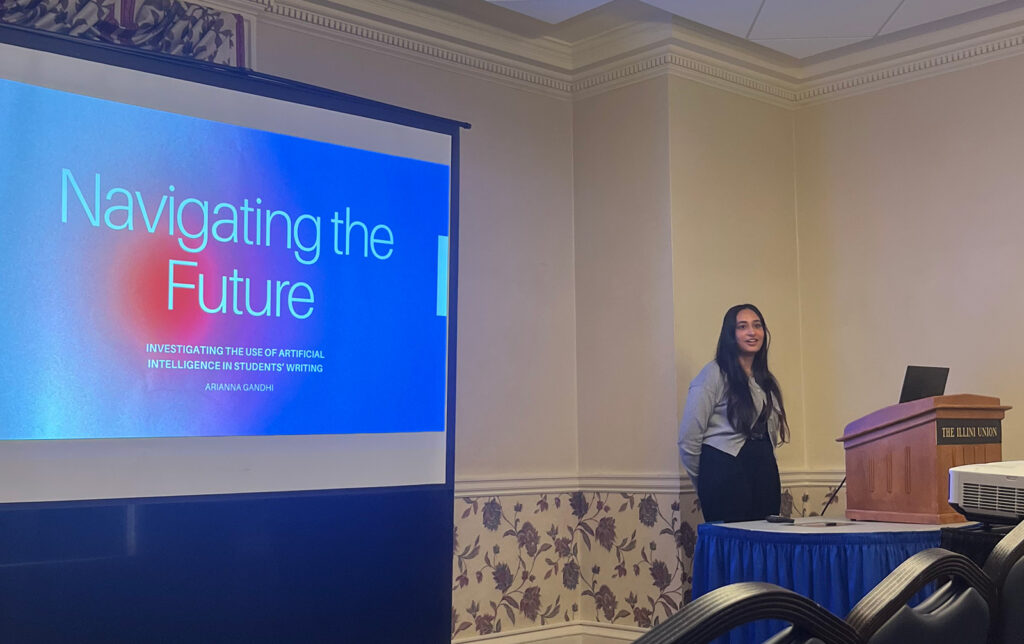
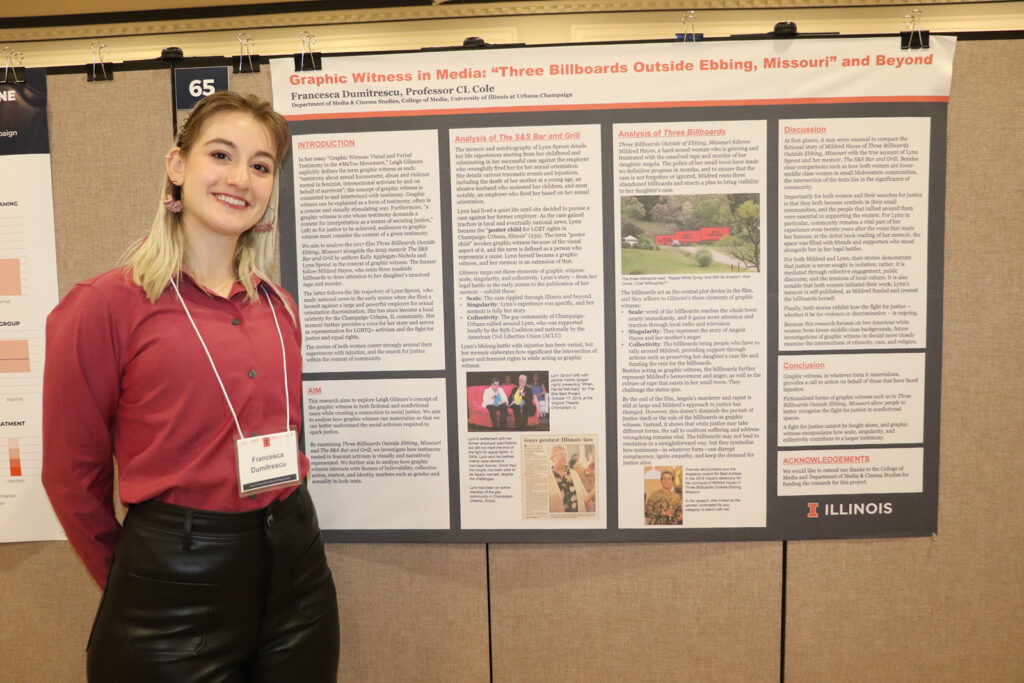
Students from all four majors in the College of Media participated in the annual University of Illinois Undergraduate Research Week, held April 20-26.
The Undergraduate Research Symposium, the signature event held on Thursday, April 24, at the Illini Union, features presentations, posters, and performances from students across campus.
Below is a list of Media student presentations as well as acknowledgements of Media graduate students and faculty who have mentored students presenting at Undergraduate Research Week.
Oral Panel
Health Modalities
“Evaluating the Persuasiveness of LLM-based Chatbots in Health Communication”
Tuesday, April 22, 4-6 p.m., Illini Union Rooms A, B, C, and South Lounge
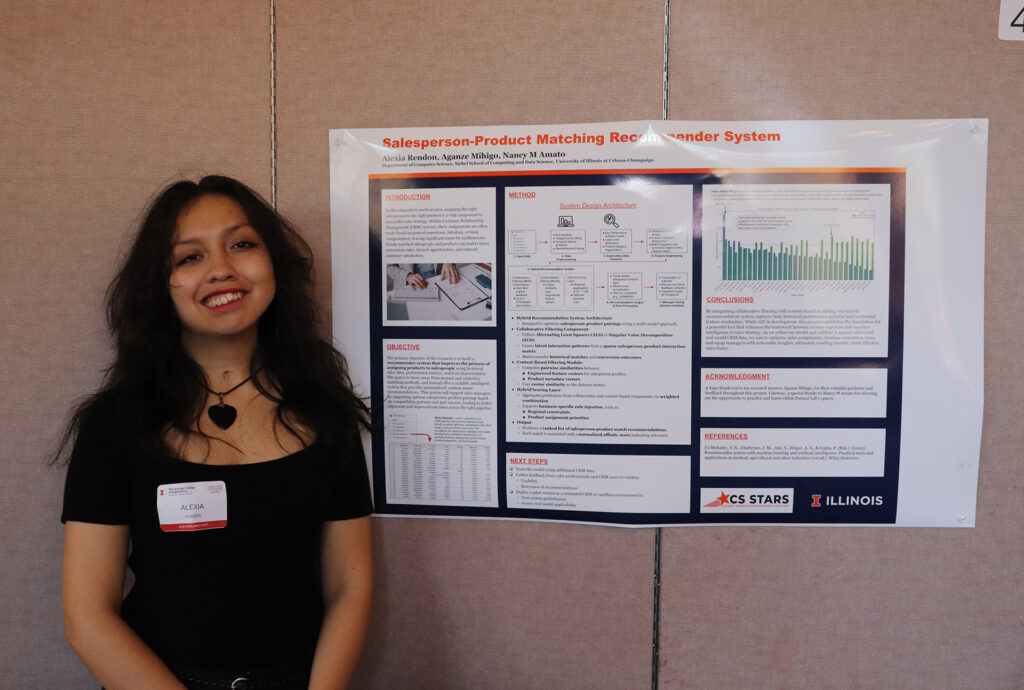
“Salesperson-Product Matching Recommender System”
Alexia Rendon, Junior, Computer Science + Advertising, COM
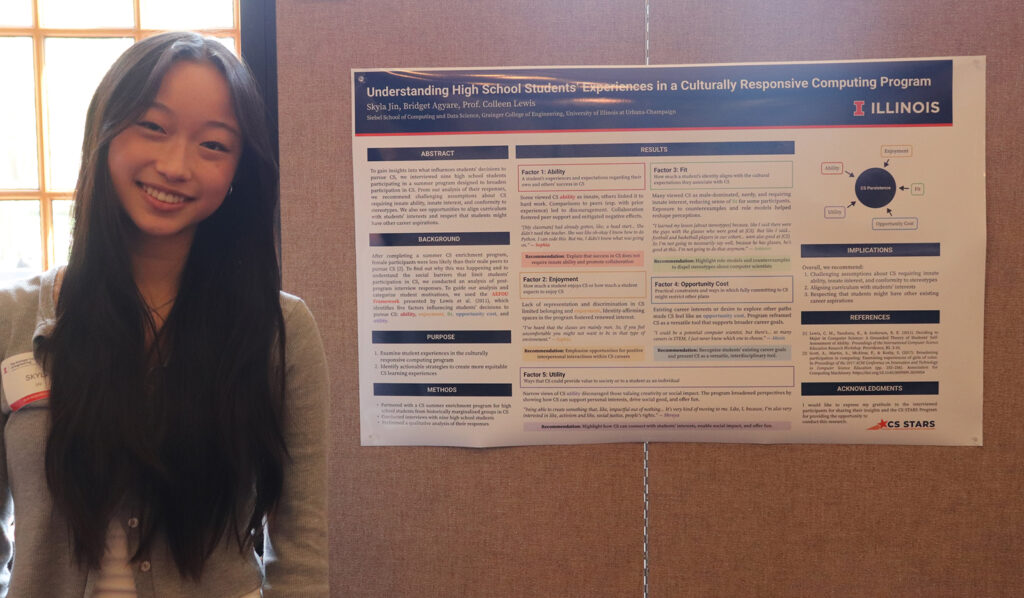
“Understanding High school Students’ Experiences in a Culturally Responsive Computing Program”
Skyla Jin, Freshman, Computer Science + Advertising, COM
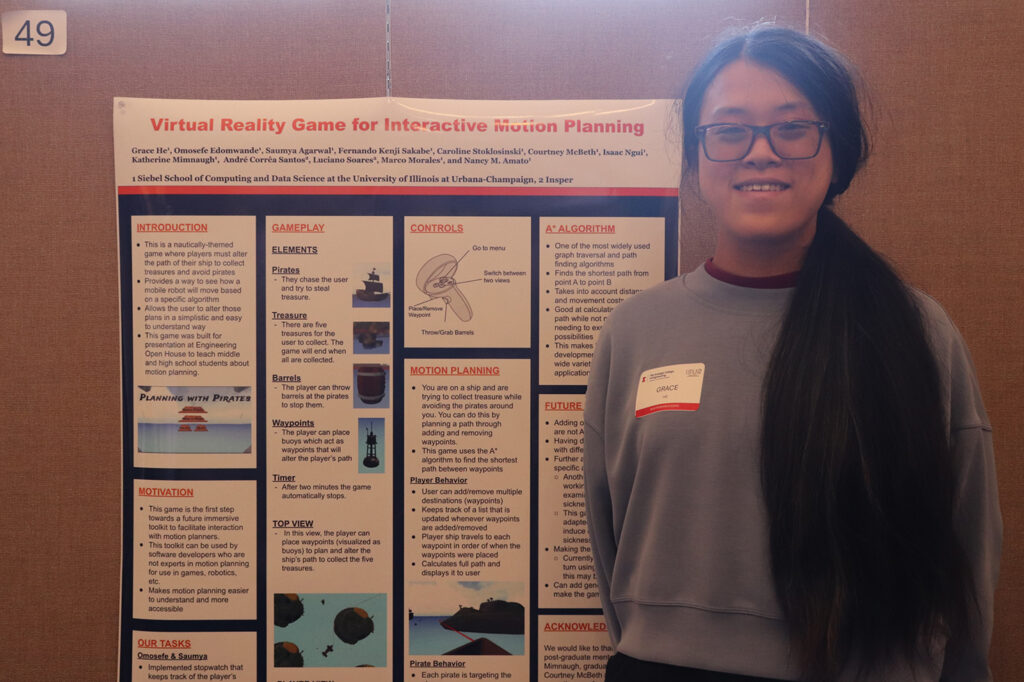
“Virtual Reality Game for Interactive Motion Planning”
Grace He, Junior, Computer Science + Advertising, COM
Omosefe Edomwande, Freshman, Computer Science, ENG
Undergraduate Research Apprenticeship Program
The Undergraduate Research Apprenticeship Program offers undergraduate students with little or no research experience the opportunity to work with graduate students and postdoctoral scholars on their research projects, explore the culture and process of research, and build on their existing abilities within a community of scholars.
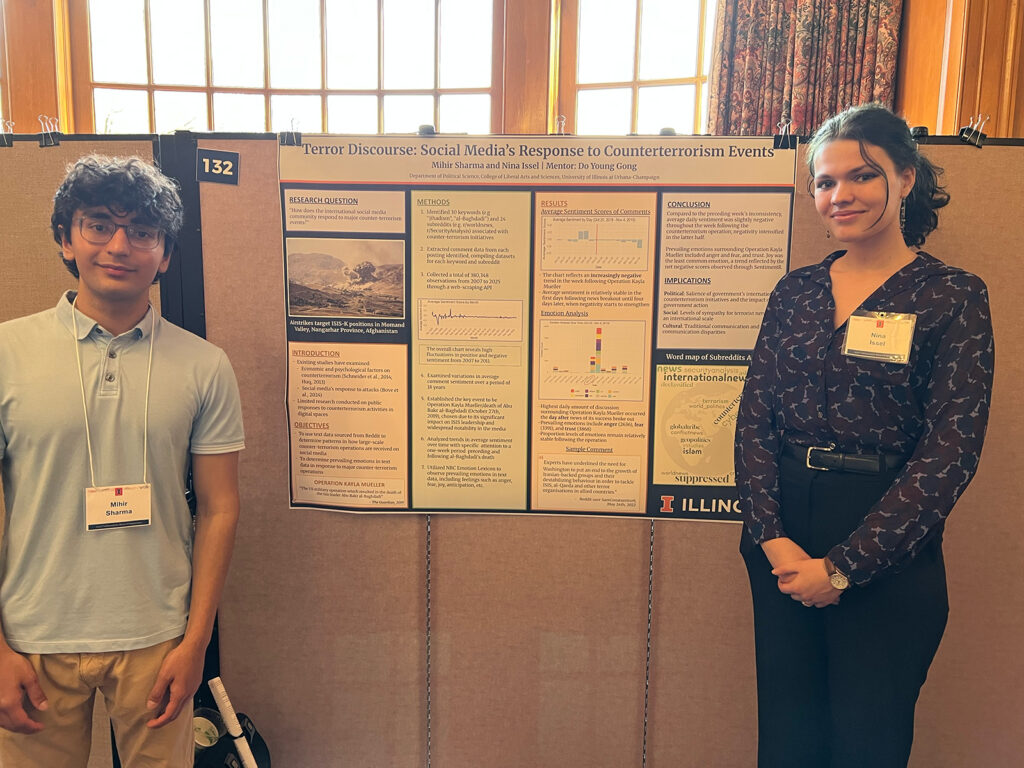
Nina Issel, Sophomore, Journalism (COM)
Media Research Mentors
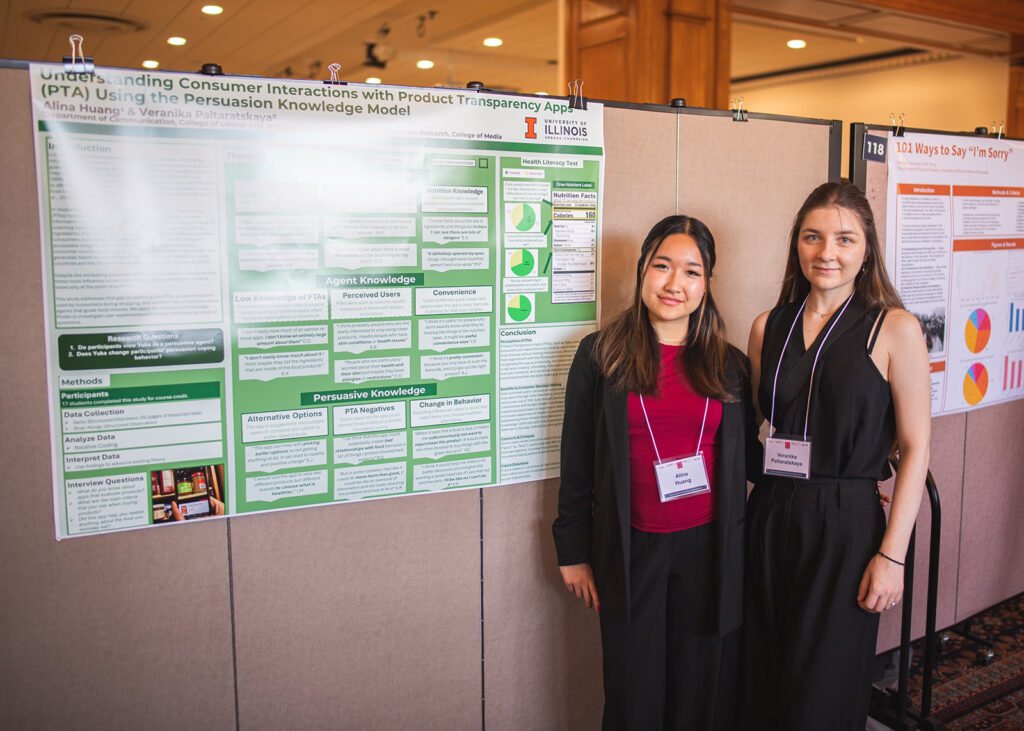
Doctoral student Veranika Paltaratskaya (above right), Institute of Communications Research, was the research mentor for Alina Huang, sophomore in communication and psychology (LAS), who presented “Understanding Consumer Interactions with Product Transparency Apps (PTAs) Using the Persuasion Knowledge Model” as part of the Social Science & Human Behavior poster presentations.
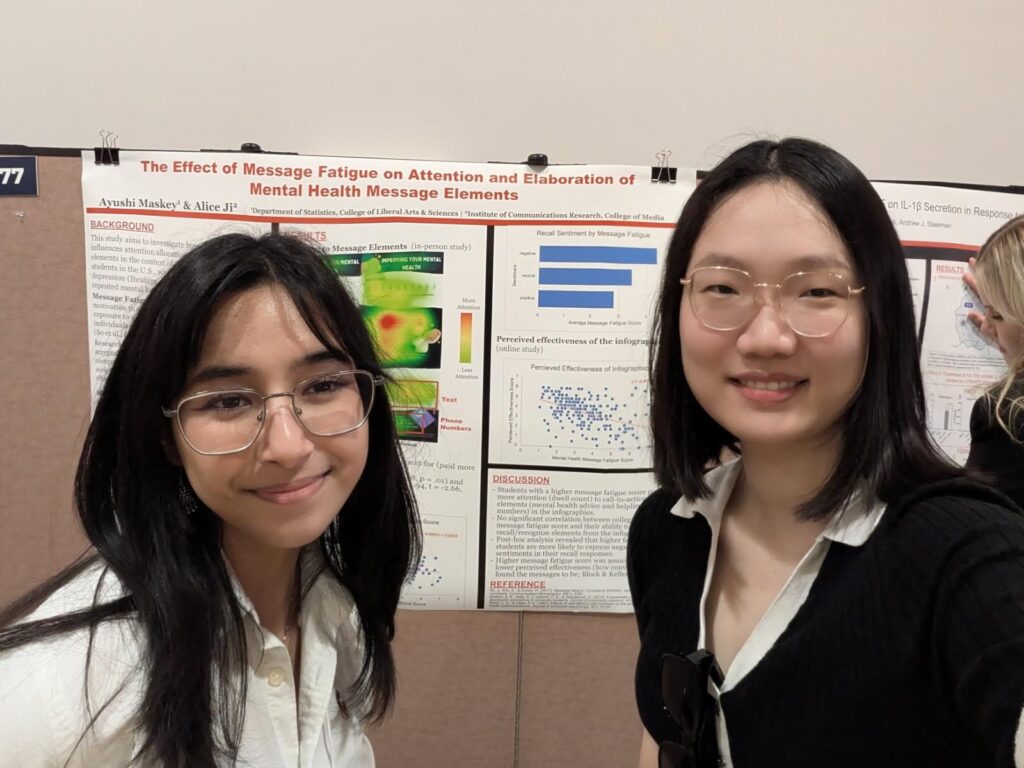
Doctoral student Alice Ji (above right), Institute of Communications Research, was the research mentor for Ayushi Maskey, junior in statistics + computer science (LAS), who presented “The Effect of Message Fatigue on Attention to Mental Health Messages” as part of the Heath & Wellness poster presentations.
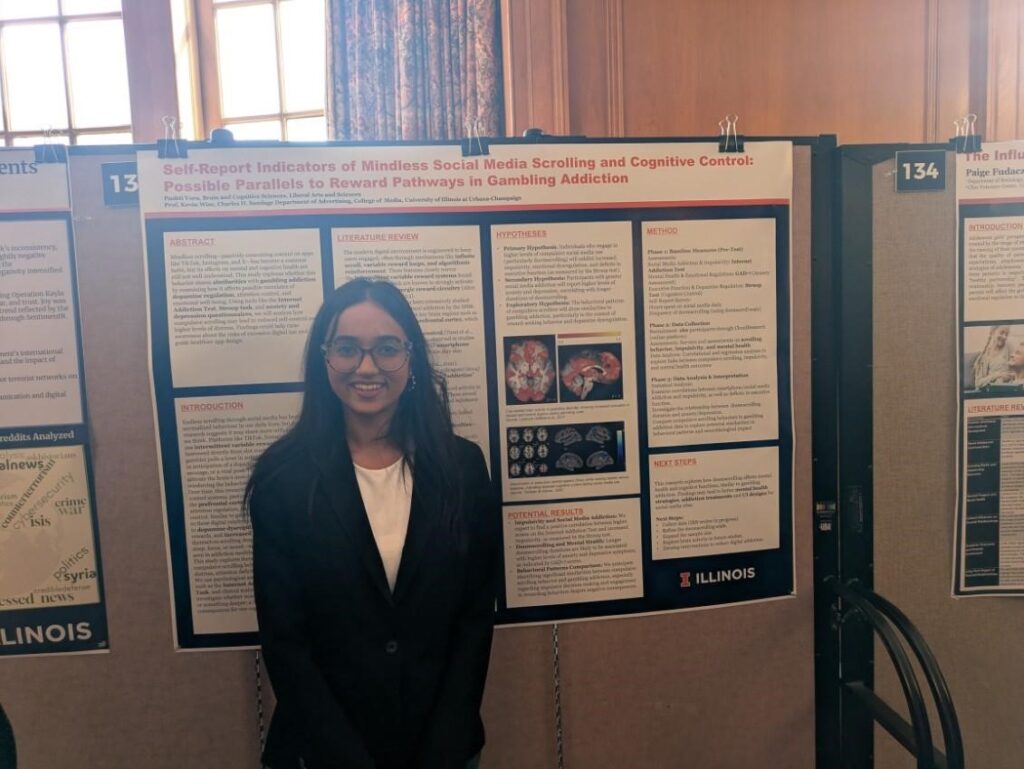
Kevin Wise, professor of advertising, was the research mentor for Pushti Vora, junior in brain and cognitive sciences (LAS) who presented “The Impact of Mindless Scrolling on Dopamine Regulation and its Parallels to Gambling Addiction” as part of the Social Science & Human Behavior poster presentations.
Netflix director Emma Miller (BS ’08, media studies) says returning to campus to speak at the 2025 College of Media Convocation ceremony feels like a full-circle moment for her.
As a Media student at Illinois, she remembers renting DVDs through Netflix’s mail subscription service for her film classes.
“I could watch films on my own time, which was really exciting because there was one video shop in town and all the film students would race to check out the film,” she said.
While Netflix was a lifesaver for her as a student, her current role at the global streaming service has proven to be an even more incredible opportunity.
“It’s amazing and I’m having the best time. I really love it, and I have to say [my job] has exceeded my expectations in a lot of ways,” she said.
Miller, who was named one of The Hollywood Reporter’s“35 Rising Executives 35 and Under” in 2018, joined Netflix in 2023 as director of overall deals in the series division.
I appreciate everything Illinois did to get me here and hopefully I can give something back and inspire at least one student.
Emma Miller(BS ’08, media studies)
Netflix Director of Studio Scripted Series
Since then, her title has changed to director of the studio scripted series division, but her role has essentially stayed the same.
Part of her job is to oversee deals with certain creative entities. For example, she covers Aggregate Films, founded by Jason Bateman (Ozark), and 21 Laps Entertainment, founded by Shawn Levy (Stranger Things).
Miller also works on ground-up development, doing first-reviews of projects and pitches from writers and producers.
“I’m basically one of the people at Netflix who buys projects and then supervises the creative development of those projects from the pitch to all the way out when it’s on the air,” she said.
Most of her work is reading first-episode scripts and giving notes to guide the writers, “almost like an editor would do in publishing.”
If Netflix picks up the series, Miller will do the same for all the episodes at the script level. While most of her work is in the creative domain, Miller also handles some business responsibilities as well. She oversees the production of projects, including budget management, hiring of actors and directors, and traveling to shoots on location to get shows up and running. She also covers technical aspects like editing sound mixes, visual effects, and film cuts.
As Miller approaches her two-year anniversary at Netflix, she’s looking forward to the release of a few exciting projects she’s managed.
Forever, a reimagination of the 1975 novel by Judy Blume, premieres on Netflix on May 8. Black Rabbit, starring Jason Bateman and Jude Law, is awaiting an air date. Miller is also working on post-production of Man on Fire, a television remake of the 2004 film starring Denzel Washington.
“I love Netflix and I’m really enthusiastic about what we’re doing,” Miller said. “I will say it’s just really fun to know that a lot of people are going to watch your work and the kind of impact you can have on culture is thrilling.”
Miller says she first learned about the power of media and how it can shape the way you experience the world as a student at Illinois. She credits a Women in Film class for changing the course of her academic career from English to media studies (now called media and cinema studies).
Miller, who serves on the College of Media Alumni Leadership Council and won the 2023 Emerging Leader Award, continues to engage with the college as a panelist for Media Career Nights and soon, to address the College of Media’s Class of 2025.
“I appreciate everything Illinois did to get me here and hopefully I can give something back and inspire at least one student,” she said.
It’s no surprise that renowned media studies scholar and two-time University of Illinois alum Denise Bielby (BS ’71, MA ’72, ACES), Distinguished Professor of Sociology, Emerita, at the University of California, Santa Barbara, was interested in fellow alum Roger Ebert’s work and helping preserve his legacy.
Bielby, whose research focuses on the culture-producing industries of film and television, has had a long appreciation for the scholarly value that the late Roger Ebert, Pulitzer Prize-winning film critic and journalism alum, brought to film criticism.
Bielby said it was important to support the research of faculty in the College of Media, and the training of their graduate and undergraduate students.
“Denise Bielby’s generosity is a distinct example of a transformative gift,” said Tracy Sulkin, dean of the College of Media. “The Ebert Center cements the College of Media as a supportive and enriching destination for academics pursuing film studies.”
After attending Ebertfest regularly, Bielby observed that “Roger’s thematic programming for each festival was not only intriguing, it was culturally important, and over time the scholarly value of that came into focus and relevant to how scholars understand and analyze the social value of film.”
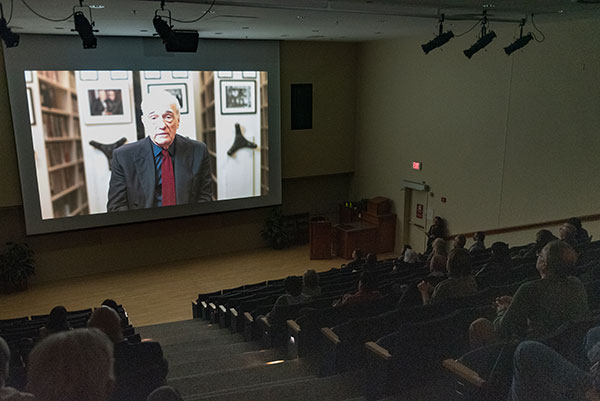
At the launch of the Roger Ebert Center for Film Studies at the University of Illinois on October 28, 2022, legendary filmmaker Martin Scorsese shared a recorded message. (Photo by J. Sidney Malone.)
Bielby’s own research on media fandom developed as an outgrowth to her research on the film industry.
“Because Hollywood produces culture through its products, I wanted to better understand the process of audience reception that made media so engaging,” she said. She has co-authored two books, Global TV: Exporting Television and Culture in the World Market (2008) and Soap Fans: Pursuing Pleasure and Making Meaning in Everyday Life (1995).
Since its inception, the Ebert Center has offered robust programming, including the annual Ebert Lecture in the fall, the annual Ebert Symposium in the spring with a keynote and roundtable discussions, and a curated screening series throughout the academic year.
It also supports Ebert Center research grants and travel grants for film studies as well as the long-running Ebert Fellows Program, which selects three undergraduate students from the College of Media each year for an in-depth experiential learning opportunity.
Ebert Fellows work with advisor and mentor Michael Phillips, the film critic at the Chicago Tribune. They hone their writing and interviewing skills, sharpen their critical skills, attend film festivals, develop their podcasting skills with Chicago Public Radio and Illinois Public Media, and participate in other workshops and activities, including those in conjunction with the Ebert Center.
In addition to supporting Media faculty and students, Bielby hopes the Ebert Center is set up to accomplish another goal: “To advance the scope of the college more broadly as it engages related disciplines, the campus at large, and society as a whole.”
The Ebert Center programming is free and open to the public. Learn more and watch recordings of past events at media.illinois.edu/ebertcenter.
Congratulations to all the College of Media faculty and teaching assistants who were ranked as excellent by their students!
This list is based on Instructor and Course Evaluation System questionnaire forms completed by students during the Fall 2024 semester and Winter 2024-25. Only those instructors who distributed ICES forms at least once during this time period and who released their data for publication are included in the list. View the complete list.
Note: * denotes that the instructor ratings were outstanding.
The 2025 Chaz and Roger Ebert Symposium, presented by the Roger Ebert Center for Film Studies, will address “Artificial Intelligence Imagined and Realized.” The Ebert Symposium’s mission this year is to bridge academic research with broader cultural conversations about the uses of artificial intelligence.
Join us for this free two-day event on April 22-23, featuring a film screening, a keynote speaker, and a roundtable discussion. The Ebert Symposium is co-sponsored by the Institute of Communications Research.
Tuesday, April 22
Film Screening
7 p.m., Knight Auditorium, Spurlock Museum
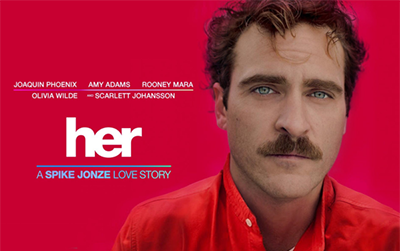
Watch a screening of Spike Jonze’s award-winning film Her (2013). Jonze’s film follows the solitary life of Theodore Twombly (Joaquin Phoenix) as he begins to use the AI chat technology Samantha (voiced by Scarlett Johansson) to come to terms with the break-up of his relationship. The film melds technology and the human condition through a quiet and moving journey of self-discovery.
“Artificial Annoyance and Augmented Hilarity: The Disordered Personalities of AI Comedy”
The Ebert Symposium keynote will be delivered by Dr. Scott Bukatman, Professor of Film and Media Studies at Stanford University, who will use science fiction literature, film, and comics to explore how AI helps reveal “the downsides of personality.”
A roundtable discussion at 11 a.m. on the intersection between science fiction and engineering. The conversation will cover the interplay within real-world AI technologies by concentrating on the portrayals of artificial intelligence in film and popular culture. This conversation will be moderated by Professor Mike Yao (Digital Media), director of the Institute of Communications Research, with panelists Professors Heng Ji (Computer Science), Alison Duncan Kerr (Philosophy), Ben Grosser (New Media), and Robert Markley (English).
Note: The second roundtable featuring Ebertfest filmmaker guests unfortunately had to be canceled.
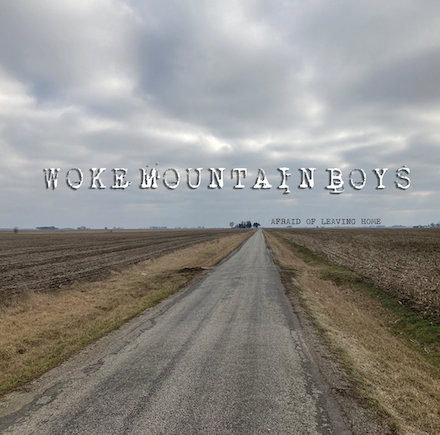
Jay Rosenstein (BS ’82, Grainger Engineering; MS ’98, journalism; MFA ’17, FAA), professor emeritus of media and cinema studies, recorded and released a new album with his band the Woke Mountain Boys titled Afraid of Leaving Home.The album was recently selected for two top ten Best Albums of 2024 lists from Illinois Entertainer.
Rosenstein plays guitar and harmonica on the 6-track album, in addition to singing vocals, and mixed and produced the album with Alex Poeppel.
The album was ranked #4 for Local Albums as selected by Illinois Entertainer staff and #10 for journalist Jeff Elbel’s top picks for 2024.