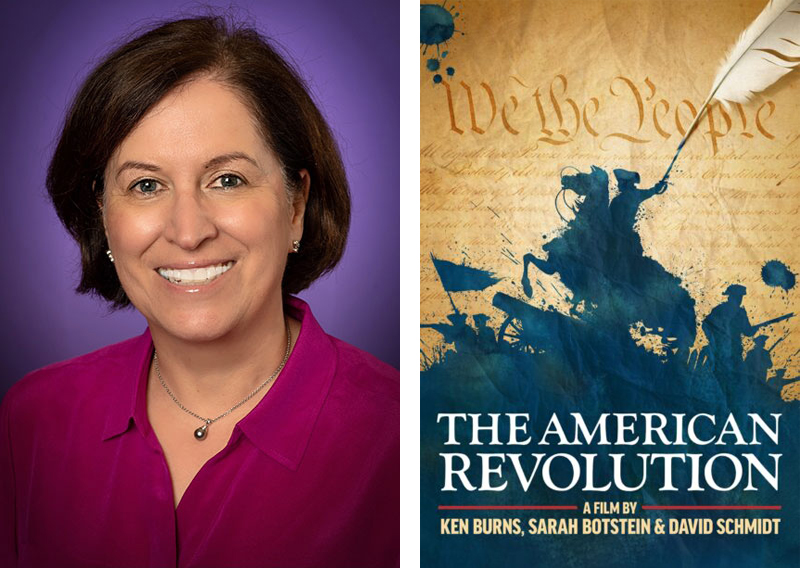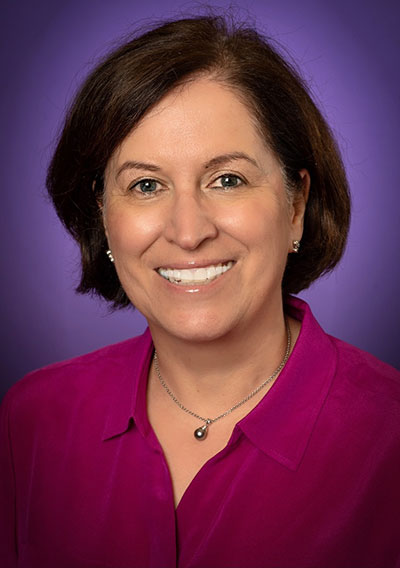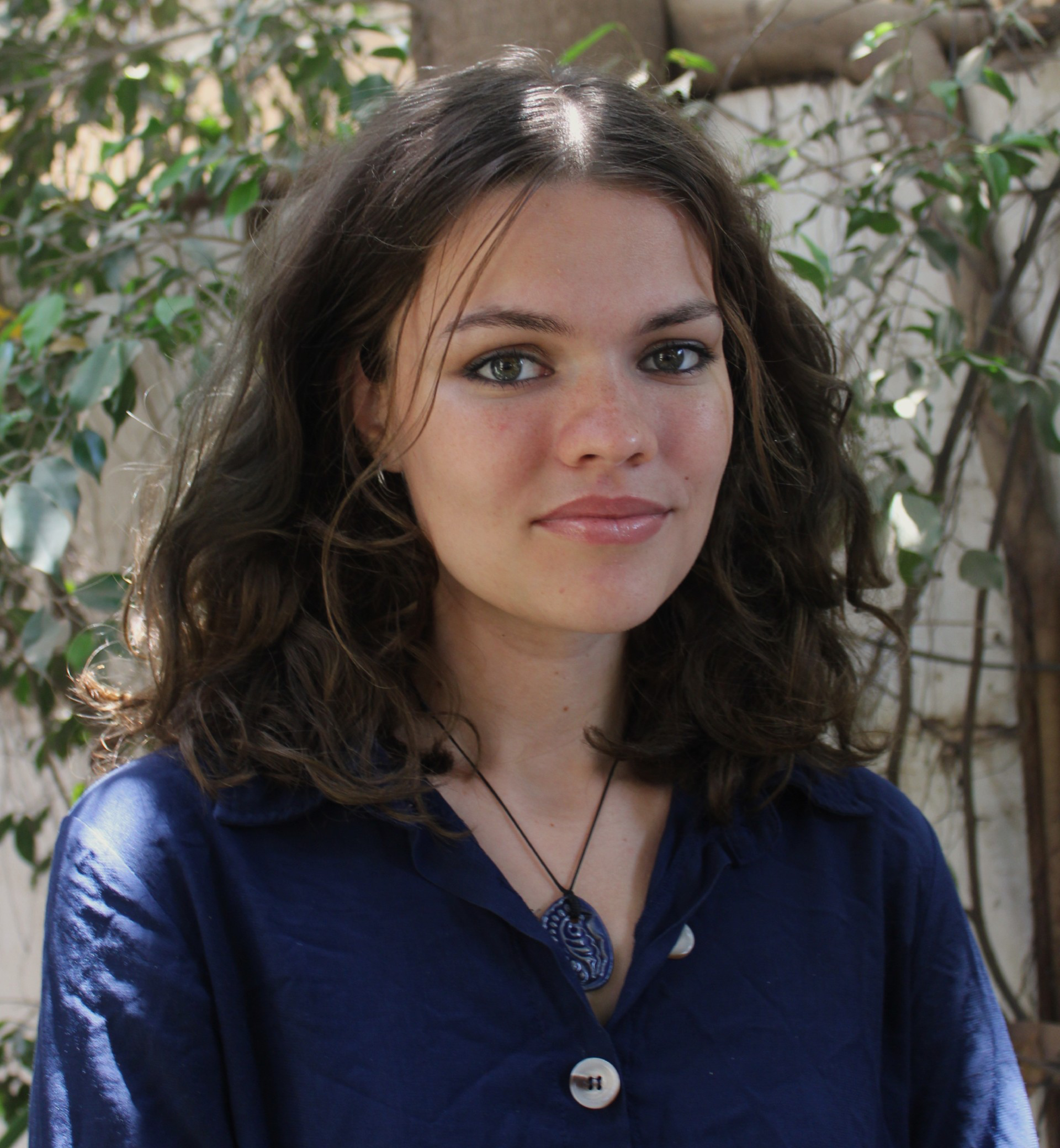
Nina Issel  

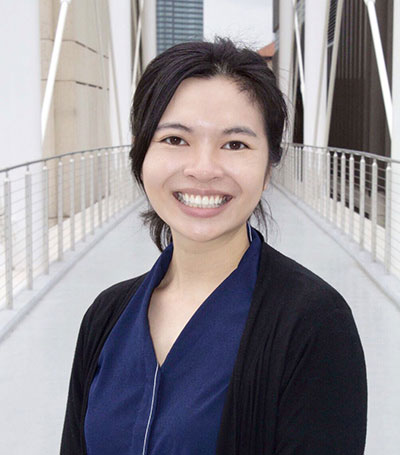
Get to know some of our College of Media Students! Nina Issel is a Class of 2027 journalism major.

Nina Issel

What made you choose journalism at the College of Media? 

I realized I enjoyed opportunities to dive deeply into specific topics whether it was researching global conflicts or exploring complex issues in detail and presenting the information. That curiosity and desire to investigate stories led me to journalism. I saw it as a way to engage with meaningful topics and share them in a more impactful way. Journalism allows me to explore ideas more actively and share them with others.

What has been your favorite journalism class so far, and why?

My favorite class so far has been Journalism 215: Multimedia Reporting. While it’s a required course, I think it’s incredibly valuable because it introduces students to the wide range of skills needed in modern journalism. Before taking the class, I primarily saw myself as a writer. However, JOUR 215 reintroduced me to photography and exposed me to video storytelling, which has since become one of my favorite formats. It helped me realize how essential visual storytelling is in journalism, not just for informing audiences, but for engaging them in the work too. 

The class also gave me the confidence to continue developing those skills, which led me to take more advanced courses like video reporting and storytelling. Additionally, the feedback I received was very practical and reflective of real-world journalism, which made the experience even more meaningful. The course helped me discover what I enjoy most about journalism and the direction I want to pursue. 

What resources within the College of Media have been most helpful to you as a journalism student? 

Through the Media Technology Center and Richmond Studio, students can check out professional-grade cameras, microphones, and other equipment. Access to that equipment and hands-on resources have been incredibly helpful. As someone who initially found the technical side of journalism intimidating, being able to use the tools and connect with knowledgeable staff made a big difference in my work on campus. Being given opportunities to experiment, make mistakes, and learn in a supportive environment has been invaluable. It allows you to build practical skills that are essential in the field, especially when working with multimedia. 

What has your experience been like writing for The Daily Illini? 

My experience with The Daily Illini has been extremely valuable. I write for the Arts & Entertainment section, where I often focus on topics related to sustainability, technology, and innovation on campus. One of the most impactful aspects has been learning how to manage multiple assignments at once. There are days when I’m attending events, conducting interviews, and working on different stories all within a short timeframe. That fast-paced environment has helped me develop stronger organizational skills and adapt to the rhythm of journalism. It has also given me opportunities to expand my multimedia skills, including photography, especially when covering my own stories. It’s been a great way to gain real-world experience and understand the demands of the profession. 

Tell me about your internship experience with Sunugal 24.  

I recently began my internship with Sunugal 24, and it has already been a very insightful experience. Initially, I expected to work at a traditional radio station, but I quickly learned that the organization primarily operates as a digital media platform, focusing on YouTube and social media. This has been especially exciting because I’m very interested in multimedia and social media journalism. I’ve had the opportunity to observe how content is created, analyzed, and distributed, including reviewing audience engagement through analytics and participating in discussions about partnerships and content strategy. 

Additionally, working in a multilingual environment where French and Wolof are primarily spoken has given me a new perspective on journalism in a global context. It has challenged me to adapt and think more critically about how information is communicated across different cultures. The experience has strengthened my understanding of digital media and reinforced my interest in pursuing journalism through social and multimedia platforms. 

What are your plans after graduation? 

I’m particularly interested in pursuing a career in explanatory journalism, especially within multimedia and social media platforms. While I’m still exploring specific opportunities, I’m drawn to organizations that focus on breaking down complex issues and providing meaningful context for audiences. I believe that much of the current mistrust in media stems from a lack of context and depth in reporting. In today’s fast-paced, attention-driven environment, stories are often delivered quickly without fully explaining the broader background. I’m interested in helping address that gap by creating content that not only informs but also provides historical and social context. By doing so, I hope to help audiences better understand complex issues and form more informed perspectives. 

 What advice would you give to College of Media students interested in journalism? 

My biggest piece of advice is to make sure journalism aligns not only with your interests, but also with your personality and working style. It’s one thing to value sharing information, but journalism involves a fast-paced, constantly changing workflow. You need to be comfortable diving deeply into a topic and then moving on quickly to the next story. It also often pushes you outside of your comfort zone. If you enjoy that kind of dynamic environment and are curious about a wide range of topics, journalism can be incredibly rewarding. Ultimately, it’s about finding a balance between your passion for storytelling and the type of work environment that motivates you. 

—Interview by Andrea De La Torre, New Voices Intern 

Share on social
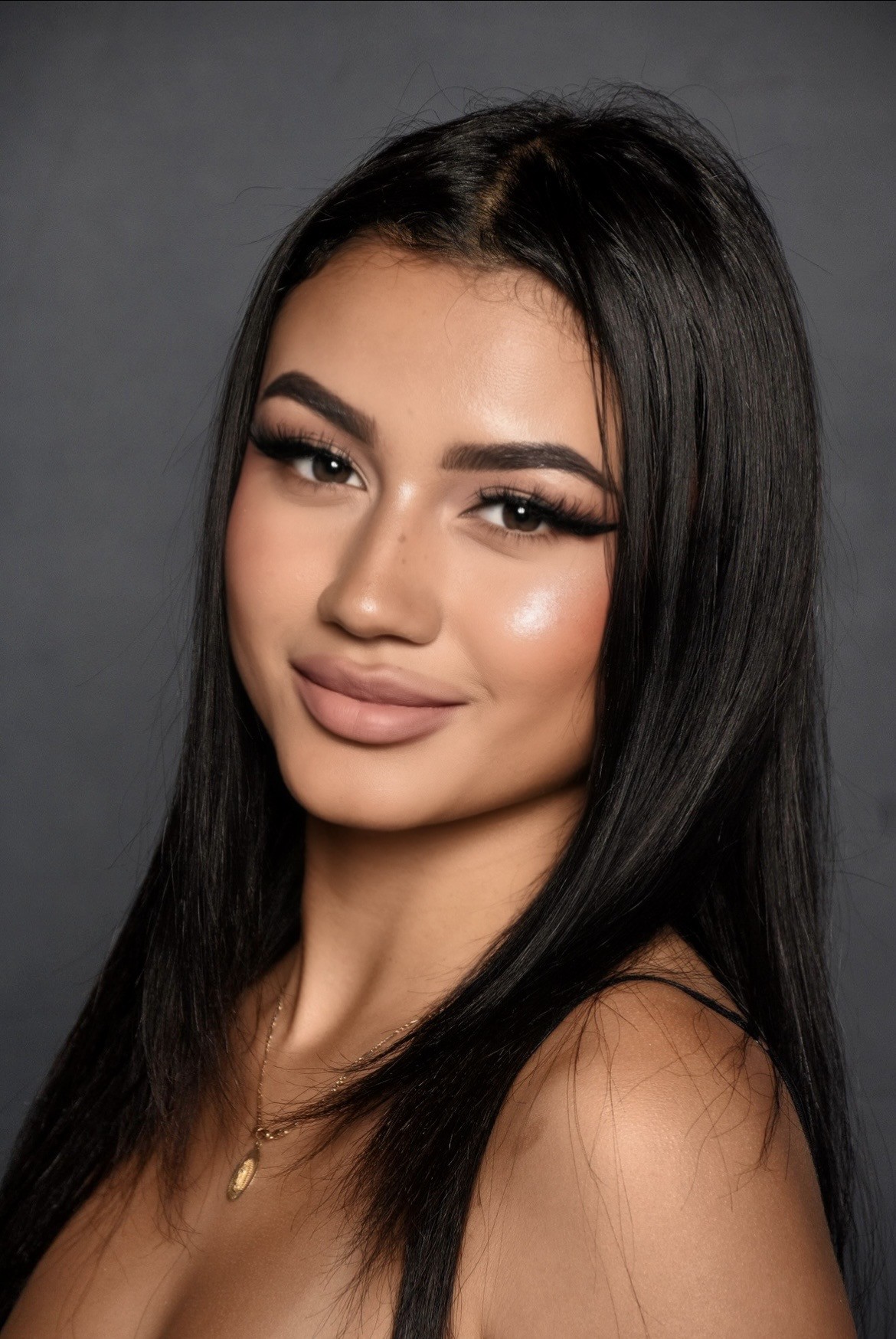
Liliana Rodriguez

Get to know some of our College of Media students! Liliana Rodriguez is a Class of 2026 journalism major.

Liliana

What led you to your decision to major in journalism at Illinois?

Since high school, I knew I wanted to be in front of the camera and behind the mic. I’ve always been drawn to storytelling and connecting with people. Although my high school didn’t offer journalism or broadcasting classes, I took initiative by contributing to the school newspaper and reporting on football games. At the time, I didn’t fully understand what journalism was, but that experience confirmed my interest to pursue journalism as a career path. Choosing journalism at Illinois felt like a natural next step.

During freshman orientation, I toured Richmond Studio and saw firsthand the professional resources available to journalism students. The newsroom and industry-standard equipment reassured me that I would have the opportunity to gain real, hands-on experience early on. Ultimately, Illinois stood out because of the opportunities it offered and the experiences I knew I could gain here.

What journalism course has been the most valuable to you?

The most valuable course I’ve taken is JOUR 340: Video Reporting and Storytelling with senior lecturer Alison Davis. In this class, I developed practical skills in writing, producing, and presenting video content in a way that is both informative and engaging. Overall, the class helped me grow as both a communicator and storyteller. More importantly, the course reinforced my confidence in pursuing journalism as a career.

What has your experience been like in Fighting Illini Productions?

I currently hold a video production internship at Fighting Illini Productions. Through this internship, I’ve gained hands-on experience in television production and had the opportunity to work with the Big Ten Network’s StudentU, where I was able to serve as an analyst for Illinois softball and provide live commentary during games. Through Fighting Illini Productions, I’ve strengthened my skills both on and off camera within my area of interest in sports media production. I also had the opportunity to intern with the Chicago Sky this past summer, which further expanded my professional experience and network.

What are your career goals after graduating from Illinois, and how has the College of Media helped prepare you for them?

After graduating, I plan to continue pursuing a career in sports and entertainment media, ideally in a role that allows me to be on camera and engage directly with audiences. While sports media has always been my primary interest, my experiences in the College of Media have encouraged me to explore other areas of journalism, including science journalism, media law, and business reporting. Opportunities to interview music and entertainment groups helped me realize that my interests extend beyond sports and into the broader entertainment industry. My long-term goal is to work in a role where I can interview celebrities and influential figures, particularly at major events such as award shows.

The College of Media has prepared me for this path by providing hands-on experience in video production, editing, and storytelling. I’ve developed technical skills using Adobe platforms, as well as experience in photography and audio editing. Just as importantly, I’ve grown more confident in my ability to communicate with others and navigate professional environments. Overall, Illinois has played a key role in shaping both my development as a journalist and my growth as an individual. I’m truly so grateful.

What advice do you have for incoming journalism students?

My biggest piece of advice is to enjoy the moment and to not get too caught up in the pressure. It’s easy to become overwhelmed trying to find the perfect story, secure sources, or worry about whether your work will be accepted. It’s important to remember that professors are there to support you, whether helping you find a new angle or reaching out to a source. The College of Media really tries to understand and engage with their students. Because the College of Media is relatively small, students have many opportunities to build relationships with professors and receive one-on-one support. Sometimes all you need to do is take a step back and breathe. Time goes by faster than you think—I can’t believe I’m already a senior preparing to graduate. Make the most out of your undergraduate experience and have fun!

—Interview by Alexa Camacho Villicana, New Voices Intern

Share on social
Take 5 with Media Alumni: Kavitha Cardoza


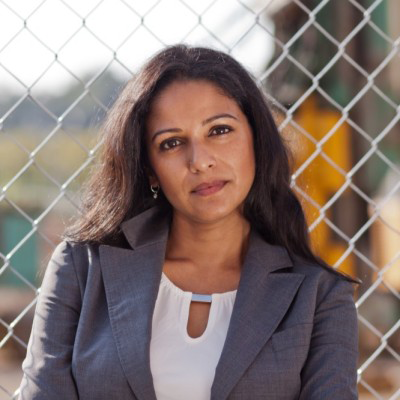
Kavitha Cardoza (MS ’02, journalism) is an assistant professor of journalism at the University of Richmond, and an award-winning reporter, recently being awarded the prestigious American Mosaic Journalism Prize for exemplifying excellence in reporting on underrepresented communities in the United States.

Kavitha Cardoza

About Kavitha Cardoza

Her work has been seen, heard, and read by millions on outlets like NPR, BBC World News, The Washington Post, The Guardian, and The Atlantic. She was also the host of Breaking Ground with Kavitha Cardoza, a documentary series on education that aired on more than 150 public radio stations.

Originally from India, Cardoza earned bachelor’s degrees in English literature, economics, and psychology, as well as a master’s degree in communication, before coming to the United States. Cardoza says her decision to get a master’s degree in journalism at the University of Illinois College of Media completely changed her life. Read more about this Media alum who has been passionately elevating stories on “the last, the least, and the littlest,” for the past 20 years.

*Q&A transcribed from Zoom interview and edited for length and clarity.

1. Most of your reporting focuses on underrepresented communities and giving voices to vulnerable populations. Why are you drawn to these stories?

When I came to the U.S., I was very surprised because you don’t see poverty the way you see it in India. Over here, sometimes we pretend it isn’t happening, or it’s not around us, when, in fact, there’s deep, deep poverty. I worked for many years for the local NPR affiliate in Washington, D.C., and my beat was education and poverty, and I would see children who didn’t have food, [living] in terrible poverty in our nation’s capital.

There’s this American [sentiment] of pulling yourself up by your bootstraps and the belief that if you haven’t gotten out of poverty, you haven’t tried hard enough. That’s just not the case. There are all kinds of systemic issues that can impact poverty and so, I really felt strongly about bringing these stories to light and showing these struggles, and how people internalize them—thinking it’s their fault or they’re not good enough—when really there are much bigger forces at play.

There are people really, really hurting, and we need to tell their stories. Journalists can elevate those voices because of the platform we have. I cannot imagine doing anything else. I cannot imagine anything else giving me more meaning. I really do wake up every morning feeling like I’m doing something that matters, and I feel so lucky.

2. You’ve covered education, health, and poverty for decades, but you’ve said a story you wrote as a College of Media student about a roadkill collector stands out. Why?

My very first story for audio was to do a profile of someone, and at that time, I was driving from Springfield to Urbana-Champaign and noticed these marks on the road that I later learned were from roadkill. As an international student, I had never heard of roadkill so when I found out, I thought, ‘Oh my gosh, wouldn’t it be cool and interesting to profile the roadkill man? Like, who does this for a job?’

I think this guy thought I was totally crazy when I first called and asked to do a ride along. He was this 6’4 African-American guy from the South and I’m this 5-foot-nothing brown girl from India—you couldn’t get further apart in terms of our backgrounds, and there we were, spending the whole day in the truck and talking and trying to learn about each other, because for every question I had, he had questions for me as well. They dig a kind of grave, usually at the side of the road, and bury the roadkill there, so he had got out to do that, and I had gone with him. We were at the side of the highway, waiting to cross to get back into this big orange truck and when you’re outside your car on the highway, the noises are so loud, the cars are just whizzing by, and it’s totally overwhelming and feels so much more dangerous than when you’re inside your car.

Both of us had to cross the road, and without thinking, we instinctively just held hands and ran across the road together. I thought to myself, that is such a metaphor for what we’re doing in life, right? It’s like we’re so different, and all we’re trying to do is get support from each other and understand each other and try and cross the road and not have something hit you. It just became this beautiful lesson to me that taught me to never say or think to myself that a person and I have nothing in common. I always believe we have common ground—I can understand someone, and they can understand me. All it takes is the willingness to start a conversation.

It’s also how I got my first job. Another professor had us ask a news director anywhere in Illinois to critique our work. So, I took my roadkill story to the news director of the public radio station in Springfield, Illinois, and I said, ‘This is a class assignment, do you mind critiquing it for me?’ He said he was born and raised in central Illinois and never thought of doing a story like this. Then he offered me a job. I really owe my career to that little story.

3. What led you to pursue a graduate degree in journalism at Illinois, and what was your experience like?

I came to the U.S. and I thought I’d get a degree and work for one year as a reporter and then start on my PhD. I did my master’s at Illinois, and the journalism bug just bit me and never left!

Illinois changed my life. I would not trade it for anything. When I was a student, I felt like people went out of their way to help. I feel like my professors poured into me, and they have been my educators for life. When I had to negotiate my first salary, I called a professor. When I moved to a bigger market in D.C., I called a professor. When I got married, I invited my professors. They are such a part of my life, and I’m so, so grateful to them.

4. How does your experience as a working journalist shape your teaching?

Most of my students are getting their news from social media. They’re not consuming and creating news the way I did, and so I wanted to keep up. I felt if I’m going to be someone’s teacher, I want them to have the most up-to-date kind of way of doing things. And when we talk about ethics, which I talk about in almost every class, I wanted up-to-date examples. I never want to stop practicing journalism so I can feel like I can bring my experience back to the classroom and my students and keep discussions relevant.

5. With journalism constantly evolving, what remains constant for you?

When I was at the U of I, we were still using something called carts—they’re like bulky cassettes you don’t even use anymore for broadcast journalism—and the format has changed several times over since then. I’ve already seen so many changes, and with AI, there are going to be many more. But I always tell my students, you can write with your finger in the sand, or you can write on the latest Mac computer. It doesn’t matter what you’re writing on, if you don’t have something to say. And that is my job—to help students figure out what they have to say. To me, that is most important, and so I’m sure by the time these students graduate, or by the time they are mid-career, AI will probably be old, and they will be wrestling with technology we haven’t even heard of or thought of yet. But really, learning how to think is why they’re in my classroom and that is what I focus on.

Share on social

‘Hot Ones’ host and Illinois alumnus Sean Evans named 2026 Commencement speaker


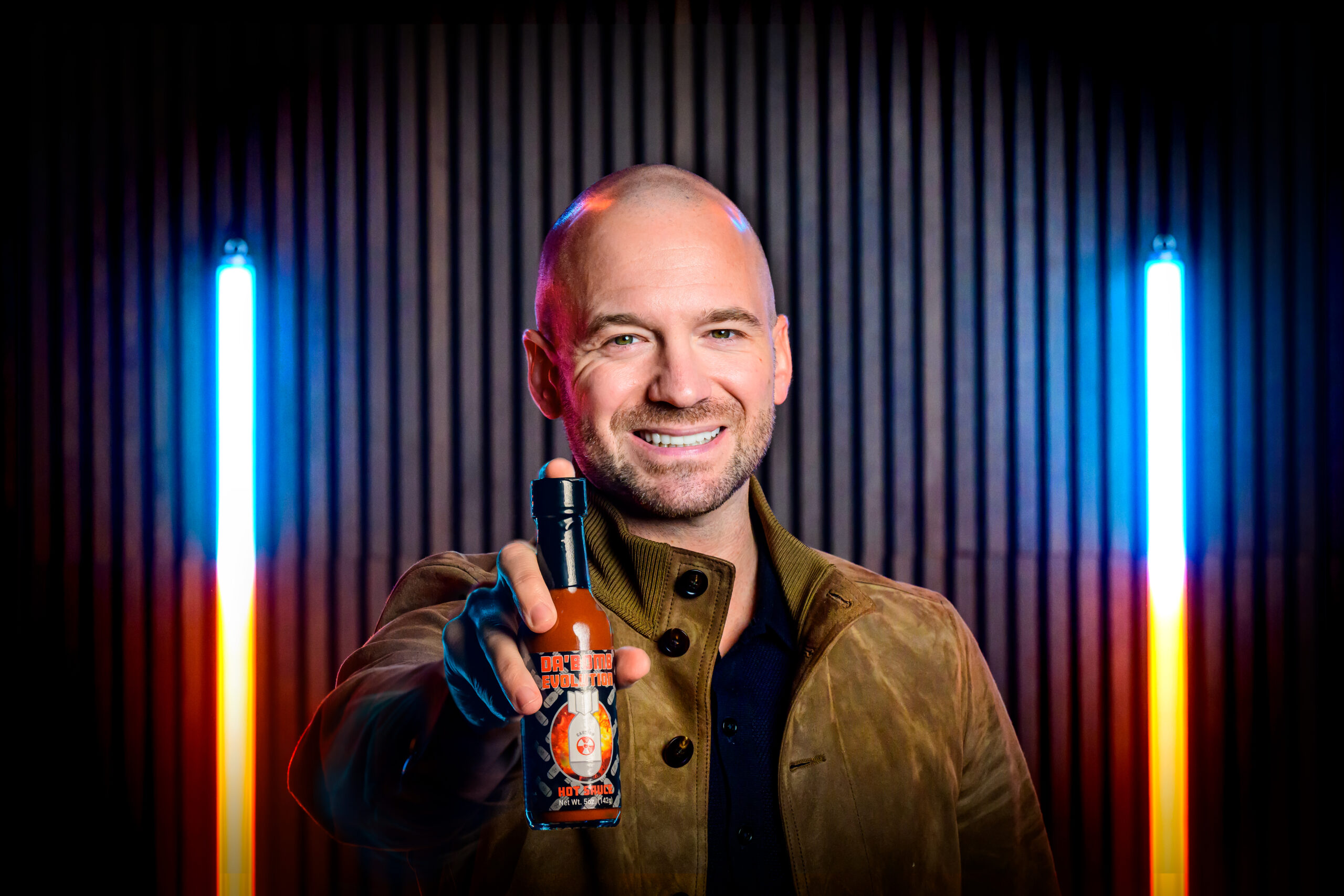
Daytime Emmy® Award-nominated talk show host and Illinois alumnus Sean Evans will serve as the University of Illinois Urbana-Champaign’s Commencement speaker on Saturday, May 16, at 9:30 a.m. in Gies Memorial Stadium. Evans graduated with a degree in broadcast journalism from the College of Media in 2008.

Sean Evans, host of "Hot Ones" and University of Illinois College of Media alum
(Photo by Fred Zwicky / University of Illinois Urbana-Champaign)

Evans is the co-creator and host of the popular YouTube show Hot Ones, where musicians, professional athletes, and television and movie stars join Evans in eating chicken wings doused in progressively spicier hot sauces within the format of a talk-show interview. He notched a Daytime Emmy® Award nomination in 2021 for Outstanding Entertainment Talk Show Host and has won multiple Internet entertainment awards. Evans also was named to TIME magazine’s inaugural “Time100 Creators” list last year, heralding the most influential digital voices of the modern media industry.

“Sean Evans defined his own path and reimagined the role of a journalist and a talk show host in the modern media landscape,” said Illinois Chancellor Charles L. Isbell, Jr. “We encourage Illinois students and alumni to be innovative, and Sean created something no one else had. His work inspires us to continue to push boundaries, to challenge convention, and to develop new ideas instead of just adopting old ones.”

Sean’s career is a wonderful illustration of where an Illinois education, one that nourishes creativity and confidence, can take you. We are so proud of his accomplishments and know that he will inspire students with his story.

Tracy Sulkin

College of Media Dean

Evans forged an affinity for the university long before he arrived at Illinois as an undergraduate student. His mother attended the U of I, and Evans’s favorite holiday haul to this day was the morning he found a Sega Genesis and an orange-and-blue Illinois Starter jacket underneath his Christmas tree as a boy.

Once he stepped on campus as a student, a lasting imprint was left almost immediately.

“You walk out on the Quad, and it looks so quintessentially college,” said Evans, a native of Crystal Lake. “It looks like a college out of a film. There’s a scale and a history to it that really smacks you in the face. Walking onto the Main Quad for the first time, I had this feeling of being in a totally different place in my life and feeling a lot of comfort in it.”

Evans said he “trusted the incubation period” of the journalism program in the College of Media to build up his skill set. He recalled the high standards the professors expected out of students, and the meaningful experience he gained cycling through each production role on WPGU-FM student news broadcasts.

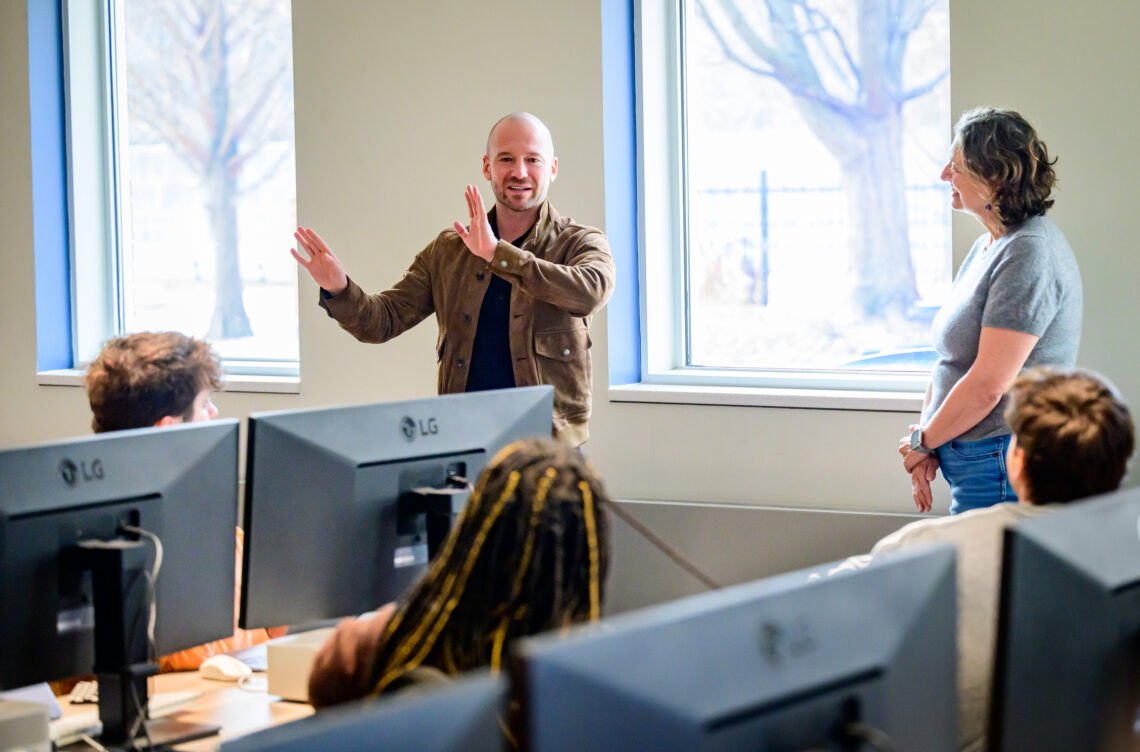
Alum Sean Evans, Hot Ones host, visits with students in Journalism 340: Video Reporting and Storytelling, taught by College of Media senior lecturer Alison Davis. The class was one Sean remembered taking when he was in school.
(Photo by Fred Zwicky / University of Illinois Urbana-Champaign)

“Sean’s career is a wonderful illustration of where an Illinois education, one that nourishes creativity and confidence, can take you. We are so proud of his accomplishments and know that he will inspire students with his story,” said Tracy Sulkin, dean of the College of Media.

But like many young people entering the workforce in 2008, he found a flagging job market upon graduation. Evans returned to his old summer gig: a Chicago architecture tour guide.

“I remember feeling so hopeless,” Evans said. “There was this existential feeling to it. But even at that time, I had a passion for what I wanted to do. I would take every freelance project I could get. I knew I had a passion for this work and needed an outlet for it.”

His meteoric rise began after successfully pitching and developing Hot Ones in 2015, when he was working at Complex magazine. He wasn’t even the biggest fan of chicken wings. At best, Evans thought it could be a fun idea he and his co-creators would program on a quarterly basis. But the format of humanizing celebrities—and making them forget their media training—by putting them through blistering hot wing sauces worked in capitalizing on the attention economy. Notable guests have included Will Smith, Stephen Curry, Billie Eilish, Justin Timberlake, Gordon Ramsay, Neil deGrasse Tyson, Dua Lipa, and many more across the show’s 400 episodes.

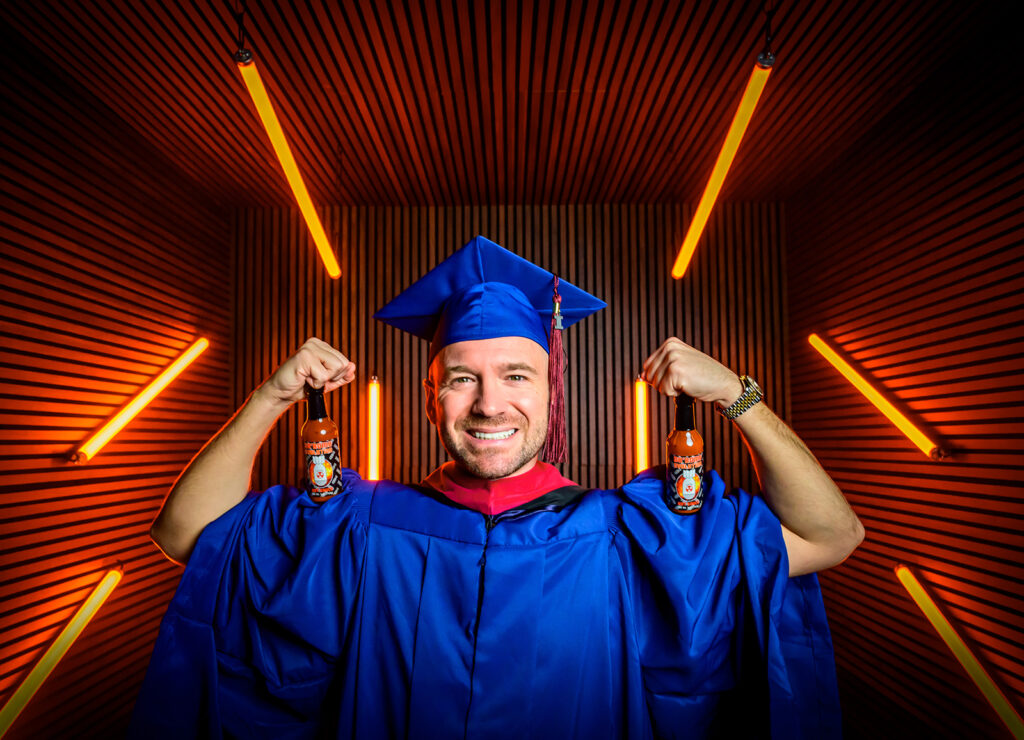
Sean Evans in Illinois regalia
(Photo by Fred Zwicky / University of Illinois Urbana-Champaign)

“I certainly never thought it would be my own media company,” Evans said. “We were working in cubicles at Complex and ended up making something that became bigger than these giant, hulking media companies it was incubated in.”

Evans remains deeply involved in the preparation for each Hot Ones episode and works late into the night formulating precise questions and perfecting his delivery of those queries to his guests. These nocturnal work sessions always transport Evans back to his time at Illinois, where he would sign up for the latest availability in the basement of Gregory Hall to edit his broadcast journalism projects.

“I always really liked going down there, having my headphones on, being the only person in the building, and just lost in the basement of Gregory Hall cutting packages,” Evans said. “I still to this day work like that. I’ve written my best interview questions—and probably the most interview questions—after 10 p.m.”

As his own celebrity stature has grown, Evans has eagerly returned to his alma mater. He has attended sporting events, spoken to students, and even hosted a special edition of Hot Ones with Illinois men’s head basketball coach Brad Underwood as the guest. It’s all a part of giving back to a place that has been special to him for most of his life, and Evans can’t wait to add to that legacy with his role as Commencement speaker.

“As somebody who loves this school, went to this school, and now has this crazy pop culture platform, it’s fun to bring that energy back to Illinois,” Evans said.

Watch Chancellor Charles L. Isbell, Jr. interview Commencement speaker and Illinois Media alumnus Sean Evans:


For more information regarding the universitywide ceremony—including the stadium’s clear-bag policy, student regalia, and parking instructions—visit commencement.illinois.edu.


Editor’s note: To request a media interview with Sean Evans, contact Kovert Creative at fwfpr@kovertcreative.com. For media requests related to Commencement, contact Patrick Wade, director of executive communications and issues management, 217-333-5010, pwade@illinois.edu. For information about Commencement, contact commencement@illinois.edu.

See original press release.

Share on social

College of Media launches new bachelor’s degree in sports media


After years of planning, a new bachelor’s in sports media is ready for prime time.

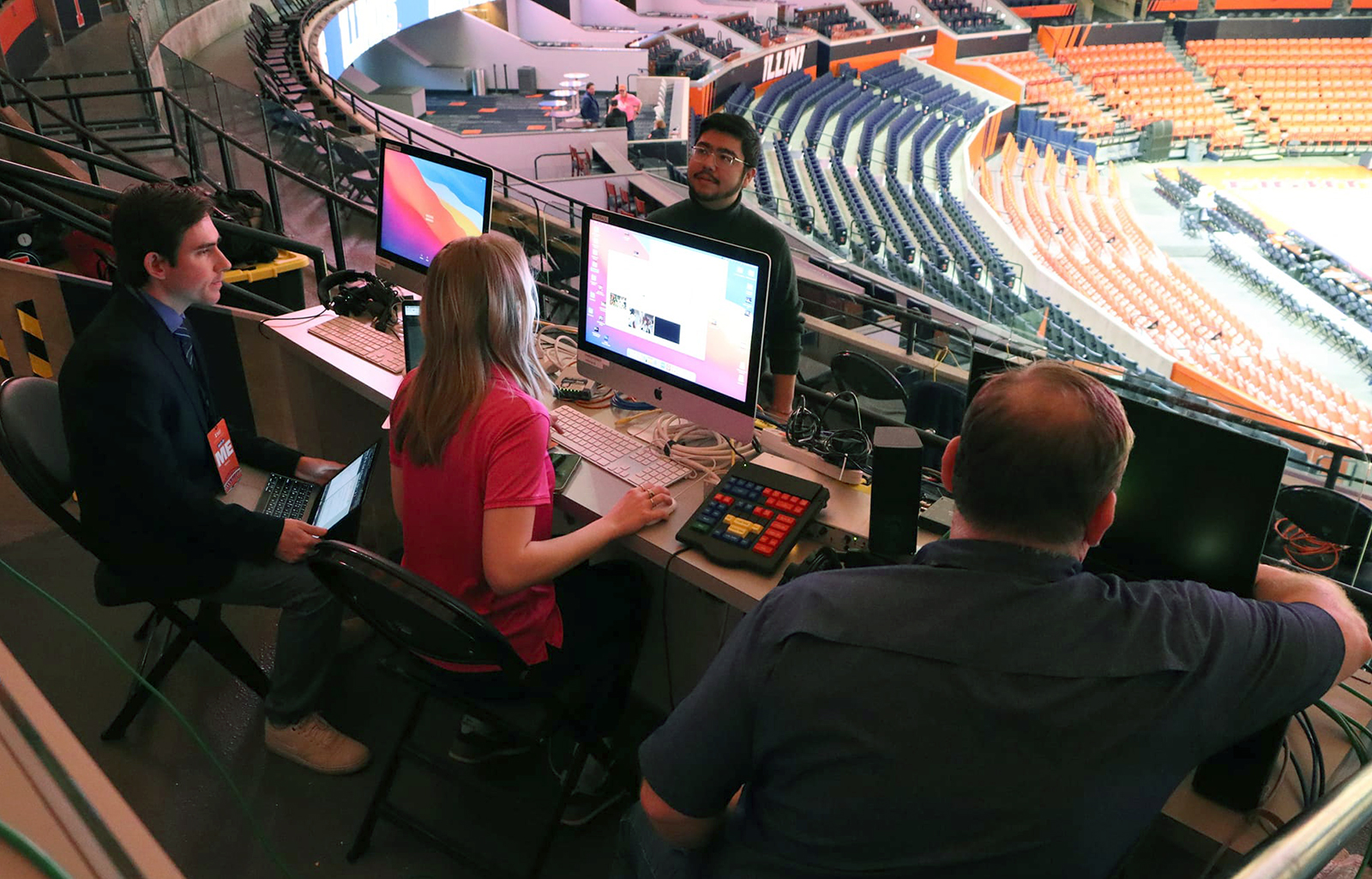
Illini Sports Night hosting live pregame show before Illinois women's basketball game.

In response to a growing interest from students—and with a proven track record of successful alumni across the sports media industry—the College of Media is expanding its roster to offer a Bachelor of Arts in Sports Media.

The program will prepare students for a variety of careers in sports media, including as PR and strategic communication managers, content creators and digital storytellers, social media and data analysts, sportscasters and producers, and more.

The new undergraduate degree received official approval from the Illinois Board of Higher Education in Spring 2026.

This is an area of high interest from students and employers alike, and, together with our campus partners, we are prepared to offer students a first-rate experience marked by the innovation, rigor, and personalized attention that defines all of our degree programs in the College of Media.

Tracy Sulkin

College of Media Dean

Starting April 27, current University of Illinois Urbana-Champaign students may apply to transfer into the BA in sports media for Fall 2026. Transfer students from outside the University of Illinois can apply to the program for Spring 2027. First-year students can apply for Fall 2027 entry.

Courses from all three departments in the College of Media—Advertising, Journalism, and Media & Cinema Studies—will make up the core curriculum for the sports media degree.

“We’re excited to offer this interdisciplinary degree to prepare students for exciting career paths within sports media. This is an area of high interest from students and employers alike, and, together with our campus partners, we are prepared to offer students a first-rate experience marked by the innovation, rigor, and personalized attention that defines all of our degree programs in the College of Media,” said Dean Tracy Sulkin.

As streaming, podcasting, and multi-screen sports viewing continue to reshape how teams, fans, and brands interact, graduates who understand these evolving dynamics will have an advantage in the job market.

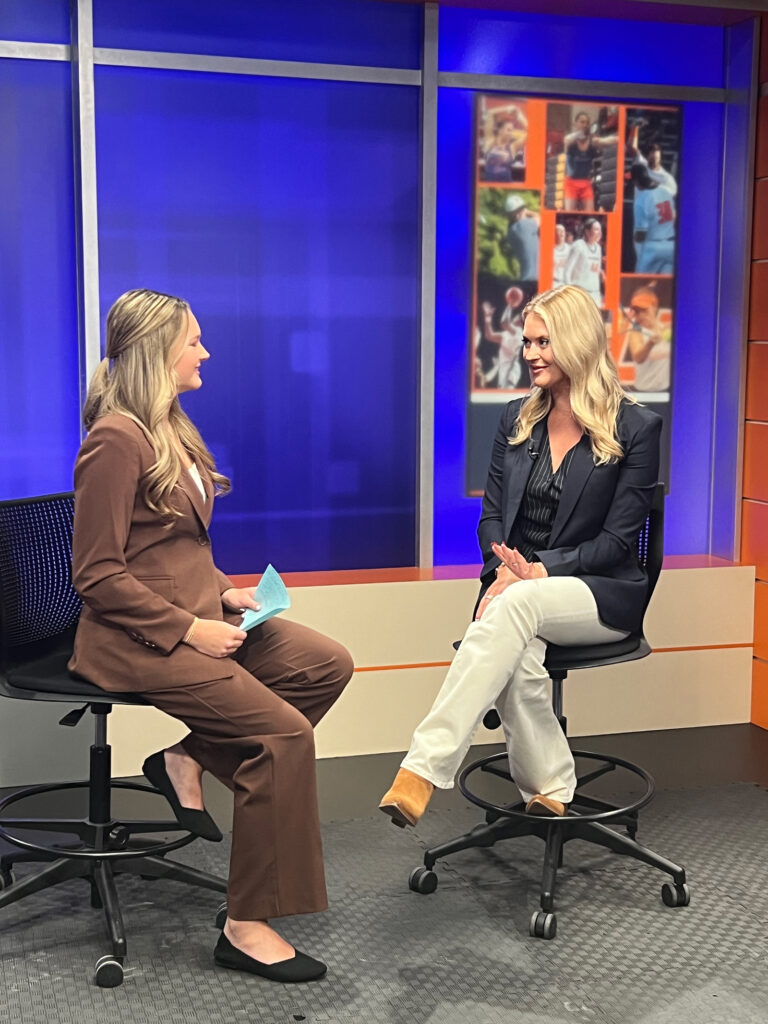
Illini Sports Night interviews sports anchor alum Cassie Carlson

The College of Media already offers sports-focused courses, including “Sports Public Relations,” “Sports Journalism,” “SportMedia, Technology & Culture,” and just this spring, “Sports Advertising & Branding” debuted. Students can also gain firsthand production and reporting experience through Illini Sports Night, a program covering Illinois Athletics, through the course “Newsroom Experience.”

Sports media majors will be able to take elective courses within the Department of Recreation, Sport, and Tourism in the College of Applied Health Sciences, such as “Sport Analytics: Data-Driven Decision Making,” “The Foundations of Sport Management,” and “Issues in Intercollegiate Athletics: The Big Ten Conference.”

To expand experiential learning opportunities, the College of Media plans to collaborate with alumni working in the sports industry to create additional immersion and internship opportunities. These efforts will build upon past programs that included tours of athletic companies like Nike and Adidas. Alumni currently hold top positions across sports media such as producing, anchoring, and writing for national networks and publications; leading communications and videography for professional sports leagues; working with celebrity athletes, athletic brands, and sports teams; and some have even competed as Olympic athletes.

Students will also benefit from the extensive opportunities that come with the University of Illinois’ premier athletics program and its membership in the Big Ten Conference. For example, students have produced live pregame shows for Illini Sports Night in collaboration with the B1G+ network, and many intern at Fighting Illini Productions, the video team for the University’s Division of Intercollegiate Athletics. Additionally, DIA colleagues serve as adjunct instructors in the College of Media, and both local and national sports personalities frequently visit classes, including Brian Barnhart, the Illinois football and men’s basketball play-by-play announcer, and Gus Johnson, the lead college football and basketball play-by-play announcer for FOX Sports.

The BA in sports media is the sixth undergraduate degree offered by the College of Media, along with advertising, computer science + advertising, journalism, media and cinema studies, and an online degree in media for transfers. Learn more about Media’s academic programs.

Share on social

‘New York Times’-bestselling authors on presidential campaigns to visit University of Illinois for Q&A


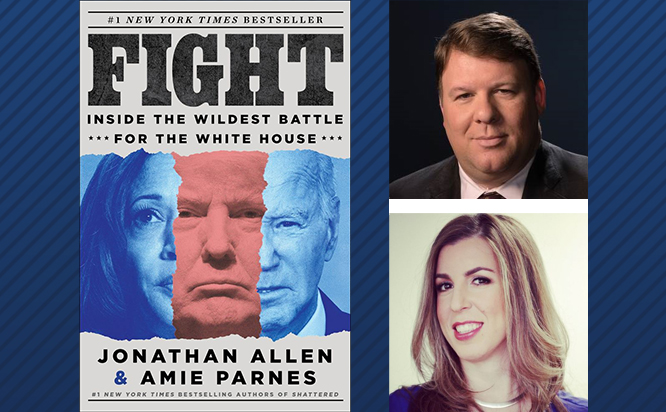
Jonathan Allen and Amie Parnes, co-authors of the New York Times bestsellers, “Fight,” “Shattered,” and “HRC,” will be on the University of Illinois Urbana-Champaign campus to discuss their recent reporting, Donald Trump, and a preview of the 2026 elections on Monday, April 20, from 5-6 p.m.

Fight book cover with headshots of Jonathan Allen and Amie Parnes

This event is free and open to the public and is presented by the Richard and Leslie Frank Center for Leadership and Innovation in Media at the University of Illinois College of Media. 

Attendees may join the event in the Illini Union, Room B, 1401 W. Green, Urbana, or register to join via Zoom. The conversation will be led by Colleen King, director of the Frank Center and clinical assistant professor of journalism. 

Allen is an award-winning senior national politics reporter for NBC News. He covers presidential campaigns, the White House, Congress, and national political issues. 

Parnes is a senior political correspondent covering national politics at The Hill. She previously worked as a staff writer at Politico, and during the first Trump administration, she was a CNN political analyst.

Their newest book, Fight: Inside the Wildest Battle for the White House—which provides an inside look at the Biden, Harris, and Trump camps during the 2024 battle for the White House—has been optioned for TV and film by Aline Brosh McKenna.

For more information, please contact Colleen King at cck@illinois.edu. 

Share on social

Margaret Ng selected as Center for Advanced Study Associate for 2026-27 academic year


Margaret Ng, associate professor of journalism and a faculty member in the Institute of Communications Research, has been selected as a Center for Advanced Study Associate for the 2026–2027 academic year.

Margaret Ng

As a CAS Associate, Ng will take time off from teaching in Fall 2026 to advance her research on “platform migration,” focusing on how regulatory bans, algorithmic shifts, and geopolitical tensions drive user migration between social media platforms. She argues that these shifts are fueling digital nationalism and reshaping digital sovereignty in an increasingly fragmented society.

Ng said recent events highlight the urgency of this topic, including the restructuring of TikTok in the U.S. and regulatory restrictions in Taiwan, the decline of Twitter/X use among journalists and academics, and the rise of Truth Social as the de facto official channel for the U.S. Presidency. These events reveal how global tensions and local politics are transforming the platforms people choose and the public spheres they build. 

“We live in an era of rapid digital migration. We are seeing a wave of “digital migration” where users are trading in the dominant platforms for new communities that match who they are and what they care about.” Ng said.

“This project examines the forces behind this shift—from algorithmic decay and privacy concerns to political polarization and digital fatigue—and how these movements are reshaping the social, political, and cultural dimensions of online life.”

Ng said her study will particularly investigate digital migration across the United States, Hong Kong, and Taiwan by integrating large-scale computational analysis, surveys of thousands of users, and in-depth interviews with college students, journalists, tech workers, and elderly users. Drawing from those insights, the project will develop a framework that explains how political systems, institutional pressures, and everyday user practices intersect to shape modern migration patterns. 

Ng said the findings promise to advance both theory and policy by documenting how these digital migrations create new forms of labor precarity, fragment public discourse, and erode the shared information environment essential for democracy.  As users segregate into platforms that reflect their personal identities, the project explores how this new “digital mobility” challenges Big Tech dominance, redefines national sovereignty online, and ultimately reshapes the future of media, regulation, and public life.

Ng was appointed a CAS Associate for the Fall 2026 semester upon the recommendation of CAS professors and with concurrence of campus and university administrations.

CAS Associates are tenured Illinois faculty members whose project proposals are selected in an annual competition. They are granted one semester of teaching release time to pursue an individual scholarly or creative project. 

The Center for Advanced Study works with every department on campus to identify and support the most productive, high-achieving, and innovative faculty at Illinois, providing them with connections and funding to pursue their work. Members of this accomplished community are invited to participate in CAS activities throughout the year and given opportunities to present their work to the CAS community. See CAS’s upcoming events.

Share on social

Centennial Circle: Investing in the next century of media education

Join a once-in-a-lifetime opportunity to shape the future of the College of Media at Illinois

Futuristic illustration of person viewing screens


A centennial is more than a milestone—it’s an invitation to define the future together.

As the College of Media approaches its 100th anniversary, we celebrate our proud legacy and commit to advancing the next era of media education and research. Illinois Media graduates have informed the public, shaped culture, advanced technology, and transformed the way the world connects. To ensure this momentum carries into the next century, the College of Media invites its most passionate supporters to help lead the way through the Centennial Circle.

The Centennial Circle will be launched to honor visionary donors who make transformational investments. Induction into the Centennial Circle recognizes gifts of $100,000 or more to any fund in the College of Media between January 1, 2026, and December 31, 2027. Donors can make an outright gift, a pledge, or a deferred gift such as a bequest in their will or a beneficiary designation of their IRA.

College of Media Dean Tracy Sulkin emphasized the historic significance of the Centennial Circle as the college celebrates its 100th anniversary in 2027.

“A centennial invites us to honor our past while envisioning a bold future. In this unique moment, philanthropy will play a central role in shaping the next 100 years of media,” said Dean Sulkin. “Joining the Centennial Circle is an opportunity to create a powerful, lasting legacy—one that uplifts generations of students and strengthens media education and research at Illinois for decades to come.”

Donors may choose to support any fund in the College of Media, including the Centennial Fund, which helps meet emerging priorities, from technology advancements and innovative pedagogy to faculty and student research. Recent examples of donor-funded impact include the founding of the Richard and Leslie Frank Center for Leadership and Innovation in Media and the Roger Ebert Center for Film Studies, student support such as scholarships and the Media Technology Center, and faculty support such as research initiatives and named professorships.

Preparing students for academic and professional success means ensuring they can navigate, analyze, and communicate effectively in an ever-changing media landscape. Support for the Centennial Fund positions the college to address complex societal challenges, including AI, media literacy, civic and public engagement, and the accessibility of news and information.

Joining the Centennial Circle is an opportunity to create a powerful, lasting legacy—one that uplifts generations of students and strengthens media education and research at Illinois for decades to come.

Tracy Sulkin

College of Media Dean

“The Centennial Circle reflects the power of partnership between the College of Media and our alumni and friends,” said Deanne Johnson, senior assistant dean for advancement. “By aligning philanthropic vision with emerging priorities, donors help ensure Illinois remains at the forefront of media education for generations.” 

The historic cohort of Centennial Circle donors will be recognized during a College of Media centennial celebration and featured across the college’s communication channels. Recipients will also get a commemorative Centennial Circle lapel pin.

Join us in shaping the College of Media’s second century:

We welcome the opportunity to explore how your philanthropic vision can align with your passions and create lasting impact for the College of Media’s second century. To learn more, please contact Deanne Johnson, Senior Assistant Dean for Advancement, at 217-244-5466 or jhns@illinois.edu.

Share on social

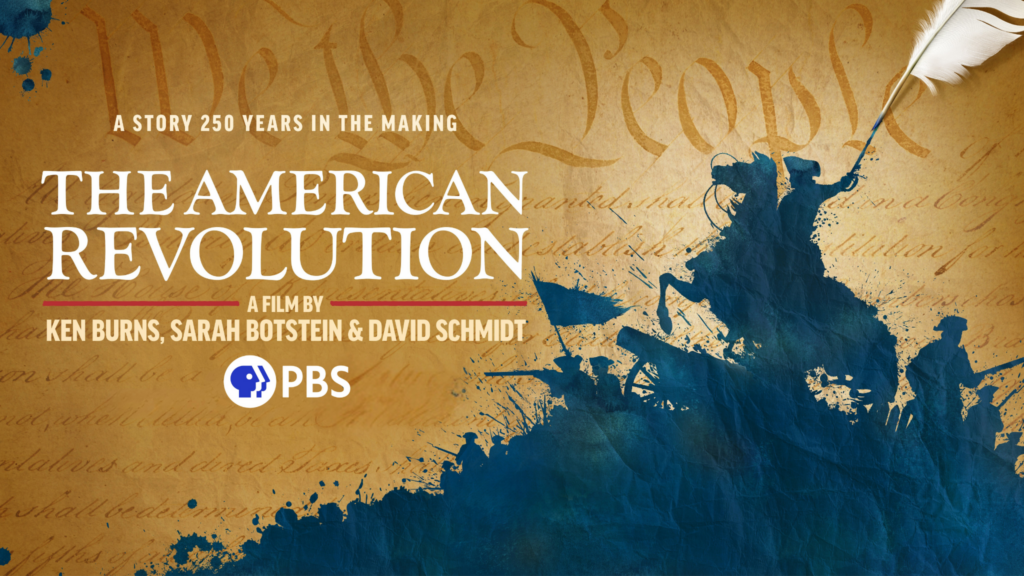
I on the Media: Melita Garza discusses journalism’s role in Ken Burns’s ‘The American Revolution’


Ken Burns’s new PBS series The American Revolution is more than a sweeping historical documentary—it illustrates the ways in which journalism helped ignite and sustain the fight for independence. Melita Garza, associate professor and Tom and June Netzel Sleeman Scholar in Business Journalism, and winner of Journalism History’s 2024 essay contest, shares her insights on journalism’s pivotal role in shaping America’s founding era.

Ken Burns's "The American Revolution" film promo

About the Media Expert

Melita M. Garza

Melita M. Garza, associate professor in the Department of Journalism and a faculty member of the Institute of Communications Research, is an American journalism historian who studies news as an agent of democracy, specializing in English- and Spanish-language news, the immigrant press, and coverage of underrepresented groups. She is the lead editor of The Routledge Companion to American Journalism History (2024). Her research has won awards from the American Journalism Historians Association, and the Association for Education in Journalism and Mass Communication divisions of: History, Minorities and Communication, and International Communication.


How does this series place journalism at the heart of the American Revolution?

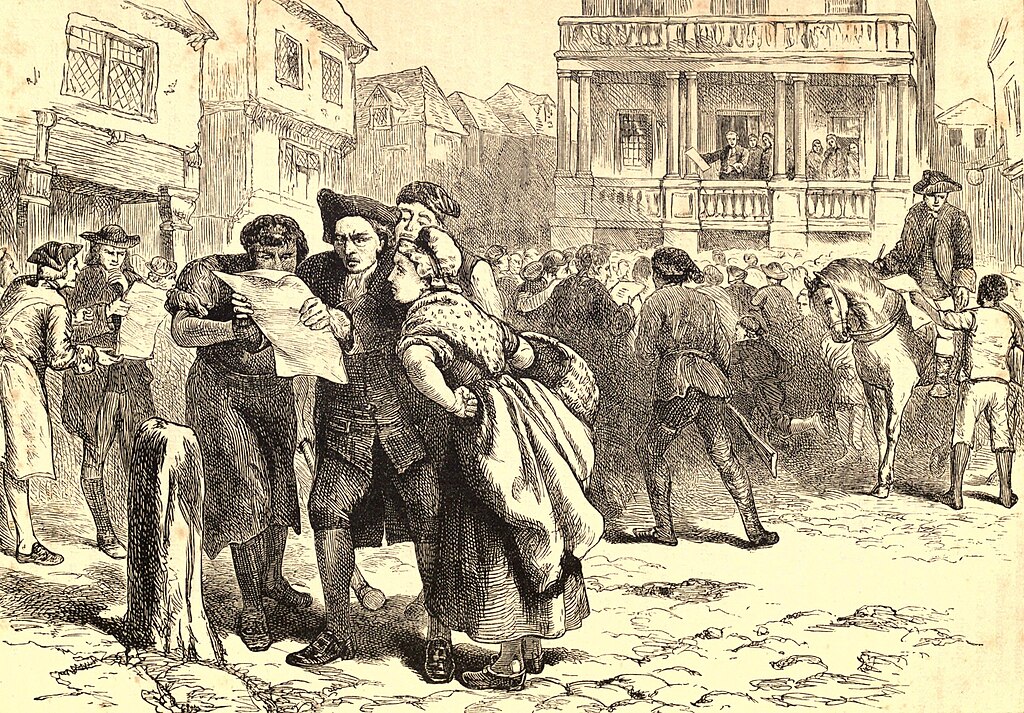
The most obvious example is the documentary’s treatment of colonial reaction to the Stamp Act, showing that the two dozen weekly newspapers, along with pamphleteers, stoked support for colonial tax protests. Significant though this is, the imprint of journalism on the Revolution is much bigger than that.

Bostonians reading the Stamp Act in 1765
Bostonians reading the Stamp Act in 1765, public domain, via Wikimedia Commons

Consider that Burns starts his six-part history with a quote from Thomas Paine, America’s first political journalist. The documentary opens with a black screen that slowly transforms into the pink, purple, and yellow colors of dawn. The audience then hears a voice intoning:

From a small spark, kindled in America, a flame has arisen not to be extinguished. Without consuming, it winds its progress from nation to nation, and conquers by a silent operation. Man finds himself changed and discovers that the strength and powers of despotism consist wholly in the fear of resisting it, and that in order to be free, it is sufficient that he wills it.”

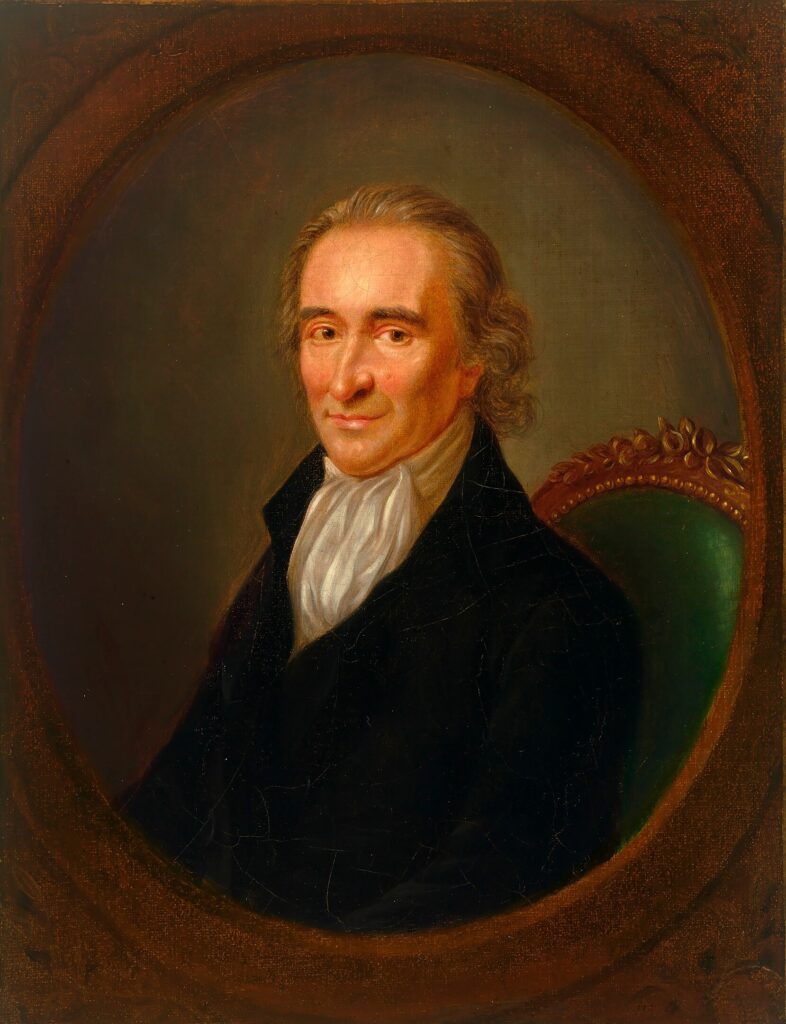
Although these words of agency come from Paine’s The Rights of Man, written in 1791 during the French Revolution, they capture the spirt of Paine’s earlier writings, such as Common Sense, which helped catalyze the colonists to pursue and persist in the American Revolution. Writing for Wired in 1995, Jon Katz explained why this pioneer of free expression should be remembered in the Internet age. “Because we owe Paine. He is our dead and silenced ancestor. He made us possible.” The documentary covers the eight years of the American Revolution, making it impossible to push too deeply into any single historical actor’s role with the depth they deserve. Ideally, however, the series will inspire viewers to take another look at Thomas Paine and other figures from our past whose impact isn’t fully understood today.

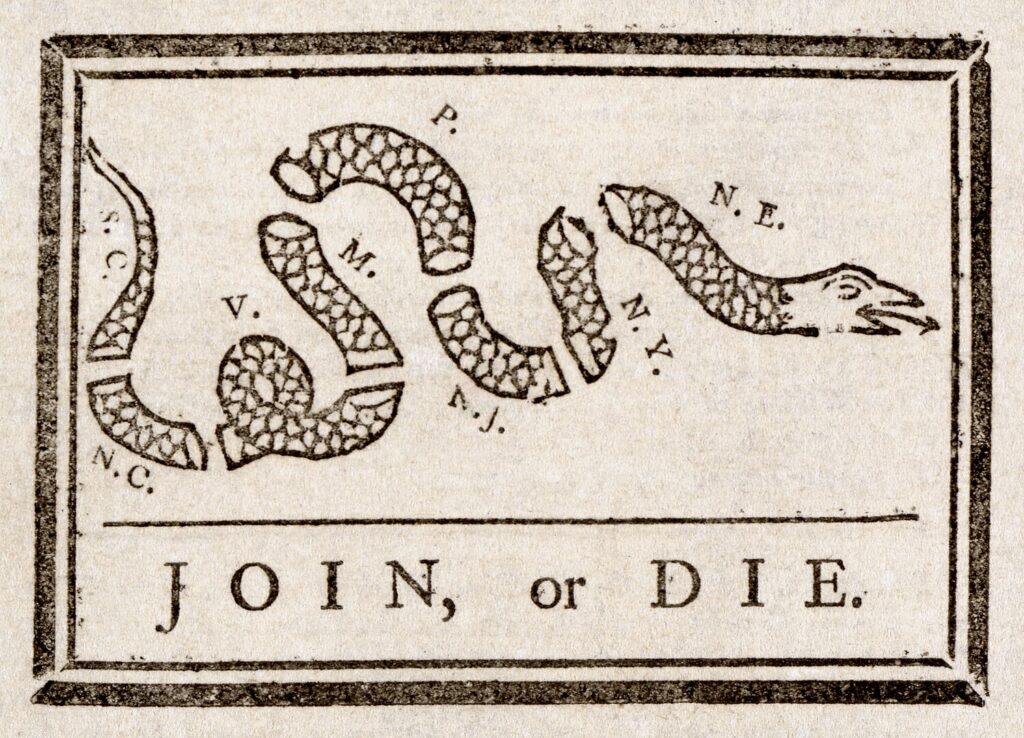
Join, or Die
Political cartoon (1754) attributed to Benjamin Franklin, public domain, via Wikimedia Commons

And there’s more. Still within the first two-and-a-half minutes of the documentary, viewers are introduced to Benjamin Franklin. Although described simply as a noted scientist and writer in The American Revolution, Franklin was a pivotal figure in the development of American journalism and is credited with publishing one of the earliest pieces of colonial visual journalism: the political cartoon. The documentary showcases the famous “Join, or Die” snake woodcut drawing, published in Franklin’s Pennsylvania Gazette on May 9, 1754. Originally designed to rouse the colonists to unite during the French and Indian War, the documentary notes that it was republished to urge colonial unity against the British during the American Revolution.

The documentary is replete with such examples of what I call “hidden” journalism, in which their groundbreaking significance to the journalism profession as a whole remains obscured.

Apart from serving as a sparkplug for rebellion, what are some other ways the documentary depicts the role of journalism in colonial life?

There are a few things, again, just in the first installment, that the documentary flicks at, which underscore the primacy of journalism and print culture more generally in the lives of the colonists. For instance, in a segment discussing the impact of British culture on colonial life, historian Jane Kamensky references the London Book Shop and the Crown Coffee House in Boston. Bookstores offered colonial citizens exposure to Enlightenment ideas, among other things, and served as centers of cultural exchange for the community. Book sellers were often also in the newspaper business. One such newspaper owner was Benjamin Franklin, who is also credited with being first to open a book shop in colonial America. Likewise, coffeehouses were central places for the exchange of news and newspapers. These are two more examples of the “hidden” journalism in the documentary.

Another aspect of journalism that might be easy to overlook in the documentary involves the episode of the Saturday, December 27, 1760, arrival of the British frigate that “brought with it big news”—the death of King George II and the ascendancy of King George III to the British throne. In early colonial America, it was often faster to get news from England by ship than it was to get news from southern colonies, considering the state of the roads at the time. Even so, having to wait two months to find out that you were being ruled by a new monarch illuminates the pace of colonial communication compared to that of today’s high speed Wi-Fi society.

What can The American Revolution teach us about telling historical stories in ways that connect with today’s audiences?

Ken Burns is well known as a gifted storyteller and the documentary’s striking visuals, sound effects and music, and well-edited commentary from experts, are staples of his work. In The American Revolution, letters and journals from young men, women, and officials and pundits on both sides are the stars. These primary sources allow individuals to speak as though they are reporting to us from the homefront and the battlefront, and that brings the Revolution right into our living rooms centuries after it ended. Simply employing solid storytelling techniques is only partly why the story resonates with today’s audiences. The other reason is that we can see parallels with our own experience. Some of these parallels are obvious. Others are a matter of perspective.

Thomas Paine
Thomas Paine (1792) by Laurent Dabos, public domain, via Wikimedia Commons

For instance, one scene shows colonists on the street reading newspapers together, with some looking like they are commenting to each other. Thinking critically about media and information, the colonists were practicing true social media. In person, face-to-face, they exchanged ideas in a way today’s often anonymous, digital exchanges can’t compare. And as the documentary also notes, word of mouth was also a prime source of news. While it is true that stories and ideas didn’t have a World Wide Web to buzz through, these mechanisms still allowed journalism, starting with Thomas Paine’s Common Sense, to go viral through the colonies. In fact, the documentary points out a prime reason for print culture’s popularity in the Thirteen Colonies: At the time, only Scandinavia was more literate than the American colonial population.

Other relatable issues that we still grapple with today, such as women’s rights, the limits of free speech, taxation, and immigration, to name a few, are also highlighted. Take immigration. In the documentary, historian Christopher Brown discusses “the sheer diversity…living in the heart of the Thirteen Colonies”:  Africans, Scots, Scots-Irish, Huguenots, Germans, and Native Americans, along with the English. The outcome of American Revolution, both the reel one and the real one, proves it was not culture, national origin, or language that brought the colonists success. In historian Christopher Brown’s words, the colonists cohered “around a set of purposes and ideals for one common cause.” In my view, the American Revolution shows how colonial journalism played a prime role in establishing coherence for that single cause: freedom.

Share on social

Independent journalist Chris Cillizza to visit the University of Illinois for a conversation on political reporting


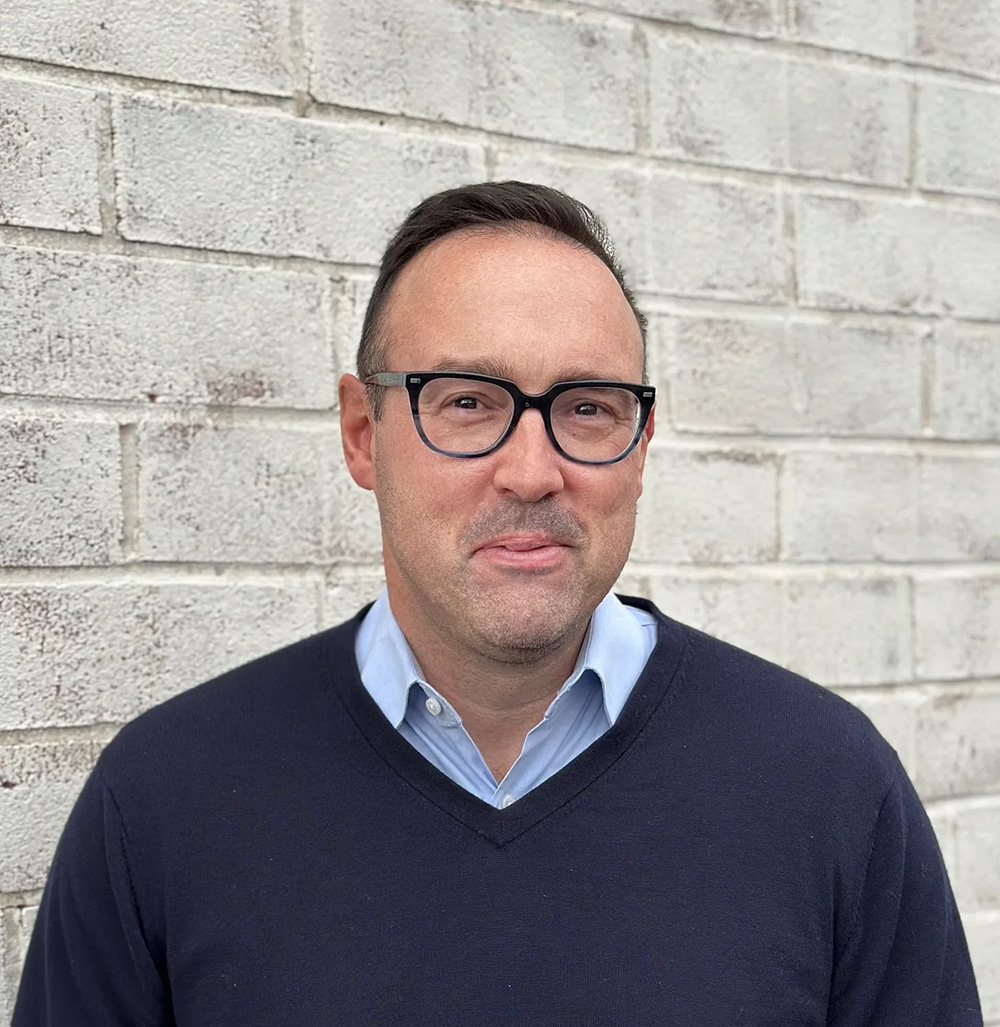
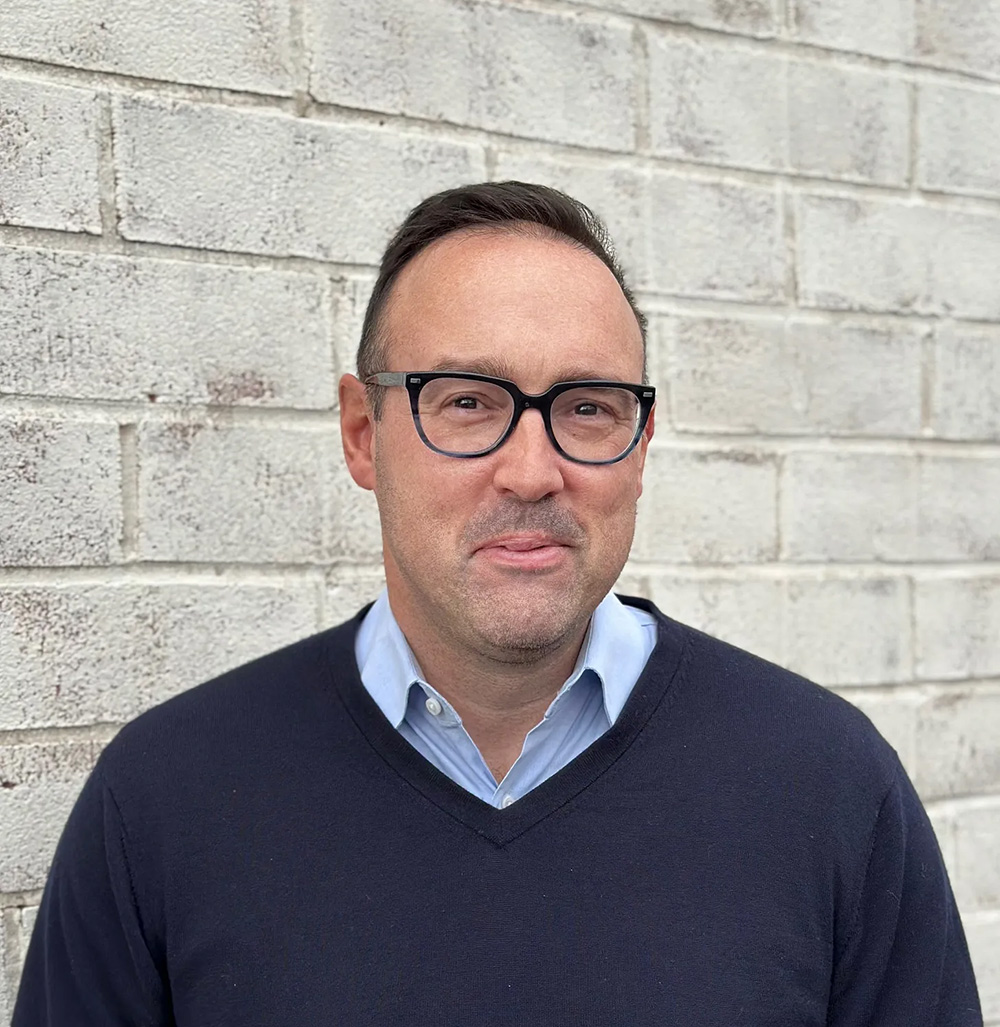
Chris Cillizza, an independent news creator on Substack and YouTube, will be on the University of Illinois Urbana-Champaign campus for a conversation about reporting on politics and independent journalism on Tuesday, Dec. 2, from 5-6 p.m.

Chris Cillizza

This event is free and open to the public and is presented by the Richard and Leslie Frank Center for Leadership and Innovation in Media at the University of Illinois College of Media. 

Attendees may join the event in Lincoln Hall (Room 1092), 702 S. Wright, Urbana, or register to join via Zoom. The conversation will be led by Colleen King, director of the Frank Center and clinical assistant professor of journalism. 

Cillizza has more than 32,000 subscribers to his daily political newsletter, “So What,” on Substack and more than 130,000 subscribers to his YouTube channel. 

He also hosts a show called “Politics Aside with Chris Cillizza” for the Monumental Sports Network. In it, Chris talks to some of the most powerful people in Washington about the sports they play, love, and watch. He is a political analyst for NewsNation. He contributes content to the Daily Beast and Noosphere. Prior to his career as an independent journalist, Chris spent more than 20 years in mainstream media. He previously served as politics reporter and editor-at-large for CNN and is founding editor of the Washington Post political blog “The Fix.”

For more information, please contact Colleen King at cck@illinois.edu. 

Share on social

DEV College of Media
119 Gregory Hall
810 S. Wright St.
Urbana, IL 61801
217-333-2350