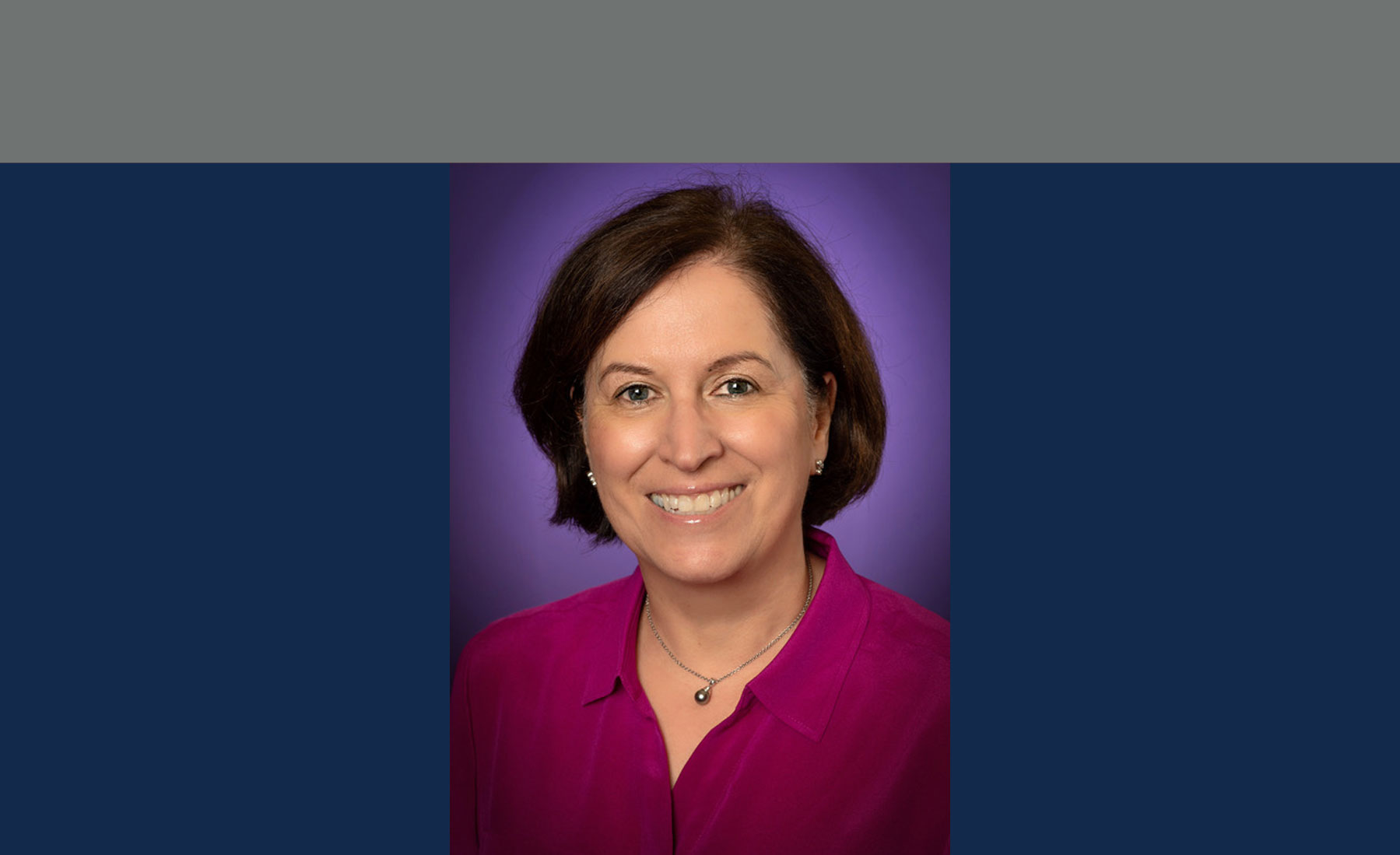
New professor Garza connects journalism history to the present


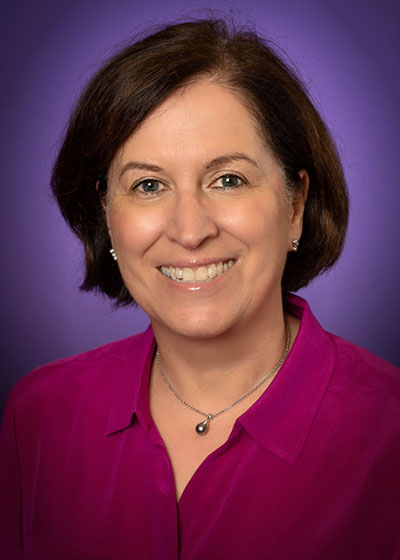
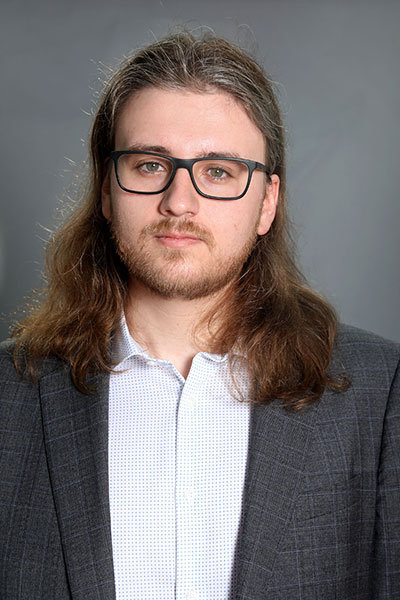
Melita Garza

Melita Garza, an award-winning journalist, media historian, and a new associate professor and Tom and June Netzel Sleeman Scholar in Business Journalism, sees a reporter as a detective investigating a larger story. And she’s most interested in the stories that haven’t been told.

“The idea of trying to piece together the missing pages of history—that is the most fascinating to me,” Garza said. “I know that these stories have been overlooked in the past, so I want to uncover them.”

Garza is interested in how history can be used to understand current issues surrounding representation, diversity, and equity. It’s also the foundation of the class she’s teaching this fall, JOUR 250: Journalism Ethics & Diversity.

“I bring up historical issues, always,” Garza said. “Because I think it’s not possible to understand the present if we don’t understand the past.”

She also wants to ground the course in psychology.

“I think it is important, no matter what you plan to do with your career, to be aware of how our minds work to short circuit our ability to get the full picture or get the full story,” she said. “Understanding the psychology of diversity is just as important as understanding the history of diversity.”

With more than 20 years of experience at professional media outlets such as the Chicago Tribune, Bloomberg News in New York, and the McKinsey Quarterly in London, Garza is an expert in journalism history, media diversity, business reporting, English- and Spanish-language news, the media and civil rights, and literary journalism. For the past decade, she was on the journalism faculty at Texas Christian University.

After graduating from Harvard University with a bachelor’s degree in government in 1983, Garza began her journalism career. She was an inaugural member of Los Angeles Times’ Minority Editorial Training Program. She then worked at the Milwaukee Journal for a few years before landing a position at the Chicago Tribune. 

During her 15-year tenure at the Chicago Tribune, Garza covered a range of stories that spanned city government, immigration, and big business. She did a lot of “old-fashioned reporting” before the Internet became a resource, and her investigative work on the 2001 Firestone tire failures led to a Pulitzer Prize nomination.

“It was an adventure in terms of finding out what went wrong at the tire plant indicator and how that led to potentially many deaths,” Garza said.

As a reporter, Garza was always interested in business journalism, seeing business as a very dominant influence “in defining public discourse,” she said.

She earned her MBA from the University of Chicago while working as associate editor for McKinsey Quarterly, a London-based business publication.

“Part of the problem with being a journalist is you’re always on the outside looking in,” Garza said. “And I thought that maybe I could get better insight into business if I did this.”

While in business school, she realized how much she enjoyed research and digging deeper into topics. And her peers in class encouraged her, saying she would make a good teacher. 

Garza worked at Bloomberg news before pursuing a PhD in journalism and mass communication from the University of North Carolina at Chapel Hill. Her dissertation focused on a Spanish-language newspaper in San Antonio, Texas, La Prensa, which she had heard stories about from her parents. She compared La Prensa’s coverage of Mexican immigrants during the Great Depression to that found in English-language newspapers, then drew parallels to how immigration was portrayed in the news media in 2008 during the financial crisis.

This fall, in addition to her teaching, Garza will be editing a collection of essays called The Routledge Companion to American Journalism History, which she described as a re-imagining of journalism history.

She’s also working on an oral history project on how the lived experiences of journalists of color are valued or not valued in newsrooms across the country.

Garza said she’s excited to be back in Illinois, and especially getting to know more people in the College of Media.

“I’m looking forward to meeting a lot of new students from very diverse backgrounds,” she said. “I’m just super excited to be coming and meeting all of you.”
 

Heuman to support media literacy initiatives as College of Media Dean’s Fellow

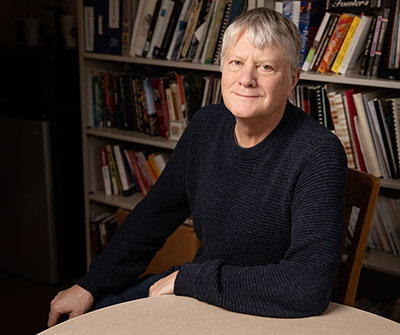
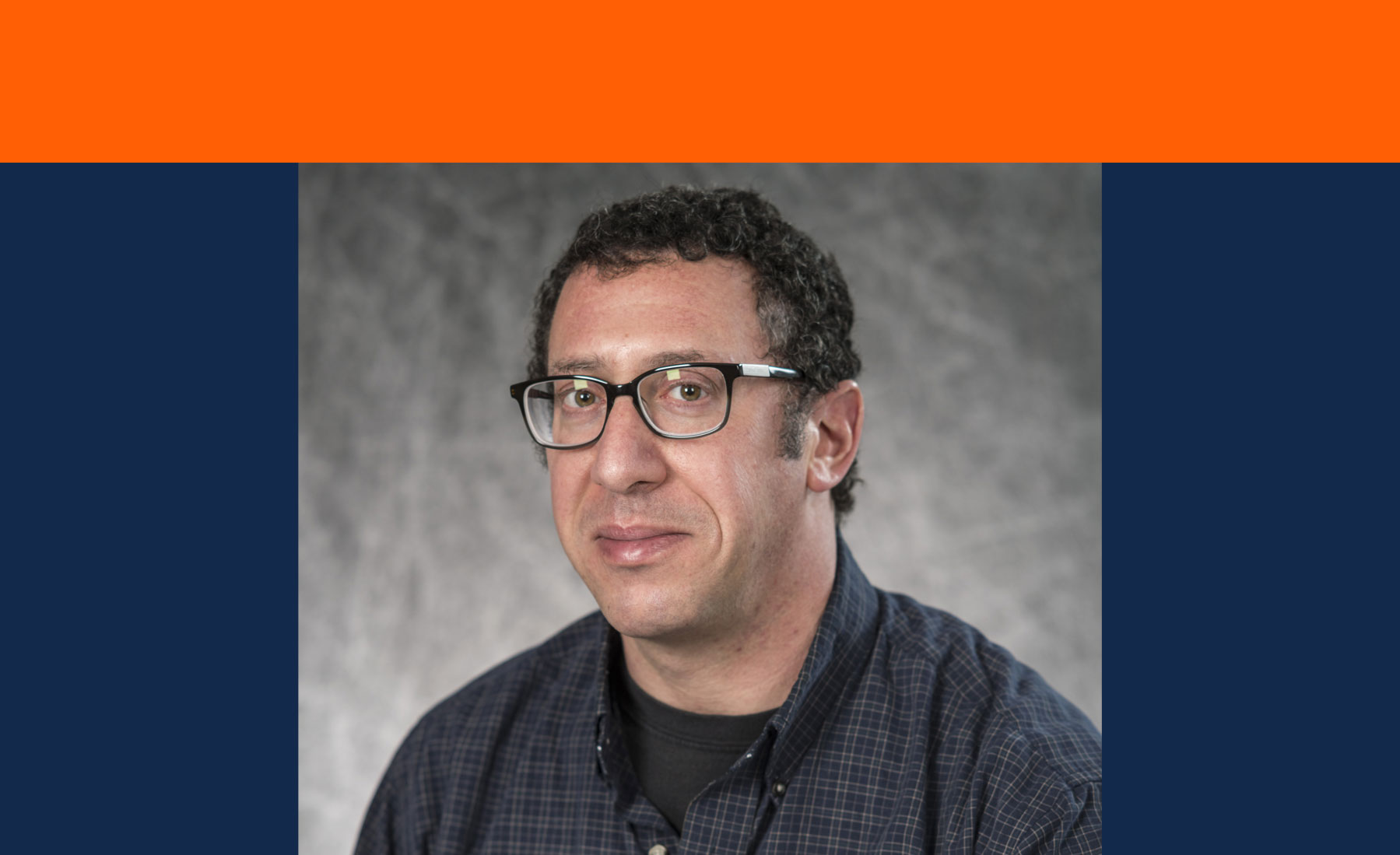
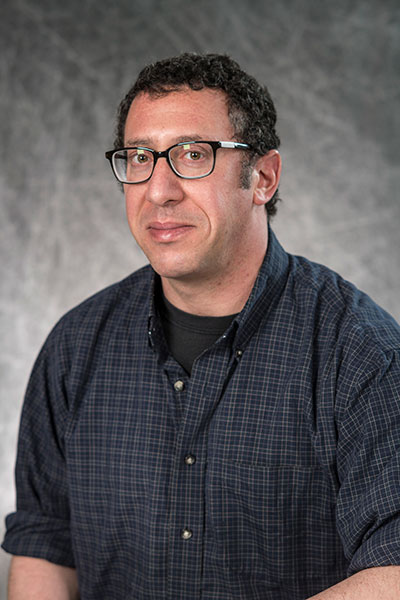
Josh HeumanJosh Heuman, a teaching assistant professor in the Department of Media & Cinema Studies and the Department of Journalism, has been appointed by College of Media Dean Tracy Sulkin as a Dean’s Fellow for the coming academic year. Heuman will work with department and college leadership teams to facilitate activities around the college’s 2022-2023 annual theme of media literacy.

The idea for an annual theme emerged from the College of Media strategic planning process in 2020. Each year, college faculty and students brainstorm about possible themes and then vote to select among them. Last year, the inaugural theme focused on social justice. 

“This is a critically important time to be examining media literacy,” said Dean Tracy Sulkin. “We’re excited to bring together perspectives from advertising, journalism, and media and cinema studies through class projects, college events, and public engagement. I’m very pleased to have Professor Heuman join our leadership team this year to support these initiatives.”

Heuman sees the theme as particularly timely. As the pandemic has increased our time spent online, there are concerns about how to be an informed citizen amidst the spread of misinformation.

“We are at a moment where the ways that we engage with media have qualitatively changed,” he said. “It’s hard not to peek out into the scary world outside and see lots of ways that [media literacy] is very relevant, whether we’re talking about the field of politics or social media, and [the effect it has on] young people.”

As part of his duties, Heuman will engage with IMEDIA, a joint collaboration between faculty in the College of Media and College of Education that is helping Illinois public school educators learn how to teach media literacy to students and hosted a media literacy workshop this summer. 

“I think it’s a really exciting time to think about these questions, maybe at a more abstract level, but also to recognize and engage with the people who are putting these ideas on the ground, in schools across the state and other states, too,” he said.

Heuman’s own research explores media industries and regulation, especially in television, with an emphasis on the regulation of media work. He’s also interested in the evolution of the television writers’ room—the place where stories are first introduced.

“What kind of an environment is this, in which the stories that we see on the screen come to be formed and come to be shaped?” Heuman asked. “We have a sense of struggles and tensions and what’s at stake in the stories that we end up seeing on screen.”

As media literacy events are announced, Heuman invites faculty, students, and alumni, within the college and beyond, to engage in the conversations.

—Vivian La, Communications Intern

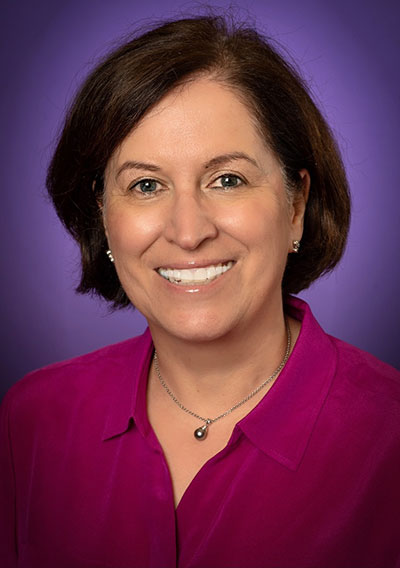
Melita Garza

Associate Professor and Tom and June Netzel Sleeman Scholar in Business Journalism
Director of Graduate Studies

Affiliations

  • Department of Journalism
  • Institute of Communications Research 

Education

  • PhD in Journalism, University of North Carolina at Chapel Hill Hussman School of Journalism and Media 
  • MBA, University of Chicago Booth School of Business 
  • AB in Government, Harvard University

Course Specialties

  • Journalism History 
  • Business Journalism 
  • Diversity 
  • Qualitative Research Methods 
  • Oral History

Background

Melita M. Garza is an associate professor and the Tom and June Netzel Sleeman Scholar in Business Journalism in the Department of Journalism. She is the 2022-2023 Chair of the Standing Committee on Research for the Association for Education in Journalism and Mass Communication. She was a fellow at the Donald W. Reynolds National Center for Business Journalism. Prior to getting her PhD, Melita M. Garza was an award-winning journalist, working at the Chicago Tribune, Bloomberg news, and the Los Angeles Times during a two-decade-long career.

Awards

Research and Creative Endeavor

Melita Garza is an American journalism historian who studies news as an agent of democracy, specializing in English- and Spanish-language news, the immigrant press, and coverage of underrepresented groups. She is the lead editor of The Routledge Companion to American Journalism History (2024). She is the author of They Came to Toil: Newspaper Representations of Mexicans and Immigrants in the Great Depression (Austin: University of Texas Press, 2018), which was a finalist for the Tankard Book Award, the Frank Luther Mot/ Kappa Tau Alpha Award, and the National Association of Chicana and Chicano Studies (NACCS) Tejas Fojo Award. Her research has also won awards from the American Journalism Historians Association (AJHA), and the Association for Education in Journalism and Mass Communication (AEJMC) divisions of: History, Minorities and Communication, and International Communication.

Related Links

No posts found.

Helping Students Be Wise Consumers of Media


Educators at the IMEDIA media literacy workshop

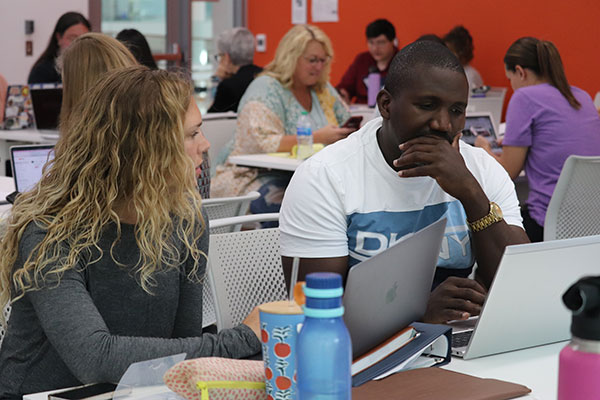
Twenty-one Illinois public school educators learned how to incorporate media literacy into their curricula this summer through an IMEDIA media literacy workshop on campus, hosted by faculty from the College of Media and College of Education.

“Media literacy is especially important in light of the last presidential election and the amount of disinformation and misinformation that is pervasive in the U.S.,” said Professor Sarah McCarthey, head of the Department of Curriculum & Instruction in the College of Education. “It’s more and more critical that we equip students with the ability to discern what’s factual from what’s not.”

The workshop, attended by librarians and teachers from language arts, social studies, special education, and art, was developed by the College of Media and the College of Education. The two colleges recently jointly launched a program entitled “Initiative for Media Education Inquiry and Action (IMEDIA),” along with the cofounder of the Illinois Media Literacy Coalition, Michael Spikes of Northwestern University.

The workshop was designed to better equip teachers and students with media literacy skills to encourage mindful media consumption and production and to help teachers meet the needs of a state mandate requiring public high schools to teach media literacy beginning with the 2022-2023 school year.

“Many of us in the College of Media have been working on media literacy-related research and teaching in the last several years,” said Professor Stephanie Craft, head of the Department of Journalism. “When we heard about the new law, we wanted to be able to turn that work into action. Teaming up with curriculum and instruction experts in the College of Education seemed an ideal way to do that.”

The IMEDIA team introduced participants to key concepts in the framework for media literacy, with a focus on news media literacy. Educators were:

  • shown how to help students identify propaganda and see how the media have been used for social and political change throughout history,
  • instructed in how to use documentaries to increase media literacy, and
  • taught by a local Urbana High School student and undergraduate students from the College of Media how students are both creators and consumers of social media content.

The IMEDIA collaboration is working to build a robust critical media literacy curriculum in Illinois schools. Interested teachers will continue working with IMEDIA for follow up on media literacy implementation throughout the 2022-2023 school year.

“Preparing Illinois students to successfully navigate an increasingly complex media environment is vital to their well-being and ability to participate in democratic life,” Craft said.

“The end goal is quite simple,” McCarthey added. “We want all of our students to be prepared to be critical media consumers.”

Learn more about IMEDIA.

IMEDIA team
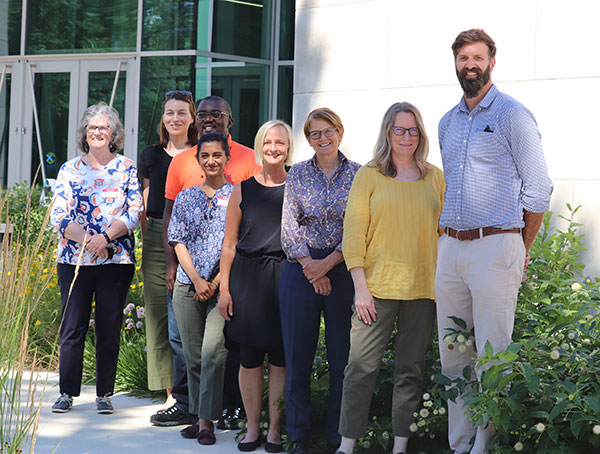
IMEDIA team members include Professor Sarah McCarthey from the College of Education; Professor Amanda Ciafone from the College of Media; Michael Spikes from Northwestern University; doctoral student Sakshi Bhalla from the College of Media; Professor Michelle Nelson from the College of Media; Professor CL Cole from the College of Media; Professor Stephanie Craft from the College of Media; and Professor Jon Hale from the College of Education.
Educators at the IMEDIA media literacy workshop
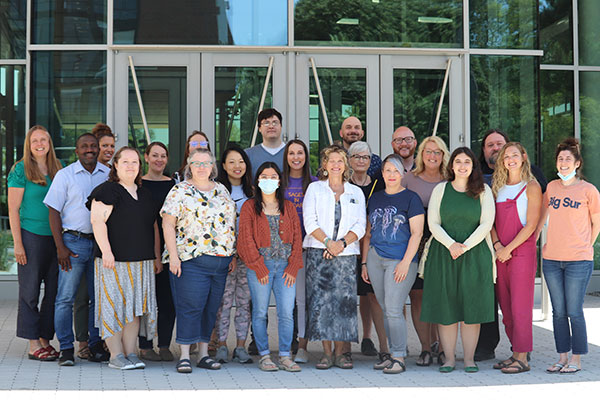
Twenty-one public school educators attended the IMEDIA media literacy workshop held this summer at the Siebel Center for Design on campus.

Nudo publishes book on journalism grad school experience at Illinois

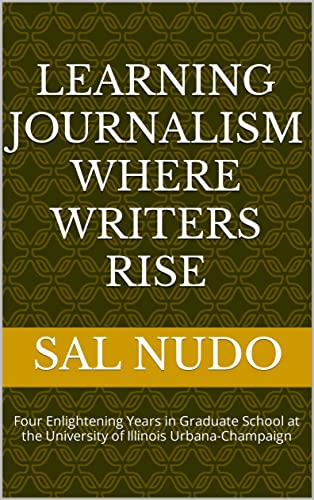
Sal Nudo (MS ’16, journalism) has released a new book on Amazon in which he recounts his experiences in graduate school in journalism at the College of Media: Learning Journalism Where Writers Rise: Four Enlightening Years in Graduate School at the University of Illinois Urbana-Champaign. 

Nudo interviewed several past and current journalism faculty members at Illinois and added their thoughts in his book, including Swanlund Chair Professor of Journalism Leon Dash; Professor Emeritus Matt Ehrlich; Knight Chair Professor in Investigative and Enterprise Reporting Brant Houston; Associate Professor Emeritus Rich Martin, and Lecturer Jean McDonald.

He also interviewed and included three journalism classmates in his book: Jessica Elliott, Janelle O’Day, and Teryn Payne.

“I wrote this book to relate the values and practices of journalism for aspiring journalists, and for those who have an interest in the field,” Nudo said. “This is a book on how to do a wide range of journalism right, with thoughts from scholars, practitioners, and former students who care about the field.”

Nudo has published multiple books that are available on Amazon, including Far From Mars (2021), which contains nine creative nonfiction articles about individuals who live and work in Champaign-Urbana. Learn more.

Nudo book

Rooks receives 2022 College of Media Emerging Leader Award


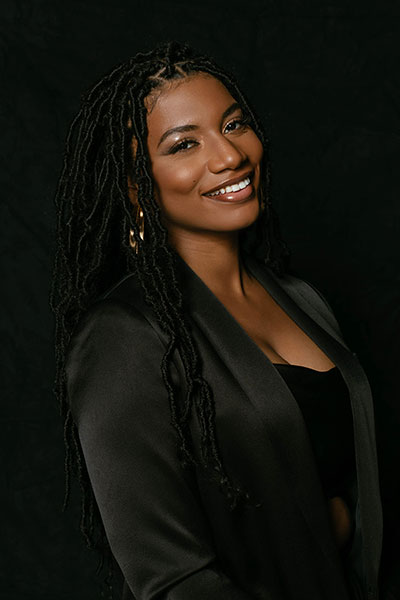
Taylor Rooks
Taylor Rooks (Photo by Raven B. Varona.)

Taylor Rooks (BS ’14, journalism), sports journalist and broadcaster at Bleacher Report, is known in the field of sports journalism for her interviewing skills and for her ability to connect with athletes. She was recently nominated for a 2022 Sports Emmy Award for “Outstanding Personality/Emerging On-Air Talent.”

Rooks said her time at the University of Illinois provided the opportunity for her to ask questions and was an important foundation for her career today.

The College of Media has selected Rooks as the recipient of the 2022 Emerging Leader Award, which honors an alum for their exemplary early career achievements and engagement with the college.

“As sports media fans already know, Taylor Rooks is a talented and innovative journalist, and we are fortunate to have her share inspiring personal and career experiences with students in the College of Media,” said Dean Tracy Sulkin. “We are proud to recognize her with the Emerging Leader Award.”

Rooks has been a panelist at a 2021 Media Career Night focused on sports media; she is part of the college’s Alumni Speakers Bureau and has been a featured guest in journalism classes; and she is involved in a College of Media mentoring program that pairs alumni and students from underrepresented populations, where alumni share perspectives and advice.

“Things are so much more special when they come from places or people or institutions that you have a very deep emotional tie to, and the University of Illinois has been so important in my life and in my family’s life,” Rooks said.

Both of her parents attended Illinois, where her mother was a broadcast journalism major and her father was an Illini running back and studied political science.

From the start of Rooks’s time at Illinois, she was involved with the athletic department and applied her studies to her interests in sports media.

“Being around that environment really showed me that doing the media side of it was something that I could do, and could excel at,” she said. “And the College of Media gave me the tools.… That was the first time that I really saw how the team aspect of news is what really makes it work. And that’s something I have carried with me ever since.”

Rooks was involved with the Big Ten Network as a student, and worked for them full-time after graduating. From there, she spent two years at SportsNet New York before being hired at Bleacher Report.

At Bleacher Report, Rooks had her own web series, Take It There with Taylor Rooks, where she did longform interviews with athletes such as Jimmy Butler and DeMar DeRozan. Her episode “Inside the NBA Bubble with Taylor Rooks” was a 2021 honoree for a Webby Award in the Social, Sports (Series & Campaigns) category. Along the way, she has developed a large following on social media, with nearly 500,000 followers on Instagram and more than 240,000 followers on Twitter.

As an interviewer, she tries to engage in conversations that tell a story.

“When you have conversations with [people] on a human level and you allow them the space to tell you who they are, you have a better understanding of them completely,” Rooks said.

Rooks said she sees a lot of dehumanization of athletes in sports and it can be hard for fans to understand that these players are human beings with real emotions.

“We only see people for what they do,” Rooks said. “And it’s just really important to me to let them feel like their voice exists and that it’s important, and that when they sit in the chair, they can use their voice in whichever way they wish.”

And these emotions are often connected to identity, Rooks said. Most of the athletes she talks to want to discuss how they feel in relation to their Black identity or womanhood, for example.

“Those are all things that have to be in the conversation to get a full scope of someone’s life from a perspective, someone’s point of view,” Rooks said.

Rooks said it also helps when she shares her own experiences as a Black woman, something she did when she was inside the NBA Bubble, an isolation zone for basketball players during the final games of the 2019-2020 season and 2020 NBA playoffs, when the pandemic began.

It was the summer where protests following the murder of George Floyd were at their height, affecting many of the players inside the bubble but also Rooks herself, as a Black journalist.

Calling it the best thing she’s done in her career, Rooks said the experience taught her about her responsibilities as a journalist and how it’s necessary to tell multiple stories at once.

“Because with all these people in a place, the experiences aren’t monolithic,” she said.

There were players who wanted to leave the bubble to join the George Floyd protests, and players worried about their families getting COVID-19.

“You wanted to do right by them and tell the stories in the ways they intended for them to be told. And we all just wanted our work to reflect the duality that was happening in the bubble,” she said.

Her own identity and experiences has helped in the storytelling she does—something that Rooks encourages students to remember.

“It’s so much less about having to shy away from stories you have a personal connection to and more so about understanding how lending your voice to it actually pushes it forward,” she said.

Everyone’s lives are different, Rooks said. She advised focusing on things that can be controlled and that it’s okay to not have everything figured out as a college student.

“What you can control is working, waking up and trying to be better, looking inside to figure out the things that move you, that make you feel passionate, and you cultivate those,” she said.

Multimedia Reporting students produce stories about impact of labor shortage on local businesses

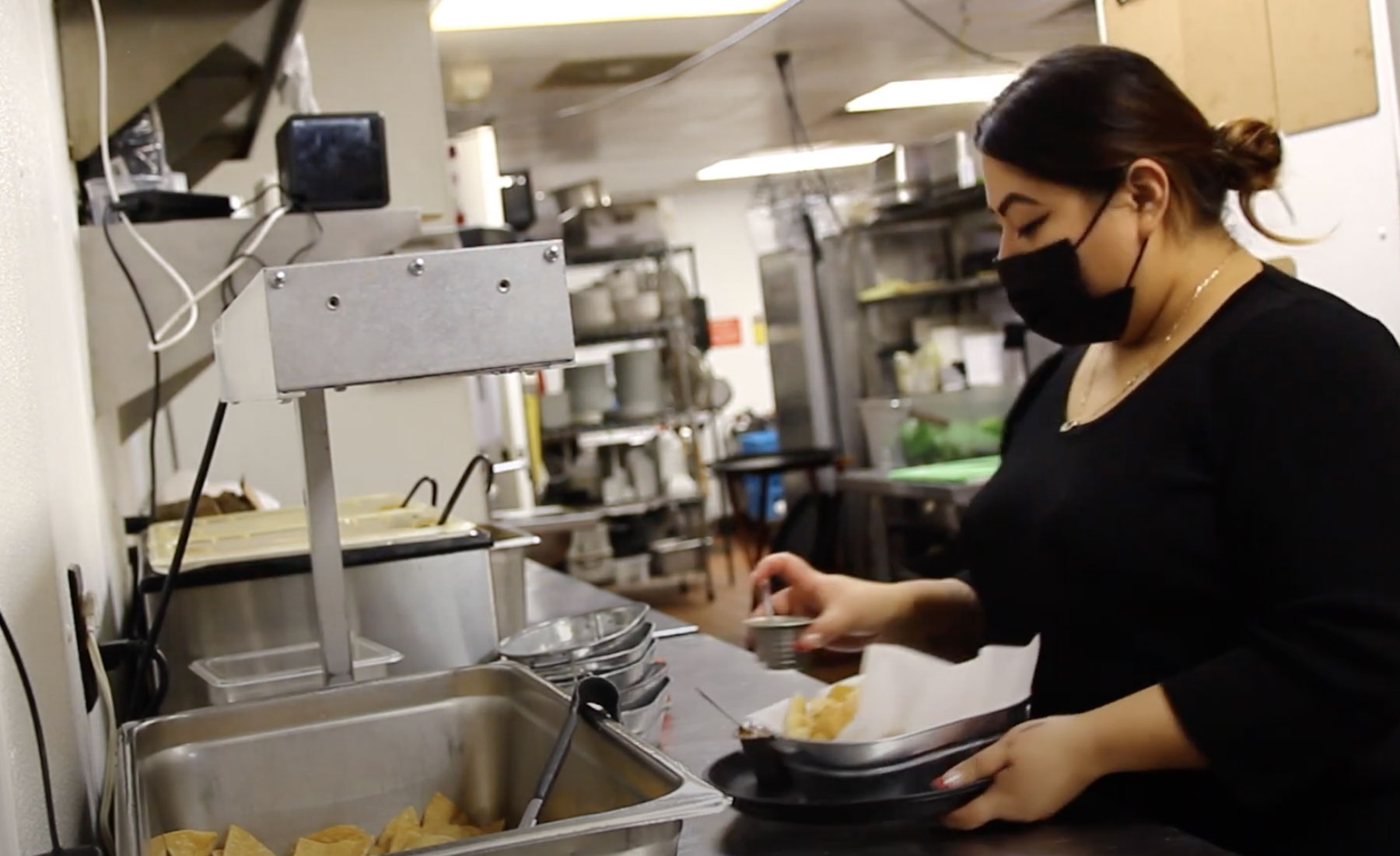
Classwork by students in JOUR 215: Multimedia Reporting, taught by Charles “Stretch” Ledford, associate professor of journalism, was featured on CU-CitizenAccess.org in May. The journalism students produced stories in Fall 2021 about how the nation’s pandemic-induced labor shortage has affected local businesses.

Farrah Anderson, a sophomore in journalism, wrote the article that gave an overview of the projects. Students interviewed people from the Champaign-Urbana businesses Esquire Lounge, Cracked, World Harvest, Black Dog, Maize Mexican Grill, and Jarling’s Custard Cup, as well as a local family seeking care for a child with disabilities. Anderson’s story about childcare was featured additionally on Illinois Newsroom from Illinois Public Media in May.

  • Watch the student-produced videos:

Journalism alum Murray wins Pulitzer Prize in Investigative Reporting with ‘Tampa Bay Times’ team

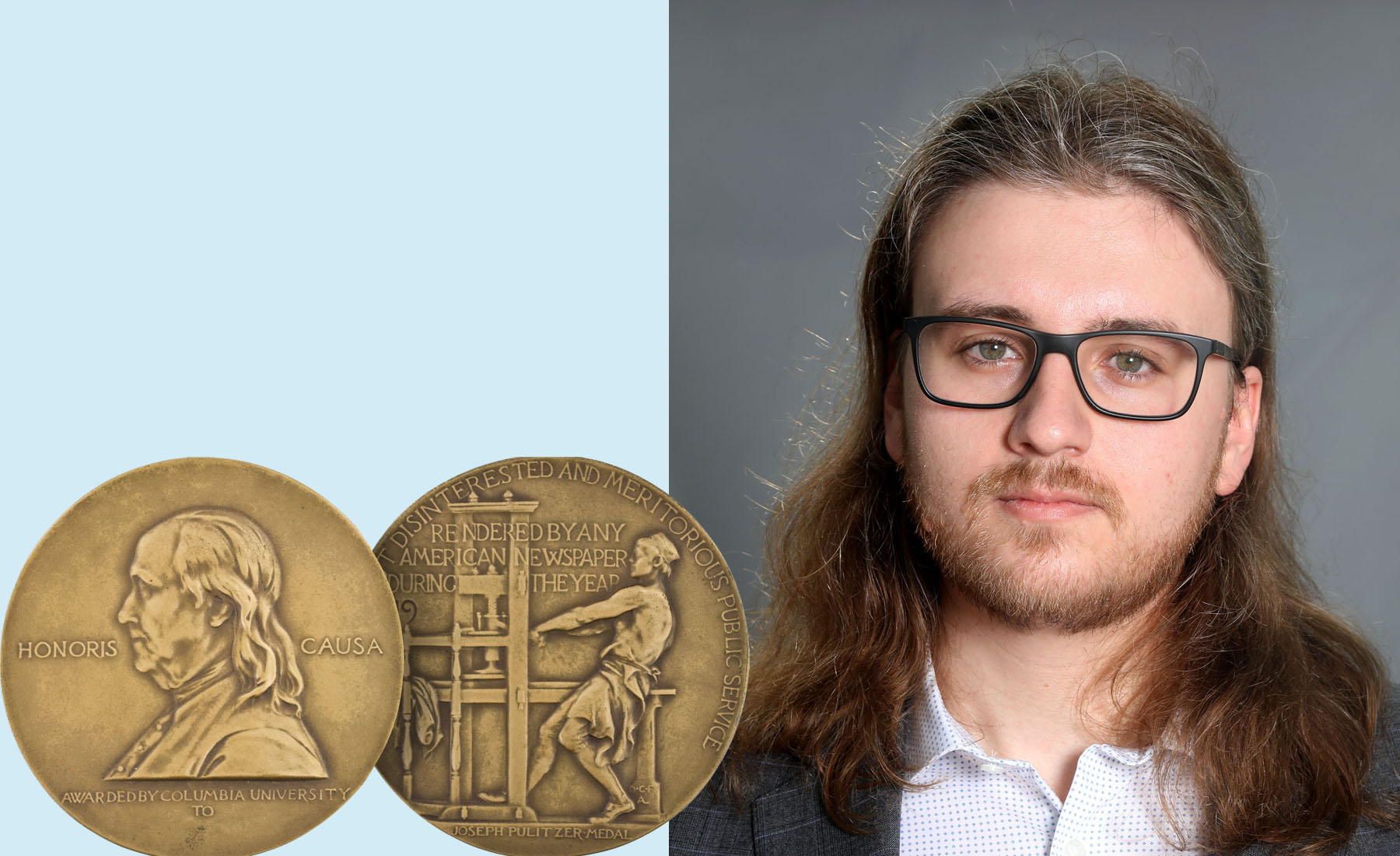
Eli Murray
University of Illinois alum Eli Murray (BS ’15, journalism), investigative reporter at the Tampa Bay Times, won the 2022 Pulitzer Prize in Investigative Reporting, along with fellow reporters Corey G. Johnson and Rebecca Woolington. (Photo by Boyzell Hosey | Tampa Bay Times.)


While meeting with the family of a former battery recycling plant manager whose son had lead poisoning, a Pulitzer Prize-winning story crystallized for Eli Murray (BS ’15, journalism), investigative reporter at the Tampa Bay Times. 

The family had been suffering because their son was born with a lead level that creeped higher each year.

“The lead could only be coming from the factory where [the] husband worked and it had driven a wedge into their family and put them at odds with each other,” Murray said. “I could see what was at stake for this family and the hundreds of other workers’ families.”

Murray, and fellow investigative reporters Corey G. Johnson and Rebecca Woolington, received the 2022 Pulitzer Prize in Investigative Reporting for their series “Poisoned,” described as “a compelling exposé of highly toxic hazards inside Florida’s only battery recycling plant that forced the implementation of safety measures to adequately protect workers and nearby residents.”

“The investigation by the Tampa Bay Times into dangerous conditions at a lead smelter spurred immediate improvements for health and safety,” said Pulitzer Prize Board member Nicole Caroll. “This newsroom changed workers’ lives, and its reporting shows the critical importance and impact of strong local journalism.”

Murray said he’ll never forget visiting that family: “Every day since it has been a driving source of motivation to shine light into these dark corners to tell these workers’ stories and hopefully effect change.”

The investigative team had spent almost two years gathering data and reporting before the first article in the series was published in 2021. Murray spent months building a database from thousands of pages of PDFs and analyzing the results.

After their Pulitzer Prize was announced on May 9, the Tampa Bay Times reporters shared remarks. Murray acknowledged some University of Illinois journalism faculty members for helping him on his career path. (See video.)

“I wanted to thank a few of my other mentors: Brant Houston, Stretch Ledford, and Jennifer Follis, who encouraged me to follow the data and the programming side of things and to find a way to make that work in journalism and in telling great stories,” Murray said.

Murray was drawn to data journalism because of the ability to tell a story visually that resonates with audiences. 

“Eli was an excellent, dedicated student who was a natural at data journalism and great to work with,” said Brant Houston, Knight Chair of Investigative Reporting and professor of journalism. “I am so pleased, but not too surprised, with all his accomplishments and the recognition he has received. I expect there will be much more to come.”

“Beyond Eli’s obvious and prodigious talents as an investigative reporter and data journalist, I think it’s important to recognize that talent can take one only so far down the road to success,” said Charles “Stretch” Ledford, associate professor of journalism. “What brought Eli to this place of international recognition are the same humanistic qualities that made him an outstanding student and vital collaborator here at Illinois—a thirst for knowledge, a restless mind, an unflinching commitment to the truth, and—I don’t know a better way to say it—a heart of gold. These qualities would have carried Eli to great things no matter his chosen field. The people of Tampa Bay, and beyond, are indeed fortunate that he found his calling in journalism.”

Murray was hired at the Tampa Bay Times as a data reporter following an internship there in 2015. As a journalism student at Illinois, he received the Glenn Hanson Scholarship in Visual Communications from the College of Media. He also worked at The Daily Illini as a reporter covering Urbana city government during his junior year, and became a web developer in charge of building the Salary Guide during his senior year.

To learn more, see Tampa Bay Times reporters win Pulitzer Prize for ‘Poisoned’ series.

—Holly Rushakoff

Media students present at 2022 Undergraduate Research Symposium

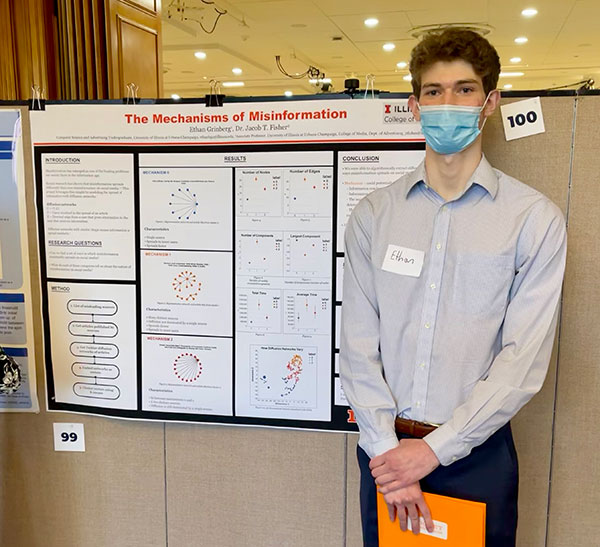
Ethan Grinberg

Update May 10, 2022:

Congratulations to Ethan Grinberg, sophomore in computer science + advertising (pictured above), for winning the Undergraduate Research Symposium’s Outstanding Award in the category of Numbers, Data, and Computation for his poster presentation on “The Mechanisms of Misinformation: Clustering Diffusion Networks of Low Credibility Sources by Topology.” His research mentor was Jacob Fisher, assistant professor of advertising.              


Students from each major in the College of Media are participating in the 15th annual University of Illinois Undergraduate Research Symposium, held Thursday, April 28, in the Illini Union. The symposium features presentations, posters, and performances from students across campus. 

Media student poster presentations include:

“Virtual Reality and Its Immersive Capabilities: Can It Stimulate Pro-Environmental Behavior”
9–10:15 a.m., Illini Room A—Science and Technology Session

  • Justin Sun, Senior, Advertising
  • Minghao Sun, Junior, Advertising
  • Henry Rose, Senior, Advertising

Research Mentors: Chen (Crystal) Chen, ICR doctoral student/Charles H. Sandage Department of Advertising, and Ewa Maslowska, Charles H. Sandage Department of Advertising

“Analyzing the Relationship between Fear and Election Violence”
9–10:15 a.m., Illini Room C—Social Science and Behavior Session

  • Billy Wojcicki, Senior, Advertising

Research Mentor: Tolgahan Dilgin, Department of Political Science

“Analyzing Life Experiences through Oral History Methods”
1:30–2:45 p.m., Illini Room A—Health and Wellness Session

  • Vivian La, Sophomore, Journalism

Research Mentor: Sana Saboowala, Program in Ecology, Evolution, & Conservation Biology

“Investigating the Influence of Parenting Styles on Children’s Online Language Intensity in the Context of Celebrity Worship: Emotion Regulation as a Mediator”
1:30–2:45 p.m., Illini Room C—Social Science and Behavior Session

  • Sherry Zhang, Senior, Media & Cinema Studies

Research Mentor: Chen (Crystal) Chen, ICR doctoral student/Charles H. Sandage Department of Advertising

“The Mechanisms of Misinformation: Clustering Diffusion Networks of Low Credibility Sources by Topology”
3:15–4:30 p.m., Illini Room South Lounge—Numbers, Data, and Computation Session

  • Ethan Grinberg, Sophomore, Computer Science + Advertising

Research Mentor: Jacob Fisher, Charles H. Sandage Department of Advertising


Ethan Grinberg, CS+advertising sophomore, was also a semi-finalist in the Image of Research competition with his submission “The Shape of Misinformation.” See his image and description.

Two Media students also participated in the Undergraduate Research Apprenticeship Program to assist advanced graduate students with their research projects:

  • Billy Wojcicki, advertising senior, worked with research mentor Tolgahan Dilgin in the Department of Political Science
  • Vivian La, journalism sophomore, worked with research mentor Sana Saboowala in the Program in Ecology, Evolution, and Conservation Biology


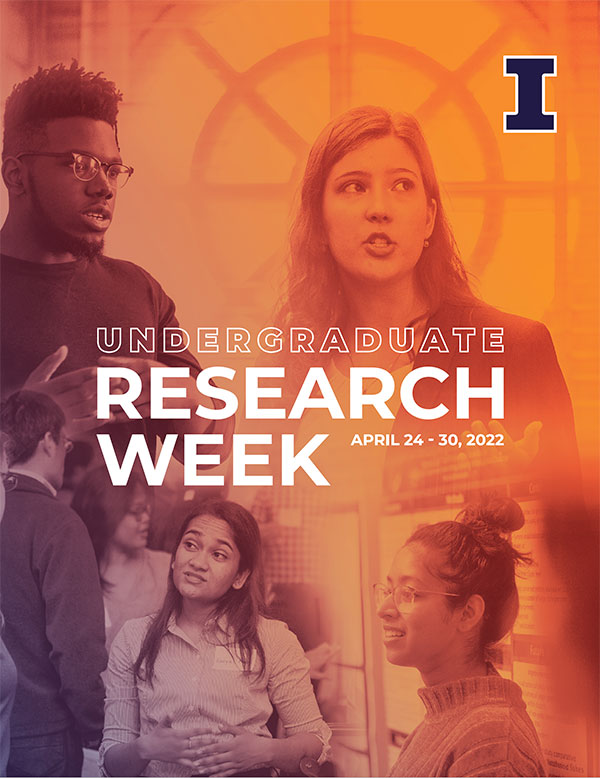
View the Undergraduate Research Week program.

Houston helps preserve investigative news content of FairWarning

Brant HoustonThe University of Illinois Archives has acquired and is preserving the website of FairWarning.org, a nonprofit investigative news organization founded and edited by Myron Levin. Brant Houston (pictured at right), Knight Chair Professor of Investigative Reporting in the Department of Journalism, helped arrange the archiving of FairWarning’s content.

FairWarning produced and published the work of staff writers and independent journalists, and its archives are being added to a rich collection of communication materials preserved by the University of Illinois Archives.

FairWarning issued watchdog reports with an emphasis on public health, consumer, labor, and environmental issues, and related topics of government and business accountability. Over 11 years of operation (2010-2021), its stories were published on its website and were also co-published by nearly 200 online, print, and broadcast news organizations across the country.

“I am pleased that the wonderful work of FairWarning has found a home at the University Archives,” Houston said. “It will now be a valuable and preserved resource for all journalists, especially investigative reporters. We thank the staff at the archives for all the work they put into this project.”

The preserved copy of the FairWarning website is found in the Wayback Machine, the web archive service built by the Internet Archive. The collection is accessible from the University of Illinois Archives Holdings Database at https://archon.library.illinois.edu/index.php?p=digitallibrary/digitalcontent&id=15537. Or go directly to the archive at https://wayback.archive-it.org/16877/20210929142827/https://www.fairwarning.org/.

Levin, the site’s founder, said he was happy to see the work has found a permanent home.

“When we knew that FairWarning would be closing, it was our overriding goal to ensure that our deeply reported stories would be accessible to journalists, researchers, students, and others,” he said. “For that reason, we’re thrilled to know that our watchdog journalism will be preserved in the University of Illinois Library Archives.”

DEV College of Media
119 Gregory Hall
810 S. Wright St.
Urbana, IL 61801
217-333-2350