Advertising faculty and ICR students win honors at AAA conference

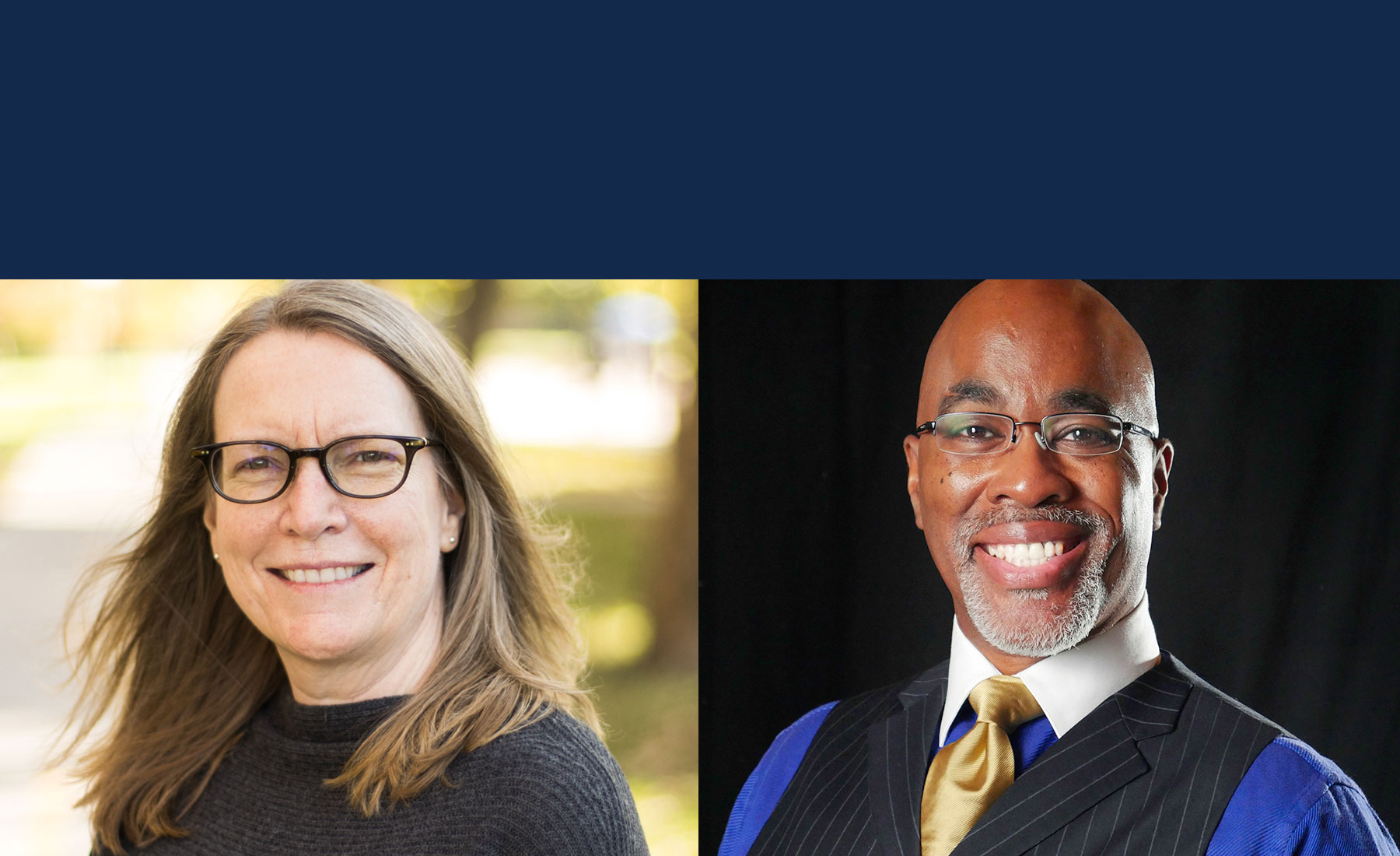
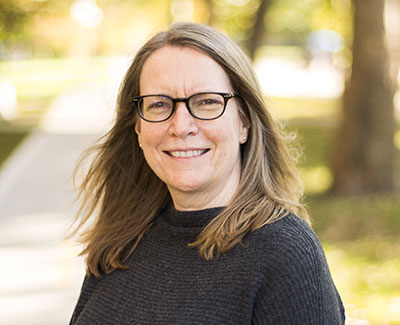
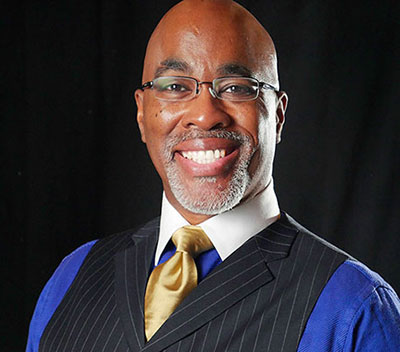
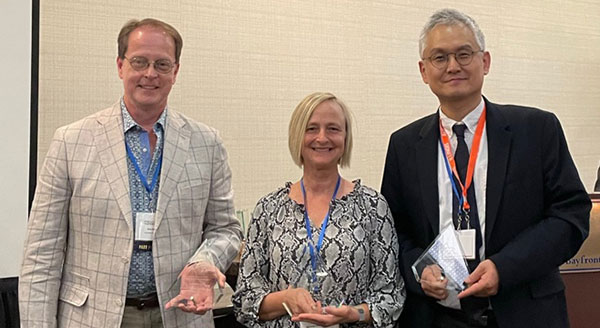
Eric, Michelle, Chang-Dae
University of Illinois Advertising Professors Michelle Nelson (center) and Chang-Dae Ham (right), along with Professor Eric Haley from the University of Tennessee (left) won two "Best Paper" awards at the AAA conference for their collaborative research.


At the American Academy of Advertising annual conference held March 24–27 in St. Petersburg, Florida, faculty from the Charles H. Sandage Department of Advertising and students from the Institute of Communications Research presented papers, served on panels, and won awards. Sela Sar, professor of advertising and director of the Institute of Communications Research, was elected president of AAA.


Associate Professor Chang-Dae Ham and Professor Michelle Nelson, along with Professor Eric Haley (University of Tennessee), received two “Best Paper” awards for their research in political advertising literacy:

Journal of Current lssues & Research in Advertising Best Article
Nelson, M. R., Ham, C. D., & Haley, E., “What do we know about political advertising? Not much! Political persuasion knowledge and advertising skepticism in the United States.”

Journal of lnteractive Advertising Best Article
Nelson, Michelle R., Chang Dae Ham, Eric Haley, and Un Chae Chung (ICR student) (2021), “How Political Interest and Gender Influence Persuasion Knowledge, Political Information Seeking, and Support for Regulation of Political Advertising in Social Media,” 21(3), 225-242.


Faculty and students also received honors for their reviewing: 

Journal of Advertising Outstanding Reviewers
Michelle Nelson

Journal of Advertising Outstanding Student Reviewers
Xiaohan (Catherine) Hu (ICR student)


Presentations by faculty and students included:

  • “How Parental Mediation and Media Use Relate to Persuasion Knowledge. Knowledge of Influencer Tactics, and Ad Skepticism Among Adolescents in U.S. Black Immigrant Families,” co-presented by Michelle Nelson, among others
  • “Car Sharing Services: How Political Ideology Makes It Successful across Cultures,” co-presented by WooJin Kim (ICR student), among others 
  • “Which Facts Matter: How Can We Build Advertising Literacy about Contemporary Political Advertising?”, co-presented by Michelle Nelson, Chang-Dae Ham, and Eric Haley (Tennessee)
  • “What is and How to Teach Computational Advertising: Gaining Insight from Computer Science and Marketing Communication Educators and Ad Practitioners,” co-presented by Ewa Maslowska, assistant professor, among others
  • “The Effects of Advertising on Consumer Well-Being,” co-presented by Michelle Nelson, among others
  • “Incidental Experience of Regulatory Fit, Nonfit, and Processing Style: Consumers’ Processing Mechanism of Online Behavioral Advertising (OBA), co-presented by Chang-Dae Ham and WooJin Kim
  • “The Spillover Effect of Robot Service Failure on Service Firms,” co-presented by WooJin Kim, among others
  • “Computational Research and Measurement Innovations: Affective Computing and Emotion AI in the Future Advertising Research,” co-presented by Ewa Maslowska, among others
 

Sar to serve as president of American Academy of Advertising

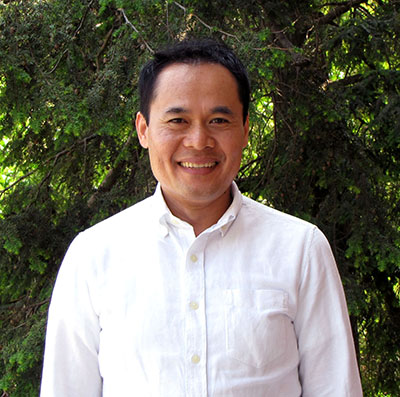
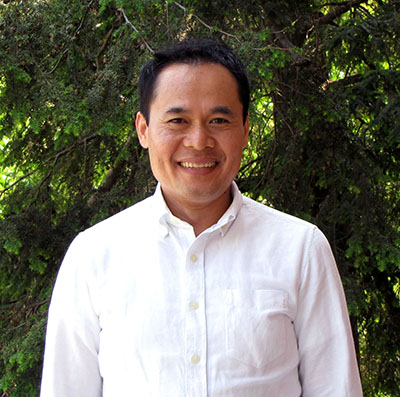
Sela SarSela Sar, professor of advertising and director of the Institute of Communications Research, has been elected president of the American Academy of Advertising for 2022-2023. He was sworn in at the AAA annual conference in March.

Sar served as president-elect for the past year, and served as vice president of AAA in 2019. He has been an active member since joining in 2004, having served on the research, award, and publication committees.

For advertising scholars, AAA is the home base for academic growth, knowledge generation, global insight, networking, and the shared mission of educating the next generation of advertising scholars.

With over 600 members, AAA is the oldest and the largest academic association dedicated to advertising research in the U.S. The University of Illinois has a history of leaders in AAA. Michelle Nelson, professor of advertising, is a past president of AAA, as are several alumni from the College of Media’s Institute of Communications Research.  

College of Media faculty appointed to Associate Dean positions


Two faculty from the College of Media have been appointed by Dean Tracy Sulkin to associate dean positions starting August 16. 

Announced in January, Stephanie Craft, currently professor and head of the Department of Journalism, will serve as the College of Media’s Associate Dean for Academic Affairs. 

Announced in March, Jason P. Chambers, currently associate professor and associate head of the Charles H. Sandage Department of Advertising, and Dean’s Fellow for Diversity and Inclusion, will serve as the College of Media’s inaugural Associate Dean for Diversity, Equity, and Inclusion. 

“I am pleased to welcome Professors Chambers and Craft to their important new roles, and I look forward to working closely with them,” Sulkin said. “Their strong administrative skills, commitment to the college and our mission, and consultative approach to decision-making make them both excellent additions to the College of Media leadership team.”

Stephanie Craft

Craft, a scholar of news literacy and journalism ethics, joined the Illinois faculty in 2013. She has taught courses such as History of American Journalism, Introduction to Journalism, and Journalism Ethics & Diversity. She has served as head of the Department of Journalism from August 2018 until January 2022. Last summer, the third edition of her book Principles of American Journalism: An Introduction, coauthored with Charles N. Davis, was published.

“I have appreciated the opportunity to help my department colleagues work toward their goals but am now looking forward to the chance the associate dean role offers to take a broader view of the work we do in the college and how it connects to the rest of campus and beyond,” Craft said.

While on sabbatical this semester, Craft has continued her work to create a news literacy scale, and has been developing a summer media literacy workshop for high school teachers along with other faculty in the College of Media and the College of Education. She has also begun a new research project.

“The new project involves delving into the archives of one of the first major journalistic collaborations, called the Arizona Project,” Craft said. “I’m hoping to get a better sense of how the collaboration worked and how it set the stage (or didn’t) for future large-scale projects involving journalists from competing news organizations.

In her new position, Craft will facilitate college-level promotion and tenure processes; mentor Dean’s Fellows; liaise with campus offices on college participation in strategic initiatives; facilitate policy discussions among unit leadership; and coordinate professional development programming for junior and midcareer faculty; among other responsibilities. 

“I am eager to work on the college’s professional education initiatives and think about how we can serve a variety of different kinds of students, both on campus and online,” Craft added.

Chambers

Chambers joined the Sandage Department of Advertising faculty in 2001 and the Institute of Communications Research faculty in 2003. He is a scholar of advertising history, particularly the contributions of African Americans to the industry. He has taught courses including Classic Campaigns, Advertising History, and Multicultural Advertising.

In his new position, Chambers is excited about working with his colleagues “to drive change and link our faculty, staff, and students to all of the opportunities that diversity provides.” 

Over the past several years, the College of Media has prioritized expanding its programming in the area of diversity, equity, and inclusion, and the projects that Chambers facilitated during his two-year term as Dean’s Fellow for Diversity and Inclusion will continue to be part of his portfolio. The Alumni Mentoring Program, which connects students with accomplished alumni to share perspectives and advice, will continue to grow. The pilot focused on Black students and Black alumni, and then expanded to Latinx students and alumni. Chambers will also continue his involvement in the New Voices Internship Program, which provides opportunities for first-generation students and those from underrepresented groups to work with College of Media faculty and staff on communications projects.

He will also work with colleagues across the college and on campus to coordinate workshops on diversity, equity, inclusion, and anti-racism that are relevant to Media faculty, students, and staff, and will seek ways to further the college’s capacity in this area.

“Leadership at the department, college, and campus levels have put real resources behind diversity initiatives,” Chambers said. “I want to ensure that the College of Media continues to take advantage of all the grants and other funding sources that the campus is making available for diversity-related topics.” 

Chambers’s latest book Positive Realism: The Life of Advertising Pioneer Thomas J. Burrell has been submitted to the publisher for final review, with an expected publication date of 2023. He is also the author of Madison Avenue and the Color Line: African Americans in the Advertising Industry and Building the Black Metropolis: African American Entrepreneurship in Chicago.

Campos illustrates new book by Jimmy Fallon and Jennifer Lopez

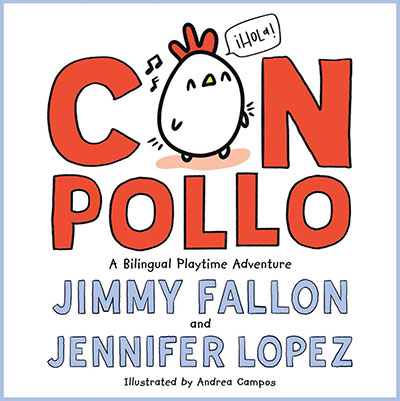
Andrea Campos (BS ’12, advertising) has teamed up with Jimmy Fallon and Jennifer Lopez for her debut picture book. Con Pollo: A Bilingual Playtime Adventure, which was co-authored by Fallon and Lopez, centers around a bilingual chicken, which was brought to life by Campos’s illustrations. Con Pollo will be released on October 11, 2022.

Learn more.

Campos book

Kishi wins Shirakawa Shinobu Award from Tokyo Advertising Association

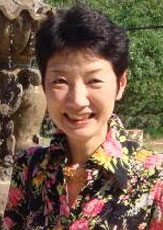
KishiCollege of Media master’s and doctoral degree alumna Shizue Kishi (MS ’79, advertising; PhD ’83, ICR) received the 41st Shirakawa Shinobu Award from the Tokyo Advertising Association for distinguished contributions to the advertising industry. 

Kishi is the first female honoree to win this award, named after the advertising director at Shiseido, the largest cosmetic company in Japan. Kishi will retire on March 31, 2022, after her many years of service as dean of the School of Business at Tokyo Keizai University.

Her publications on media models and communication effects of advertising appeared in Journal of Marketing Research, Journal of Advertising Research, Proceedings of the American Academy of Advertising, as well as in Japanese academic journals. Her book, Contemporary Advertising (coauthored with Hiroshi Tanaka and Kazue Shimamura), was awarded a prize for an excellent textbook from the Japan Academy of Advertising in 2001.

Burke tops charts again with award-winning Super Bowl ads


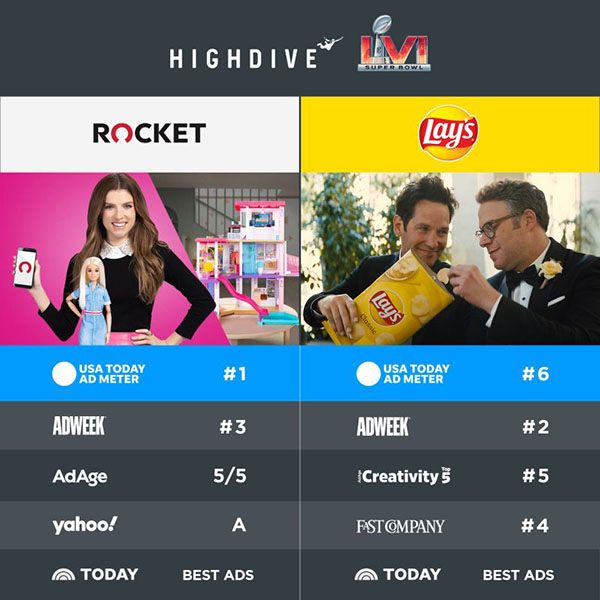
Advertising alum Patrick Burke (BS ’95), executive creative director of the Chicago-based ad agency Highdive, has once again topped the charts with award-winning Super Bowl ads. His team created both the Rocket Mortgage commercial and the Lay’s potato chip commercial, earning the #1 and #6 spots on the USA Today Super Bowl Ad Meter poll.

He got the #1 and #2 spots for Rocket Mortgage in 2021 and the #5 spot for them in 2020.

With Rocket Mortgage this year, Burke served as creative director, overseeing a team. His role on the Lay’s ad was more hands-on.

Burke told Adweek that the team starts each project like any other assignment by getting to one single insight that can drive the creative. Read his interview.

Read our 2021 story about Burke.

Super Bowl ratings

CS + Advertising student pitches software platform to improve recruitment for clinical trials

Carter Smith

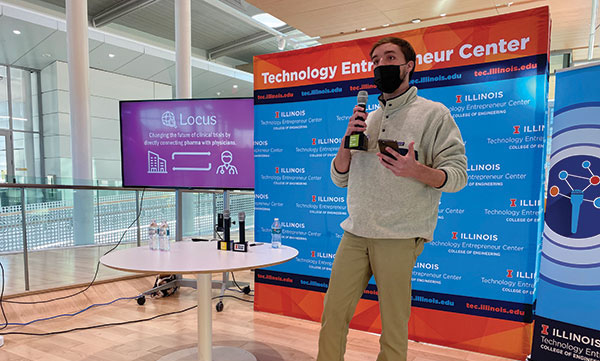
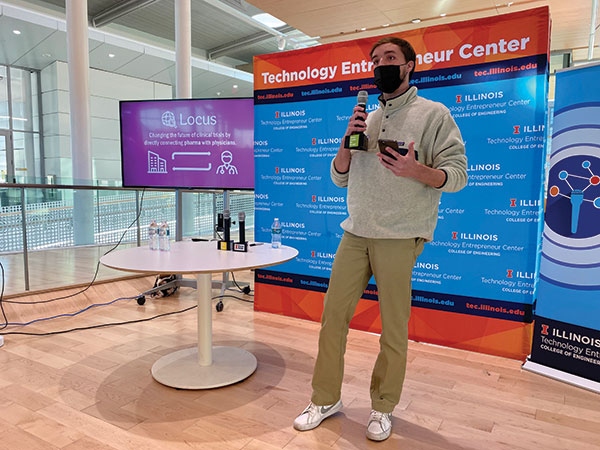
In Fall 2021, computer science + advertising sophomore Carter Smith practiced presenting his business concept at SocialFuse, a campus pitching and networking event. He’s working on a platform to give pharmaceutical companies a way to identify and recruit participants for clinical trials using deep learning. 

Smith was inspired by family members who work in clinical trial administration.

“Our conversations [about the patient recruitment process] led me to think about how much more efficient the process could be if pharmaceutical companies and physicians were brought together in one place, which was the beginning of Locus,” he said.

“SocialFuse was a great place to share what started as an idea, receive feedback on the way it was conceptualized, and shape my goals for the project,” Smith said. “It was a really exciting atmosphere and gave me a chance to connect with many entrepreneurial students on campus, as well as leaders of University incubator programs.”

After the experience of pitching his idea, Smith is now focusing on research and implementation of state-of-the-art natural language processing and data analysis methods. 

Smith chose CS + Advertising because he wanted to learn from two prestigious programs at Illinois that will prepare him for many intriguing career opportunities.

“Learning technical and creative skills as part of two fantastic communities is really a one-of-a-kind experience,” he said. “A lot of my comfort with creating new ideas is because of the CS + Advertising curriculum.”

Leona Su’s research examines effects of humor, social media, and new technologies on science communication

Leona Su

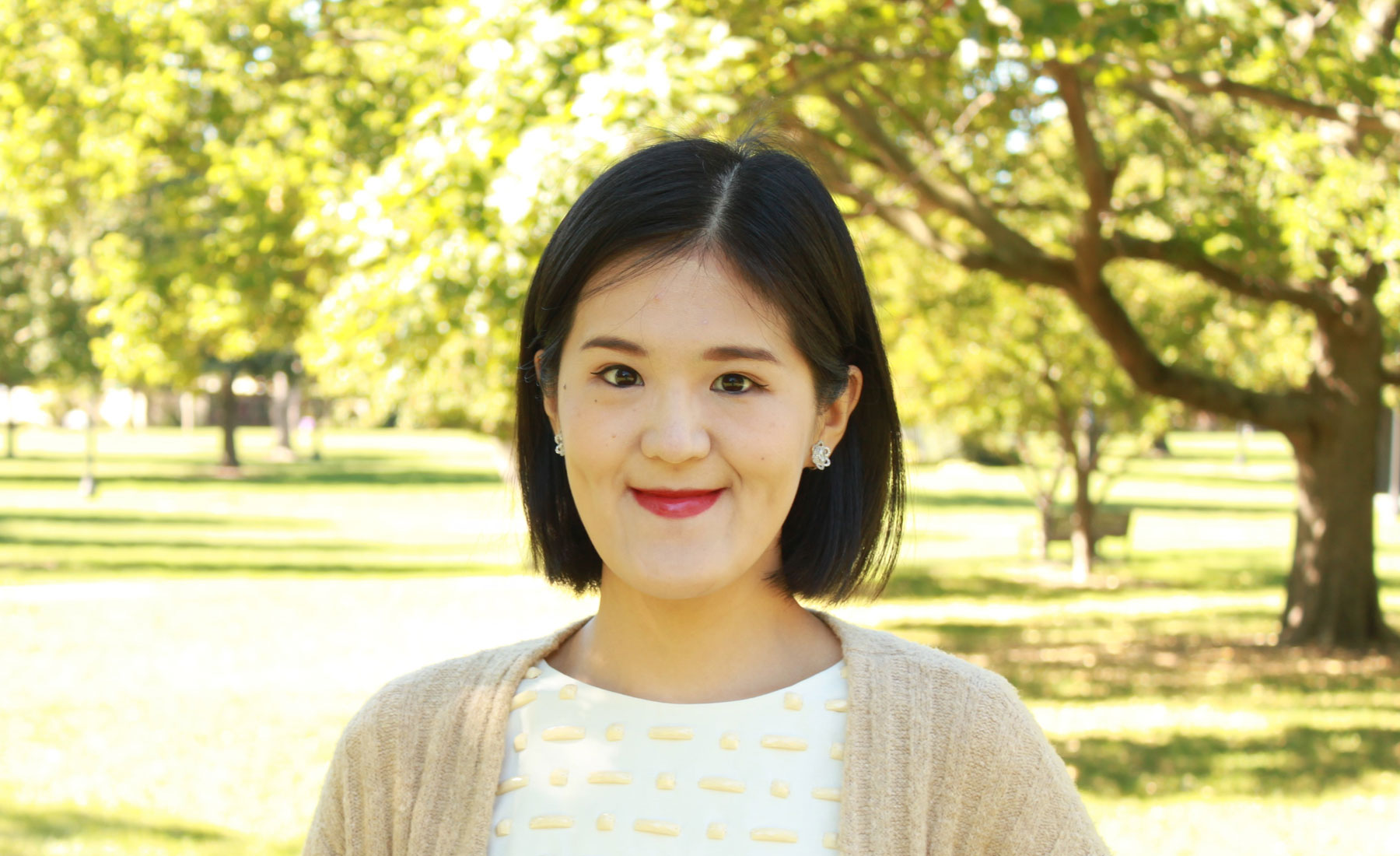
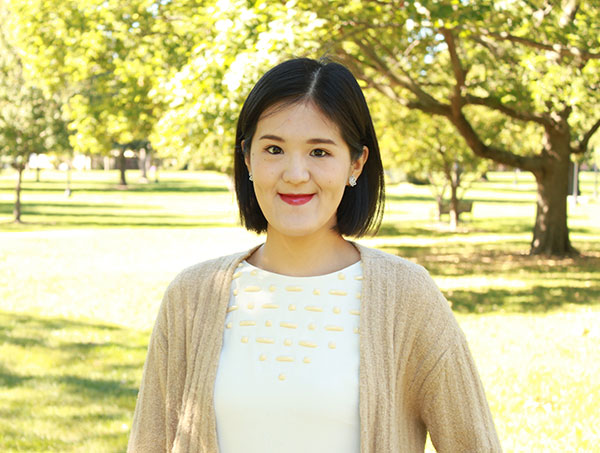
Leona Yi-Fan Su, assistant professor in the Charles H. Sandage Department of Advertising, is interested in how humor can help people engage with science.

“Science is thought of as serious,” Su said. “So you can think of humor as a way to catalyze that and make people get interested in science and be more willing to interact with science and scientists.” 

While humor has been extensively studied in fields like advertising and marketing, she said, its role in science communication is less known.

Su is a co-principal investigator on an NSF-funded project that was awarded $750,000 in 2019 to examine the effectiveness of using humor for communication about science, particularly on social media. Sara Yeo, associate professor at the University of Utah, is the principal investigator, and the other co-principal investigator is Michael Cacciatore, professor at the University of Georgia.

“It’s important to keep in mind that humor plays a role, but different types of humor can play differently on different social media platforms and when communicating about various issues,” Su said.

Humor is often thought of as a simple construct, Su said. But really, it has a range of different types and techniques, such as benign versus aggressive humor. She also noted the differences in online culture between Twitter and Instagram.

In a recently published article, Su and her coauthors reported that wordplay and satire were positively linked to the number of likes and retweets a Twitter post received. On the other hand, anthropomorphic humor—attributing human characteristics to animals or objects—was negatively linked to the presence of comments, and humor was not linked to user engagement on Instagram. 

Scientists and communicators have ample opportunities to interact with the public online, Su said.

“I think it’s important to encourage scientists to share their work with the public and to help with public engagement,” she added, and noted that her work can help them select message strategies.

Su’s broader interest is in how social media and other digital media change people’s perceptions and understandings of science. This also includes looking at the marketing techniques and brand communication strategies used on digital media by agricultural and technology businesses. For example, as a principal investigator, she is leading a project at the Center for Digital Agriculture that analyzes tweets about an emerging food technology, with the aim of understanding branding strategies and public opinion.

Above all, Su said, a key aim of her research is to bridge the gap between the general public and science.

The public should not be viewed merely as passive information receivers, Su said. That is, people don’t often make decisions solely on the facts presented to them.

It’s a common misconception that people will be more supportive of science if they “are more knowledgeable about science,” she said, but in fact, their attitudes toward science can also be affected by heuristic cues such as their politics and other predisposition factors.

Having earned her bachelor’s and master’s degrees in chemistry, Su changed her academic focus after realizing she was more interested in understanding how science is communicated.

“I feel like there’s a gap [within] science communication,” she said. “When I was a scientist, I realized there are times you feel like what you are doing is just a language of your own.”

Su hopes her research will not only help scientists, but anyone who has to communicate complex topics.

“I do hope that some of our findings here in [science] communication can actually be applied or extended to other fields,” she said. “We have to know how messages can be more effectively communicated.”

—Vivian La, Communications Intern

College of Education and College of Media team up to help Illinois high schoolers understand the media they consume


High school students in classroom

A new state law is requiring Illinois public high schools to teach media literacy. Through IMEDIA, the College of Education and the College of Media are helping teachers prepare to do just that.

When Governor J.B. Pritzker signed a bill into law on July 9, 2021, requiring that media literacy be taught in public high schools, Illinois became the first state in the nation to mandate such instruction.

The instruction, to begin with the 2022-2023 school year, will teach students how to analyze and communicate information from various mediums, including digital, interactive, audio, visual, and print.

Immediately after the bill was passed, the College of Education and the College of Media went into action, planning how to prepare Illinois teachers to be ready to instruct students in an area made critical by the massive amount of misinformation that circulates in cyberspace.

The two colleges collaborated to form the Initiative for Media Education Inquiry and Action (IMEDIA) to help fill educators’ needs for media literacy training and curriculum development. The goal of IMEDIA is to assist high school teachers with integrating media analysis and production into their classes and building a robust critical media literacy curriculum in Illinois schools. 

“Many of us in the College of Media have been working on media literacy-related research and teaching in the last several years,” said Professor Stephanie Craft, head of the Department of Journalism. “When we heard about the new law, we wanted to be able to turn that work into action. Teaming up with curriculum and instruction experts in the College of Education seemed an ideal way to do that.”

IMEDIA will launch a pilot program on campus from June 27-29, to both find out what teachers are already doing in the area of media literacy and to help them integrate a media literacy component into their curriculum, said Professor Sarah McCarthey, head of the Department of Curriculum & Instruction. The three-day workshop is for local teachers and potentially for teachers across the state.

“Media literacy is especially important in light of the last presidential election and the amount of disinformation and misinformation that is pervasive in the U.S.,” McCarthey said. “It’s more and more critical that we equip students with the ability to discern what’s factual from what’s not.”

“Preparing Illinois students to successfully navigate an increasingly complex media environment is vital to their well-being and ability to participate in democratic life,” Craft added.

The state is putting together media resources for teachers to download, McCarthey said, “but it’s important to have a professional development component to that, and our workshop is going to provide teachers an opportunity to do some hands-on things as well.”

Early talks between the Colleges of Education and Media include the development of modules that high school teachers could download to use in their classrooms. 

“We’ve also talked about in the future taking advantage of some of the credentialing programs that are in process at both the campus and state levels,” McCarthey said. “But the first step is to get this group of teachers ready for the fall.”

IMEDIA has recently received initial funding from the Office of the Chancellor. They are consulting with the Office of Foundation Relations to identify additional potential funding sources. The group also hopes to apply for Spencer Foundation funding to do a statewide survey of the media literacy landscape, to discover who is teaching what across the state. 

“The end goal is quite simple,” McCarthey said. “We want all of our students to be prepared to be critical media consumers.”

In addition to Craft and McCarthey, members of IMEDIA include College of Education faculty member Jon Hale; College of Media faculty members Amanda Ciafone, CL Cole, and Michelle Nelson, and doctoral student Sakshi Bhalla; as well as Michael Spikes, a doctoral student at Northwestern University and founder of the Illinois Media Literacy Coalition, of which IMEDIA is a part.

Media faculty and TAs make list of teachers ranked as excellent

Congratulations to all of the College of Media faculty and teaching assistants who were ranked as excellent by their students!

This list is based on Instructor and Course Evaluation System (ICES) questionnaire forms completed by students during the Spring 2021 semester. Only those instructors who distributed ICES forms at least once during this time period and who released their data for publication are included in the list. View the complete list.

Note: * denotes that the instructor ratings were outstanding.

ADVERTISING

JACOB FISHER – ADV 305

STEVE HALL – ADV 150

CHANG-DAE HAM – ADV 460

JACQUELINE HITCHON – ADV 283

* TERRY KASDAN – ADV 409

* AMANDA MABRY-FLYNN – ADV 283

* SHACHAR MERON – ADV 498

MICHELLE NELSON – ADV 582

SANG-HWA OH – ADV 410

* MARISA PEACOCK – ADV 350, 491

PETER SHELDON – ADV 390


JOURNALISM

CHRISTOPHER BALL – JOUR 199

STEPHANIE CRAFT – JOUR 250

KEN ERDEY – JOUR 445

CAROL LOMBARDI – JOUR 220

* JEAN MCDONALD – JOUR 460

ERIC MEYER – JOUR 425

MARGARET YEE-MAN NG – JOUR 460

NIKKI USHER – JOUR 199, 452


MEDIA & CINEMA STUDIES

* VICTOR FONT – MACS 480, 481

JOSH HEUMAN – MACS 320

SUSAN MUIRHEAD – MACS 372

HARSH TANEJA – MACS 572
 

TEACHING ASSISTANTS

S. DAS – MACS 100

Y. GAO – MACS 100

Y. LEE – ADV 281

* G. MALO – MACS 101

A. MUKHOPADHYAY – MACS 100

J. PYO – MACS 100

DEV College of Media
119 Gregory Hall
810 S. Wright St.
Urbana, IL 61801
217-333-2350