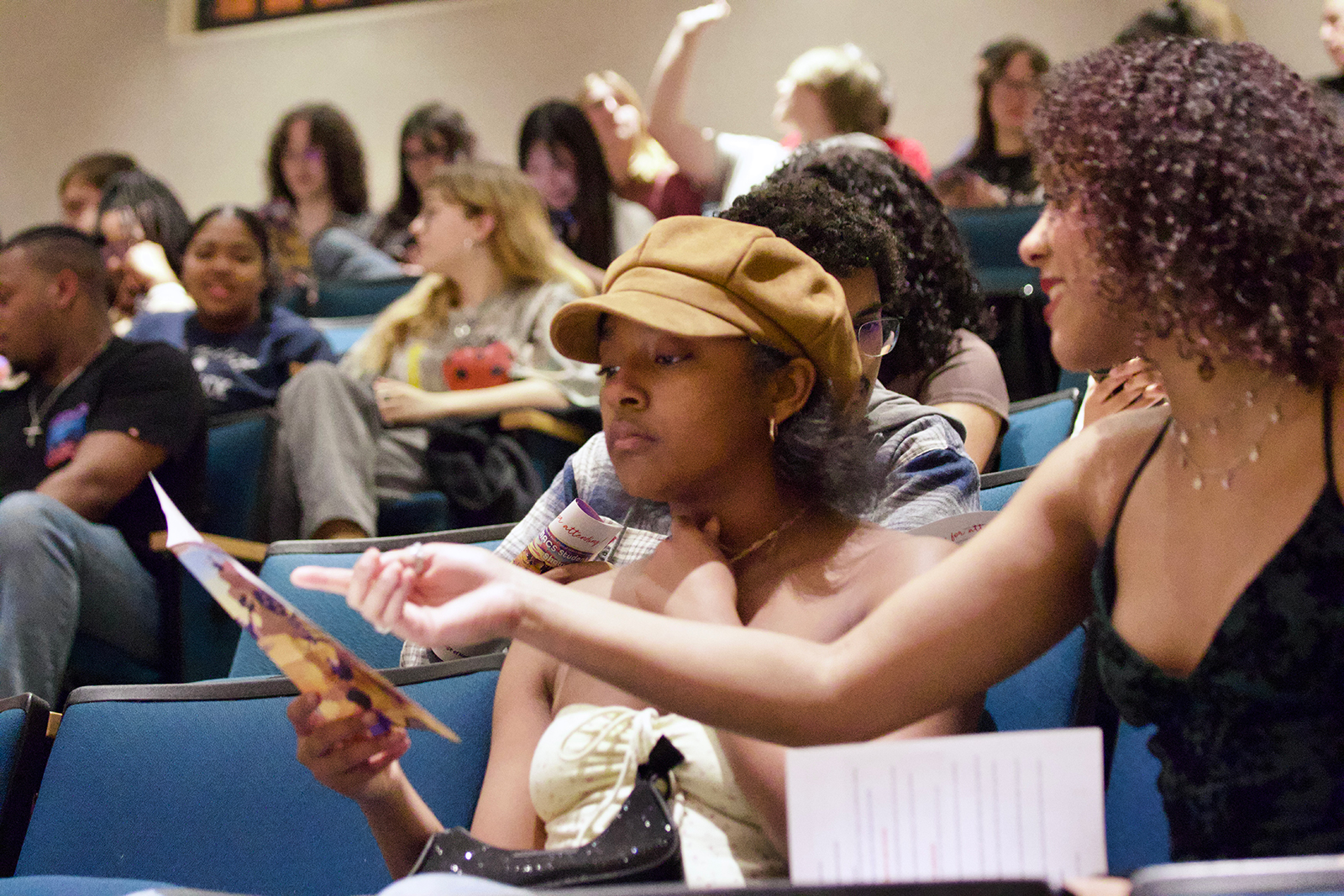
The event, which runs from 9:30 a.m. to 5:30 p.m., will include professional panels, a creative hackathon, networking, food, and more. For more information, please visit sandagesymposium.com. RSVP information will be available in early August.
9:30-10 a.m.—Registration
10-10:45 a.m.
Welcome and Keynote
“Advertising as the Invited Guest Who Took Over the Party”
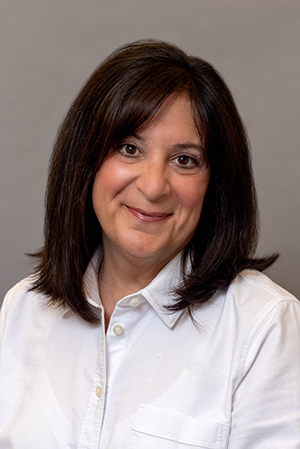
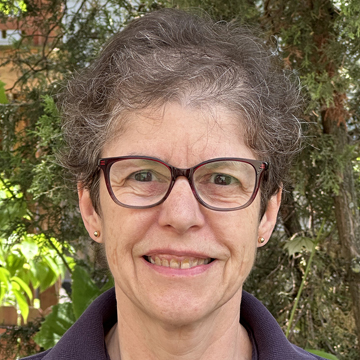
Keynote Speaker: Judy Ungar Franks, Former Agency Executive, Professor at Northwestern University, and Author of Media from Chaos to Clarity and Back Again
10:45 a.m.-12 p.m.
“Where Advertising Goes Next”
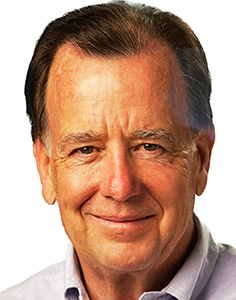
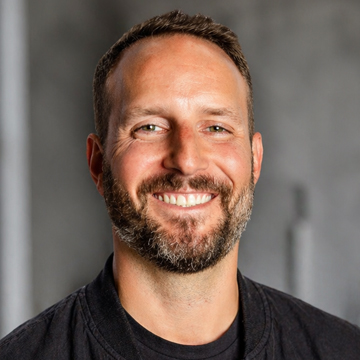
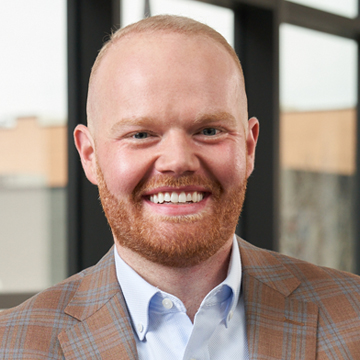
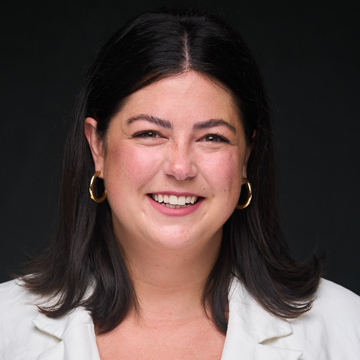
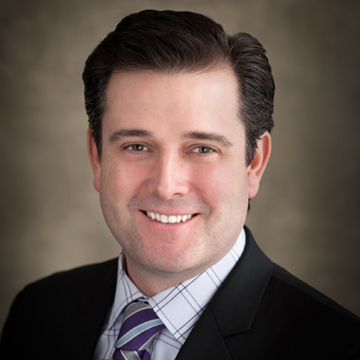
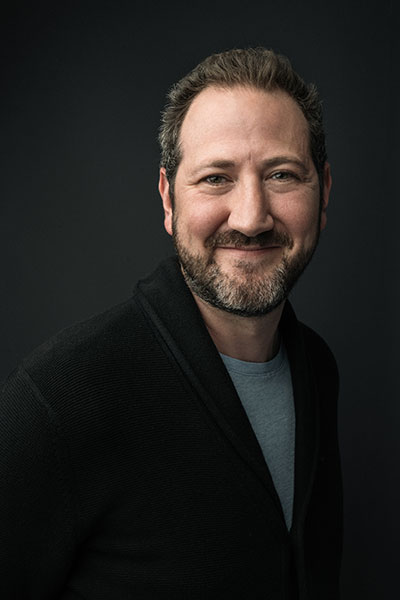
Panelists from left to right: Jessica Jorsch (BS ’07, ADV), Global Digital Performance Media Lead, Mars; Helen Katz (MS ’86, ADV; PhD ’88, ICR), Executive Vice President, Research, Publicis Media; Mike Kelly (BA ’79, LAS), CEO and Co-founder of Kelly Newman Advisor; Ashley McGowan (BS ’07, ADV), Head of Marketing, Audience & Growth, Meta; Greg Morrison (BS ’07, ADV), Co-founder, MXML Creative
“From Classroom to Industry: Exploring the Possibilities of Advertising”
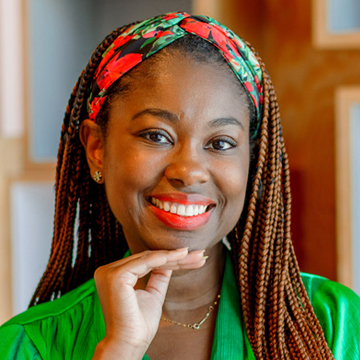
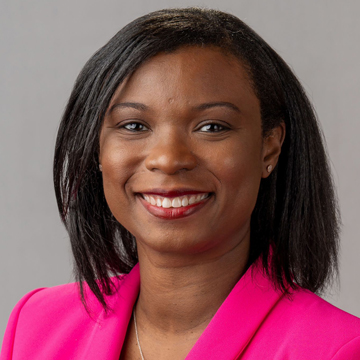
Panelists from left to right: Lacey Gilbert (MS ’11, ADV), Senior Vice President, Strategy Director, Leo Burnett; Adam Hamilton (BS ’11, ADV; MBA ’19) Director, Brand Communications, McDonald’s; Amy Restko (BA ’13, LAS; MS ’14, ADV), Vice President, Engagement Strategy, AbelsonTaylor Group; Bill Rouse (BA ’96, LAS), Senior Vice President, Advertising Sales, Sony Pictures Entertainment; Rachelle Pierre-Lott (BA ’03, LAS), Director II, Enterprise Digital
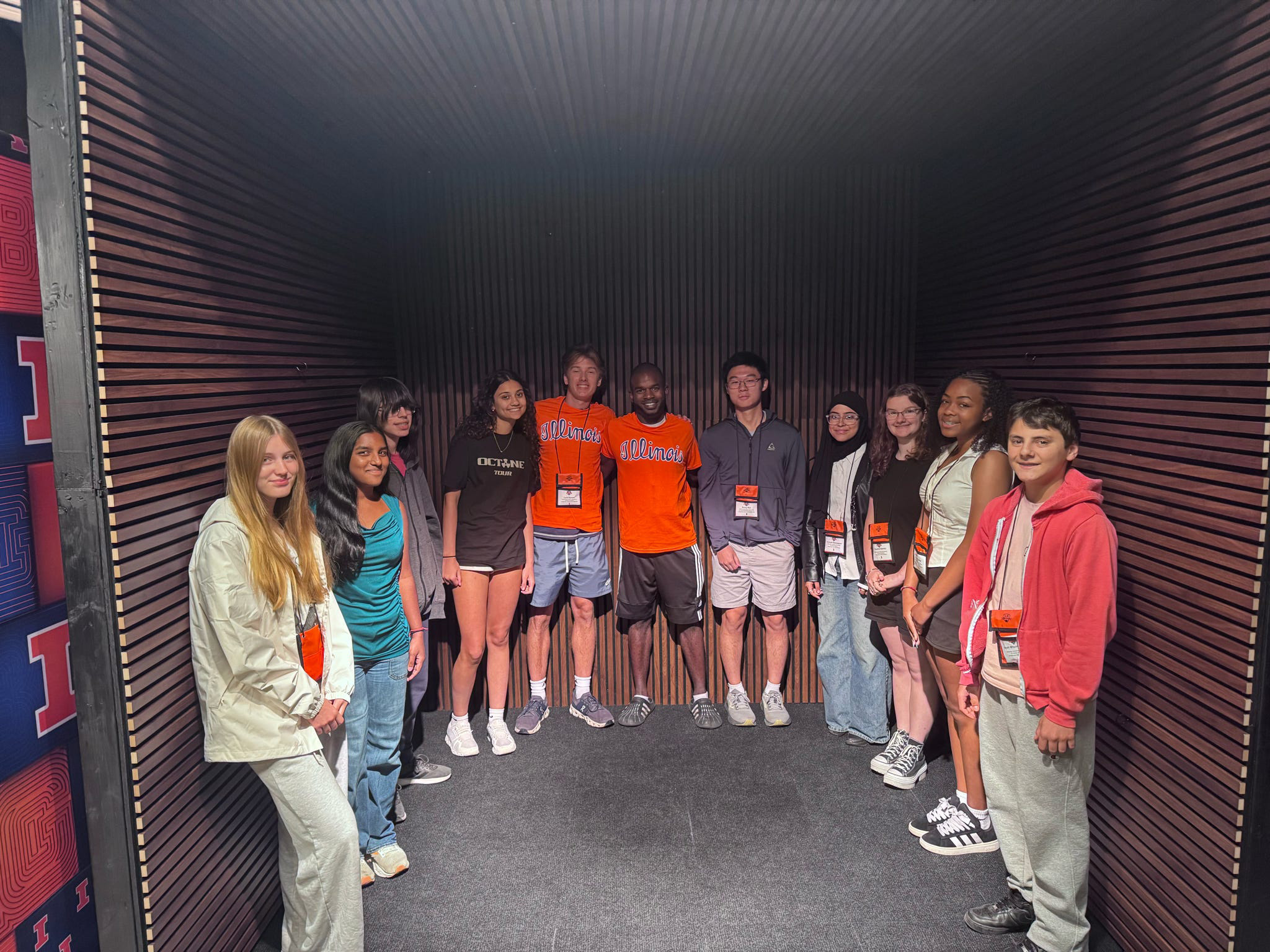
Several faculty and staff members from the College of Media led workshops for high-school-aged youth in Illinois during Illini Summer Academies, held June 21-25, at the University of Illinois Urbana-Champaign.
(Photo of Media attendees by Lark Runkle, youth photographer)
Illini Summer Academies, which is presented by Illinois 4-H, the youth development program of University of Illinois Extension, partners with various departments and colleges across campus every summer to give high school students an opportunity to experience college life and explore a career of their choice.
Twelve students from across Illinois registered for the College of Media program, which marked the college’s first year of participation in the 4-H Summer Academies.
“As the coordinator for the program as well as one of its instructors, I think it went great,” said Jason P. Chambers, professor in the Charles H. Sandage Department of Advertising and associate dean for access and engagement.
“I think that the program helped build student awareness about the majors available in the college and the types of jobs they can get with an education in the College of Media.”
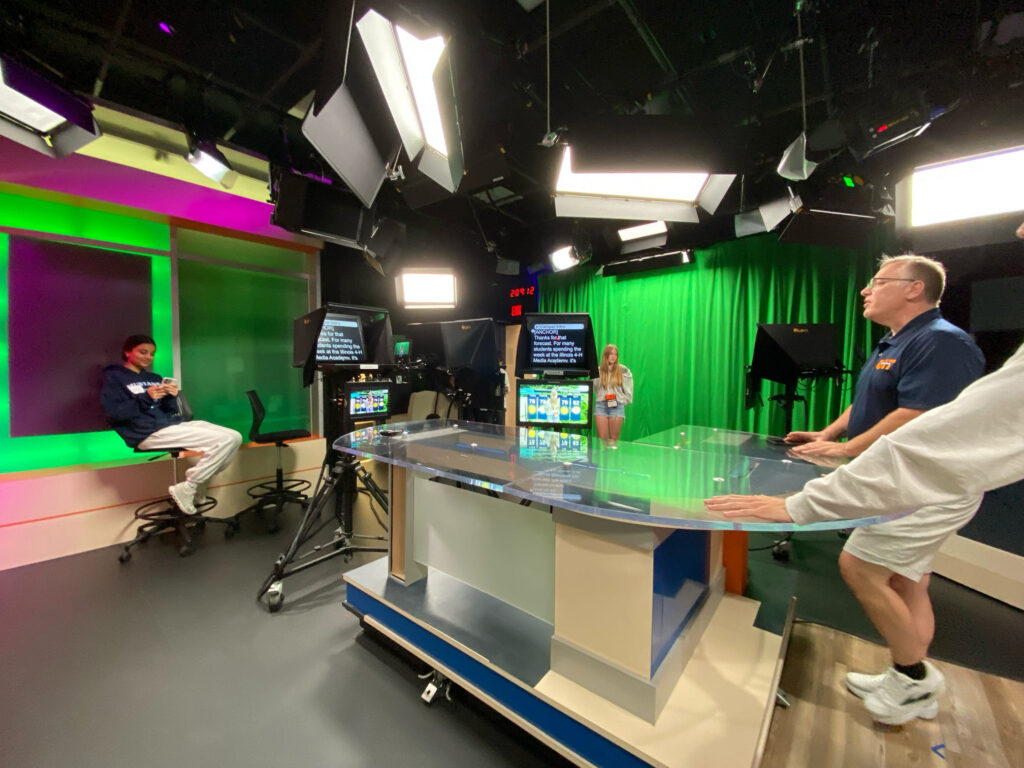
Chambers led the workshop “Exploring Public Service Advertising,” which gave students an overview of the ad industry, including discussions about the different types of advertising, tools, and approaches used to attract an audience.
(Photo of broadcast workshop by Disha Rai, youth photographer)
Students developed a public service advertising campaign on a topic of their choice, such as excess phone usage among teens, distracted driving, and voting.
“I think the big things that students get from these workshops are [learning] that there is an entire industry that works to produce all the advertising that they see [and] that it takes a lot of time and work to create an average advertisement, let alone one that really engages an audience and gets them to pay attention,” Chambers said.
Marisa Peacock, senior lecturer in the Sandage Department of Advertising, led “Create, Connect, and Think: Discovering Your Voice on Social Media,” where students explored how social media shapes identity, creativity, and communication.
Peacock said the workshop was designed to connect participants with college life and future careers, encourage collaboration and peer learning, and build students’ confidence and agency as creators, innovators, and problem-solvers—not just consumers of information.
“It was really fun, and I was impressed by the thoughtful responses from students and admired their understanding of how technology, creativity, and problem-solving can be applied to real-world challenges and future opportunities,” Peacock said.
Other Media faculty and staff who participated in Illini Summer Academies were Angela Aguayo, associate professor in the Department of Media & Cinema Studies; Daniel Almanza, assistant director of Media Career Services; Ken Erdey, instructor and technical coordinator for broadcast operations in the Department of Journalism; and Mike Yao, professor in the Sandage Department of Advertising and director of the Institute of Communications Research. Cassie Arner, executive senior associate director of athletics, sport administration at Illinois Athletics, helped organize a workshop that focused on sports media.
Faculty and graduate students from the College of Media co-presented various topics of research at the 76th annual International Communication Association Conference—the largest academic conference for communication scholars—on June 4-8, 2026, in Cape Town, South Africa. The ICA aims to advance the scholarly study of human communication by encouraging and facilitating excellence in academic research worldwide.
This year’s conference theme addressed “Communication and Inequalities in Context.” College of Media presenters included faculty in the Institute of Communications Research and the Charles H. Sandage Department of Advertising; graduate students in the MS advertising program; and doctoral students in the Institute of Communications Research PhD program.
College of Media research presenters and presentations are listed below in bold.
Pre-Conference: A Causal Inference Institute in Communication Studies Organizers
Shuning Lu, U of Maryland, College Park, USA
Ewa Maslowska, Associate Professor, Advertising
Harsh Taneja, Associate Professor, Advertising
When Communication Makes the Difference: From Signals to Relational Dynamics Human-Machine Communication “Reconsidering Gender: A Computational Examination of Conversational Dynamics between Human and Gendered AI”
Weizi Liu, Texas Christian U, USA
Haocan Sun, Beijing Normal U, CHINA
Mike Yao, Professor, Advertising
Human-Machine Care: Well-Being and Vulnerability Human-Machine Communication “Emotionally Vulnerable Subtype of Internet Gaming Disorder: Measuring and Exploring the Pathology of Problematic Generative AI Use”
Di Wu, Beijing Normal U, CHINA
Haocan Sun, Beijing Normal U, CHINA
Weizi Liu, Texas Christian U, USA
Guoming Yu, Beijing Normal U, CHINA
Mike Yao, Professor, Advertising
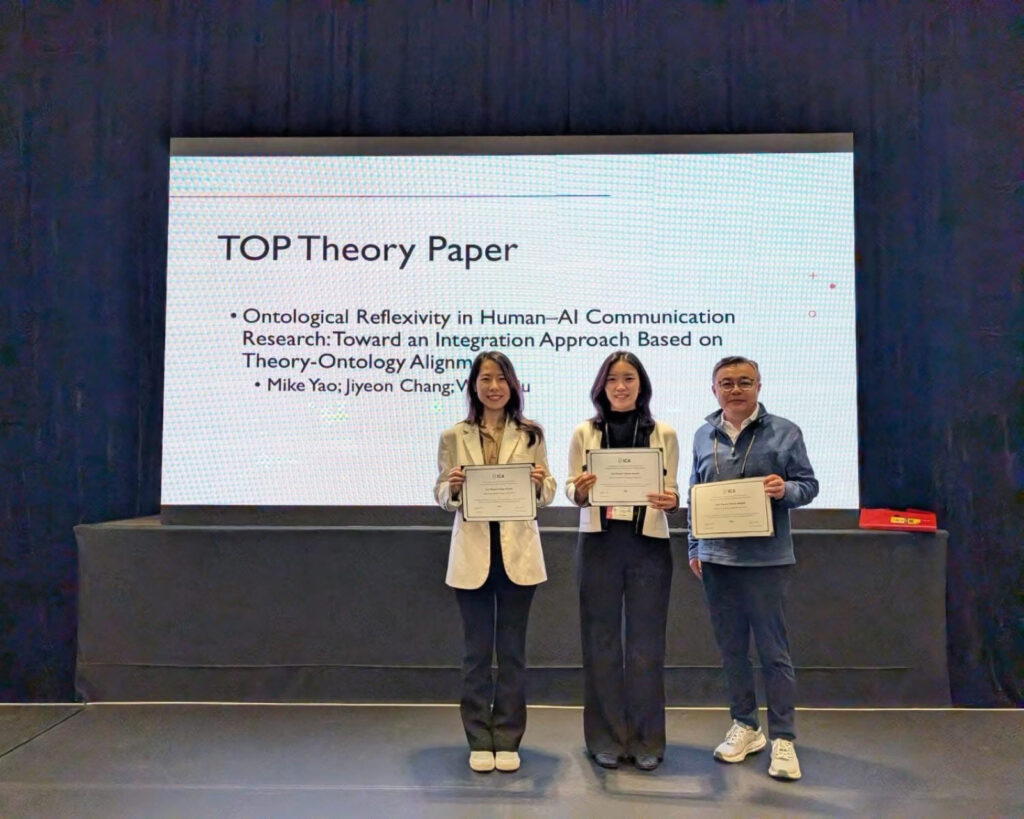
Top Papers in Human-Machine Communication Human-Machine Communication “Ontological Reflexivity in Human–AI Communication Research: Toward an Integration Approach Based on Theory-Ontology Alignment”
Mike Yao, Professor, Advertising
Jiyeon Chang, Student, ICR
Weizi Liu, Texas Christian U, USA
Persuasion and Consumer Behavior Information Systems “The Brand Transparency Paradox: Consumer Reactions to Explicit Mentions of Artificial Intelligence”
Viviana Zambrano Rodriguez, U of South Carolina, USA
Louvins Pierre, Assistant Professor, Advertising
“Exploring How Attitudes toward AI and Disclosure Influence Purchase Intention of AI-Integrated Products through Hedonic, Social, and Epistemic Value”
Louvins Pierre, Assistant Professor, Advertising
Viviana C. Zambrano Rodriguez, U of South Carolina, USA
Yanbo Li, Student, ICR
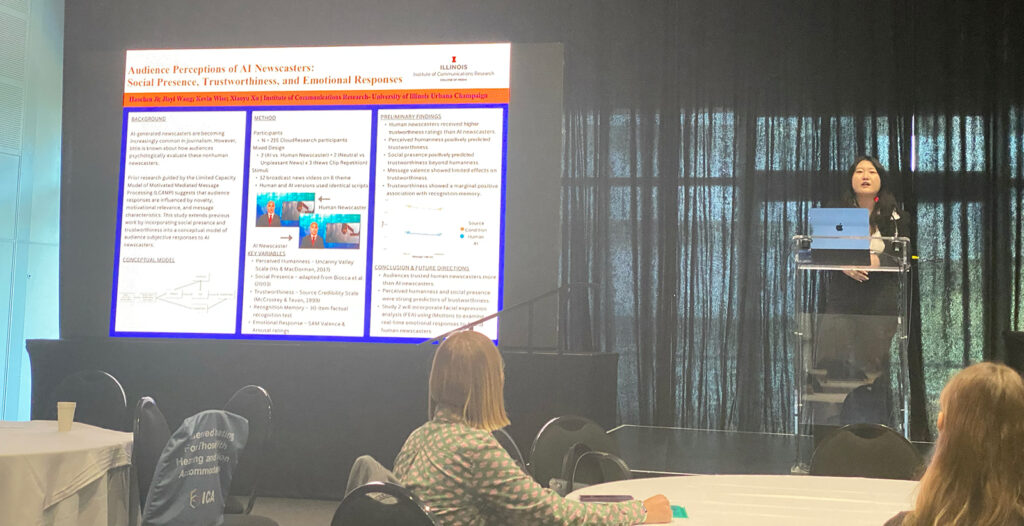
AI in News Production and Consumption Information Systems “Audience Perceptions of AI Newscasters: Social Presence, Trust, and Emotional Responses”
Haochen Ji, Student, ICR
Jiayi Wang, Student, MS Advertising
Kevin Wise, Professor, Advertising
Xiaoyu Xu, State U of New York at Cortland, USA
AI Taking Over: Promises and Pitfalls of AI Use in Research, Journalism, and Society Computational Methods “When Machines Start Writing: Assessing the Impact of Generative AI on Journalism Labor Markets”
Sakshi Bhalla, Student, ICR
Jennifer Henrichsen, Washington State U, USA
Benjamin Toff, U of Minnesota, USA
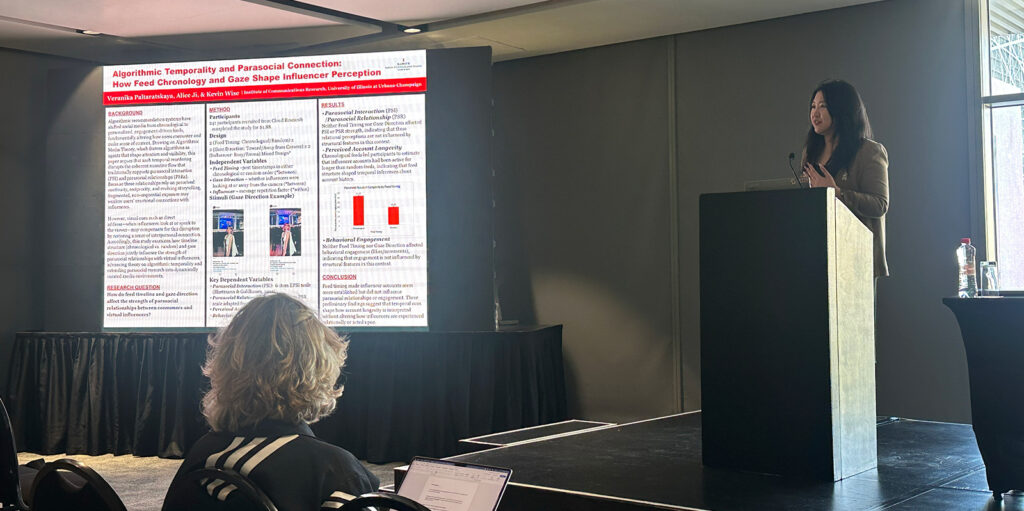
Cognitive and Emotional Processing Information Systems “Algorithmic Temporality and Parasocial Connection: How Feed Chronology and Gaze Shape Influencer Perception”
Veranika Paltaratskaya, Student, ICR
Alice Ji, Student, ICR
Kevin Wise, Professor, Advertising
Editorial Board Meeting: Journal of Computer-Mediated Communication (JCMC)
Chair: Mike Yao, Professor, Advertising
MIAU-steerable AI: Trust, Adoption, Dependency, and Behavioral Regulation in Generative Tech Ecosystems Communication and Technology “Social Media Exit and Platform Loyalty: Generational Differences in Platform Abandonment”
Margaret Yee Man Ng, Associate Professor, Journalism
Ewa Maslowska, Associate Professor, Advertising
Computational Methods Research Escalator Computational Methods “When AI Imagines Consumers: A Computational Analysis of Representational Bias in Generative AI Brand Imagery”
Haochen Ji, Student, ICR
Co-Constructing Trust in HMC Human-Machine Communication “Revisiting Trust in the Era of Generative AI: Factorial Structure and Latent Profiles”
Haocan Sun, Beijing Normal U, CHINA
Weizi Liu, Texas Christian U, USA
Di Wu, Beijing Normal U, CHINA
Guoming Yu, Beijing Normal U, CHINA
Mike Yao, Professor, Advertising
Growing up with AI: Children’s and Adolescents’ Understanding, Trust, and Risk Children, Adolescents, and Media “Children and AI Mind Attribution: Reasoning and Learning with ChatGPT through Social Learning Theory”
Boram Cho, Student, MS Advertising
Jiyeon Chang, Student, ICR
Michelle Nelson, Professor, Advertising
Top Papers Session Information Systems “Following the News: Polarization and the Networked Structure of Attention”
Sakshi Bhalla, Student, ICR
Perception, Trust, and Bias of Artificial Intelligence Information Systems “Emotional and Social Drivers of Artificial Intelligence Pessimism Aversion: Extending the Appraisal Tendency Framework to AI Environments”
Heng Zhang, Chongqing U, CHINA
Nansong Zhou, Student, ICR
Jer Shyuan Ng, Royal Melbourne Institute of Technology, AUSTRALIA
Shiyi Zhang, Chongqing U, CHINA
Masculinities, Femininities in Digital Communication Feminist Scholarship “Masculine Anxiety and the Making of Racialized Nationalism in China: A Qualitative Investigation Into Sunxiaochuan Bar”
Nini Zhou, Student, ICR
JungHwan Yang, U of Illinois Urbana-Champaign, USA
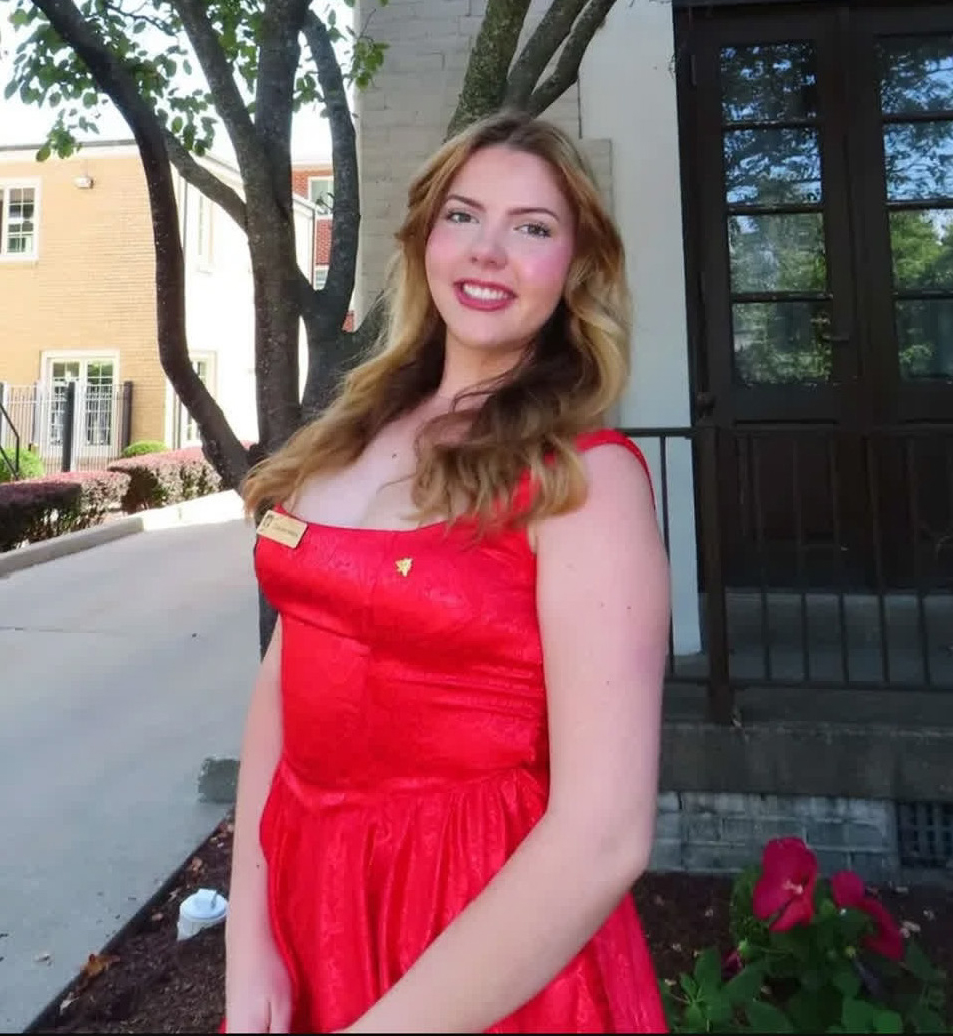
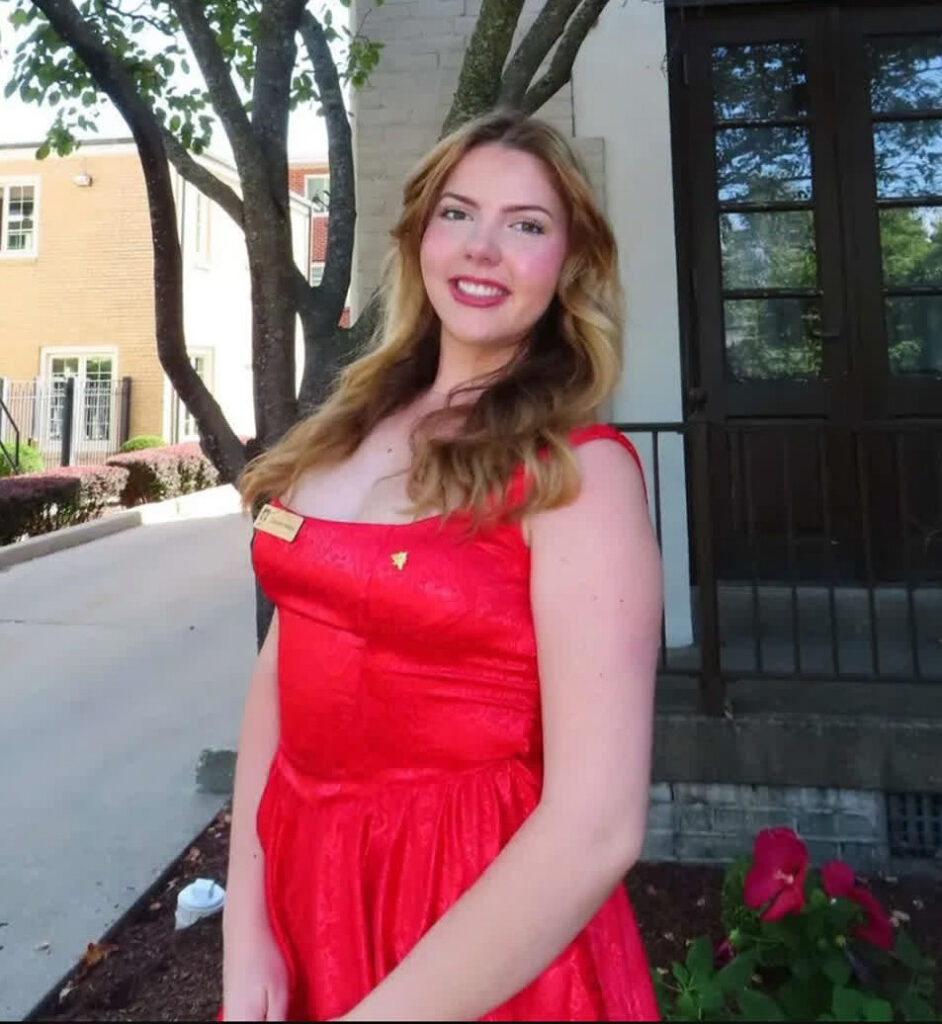
Get to know some of our College of Media students! Giuliana Means is a Class of 2028 journalism major.
Why did you decide to major in journalism?
During my freshman year of high school, I walked into the 96.1 KJTZ radio station, and that experience set my goal in stone that I wanted to be a journalist. For the next four years of high school, I was a radio host. I also did freelance work with local bands. When it finally came time for college applications, I saw that Illinois is considered one of the best broadcast journalism schools.
What project are you most proud of?
Last year, I was a senior reporter for Illinois Public Media, and I did my first feature-length story on homelessness in Champaign-Urbana. At the time, the only low-barrier shelter was at risk of closing due to a lack of funding. If that happened, it would leave around 60 people on the streets in the dead of winter. I wanted to talk to somebody experiencing homelessness and get a new perspective for IPM. I’m really proud of myself for getting that perspective and amplifying the voice of an unhoused person. The College of Media decided to submit my project to the Hearst Journalism Awards Program, and I placed in the top 20 out of roughly 100 submissions. That was the first big project I did by myself, so I’m proud that I made it to begin with, but also, knowing that my work is being appreciated is heartwarming to know.
What classes have been the most beneficial?
As a hands-on learner, I have learned a lot from the IPM section of JOUR 400: Newsroom Experience. I was able to get real-world experience by going out, producing stories, and working with an actual editor.
I’m currently in JOUR 360: Working with the Press for my public relations minor, and it has been really helpful for learning more tools for interviewing people. In that class, you learn how to understand, manage, and build relations with the media. The most interesting part is learning how to work with people who are PR-trained and working together to create stories.
What’s one piece of advice you would give to incoming journalism students?
Try everything! When I first arrived, I got involved with so many RSOs to see what I did and didn’t like. Most people say, “say no to everything,” but I would say the opposite. At first, it might seem like a lot is on your plate, but when your time is filled, and your resume is heavy, which is especially important, you’ll thank yourself later.
I would also recommend utilizing your admission counselor. I love mine. She helped me navigate studying abroad and so much more. She gives me a lot of guidance on how to maximize my time on campus while also ensuring that I have a good experience.
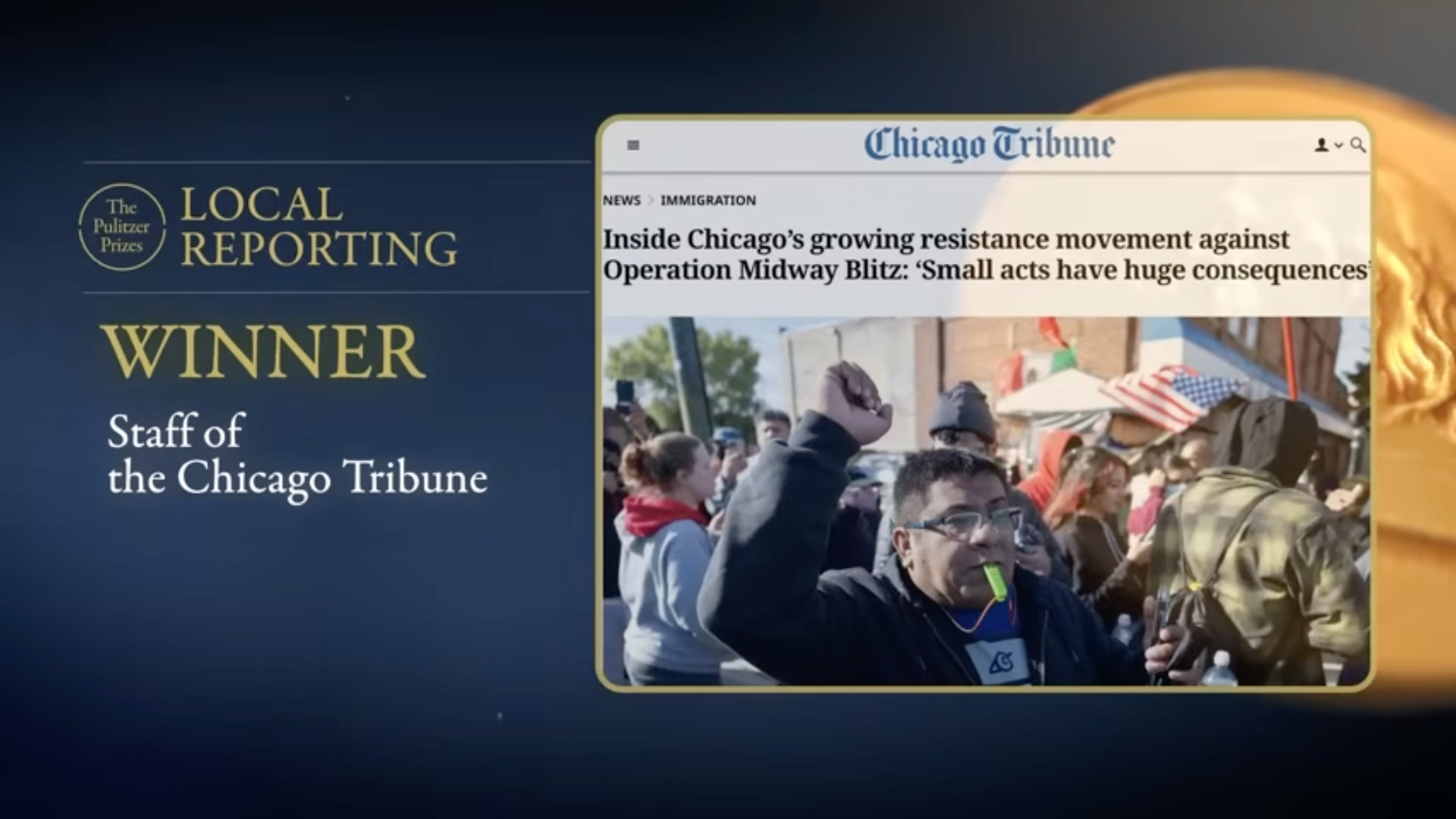
Angie Leventis Lourgos (BS ’03, journalism), Dan Petrella (BS ’06, journalism; BA ’06, LAS; MS ’10, journalism), Marianne Mather (BS ’96, media studies), Bob McCoppin (BS ’85, journalism), and John J. Kim (BS ’97, advertising) were part of a team that produced the winning work, cited as “powerful coverage of the Trump administration’s militarized immigration sweep of the city that described in vivid, muscular prose how the siege-like incursion of ICE agents unified Chicagoans in resistance.”
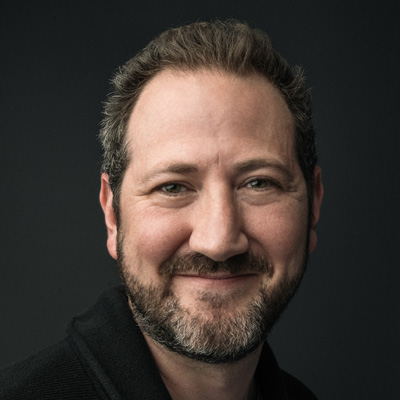
Kim previously won a Pulitzer Prize in 2011 for Local Reporting for his photography in multiple Chicago Sun-Times’ articles that documented violence in Chicago neighborhoods.
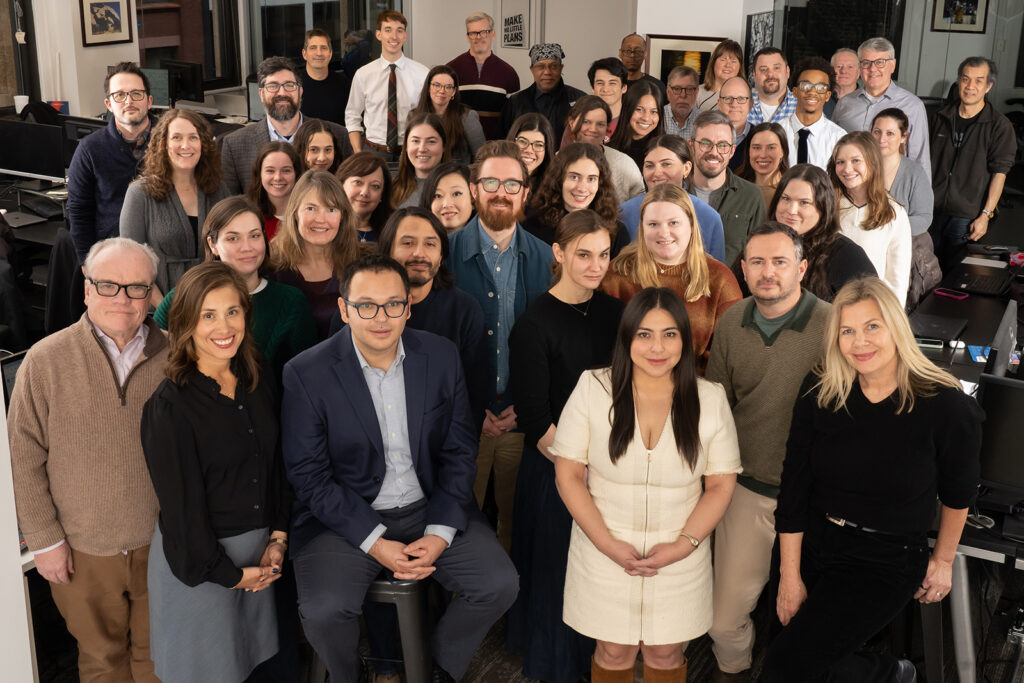
Chicago Tribune newsroom staff; not pictured is John J. Kim, who was out on assignment. (Photo courtesy of the Chicago Tribune.)
Veteran producer and executive Stephen Feder’s (BS ’02, media studies) career ranges from working alongside both independent and major studios spanning television, film, and global franchises, with a recent move up to senior vice president of production at Disney Live Action.
Feder’s impressive career achievements, along with his continued engagement with the college, have earned him the 2026 College of Media Distinguished Alumni Award.
“Stephen Feder has had an illustrative career and has been closely connected to the College of Media, from sharing advice with students at Media Career Night panels to inspiring graduates at our Media Convocation ceremony to participating as a film guest at Roger Ebert’s Film Festival,” said Dean Tracy Sulkin. “He is most deserving of this year’s Distinguished Alumni Award.”
In his new role, Feder will bring his breadth of experience to Disney’s live action film slate.
“I really feel very lucky and very happy to be here. The mentality of Disney is to create experiences for audiences and ultimately to make them feel good when they go into a theater. Just knowing that I get to be a part of that culture is such a blessing, especially at this time in my life,” said Feder, who has a young son.
Feder has always appreciated film, theater, and the arts, even participating in the Illini Union Board musicals when he attended Illinois. But he realized early on his greatest contribution to the field was in supporting and understanding how the creative process works.
“I really have dedicated much of my life, whether it’s being a producer on a particular project or an executive who oversees a slate of projects, to really championing and creating an environment for the artist to succeed in,” he said.
Feder began his career in Chicago, after earning his master’s degree at the London School of Economics. His first job was working as a producer on the Jerry Springer Show, a popular 1990s tabloid-style, daytime talk show known for its altercations between guests. Despite the raucous environment, Feder said he learned about the power of telling a story.
I really have dedicated much of my life, whether it’s being a producer on a particular project or an executive who oversees a slate of projects, to really championing and creating an environment for the artist to succeed in.
Stephen Feder
Senior Vice President of Production at Disney Live Action
After a year, he moved on to Towers Productions in Chicago as a series producer on the NBC docu-comedy series Sports Action Team, which was a comedy show shot like a documentary, before he decided to try his luck in Los Angeles.
He got his break after connecting with actor and comedian Sacha Baron Cohen on the making of Brüno, which became a pivotal moment in Feder’s career trajectory. The experience introduced him to people who became his network as he built his career.
“A lot of other opportunities led from that particular one, which is kind of how it works. Once you get going you start to build this network of people and advocates,” Feder said.
Feder has managed to excel on a variety of film projects with success across independent and large-scale motion picture companies.
Feder was a founding member of Annapurna Pictures, overseeing development and production on acclaimed projects like Richard Linklater’s Everybody Wants Some!!, Wong Kar-Wai’s The Grandmaster, and Harmony Korine’s Spring Breakers.
From 2016 to 2019, he served as vice president of film development at Lucasfilm, managing production for films like Solo: A Star Wars Story. Following his post at Lucasfilm, Feder joined Rian Johnson’s T-Street Productions team, along with producer Kiri Hart, known for her work on the Star Wars franchise. Feder and Hart also launched a new production label Counterculture, producing projects like Rock Springs, which debuted at the Sundance Film Festival in 2026.
Feder was executive producer on Kumaré, which received the Audience Award for Best Documentary Feature at the South by Southwest Film Festival in 2011. Two years later, the film was shown at Ebertfest, which was a great honor for Feder who always admired Roger Ebert and recognized the impact Ebert had on his career.
“His love of movies permeated society, and his spirited way that he would talk about [movies], and the conviction of his opinions around movies is really what drove me to [realize] that a single story could spark such a debate. That alone opened my mind to how important that medium is,” he said.
Feder, who served as the alumni speaker at the college’s 2022 convocation, believes his education at the College of Media laid a foundation for him to understand the power of a story, whether that’s in the form of an ad, an article, or a film.
“I think there’s elements of ethics that you learn, like how you need to understand that the words that you’re putting out into the world matter, how they’re going to be interpreted. It’s not only understanding your audience but understanding the power behind the story that you’re telling,” he said.
“Film is a very powerful medium because it can reach so many people, if you’re so lucky.”
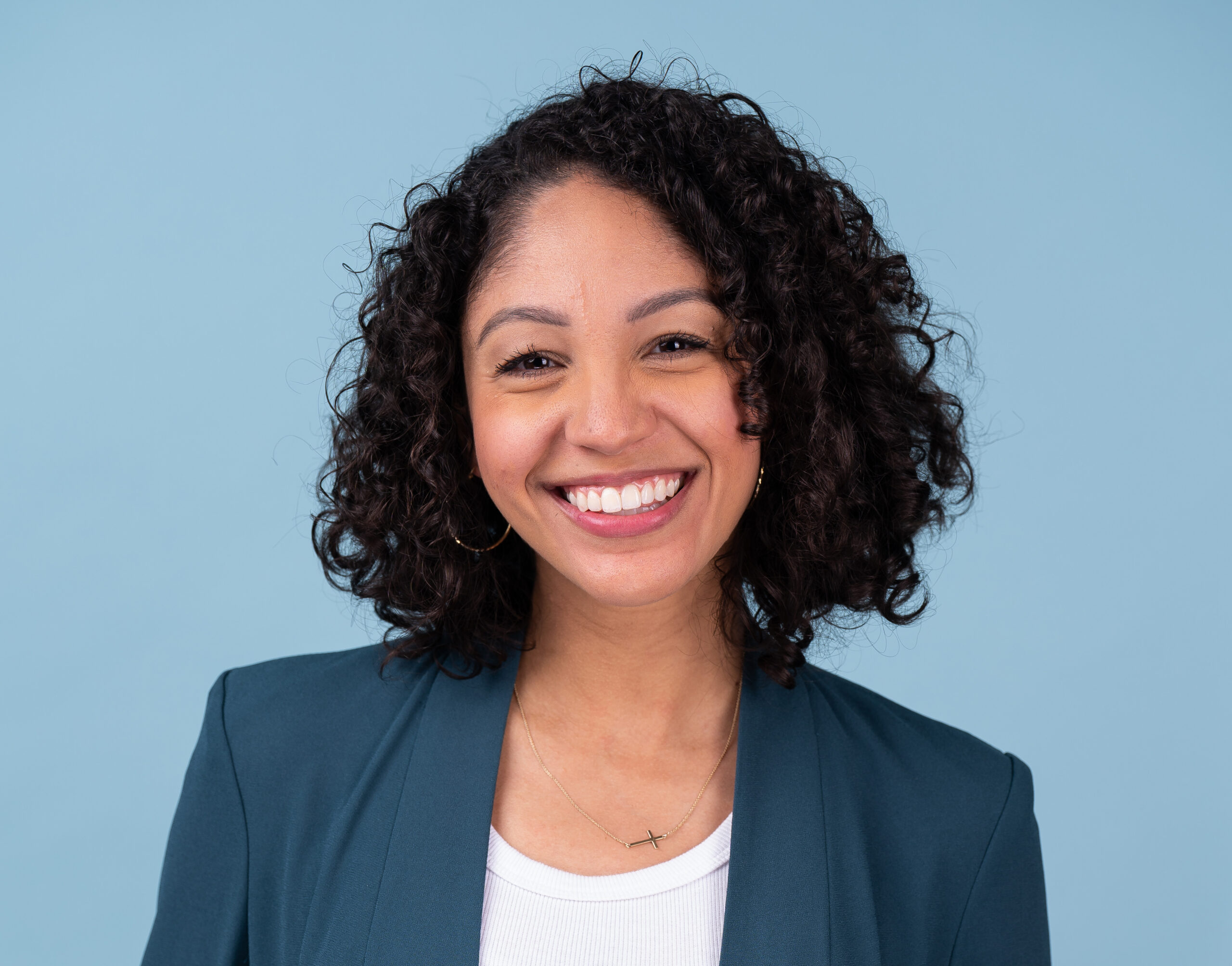
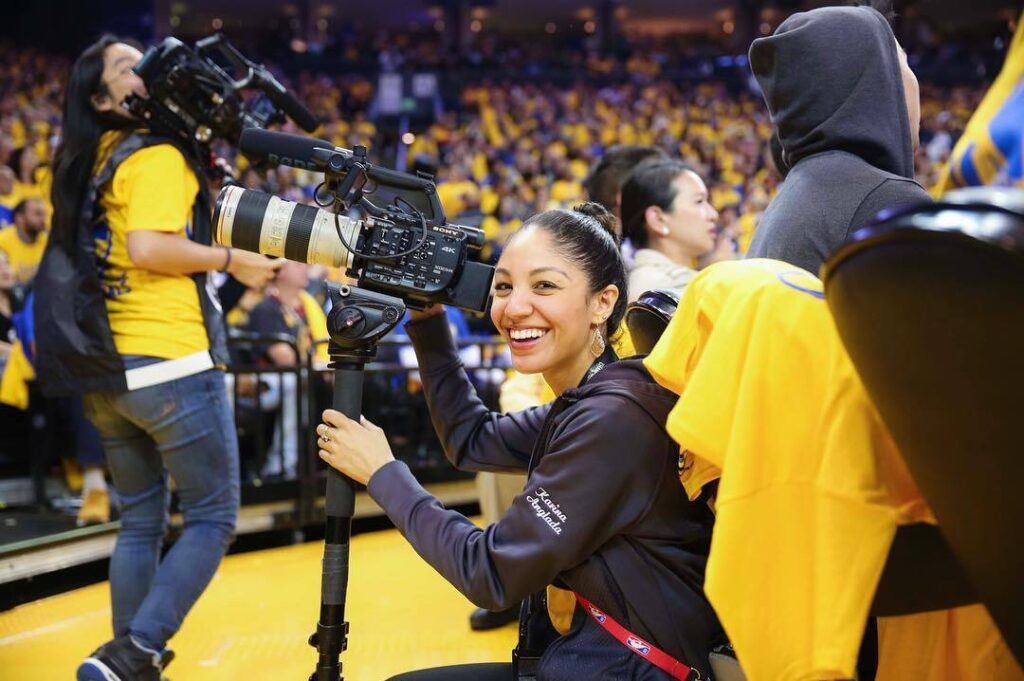
Karina Anglada (BS ’10, journalism; MS ’12, iSchool) has leveraged her broadcast journalism degree to tell compelling stories about iconic professional sports teams, earning nine Regional EMMY® Awards over a five-year period as a media producer and editor for the Golden State Warriors.
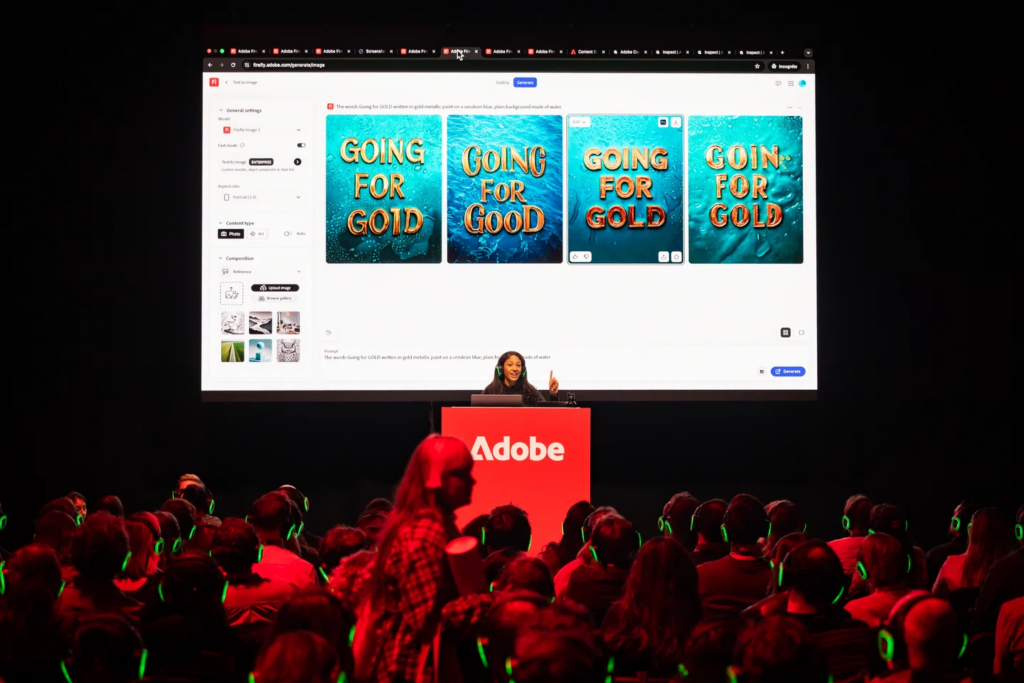
After transitioning from sports to the tech industry, Anglada now helps others shape their narratives as a senior strategic development manager for video at Adobe.
“I made the jump to the tech world and that’s been an incredible career opportunity for me,” she said. “Now I get to meet with customers across the globe who are using Adobe software to help tell their company’s and their brand’s stories.” Her portfolio includes customers across media and entertainment brands, news and sports broadcasting, and marketing, advertising, and content teams for corporate and enterprise organizations.
Anglada’s career trajectory, along with her dedication to the College of Media, led to her being named the 2026 College of Media Emerging Leader Award recipient.
“The College of Media is pleased to honor Karina Anglada as this year’s Emerging Leader Alumni Award winner,” said Dean Tracy Sulkin. “Her eagerness to share her technical and creative knowledge, her award-winning career in sports media and digital media, and her engagement with Illinois overall make her an exemplary recipient.”
Anglada, who grew up in Chicago and now lives in Georgia, never expected to build a career in the tech industry. In hindsight, she recognizes how well her journalism education prepared her for the transition.
Working on a global team with colleagues across Australia, Europe, and Latin America, Anglada supports customers using Adobe Video, while also gathering feedback that helps shape new implementations and inform product strategy. She frequently presents at large events, showcasing the software’s capabilities.
Anglada likens her presentations to being “on-air” talent—requiring her to be engaging, understand audience needs, and translate complex ideas into clear, accessible language.
“I feel like I did that in my journalism classes. You take these stories that have a lot of information, and you condense them down into bite-sized pieces so that people can understand them,” she said. “Looking back, it’s like I was built for this [job] because I had so much of the foundation [already]. A lot of things apply from my degree that I still take with me every day.”
A lot of things apply from my degree that I still take with me every day.
Karina Anglada
Senior Strategic Development Manager for Video at Adobe
Anglada said her journalism classes, as well as her internship at Fighting Illini Productions, were a catalyst for her future in sports media. The hands-on experience allowed her to put into practice what she learned in the classroom, whether it was shooting, editing, directing, live video production, or post-production work, for a variety of Illinois sports including football, women’s basketball, wrestling, and volleyball.
“I didn’t realize it at the time, but that was the beginning of my career kind of taking off,” she said.
Following graduation, Anglada worked as a producer and editor for the Detroit Pistons, and then at Auburn University where she worked as assistant director of video services.
In 2017, she moved to California to take a job as a producer and editor for the Golden State Warriors. Most of her job focused on post-production editing for video boards, social media, and documentary-style television shows that aired on the regional sports network.
One of her favorite projects—and one that garnered her a Regional EMMY® Award—was a video she helped produce featuring Vice President Kamala Harris, who is from the Warriors’ former home city of Oakland, California, and a young African American girl who shares the same hometown. The video’s underlying theme centers around the widespread impact Harris had on Black female youth while making history as the 49th vice president of the U.S.
“To have that honor bestowed on our team, and to have my skill set and my craft of editing be recognized by my peers was an incredible, incredible thing,” she said.
As an alum, Anglada has stayed engaged with the College of Media, participating in alumni panels, serving as a keynote speaker at University of Illinois Web Conference in 2023, and mentoring Media students.
In addition to offering advice about the current industry, Anglada emphasizes the opportunities a journalism education can offer.
“There are the standard jobs, like on-air talent, producer, director, newsroom-type-focused careers. But there are so many other fields that you can go into with a journalism degree, and I’m a testament to that. I worked for three different sports organizations, and now I’m in tech,” she said.
Anglada speaks often at professional events about the use of AI in today’s media landscape and can appreciate both the power and challenges it presents.
Get to know some of our College of Media students! Nathan Murphy is a Class of 2026 media and cinema studies major.
What first interested you in the media and cinema studies (MACS) major?
Ever since I was young, I’ve loved watching movies, but as I got older, I became more interested in how they were made—the behind-the-scenes work, the “how did they actually do that?” side of things. MACS lets me explore this question by gaining hands-on experience with creating short films. I also really enjoy helping bring others’ ideas to the screen. I have my own visions but being a part of a team and helping someone else realize theirs is incredibly rewarding.
What makes the MACS program at the University of Illinois College of Media stand out?
A big factor in choosing Illinois was the location. I am from the area, so staying close to home really mattered to me. What really made the MACS program stand out to me was when I came to visit for Admitted Student Day and first met senior lecturer Victor Font. He led a workshop in Gregory Hall called the 2001: A Space Odyssey Green Screen Workshop. He had a student greenscreen a scene from the film and walked us through how to shoot and edit it. It was surprisingly informative because it showed just how much access to technology students actually have. That workshop is what ultimately sealed the deal for me as it showed me what MACS looks like in practice and made the program feel like the right fit.
What had also drawn me to MACS was the size and feel of the College of Media. MACS is smaller compared to other programs, which often have huge lectures. College of Media professors and lecturers actually know your names, talk to you regularly, and check in on your projects. That kind of relationship-building is important to me.
What has been your favorite MACS class?
On the production side, my favorite class has been MACS 480: Advanced Filmmaking. It was one of the first times I got to work on a truly professional short film with a serious crew. We shot at an Airbnb over several days. It was intense, long hours, and a lot of work, but also incredibly energizing. I made friends and connections I still have today. By the end, I was exhausted, but it felt like I had really earned that sleep. Seeing the finished project was genuinely fulfilling.
I also loved MACS 282: A World of Death and Blood: The Horror Movie with senior lecturer Jonathan Knipp. He’s passionate, engaging, and really committed to helping students understand film beyond just “liking” or “disliking” it. Even when I didn’t like a particular movie, the way he breaks down the technical aspects, themes, and the real-world influences made me appreciate what the filmmakers were doing. His screening helped me see horror, and film in general, in a much deeper way.
What media-related RSOs are you involved in?
I’m currently the vice president of Illinois Film and Video (IFV). I’ve been involved with IFV for four years, but I became active in my junior year, and then joined the executive board that spring. IFV has been an amazing way to meet people who are passionate about film, regardless of their major. You get [to meet students from] a broader campus community including other College of Media students, business students, and more, rather than just staying within the same MACS circle.
We host film challenges in which we encourage members to make short films and screen their own work for the group. We also hold pitch days, where people share ideas before they even have a script, which helps generate interest and collaboration early on. On top of that, we bring in guest speakers to create great networking opportunities locally and beyond. Overall, IFV has been a huge part of my experience here. Between projects, meetings, and just hanging out with members, it’s been incredibly rewarding.
Since starting college, how have your career goals developed, and what experiences pushed you in that direction?
When I first started college, I imagined myself becoming the next Oscar-winning director and creating the greatest film of all time entirely on my own. But once I got deeper into the MACS program, I quickly realized filmmaking is never a solo process—you need a crew, and collaboration is really what brings a vision to life.
Through my production classes, I was able to try a lot of different roles including sound, cinematography, and eventually production. As I moved into higher-level courses, I was given more responsibility on the producing side, and that experience really shaped the direction I’m pursuing now. I found that producing was the role where I felt the most fulfilled. Working with different crews, taking on leadership roles in advanced classes, and even coming back to help senior lecturer Victor Font with production courses all pushed me toward seeing myself not just as a filmmaker, but as someone who thrives in a collaborative environment. Those experiences helped shift [my perspective] from wanting to be a director to becoming a producer and help bring an entire team’s vision to life.
—Interview by Lia Roa-Hernandez, New Voices Intern
Get to know some of our College of Media Students! Rafael Aguirre is a Class of 2028 advertising major.
What made you choose advertising as your major?
A specific moment that really confirmed my interest happened during my senior year of high school when I visited Revolution, a sports marketing agency. They work on advertisements for organizations like F1, MLS, and other sports leagues in the U.S. Visiting their office gave me a real look at the industry and seeing how creative and collaborative the environment was stood out to me. It made the career feel exciting and [like] something I could genuinely see myself doing. That experience helped me realize that advertising was the direction I wanted to pursue.
What excites you about the advertising industry?
Since starting at Illinois, my perspective on advertising has evolved a lot. One of the biggest things I’ve realized is how quickly the industry changes, especially with the growth of new technology like artificial intelligence. Something that might have worked as an advertising strategy four years ago might not work today because the tools, platforms, and audiences have all changed.
Being in the program has helped me understand that advertising is becoming more modern and data-driven, and that professionals in the field must constantly adapt. It’s not just about creativity anymore, it’s also about understanding trends, using new technology, and analyzing data to see what works. That realization has made the field even more interesting to me.
What has been your favorite class so far and why?
Right now, my favorite class is Advertising 250: Advertising and Brand Strategy. One of the reasons I enjoy it so much is because it’s very project-based and collaborative. Instead of doing a lot of smaller assignments, we work in groups on one major project throughout the entire semester.
For the project, we either choose an existing brand and identify a challenge it’s facing, or we create our own brand and develop a solution to a problem within an industry. For example, a team might look at the energy drink industry and notice that there are too many single-use cans, which creates sustainability issues. From there, they would build a brand concept that addresses that problem. I like how the class encourages creativity, teamwork, and real-world problem solving, which makes it feel like the type of work you might do at an agency.
What resources have been helpful in navigating Illinois?
One resource that has been helpful is access to research databases through our school email. For example, Statista is a platform that provides statistics and industry data that are useful when working on projects or building marketing strategies. Normally, access to those types of resources can be expensive, but as Illinois students we can use them for free through our university accounts.
Having access to credible data makes it much easier to support ideas with real statistics, especially in advertising and marketing where research is important for making strong arguments and decisions.
Are you involved in any media-related RSOs? What makes your organization different?
I’m one of the founders of La Agencia, and I currently serve as the recruiting treasurer. We started the organization in Fall 2025 with the goal of helping students build stronger portfolios. The internship market in media and advertising has become very competitive, so we wanted to create a space where students could gain experience working on projects and develop work that they can showcase to employers.
One thing that makes La Agencia different from some other RSOs is our focus on building a sense of community. In many organizations, people already have their own friend groups and sometimes don’t interact much with new members. As an executive team, we try to encourage everyone to talk to each other and get to know people outside of their existing circles. Our goal is to create a welcoming environment where members feel comfortable attending events, collaborating on projects, and building connections.
What are your plans after graduation?
After graduating, I hope to work at an advertising agency, ideally in sports marketing or copywriting. I’m especially interested in copywriting because I enjoy the creative side of advertising and the process of developing messaging that connects with audiences. Overall, my goal is to work in an agency environment where I can contribute to creative campaigns, particularly in industries like sports where marketing plays a big role in connecting brands with fans.
—Interview byAndrea De La Torre, New Voices Intern
See a selection of College of Media student-produced work created this spring, including broadcasts, documentaries, short films, advertising brand systems, and more.
Advertising
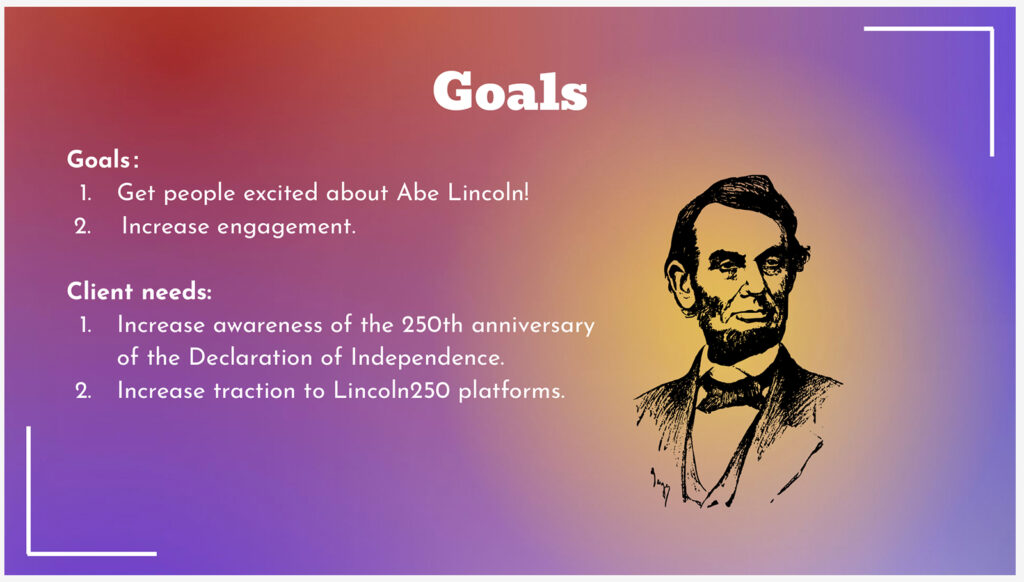
In ADV 498: The Sandage Project, students integrate the concepts, experiences, and skills that have been learned throughout the advertising curriculum with a service-learning project. See a project students created for Lincoln250, for the clients Lincoln Group of DC and the Abraham Lincoln Association, to expand the reach of Lincoln250.org.
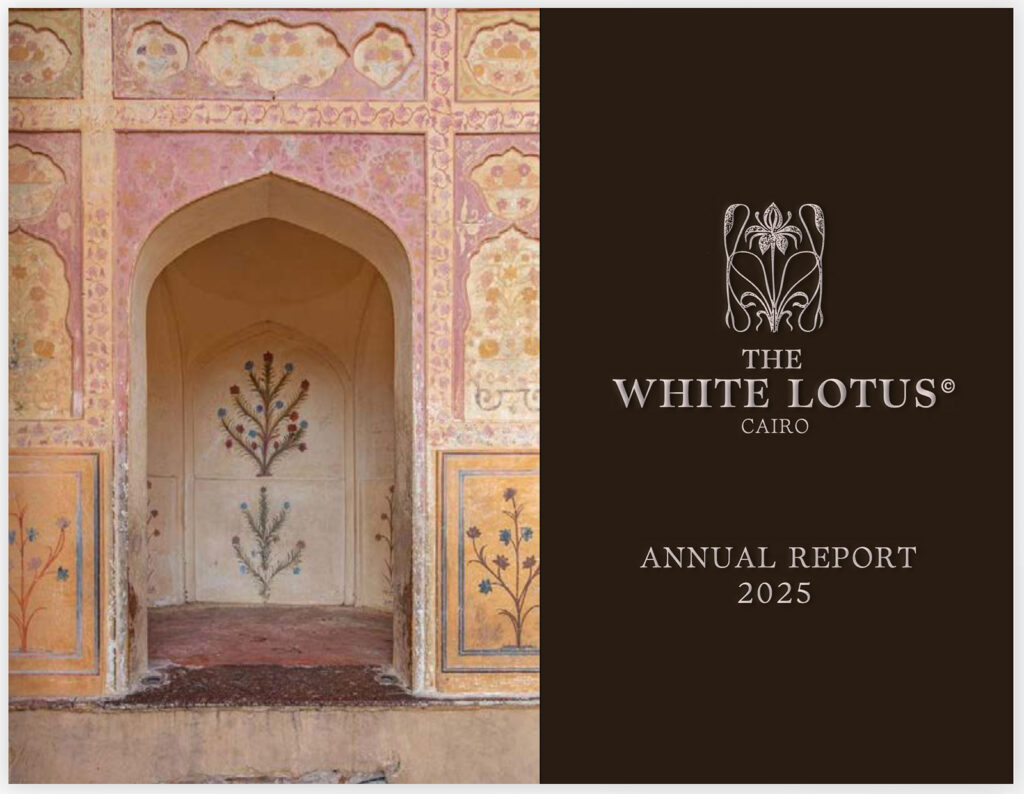
In ADV 290: Advertising Design and Direction, students created a brand system for a fictional business and designed a 12-page annual report. See an example for White Lotus by Bella Chasen, junior in advertising.
UI7 Newsroom went live from the Orange Carpet for the 2026 Oskees on April 27 as Fighting Illini Athletics celebrated more than just performance on the field, but also highlighted the student-athletes behind the success. The team of UI7 reporters spoke with players and coaches to capture what this event truly means to the Illini community.
Watch a broadcast by UI7 Newsroom journalism students Nathan Gonzalez and Mary Piacente, featuring interviews with Illinois Governor JB Pritzker and Republican nominee Darren Bailey. This is the first time UI7 students have conducted an interview with a sitting governor, said Kenneth Erdey, journalism instructor and technical coordinator for Richmond Studio. They also spoke with the two nominees for Illinois comptroller.
Students in JOUR 440: Advanced Documentary Storytelling and Production produced segments to air on Illinois Public Media’s magazine show, Prairie Fire, premiering on May 21:
“The Space” – produced by Amelia Benson, Jonathan Mathew, and Tristan Starzec
“Live at the Mirror” – produced by Wilson Tripp Nichols, Adam Edwards, and Jude Panlilio
“Skeuwep” – produced by Ethan Ashley-Ferguson, Elissa Eaton, and Mike Rock
“Central Illinois Aikikai” – produced by Florence Lin, Paige Whiteside, and Sophia Alvarez
“Orange Krush Senior Night” – produced by Sam Yohnka, Brandon Hood, and Isaiah Adeleke
Watch the Illinois Student Film Festival, produced by students in MACS 366: Film Festivals, featuring work by students across the University of Illinois campus.
Watch the MACS Student Showcase, a faculty-curated selection of student work from media and cinema studies courses throughout the academic year. See program credits with timestamps.