Independent journalist Chris Cillizza to visit the University of Illinois for a conversation on political reporting


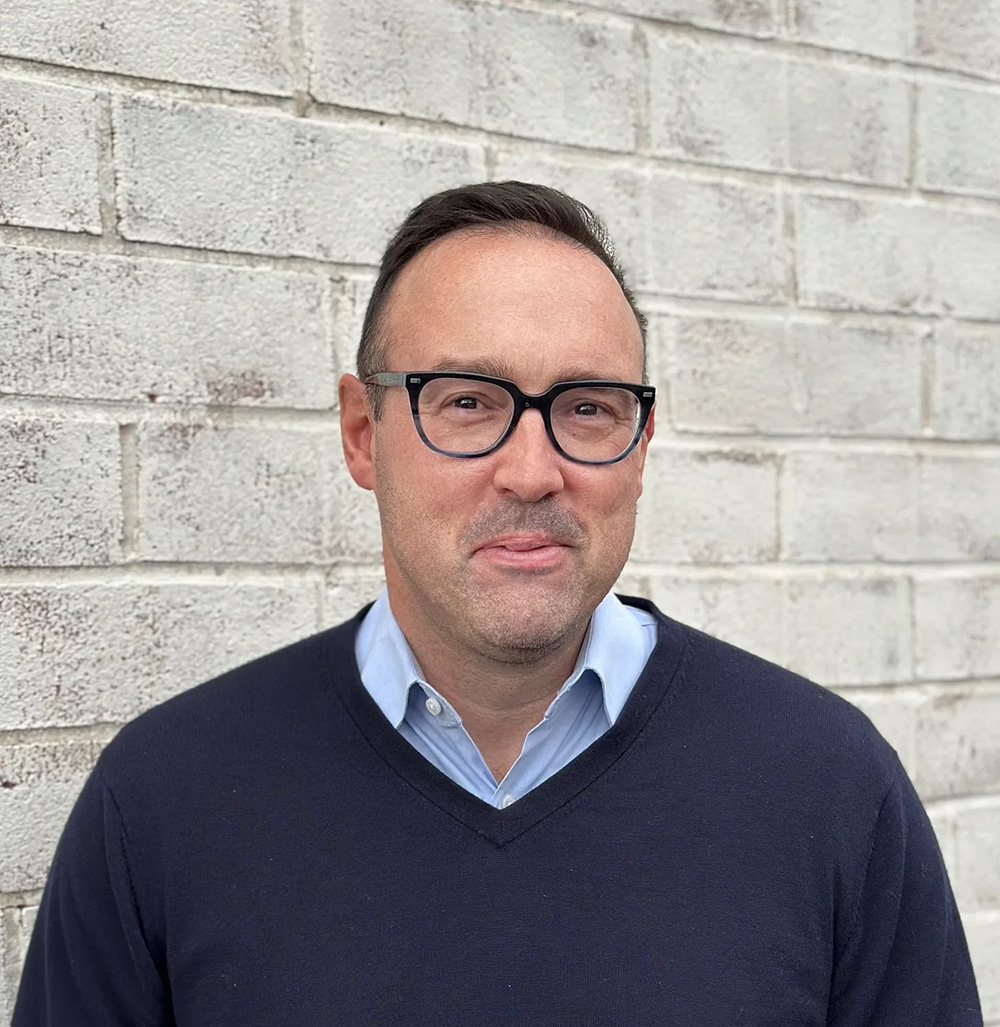
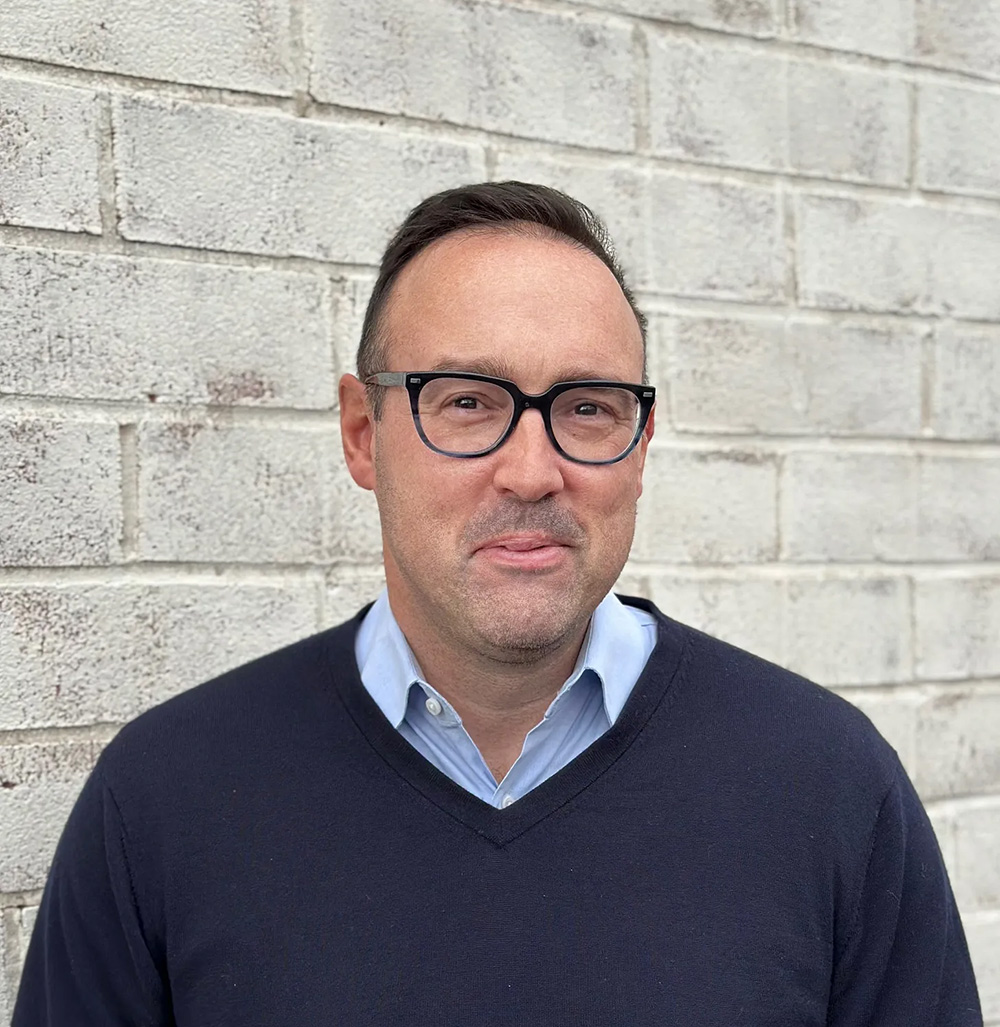
Chris Cillizza, an independent news creator on Substack and YouTube, will be on the University of Illinois Urbana-Champaign campus for a conversation about reporting on politics and independent journalism on Tuesday, Dec. 2, from 5-6 p.m.

Chris Cillizza

This event is free and open to the public and is presented by the Richard and Leslie Frank Center for Leadership and Innovation in Media at the University of Illinois College of Media. 

Attendees may join the event in Lincoln Hall (Room 1092), 702 S. Wright, Urbana, or register to join via Zoom. The conversation will be led by Colleen King, director of the Frank Center and clinical assistant professor of journalism. 

Cillizza has more than 32,000 subscribers to his daily political newsletter, “So What,” on Substack and more than 130,000 subscribers to his YouTube channel. 

He also hosts a show called “Politics Aside with Chris Cillizza” for the Monumental Sports Network. In it, Chris talks to some of the most powerful people in Washington about the sports they play, love, and watch. He is a political analyst for NewsNation. He contributes content to the Daily Beast and Noosphere. Prior to his career as an independent journalist, Chris spent more than 20 years in mainstream media. He previously served as politics reporter and editor-at-large for CNN and is founding editor of the Washington Post political blog “The Fix.”

For more information, please contact Colleen King at cck@illinois.edu. 

Share on social

Take 5 with Media Alumni: Carlye Wisel


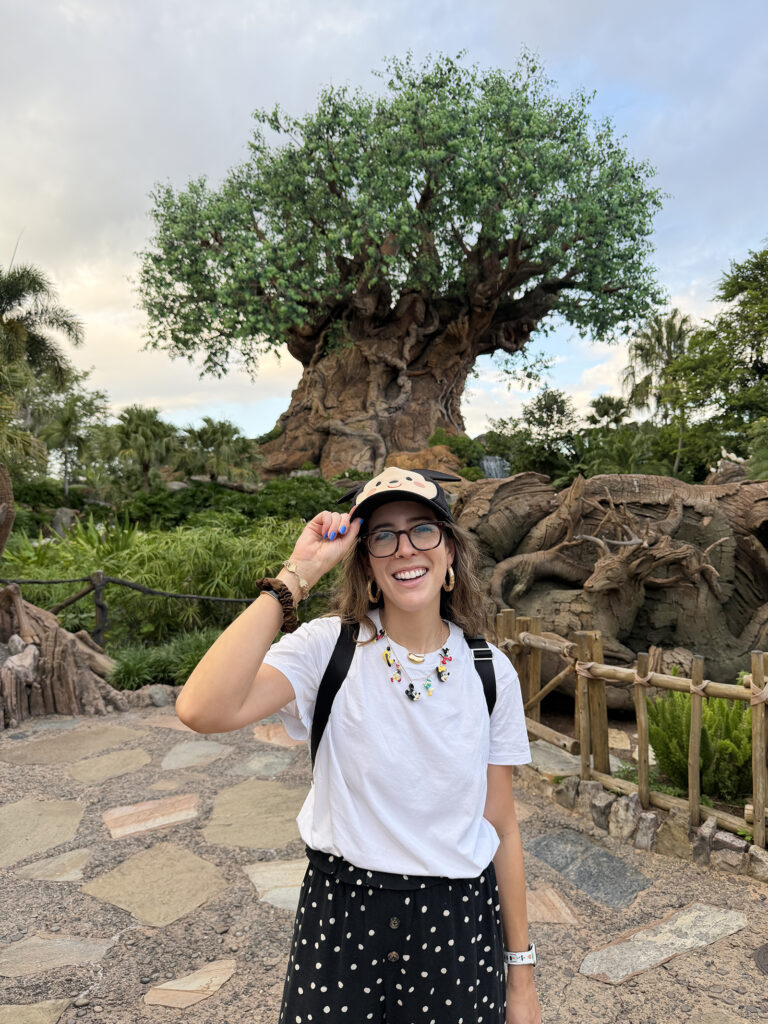
Carlye Wisel (BS ’09, journalism) was a lifestyle reporter interviewing famous musicians and celebrities like Mick Jagger and Kim Kardashian before a bachelorette trip to Disney World changed her career trajectory. Now, as a freelance journalist covering Disney and Universal theme parks, Wisel has contributed to magazines like Travel + Leisure, Glamour, National Geographic,and TIME, shares creative content with nearly 60,000 Instagram followers, and hosts a highly rated podcast, Very Amusing.Learn more about this College of Media alum who has built a journalistic career at the intersection of pop culture, travel, and joy.

1. You started as a lifestyle reporter, but a visit to Walt Disney World changed your life. What about that experience hooked you and made you focus full-time on theme parks?

Part of what I love about having a journalism background and having experience in reporting is that you can choose any career you want. If you randomly end up in Orlando and ask yourself, ‘What is going on in this city?’ you can [turn it into] a job, which is exactly what happened to me. I got married in 2015 and my husband suggested I go to Disney World for my bachelorette party. There were 11 or 12 of us, and it was the most complicated vacation I’ve ever planned in my entire life. A normal person would think it was too difficult, and never want to go back again, but me, as a reporter, went, ‘What’s going on here?’ And I needed to just dial in and figure out how people do this, and that hunt for more information and learning more about Disney World has sustained me 10 years to this day, where I’m still invested and curious in everything that’s happening there.

2. On the outside, it appears that you have a “dream job.” Is that accurate or a misconception? What kinds of challenges does your job present that most people wouldn’t realize?

I love my job, but it is, at the end of the day, challenging. While no one wants to hear someone complain about how often I have to go to the Magic Kingdom, there is an element to reporting on one of, if not the largest, entertainment companies in the world that often gets under-discussed. Everything I say—even if I say it casually into a mic instead of written down for a major publication—has to be at the same level of expertise and professionalism. That is where the lines blur, and it can be really tricky, especially when you host your own podcast. Because I can’t ever tell people something that isn’t fact-checked or isn’t true. Everyone makes mistakes, but as a reporter, it’s very important to me that even if I’m yapping in my house [on my podcast], just telling a story about a theme park, all of it has to be true and accurate. And so, I do still very much live a life of a newspaper reporter, even in this fun context.

3. You’ve won numerous awards for your stories, with your work published in a variety of outlets including The New York Times. What’s one story you’ve written throughout your career that stands out the most?

The most challenging story that I have written while covering theme parks was definitely the one I wrote for Vox after Walt Disney World reopened during the pandemic. My job for a long time was real light and fun. It was roller coasters, it was “lands,” it was fun-themed cupcakes. And then it became local government, union mandates, and wastewater levels. It really became a very serious reporting job. And that shift was something I didn’t expect but thank goodness I had the training for it. I went to Disney World for the reopening, and it was really challenging to report about, because I felt like ‘I’m in this space, I need to make sure I represent every single person in this puzzle.’ I needed to represent cast members, who are the employees at Walt Disney World. I needed to represent local government. I spoke to [Florida State House Representative] Anna Eskamani, who is incredible, just one of the most prolific voices in Florida government today. I was able to really piece together a full picture of what it’s like, not just, ‘These are the lines! These are the 6-foot tape [markers] on the ground.’ I was able to really report about it from all angles, and that was extremely challenging, but definitely one of the proudest moments of my career, because I felt like I really was in a time and place where I was able to cover it as accurately as humanly possible.

4. Has your podcast changed the way you think about storytelling compared to print or online journalism? Is podcasting and creating content for social media an evolution of more traditional reporting?

I’m still a journalist, but I think that podcast host, content creator, reporter—that all needs to be woven in, which is modern-day journalism in a nutshell. I do think the lines have blurred a lot, because there is a huge spectrum. I don’t think you have to choose which bucket you’re in, and if people perceive you as a content creator, that’s totally fine. Just as the way social media evolves, my career has shifted. And I really don’t know what happens next. Now the modern model of what I do is, ‘If you’re freelance, you have a niche, you’re known for this one thing. You write some stories, you have a podcast, you’re on social media, you post videos, and maybe you have a newsletter.’ And what’s interesting is that four years from now, that won’t be the case. But because I have a journalism background, because I chose to study a trade and not just a subject, I really do feel like I can pivot to whatever comes next, because at the end of the day, it’s all storytelling. And if you can get information out in a clear, concise way, that’s really all that matters, not the formula from which that comes.

5. What advice would you give to students or aspiring journalists who want to tell stories that capture wonder, creativity, and joy? Do you have any suggestions for students who want to turn their passion for writing about a niche topic into a profession?

The great thing about graduating from the College of Media is that you’re going to have the skills, no question. Now, the challenge is finding out how to make your passion your profession. Let’s say you have a different media job and want to report on this one wacky thing. You can self-publish posts, newsletters, even videos about it. You can become an expert, the face of that, and likely be hired to report about it. 

Remember, at the end of the day, you came from studies that benefit you in any career you end up taking. Having the expertise is only half of it. The more abilities you have, the easier it’s going to be to get work. Early on in my career, I would upsell a story by [providing photos]. If you have video skills, on-camera skills, voiceover skills, it will always benefit you. The more experience that you can have under your belt in all these different facets of reporting, the easier it’s going to be—freelance or full-time—to land a job.

Share on social

2025-26 Ebert Fellows announced


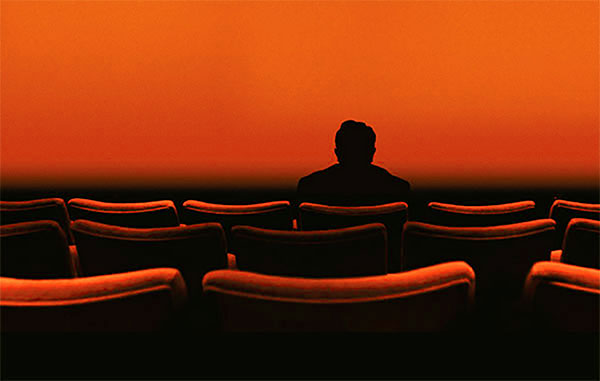
Each fall, the Roger Ebert Fellowship program selects three College of Media undergraduate students to participate in the yearlong fellowship that aims to shape their skills in critical writing through immersion in the film industry.

Ebert theatre- orange

The Roger Ebert Fellows chosen for the 2025-26 academic year are Paige Gaines, Amir Rehab, and Jin Wang.

The program, named after the late Pulitzer Prize-winning film critic for the Chicago Sun-Times and University of Illinois journalism alum, allows students to work with former Chicago Tribune film critic Michael Phillips in engaging with notable figures within the film and media industry and strengthening their critical analysis and writing skills.

This year, the Ebert Fellows will participate in monthly workshops both on campus and in Chicago, curate screenings through the Roger Ebert Center for Film Studies at Spurlock Museum, and engage in radio exercises with Steve Morck, senior digital media producer at Illinois Public Media.

Phillips has been the advisor since the program began in 2015. When it comes to selecting the Ebert Fellows, he looks for something beyond the conventional: persuasive, compelling and “alive.”

“Ebert was a lot more than a ‘film critic,’ Phillips said. “He brought the world around him into the writing, which is not easy to do well, and he did it just about better than anybody.”

Another yearly highlight is the Fellows’ coverage of the True/False Film Fest in Missouri. This is a two-night excursion that entails covering the festival, where Phillips encourages the students to speak with people involved in the films that interest them the most.

“Whether it’s for radio podcasting, print, or introducing a film, anything we can do to get the students a little closer to the writer they want to become is the goal,” Phillips said.


Meet the 2025-26 Ebert Fellows

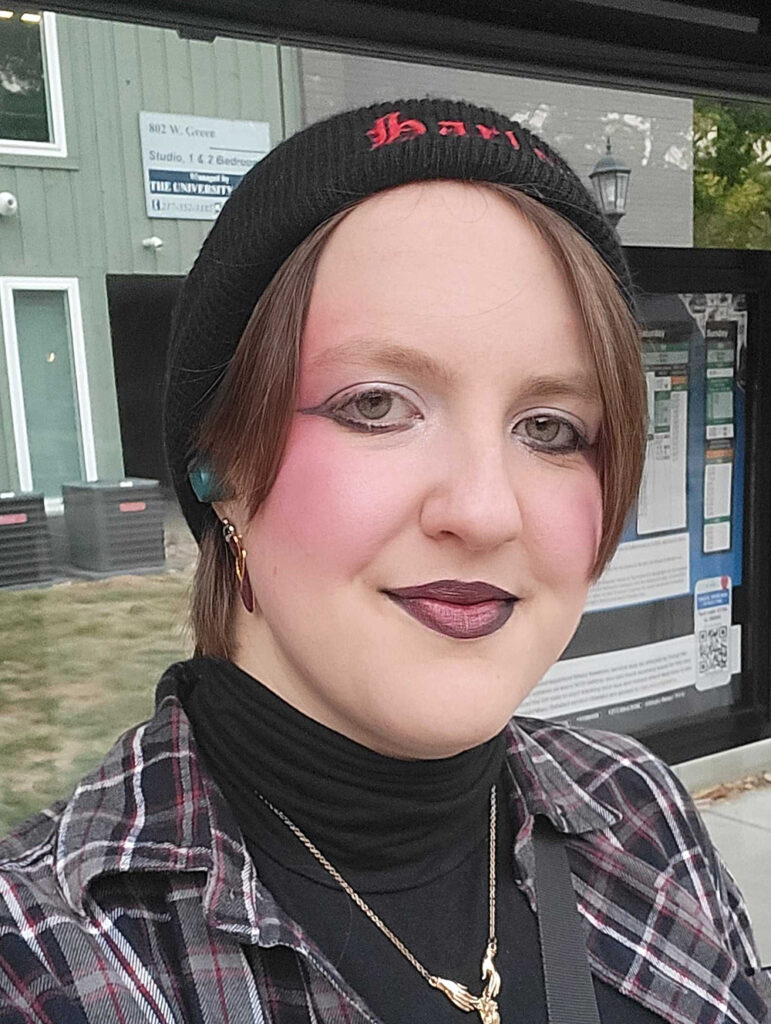
Paige Gaines is a senior earning a dual degree in media and cinema studies and in communication. She is looking forward to working with the other Fellows.

Paige Gaines

“Both of the other Fellows are in advertising, so it will bring different outlooks from what I have had,” Gaines said. “I’m really interested to see what I can learn from them and what they can learn from me.”

Gaines frequently attended Ebertfest as a child and is a distant relative of Roger Ebert. She wants to improve her review-writing skills and efficiency.

The True/False Film Fest is the event that Gaines is most excited for because of the screenings of documentaries revolving around social and political issues.

“I love telling stories about people who don’t have stories told about them as much,” Gaines said. “What better way to get exposure to that scene than going to where it’s hosted?”

One of Gaines’s favorite films is Therapy Dogs, a hybrid documentary-fiction comedy,because she saw it at an important part of her life, and it ignited her love for her career.


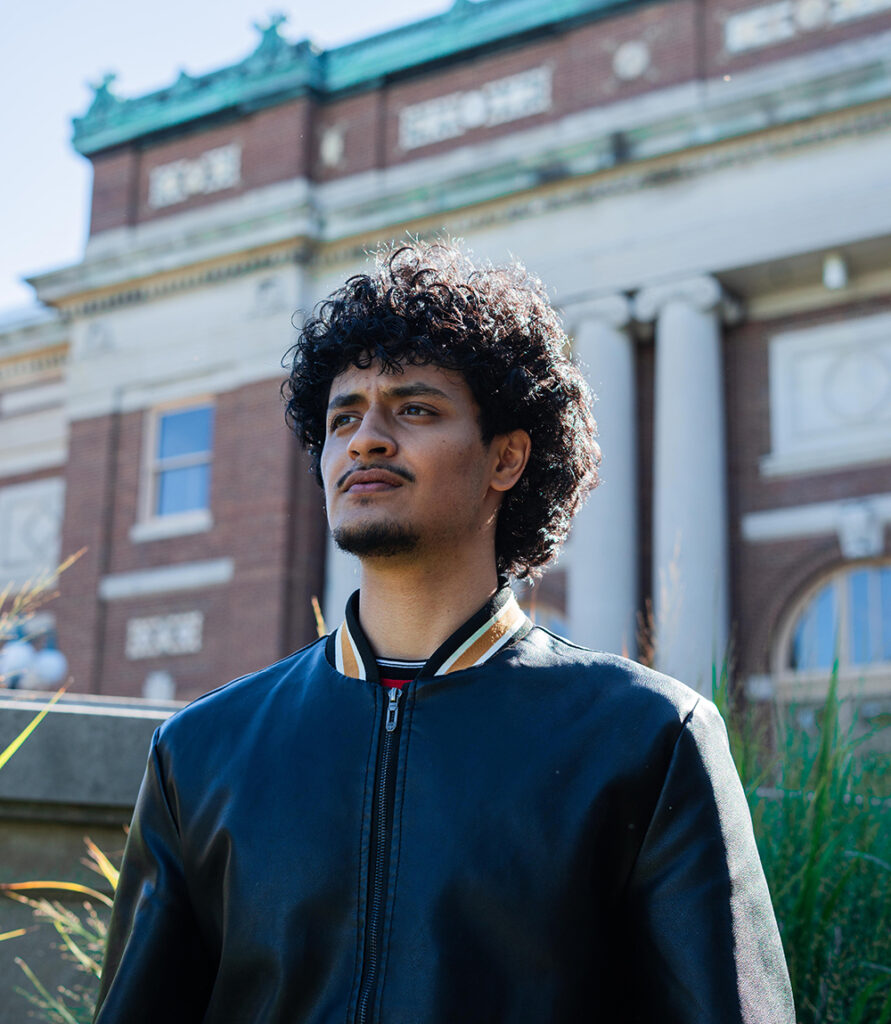
Amir Rehab, a senior in advertising, is looking forward to working with Phillips, meeting with directors, and evolving as a writer.

Amir Rehab

“Living in the USA and Algeria has given me so many different perspectives within our media that we consume,” he said. “Through design and editing, I learned how visuals can tell stories and evoke emotions.”

Rehab transferred to the University of Illinois last year and chose advertising as a major because it combines two things he has always loved—creativity and strategy.

He currently makes his own short-form documentaries and is interested in using this program to improve his storytelling capabilities and network.

“Putting yourself out there in uncomfortable situations in order to evolve is important,” Rehab said. ”If you’re just staying in the exact same spot, you’re not going to get anywhere.”

His favorite movie is Parasite, which won the 2020 Academy Award for Best Picture,because of the powerful message through the acting and visual storytelling.

“I was extremely impressed by the cinematography—the details in distinguishing class division and income inequality. It’s a very powerful message achieved not only through acting but also through visual storytelling and camera work!”


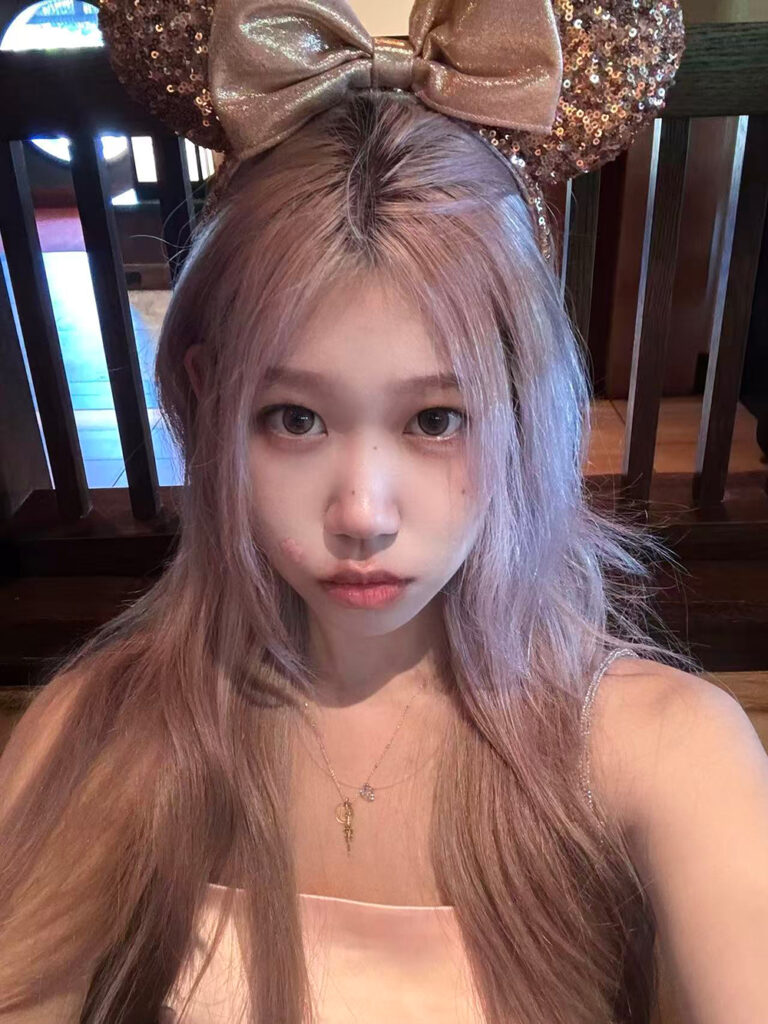
Jin Wang is a junior in advertising. She is most excited for the immersion trips to Chicago, where the students will work in the Ebert Fellow workshop and visit art exhibitions.

Wang is eager to learn more about film this year, as her criticism in the past has mostly revolved around paintings and sculpture.

“Criticism is essential because our experiences shape how we see the world,” Wang said. “It brings different viewpoints together and helps people express their own ideas.”

She is excited to collaborate with the other Fellows by contributing different ideas and opinions.

Wang’s favorite movie is the Korean film Wedding Dress because of the themes about family and love.

“It reminds me that love isn’t just about happy moments, but also about sacrifice,” Wang said. “It’s so emotional and it makes me feel deeply connected to the story and the characters.”
Share on social

Illini Watchers brings movie fans together for analytical discussion


Every Friday night, the sound of lively movie-take debates pours from Room 1090 and drifts down the halls of Lincoln Hall during The Illini Watchers’ weekly meeting.

The registered student organization began around 2018, originally named C-U Cinefile, to review various forms of media. The Illini Watchers pride themselves on being a welcoming space for everyone, regardless of how familiar they are with the film scene.

“The club represents the legacy that the University of Illinois has been a place where criticism is formed,” said Jonathan Knipp, senior lecturer of media and cinema studies and faculty sponsor of the club.

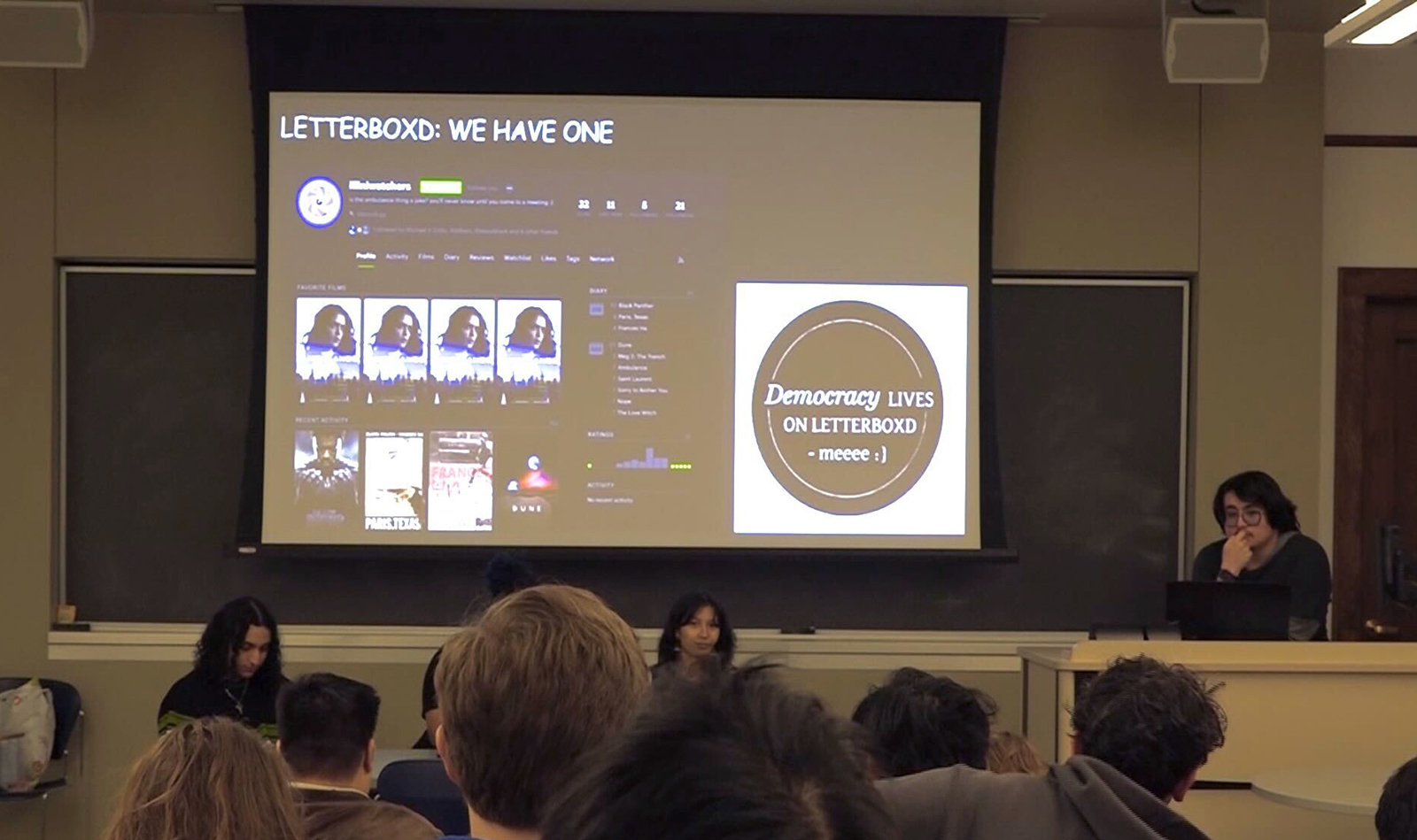
The Illini Watchers meeting

Like a book club for movies, each meeting includes discussion mostly surrounding a film that was chosen the week before, also allowing time for members to talk about other random movies, theater screenings, books, music, and games.

“My exec team and I will make the slides with the parts we thought were interesting,” said Nicolas Roacho, junior in media and cinema studies and Illini Watchers president. “But it’s a really laid-back discussion about the film we assigned everyone to watch.”

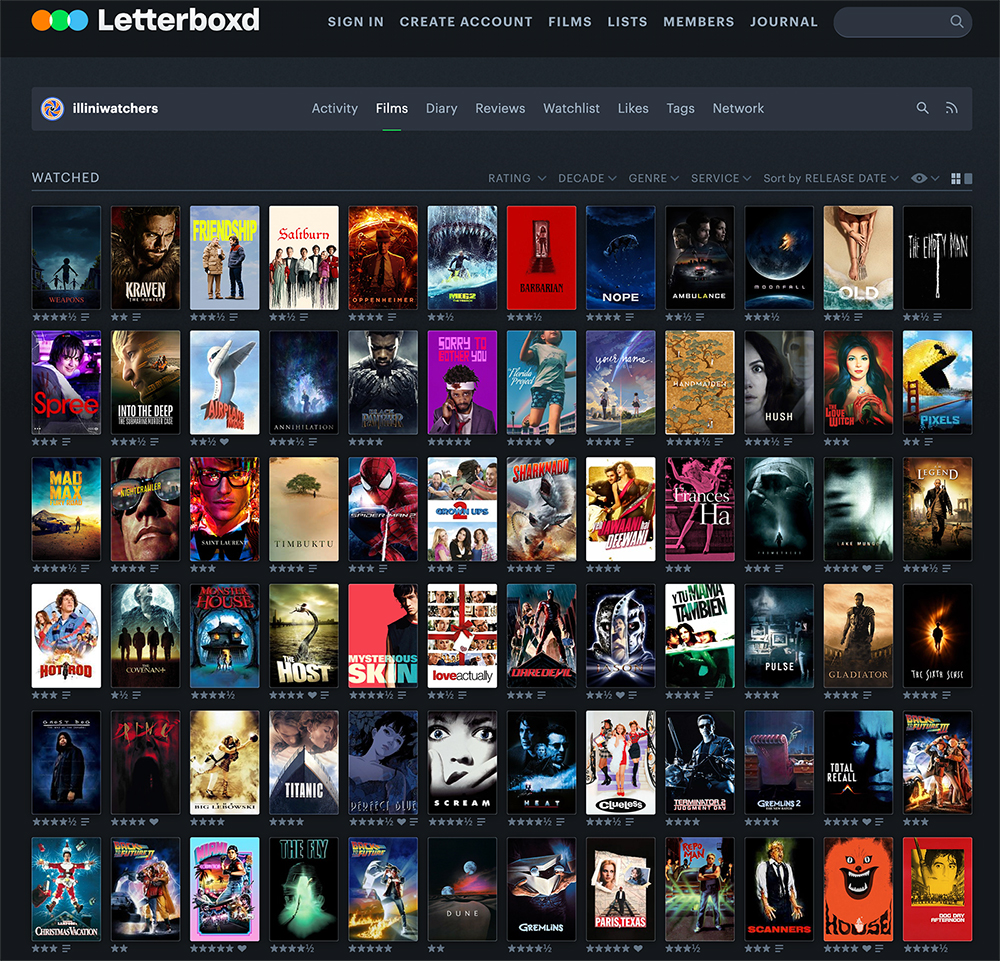
The Illini Watchers' Letterboxd page
The Illini Watchers share their film ratings on their Letterboxd page.

During the meeting, they take an average of everyone’s rating of the movie and post it on the club’s Letterboxd page, a social network for film fans.

At the end of each meeting, Roacho and other executive members announce a theme for next week, taking movie nominations from members to spin on a wheel. Whichever movie the wheel lands on is the one up for discussion the following week.

A recent theme was Hispanic Heritage Month, where all the suggested movies had a Hispanic writer, director, or lead. These themes are made to introduce members to films they might not have watched before, like international cinema, Roacho said.

Other events the club organizes are group bus rides to a movie theater, movie-themed trivia games, picnics on the Quad, and a yearly Halloween costume contest. They also sometimes collaborate with their sister club, Illini Film and Video, a film and video production organization, of which Roacho is also the president.

As the faculty advisor, Knipp looks for resources to help the club grow, with his most recent project trying to connect the club to the Roger Ebert Center for Film Studies.

His favorite part of being the advisor for the club is the same as being an instructor.

“It’s always about trying to start the conversation but not presiding over it or trying to influence it,” Knipp said. “Getting it kick-started so I can sit back and just let the students let their thoughts go wild.”

Knipp and Roacho emphasized the importance of appreciating media through their club.

“I like knowing that we are providing that community because it’s important to keep this sort of culture alive,” Roacho said.

With a membership count of just over 100, the group is diverse in majors, something both Knipp and Roacho say makes the Illini Watchers unique.

“The club is everything I wished for,” Roacho said. “There wasn’t a pool of people to talk about movies with at my high school; the people in Watchers are understanding of what I’m saying, even if they’re not too familiar with film.”

Share on social

I on the Media: Jonathan Knipp explores the psychology of horror films


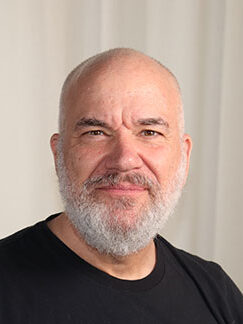
Jon Knipp

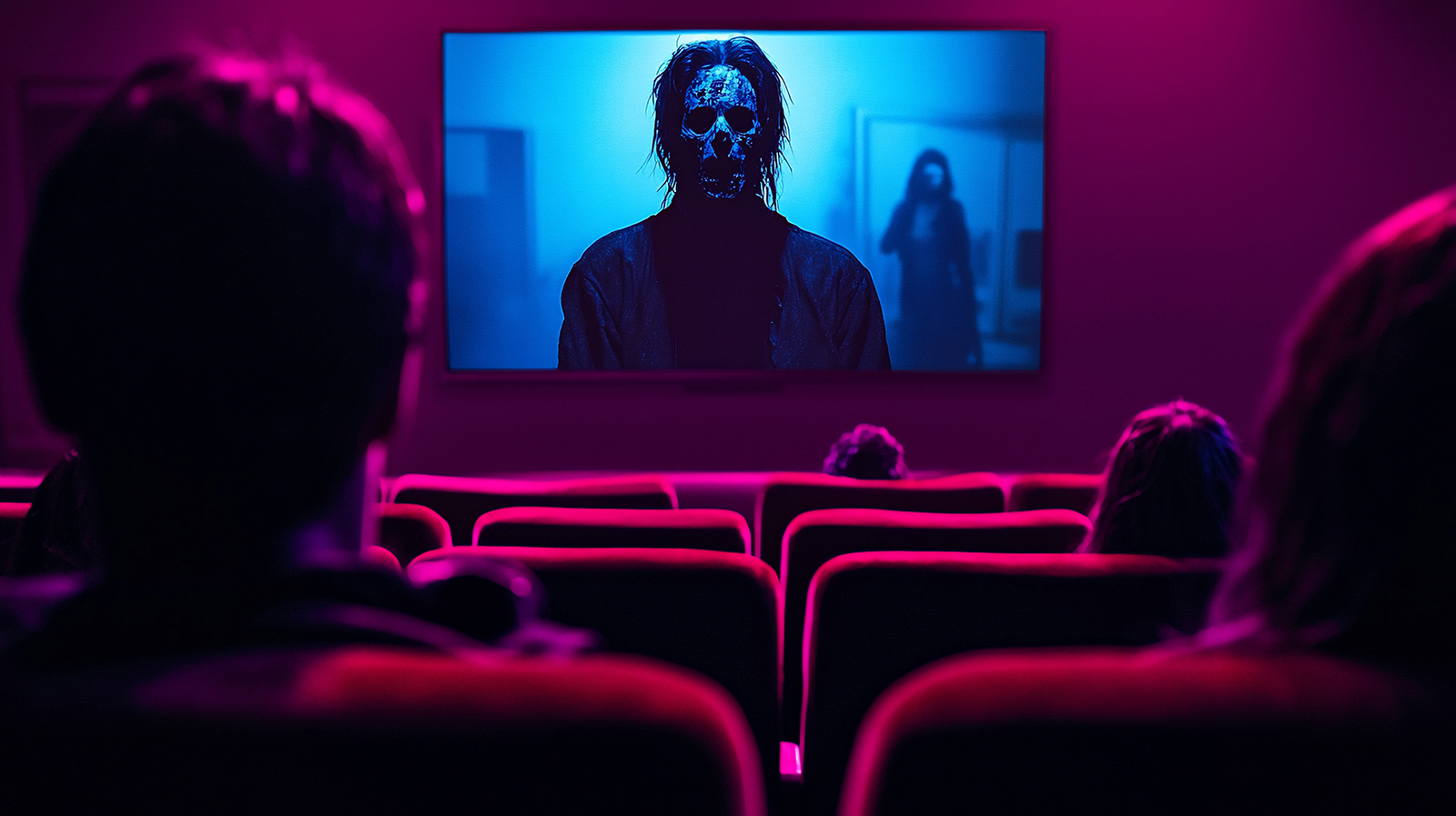
From Psycho to Hereditary, horror films have long mirrored our collective fears. But today’s fascination with true-crime dramas and serial-killer stories—like Netflix’s Monster: The Ed Gein Story—may suggest something deeper at play. As audiences crave both terror and understanding, the line between entertainment and ethics grows thin.

Jonathan Knipp, senior lecturer of media and cinema studies who teaches a class on horror movies, shares his perspective on the psychology of horror films—why people like them, how and when the industry has changed, and where the genre might be headed in the future.

Why do people want to watch horror films? From a psychological perspective, why do so many of us enjoy the feeling of being scared?

I think all moviegoing (to the theater) is a ritual. But horror movies have an interesting distinction. People leave their houses to get scared so they can share the experience of not just encountering common anxieties, but working through them, too. You reach the climax…and you survived! Horror movies can be traumatizing (hello, Hereditary) but they also end. Is it too much to say that it’s kind of an exorcism?

Are there certain cinematic techniques or storytelling devices that consistently provoke fear or fascination in audiences?

Some of my students say that they only get scared if what they’re seeing “could really happen,” whatever that means (probably slasher movies and pursuit narratives). Others get freaked out by occult themes and devilry. There’s a tendency to dismiss “jump scares” as cheap and cliche, but audiences still jump.

How has the horror genre evolved over the years? What’s changed the most in how these films are made?

CGI replaced the reliance on practical effects, which many audiences dislike. Now there is a bit of a pushback, with filmmakers going back to the arcane use of makeup applications and puppetry but with digital gloss. Sometimes it works really well, like in The Substance. I think one of the biggest developments (in my lifetime) is the PG-13 horror movie, which is great because younger people are drawn to them. But it can also leave you wondering where all the blood and guts have gone.

Many point to Alfred Hitchcock’s 1960 Psycho as a turning point for horror. What makes this film stand out in the genre?

Hitchcock famously used the crew of his TV show to make it. That means they worked fast and cheap. Psycho shows a master filmmaker going down and dirty while still creating images that are composed and sequences that are still shocking in their effectiveness. Also, this film signaled a movement away from monster movies towards antagonists that were…human.

The new Netflix series about Ed Gein has stirred a lot of discussion. Is it ethical to portray real-life killers in ways that might make them seem sympathetic or even humanize them?

I think this is a case-by-case thing. It’s important to remember that these crimes are committed by people and not monsters. The more we understand, the more we can efficiently profile these criminals. That’s the theory at least. It’s like the topics of gun violence and suicide. They need to be understood, but there’s always a risk of glorifying the crime and/or triggering the spectator.

Why do you think horror tends to thrive during certain cultural or political moments? What do our fears on-screen say about us as a society?

Horror movies go in cycles. They can reflect the times or simply current trends. A surprise hit can result in a lot of imitations, like when Scream inspired a lot of self-referential horror movies. When audiences gravitate towards social media, you get a bunch of horror movies about the Web. In the ’50s, it was radioactive monsters. In the ’70s, you have counterculture horror movies inspired by Manson and many that match the political disillusionment of the era. Sometimes it’s hard to determine what cycle you’re in until you leave it.

What do you see as the future of horror?

More long-form series, like the ones Mike Flanagan makes for Netflix (The Fall of the House of Usher is great). More short-form, social media-inspired content. Can TikTok be scary? Some enterprising content creator will probably find out.

Share on social

Media literacy research and engagement initiatives address societal challenges


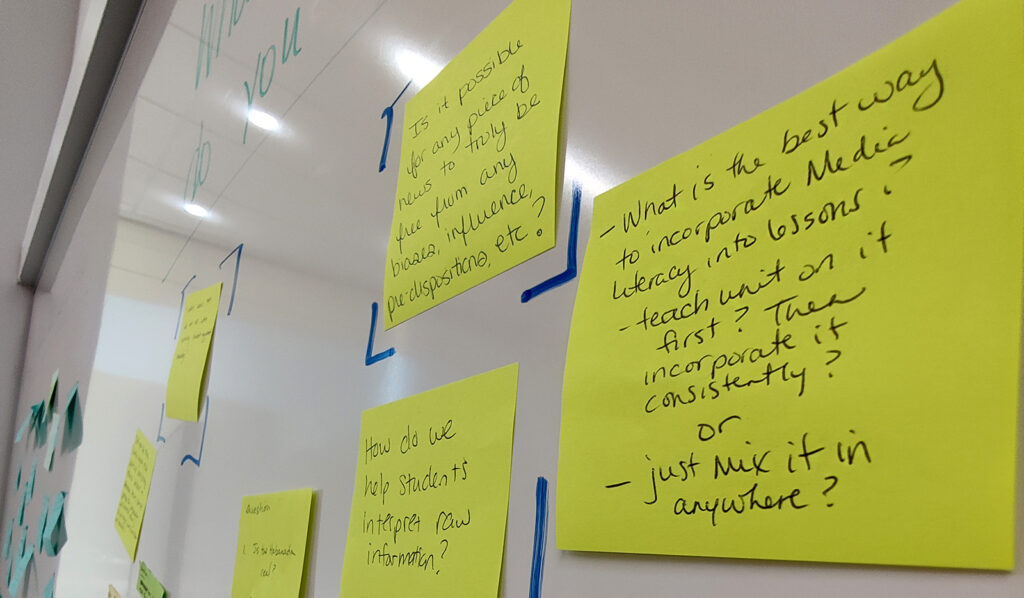
Faculty and graduate students across the College of Media are pursuing a range of activities aimed at understanding challenges to media literacy and developing interventions to improve it.

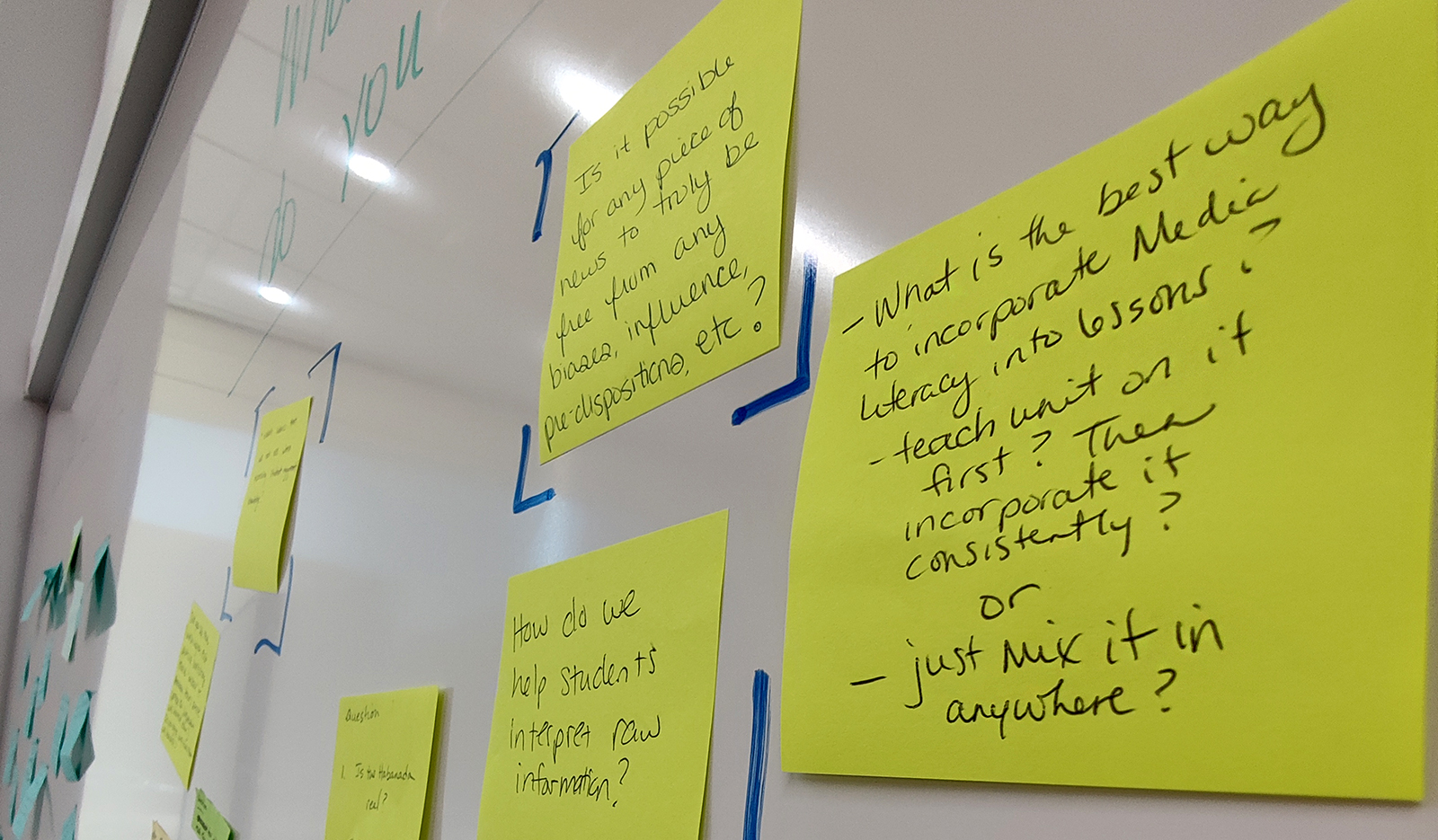
Post-Its from IMEDIA workshop

Recent activities include:

A team including Michelle Nelson, professor of advertising, Amanda Ciafone, associate professor of media and cinema studies, Stephanie Craft, professor of journalism, ICR doctoral student Gillian Paxton, and undergraduate student Maaike Niekerk, is investigating older adults’ media use, media literacy, and the role of media in fostering social connection. The research seeks to understand how older adults use media across a broad range of platforms and tools, including generative AI, and the challenges they face in doing so. The aim is to explore how improving media literacy may help them better navigate the media environment to meet their social and information needs. The study involves interviews with those who offer help and instruction regarding media and technology use through senior centers, public libraries, park districts and the like, and focus groups with older adults. This project is funded by a College of Media seed grant.

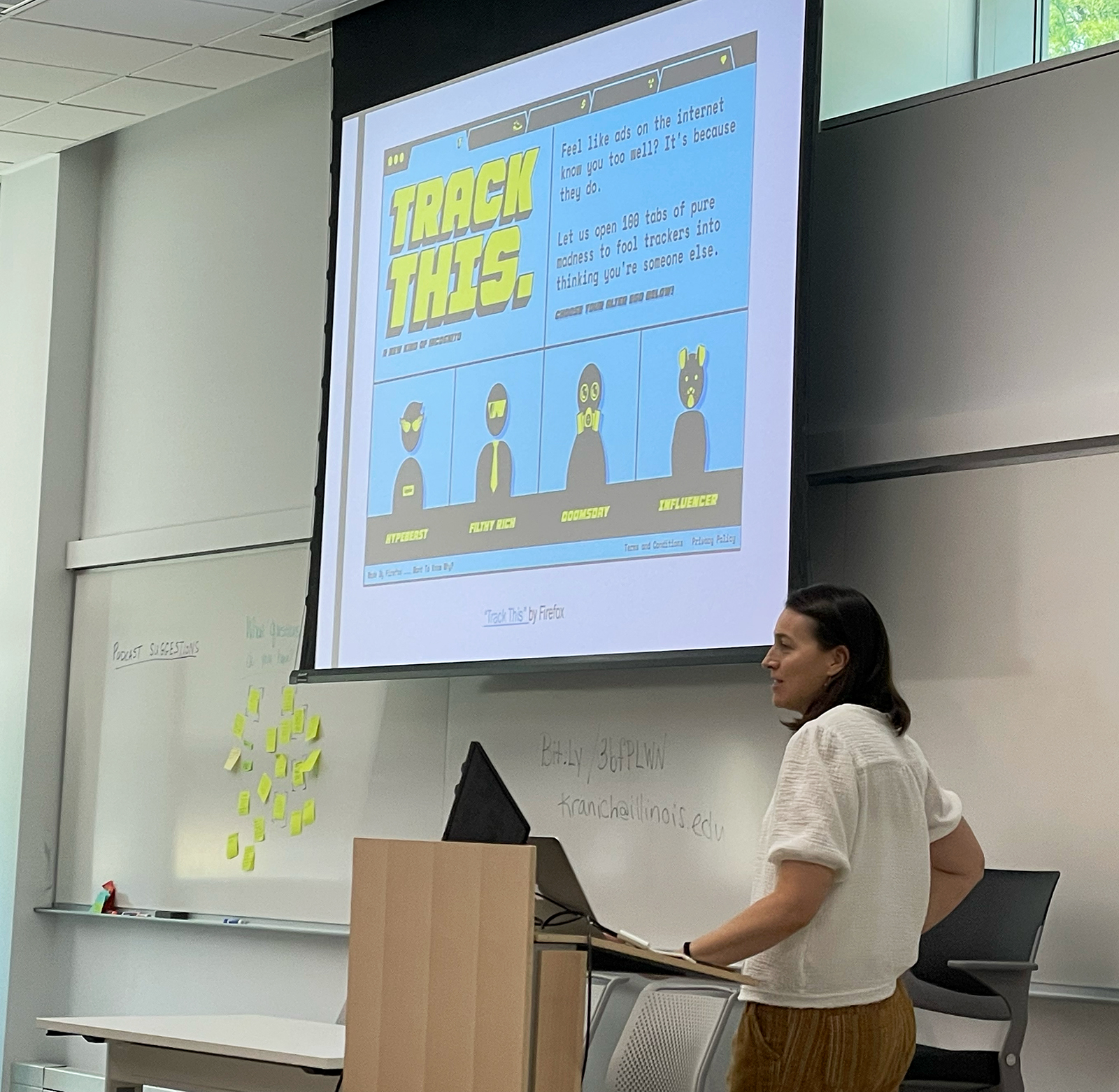
Professor Amanda Ciafone presenting at IMEDIA workshop
Amanda Ciafone, associate professor of media and cinema studies, presents at a workshop hosted by IMEDIA.

Related to this project, Ciafone was awarded funding to organize media and digital literacy workshops with European scholars and advocates to advance research, education, and transatlantic dialogue on older age and media literacy under the Jean Monnet Center of Excellence grant awarded to the European Union Center at the University of Illinois Urbana-Champaign. Ciafone said Europe has more rapid “demographic aging,” where a population’s average age increases, than the United States and robust models for media literacy policy and education.

As part of its mission to bolster research in media literacy, the College of Media hosts a regular gathering of faculty across campus to discuss research in media literacy across disciplines and to identify potential opportunities for collaboration. These conversations have so far included faculty in the College of Fine & Applied Arts, University Library, School of Information Sciences, College of Education, and College of Liberal Arts & Sciences.

The Initiative for Media Education Inquiry and Action, a collaboration between the College of Media and College of Education, is developing a media literacy micro-credential for teachers. IMEDIA was created in 2021 to help teachers in Illinois fulfill the mandate of a state law requiring media literacy instruction in public high schools. IMEDIA has offered in-person workshops for teachers to help them incorporate media literacy into their current teaching. The aim of the micro-credential is to broaden the reach of workshops by making the instruction and resources available online in a way that also offers teachers the opportunity to add a media literacy credential to their licenses.

A research study conducted by Nelson, ICR doctoral student Sakshi Bhalla, and Michael Spikes, co-founder of the Illinois Media Literacy Coalition, emerged from IMEDIA’s teacher workshops. The study, which included interviews with 20 educators from across the state of Illinois about the nature and challenges of media literacy education in their schools, found several digital divides that undermine the efficacy of state-mandated media literacy instruction in Illinois high schools. Their findings were published in the Journal of Media Literacy Education.

IMEDIA also is updating its eText, MEdia Matters, which is currently used in a variety of introductory undergraduate courses. The text will be a key resource for teachers pursuing the micro-credential and will be freely available for use in their classrooms.

Craft is part of a team comprising faculty from five universities engaged in a long-term research initiative to build a model of news literacy behavior that will inform efforts to increase people’s resistance to misinformation. The team has developed a widely used measure of news literacy knowledge and most recently has been investigating how greater news literacy knowledge translates into better news consumption behaviors reflecting that greater knowledge. The most recent study was presented in August at the annual meeting of the Association for Education in Journalism and Mass Communication.   

Share on social

Illinois Public Media’s magazine program ‘Prairie Fire’ wins five regional Emmys


Prairie Fire, a magazine program produced by WILL-TV at Illinois Public Media, was awarded five regional Emmys across five categories at the 2025 Mid-America Regional Emmy Awards, including “Best Magazine Program” in the region.

“Our win for Magazine Program for the second year in a row is a real thrill for the Prairie Fire team” said host and producer Sarah Edwards, “because it really underscores the excellence and thought we put in to making every episode as good as it can be. Prairie Fire represents the best of PBS programming produced at the local level.”

The team, which was nominated for 10 awards, also earned regional Emmys in the following categories:

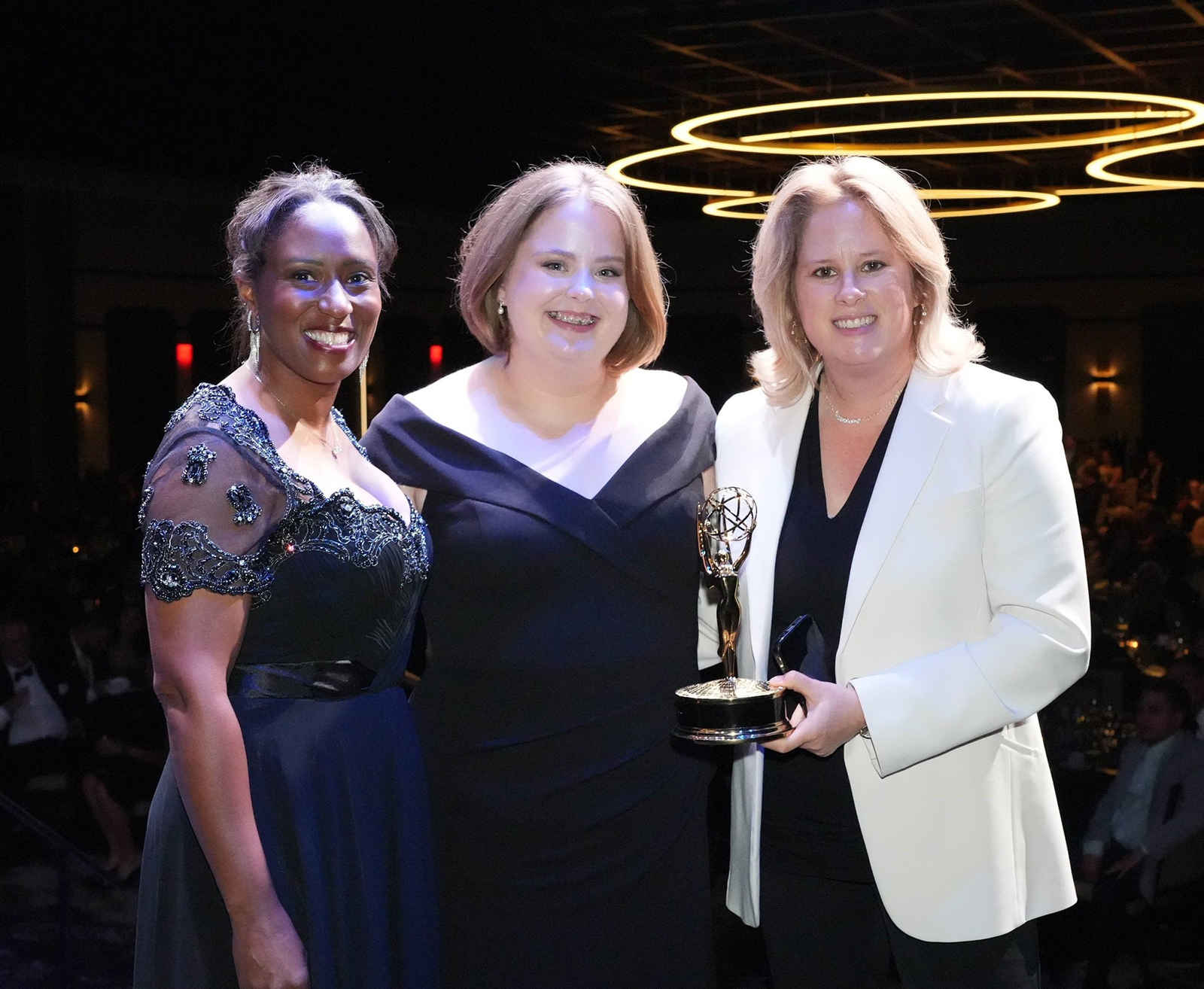
The Prairie Fire Emmy-winning production team includes Edwards, fellow producers Taylor Plantan, DJ Roach, and Tinisha Spain, along with cinematographer Daniel Clarke, and audio engineer and cinematographer James Treichler. (Pictured below: Producers Tinisha Spain, Taylor Plantan, and Sarah Edwards, who also hosts Prairie Fire, with one of the Emmys they won for their program.)

"Prairie Fire" team

“As producers of the show, we carefully curate and construct the stories of Illinois’s local characters to highlight the very best creatives, small business owners, and innovators our state has to offer,” said Plantan. “The success of the program is a testament to the charisma and talent of the Central Illinois community.”

Spain pointed to the significance of the work done by the Prairie Fire team. “Being honored with an Emmy is a deeply humbling reminder that local storytelling is important—that the stories we tell do matter,” she said.

“We’re incredibly proud of the Prairie Fire team and their dedication to telling authentic, locally grounded stories,” said Moss Bresnahan, Illinois Public Media’s executive director. “These awards reflect the quality, creativity, and heart that exemplify Illinois Public Media’s work.”

About Prairie Fire

Reimagined and brought to life once more, Prairie Fire is a new take on WILL-TV’s beloved magazine program from the mid-1990s. Rooted in storytelling, Prairie Fire brings viewers cinematic documentaries, profiles, and performances from downstate Illinois. The show airs on local PBS stations across the state of Illinois, including Nine Network St. Louis and WTTW Chicago.

Illinois Public Media is a not-for-profit public media service of the College of Media at the University of Illinois, enriching people’s lives through programs and services that educate, entertain, inspire, empower, and address community needs and concerns. Additional services include WILL-AM 580, Illinois Soul (FM 101.1) WILL-TV, Illinois Public Media News, and many more.

How well does NPR incorporate history into its journalism?


When journalists don’t have access to historical tools, and don’t have that impetus to go and check out things, they are presenting news that is really not informing the public. And nobody wants to do that.

Melita M. Garza

When news stories ignore the past, the audience sometimes struggles to fully understand the issue. Because of this, history professors stress the importance of incorporating historical context into news coverage of current events. Doing so enables journalists to bring forth a more complete and informed story, which benefits the audience.

Melita Garza, associate professor and Tom and June Netzel Sleeman Scholar in Business Journalism, stressed the importance of including current events within the context of historical background in this installment of the News Literacy Edition of the NPR Public Editor. In her research, Garza says she has seen journalists declare something “unprecedented” when what they reported on was not, in fact, unprecedented.

Read full article

Social media stampedes: How mass user exit reshapes the digital landscape


Leaving social media does not always mean disengagement from news, but it does disrupt habitual news consumption. Some people report feeling less informed about current events after quitting Facebook, as social media is a key news source for many. However, they also experience benefits like reduced anxiety and improved well-being.

Margaret Ng

According to the Pew Research Center, at least half of U.S. adults rely on social media for information about current events. But what happens when they leave those platforms behind?

Margaret Ng, associate professor journalism, explores the phenomenon of “social media stampedes”—cases of mass user exodus from a specific platform, the (un)successful migration to alternative sites, and the long-term implications for trusted digital information networks—in this opinion piece for MediaWell.

Read full article

Professor Leona Yi-Fan Su chosen as Sandage Scholar in Advertising Research


Leona-Yi-Fan-Su

Leona Yi-Fan Su, associate professor of advertising, has been selected to become the next Charles H. Sandage Scholar in Advertising Research for 2025-2027.

Su was chosen based on her proposal, “Digital marketing in the agricultural sector, with emphasis on how farms can leverage emerging technologies such as social media and artificial intelligence (AI) to enhance advertising and marketing effectiveness.”

The Charles H. Sandage Scholar in Advertising Research was established in 2021 to honor outstanding associate professors in the department who are accomplished researchers in the field of advertising, media, or communication research with the potential for continued achievement.

The Sandage Scholar designation is for two years, with recipients receiving $12,000 per year in discretionary funding for research. In line with the fund’s guidelines, full professors in the department provided evaluations on the research proposals.

Share on social

DEV College of Media
119 Gregory Hall
810 S. Wright St.
Urbana, IL 61801
217-333-2350