College of Media establishes new minors and adds new courses


The College of Media is pleased to announce a number of new and innovative curricular opportunities, including a new interdisciplinary minor in media, a minor in critical film production within the Department of Media & Cinema Studies, and new courses across all three departments that address emerging trends in the media industry. 

MEDIA MINOR

The media minor, established this fall, is available to students outside of the College of Media, and offers a variety of courses from the Charles H. Sandage Department of Advertising, Department of Journalism, and Department of Media & Cinema Studies. Suggested courses for the minor are grouped in themes of diversity, social media, sports, content creation, history, and more. 

“We’re so excited to be able to offer a media minor,” said Katie Clark, senior assistant dean for student services. “So many of our courses are of interest to students across campus and this minor gives them an opportunity to take these courses in a meaningful, guided way. We know how beneficial it will be to prepare students for the job market by teaching them media-specific skills, which they can apply to any field of interest.”

For example, Media courses could help an engineering student learn what is needed to patent an invention, understand the target audience, and communicate the idea. A social work student might be interested in the power of film to bring attention to a particular social problem. A biology or chemistry student might want to pursue science communication and also understand social media strategy. 

“What we teach here in the College of Media complements well the educational and career goals of many students across campus,” said Dean Tracy Sulkin. 

To complete the minor, students must take an introductory course in each of the college’s three departments, and then choose three advanced courses from at least two different departments in the college. 

CRITICAL FILM PRODUCTION MINOR 

The new critical film production minor is an expansion of the existing media production certificate, which provides students with media-making skills. 

“The critical film production minor is not ‘film school’ in the traditional technically-focused sense,” said Derek Long, assistant professor of media and cinema studies. “Making thoughtful media in the 21st century requires so much more than just knowing how to use the camera on your smartphone.” 

While the minor’s curriculum trains students in advanced technical skills for creating moving images and sound, it also emphasizes that students should create media with the same critical eye that they use to read, write, and conduct research.

That’s an important step, Long said, toward building a more inclusive and reflective culture in the media industries, and it requires knowledge of film and media history, theory, and criticism. The critical film production minor’s core courses and electives combine those technical aspects of mediamaking with critical studies.  

According to Long, all of the minor’s core courses involve video production and editing projects. MACS 150: Intro to Digital Media Production introduces students to other forms of mediamaking, such as photography, digital image manipulation, web design, and podcast production. In the critical studies electives, students can conduct research using old film magazines and pressbooks from the late Pulitzer Prize-winning film critic and journalism alumnus Roger Ebert. The elective courses offer a variety of assignments, from organizing a film festival to participating in a fantasy box office competition.  

“Illinois alum Roger Ebert called cinema an ‘empathy machine,’ and this notion is central to the main goal of the minor: to enable students to be empathetic leaders in the world of cinema and media at the same time that they share their ideas with a digitized world,” Long said.

The minor is a great choice for students interested in careers such as film production and distribution, as well as advertising and public relations. “Students interested in the critical study or production of any kind of art—be it visual, musical, or something else—will also find the minor attractive,” Long added. 

The most useful training that the minor will provide students is learning how to work as part of an inclusive team, Long said. Effective media producers know that while technologies become outdated every year, interpersonal skills never stop being useful. 

NEW COURSES IN DATA STORYTELLING AND NEW MEDIA

The Department of Journalism has added two new courses where students can gain experience with data science applications and new media technologies.

JOUR 460: Data Storytelling

JOUR 460: Data Storytelling teaches students the power of data, which can help them to tell a better story. 

“Data alone can tell them who to interview,” said Margaret Ng, assistant professor of journalism. “Data can be a driving point for them to really find out where the story is so that they can approach their interviewee or sources more appropriately.”

The class focuses on four objectives: how to obtain the data, clean the data, analyze the data, and present the data. 

The new course has attracted students from the journalism department and other disciplines within the College of Media, as well as graphic design, statistics, and computer science majors. 

In a newsroom, there are more than journalism majors, Ng pointed out, citing frequent collaborations between data scientists, graphic designers, and journalists. While computer scientists may already have substantial software or coding skills, they may not have experience with putting data into real practice and solving newsworthy questions. 

Students will also gain experience with how to properly file Freedom of Information Act requests to government agencies and how to make an appeal if they receive a rejection.

Ng hopes all students, no matter what their major is, learn how to gather and communicate data ethically so they can present their findings in a much more engaging way to their audience.

JOUR 199: New Media, Society, & You

When designing JOUR 199: New Media, Society, & You, Christopher Ball, assistant professor of journalism, selected critical topics that are currently being shaped by new media use, as well as articles that discussed the pros and cons of new media technologies. 

The goal, Ball said, was to create a course that surveyed the ways that new technology is integrating into our lives, while also seeking a more balanced understanding of their role in modern society.

An essential part of this course is using new media technologies in creative ways, including the creation of a personal blog that they will use to showcase a variety of new media projects. Students will also create timeline infographics, diagram their information diets, analyze social media profile pictures, and create short YouTube videos.  

“In our excitement (or apprehension), we often say that these new media technologies are ‘changing our world/lives,’” he said. “However, I hope that students leave my class with the knowledge that these technologies are not changing our lives directly. Instead, it is how we choose to use these technologies, both collectively and individually, that is changing our lives. So, let’s figure out how to use them best.”

Many of the projects in this course will involve using new media in novel ways. For instance, students will learn a new skill while only using YouTube videos and web forums. 

“The goal is that students will not just learn about new media; they will use it while reflecting on some of the ways to leverage them in their career or personal life,” he said.  

Ball looks forward to hearing his students’ perspectives and thoughts on emerging technologies, since most are already “expert users.” 

“I hope that students enjoy the course and that it helps them to see the interactive technologies surrounding them a bit differently,” he said. “I also hope that my class empowers my students to use these technologies to improve their lives and, ultimately, the world around them. There is no better time to learn about new media technologies than right now.”

NEW COMPUTATIONAL ADVERTISING COURSE 

In the new ADV 461: Computational Advertising course, students will learn technologies including “web-search, auctions, behavioral targeting, and mechanisms for viral marketing that underpin the display of advertisements on a variety of locations.” One section of the course is designed for advertising majors, taught by Ewa Maslowska, and the other section, for computer science (CS) + advertising majors, emphasizes programming and computer science.

“Computational advertising relies more and more heavily on behavioral data, which often are digital by nature. In this class, we discuss what insights advertisers can gain from the traces left by consumers in the digital space,” said Maslowska, assistant professor of advertising.

Computational advertising represents a paradigm shift driven by technological developments, including the digitization of brand-consumer interactions, the availability of big data, and the development of new artificial intelligence algorithms. 

Her section of the course uses case studies to explore how different theories, methods, and evidence can shape advertising strategies and their effects. Students will gain basic analytical skills that can be applied to understanding and solving business problems.

“We explore different ways for abstraction and modeling that can be applied to advertising,” Maslowska said. 

Students will design and run an A/B test on a website, compare different tools for personality profiling, and analyze various digital data. These assignments help students to better understand the workings and limitations of the different tools that use consumer data.  

“I hope that upon completion of this course, the students will be able to understand the computational advertising ecosystem, analyze and evaluate different advertising strategies, make actionable recommendations, and reflect on the ethical and normative aspects of computational advertising, including the responsibilities of both advertisers and academics,” she said. 

The CS + advertising section of the class will be available in Spring 2021 and will focus on Internet privacy and the security of individuals as they navigate the web. Students will analyze an actual firm engaged in computational advertising. Working with massive data sets, they will learn algorithms and how companies use personalization in ads.

—Kimberly Belser, Communications and Marketing Intern

$7.5 million gift to the College of Media establishes the Richard and Leslie Frank Center for Leadership and Innovation in Media


Richard and Leslie Frank
Rich and Leslie Frank have given the largest gift in the College of Media’s history to establish the Richard and Leslie Frank Center for Leadership and Innovation in Media. The center will have a transformative impact on students at the University of Illinois and will define future excellence, particularly in journalism programs.

The College of Media at the University of Illinois at Urbana-Champaign today announced that its students will benefit from a suite of enhanced professional experiences, thanks to a $7.5 million gift by Rich and Leslie Frank of St. Helena, California. The gift, the largest in the College of Media’s history, will establish the Richard and Leslie Frank Center for Leadership and Innovation in Media. 

“The opportunity this gift provides to our students who are pursuing careers in media is phenomenal,” said Illinois Chancellor Robert J. Jones. “The passion Rich has for his alma mater and his vast industry experience have combined perfectly with Leslie’s broadcast news experience to create a center that will become the perfect ecosystem for budding journalists and media professionals at Illinois.”

“Now more than ever there is a critical need for good, solid, objective journalism in this country,” said Rich and Leslie Frank. “We are encouraged our contribution will help create the highest level of learning for the next generation of journalists and that we are able to play a part in elevating the stature of the program at Illinois, making it a top destination for students and faculty.” 

Rich Frank, former president of Disney Studios, and Leslie (Miller) Frank, an Emmy award-winning broadcast journalist, both now vintners and hospitality leaders in Napa Valley, wanted to make an investment in the University of Illinois that would have an impact for generations.

The Richard and Leslie Frank Center at Illinois will develop students who are leaders in their professions by offering access to a diverse group of experts and practitioners through residencies and a speaker series, and by supporting outside learning opportunities such as professional immersion experiences, conference participation, and internships.

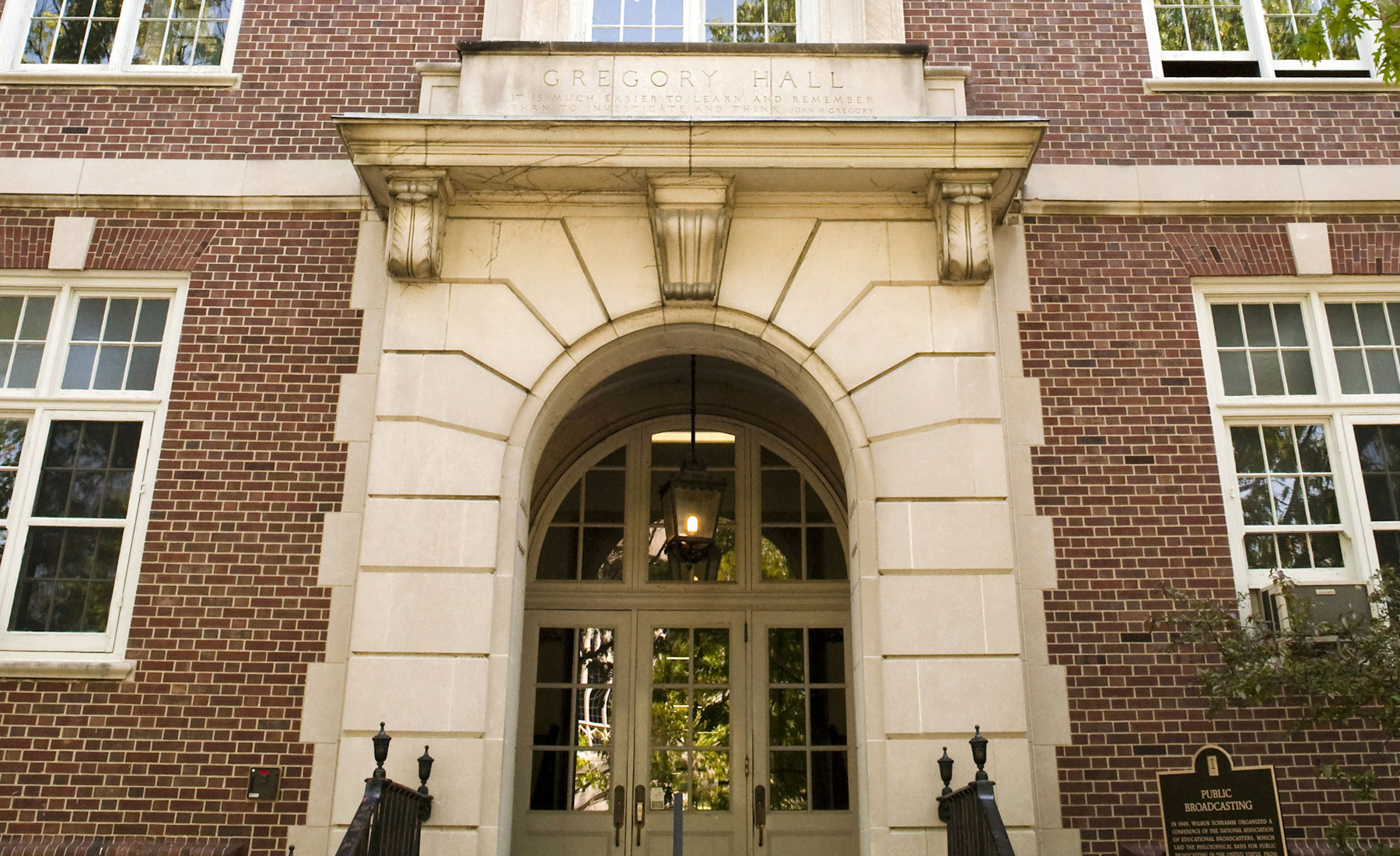
A portion of the Franks’ gift will be used to create a state-of-the-art broadcast facility within the Richmond Studio, and additionally to create two classrooms in Gregory Hall to accommodate the use of new technologies, and to offer space for media editing and production.

“The Richard and Leslie Frank Center will have a transformational impact on students and will define Illinois’ excellence in media fields from this point forward,” said Tracy Sulkin, dean of the College of Media. “This gift is a game-changer for the College of Media,” she added. “The upgrades to instructional facilities and the programming provided will ensure that we continue to train innovative and ethical professionals who will lead the way in their chosen fields, attract and retain the very best faculty to the Department of Journalism, and enhance our opportunities to engage with the public on pressing issues. We cannot thank the Franks enough for their generosity and commitment to shaping future generations of journalists and media professionals.”

Rich Frank, who received his bachelor’s degree in marketing from the University of Illinois, is no stranger to media. He began his career at the advertising agency BBDO in New York City before moving to Los Angeles to work as a sales Manager at KTLA. He then served as President of Chris-Craft Broadcasting. In 1977 he became President of Paramount Television Group, overseeing the creation and production of such shows as Taxi, Family Ties, and Cheers as well as the creation of the groundbreaking entertainment news show, Entertainment Tonight. In 1985 he became President of Disney Studios. Under his leadership, the studio created iconic sitcoms such as The Golden Girls and Home Improvement, and films including Good Morning Vietnam, Dead Poets Society, and The Lion King. He also oversaw the launch of the Disney Channel. Rich served three terms as President of the Academy of Television Arts and Sciences. In 2007, the Academy of Television Arts and Sciences recognized him with the prestigious Syd Cassyd Founder’s Award. In 2011, Rich received an honorary doctorate from the American Film Institute where he is currently a Vice Chairman on the AFI’s Board of Directors. Rich previously served on the board of the Motion Picture Association of America. His archival interview with the Television Academy provides a fascinating historical perspective of the evolution of modern television.  

Born in Hamilton, Ontario, Leslie (Miller) Frank began her career in Canada before crossing the border to work in some of the largest television markets in the United States. She spent more than 25 years covering many major stories including the 9/11 attacks where she reported live from ground zero in New York City, as well as from the scene of the devastating aftermath of Hurricane Katrina, and inside the courtroom at the Michael Jackson trial. Leslie spent the last nine years of her TV news career reporting and anchoring at the number one rated station, KABC in Los Angeles, where she covered politics, crime, weather calamities, as well as interviewing some of the biggest stars in Hollywood on the red carpet. Prior to Los Angeles, Leslie was the main anchor at KCPQ in Seattle, where she took the 10 pm newscast to number one in its time slot and clinched an Emmy for outstanding news anchor.

Today, Rich and Leslie live in the Napa Valley and run one of the most successful family-owned and -operated wineries in the region, Frank Family Vineyards. Established in 1993, the winery is well regarded for its estate-driven still and sparkling wines. 

Rich and Leslie return to the Illinois campus frequently, speaking with students and faculty in both the College of Media and the Gies College of Business and advising journalism students on their television news broadcasts and resume videos. 

For more information, contact Sue Johnson at the University of Illinois Foundation at (217) 244-7114 or johnso16@uif.uillinois.edu.

Tracy Sulkin named College of Media Dean


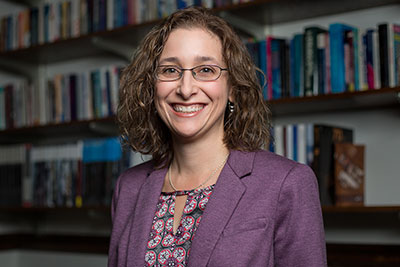
Dean Tracy Sulkin

Tracy Sulkin is the University of Illinois at Urbana-Champaign’s dean designate of the College of Media effective September 16, pending approval by the University of Illinois Board of Trustees in November. Sulkin, a professor of political science in the College of Liberal Arts and Sciences, formerly served as the College of Media’s interim executive associate dean.

A member of the Illinois faculty since 2002, Sulkin is a Romano Professorial Scholar in LAS and was previously an LAS Centennial Scholar. Legislative Style, the third and most recent of her books on American politics, was published in 2018.

Sulkin brings extensive administrative experience to her new position. In the department of political science, she served as the director of graduate studies and associate head for undergraduate programs. She was elected to the LAS Executive Committee and served on the LAS Curriculum Committee. She also chaired the Undergraduate Education Task Force for the campus strategic planning process.

Andreas C. Cangellaris, the Urbana campus’s vice chancellor for academic affairs and provost, recommended the three-year appointment of Sulkin to Chancellor Robert Jones.

“For the past year, Professor Sulkin has provided significant stability, leadership, and direction for the College of Media in her role as interim executive associate dean,” Cangellaris said. “I am confident she will continue to be a collaborative leader for the College of Media.”

College announces additions to leadership team


The College of Media is pleased to announce several additions to the leadership team.

Stephanie Craft will be assuming the position of Head of the Department of Journalism, effective June 16, 2018. Her research focuses on news literacy and journalism ethics.

Mike Yao will become Interim Head of the Charles H. Sandage Department of Advertising, also beginning June 16, 2018. His research research focuses on the social and psychological impacts of interactive digital media.  

Michelle Nelson will become the College’s inaugural Associate Dean for Research and Creative Endeavor, effective August 16, 2018. Her research interest lies in advertising literacy and the use of media literacy to promote healthier behaviors among children and adolescents.

“Faculty and students in the College of Media are already producing a great variety of innovative and impactful research and creative endeavor,” Nelson said. “I look forward to helping to support and promote their efforts inside the college and to external audiences in this new position. I’m excited to work with faculty and students so that together we can do more to strengthen our research culture.”

Congratulations to all!

Share on social

Kissel to speak at 2018 Convocation


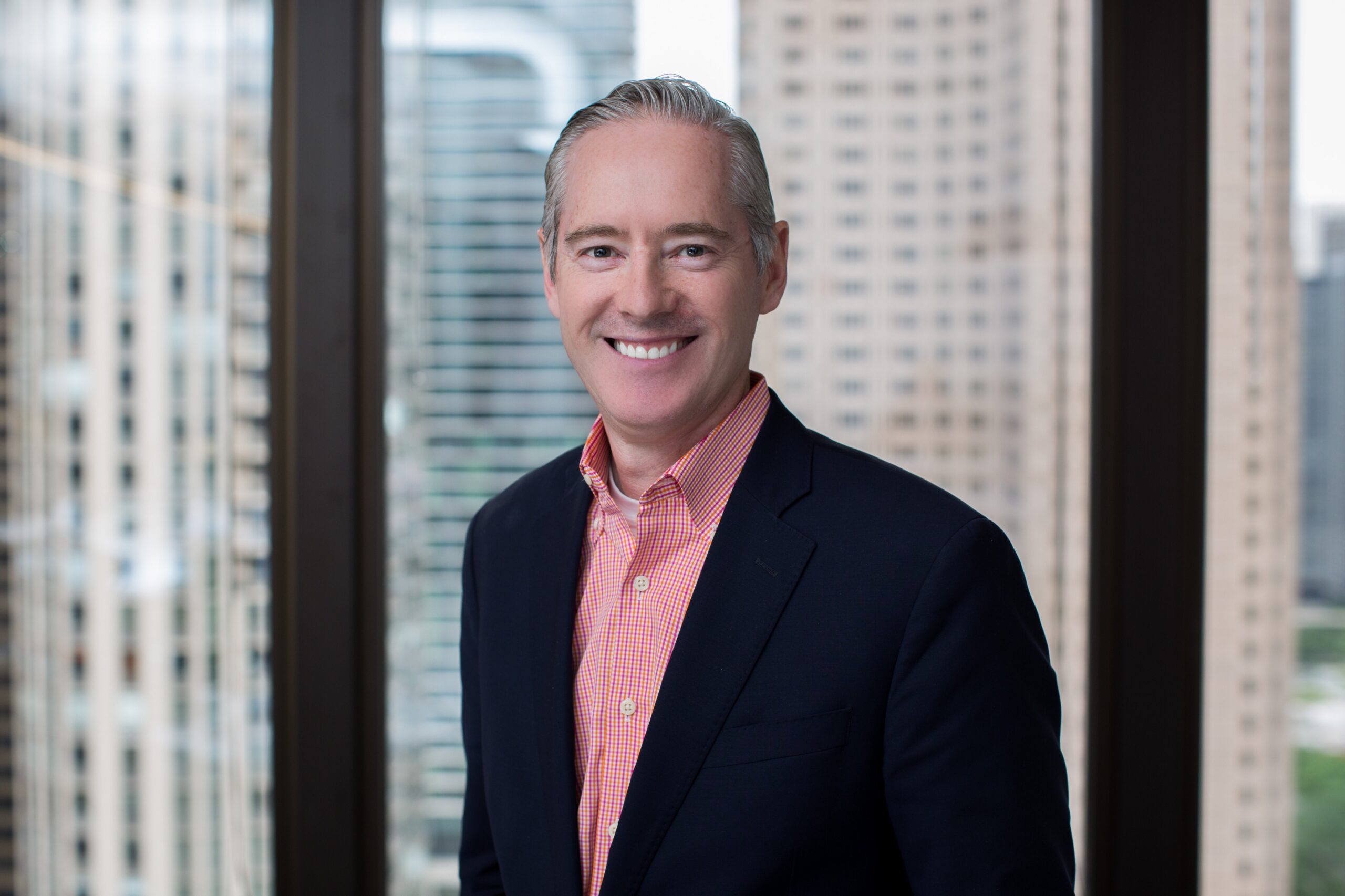
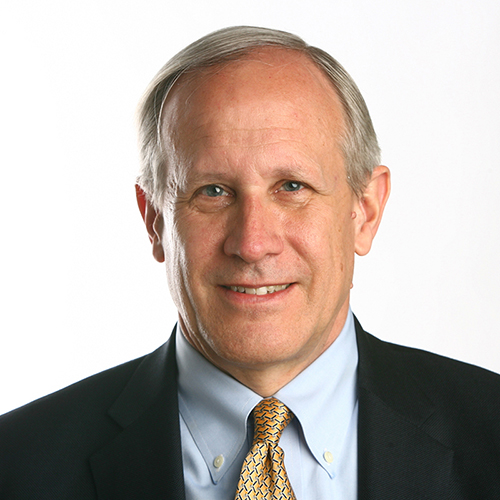
Dave Kissel

The College of Media is pleased to announce that Dave Kissel, a 1985 journalism graduate, will be the alumni speaker at the College of Media Convocation ceremony on Sunday, May 13, 2018. He has built a distinguished career in marketing, advertising and sports for Fortune 500 clients by leading high-impact teams at world-class agencies and media companies.

Kissel is currently a member of the senior management team of DDB, one of the largest and most awarded advertising agencies in the world, and a partner to McDonald’s Corporation in 44 countries. He is responsible for the global leadership and coordination of DDB’s worldwide McDonald’s relationships, helping each office deliver innovative strategy, content and experiences to measurably grow the McDonald’s brand and business.

He moved into DDB’s McDonald’s global role after having been a key architect and builder of Omnicom’s We Are Unlimited, called by The Wall Street Journal as the “Advertising Agency of the Future;” an agency designed specifically for McDonald’s U.S. Dave helped establish the agency, source its talent, develop its first work and, as the agency’s Chief Delivery Officer, helped create the agency’s operating system and technology tools.

In addition, Kissel is currently a Strategic Advisor to, and the former CEO of, InStadium, a national Nielsen-measured sports media network consisting of 450+ pro and college teams. Under his leadership, InStadium transformed into a multi-media video and gaming platform for major brands. Prior to InStadium, he helped create and scale the award-winning agency Zócalo Group, Omnicom’s first dedicated social media agency, a division of Critical Mass.

A frequent speaker on sports marketing, advertising and social media, Kissel has more than 25 years of accomplishments and awards in sports media and marketing, is an advisor to Block Six Analytics, a sports-analytics technology company, and to the University of Illinois’ College of Media’s Executive Board. He lives in a northern suburb of Chicago with his wife and fellow Illini alumnus, Sue, and his three daughters.

Share on social

Archives acquires Ebert materials


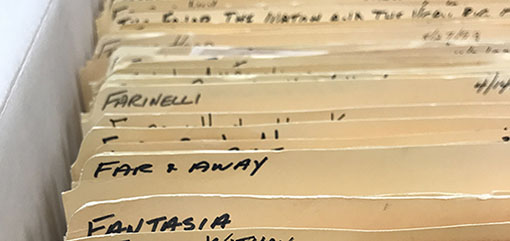
Ebert file folders

An important part of the legacy of the noted film critic, Urbana native, and U of I alumnus Roger Ebert has come home to the University of Illinois at Urbana-Champaign, thanks to a recent donation from the Chicago Sun-Times.

The University of Illinois at Urbana-Champaign Archives has acquired the motion picture press kit files used by Ebert when he served as film critic for the newspaper. The files include 35mm slides and black and white glossy photographs, press release information promoting films from the 1980s through the early 2000s, as well as tear sheets of reviews by the Pulitzer Prize-winning critic.

Nine file drawers of color slides and approximately 57 file drawers of press kits for more than 5,200 films spanning a substantial portion of Ebert’s time as the Sun-Times film critic now reside at Illinois awaiting arrangement and description to make them accessible to students, scholars, and the public. The University Archives and the Communications Library at Illinois have already starting working together to create a complete index of all of the thousands of reviews Ebert wrote.

“This is an important story for the university to have,” said University Archivist William Maher. “What Roger learned here, how he honed his craft, got critical experience and gained confidence–all  of that carried him forward. It propelled him. The university gave him that platform, at the same time that he changed the university himself.” 

Other universities had approached the Sun-Times for the materials, however Chaz Ebert, Ebert’s widow and publisher of RogerEbert.com, wanted to see the materials go to the University of Illinois, Ebert’s alma mater.

“Chaz’s efforts to connect us with the Sun-Times have been an invaluable step forward to bring the Roger Ebert archival legacy home,” noted Maher.

There is little doubt that Ebert would be pleased with the decision. In Life Itself, Ebert’s 2011 memoir, he said, “I loved the University. It took me from childhood to my life.” 

It was this influence and spirit that inspired an online exhibit all about Roger Ebert and his time at Illinois which made its debut at the 2017 Roger Ebert Film Festival this past April. The exhibit, created by the University Archives and containing examples of Ebert’s early writings as a student as well as his original correspondence with his faculty mentor, Dan Curley, is viewable at archives.library.illinois.edu/ebert. 

Ultimately, the Sun-Times materials will reside within close proximity to the Roger Ebert Center being established within the College of Media at Illinois. The Ebert Center will offer undergraduate scholarships and mentoring, along with other programs to “inspire critical thinking and illuminate the human condition,” to those interested in filmmaking and film criticism.

“The College of Media is proud to have played a role in acquiring these materials for the University of Illinois,” said Wojtek Chodzko-Zajko, interim dean of the College of Media. “Roger loved this place; he established his film festival and the Ebert Center here, visited often and introduced us to Chaz, who has become a valued member of our media family. Roger’s enduring legacy is safe in her hands and with the University of Illinois Archives.”

For more information about the Ebert Center, visit https://www.dev.collegeofmedia.cpp.web.illinois.edu/ebertcenter.

See original press release.

Share on social

McCraw named 2017 convocation speaker


David E. McCraw, a 1976 journalism graduate from Monticello, Illinois, will be the 2017 College of Media convocation speaker.

McCraw is vice president and deputy general counsel for The New York Times. He has a master’s degree from Cornell and a JD from Albany Law School.

McCraw has worked as a journalist and a free-lance writer, has taught journalism and worked as a lawyer at a New York law firm. He has been with The Times since 2002 and is also an adjunct professor at NYU Law School.

His work at The Times includes Freedom of Information Act requests, overseeing commercial litigation, and advising journalists on issues in news gathering including privacy laws. He also runs crisis response when a journalist runs into issue while reporting internationally.

McCraw gained national attention in Oct. 2016 when a brief letter he wrote to Donald Trump’s attorney in defense of a free press went viral. 

Share on social

Media and Business launch online master’s degree


New online master’s degree in strategic brand communication to prepare future brand leaders

A new interdisciplinary graduate degree from the University of Illinois seeks to arm future global brand leaders with the latest methods, techniques and strategies to market, advertise and deliver brand communications across diverse multimedia and technology channels.

The online master’s degree in strategic brand communication, a unique joint program between the Urbana campus’ College of Business and College of Media, aims to prepare the strategic leaders of tomorrow in an ever-changing global digital-media environment.

“Executives today need to learn the latest techniques and strategies to market, advertise and deliver brand communications across multiple channels in order to grow revenue effectively. This degree in strategic brand communication will help today’s professionals become the best in the field,” said Jeffrey R. Brown, the Josef and Margot Lakonishok Professor of Business and the dean of the College of Business.

The degree, which will be offered as a joint program between the department of business administration in the College of Business and the Charles H. Sandage Department of Advertising in the College of Media, will allow students to gain deeper knowledge of how to strategically lead global brand communications across advertising, media and marketing channels to drive revenue growth.

“It is increasingly important for the world’s premier universities to enable students to earn advanced degrees while working full-time,” said Wojtek Chodko-Zajko, the dean of the Graduate College and the interim dean of the College of Media. “This initiative provides the working professional with a career-accelerating pathway to a highly respected master’s degree in just 15 months.”

The curriculum combines contemporary business management education with the latest in strategic integrated marketing, advertising and multimedia communications. Students will be prepared to:

  • Effectively reach and engage consumers through content and messaging.
  • Refine data analytics and integrative capabilities to maximize results.
  • Respond effectively to new technologies, emerging media and market trends.
  • Leverage digital, social media and mobile communications in a broader and more comprehensive business context.
  • Acquire senior leadership and management skills to execute strategic success across teams.

“This innovative collaboration taught by world-class faculty from business and media will prepare future brand leaders in the new digital age by offering courses in advertising focused on data analytics, interactive content and consumer insights, combined with business courses in management essentials, leadership and global consumer behavior,” said Dilip Chhajed, a professor of and the executive director of master’s programs in business administration.

Students can complete their online degree in 15 months from anywhere in the world while working full time, so they don’t have to interrupt their career momentum.

“If you are a working professional who wants to achieve excellence and advance in your current career, or if you want to earn this degree to change the direction of your career, this program can help you accelerate professionally,” said Jacqueline Hitchon, a professor and the department head of advertising.

In addition to classes, students will be able to participate in industry workshops in which leading executives cover diverse topics including emerging technology, budgeting and financial management, revenue development, programmatic advertising, multicultural marketing, virtual and augmented reality, and consumer experience.

“We are excited to welcome our first cohort of exceptionally talented students who have the potential to strategically lead brands into the future,” said Mary Lee Gilliland, the executive director of the program.

The program has begun accepting applications, with the first class of students scheduled to begin in August.

Share on social

Illinois Newsroom launches with the appointment of a new leader


Illinois Newsroom—the statewide, seven-station journalism collaborative, spearheaded by Illinois Public Media and funded through a $715,000 grant from the Corporation for Public Broadcasting (CPB) as well as support from the public media partner newsrooms—launches with the appointment of a new leader.

Scott Cameron, former senior editor of NPR’s Talk of the Nation and current director of news and public affairs at Illinois Public Media, has accepted the Executive Editor position to lead the regional news collaborative.

Read the full story here.

Share on social

DEV College of Media
119 Gregory Hall
810 S. Wright St.
Urbana, IL 61801
217-333-2350