Min’s advocacy for underrepresented groups leads to appointment on President Biden’s Advisory Commission


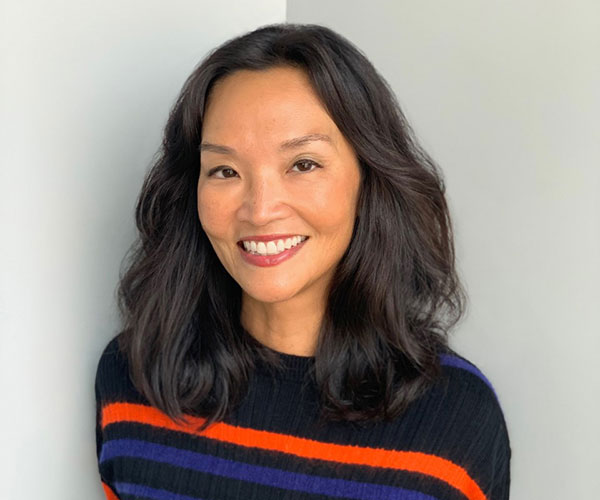
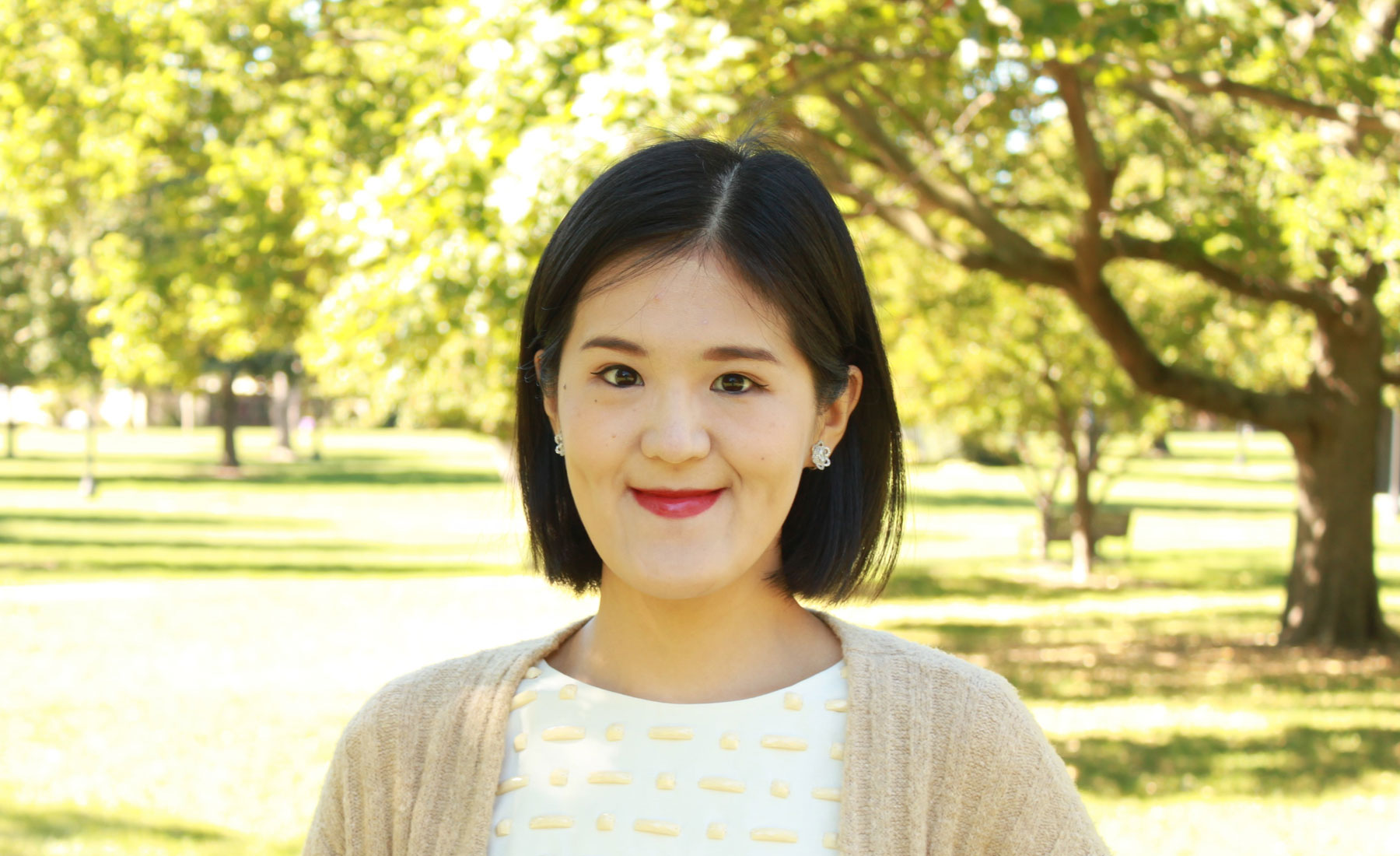
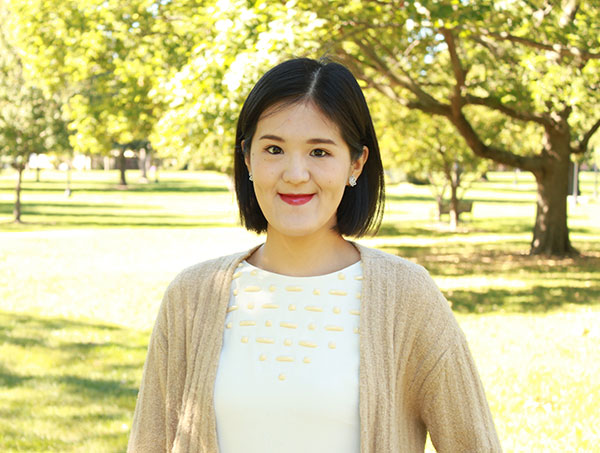
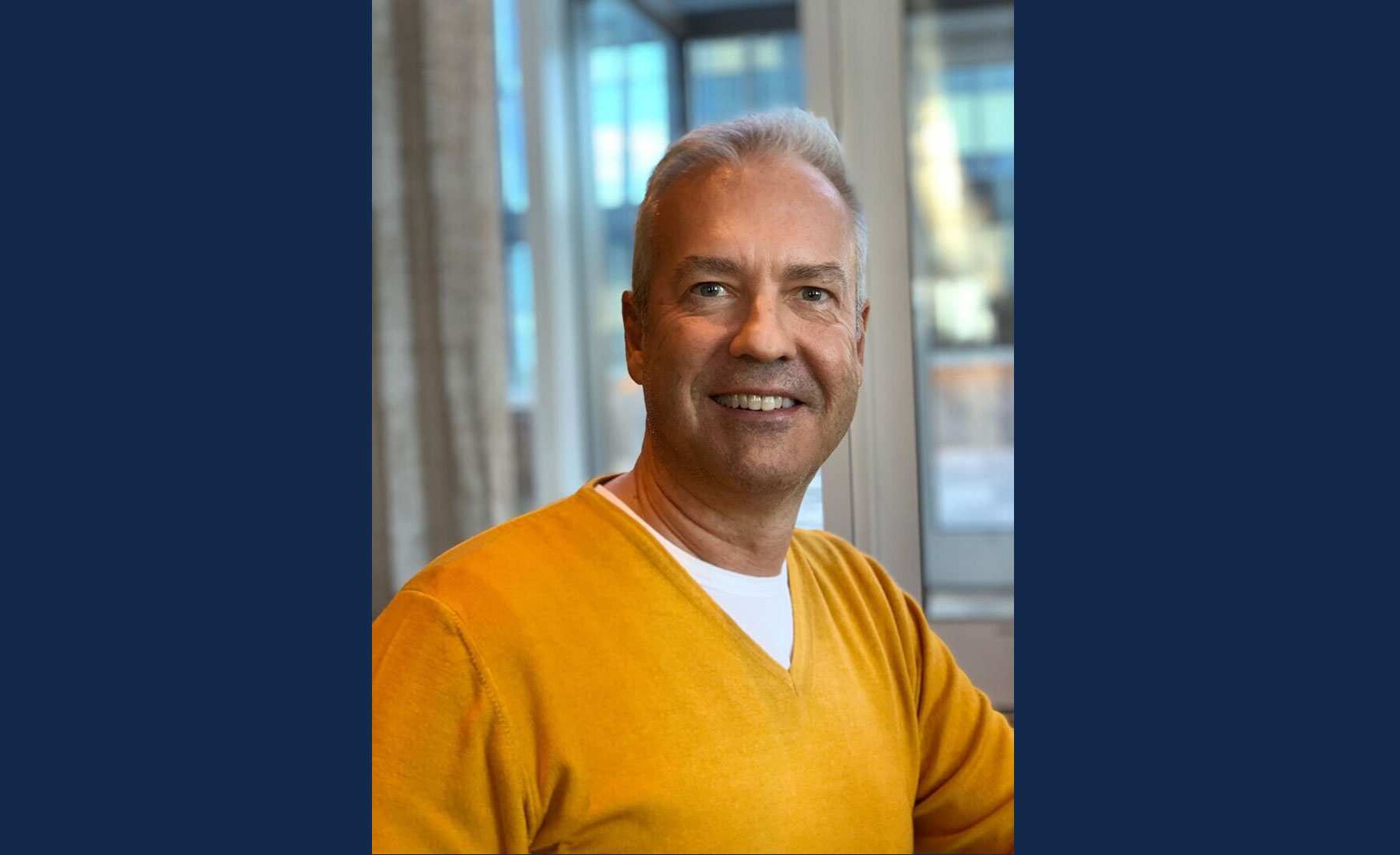
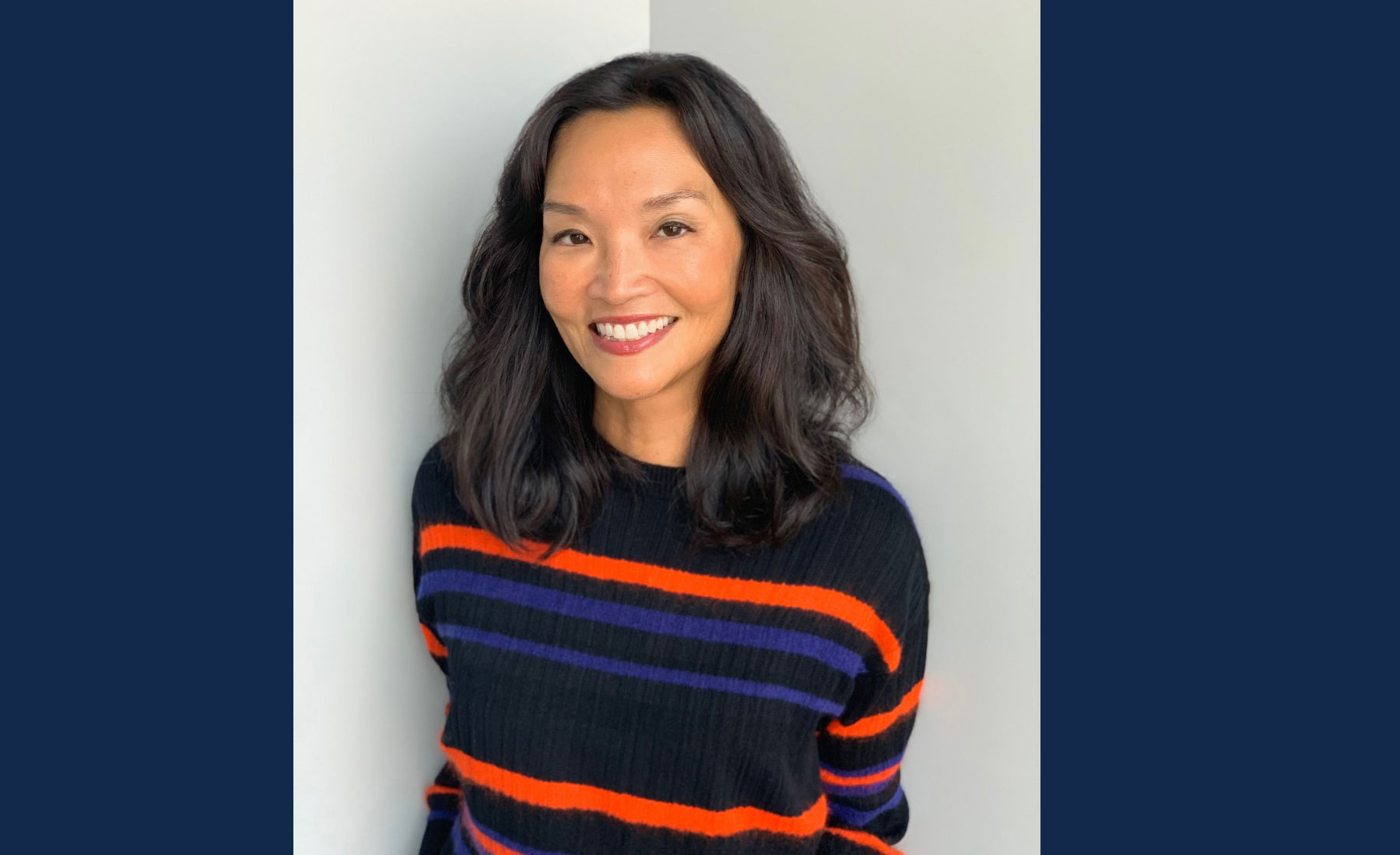
Sarah Min

Sarah Min (BS ’93, journalism) has always wanted to have a public service chapter of her life. After an extensive career as a media executive, Min now focuses on advocating for people of color and women through nonprofit and political work.

In December, Min was appointed to President Biden’s Advisory Commission on Asian Americans, Native Hawaiians, and Pacific Islanders. The commission will advise the President on issues of equity and inclusion for AANHPI communities, as well as address anti-Asian xenophobia and violence.

“I think we’re in a situation right now where a lot of things in our system are converging to create a climate of hate and polarization,” Min said. 

In 2019, she began serving on the board of directors for nonprofits like civil rights advocacy group Color of Change, political action committee EMILY’s List, and engaging with grassroots organizations like the Korean American Community Foundation, with the goal of building civic engagement.

Min saw the power of media in shaping narratives about underrepresented communities.

“Stories—how they’re portrayed and who’s telling them—influence systemic injustice and the biases that we have just as everyday people and consumers of media at scale,” she said.

Min believes it’s important for students to gain real-world media experience as part of their education. In 2020, she established the Daily Illini Journalism Scholarship Fund with her husband Matt Pincus. The fund supports undergraduates in journalism who are committed to working at least one semester at The Daily Illini.

Min said her experiences as a production assistant as well as special projects editor and a reporter for InPrint at The Daily Illini, where she made lifelong friends, were some of her most fun and formative years. 

“I’m grateful for that opportunity of being able to learn in an academic setting, but then simultaneously being able to put it into practice,” she said. “[The Daily Illini] was not just a club in the way that we were doing something together, but we also produced something that everybody read every day.”

Min credits the College of Media for facilitating industry connections that launched her career. As a student, Min was drawn to magazine journalism, and was encouraged by journalism mentors Dana Ewell, Jo Thomas, and Bonnie (Bellew) Layton.

“I was fortunate to have mentors who understood the career I wanted, and people who coached me along the way and connected me,” Min said.

Her career began in New York City at Glamour magazine, where she began as an editorial assistant. She held managing editor positions at other magazines including Vibe and Domino, which she helped launch. Min also was president of the publishing company McSweeney’s, founded by fellow journalism alum and author Dave Eggers (BS ’02).

Then, with the rise of digital media and smartphones, Min said “the world changed.” She became executive vice president for marketing and corporate development for ScrollMotion, a mobile enterprise technology company.

Min’s career in for-profit media ended with her time in media consulting, working with companies such as HBO and Penguin Random House.

Min said she recognizes the role that journalism and communications plays in trying to address issues like AANHPI racism.

“I think it’s all our responsibility to be able to tell our own stories, to help other people tell our stories, and to understand our stories,” Min said.

Through the President’s commission, she hopes to bring her professional and personal experience to her role as co-chair of the Data Disaggregation Subcommittee, which will expand the collection and use of disaggregated data at the federal, state, and local levels on AA and NHPI communities, and facilitate improved research on policy and program outcomes for AA and NHPI communities.

“I am honored to be among such a diverse group of leaders who have dedicated much of their lives to improving economic opportunity, environmental health, and equity of AANHPI and all Americans,” she said.
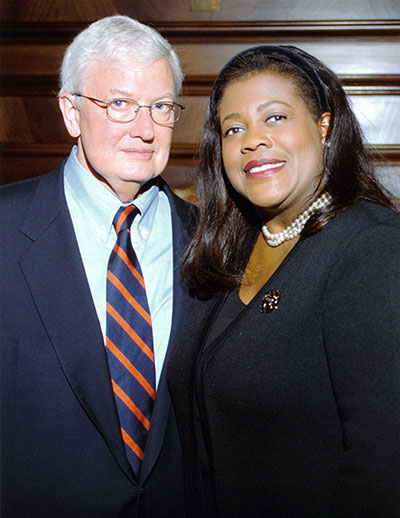
College of Media announces Roger Ebert Center for Film Studies


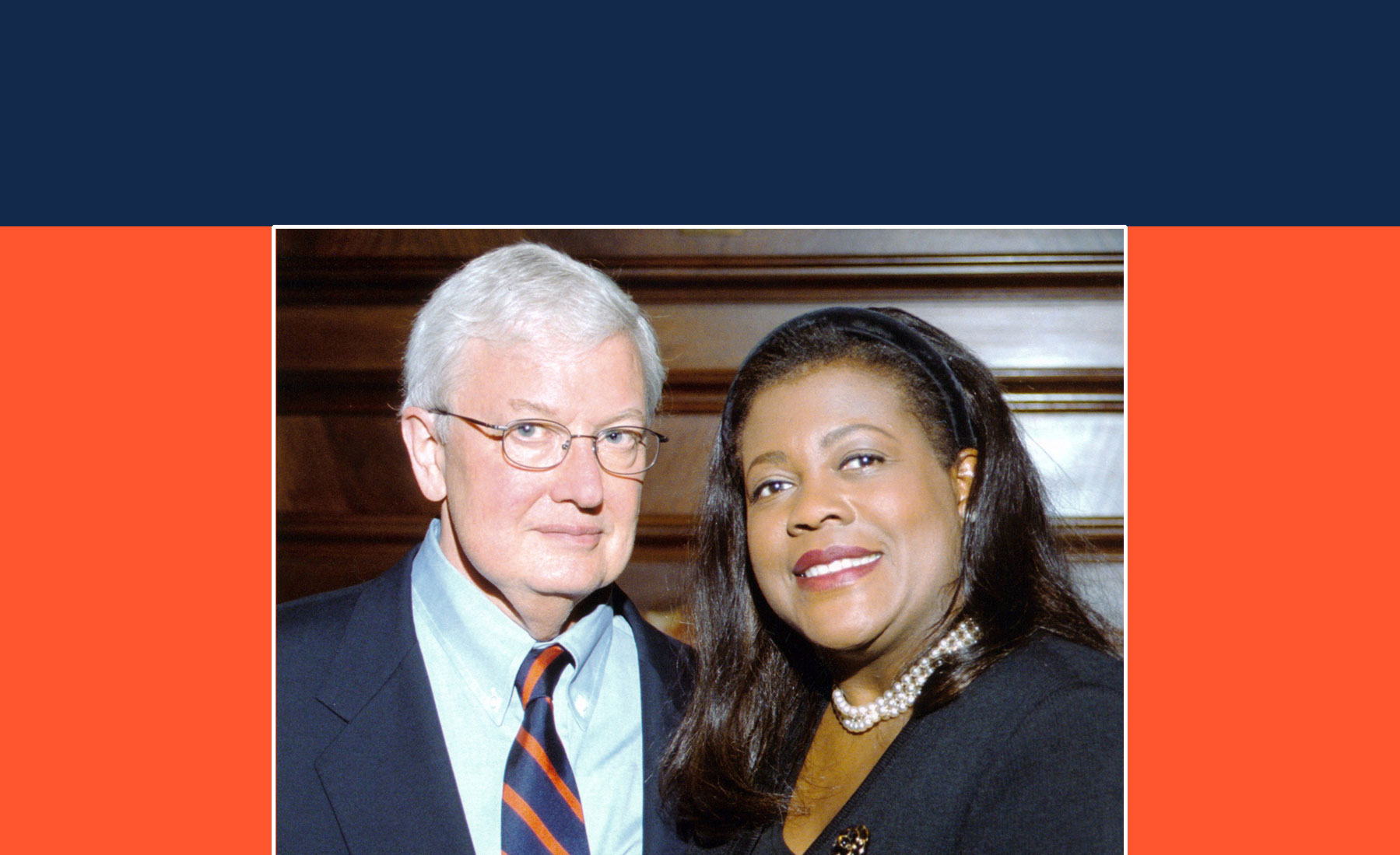
Roger and Chaz Ebert

The College of Media at the University of Illinois Urbana-Champaign is excited to announce that the Roger Ebert Center for Film Studies will officially launch this year, with programming to begin in Fall 2022. 

Thanks to gifts totaling more than $5 million from a collection of donors—inspired by a lead gift from Roger and Chaz Ebert (pictured at right)—funding will support robust annual programming, including the Ebert Symposium, Ebert Lecture, and a screening series. 

The famed Roger Ebert, who died in 2013, was an Urbana native, a University of Illinois journalism alumnus (BS ’64), a longtime film critic for the Chicago Sun-Times, and co-host of numerous televised movie review shows. He was the first film critic to win a Pulitzer Prize and the first film critic honored with a star on the Hollywood Walk of Fame. 

“Unlike many centers on film studies, which focus primarily on the skills of making a film, Roger’s Center will also focus on analysis and study of films, the state of the industry, and the impact of film on individuals and society for personal and social change,” said Chaz Ebert, CEO of Ebert Digital LLC and cofounder of Ebertfest.

“This new center will undoubtedly elevate the University of Illinois and the College of Media in the discipline of film studies,” said Dean Tracy Sulkin. “We are eager to realize the Eberts’ vision of making Illinois the place that inspires generations of students and scholars and are grateful for the generosity of those who are supporting us in making this happen.”

A faculty member from the Department of Media & Cinema Studies will be appointed director of the Roger Ebert Center for Film Studies. The director will coordinate event programming, Ebert research grants and travel grants for film studies, the Ebert Fellows Program for undergraduate students, and equipment and operations support for the teaching of film production. 

“Through its support of engaging research, production, and public lectures and discussions, the Roger Ebert Center for Film Studies will enrich experiences and facilitate connections, especially for our students and faculty in media and cinema studies,” said Professor CL Cole, head of the Department of Media & Cinema Studies. 

Special kick-off events will be scheduled during the 2022-23 academic year, and, in collaboration with the Spurlock Museum, the Knight Auditorium will be outfitted with new equipment to create a first-rate screening space for campus.

When the Eberts established the endowment for the center in 2009, Roger said: “The University of Illinois is deep in my heart as a great institution. It informed and enriched me. Although there were no film courses when I was an undergraduate, it nevertheless guided me in my lifelong love of film.”

The University of Illinois is honored to celebrate Ebert’s legacy through this new center.

If you wish to contribute to the center, you can give online and select “Roger Ebert Center for Film Studies” under Champion Innovation in Media Research & Collaborations.

For media inquiries, please contact Holly Rushakoff at the College of Media at (217) 333-3949 or media-news@illinois.edu.  

Burke tops charts again with award-winning Super Bowl ads


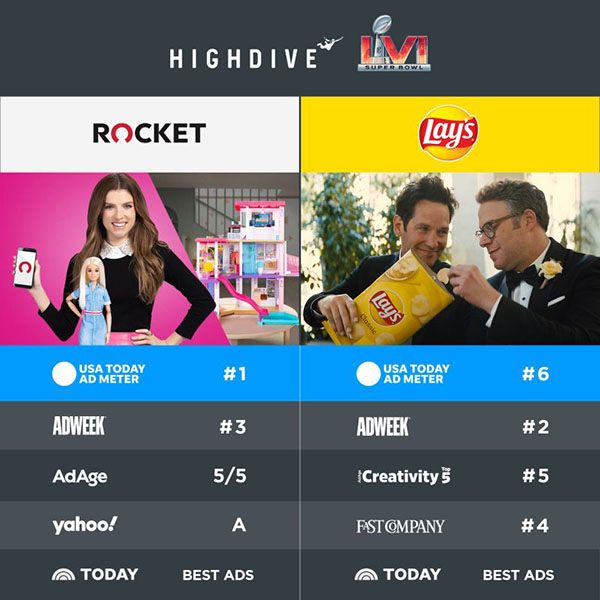
Advertising alum Patrick Burke (BS ’95), executive creative director of the Chicago-based ad agency Highdive, has once again topped the charts with award-winning Super Bowl ads. His team created both the Rocket Mortgage commercial and the Lay’s potato chip commercial, earning the #1 and #6 spots on the USA Today Super Bowl Ad Meter poll.

He got the #1 and #2 spots for Rocket Mortgage in 2021 and the #5 spot for them in 2020.

With Rocket Mortgage this year, Burke served as creative director, overseeing a team. His role on the Lay’s ad was more hands-on.

Burke told Adweek that the team starts each project like any other assignment by getting to one single insight that can drive the creative. Read his interview.

Read our 2021 story about Burke.

Super Bowl ratings

CS + Advertising student pitches software platform to improve recruitment for clinical trials

Carter Smith

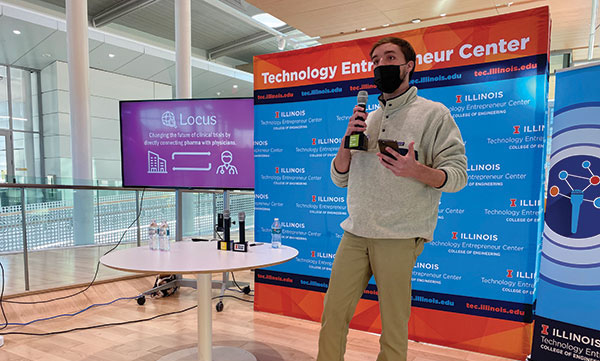
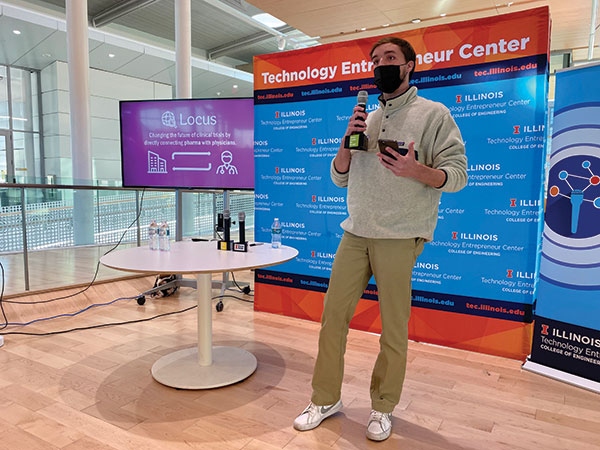
In Fall 2021, computer science + advertising sophomore Carter Smith practiced presenting his business concept at SocialFuse, a campus pitching and networking event. He’s working on a platform to give pharmaceutical companies a way to identify and recruit participants for clinical trials using deep learning. 

Smith was inspired by family members who work in clinical trial administration.

“Our conversations [about the patient recruitment process] led me to think about how much more efficient the process could be if pharmaceutical companies and physicians were brought together in one place, which was the beginning of Locus,” he said.

“SocialFuse was a great place to share what started as an idea, receive feedback on the way it was conceptualized, and shape my goals for the project,” Smith said. “It was a really exciting atmosphere and gave me a chance to connect with many entrepreneurial students on campus, as well as leaders of University incubator programs.”

After the experience of pitching his idea, Smith is now focusing on research and implementation of state-of-the-art natural language processing and data analysis methods. 

Smith chose CS + Advertising because he wanted to learn from two prestigious programs at Illinois that will prepare him for many intriguing career opportunities.

“Learning technical and creative skills as part of two fantastic communities is really a one-of-a-kind experience,” he said. “A lot of my comfort with creating new ideas is because of the CS + Advertising curriculum.”

Leona Su’s research examines effects of humor, social media, and new technologies on science communication

Leona Su

Leona Yi-Fan Su, assistant professor in the Charles H. Sandage Department of Advertising, is interested in how humor can help people engage with science.

“Science is thought of as serious,” Su said. “So you can think of humor as a way to catalyze that and make people get interested in science and be more willing to interact with science and scientists.” 

While humor has been extensively studied in fields like advertising and marketing, she said, its role in science communication is less known.

Su is a co-principal investigator on an NSF-funded project that was awarded $750,000 in 2019 to examine the effectiveness of using humor for communication about science, particularly on social media. Sara Yeo, associate professor at the University of Utah, is the principal investigator, and the other co-principal investigator is Michael Cacciatore, professor at the University of Georgia.

“It’s important to keep in mind that humor plays a role, but different types of humor can play differently on different social media platforms and when communicating about various issues,” Su said.

Humor is often thought of as a simple construct, Su said. But really, it has a range of different types and techniques, such as benign versus aggressive humor. She also noted the differences in online culture between Twitter and Instagram.

In a recently published article, Su and her coauthors reported that wordplay and satire were positively linked to the number of likes and retweets a Twitter post received. On the other hand, anthropomorphic humor—attributing human characteristics to animals or objects—was negatively linked to the presence of comments, and humor was not linked to user engagement on Instagram. 

Scientists and communicators have ample opportunities to interact with the public online, Su said.

“I think it’s important to encourage scientists to share their work with the public and to help with public engagement,” she added, and noted that her work can help them select message strategies.

Su’s broader interest is in how social media and other digital media change people’s perceptions and understandings of science. This also includes looking at the marketing techniques and brand communication strategies used on digital media by agricultural and technology businesses. For example, as a principal investigator, she is leading a project at the Center for Digital Agriculture that analyzes tweets about an emerging food technology, with the aim of understanding branding strategies and public opinion.

Above all, Su said, a key aim of her research is to bridge the gap between the general public and science.

The public should not be viewed merely as passive information receivers, Su said. That is, people don’t often make decisions solely on the facts presented to them.

It’s a common misconception that people will be more supportive of science if they “are more knowledgeable about science,” she said, but in fact, their attitudes toward science can also be affected by heuristic cues such as their politics and other predisposition factors.

Having earned her bachelor’s and master’s degrees in chemistry, Su changed her academic focus after realizing she was more interested in understanding how science is communicated.

“I feel like there’s a gap [within] science communication,” she said. “When I was a scientist, I realized there are times you feel like what you are doing is just a language of your own.”

Su hopes her research will not only help scientists, but anyone who has to communicate complex topics.

“I do hope that some of our findings here in [science] communication can actually be applied or extended to other fields,” she said. “We have to know how messages can be more effectively communicated.”

—Vivian La, Communications Intern

Media students create documentaries for Spurlock Museum exhibit on AIDS tribute

Students interviewing
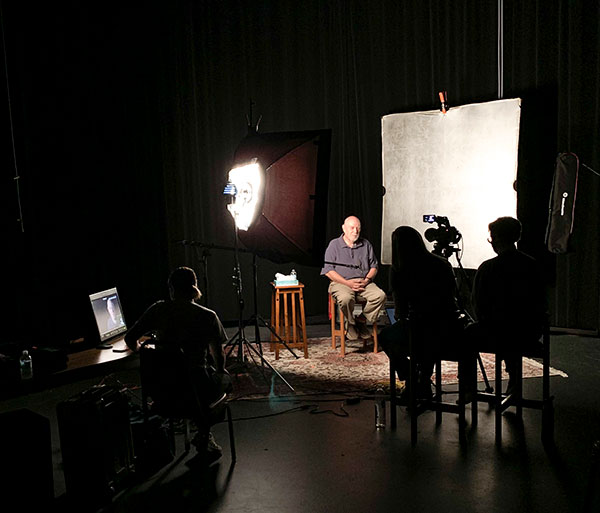
College of Media students interview Bruce Lang in a studio at Illinois Public Media in Fall 2021. The interview was one of many conducted by Media students as they produced video biographies of the men represented by quilt panels from the "Sewn in Memory" exhibit at Spurlock Museum. (Photo by Professor Charles "Stretch" Ledford.)


Students in journalism and media and cinema studies produced a series of short documentaries chronicling the lives of local men commemorated in AIDS quilt panels, originally made in the 1980s and 1990s for the AIDS Memorial Quilt in Washington, D.C.

The students’ short films are featured in the exhibit “Sewn in Memory: AIDS Quilt Panels from Central Illinois” at the Spurlock Museum of World Cultures in Urbana, on display through July 10, 2022, and can also be watched online. 

The videos were created as part of the course JOUR 280: Specialized Skills and Practices, taught in Fall 2021 by Charles “Stretch” Ledford, associate professor of journalism, in collaboration with Kimberlie Kranich, Illinois Public Media’s Director of Community Content & Engagement. In one special video, Stories Untold, the students shared their experiences attempting to find or verify eight of the men.

“It’s important that this project allows people to be exposed to something like this to catalyze deeper exploration,” Ledford said.

“I hope that this project helps to personalize and illuminate a part of our history that’s rarely talked about or taught,” said Owen Henderson, junior in journalism.

Watch a UI-7 Live report on this student project by journalism senior Amanda Brennan:


Students operating cameras
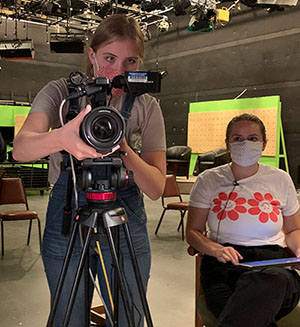
Journalism student Gwyn Skiles adjusts a camera while fellow journalism student Olivia Welshans prepares for an interview in a studio at Illinois Public Media. (Photo by Professor Charles "Stretch" Ledford.)


Additional collaborators for the exhibit include the Greater Community AIDS Project of East Central Illinois, which holds the panels and assisted in exhibit research and creation, and History Harvest, a course at UIUC, which seeks to gather historical stories and documents from local communities.

$1M gift to College of Media establishes Mark L. Brandt Public Engagement Fellows program


Mark L. Brandt

The College of Media has received an estate gift of just over $1 million to create the Mark L. Brandt Public Engagement Fellows program for undergraduates. 

Because of the profound impact that the University of Illinois had on the trajectory of Brandt’s life, his dear friend, fellow Illini, and trustee of his estate, Mary Leyendecker, chose to ensure that his legacy makes a positive impact on students and society. Brandt, a 1986 alumnus of Illinois who retired early from General Electric after a career in finance, passed away in January 2021. His wish was that the funds be used to “do good in the world.”

The funds, endowed in perpetuity, will provide internships to Media students to work with college faculty and staff on public engagement projects, and/or as participants in programs that are designed to support first-generation college students, students from underrepresented groups, and/or students with significant financial need. 

“This promises to have a transformative effect on our important efforts in public engagement and will meaningfully influence the lives of students for generations to come,” said Dean Tracy Sulkin. 

Beginning Fall 2022, the funds will be available on a competitive basis and will support up to 40 students each year who will work on a variety of college and department initiatives. 

For example, Mark L. Brandt Public Engagement Fellows will be able to contribute to faculty-led projects on media literacy and the Chancellor’s Call to Action to Address Racism and Social Injustice, engagement opportunities at Illinois Public Media, and more. Funds will also be used to support students in the New Voices internship program.

The Brandt Fellows will serve as models of engaged leadership and will gain skills and experiences that will allow them to chart a course toward a lifetime of societal impact through their careers in media and through their personal endeavors. 

 “I feel certain he would enjoy helping those who are going to help society,” Leyendecker said.

College of Education and College of Media team up to help Illinois high schoolers understand the media they consume


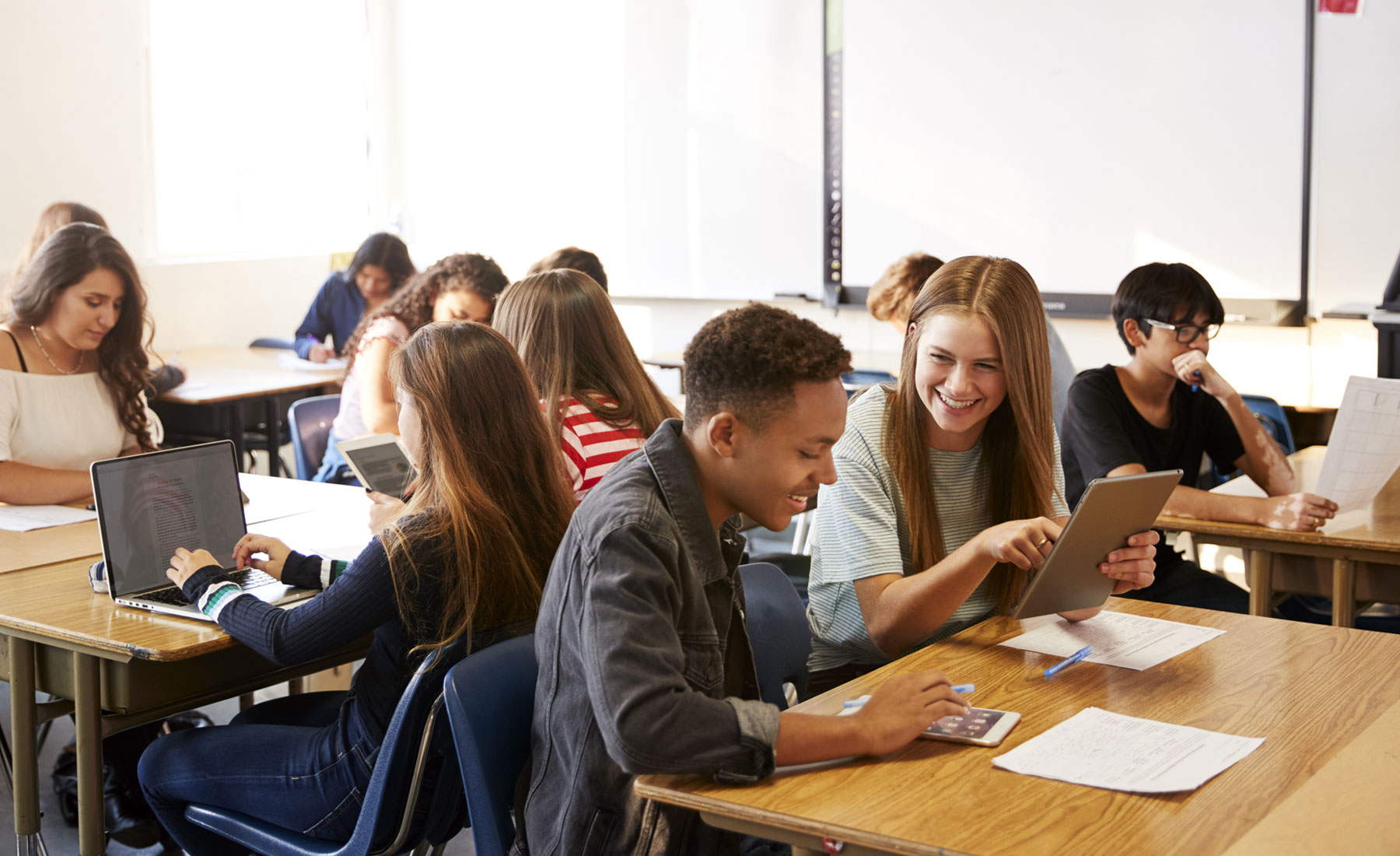
High school students in classroom

A new state law is requiring Illinois public high schools to teach media literacy. Through IMEDIA, the College of Education and the College of Media are helping teachers prepare to do just that.

When Governor J.B. Pritzker signed a bill into law on July 9, 2021, requiring that media literacy be taught in public high schools, Illinois became the first state in the nation to mandate such instruction.

The instruction, to begin with the 2022-2023 school year, will teach students how to analyze and communicate information from various mediums, including digital, interactive, audio, visual, and print.

Immediately after the bill was passed, the College of Education and the College of Media went into action, planning how to prepare Illinois teachers to be ready to instruct students in an area made critical by the massive amount of misinformation that circulates in cyberspace.

The two colleges collaborated to form the Initiative for Media Education Inquiry and Action (IMEDIA) to help fill educators’ needs for media literacy training and curriculum development. The goal of IMEDIA is to assist high school teachers with integrating media analysis and production into their classes and building a robust critical media literacy curriculum in Illinois schools. 

“Many of us in the College of Media have been working on media literacy-related research and teaching in the last several years,” said Professor Stephanie Craft, head of the Department of Journalism. “When we heard about the new law, we wanted to be able to turn that work into action. Teaming up with curriculum and instruction experts in the College of Education seemed an ideal way to do that.”

IMEDIA will launch a pilot program on campus from June 27-29, to both find out what teachers are already doing in the area of media literacy and to help them integrate a media literacy component into their curriculum, said Professor Sarah McCarthey, head of the Department of Curriculum & Instruction. The three-day workshop is for local teachers and potentially for teachers across the state.

“Media literacy is especially important in light of the last presidential election and the amount of disinformation and misinformation that is pervasive in the U.S.,” McCarthey said. “It’s more and more critical that we equip students with the ability to discern what’s factual from what’s not.”

“Preparing Illinois students to successfully navigate an increasingly complex media environment is vital to their well-being and ability to participate in democratic life,” Craft added.

The state is putting together media resources for teachers to download, McCarthey said, “but it’s important to have a professional development component to that, and our workshop is going to provide teachers an opportunity to do some hands-on things as well.”

Early talks between the Colleges of Education and Media include the development of modules that high school teachers could download to use in their classrooms. 

“We’ve also talked about in the future taking advantage of some of the credentialing programs that are in process at both the campus and state levels,” McCarthey said. “But the first step is to get this group of teachers ready for the fall.”

IMEDIA has recently received initial funding from the Office of the Chancellor. They are consulting with the Office of Foundation Relations to identify additional potential funding sources. The group also hopes to apply for Spencer Foundation funding to do a statewide survey of the media literacy landscape, to discover who is teaching what across the state. 

“The end goal is quite simple,” McCarthey said. “We want all of our students to be prepared to be critical media consumers.”

In addition to Craft and McCarthey, members of IMEDIA include College of Education faculty member Jon Hale; College of Media faculty members Amanda Ciafone, CL Cole, and Michelle Nelson, and doctoral student Sakshi Bhalla; as well as Michael Spikes, a doctoral student at Northwestern University and founder of the Illinois Media Literacy Coalition, of which IMEDIA is a part.

Murillo produces ‘The Disability Minute’ on Chicago’s WBBM Newsradio

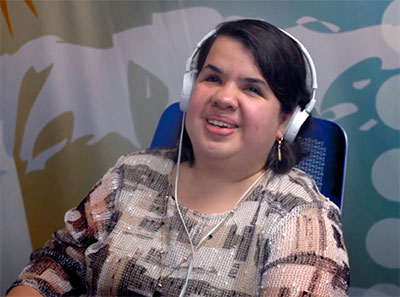
Sandy Murillo (BS ’12, journalism) produces and hosts “The Disability Minute,” a weekly segment that debuted on Chicago’s WBBM Newsradio in August 2021.

“This is an exciting venture that helps us spread awareness about disabilities to an even wider audience,” Murillo said. “Best of all, the segment is produced entirely by people with disabilities.”

Murillo is an associate producer at Chicago Lighthouse Media where she oversees and runs CRIS (Chicagoland Radio Information Service) Radio, a reading service for the blind and visually impaired. She was recently featured in a video to share her experiences at Chicago Lighthouse Media.

Sandy Murillo

Min appointed to President Biden’s Advisory Commission on Asian Americans, Native Hawaiians, and Pacific Islanders

Sarah Min (BS ’93, journalism) has been appointed by President Biden as one of the commissioners to the President’s Advisory Commission on Asian Americans, Native Hawaiians, and Pacific Islanders. 

The Commission will advise the President on ways the public, private, and non-profit sectors can work together to advance equity and opportunity for every Asian American, Native Hawaiian, and Pacific Islander (AANHPI) community. The Commission is also charged with advising the President on policies to address anti-Asian xenophobia and violence, ways to build capacity in AANHPI communities through federal grantmaking, and policies to address the intersectional barriers that AANHPI women, LGBTQ+ people, and people with disabilities face. 

Min is an advocate and former media executive. From 2013 to 2019, Min was an independent consultant, working with clients such as HBO, Penguin Random House, and other nonprofits. Previously, she served as executive vice president for marketing and corporate development for ScrollMotion, an enterprise software company. Min also was the managing editor of Vibe and Domino magazines, a director at media company Bertelsmann, as well as president of literary publishing company McSweeney’s. She serves as a director on nonprofit boards, including Color of Change and EMILY’s List, and has been engaged in grassroots organizations, including the Korean American Community Foundation and the Asian American Power Network.

Read the White House press release.

Sarah Min

DEV College of Media
119 Gregory Hall
810 S. Wright St.
Urbana, IL 61801
217-333-2350