Take 5 with Media Alumni: Alex Studer


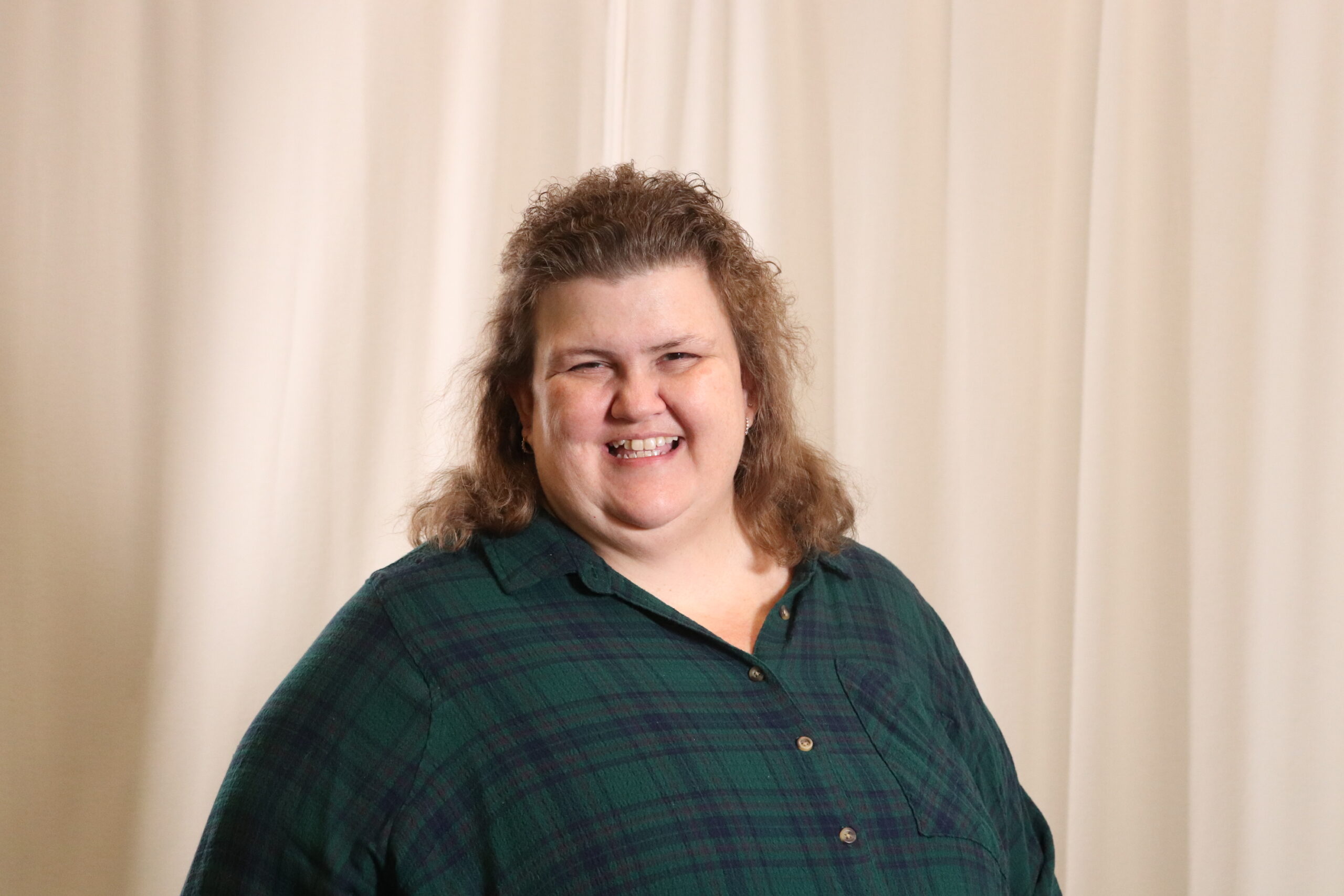
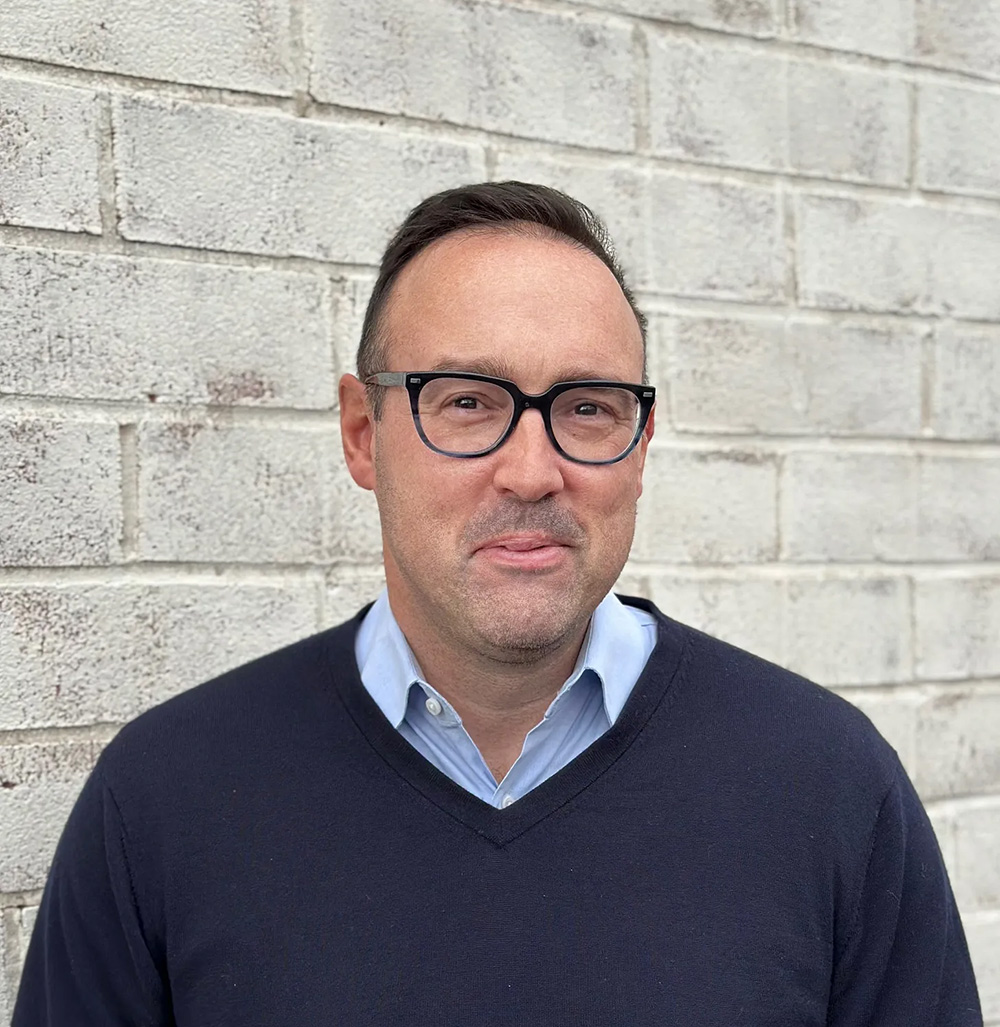
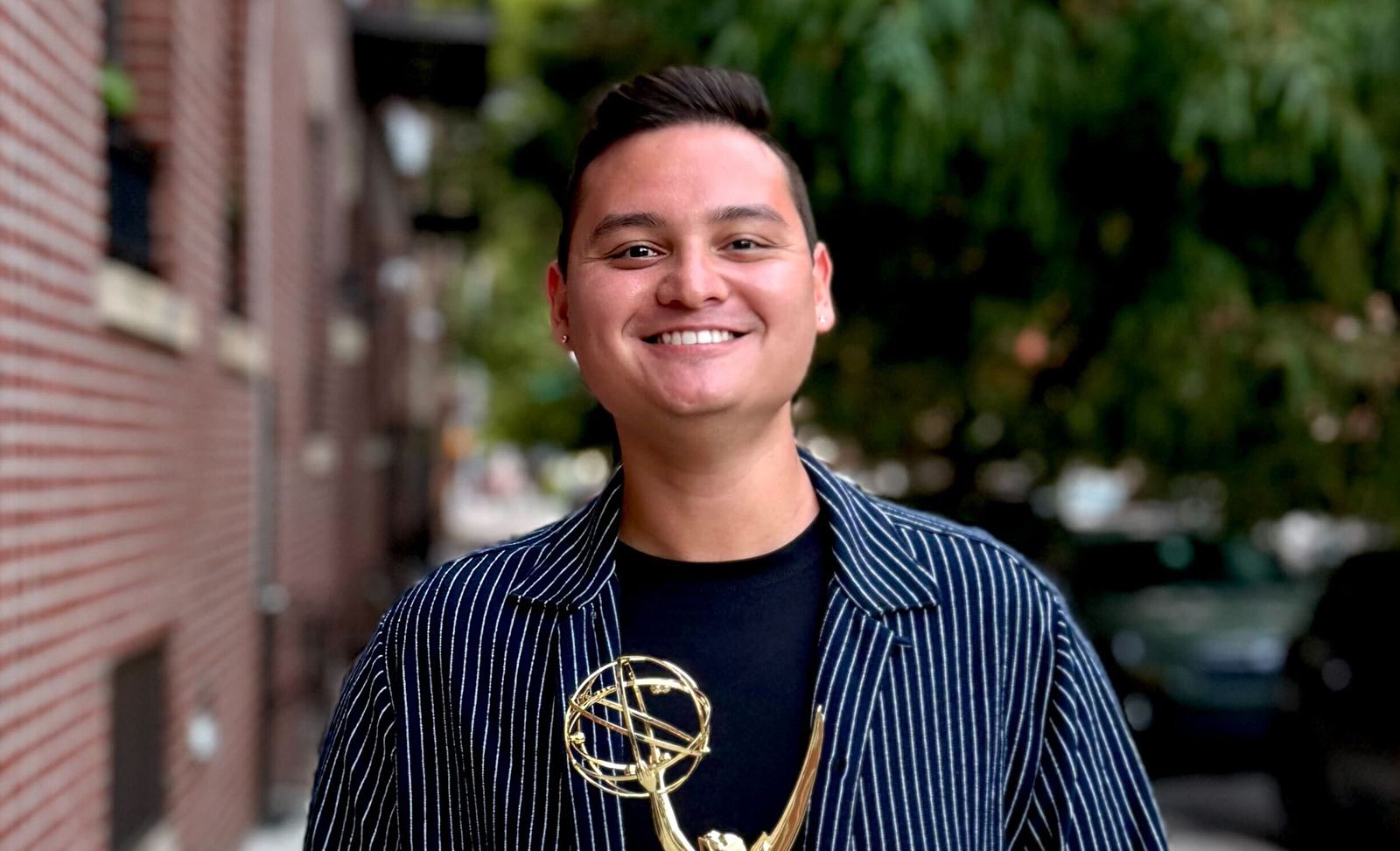
Alex Studer (BS ‘17, advertising) is the director of web strategy at Peacock. He joined the streaming service in 2020—playing a key role in its launch—and now leads all major web initiatives and experimentation strategies across PeacockTV.com. Previously, Studer worked in the advertising industry as an account executive at Deutsch NY, where he supported the ACUVUE account, and later at Ogilvy NY, where he led client workstreams for Gerber and Nestlé. Studer has received multiple industry honors, including a Sports Emmy, Webby nomination, and three Webby honorable mentions. He has also been recognized as a 2023 MAIPer to Watch and was honored as an ADCOLOR FUTURE in 2019.
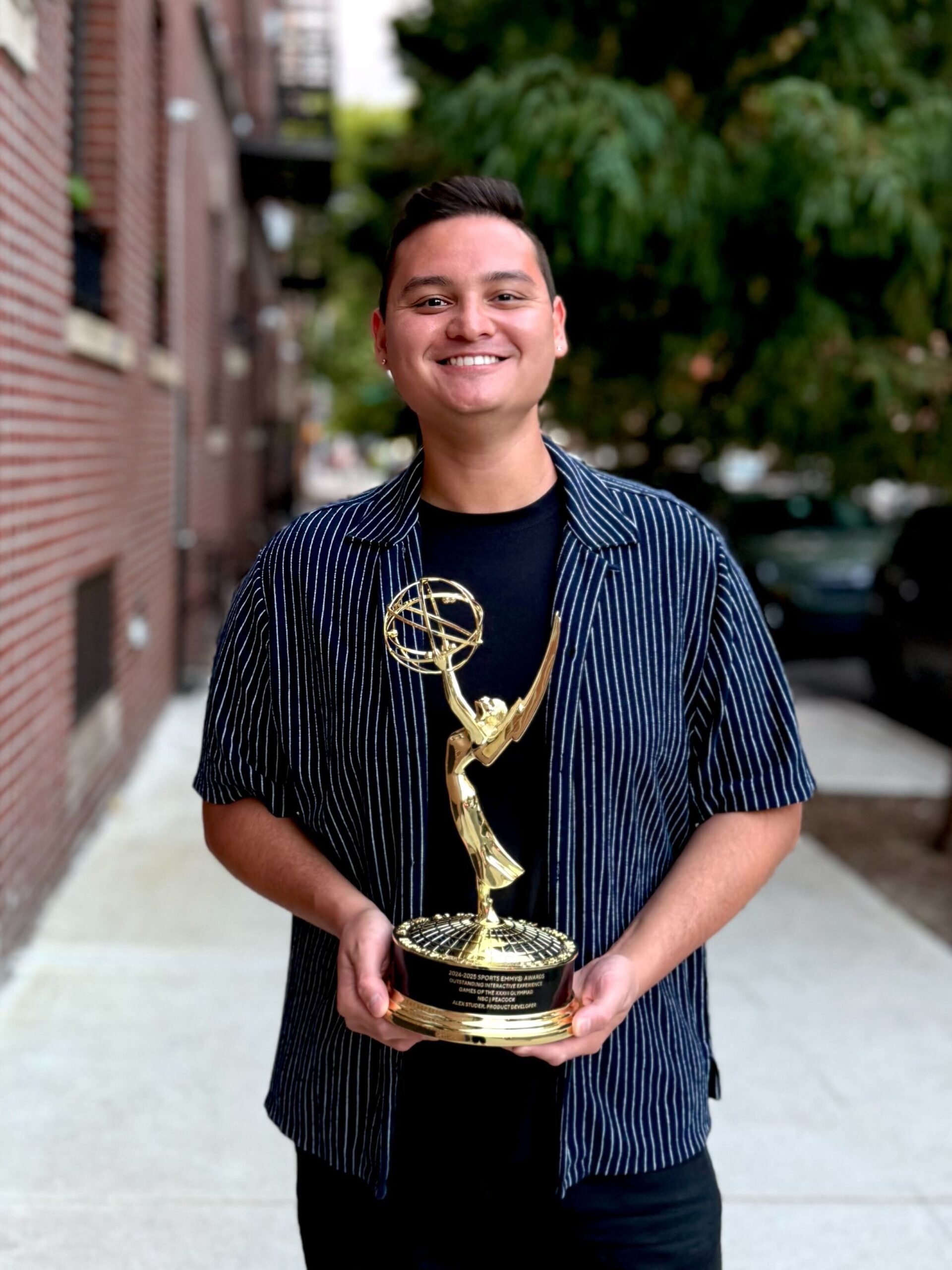
Alex Studer- Emmy

1. What is your current role at Peacock?

Currently, I’m the director of web strategy on the growth go-to-market team here at Peacock. I’ve been at the company for six years now and have been one of the key acquisition and experimentation leaders who have helped launch and grow the business. Put simply, my team runs our website (PeacockTV.com). We are responsible for everything consumers see when they come to our site, and we run experiments to try to get new users to sign up as efficiently as possible.

2. What do you find most challenging and most rewarding about your career?

The fast pace at which the marketing/advertising world moves is both a challenge and a reward for me. Each year, there are new advancements in technology, evolving consumer sentiments and values, and shifting company structures (e.g., mergers) in the industry that all result in a need to think into the future to stay ahead of it. This can for sure be daunting but also is satisfying as it challenges me to keep learning, adapting, and evolving alongside the industry.

3. When did you first realize advertising was the career path you wanted to pursue?

I started my journey at the University of Illinois as a pre-med psychology major. I spent my freshman year exploring different majors in the STEM world (electrical engineering, calculus, physics, and chemistry, to name a few), but everything changed my sophomore year on Quad Day when I stumbled upon the American Advertising Federation booth.

I’ll never forget my first AAF meeting and how inspired I was when learning that careers in advertising/marketing existed. The idea that you could have a career in a field where you analyze consumer behavior and use creativity to influence it really made an impact on me and motivated me to one day break into the industry.  After getting heavily involved in AAF throughout my sophomore year, I was elected to the executive board my junior year and ended up running AAF Illinois as president my senior year. AAF is the reason I was able to finally discover a career path that felt more in line with my passions and interests. It’s also the reason I fell in love with NYC, thanks to our industry immersion visits here.

4. What advice would you give to students trying to break into the advertising industry today?

The biggest piece of advice I would give is to fully maximize and learn how to talk about all your past experiences to help land your future ones. Even before I started gaining industry experience, I was able to gain relevant, transferable skills through my involvement in student organizations, which later helped me land internships.

Once you start to compile your own set of experiences, I’d encourage students to focus on networking with those who are in the advertising industry, and to seek out professional organizations that can help further your career. For instance, I was fortunate to land my first ad agency internship at Bailey Lauerman in Omaha, Nebraska, after meeting a senior leader during an AAF Illinois campus visit.

My senior year, I decided I wanted to start my career in NYC, but recognized I didn’t have a strong network outside of Chicago. I applied to the Multicultural Advertising Internship Program and became a finalist, which gave me the opportunity to move to NYC after graduation to intern at Saatchi & Saatchi NY. My career in NYC wouldn’t have been a possibility without these prior experiences as I was able to finally start building my network and career here!
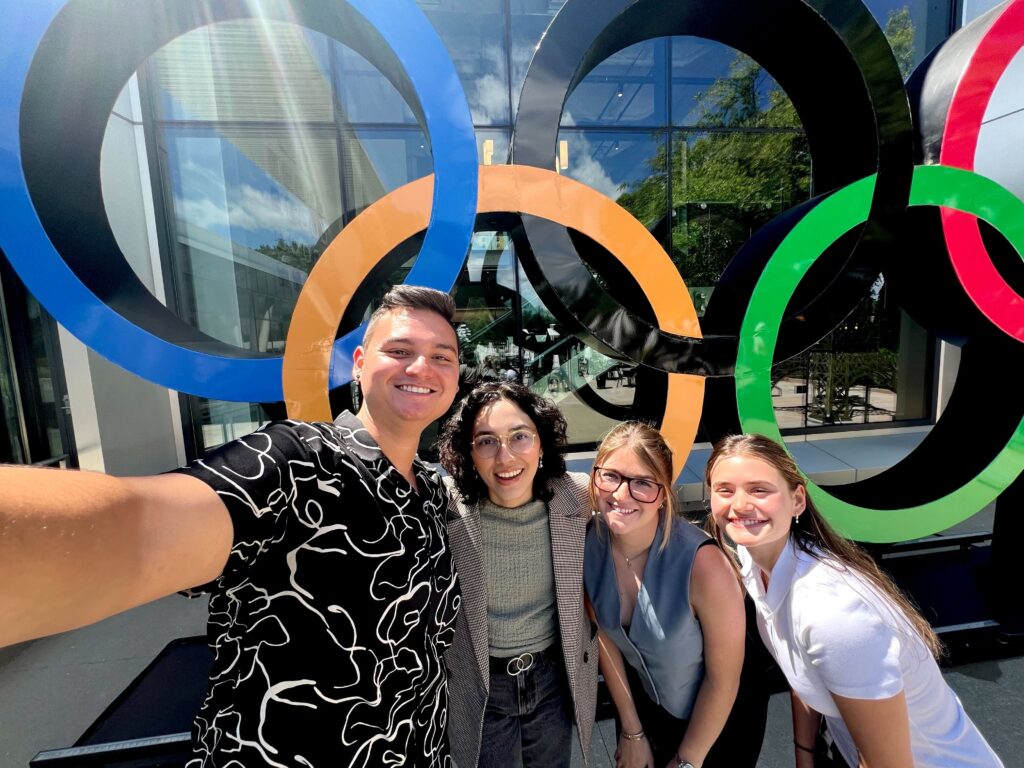
Alex Studer Olympics
Alex Studer with fellow members of the 2024 Paris Olympics campaign team for Peacock.

5. You were part of a campaign team that earned the Sports Emmy for Outstanding Interactive Experience for the 2024 Paris Olympics. What was your role for that campaign and what was it like to receive that recognition?

My team was responsible for the website acquisition and experimentation strategy to garner as many new subscribers as possible for the Olympics. For all organic traffic and paid media, our website served as a destination to learn more about the Olympics and helped consumers sign up for Peacock as seamlessly as possible to start streaming.

If I’m being candid, receiving this recognition didn’t feel real until I opened the (heavy!!) box the Emmy came in and saw my name on it. Early in my career, I was given valuable feedback from a mentor that I don’t take the appropriate amount of time to celebrate my wins and instead immediately look ahead to the next one. I challenged myself for this award to start to shift that and will definitely incorporate more celebration and reflection into any future awards/recognition my career brings me!

Receiving an Emmy was without a doubt a career highlight so far! It doesn’t feel like an “all-at-once” type of recognition, and instead feels more like a culmination of all my past wins, failures, lessons learned, etc. I feel fortunate to have this under my belt, and every day feel reminded of the accomplishment when I walk past the statue at home.

Share on social
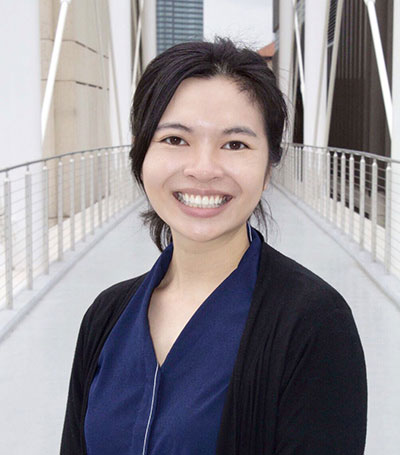
Margaret Ng selected as Center for Advanced Study Associate for 2026-27 academic year


Margaret Ng, associate professor of journalism and a faculty member in the Institute of Communications Research, has been selected as a Center for Advanced Study Associate for the 2026–2027 academic year.

Margaret Ng

As a CAS Associate, Ng will take time off from teaching in Fall 2026 to advance her research on “platform migration,” focusing on how regulatory bans, algorithmic shifts, and geopolitical tensions drive user migration between social media platforms. She argues that these shifts are fueling digital nationalism and reshaping digital sovereignty in an increasingly fragmented society.

Ng said recent events highlight the urgency of this topic, including the restructuring of TikTok in the U.S. and regulatory restrictions in Taiwan, the decline of Twitter/X use among journalists and academics, and the rise of Truth Social as the de facto official channel for the U.S. Presidency. These events reveal how global tensions and local politics are transforming the platforms people choose and the public spheres they build. 

“We live in an era of rapid digital migration. We are seeing a wave of “digital migration” where users are trading in the dominant platforms for new communities that match who they are and what they care about.” Ng said.

“This project examines the forces behind this shift—from algorithmic decay and privacy concerns to political polarization and digital fatigue—and how these movements are reshaping the social, political, and cultural dimensions of online life.”

Ng said her study will particularly investigate digital migration across the United States, Hong Kong, and Taiwan by integrating large-scale computational analysis, surveys of thousands of users, and in-depth interviews with college students, journalists, tech workers, and elderly users. Drawing from those insights, the project will develop a framework that explains how political systems, institutional pressures, and everyday user practices intersect to shape modern migration patterns. 

Ng said the findings promise to advance both theory and policy by documenting how these digital migrations create new forms of labor precarity, fragment public discourse, and erode the shared information environment essential for democracy.  As users segregate into platforms that reflect their personal identities, the project explores how this new “digital mobility” challenges Big Tech dominance, redefines national sovereignty online, and ultimately reshapes the future of media, regulation, and public life.

Ng was appointed a CAS Associate for the Fall 2026 semester upon the recommendation of CAS professors and with concurrence of campus and university administrations.

CAS Associates are tenured Illinois faculty members whose project proposals are selected in an annual competition. They are granted one semester of teaching release time to pursue an individual scholarly or creative project. 

The Center for Advanced Study works with every department on campus to identify and support the most productive, high-achieving, and innovative faculty at Illinois, providing them with connections and funding to pursue their work. Members of this accomplished community are invited to participate in CAS activities throughout the year and given opportunities to present their work to the CAS community. See CAS’s upcoming events.

Share on social

Documentary Club provides students a platform for real-life storytelling


From capturing fall aesthetics to investigating local ghost stories, students in the Documentary Club take a deeper look into campus life.

Documentary Club

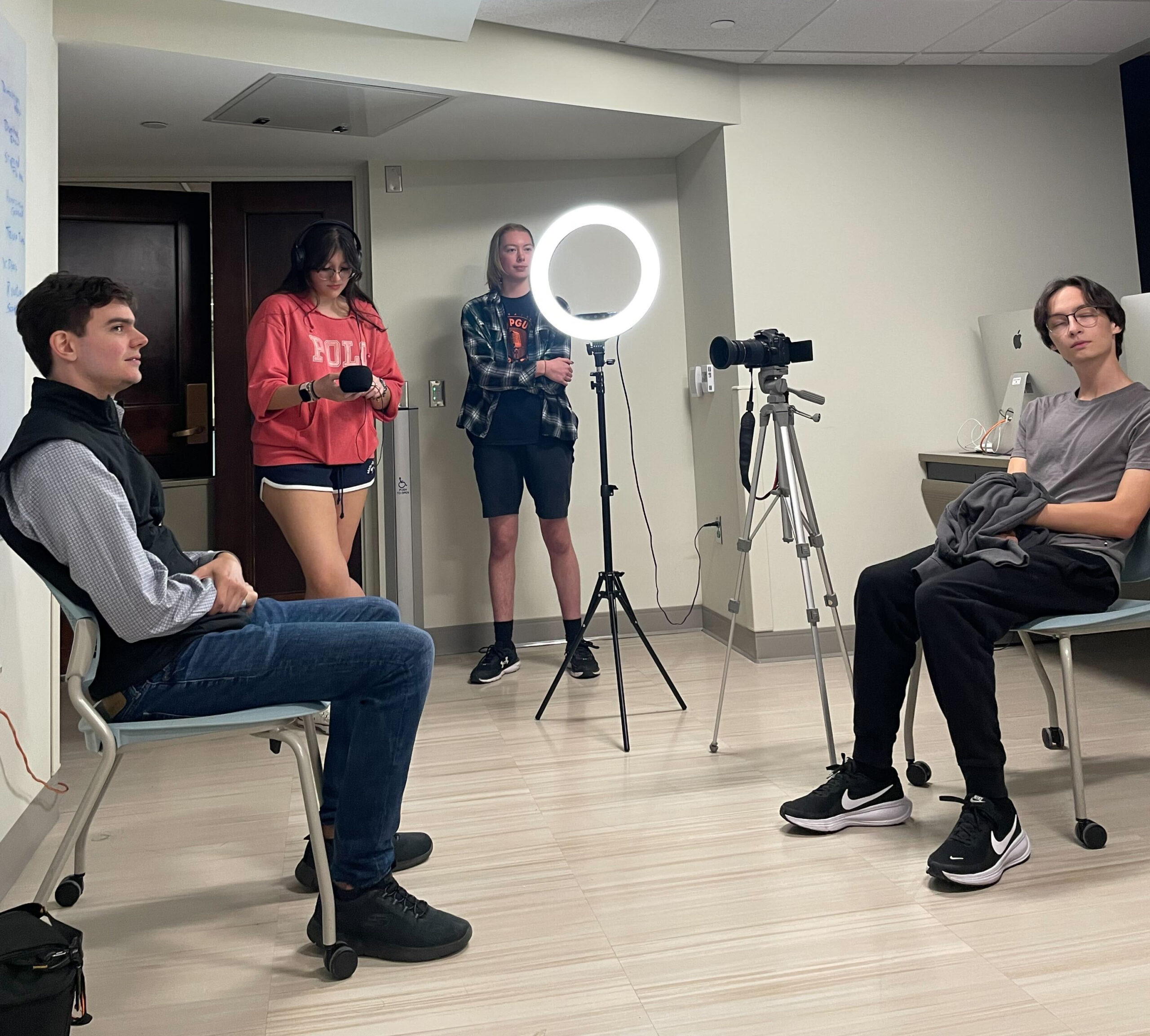
The registered student organization began in Spring 2024 to create a supportive space for both amateur and professional documentary filmmakers. They meet weekly in Gregory Hall to discuss and work on current projects, as well as host workshops to enhance their interviewing, filmmaking, and editing skills.

“I don’t necessarily need it to be good, professional, or amazing,” said Paige Gaines, president of the Documentary Club, and a senior earning a dual degree in media and cinema studies and in communication. “I just want people to make something and grow their skills because I think those skills are really transferable.”

Gaines said she was inspired to form the club because there was no official community for documentary-making on campus.

“I decided to be the change that I wanted to see and make a club for anybody who wants to be able to tell their own stories.”

Gaines says that documentaries are important because they shed light on stories that are often forgotten about in the media.

“There are so many different, wonderful, and beautiful things that are being discovered in our world,” Gaines said. “A lot of people have made big differences in our world, and those stories are often not talked about.”

The club is modest in size, with only five members, but welcomes interested students to join them. They currently have a handful of projects in the works, including a mini-series about campus life called Candid Campus. That project will feature footage from campus that shows what students see and hear on a typical school day at the University of Illinois.

“We’re going around campus and just seeing what’s happening,” Gaines said, adding that they are working with other student organizations to make short informational videos about them.

Gaines’s most recent video in this project is a profile about Velosity Dance, a sorority-led dance club.

“Filming dance is so interesting,” Gaines said. “You can play around a lot with how the body moves, so I’m really excited for the final project.”

The documentaries usually take a semester to complete and are often captured on smartphones or cameras that students in College of Media courses can check out from the Media Technology Center.

“We use whatever we can get our hands on,” Gaines said. “It’s truly just a hodgepodge; we fix it all in post-production, where we do a lot of color correcting to make everything look cohesive.”

Gaines’s favorite part of the club is the community.

“It may be small, but we are mighty,” Gaines said. “I love working with the people here. I just hope these friendships and relationships will last because it’s something I have found really fulfilling.”

To learn more about the Documentary Club, watch their videos on YouTube, visit their website, or check out their Instagram. To join Documentary Club, or to ask questions, please email uiucdocumentaryclub@gmail.com.

Photos courtesy of Paige Gaines.

Share on social

Advertising students create real-life client campaigns through Sandage Project capstone course


Students in ADV 498: The Sandage Project developed campaigns for three community organizations in Fall 2025, including Lincoln250, H3 (Harm, Healing, and Hope), and EARS Effingham Animal Rescue Sanctuary.

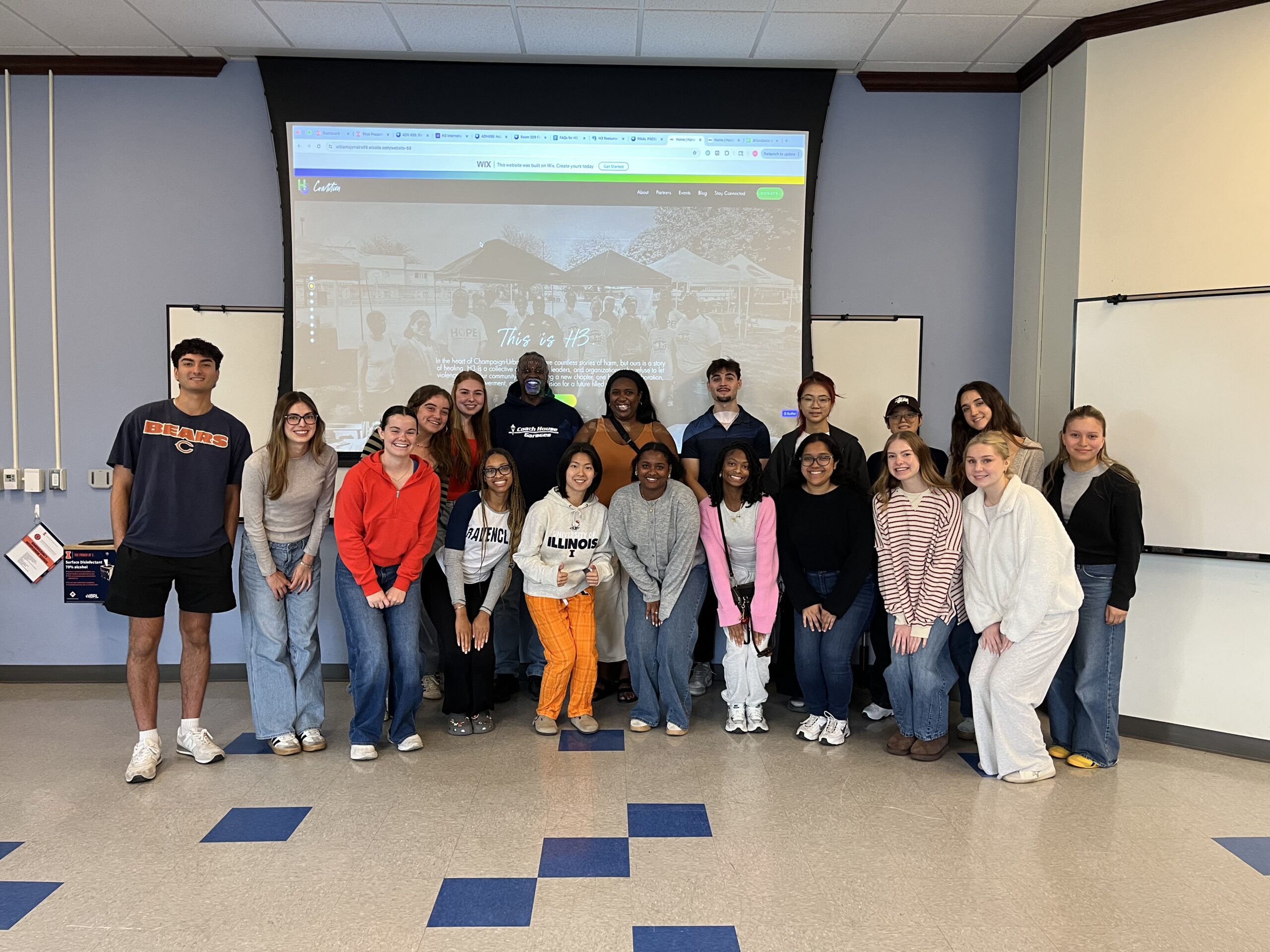
Advertising students pictured with their client, H3.

“The students put together impressive campaigns for each, and the clients were very happy,” said senior lecturer of advertising Marisa Peacock.

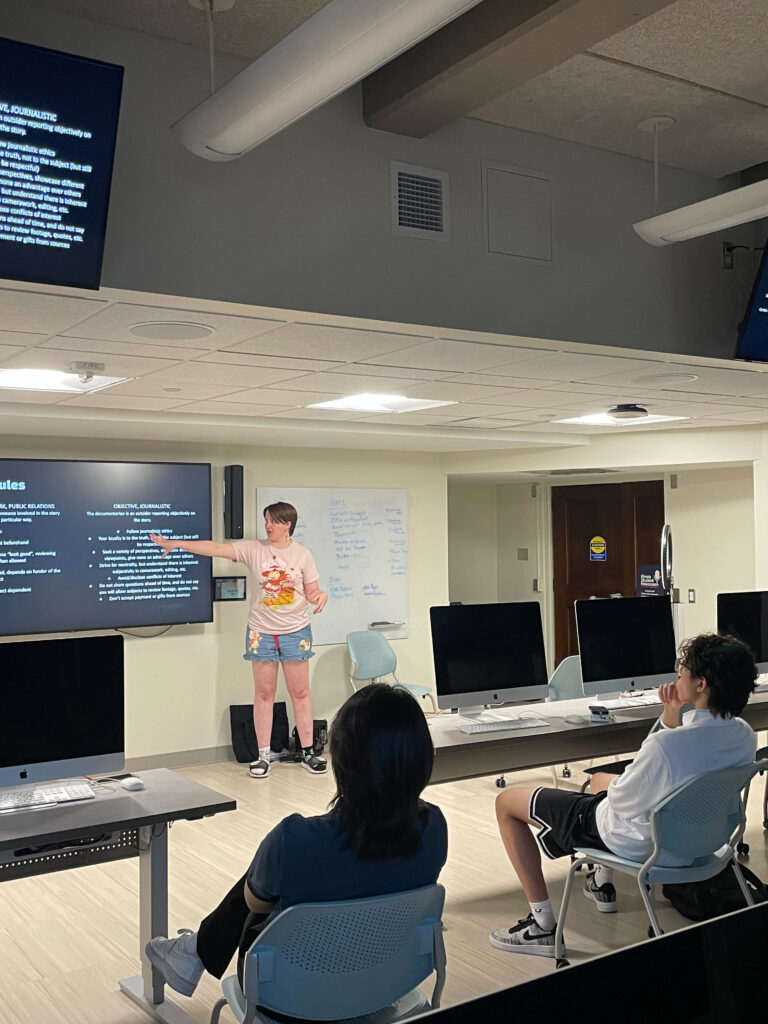
The eight-week service-learning capstone provides advertising majors an opportunity to develop ad campaigns for a nonprofit or local community partner. Clients may use any campaigns or assets produced.

Cooper Haynes, a senior in advertising, was part of the Lincoln250 team, which developed a full  digital platform, including a website and Instagram page, that organizes, interprets, and presents Lincoln-era history in a modern, accessible format.

“Working with my team and actually being divided into roles with goals and objectives that we set for each member was really nice for having a bit of insight into how team dynamics work at real agency and company jobs,” he said. “Navigating problems [with] people having different ideas of how to approach things was also a great experience for preparing for the industry as well.”

Throughout the course, students meet clients to understand the organization and campaign goals, then complete a discovery report analyzing the target audience, brand, and competitive landscape. These insights inform the campaign strategy.

Teams pitch three campaign concepts to the client and based on feedback, select one to develop further. Students refine the creative and media strategies and present a final campaign in the last week.

Three student teams collaborated to strengthen the visibility and impact of H3 (Harm, Healing, Hope), a coalition of organizations, businesses, and individuals in Champaign County dedicated to ending community violence. Together, these groups produced a cohesive set of recommendations to help H3 share its story, reach its audience, and transform its mission into a broader movement.

Jamaira Williams, a senior in advertising who worked on the H3 campaign, said she learned the true lesson of the Sandage course wasn’t about selling a product, but selling a feeling.

“Advertising is, at its core, the purest form of storytelling. Every brand color, every word chosen, is a mirror, because people crave to see themselves reflected in the world. We’re not crafting fiction, we’re guiding real brands and real livelihoods,” she said. “The moment you respect the reality of their brand, you transition from student to professional.”

Clients for the Sandage Project are selected based on their ability to support meaningful, real-world public engagement experiences for students. Ideal clients are community partners—on or off campus—who are open to authentic collaboration and willing to actively engage with students throughout the process. Their mission or campaign should benefit from storytelling that creates emotional connection, often through real community voices or narratives.

Natalie Circolone, a senior in advertising, worked as the creative director for the EARS Effingham Animal Rescue Sanctuary, positioning the rescue as a transparent, caring, foster-based organization that helps people “write the next chapter” in each animal’s life by adopting or fostering. The team also helped to increase awareness and engagement through social media storytelling and small, tangible touchpoints like stickers and goodie bags that keep EARS visible in the community.

“The Sandage Project gives seniors in advertising a real opportunity to work in an agency setting, with designated roles and a real client,” Circolone said. “Through this project, I gained hands-on experience planning and executing a creative campaign, applying skills I’ve developed over the past four years in advertising courses. The opportunity to create something meaningful for such a great cause was a rewarding experience.”

Share on social

Senior lecturer Carrie Wilson-Brown receives Larine Y. Cowan Make a Difference Award


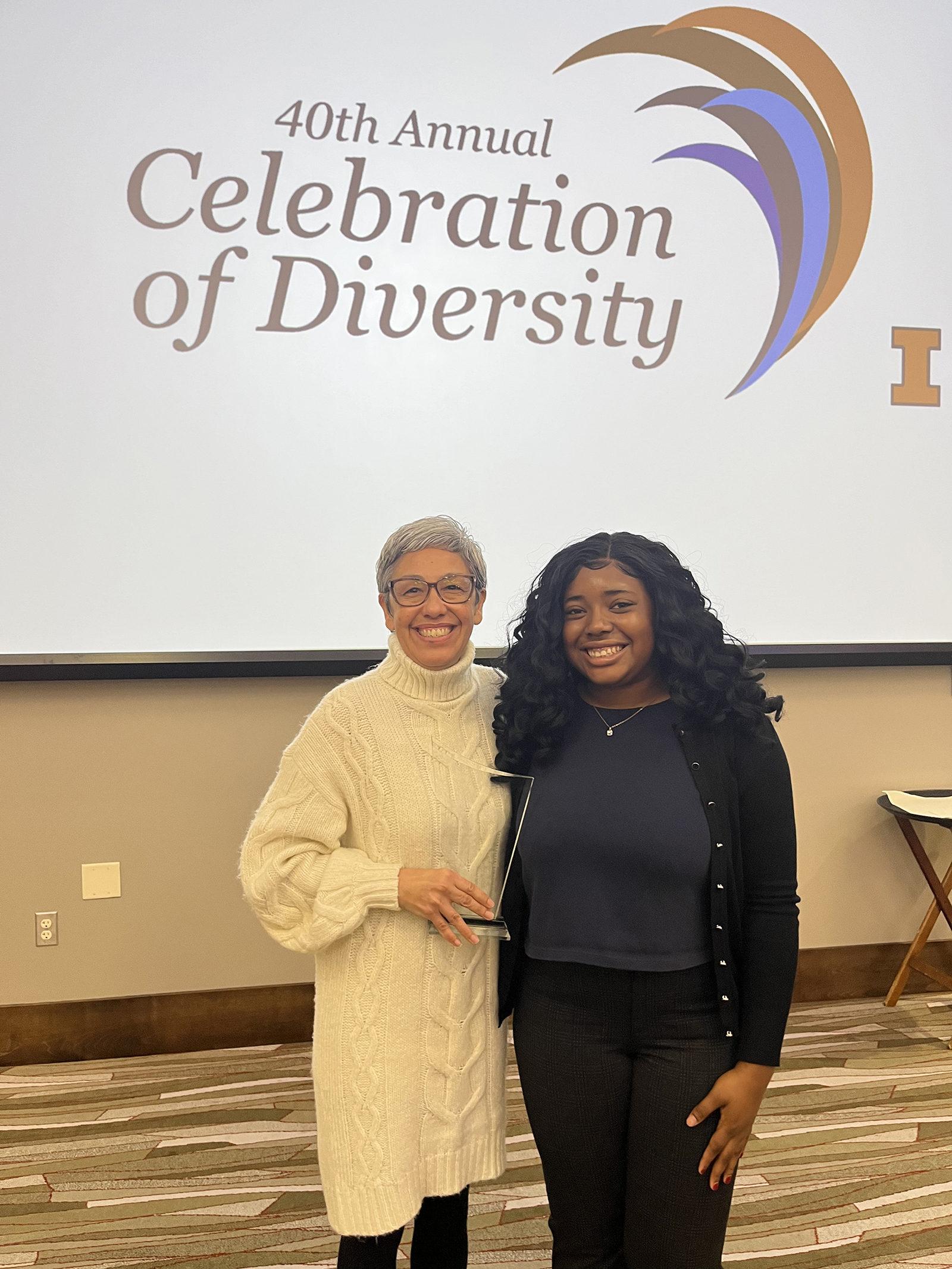
Carrie Wilson-Brown wins award

Carrie Wilson-Brown, senior lecturer of media and cinema studies and advertising, received the 2025 Larine Y. Cowan Make a Difference Award for Teaching and Mentoring in Diversity from the Office of the Vice Chancellor for Access, Civil Rights & Community.

The Teaching and Mentoring in Diversity award honors faculty, instructors, or lecturers who have consistently contributed to the promotion of understanding critical issues related to diversity and equity in teaching and/or the mentoring of diverse students.

Wilson-Brown was nominated in part by students, including Odi Ogbuefi, a senior in advertising, pictured at right.

The Larine Y. Cowan Make a Difference Awards celebrate the achievements of faculty, academic professionals, and civic service employees who made significant contributions in creating and sustaining an inclusive living, learning, and working community at Illinois.

Named in honor of the past Assistant Chancellor and Director of what is now the Office for Access & Equity, the Larine Y. Cowan Awards were created to reflect the commitment to human rights advocacy, social justice, and diversity that defined her leadership for nearly 20 years at Illinois.

Share on social

In the Spotlight: Ann Abdelzaher


Learn more about the people who help make our college such a great place to work—what they do, what inspires them, and a few things you might not know—in this Q&A series featuring staff members from across the College of Media and Illinois Public Media.

Ann Abdelzaher

Ann Abdelzaher        
eLearning Specialist
Media Tech

How long have you worked at the College of Media?

Four-and-a-half years.

What led you to your current career or position?

I started in special education and gradually switched gears to educational technology where I became focused on eLearning, first as a developer.

Can you tell us a little about what you do in your current role?

I help faculty members develop online courses that are both engaging and accessible and in keeping with current best practices. I also advise faculty on the current technologies and tools available to them.

What’s one fun fact about you that your coworkers might not know?

I have an extensive collection of Disney’s Goofy, and I love to crochet.

What’s your favorite place (restaurant, coffee shop, park, etc.) in Champaign-Urbana?

Kohinoor Indian restaurant! Their food is the best.

What are you currently watching, listening to, or reading?

I always have at least two books going at once as well as an audio book. But I am currently reading Unbound by Michael Miller.

Do you have any pets?

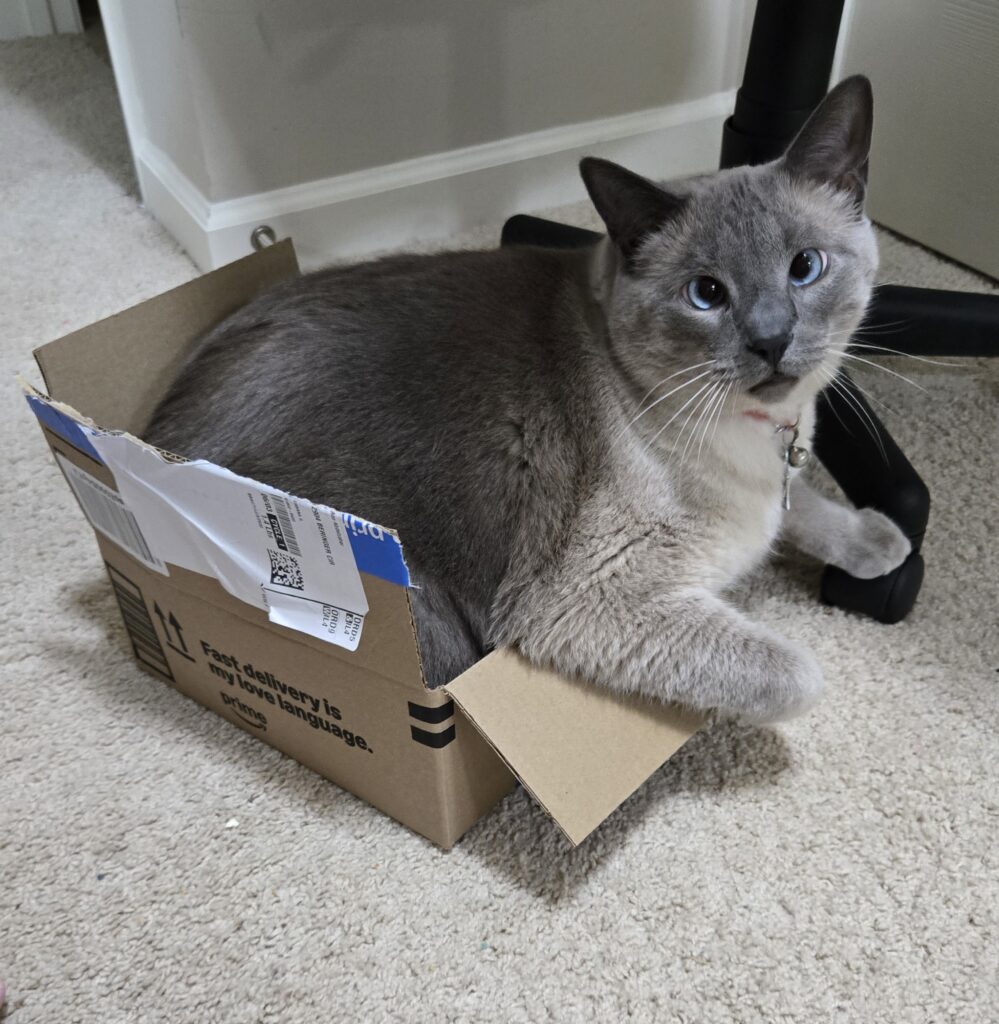
Yes, a Siamese cat named Ash (AKA Ashifur).

Share on social

Department of Media & Cinema Studies partners with Flyover Film Studios to launch new internship


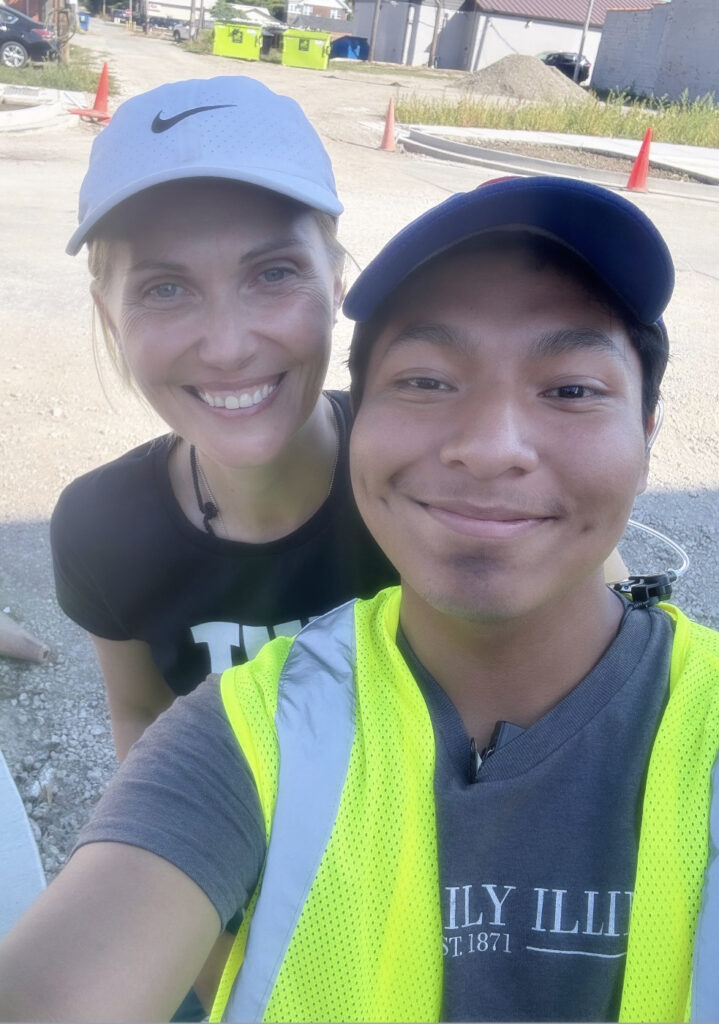
Beginning in Fall 2025, the Department of Media & Cinema Studies created a new internship for students at Flyover Film Studios in Rantoul. Francisco Albarran, a senior in media and cinema studies, was the first student selected for the program.

Wiz Khalifa
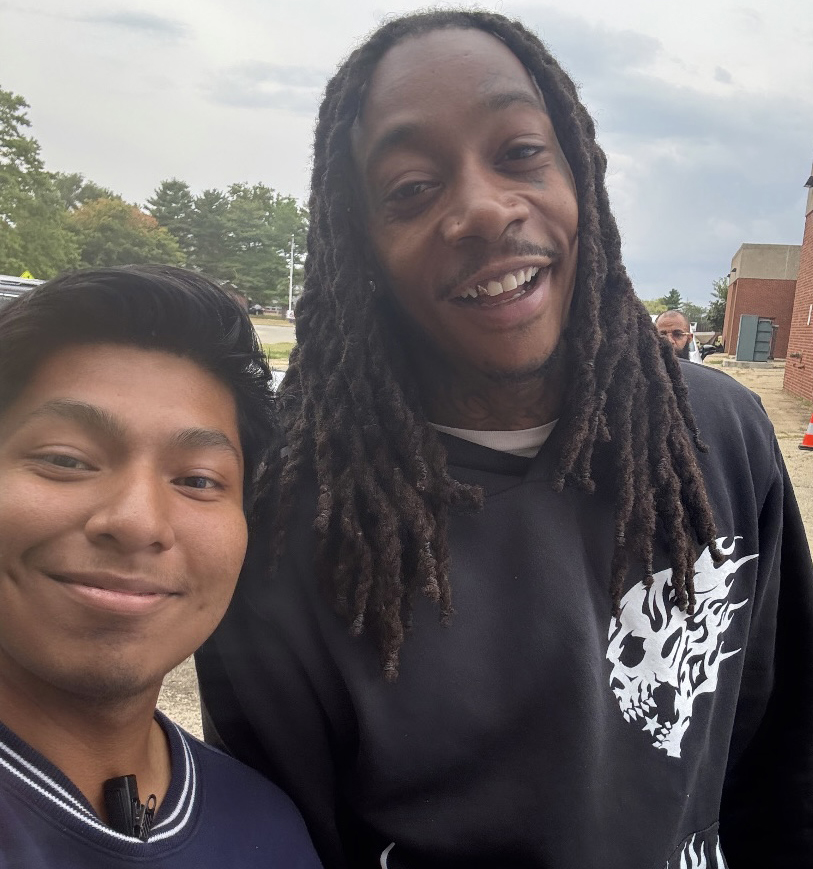
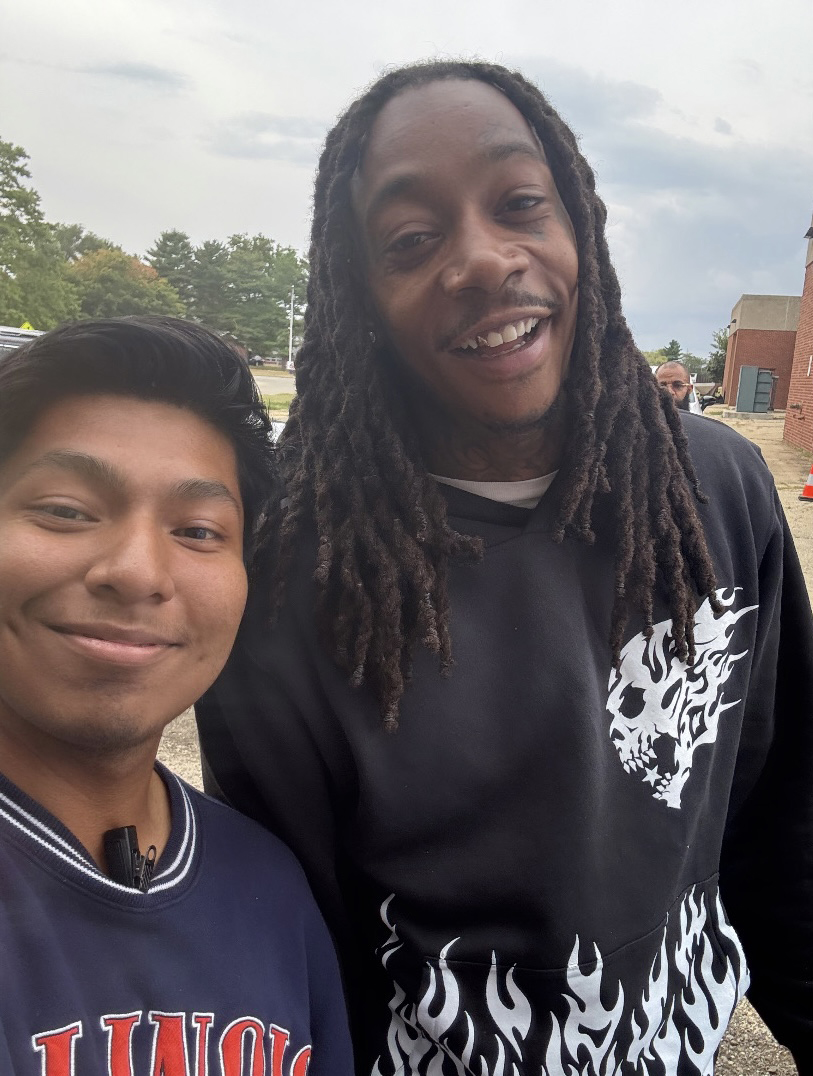
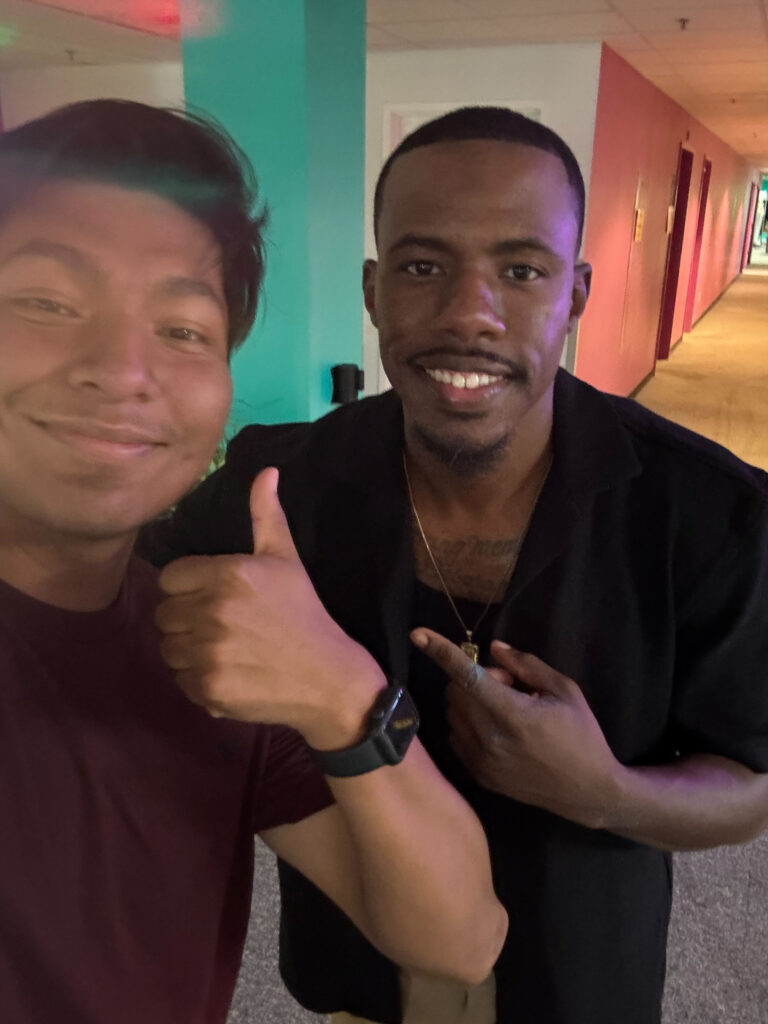
Francisco Albarran, a senior in media and cinema studies, met rapper Wiz Khalifa while working as an intern on the set of the upcoming crime drama Moses the Black.

Albarran was able to work on the production of a new drama Moses the Black, starring Omar Epps and rappers Wiz Khalifa and Quavo. Curtis “50 Cent” Jackson is an executive producer of the film, which is set to premiere in January 2026.

The semester-long internship, which grew out of conversations with Victor Font, senior lecturer of media and cinema studies, and Flyover Film Studios, offers students hands-on experience in a growing local film industry.

“Learning about Flyover’s [film] projects made me realize what a remarkable hands-on experience this could be for our MACS students,” Font said. “It took time and coordination to make it happen, and it’s incredibly rewarding to see this partnership become a reality.”

Film production in the region is expanding, thanks to new state tax incentives that are drawing more companies to shoot locally, said Derek Long, associate professor of media and cinema studies. For students, this surge translates into increased opportunities for on-set learning in a field where practical experience is essential.

“As MACS expands its media production-oriented curriculum, we are always seeking professionalization opportunities for our students, as media production is very much a learn-by-doing industry,” Long said.

The internship is designed for advanced production students willing to learn the different facets of the media production industry—from directing and cinematography to support and infrastructure roles.

I think the real benefit of this internship lies in opening students’ eyes to the wide variety of different types of labor that go into a professional media production in the 21st century, including those that aren’t necessarily ‘on set.’

“Our hope is that they get a broad sampling of the types of media industry work they might do after they finish their degree. In that sense, we want that broader experience to augment both the on-set focus of our classroom production curriculum and the critical thinking skills of our studies courses,” Long added.

Interns work both at Flyover Studios, which hosts sets, costumes, production offices, and other resources, and with visiting production companies shooting in Illinois.

“I think the real benefit of this internship lies in opening students’ eyes to the wide variety of different types of labor that go into a professional media production in the 21st century, including those that aren’t necessarily ‘on set,’” Long said.

Through his internship, Albarran was able to participate in many aspects of film production. He helped build bedroom and jail sets; shaped scenes filmed at Willard Airport in Savoy; and transported crew members.

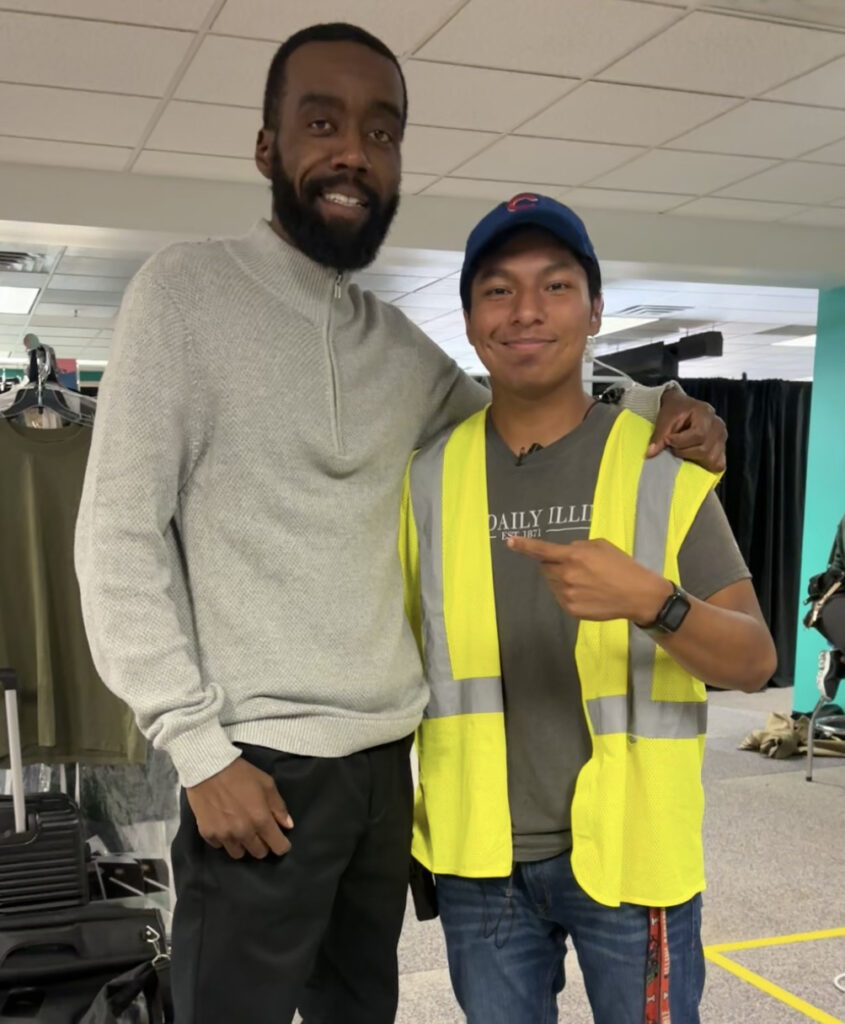
Being involved in day-to-day operations also allowed Albarran to meet and interact with cast and crew, pictured below from left to right, the film’s director Yelena Popovic and actors Vonzell D. Scott (Fight Night: The Million Dollar Heist) and Corey Hendrix (The Bear).

Albarran said he was nervous at times about his role on the set, but encouragement from everyone around him helped boost his confidence.

“I was anxious, but everyone was telling me to relax, just enjoy the moment—that I deserved to be there just as much as anyone else,” he said. “I have all these people who just believe in me, and there’s no greater feeling than that.”

Share on social

Independent journalist Chris Cillizza to visit the University of Illinois for a conversation on political reporting


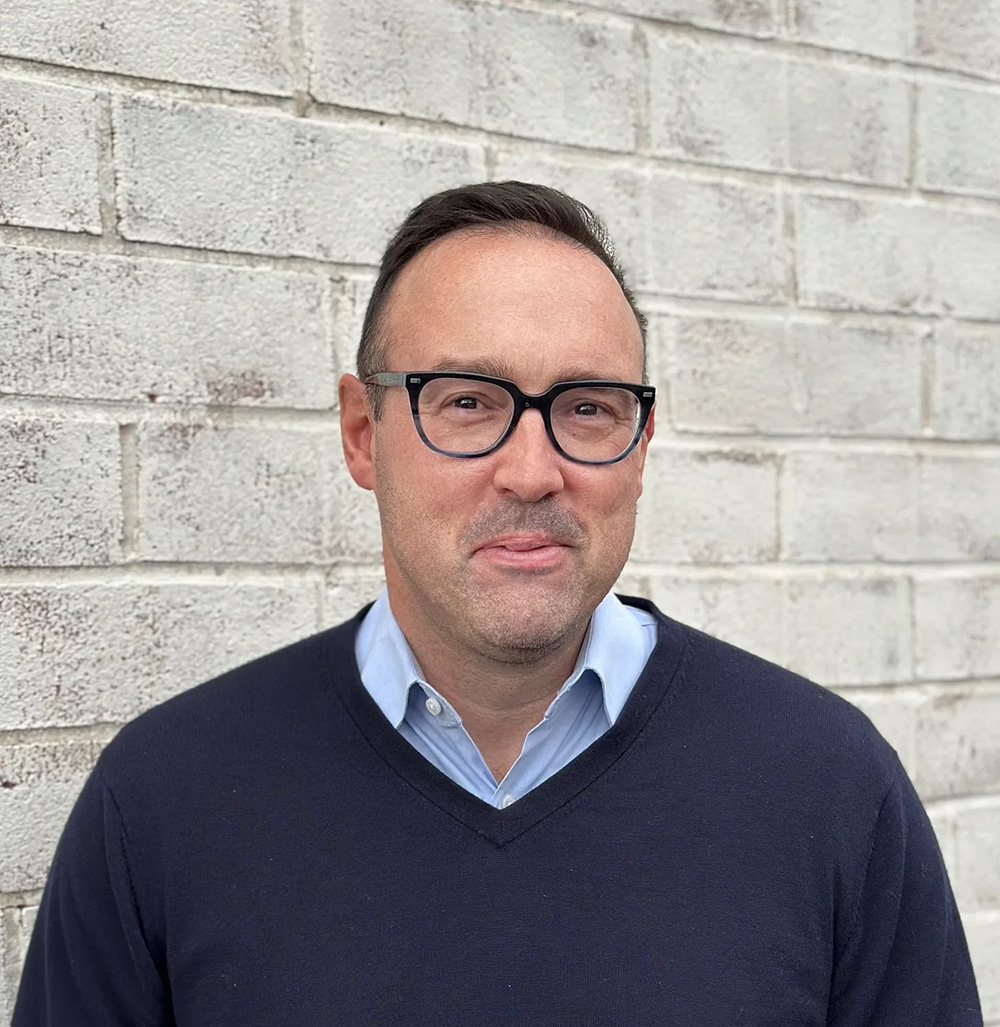
Chris Cillizza, an independent news creator on Substack and YouTube, will be on the University of Illinois Urbana-Champaign campus for a conversation about reporting on politics and independent journalism on Tuesday, Dec. 2, from 5-6 p.m.

Chris Cillizza

This event is free and open to the public and is presented by the Richard and Leslie Frank Center for Leadership and Innovation in Media at the University of Illinois College of Media. 

Attendees may join the event in Lincoln Hall (Room 1092), 702 S. Wright, Urbana, or register to join via Zoom. The conversation will be led by Colleen King, director of the Frank Center and clinical assistant professor of journalism. 

Cillizza has more than 32,000 subscribers to his daily political newsletter, “So What,” on Substack and more than 130,000 subscribers to his YouTube channel. 

He also hosts a show called “Politics Aside with Chris Cillizza” for the Monumental Sports Network. In it, Chris talks to some of the most powerful people in Washington about the sports they play, love, and watch. He is a political analyst for NewsNation. He contributes content to the Daily Beast and Noosphere. Prior to his career as an independent journalist, Chris spent more than 20 years in mainstream media. He previously served as politics reporter and editor-at-large for CNN and is founding editor of the Washington Post political blog “The Fix.”

For more information, please contact Colleen King at cck@illinois.edu. 

Share on social

Take 5 with Media Alumni: Carlye Wisel


Carlye Wisel (BS ’09, journalism) was a lifestyle reporter interviewing famous musicians and celebrities like Mick Jagger and Kim Kardashian before a bachelorette trip to Disney World changed her career trajectory. Now, as a freelance journalist covering Disney and Universal theme parks, Wisel has contributed to magazines like Travel + Leisure, Glamour, National Geographic,and TIME, shares creative content with nearly 60,000 Instagram followers, and hosts a highly rated podcast, Very Amusing.Learn more about this College of Media alum who has built a journalistic career at the intersection of pop culture, travel, and joy.

1. You started as a lifestyle reporter, but a visit to Walt Disney World changed your life. What about that experience hooked you and made you focus full-time on theme parks?

Part of what I love about having a journalism background and having experience in reporting is that you can choose any career you want. If you randomly end up in Orlando and ask yourself, ‘What is going on in this city?’ you can [turn it into] a job, which is exactly what happened to me. I got married in 2015 and my husband suggested I go to Disney World for my bachelorette party. There were 11 or 12 of us, and it was the most complicated vacation I’ve ever planned in my entire life. A normal person would think it was too difficult, and never want to go back again, but me, as a reporter, went, ‘What’s going on here?’ And I needed to just dial in and figure out how people do this, and that hunt for more information and learning more about Disney World has sustained me 10 years to this day, where I’m still invested and curious in everything that’s happening there.

2. On the outside, it appears that you have a “dream job.” Is that accurate or a misconception? What kinds of challenges does your job present that most people wouldn’t realize?

I love my job, but it is, at the end of the day, challenging. While no one wants to hear someone complain about how often I have to go to the Magic Kingdom, there is an element to reporting on one of, if not the largest, entertainment companies in the world that often gets under-discussed. Everything I say—even if I say it casually into a mic instead of written down for a major publication—has to be at the same level of expertise and professionalism. That is where the lines blur, and it can be really tricky, especially when you host your own podcast. Because I can’t ever tell people something that isn’t fact-checked or isn’t true. Everyone makes mistakes, but as a reporter, it’s very important to me that even if I’m yapping in my house [on my podcast], just telling a story about a theme park, all of it has to be true and accurate. And so, I do still very much live a life of a newspaper reporter, even in this fun context.

3. You’ve won numerous awards for your stories, with your work published in a variety of outlets including The New York Times. What’s one story you’ve written throughout your career that stands out the most?

The most challenging story that I have written while covering theme parks was definitely the one I wrote for Vox after Walt Disney World reopened during the pandemic. My job for a long time was real light and fun. It was roller coasters, it was “lands,” it was fun-themed cupcakes. And then it became local government, union mandates, and wastewater levels. It really became a very serious reporting job. And that shift was something I didn’t expect but thank goodness I had the training for it. I went to Disney World for the reopening, and it was really challenging to report about, because I felt like ‘I’m in this space, I need to make sure I represent every single person in this puzzle.’ I needed to represent cast members, who are the employees at Walt Disney World. I needed to represent local government. I spoke to [Florida State House Representative] Anna Eskamani, who is incredible, just one of the most prolific voices in Florida government today. I was able to really piece together a full picture of what it’s like, not just, ‘These are the lines! These are the 6-foot tape [markers] on the ground.’ I was able to really report about it from all angles, and that was extremely challenging, but definitely one of the proudest moments of my career, because I felt like I really was in a time and place where I was able to cover it as accurately as humanly possible.

4. Has your podcast changed the way you think about storytelling compared to print or online journalism? Is podcasting and creating content for social media an evolution of more traditional reporting?

I’m still a journalist, but I think that podcast host, content creator, reporter—that all needs to be woven in, which is modern-day journalism in a nutshell. I do think the lines have blurred a lot, because there is a huge spectrum. I don’t think you have to choose which bucket you’re in, and if people perceive you as a content creator, that’s totally fine. Just as the way social media evolves, my career has shifted. And I really don’t know what happens next. Now the modern model of what I do is, ‘If you’re freelance, you have a niche, you’re known for this one thing. You write some stories, you have a podcast, you’re on social media, you post videos, and maybe you have a newsletter.’ And what’s interesting is that four years from now, that won’t be the case. But because I have a journalism background, because I chose to study a trade and not just a subject, I really do feel like I can pivot to whatever comes next, because at the end of the day, it’s all storytelling. And if you can get information out in a clear, concise way, that’s really all that matters, not the formula from which that comes.

5. What advice would you give to students or aspiring journalists who want to tell stories that capture wonder, creativity, and joy? Do you have any suggestions for students who want to turn their passion for writing about a niche topic into a profession?

The great thing about graduating from the College of Media is that you’re going to have the skills, no question. Now, the challenge is finding out how to make your passion your profession. Let’s say you have a different media job and want to report on this one wacky thing. You can self-publish posts, newsletters, even videos about it. You can become an expert, the face of that, and likely be hired to report about it. 

Remember, at the end of the day, you came from studies that benefit you in any career you end up taking. Having the expertise is only half of it. The more abilities you have, the easier it’s going to be to get work. Early on in my career, I would upsell a story by [providing photos]. If you have video skills, on-camera skills, voiceover skills, it will always benefit you. The more experience that you can have under your belt in all these different facets of reporting, the easier it’s going to be—freelance or full-time—to land a job.

Share on social

I on the Media: Jonathan Knipp explores the psychology of horror films


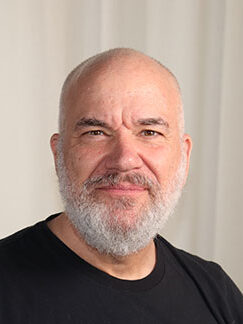
Jon Knipp

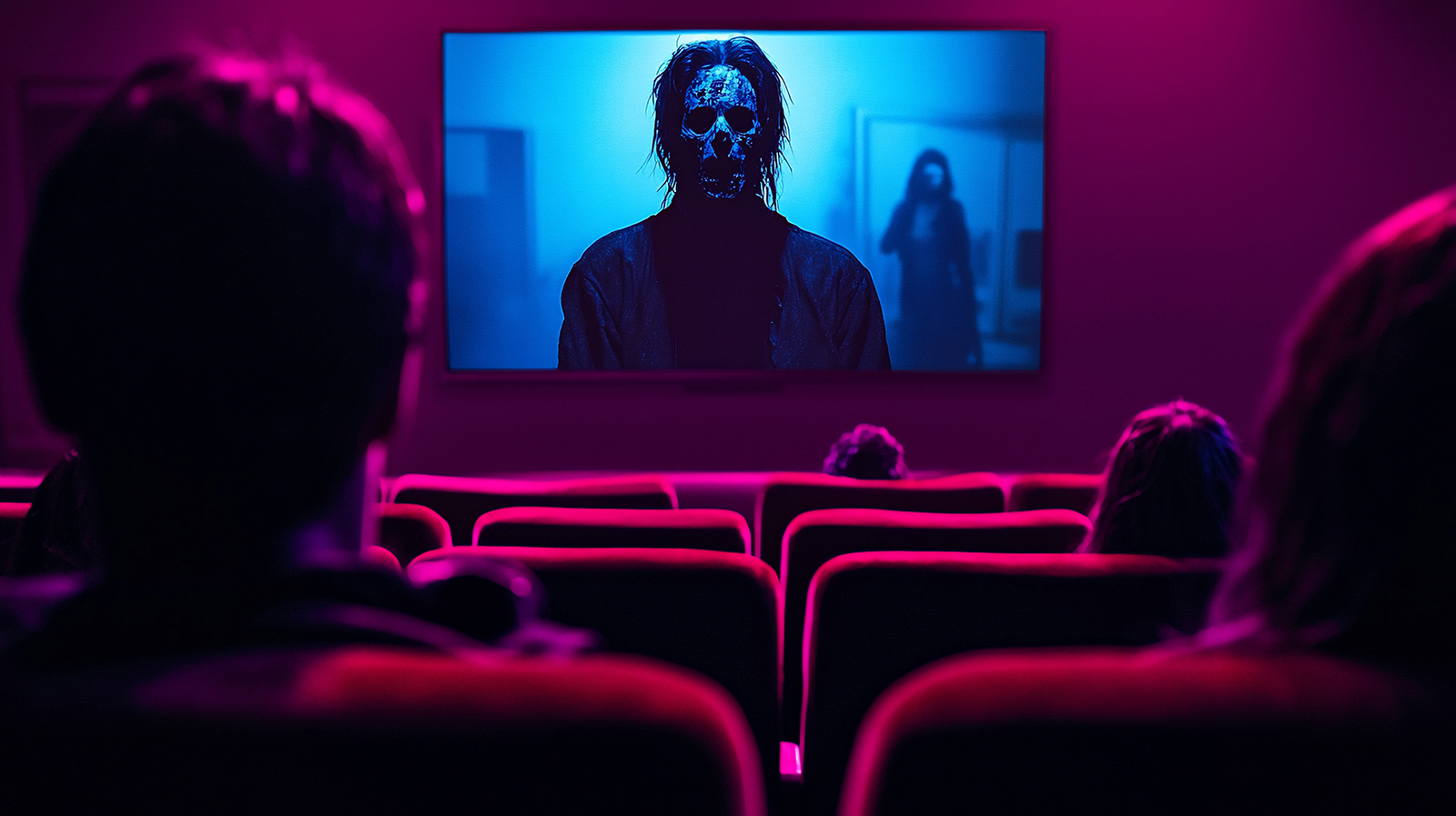
From Psycho to Hereditary, horror films have long mirrored our collective fears. But today’s fascination with true-crime dramas and serial-killer stories—like Netflix’s Monster: The Ed Gein Story—may suggest something deeper at play. As audiences crave both terror and understanding, the line between entertainment and ethics grows thin.

Jonathan Knipp, senior lecturer of media and cinema studies who teaches a class on horror movies, shares his perspective on the psychology of horror films—why people like them, how and when the industry has changed, and where the genre might be headed in the future.

Why do people want to watch horror films? From a psychological perspective, why do so many of us enjoy the feeling of being scared?

I think all moviegoing (to the theater) is a ritual. But horror movies have an interesting distinction. People leave their houses to get scared so they can share the experience of not just encountering common anxieties, but working through them, too. You reach the climax…and you survived! Horror movies can be traumatizing (hello, Hereditary) but they also end. Is it too much to say that it’s kind of an exorcism?

Are there certain cinematic techniques or storytelling devices that consistently provoke fear or fascination in audiences?

Some of my students say that they only get scared if what they’re seeing “could really happen,” whatever that means (probably slasher movies and pursuit narratives). Others get freaked out by occult themes and devilry. There’s a tendency to dismiss “jump scares” as cheap and cliche, but audiences still jump.

How has the horror genre evolved over the years? What’s changed the most in how these films are made?

CGI replaced the reliance on practical effects, which many audiences dislike. Now there is a bit of a pushback, with filmmakers going back to the arcane use of makeup applications and puppetry but with digital gloss. Sometimes it works really well, like in The Substance. I think one of the biggest developments (in my lifetime) is the PG-13 horror movie, which is great because younger people are drawn to them. But it can also leave you wondering where all the blood and guts have gone.

Many point to Alfred Hitchcock’s 1960 Psycho as a turning point for horror. What makes this film stand out in the genre?

Hitchcock famously used the crew of his TV show to make it. That means they worked fast and cheap. Psycho shows a master filmmaker going down and dirty while still creating images that are composed and sequences that are still shocking in their effectiveness. Also, this film signaled a movement away from monster movies towards antagonists that were…human.

The new Netflix series about Ed Gein has stirred a lot of discussion. Is it ethical to portray real-life killers in ways that might make them seem sympathetic or even humanize them?

I think this is a case-by-case thing. It’s important to remember that these crimes are committed by people and not monsters. The more we understand, the more we can efficiently profile these criminals. That’s the theory at least. It’s like the topics of gun violence and suicide. They need to be understood, but there’s always a risk of glorifying the crime and/or triggering the spectator.

Why do you think horror tends to thrive during certain cultural or political moments? What do our fears on-screen say about us as a society?

Horror movies go in cycles. They can reflect the times or simply current trends. A surprise hit can result in a lot of imitations, like when Scream inspired a lot of self-referential horror movies. When audiences gravitate towards social media, you get a bunch of horror movies about the Web. In the ’50s, it was radioactive monsters. In the ’70s, you have counterculture horror movies inspired by Manson and many that match the political disillusionment of the era. Sometimes it’s hard to determine what cycle you’re in until you leave it.

What do you see as the future of horror?

More long-form series, like the ones Mike Flanagan makes for Netflix (The Fall of the House of Usher is great). More short-form, social media-inspired content. Can TikTok be scary? Some enterprising content creator will probably find out.

Share on social

DEV College of Media
119 Gregory Hall
810 S. Wright St.
Urbana, IL 61801
217-333-2350