College of Media launches new bachelor’s degree in sports media


After years of planning, a new bachelor’s in sports media is ready for prime time.

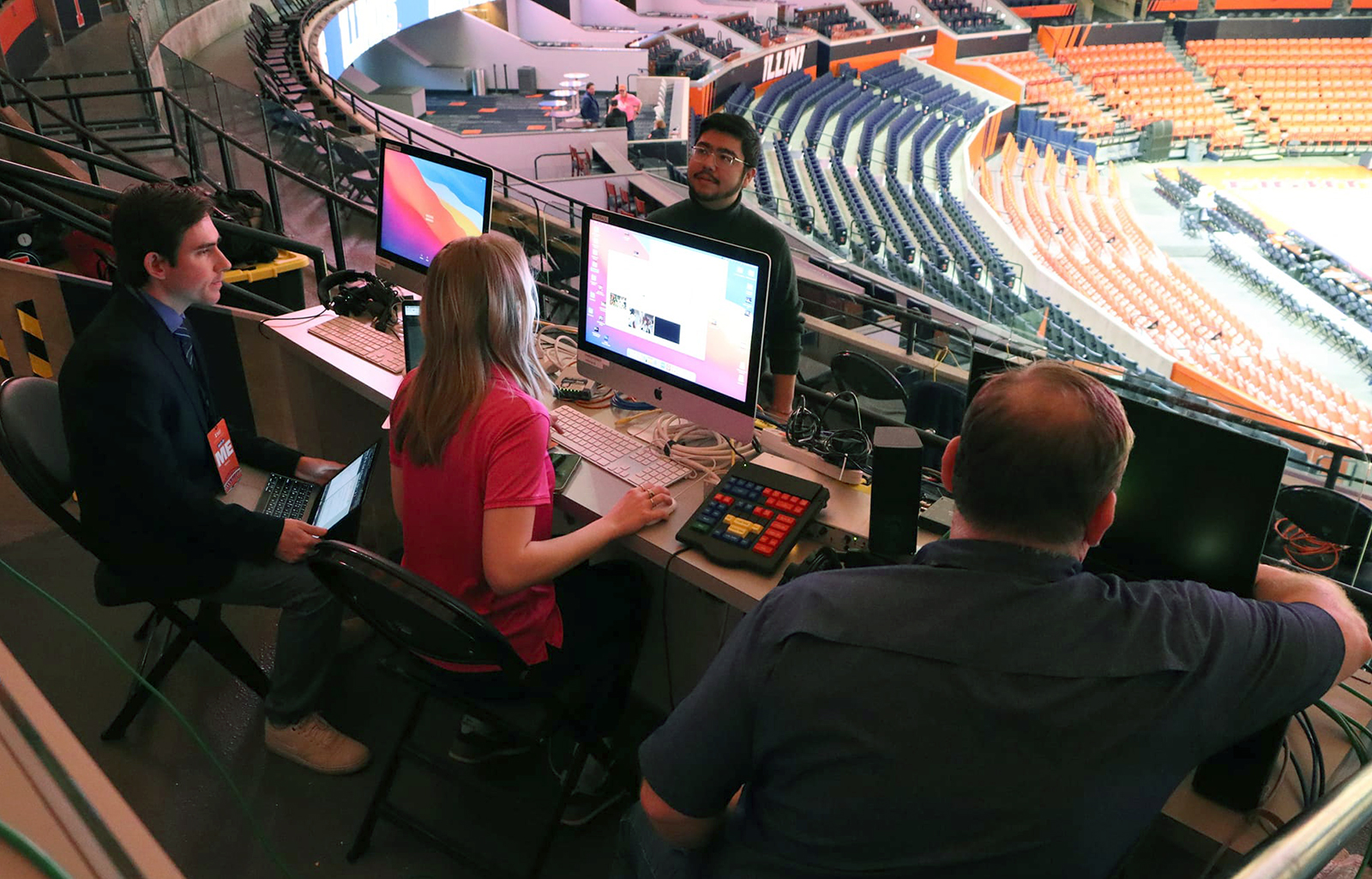
Illini Sports Night hosting live pregame show before Illinois women's basketball game.

In response to a growing interest from students—and with a proven track record of successful alumni across the sports media industry—the College of Media is expanding its roster to offer a Bachelor of Arts in Sports Media.

The program will prepare students for a variety of careers in sports media, including as PR and strategic communication managers, content creators and digital storytellers, social media and data analysts, sportscasters and producers, and more.

The new undergraduate degree received official approval from the Illinois Board of Higher Education in Spring 2026.

This is an area of high interest from students and employers alike, and, together with our campus partners, we are prepared to offer students a first-rate experience marked by the innovation, rigor, and personalized attention that defines all of our degree programs in the College of Media.

Tracy Sulkin

College of Media Dean

Starting April 27, current University of Illinois Urbana-Champaign students may apply to transfer into the BA in sports media for Fall 2026. Transfer students from outside the University of Illinois can apply to the program for Spring 2027. First-year students can apply for Fall 2027 entry.

Courses from all three departments in the College of Media—Advertising, Journalism, and Media & Cinema Studies—will make up the core curriculum for the sports media degree.

“We’re excited to offer this interdisciplinary degree to prepare students for exciting career paths within sports media. This is an area of high interest from students and employers alike, and, together with our campus partners, we are prepared to offer students a first-rate experience marked by the innovation, rigor, and personalized attention that defines all of our degree programs in the College of Media,” said Dean Tracy Sulkin.

As streaming, podcasting, and multi-screen sports viewing continue to reshape how teams, fans, and brands interact, graduates who understand these evolving dynamics will have an advantage in the job market.
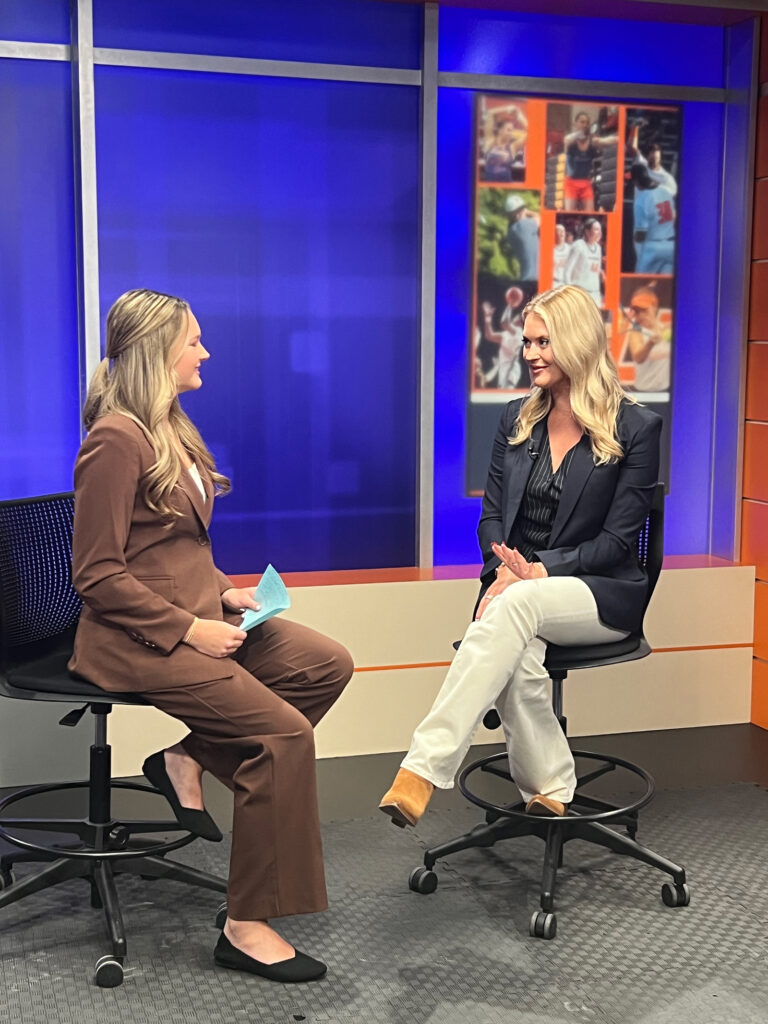
Illini Sports Night interviews sports anchor alum Cassie Carlson

The College of Media already offers sports-focused courses, including “Sports Public Relations,” “Sports Journalism,” “SportMedia, Technology & Culture,” and just this spring, “Sports Advertising & Branding” debuted. Students can also gain firsthand production and reporting experience through Illini Sports Night, a program covering Illinois Athletics, through the course “Newsroom Experience.”

Sports media majors will be able to take elective courses within the Department of Recreation, Sport, and Tourism in the College of Applied Health Sciences, such as “Sport Analytics: Data-Driven Decision Making,” “The Foundations of Sport Management,” and “Issues in Intercollegiate Athletics: The Big Ten Conference.”

To expand experiential learning opportunities, the College of Media plans to collaborate with alumni working in the sports industry to create additional immersion and internship opportunities. These efforts will build upon past programs that included tours of athletic companies like Nike and Adidas. Alumni currently hold top positions across sports media such as producing, anchoring, and writing for national networks and publications; leading communications and videography for professional sports leagues; working with celebrity athletes, athletic brands, and sports teams; and some have even competed as Olympic athletes.

Students will also benefit from the extensive opportunities that come with the University of Illinois’ premier athletics program and its membership in the Big Ten Conference. For example, students have produced live pregame shows for Illini Sports Night in collaboration with the B1G+ network, and many intern at Fighting Illini Productions, the video team for the University’s Division of Intercollegiate Athletics. Additionally, DIA colleagues serve as adjunct instructors in the College of Media, and both local and national sports personalities frequently visit classes, including Brian Barnhart, the Illinois football and men’s basketball play-by-play announcer, and Gus Johnson, the lead college football and basketball play-by-play announcer for FOX Sports.

The BA in sports media is the sixth undergraduate degree offered by the College of Media, along with advertising, computer science + advertising, journalism, media and cinema studies, and an online degree in media for transfers. Learn more about Media’s academic programs.

Share on social
I on the Media: Inside the Cultural Momentum of the 2026 Sports Season


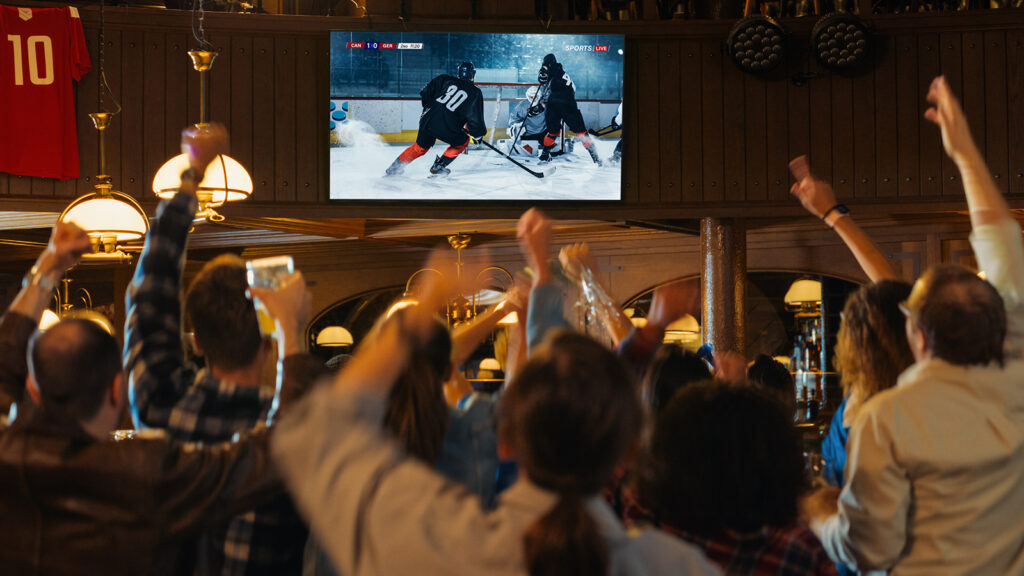
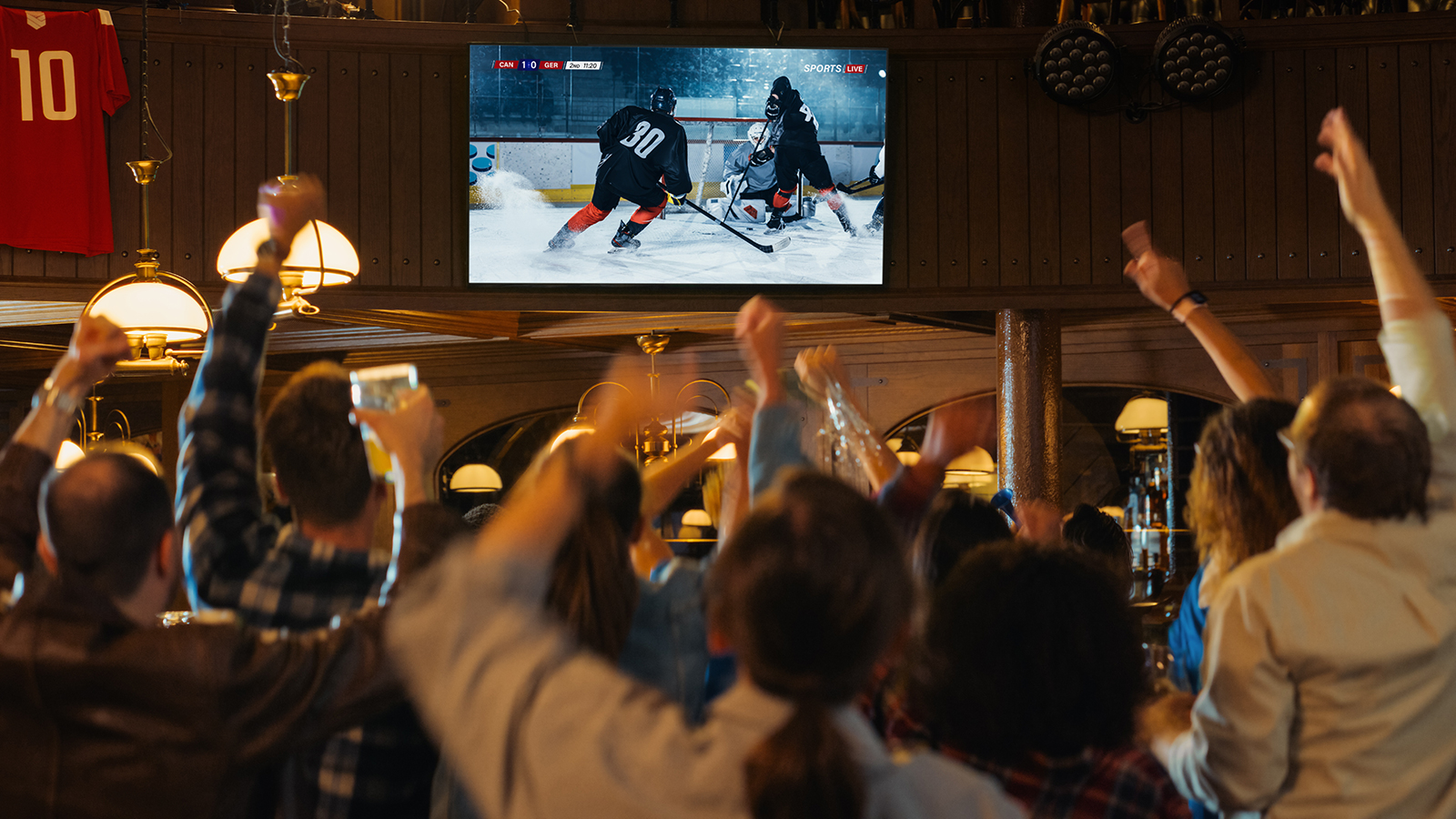
Fans at a pub watching hockey and cheering together

The Super Bowl, the Milano Cortina Winter Olympics, and the FIFA World Cup this summer have set the stage for a sports season defined not just by competition but by community.

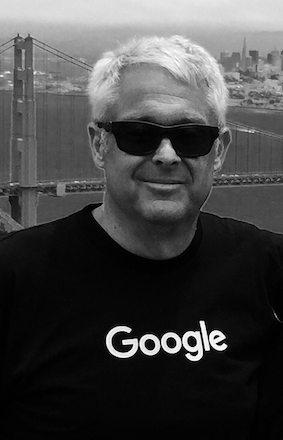
Steve Hall

These sporting events create shared viewing rituals that bring millions of people together to experience the games in real time. And while audiences continue to reach historic highs, even as media habits fragment, it’s worth examining how these events shape identity, fandom, community, and the way people connect with one another.

To help understand why sports carry such cultural influence and how brands try to engage with fans in these moments of collective attention, we spoke with Steve Hall, senior lecturer of advertising, who is teaching a brand new course this semester on “Sports Advertising and Branding” and serves as chair of the University of Illinois Urbana-Champaign Athletic Board.


With the rise of “communal viewing”—from watch parties to bars to fan zones—how does the social nature of watching sports amplify the impact of an ad compared to watching alone?

Viewing sports together as a shared social experience can be extremely powerful and create incredible opportunities for advertisers. It can also pose serious challenges.

The impact of advertising in communal contexts is complicated and depends on a dizzying array of variables. There are a lot of questions that need to be asked. For starters, how does an advertiser define and measure impact? From a media perspective, there’s a ton of data analytics being generated to measure what and when people are watching when it comes to sports on linear and streaming platforms. But that’s just scratching the surface.

Questions remain: What kind of fan zone, bar, or watch party is it? Organized or spontaneous? Is the game, match, or race interesting or boring? What stake or emotional connection do each of the audience members have with the sport, teams, players, and the group of people or type of fans who are there watching? Favorite or rival team winning or losing? Are people intensely engaged, having side conversations, focused on eating a pastrami on rye, checking fantasy stats, or posting videos of themselves at the party on social media?

Then you have the ad itself. Is the storytelling mediocre or amazing? Does it connect with the audience on an emotional, human level from a creative perspective? Do people discuss, share, or comment on the ad with others in a positive or negative way? Is there a strategy to amplify the advertising message across omnichannel touchpoints?

Understanding the impact of advertising in communal viewing environments is complicated. Stay curious. Keep asking questions. Because you’ll never have all the answers.

With the United States co‑hosting the 2026 FIFA World Cup, how significant is this moment for American brands looking to reach a global audience—especially given soccer’s growing popularity in the U.S.?

Whether you call it soccer or football doesn’t matter—the 2026 FIFA World Cup is a huge moment for all brands looking to reach global audiences. As the most popular sport on the planet, fandom is massive and culturally diverse. That opens a very big door for advertisers to tell their stories, create experiences, and connect with people everywhere on the world stage. To be successful, culture should be at the epicenter of advertising, fan engagement activities, and marketing programs. Branding is about what people think, feel, and believe. It’s reputation.

The FIFA World Cup will present incredible opportunities for advertisers to leverage culture, meet new audiences, create trust, and build relationships with everything from in-stadium brand activations to prime-time TV commercials. This global event will allow brands to align fans, teams, and athletes with relevant, authentic storytelling, sponsorships, partnerships, and innovative experiences that will not only reach global audiences, but connect with them in entirely new ways. After all, the world will be watching. Game on.

What are students currently analyzing and discovering in your brand new “Sports Advertising and Branding” course?

Currently, we’re looking at the relationship between culture, trends, and sports. Overall, the class allows students to explore, discover, and examine sports advertising and branding in a broad array of contexts that connect advertising, marketing, media, sports, teams, athletes, fans, events, experiences, and partnerships at amateur, collegiate, and professional levels.

The course introduces industry practices and processes to help students understand and apply concepts related to research, data, consumer behavior, strategic planning, creative content, production, media, and branded integration into the incredibly immense and fascinating world of sports.

Specific topics include sports information, public relations, event management, fan engagement, merchandising, brand activation, technology, e-sports, NIL, gambling, ethics, personal branding, sports celebrities, and collaborations. The class also incorporates experiential learning opportunities with alumni, sports industry professionals, and coaches, as well as attending NCAA athletic events on campus.

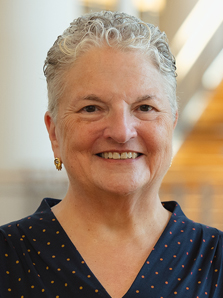
Jan Slater

Professor Emerita

Affiliations

  • Charles H. Sandage Department of Advertising

Education

  • Ph.D., S.I. Newhouse School of Public Communications, Syracuse University (Mass Communications)
  • M.S., University of Illinois at Urbana-Champaign (Advertising)
  • B.A., Hastings College, Hastings, Nebraska

Course Specialties

  • Advertising Strategy
  • Account Planning
  • Advertising Management
  • Advertising Campaigns

Background

Dr. Jan Slater served as the Chief Marketing Officer for Gies College of Business and Professor of Advertising in the Charles H. Sandage Department of Advertising at the University of Illinois. She aslo served as Dean of the College of Media for six years, and head of the Department of Advertising for three years prior. Before her appointment at Illinois, Dr. Slater was an associate professor and the associate director of the E. W. Scripps School of Journalism at Ohio University for nine years.  She joined the academy following a successful career as an advertising practitioner, working in private industry, as well as owning her own multi-million-dollar advertising agency, J. Slater & Associates. 

Dr. Slater has served as president of the Association for Educators in Journalism and Mass Communication (AEJMC), an organization she’s been active with since 1995. Additionally, she has served on the AEJMC Advertising Division’s executive committee as research chair, teaching chair, vice head, and head. She served as vice chair and chair of the Council of Divisions for four years, and was a member of the AEJMC Strategic Planning Design Team. She has served as a member of the committee, as well as a member of the council of the  Accrediting Council on Education in Journalism and Mass Communications’ Accrediting Committee and has been chair of the American Advertising Federation’s Academic Committee.

Research and Creative Endeavor

Brand relationships, brand strategy, and branded content are the main areas of Slater’s research. She has been published in the Journal of Marketing Communications, Advances in Consumer Research, Journalism and Mass Communication Educator, and the Journal of Advertising Education.  She is a contributing author to a series of advertising books published by Sage and co-author of What’s in a Name? Advertising and the Concept of Brands.

Ebert Symposium 2026 focuses on fandom and the media


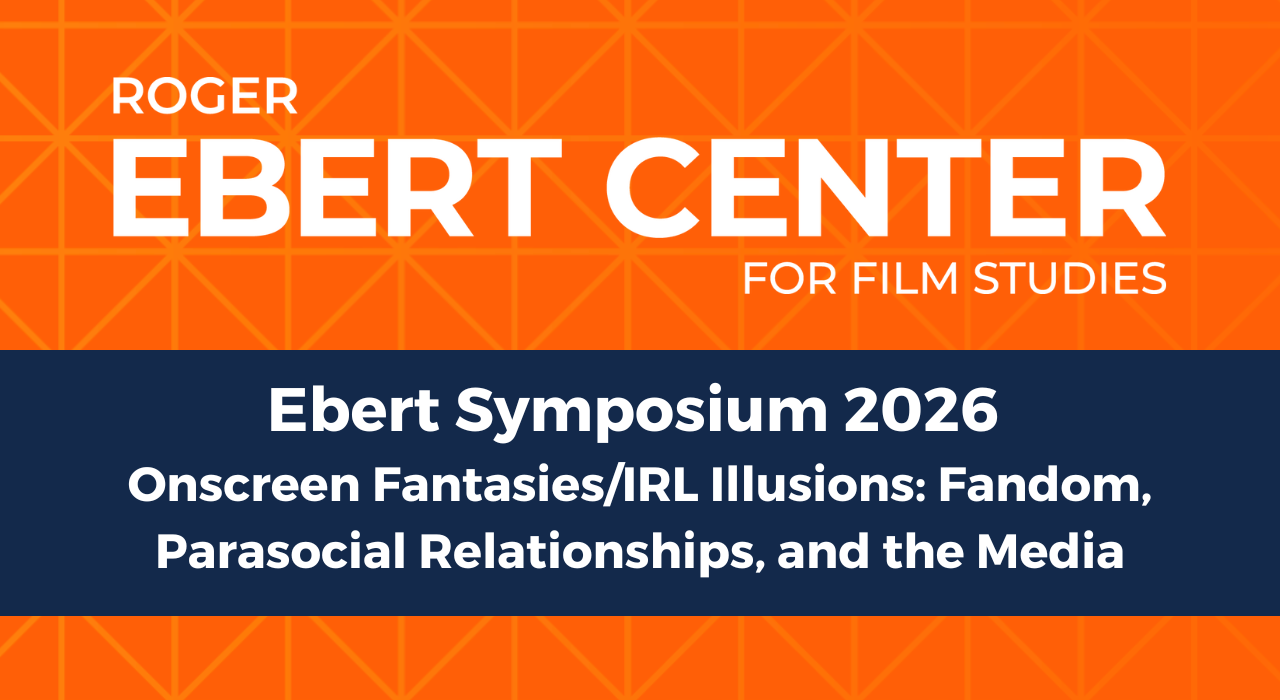
Ebert Symposium 2026

The 2026 Chaz and Roger Ebert Symposium, presented by the Roger Ebert Center for Film Studies, will address “Onscreen Fantasies/IRL Illusions: Fandom, Parasocial Relationships, and the Media.” Join us for this free two-day event on March 30-31, featuring a film screening, a roundtable discussion, and keynote address.

Monday, March 30

Film Screening: The Wiz

7 p.m., Knight Auditorium, Spurlock Museum

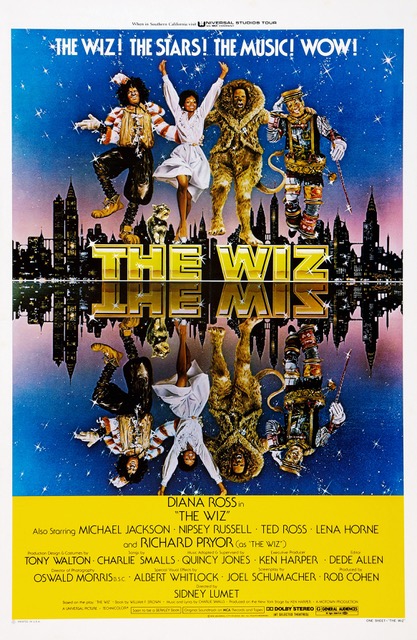
The Wiz 1978 poster

Before Wicked, there was The Wiz.

Join the Ebert Center for a screening of Sidney Lumet’s The Wiz (1978). See cultural icons such as Michael Jackson, Diana Ross, and Nipsey Russell follow the yellow brick road in this musical retelling of The Wizard of Oz.

While considered a failure upon its release, the film has since developed an enduring and charming legacy, as well as a dedicated cult fan base.

The film will be introduced by Dr. Alfred L. Martin, Jr., Chair of the Department of Cinematic Arts at University of Miami, and Ebert Symposium keynote speaker.


Tuesday, March 31

Roundtable Discussion

2-3:30 p.m., Knight Auditorium, Spurlock Museum

Cait Coker
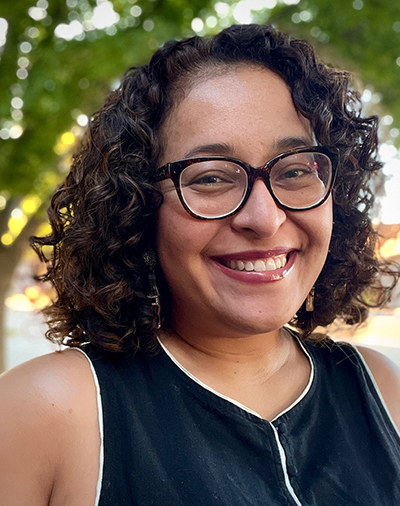
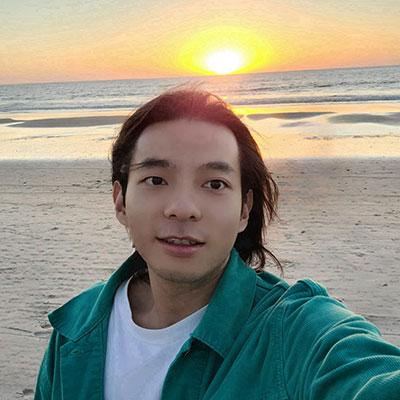
Youngin Kang
Gustavo Nery
Stephanie Pérez
Kendra Williams
Nansong Zhou

Join a roundtable discussion with doctoral students from the Institute of Communications Research on the Ebert Symposium theme of “Onscreen Fantasies/IRL Illusions: Fandom, Parasocial Relationships, and the Media.” Not only will it explore themes from The Wiz and the Ebert Symposium keynote speech, but it will also expand to all types of media. Moderated by Cait Coker, Curator of Rare Books and Manuscripts at the University of Illinois, this discussion will be held among ICR students Youngin Kang, Gustavo Nery, Stephanie Perez, Kendra Williams, and Nansong Zhou. Audience participation is encouraged. 

Keynote Address

4 p.m., Knight Auditorium, Spurlock Museum
Or register to join via Zoom

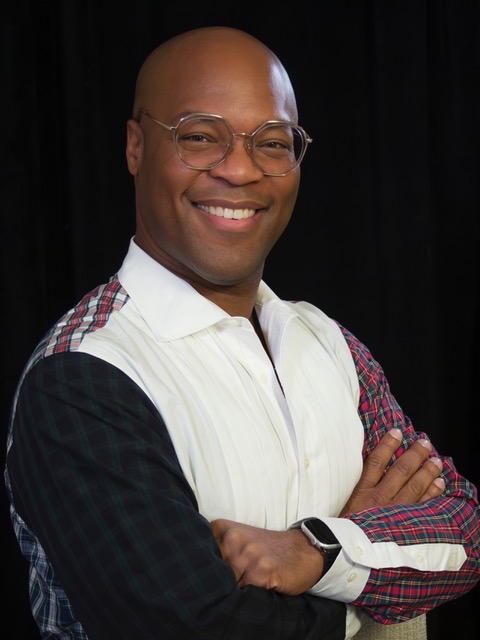
Alfred Martin Jr.

“What The Wiz Was (and Is): Media Industries, Distribution, Reception and The Wiz”

The Ebert Symposium keynote will be delivered by Dr. Alfred L. Martin, Jr., Chair of the Department of Cinematic Arts at University of Miami.

As a part of the Ebert Symposium’s theme, “Onscreen Fantasies/IRL Illusions: Fandom, Parasocial Relationships, and the Media,” Martin draws attention to The Wiz as the first Black-cast blockbuster and re-assesses its significance to issues of Black media production, initial reception, distribution, and its enduring fandom. Concomitantly, this presentation is about the ways, particularly within a socio-political environment hostile to Blackness, The Wiz provides a prism through which to place the feminist “I” and joy into research. Engaging media industry studies, fandom/reception studies, and media studies, this presentation argues that the history and ongoing legacy of The Wiz is far more complicated than reducing it to a financial failure.

Martin is associate professor of media studies and chair of the Department of Cinematic Arts at the University of Miami. He is author of Fandom for Us, by Us: The Pleasures and Practices of Black Audiences (New York University Press, 2025) and The Generic Closet: Black Gayness and the Black-Cast Sitcom (Indiana University Press, 2021), editor of Rolling: Blackness and Mediated Comedy (Indiana University Press, 2024), and co-editor of The Golden Girls: Tales from the Lanai (Rutgers University Press, 2025). A former marketing communications executive and ballet dancer, in his spare time, Martin is a ballet teacher, coach, and choreographer.  

Share on social

Centennial Circle: Investing in the next century of media education

Join a once-in-a-lifetime opportunity to shape the future of the College of Media at Illinois

Futuristic illustration of person viewing screens


A centennial is more than a milestone—it’s an invitation to define the future together.

As the College of Media approaches its 100th anniversary, we celebrate our proud legacy and commit to advancing the next era of media education and research. Illinois Media graduates have informed the public, shaped culture, advanced technology, and transformed the way the world connects. To ensure this momentum carries into the next century, the College of Media invites its most passionate supporters to help lead the way through the Centennial Circle.

The Centennial Circle will be launched to honor visionary donors who make transformational investments. Induction into the Centennial Circle recognizes gifts of $100,000 or more to any fund in the College of Media between January 1, 2026, and December 31, 2027. Donors can make an outright gift, a pledge, or a deferred gift such as a bequest in their will or a beneficiary designation of their IRA.

College of Media Dean Tracy Sulkin emphasized the historic significance of the Centennial Circle as the college celebrates its 100th anniversary in 2027.

“A centennial invites us to honor our past while envisioning a bold future. In this unique moment, philanthropy will play a central role in shaping the next 100 years of media,” said Dean Sulkin. “Joining the Centennial Circle is an opportunity to create a powerful, lasting legacy—one that uplifts generations of students and strengthens media education and research at Illinois for decades to come.”

Donors may choose to support any fund in the College of Media, including the Centennial Fund, which helps meet emerging priorities, from technology advancements and innovative pedagogy to faculty and student research. Recent examples of donor-funded impact include the founding of the Richard and Leslie Frank Center for Leadership and Innovation in Media and the Roger Ebert Center for Film Studies, student support such as scholarships and the Media Technology Center, and faculty support such as research initiatives and named professorships.

Preparing students for academic and professional success means ensuring they can navigate, analyze, and communicate effectively in an ever-changing media landscape. Support for the Centennial Fund positions the college to address complex societal challenges, including AI, media literacy, civic and public engagement, and the accessibility of news and information.

Joining the Centennial Circle is an opportunity to create a powerful, lasting legacy—one that uplifts generations of students and strengthens media education and research at Illinois for decades to come.

Tracy Sulkin

College of Media Dean

“The Centennial Circle reflects the power of partnership between the College of Media and our alumni and friends,” said Deanne Johnson, senior assistant dean for advancement. “By aligning philanthropic vision with emerging priorities, donors help ensure Illinois remains at the forefront of media education for generations.” 

The historic cohort of Centennial Circle donors will be recognized during a College of Media centennial celebration and featured across the college’s communication channels. Recipients will also get a commemorative Centennial Circle lapel pin.

Join us in shaping the College of Media’s second century:

We welcome the opportunity to explore how your philanthropic vision can align with your passions and create lasting impact for the College of Media’s second century. To learn more, please contact Deanne Johnson, Senior Assistant Dean for Advancement, at 217-244-5466 or jhns@illinois.edu.

Share on social

Illinois announces first dual-credit initiative, bringing media and other courses to high school students


Understanding the role of popular television shows and movies in society—and in students’ own lives—is a central focus of a high-enrollment 100-level course in the College of Media at the University of Illinois Urbana-Champaign.

Alma Mater

Starting in the 2026-27 academic year, the media and cinema studies course “Introduction to Popular TV and Movies” will be one of four U of I courses also taught in the classrooms of select Illinois high schools as part of the new Dual Credit Learning Accelerator initiative.

The four courses are:

  • ASTR 150: Killer-Skies: Astro-Disaster
  • CS/STAT 107: Data Science Discovery
  • MACS 100: Introduction to Popular TV and Movies
  • SPED 117: The Culture of Disability

This pilot opportunity marks a new approach for the university in offering its popular general education courses directly to high school students across Illinois in the form of dual credit—at no cost to those students.

“The dual-credit initiative reflects our university’s commitment to expanding access and opportunity for students and families across Illinois,” said Provost John Coleman. “Through the Learning Accelerator’s innovative learning model, we’re bringing transformative educational experiences to high school classrooms and preparing students throughout the state for success in college and beyond.”

Led by the Office of Online Learning and the Office of Undergraduate Admissions, the Learning Accelerator was funded through the American Talent Initiative IDEAS grant to establish the university’s first dual-credit initiative.

The result is a dual-credit model that can scale up so that an academic unit at the U of I can offer any of its courses to a high school student.

The College of Media is proud to support this initiative, which strengthens the land-grant mission by expanding access to an Illinois education and promoting early student success.

“The dual-credit program offers us the opportunity to bring our exciting media curriculum to students who interact with the media but have a limited idea as to how it’s developed and created,” said Jason P. Chambers, associate dean for access and engagement and professor of advertising. “By providing students access to courses such as MACS 100, they’ll get a chance to consider a media major before arriving at the University of Illinois.”

Through the MACS 100 course, students will build media literacy skills while thinking critically about popular media. One goal of the course is to teach students how to see beyond narrative to address how the film form—such as cinematography, editing, sound, and special effects—generates meaning.

“The most important lesson, I believe, is that even ‘popular’ media, films, and TV shows produced for mass audiences have meaning and complexity,” said Jon Knipp, senior lecturer of media and cinema studies who teaches MACS 100. “These are cultural expressions that tell us a lot about the world and ourselves if we pay attention—and thinking about something deeply makes it more enjoyable.”

The four new dual-credit courses slated for the 2026-27 academic year were developed to showcase the breadth of educational topics offered at Illinois, with faculty partners who are passionate about reaching students from underrepresented populations and interested in presenting their courses in a setting outside of campus that might spark interest in their fields of study.

“We’re trying to offer both an advanced educational experience, but also something that students might not get in a regular high school class,” said Hilary Gross, the Learning Accelerator program coordinator. “The hope is that we might show high school students that college can be whatever you make it.”

For more details about this new program, see the University of Illinois News Bureau press release.

Share on social

I on the Media: Melita Garza discusses journalism’s role in Ken Burns’s ‘The American Revolution’


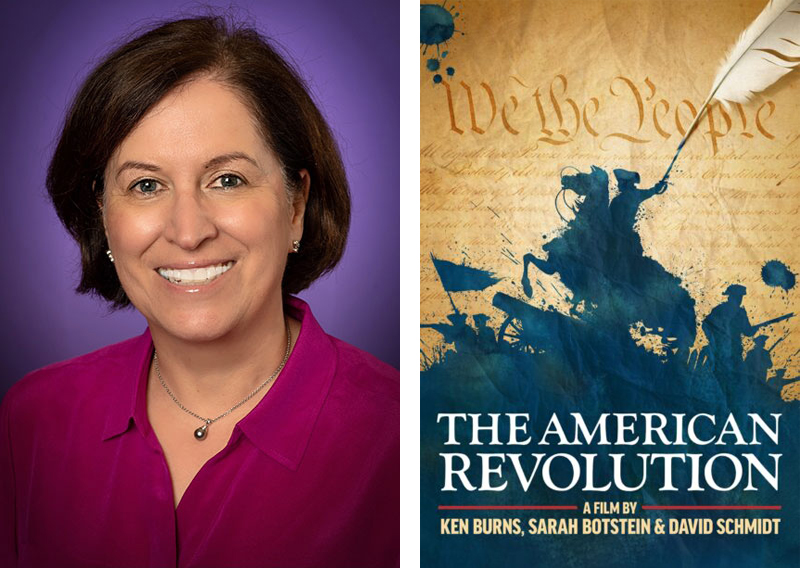
Ken Burns’s new PBS series The American Revolution is more than a sweeping historical documentary—it illustrates the ways in which journalism helped ignite and sustain the fight for independence. Melita Garza, associate professor and Tom and June Netzel Sleeman Scholar in Business Journalism, and winner of Journalism History’s 2024 essay contest, shares her insights on journalism’s pivotal role in shaping America’s founding era.

Ken Burns's "The American Revolution" film promo

About the Media Expert

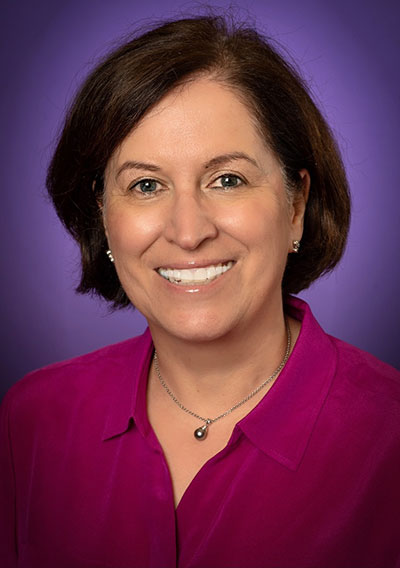
Melita M. Garza

Melita M. Garza, associate professor in the Department of Journalism and a faculty member of the Institute of Communications Research, is an American journalism historian who studies news as an agent of democracy, specializing in English- and Spanish-language news, the immigrant press, and coverage of underrepresented groups. She is the lead editor of The Routledge Companion to American Journalism History (2024). Her research has won awards from the American Journalism Historians Association, and the Association for Education in Journalism and Mass Communication divisions of: History, Minorities and Communication, and International Communication.


How does this series place journalism at the heart of the American Revolution?

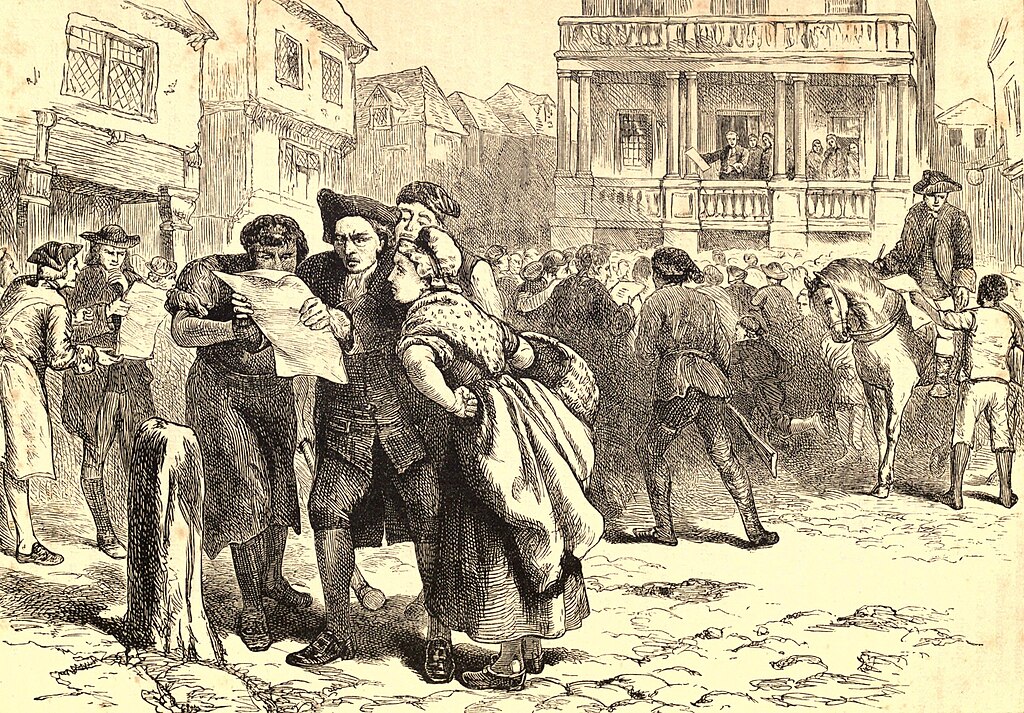
The most obvious example is the documentary’s treatment of colonial reaction to the Stamp Act, showing that the two dozen weekly newspapers, along with pamphleteers, stoked support for colonial tax protests. Significant though this is, the imprint of journalism on the Revolution is much bigger than that.

Bostonians reading the Stamp Act in 1765
Bostonians reading the Stamp Act in 1765, public domain, via Wikimedia Commons

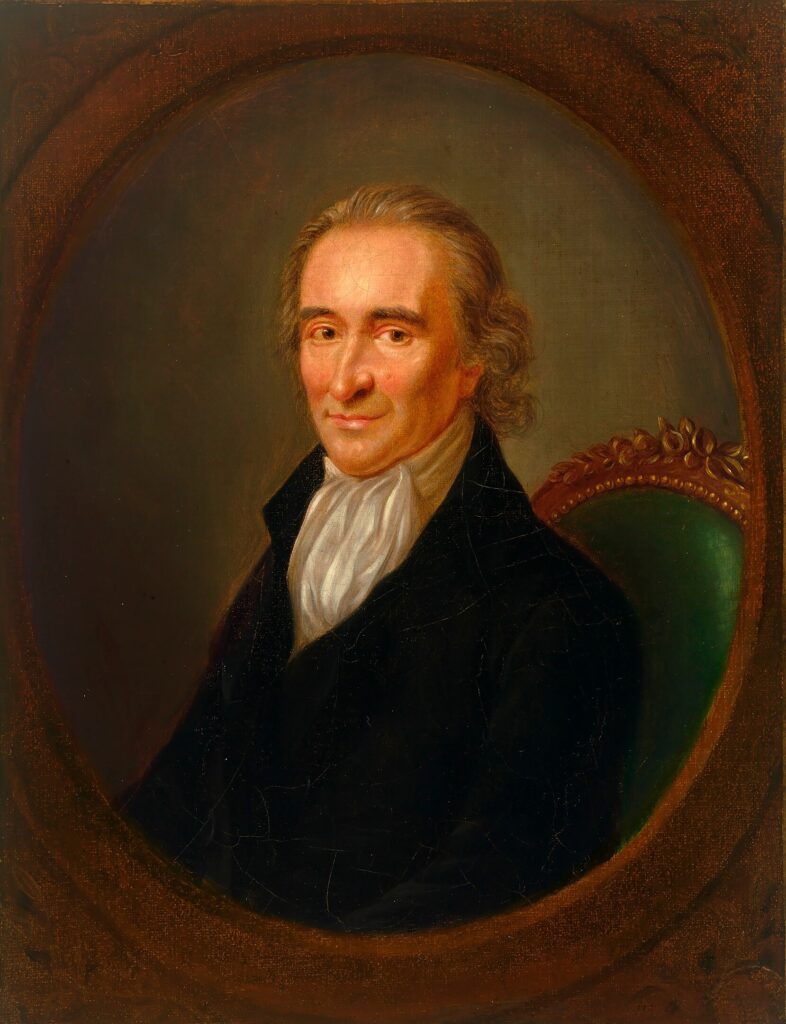
Consider that Burns starts his six-part history with a quote from Thomas Paine, America’s first political journalist. The documentary opens with a black screen that slowly transforms into the pink, purple, and yellow colors of dawn. The audience then hears a voice intoning:

From a small spark, kindled in America, a flame has arisen not to be extinguished. Without consuming, it winds its progress from nation to nation, and conquers by a silent operation. Man finds himself changed and discovers that the strength and powers of despotism consist wholly in the fear of resisting it, and that in order to be free, it is sufficient that he wills it.”

Although these words of agency come from Paine’s The Rights of Man, written in 1791 during the French Revolution, they capture the spirt of Paine’s earlier writings, such as Common Sense, which helped catalyze the colonists to pursue and persist in the American Revolution. Writing for Wired in 1995, Jon Katz explained why this pioneer of free expression should be remembered in the Internet age. “Because we owe Paine. He is our dead and silenced ancestor. He made us possible.” The documentary covers the eight years of the American Revolution, making it impossible to push too deeply into any single historical actor’s role with the depth they deserve. Ideally, however, the series will inspire viewers to take another look at Thomas Paine and other figures from our past whose impact isn’t fully understood today.

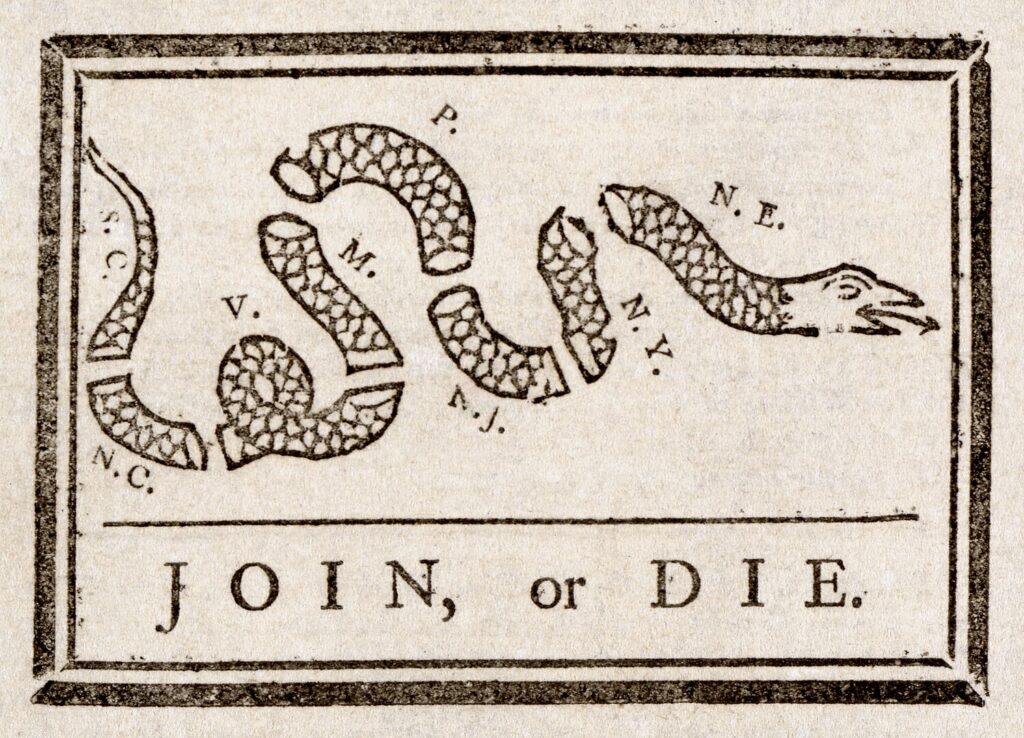
Join, or Die
Political cartoon (1754) attributed to Benjamin Franklin, public domain, via Wikimedia Commons

And there’s more. Still within the first two-and-a-half minutes of the documentary, viewers are introduced to Benjamin Franklin. Although described simply as a noted scientist and writer in The American Revolution, Franklin was a pivotal figure in the development of American journalism and is credited with publishing one of the earliest pieces of colonial visual journalism: the political cartoon. The documentary showcases the famous “Join, or Die” snake woodcut drawing, published in Franklin’s Pennsylvania Gazette on May 9, 1754. Originally designed to rouse the colonists to unite during the French and Indian War, the documentary notes that it was republished to urge colonial unity against the British during the American Revolution.

The documentary is replete with such examples of what I call “hidden” journalism, in which their groundbreaking significance to the journalism profession as a whole remains obscured.

Apart from serving as a sparkplug for rebellion, what are some other ways the documentary depicts the role of journalism in colonial life?

There are a few things, again, just in the first installment, that the documentary flicks at, which underscore the primacy of journalism and print culture more generally in the lives of the colonists. For instance, in a segment discussing the impact of British culture on colonial life, historian Jane Kamensky references the London Book Shop and the Crown Coffee House in Boston. Bookstores offered colonial citizens exposure to Enlightenment ideas, among other things, and served as centers of cultural exchange for the community. Book sellers were often also in the newspaper business. One such newspaper owner was Benjamin Franklin, who is also credited with being first to open a book shop in colonial America. Likewise, coffeehouses were central places for the exchange of news and newspapers. These are two more examples of the “hidden” journalism in the documentary.

Another aspect of journalism that might be easy to overlook in the documentary involves the episode of the Saturday, December 27, 1760, arrival of the British frigate that “brought with it big news”—the death of King George II and the ascendancy of King George III to the British throne. In early colonial America, it was often faster to get news from England by ship than it was to get news from southern colonies, considering the state of the roads at the time. Even so, having to wait two months to find out that you were being ruled by a new monarch illuminates the pace of colonial communication compared to that of today’s high speed Wi-Fi society.

What can The American Revolution teach us about telling historical stories in ways that connect with today’s audiences?

Ken Burns is well known as a gifted storyteller and the documentary’s striking visuals, sound effects and music, and well-edited commentary from experts, are staples of his work. In The American Revolution, letters and journals from young men, women, and officials and pundits on both sides are the stars. These primary sources allow individuals to speak as though they are reporting to us from the homefront and the battlefront, and that brings the Revolution right into our living rooms centuries after it ended. Simply employing solid storytelling techniques is only partly why the story resonates with today’s audiences. The other reason is that we can see parallels with our own experience. Some of these parallels are obvious. Others are a matter of perspective.

Thomas Paine
Thomas Paine (1792) by Laurent Dabos, public domain, via Wikimedia Commons

For instance, one scene shows colonists on the street reading newspapers together, with some looking like they are commenting to each other. Thinking critically about media and information, the colonists were practicing true social media. In person, face-to-face, they exchanged ideas in a way today’s often anonymous, digital exchanges can’t compare. And as the documentary also notes, word of mouth was also a prime source of news. While it is true that stories and ideas didn’t have a World Wide Web to buzz through, these mechanisms still allowed journalism, starting with Thomas Paine’s Common Sense, to go viral through the colonies. In fact, the documentary points out a prime reason for print culture’s popularity in the Thirteen Colonies: At the time, only Scandinavia was more literate than the American colonial population.

Other relatable issues that we still grapple with today, such as women’s rights, the limits of free speech, taxation, and immigration, to name a few, are also highlighted. Take immigration. In the documentary, historian Christopher Brown discusses “the sheer diversity…living in the heart of the Thirteen Colonies”:  Africans, Scots, Scots-Irish, Huguenots, Germans, and Native Americans, along with the English. The outcome of American Revolution, both the reel one and the real one, proves it was not culture, national origin, or language that brought the colonists success. In historian Christopher Brown’s words, the colonists cohered “around a set of purposes and ideals for one common cause.” In my view, the American Revolution shows how colonial journalism played a prime role in establishing coherence for that single cause: freedom.

Share on social

ICR faculty and students receive honors at 2025 National Communication Association convention


The Institute of Communications Research marked a highly productive year at the 2025 National Communication Association convention from November 19-23 in Denver, Colorado, with faculty members, students, and alumni presenting research, chairing panels, and contributing to programming at the 111th annual event.

In addition to this strong scholarly presence, several members of the ICR community were recognized with some of NCA’s most prestigious awards.

“These achievements underscore ICR’s enduring leadership in communication scholarship and its commitment to fostering impactful research across generations of scholars,” said Mike Yao, director of ICR and professor of digital media in the Charles H. Sandage Department of Advertising.

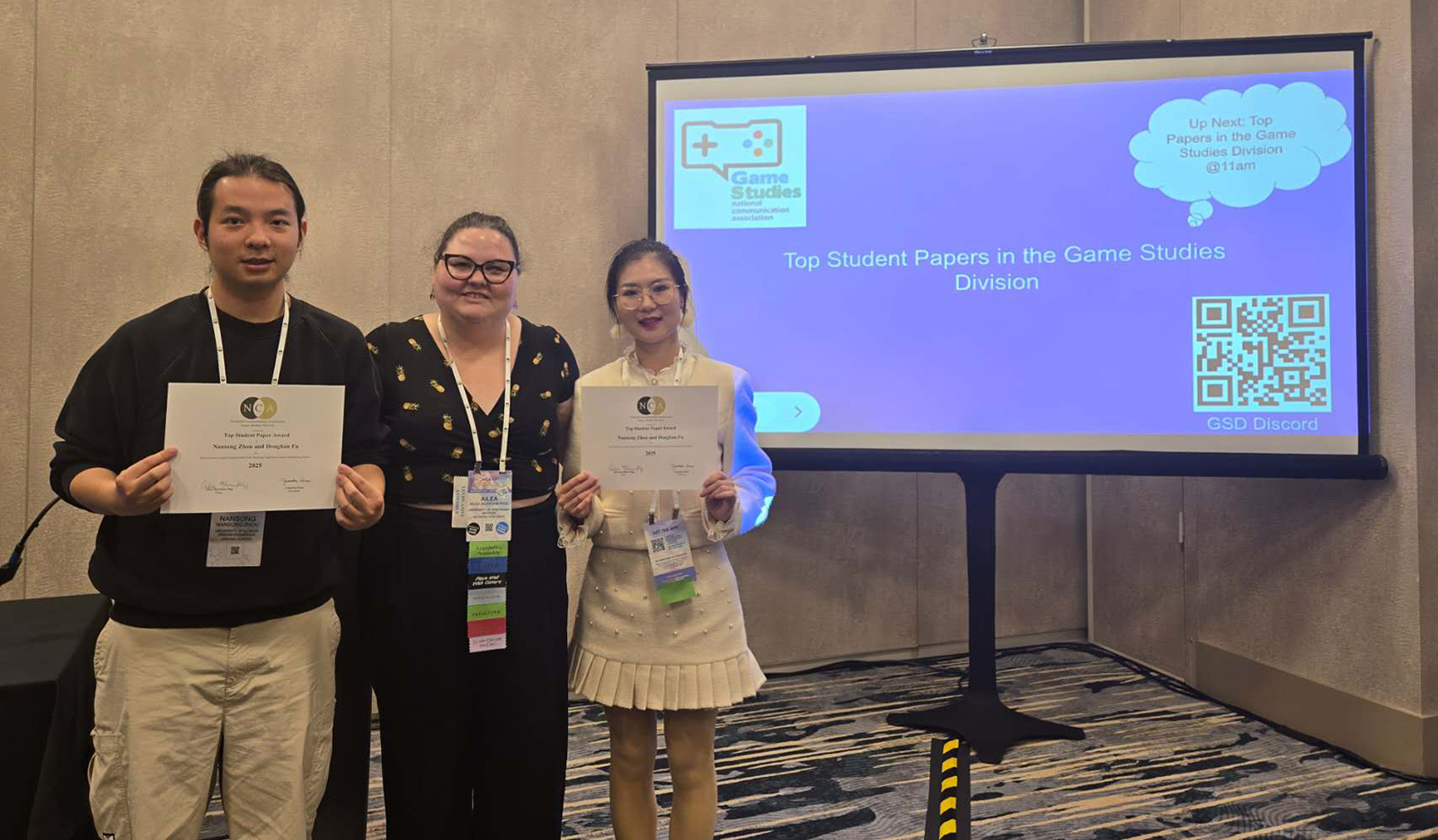
One of this year’s standout accomplishments came from ICR doctoral student Nansong Zhou (pictured above), whose paper “Serious Games as Digital Mental Health Tools: Increasing Depression Literacy and Reducing Stigma,” co-authored with Donghan Fu (University of Missouri-Columbia), was selected as a Top Student Paper in the Game Studies Division. Zhou was also elected to serve as the Division’s next Student and Early Career Representative, a leadership role that reflects his growing visibility and influence within the field. 

ICR Professor Sang-Hwa Oh and ICR alum Seo Yoon Lee receive NCA award.

ICR’s reputation for shaping the field was further affirmed by the recognition of Sang-Hwa Oh, associate professor of advertising, whose article—co-authored with former ICR doctoral student Seoyoon Lee (PhD ’23)—received the inaugural Teri Thompson Outstanding Article Award from Health Communication (pictured above). This rare honor is especially notable: Out of the journal’s 35-year publication history, only three papers were selected for this distinction. Receiving the award directly from the journal’s founding editor, Teresa Thompson, underscored the lasting influence and methodological rigor of Oh’s research on social media, public risk perception, and preventive health behaviors.

Professor Angharad N. Valdivia wins NCA Distinguished Scholar Award

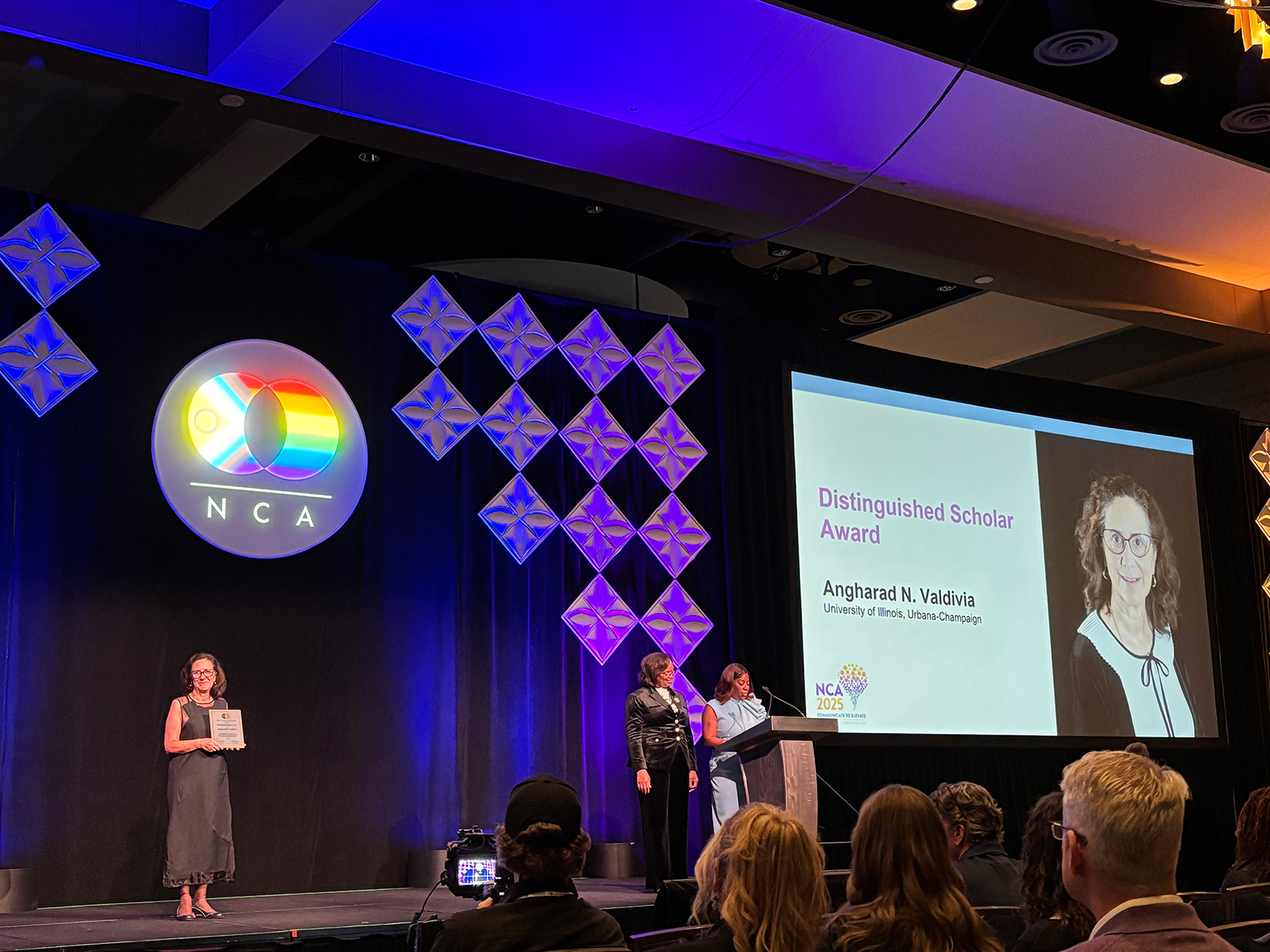
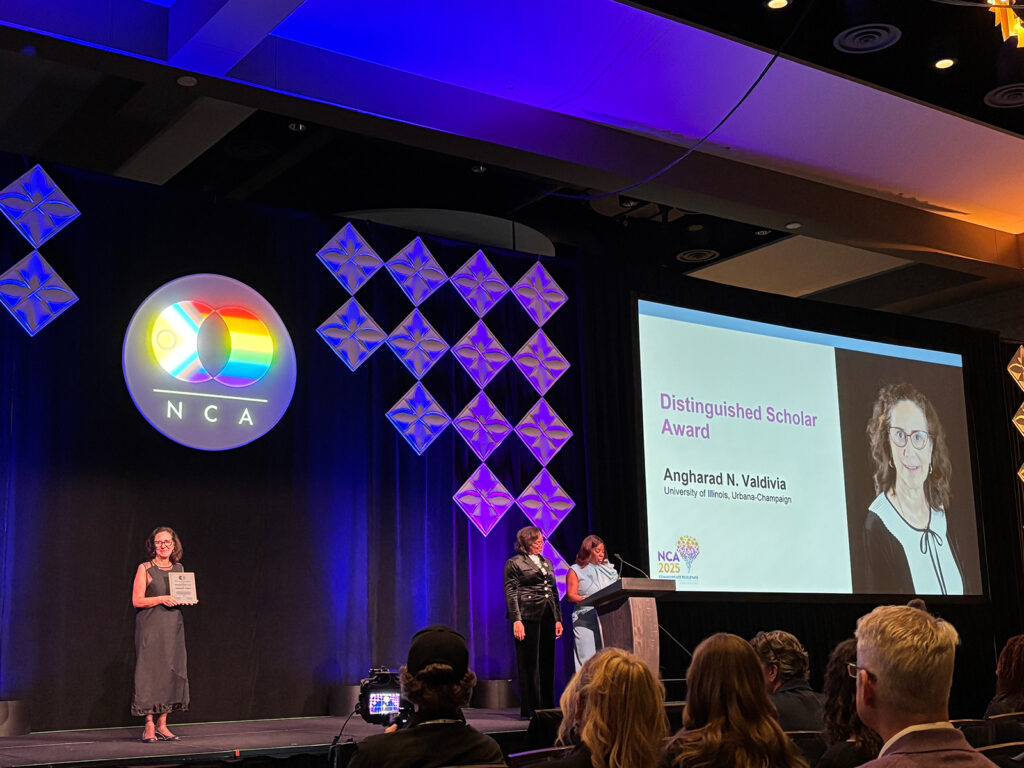
The conference also celebrated the contributions of Angharad Valdivia, ICR professor emerita, who was honored with NCA’s Distinguished Scholar Award during the President’s Award Ceremony (pictured above). One of NCA’s highest honors, the award recognizes a career of groundbreaking scholarship and mentorship in media studies, Latina/Latino studies, and global communication. Valdivia’s presence throughout the conference—as panel chair, respondent, mentor, and presenter—reflected both her continuing intellectual leadership and her deep commitment to supporting emerging scholars. Valdivia’s NCA participation included:

  • Senior Mentor, 2025 La Raza Mentoring Panel
  • Member, Publications Council Meeting
  • Chair and respondent, “The Complexities of Elevating Latinidad and the Media”
  • Respondent, “Audiences Navigating Disney and Popular U.S. TV Shows”
  • Presenter (with ICR doctoral student Kendra Williams), “Barbie as a Cultural Phenomenon: Doll, Brand, and Media Icon”

ICR faculty and students also contributed important new research to the conference program. Kevin Wise, professor of advertising, and doctoral student Alice Ji collaborated on the study “Reimagining the Presentation of Important Safety Information (ISI) in Social Media Pharmaceutical Advertising,” co-authored with ICR doctoral student Veranika Paltaratskaya and Erin Willis (University of Colorado, Boulder), presented in the Health Communication Division. Their work adds to ICR’s growing presence in research addressing digital health communication and public understanding of risk information.

Ji contributed an additional presentation on ISI in pharmaceutical social media advertising as part of the Health Communication Division’s paper session. ICR doctoral student Jennifer Zhang presented her dissertation research, “More Vivid, More Deeply Processed: Exploring the Roles of Message Format in Misinformation and Correction of Health Misbeliefs,” in the Health Communication Division.

Two ICR alumni were also recognized with major awards at NCA:

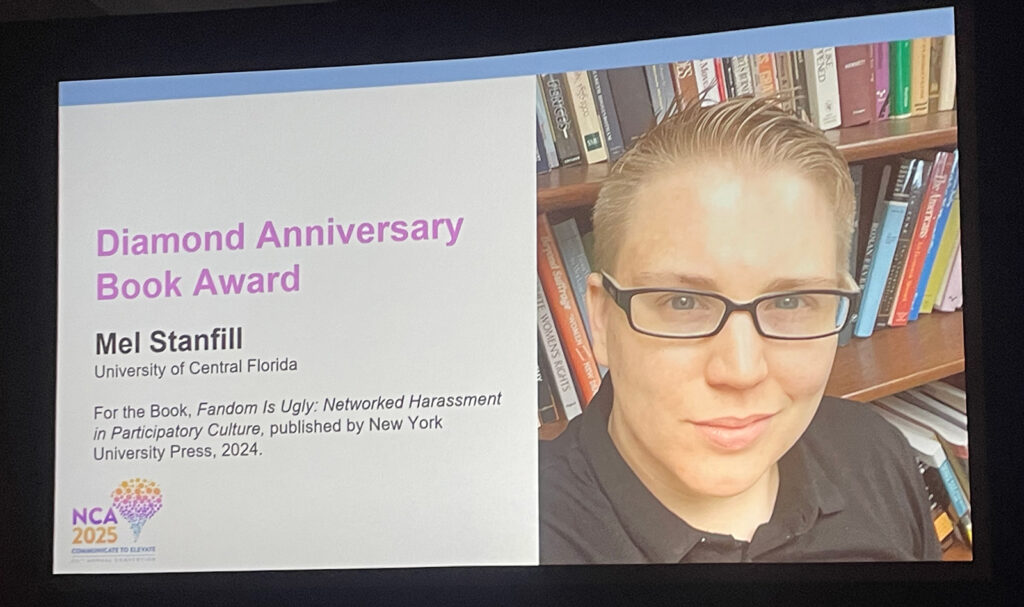
Mel Stanfill (PhD ’15), University of Central Florida, won the Diamond Anniversary Book Award for the book Fandom Is Ugly: Networked Harassment in Participatory Culture (NYU Press, 2024).

ICR alum Mel Stanfill

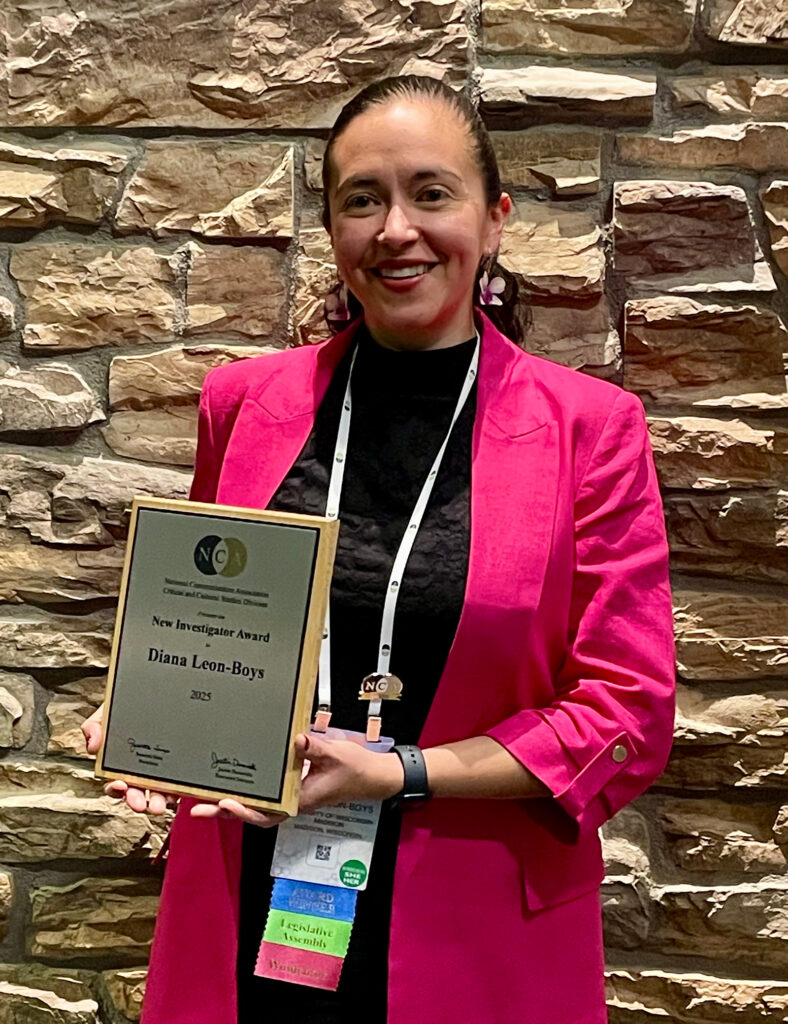
Diana Leon-Boys (PhD ’20), University of Wisconsin-Madison, won NCA’s New Investigator Award in the Critical and Cultural Studies Division.

See NCA’s full list of 2025 national and interest group award winners.

Share on social
2025-26 Ebert Fellows announced


Each fall, the Roger Ebert Fellowship program selects three College of Media undergraduate students to participate in the yearlong fellowship that aims to shape their skills in critical writing through immersion in the film industry.

Ebert theatre- orange

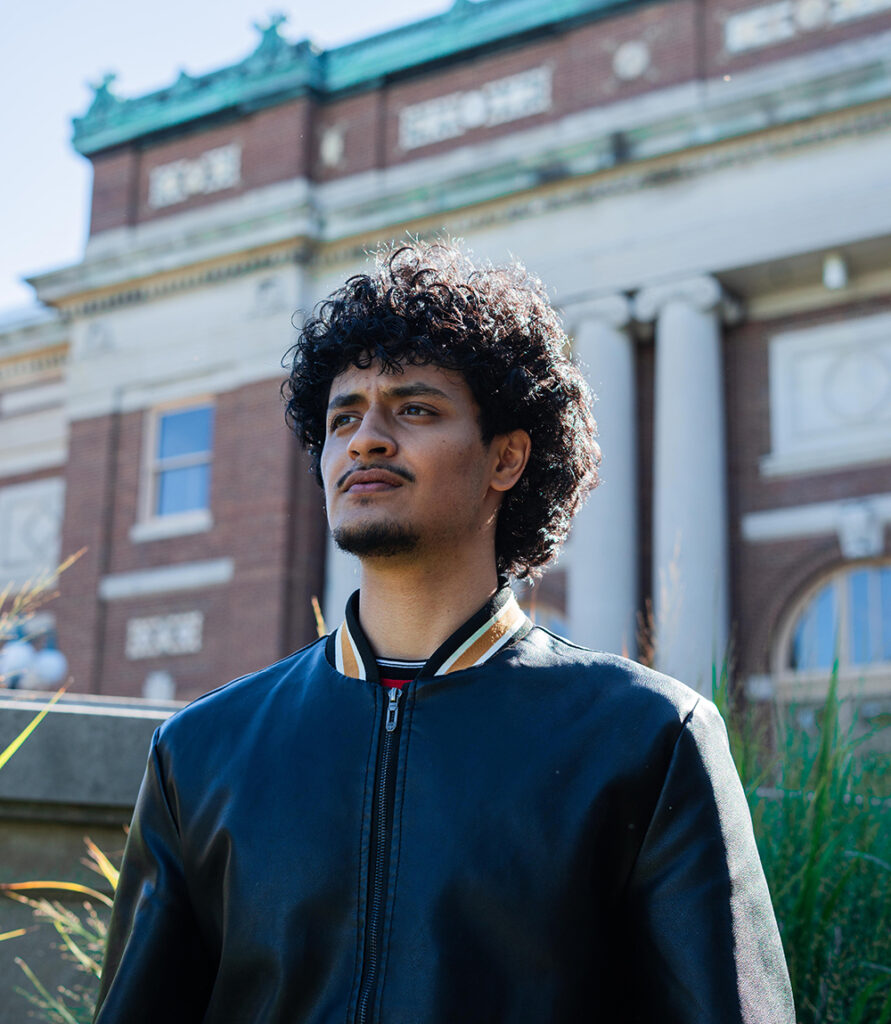
The Roger Ebert Fellows chosen for the 2025-26 academic year are Paige Gaines, Amir Rehab, and Jin Wang.

The program, named after the late Pulitzer Prize-winning film critic for the Chicago Sun-Times and University of Illinois journalism alum, allows students to work with former Chicago Tribune film critic Michael Phillips in engaging with notable figures within the film and media industry and strengthening their critical analysis and writing skills.

This year, the Ebert Fellows will participate in monthly workshops both on campus and in Chicago, curate screenings through the Roger Ebert Center for Film Studies at Spurlock Museum, and engage in radio exercises with Steve Morck, senior digital media producer at Illinois Public Media.

Phillips has been the advisor since the program began in 2015. When it comes to selecting the Ebert Fellows, he looks for something beyond the conventional: persuasive, compelling and “alive.”

“Ebert was a lot more than a ‘film critic,’ Phillips said. “He brought the world around him into the writing, which is not easy to do well, and he did it just about better than anybody.”

Another yearly highlight is the Fellows’ coverage of the True/False Film Fest in Missouri. This is a two-night excursion that entails covering the festival, where Phillips encourages the students to speak with people involved in the films that interest them the most.

“Whether it’s for radio podcasting, print, or introducing a film, anything we can do to get the students a little closer to the writer they want to become is the goal,” Phillips said.


Meet the 2025-26 Ebert Fellows

Paige Gaines is a senior earning a dual degree in media and cinema studies and in communication. She is looking forward to working with the other Fellows.

Paige Gaines

“Both of the other Fellows are in advertising, so it will bring different outlooks from what I have had,” Gaines said. “I’m really interested to see what I can learn from them and what they can learn from me.”

Gaines frequently attended Ebertfest as a child and is a distant relative of Roger Ebert. She wants to improve her review-writing skills and efficiency.

The True/False Film Fest is the event that Gaines is most excited for because of the screenings of documentaries revolving around social and political issues.

“I love telling stories about people who don’t have stories told about them as much,” Gaines said. “What better way to get exposure to that scene than going to where it’s hosted?”

One of Gaines’s favorite films is Therapy Dogs, a hybrid documentary-fiction comedy,because she saw it at an important part of her life, and it ignited her love for her career.


Amir Rehab, a senior in advertising, is looking forward to working with Phillips, meeting with directors, and evolving as a writer.

Amir Rehab

“Living in the USA and Algeria has given me so many different perspectives within our media that we consume,” he said. “Through design and editing, I learned how visuals can tell stories and evoke emotions.”

Rehab transferred to the University of Illinois last year and chose advertising as a major because it combines two things he has always loved—creativity and strategy.

He currently makes his own short-form documentaries and is interested in using this program to improve his storytelling capabilities and network.

“Putting yourself out there in uncomfortable situations in order to evolve is important,” Rehab said. ”If you’re just staying in the exact same spot, you’re not going to get anywhere.”

His favorite movie is Parasite, which won the 2020 Academy Award for Best Picture,because of the powerful message through the acting and visual storytelling.

“I was extremely impressed by the cinematography—the details in distinguishing class division and income inequality. It’s a very powerful message achieved not only through acting but also through visual storytelling and camera work!”


Jin Wang is a junior in advertising. She is most excited for the immersion trips to Chicago, where the students will work in the Ebert Fellow workshop and visit art exhibitions.

Wang is eager to learn more about film this year, as her criticism in the past has mostly revolved around paintings and sculpture.

“Criticism is essential because our experiences shape how we see the world,” Wang said. “It brings different viewpoints together and helps people express their own ideas.”

She is excited to collaborate with the other Fellows by contributing different ideas and opinions.

Wang’s favorite movie is the Korean film Wedding Dress because of the themes about family and love.

“It reminds me that love isn’t just about happy moments, but also about sacrifice,” Wang said. “It’s so emotional and it makes me feel deeply connected to the story and the characters.”

Share on social
Illini Watchers brings movie fans together for analytical discussion


Every Friday night, the sound of lively movie-take debates pours from Room 1090 and drifts down the halls of Lincoln Hall during The Illini Watchers’ weekly meeting.

The registered student organization began around 2018, originally named C-U Cinefile, to review various forms of media. The Illini Watchers pride themselves on being a welcoming space for everyone, regardless of how familiar they are with the film scene.

“The club represents the legacy that the University of Illinois has been a place where criticism is formed,” said Jonathan Knipp, senior lecturer of media and cinema studies and faculty sponsor of the club.

The Illini Watchers meeting

Like a book club for movies, each meeting includes discussion mostly surrounding a film that was chosen the week before, also allowing time for members to talk about other random movies, theater screenings, books, music, and games.

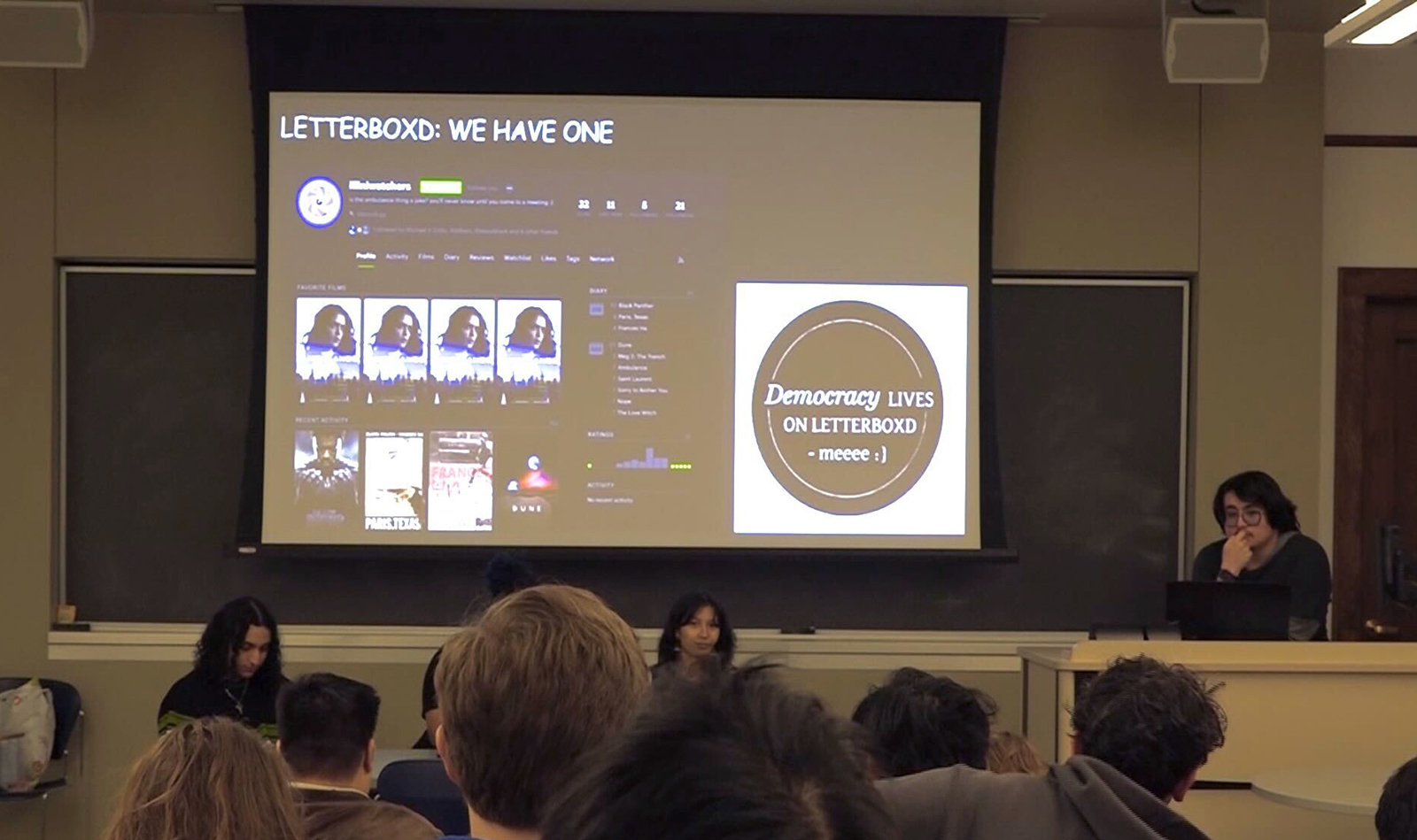
“My exec team and I will make the slides with the parts we thought were interesting,” said Nicolas Roacho, junior in media and cinema studies and Illini Watchers president. “But it’s a really laid-back discussion about the film we assigned everyone to watch.”

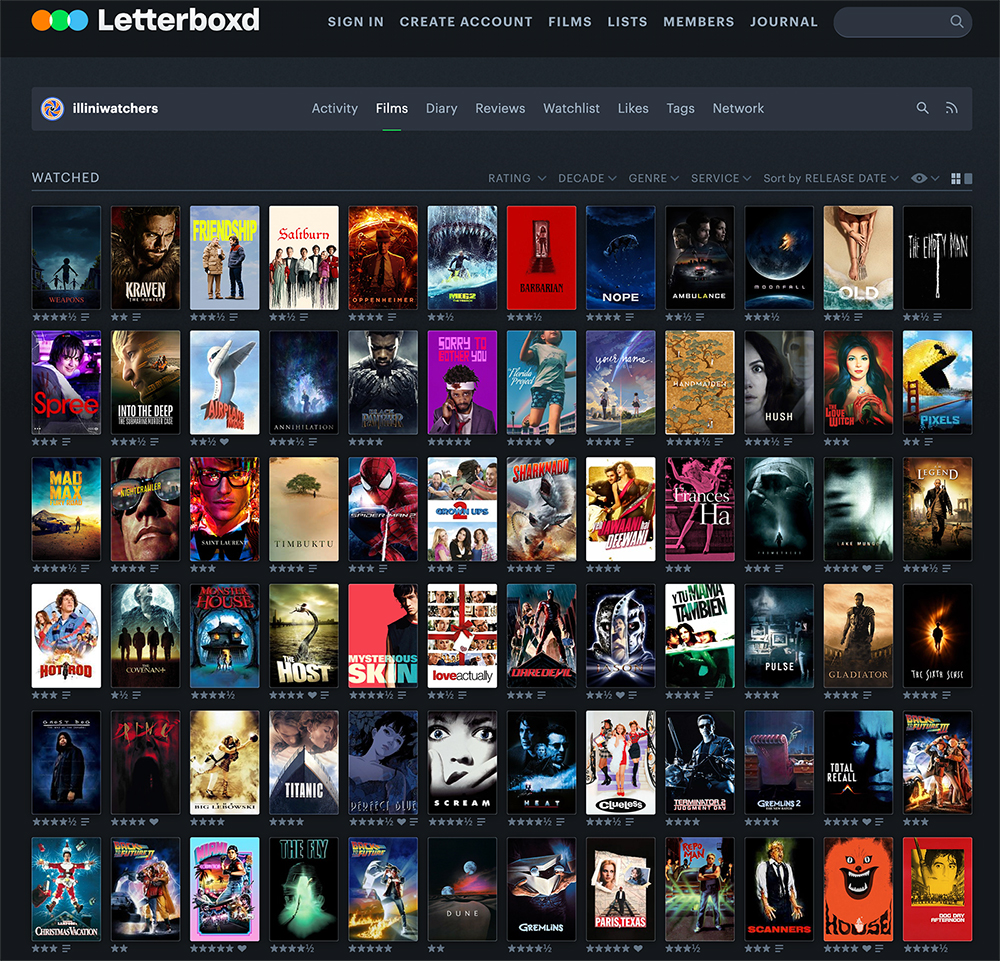
The Illini Watchers' Letterboxd page
The Illini Watchers share their film ratings on their Letterboxd page.

During the meeting, they take an average of everyone’s rating of the movie and post it on the club’s Letterboxd page, a social network for film fans.

At the end of each meeting, Roacho and other executive members announce a theme for next week, taking movie nominations from members to spin on a wheel. Whichever movie the wheel lands on is the one up for discussion the following week.

A recent theme was Hispanic Heritage Month, where all the suggested movies had a Hispanic writer, director, or lead. These themes are made to introduce members to films they might not have watched before, like international cinema, Roacho said.

Other events the club organizes are group bus rides to a movie theater, movie-themed trivia games, picnics on the Quad, and a yearly Halloween costume contest. They also sometimes collaborate with their sister club, Illini Film and Video, a film and video production organization, of which Roacho is also the president.

As the faculty advisor, Knipp looks for resources to help the club grow, with his most recent project trying to connect the club to the Roger Ebert Center for Film Studies.

His favorite part of being the advisor for the club is the same as being an instructor.

“It’s always about trying to start the conversation but not presiding over it or trying to influence it,” Knipp said. “Getting it kick-started so I can sit back and just let the students let their thoughts go wild.”

Knipp and Roacho emphasized the importance of appreciating media through their club.

“I like knowing that we are providing that community because it’s important to keep this sort of culture alive,” Roacho said.

With a membership count of just over 100, the group is diverse in majors, something both Knipp and Roacho say makes the Illini Watchers unique.

“The club is everything I wished for,” Roacho said. “There wasn’t a pool of people to talk about movies with at my high school; the people in Watchers are understanding of what I’m saying, even if they’re not too familiar with film.”

Share on social
DEV College of Media
119 Gregory Hall
810 S. Wright St.
Urbana, IL 61801
217-333-2350