College of Media establishes new minors and adds new courses


The College of Media is pleased to announce a number of new and innovative curricular opportunities, including a new interdisciplinary minor in media, a minor in critical film production within the Department of Media & Cinema Studies, and new courses across all three departments that address emerging trends in the media industry. 

MEDIA MINOR

The media minor, established this fall, is available to students outside of the College of Media, and offers a variety of courses from the Charles H. Sandage Department of Advertising, Department of Journalism, and Department of Media & Cinema Studies. Suggested courses for the minor are grouped in themes of diversity, social media, sports, content creation, history, and more. 

“We’re so excited to be able to offer a media minor,” said Katie Clark, senior assistant dean for student services. “So many of our courses are of interest to students across campus and this minor gives them an opportunity to take these courses in a meaningful, guided way. We know how beneficial it will be to prepare students for the job market by teaching them media-specific skills, which they can apply to any field of interest.”

For example, Media courses could help an engineering student learn what is needed to patent an invention, understand the target audience, and communicate the idea. A social work student might be interested in the power of film to bring attention to a particular social problem. A biology or chemistry student might want to pursue science communication and also understand social media strategy. 

“What we teach here in the College of Media complements well the educational and career goals of many students across campus,” said Dean Tracy Sulkin. 

To complete the minor, students must take an introductory course in each of the college’s three departments, and then choose three advanced courses from at least two different departments in the college. 

CRITICAL FILM PRODUCTION MINOR 

The new critical film production minor is an expansion of the existing media production certificate, which provides students with media-making skills. 

“The critical film production minor is not ‘film school’ in the traditional technically-focused sense,” said Derek Long, assistant professor of media and cinema studies. “Making thoughtful media in the 21st century requires so much more than just knowing how to use the camera on your smartphone.” 

While the minor’s curriculum trains students in advanced technical skills for creating moving images and sound, it also emphasizes that students should create media with the same critical eye that they use to read, write, and conduct research.

That’s an important step, Long said, toward building a more inclusive and reflective culture in the media industries, and it requires knowledge of film and media history, theory, and criticism. The critical film production minor’s core courses and electives combine those technical aspects of mediamaking with critical studies.  

According to Long, all of the minor’s core courses involve video production and editing projects. MACS 150: Intro to Digital Media Production introduces students to other forms of mediamaking, such as photography, digital image manipulation, web design, and podcast production. In the critical studies electives, students can conduct research using old film magazines and pressbooks from the late Pulitzer Prize-winning film critic and journalism alumnus Roger Ebert. The elective courses offer a variety of assignments, from organizing a film festival to participating in a fantasy box office competition.  

“Illinois alum Roger Ebert called cinema an ‘empathy machine,’ and this notion is central to the main goal of the minor: to enable students to be empathetic leaders in the world of cinema and media at the same time that they share their ideas with a digitized world,” Long said.

The minor is a great choice for students interested in careers such as film production and distribution, as well as advertising and public relations. “Students interested in the critical study or production of any kind of art—be it visual, musical, or something else—will also find the minor attractive,” Long added. 

The most useful training that the minor will provide students is learning how to work as part of an inclusive team, Long said. Effective media producers know that while technologies become outdated every year, interpersonal skills never stop being useful. 

NEW COURSES IN DATA STORYTELLING AND NEW MEDIA

The Department of Journalism has added two new courses where students can gain experience with data science applications and new media technologies.

JOUR 460: Data Storytelling

JOUR 460: Data Storytelling teaches students the power of data, which can help them to tell a better story. 

“Data alone can tell them who to interview,” said Margaret Ng, assistant professor of journalism. “Data can be a driving point for them to really find out where the story is so that they can approach their interviewee or sources more appropriately.”

The class focuses on four objectives: how to obtain the data, clean the data, analyze the data, and present the data. 

The new course has attracted students from the journalism department and other disciplines within the College of Media, as well as graphic design, statistics, and computer science majors. 

In a newsroom, there are more than journalism majors, Ng pointed out, citing frequent collaborations between data scientists, graphic designers, and journalists. While computer scientists may already have substantial software or coding skills, they may not have experience with putting data into real practice and solving newsworthy questions. 

Students will also gain experience with how to properly file Freedom of Information Act requests to government agencies and how to make an appeal if they receive a rejection.

Ng hopes all students, no matter what their major is, learn how to gather and communicate data ethically so they can present their findings in a much more engaging way to their audience.

JOUR 199: New Media, Society, & You

When designing JOUR 199: New Media, Society, & You, Christopher Ball, assistant professor of journalism, selected critical topics that are currently being shaped by new media use, as well as articles that discussed the pros and cons of new media technologies. 

The goal, Ball said, was to create a course that surveyed the ways that new technology is integrating into our lives, while also seeking a more balanced understanding of their role in modern society.

An essential part of this course is using new media technologies in creative ways, including the creation of a personal blog that they will use to showcase a variety of new media projects. Students will also create timeline infographics, diagram their information diets, analyze social media profile pictures, and create short YouTube videos.  

“In our excitement (or apprehension), we often say that these new media technologies are ‘changing our world/lives,’” he said. “However, I hope that students leave my class with the knowledge that these technologies are not changing our lives directly. Instead, it is how we choose to use these technologies, both collectively and individually, that is changing our lives. So, let’s figure out how to use them best.”

Many of the projects in this course will involve using new media in novel ways. For instance, students will learn a new skill while only using YouTube videos and web forums. 

“The goal is that students will not just learn about new media; they will use it while reflecting on some of the ways to leverage them in their career or personal life,” he said.  

Ball looks forward to hearing his students’ perspectives and thoughts on emerging technologies, since most are already “expert users.” 

“I hope that students enjoy the course and that it helps them to see the interactive technologies surrounding them a bit differently,” he said. “I also hope that my class empowers my students to use these technologies to improve their lives and, ultimately, the world around them. There is no better time to learn about new media technologies than right now.”

NEW COMPUTATIONAL ADVERTISING COURSE 

In the new ADV 461: Computational Advertising course, students will learn technologies including “web-search, auctions, behavioral targeting, and mechanisms for viral marketing that underpin the display of advertisements on a variety of locations.” One section of the course is designed for advertising majors, taught by Ewa Maslowska, and the other section, for computer science (CS) + advertising majors, emphasizes programming and computer science.

“Computational advertising relies more and more heavily on behavioral data, which often are digital by nature. In this class, we discuss what insights advertisers can gain from the traces left by consumers in the digital space,” said Maslowska, assistant professor of advertising.

Computational advertising represents a paradigm shift driven by technological developments, including the digitization of brand-consumer interactions, the availability of big data, and the development of new artificial intelligence algorithms. 

Her section of the course uses case studies to explore how different theories, methods, and evidence can shape advertising strategies and their effects. Students will gain basic analytical skills that can be applied to understanding and solving business problems.

“We explore different ways for abstraction and modeling that can be applied to advertising,” Maslowska said. 

Students will design and run an A/B test on a website, compare different tools for personality profiling, and analyze various digital data. These assignments help students to better understand the workings and limitations of the different tools that use consumer data.  

“I hope that upon completion of this course, the students will be able to understand the computational advertising ecosystem, analyze and evaluate different advertising strategies, make actionable recommendations, and reflect on the ethical and normative aspects of computational advertising, including the responsibilities of both advertisers and academics,” she said. 

The CS + advertising section of the class will be available in Spring 2021 and will focus on Internet privacy and the security of individuals as they navigate the web. Students will analyze an actual firm engaged in computational advertising. Working with massive data sets, they will learn algorithms and how companies use personalization in ads.

—Kimberly Belser, Communications and Marketing Intern
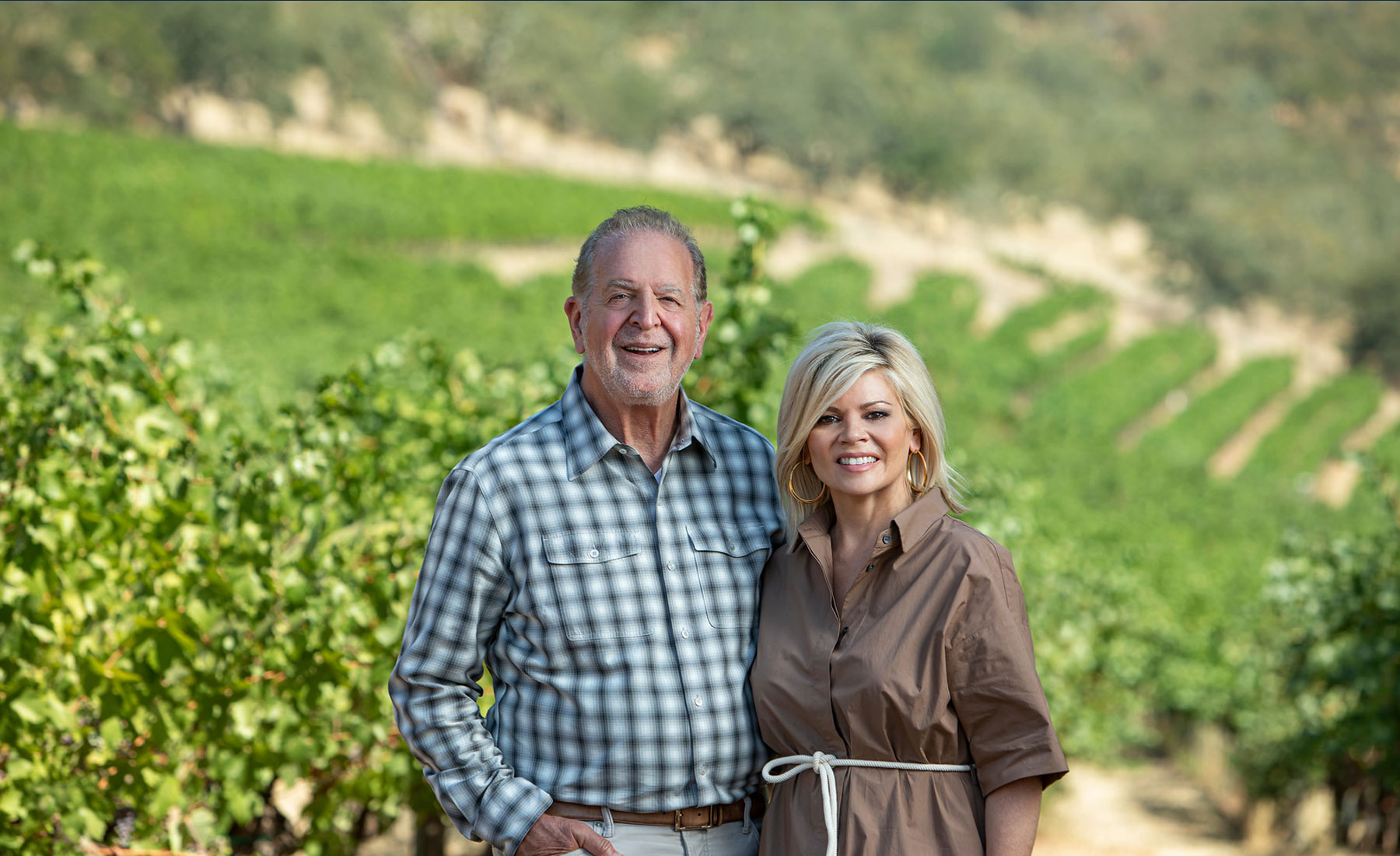
$7.5 million gift to the College of Media establishes the Richard and Leslie Frank Center for Leadership and Innovation in Media


Richard and Leslie Frank
Rich and Leslie Frank have given the largest gift in the College of Media’s history to establish the Richard and Leslie Frank Center for Leadership and Innovation in Media. The center will have a transformative impact on students at the University of Illinois and will define future excellence, particularly in journalism programs.

The College of Media at the University of Illinois at Urbana-Champaign today announced that its students will benefit from a suite of enhanced professional experiences, thanks to a $7.5 million gift by Rich and Leslie Frank of St. Helena, California. The gift, the largest in the College of Media’s history, will establish the Richard and Leslie Frank Center for Leadership and Innovation in Media. 

“The opportunity this gift provides to our students who are pursuing careers in media is phenomenal,” said Illinois Chancellor Robert J. Jones. “The passion Rich has for his alma mater and his vast industry experience have combined perfectly with Leslie’s broadcast news experience to create a center that will become the perfect ecosystem for budding journalists and media professionals at Illinois.”

“Now more than ever there is a critical need for good, solid, objective journalism in this country,” said Rich and Leslie Frank. “We are encouraged our contribution will help create the highest level of learning for the next generation of journalists and that we are able to play a part in elevating the stature of the program at Illinois, making it a top destination for students and faculty.” 

Rich Frank, former president of Disney Studios, and Leslie (Miller) Frank, an Emmy award-winning broadcast journalist, both now vintners and hospitality leaders in Napa Valley, wanted to make an investment in the University of Illinois that would have an impact for generations.

The Richard and Leslie Frank Center at Illinois will develop students who are leaders in their professions by offering access to a diverse group of experts and practitioners through residencies and a speaker series, and by supporting outside learning opportunities such as professional immersion experiences, conference participation, and internships.

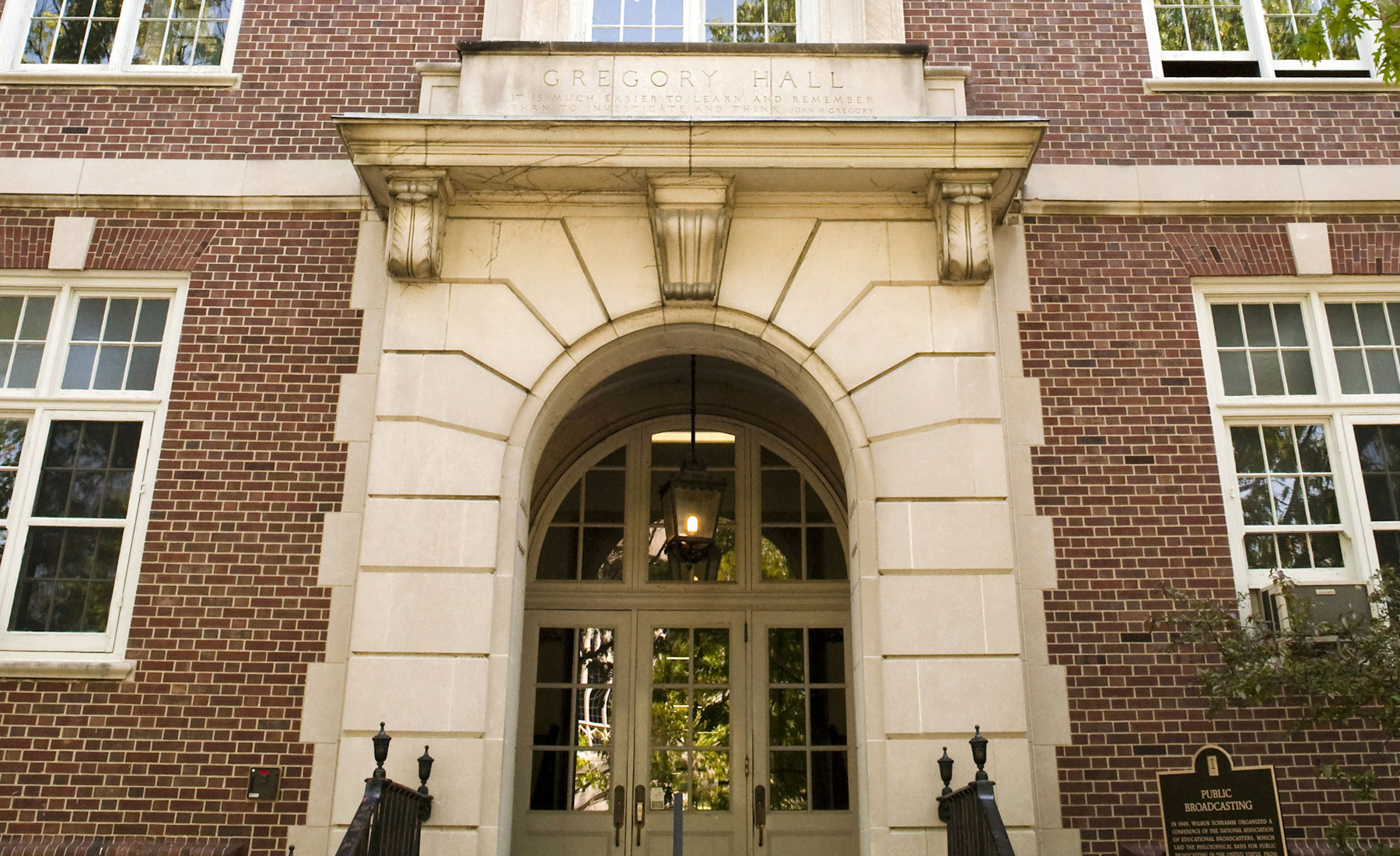
A portion of the Franks’ gift will be used to create a state-of-the-art broadcast facility within the Richmond Studio, and additionally to create two classrooms in Gregory Hall to accommodate the use of new technologies, and to offer space for media editing and production.

“The Richard and Leslie Frank Center will have a transformational impact on students and will define Illinois’ excellence in media fields from this point forward,” said Tracy Sulkin, dean of the College of Media. “This gift is a game-changer for the College of Media,” she added. “The upgrades to instructional facilities and the programming provided will ensure that we continue to train innovative and ethical professionals who will lead the way in their chosen fields, attract and retain the very best faculty to the Department of Journalism, and enhance our opportunities to engage with the public on pressing issues. We cannot thank the Franks enough for their generosity and commitment to shaping future generations of journalists and media professionals.”

Rich Frank, who received his bachelor’s degree in marketing from the University of Illinois, is no stranger to media. He began his career at the advertising agency BBDO in New York City before moving to Los Angeles to work as a sales Manager at KTLA. He then served as President of Chris-Craft Broadcasting. In 1977 he became President of Paramount Television Group, overseeing the creation and production of such shows as Taxi, Family Ties, and Cheers as well as the creation of the groundbreaking entertainment news show, Entertainment Tonight. In 1985 he became President of Disney Studios. Under his leadership, the studio created iconic sitcoms such as The Golden Girls and Home Improvement, and films including Good Morning Vietnam, Dead Poets Society, and The Lion King. He also oversaw the launch of the Disney Channel. Rich served three terms as President of the Academy of Television Arts and Sciences. In 2007, the Academy of Television Arts and Sciences recognized him with the prestigious Syd Cassyd Founder’s Award. In 2011, Rich received an honorary doctorate from the American Film Institute where he is currently a Vice Chairman on the AFI’s Board of Directors. Rich previously served on the board of the Motion Picture Association of America. His archival interview with the Television Academy provides a fascinating historical perspective of the evolution of modern television.  

Born in Hamilton, Ontario, Leslie (Miller) Frank began her career in Canada before crossing the border to work in some of the largest television markets in the United States. She spent more than 25 years covering many major stories including the 9/11 attacks where she reported live from ground zero in New York City, as well as from the scene of the devastating aftermath of Hurricane Katrina, and inside the courtroom at the Michael Jackson trial. Leslie spent the last nine years of her TV news career reporting and anchoring at the number one rated station, KABC in Los Angeles, where she covered politics, crime, weather calamities, as well as interviewing some of the biggest stars in Hollywood on the red carpet. Prior to Los Angeles, Leslie was the main anchor at KCPQ in Seattle, where she took the 10 pm newscast to number one in its time slot and clinched an Emmy for outstanding news anchor.

Today, Rich and Leslie live in the Napa Valley and run one of the most successful family-owned and -operated wineries in the region, Frank Family Vineyards. Established in 1993, the winery is well regarded for its estate-driven still and sparkling wines. 

Rich and Leslie return to the Illinois campus frequently, speaking with students and faculty in both the College of Media and the Gies College of Business and advising journalism students on their television news broadcasts and resume videos. 

For more information, contact Sue Johnson at the University of Illinois Foundation at (217) 244-7114 or johnso16@uif.uillinois.edu.

Angela Aguayo

Associate Professor

Affiliations

  • Department of Media & Cinema Studies
  • Institute of Communications Research

Education

  • PhD in Communications, 2005, University of Texas, Austin

Course Specialties

  • Introduction to Documentary 
  • New Media, Culture and Society 
  • Gender and Popular Culture 
  • Documentary and Social Change

Research and Creative Endeavor

Angela J. Aguayo is Associate Professor in the Department of Media & Cinema Studies at the University of Illinois Urbana-Champaign. Angela’s scholarly research and production practice reflect an interdisciplinary focus on documentary, media studies, rhetoric, critical and cultural studies. She is focused on the possibilities for documentary to engage the process of social change, with the specific attention to collective identification and the new media technologies used in conjunction with the genre to mobilize participatory media publics. As a scholar-media artist specializing in participatory and engaged cinema, her most recent book, Documentary Resistance: Social Change and Participatory Media (Oxford University Press, 2019) investigates the political impact of documentary practice. Aguayo is also an award-winning director and producer of documentary shorts utilized in community engagement campaigns, exhibited at museums, and viewed at film festivals around the world, including such prestigious sites as Anthology Film Archives, The Art Institute of Chicago and Harvard University. Most recently, Aguayo is the founding Director of the Illinois Community Media Project, establishing efforts to support media production opportunities for underserved communities across the state of Illinois. She has also served as Acting Director of the Roger Ebert Center for Film Studies.

Related Links

No posts found.

Jonathan Knipp

Senior Lecturer

Affiliations

  • Department of Media & Cinema Studies
No posts found.
Jon Knipp

Contact

217-244-5692

Mike Yao

Professor
Director, Institute of Communications Research

Affiliations

  • Charles H. Sandage Department of Advertising
  • Institute of Communications Research 
  • Gies College of Business
  • College of Liberal Arts and Sciences

Education

  • Ph.D. Communication, University of California, Santa Barbara 
  • B.A. Psychology & Film Studies double majors, University of California, Santa Barbara

Course Specialties

  • Online privacy 
  • Technology mediated communication 
  • Technology and advertising 
  • Programmatic advertising

Research and Creative Endeavor

Mike Yao’s research focuses on the social and psychological impacts of interactive digital media. He conducts research and writes on a variety of topics such as online behavior, digital literacy, and computer-mediated communication. His current interest is in how users perceive and manage personal boundaries on social media. Specifically, he examines people’s attitudes, beliefs and self-protective behaviors related to online privacy from a psychosocial perspective by considering the influence of cognitive appraisal, social norm, and individual differences. A second area of Mike’s active research is the psychological impacts of digital media use. He examined the influence of various interactive media, such as video games and social media, on users’ online and offline social behavior. He is currently trying to extend this line of research to developing an integrated theory of digitally mediated human behavior.

Related Links

No posts found.
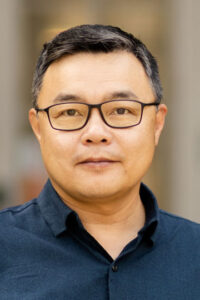
headshot of Mike Yao

Contact

217-300-2148

Marisa Peacock

Senior Lecturer

Affiliations

  • Charles H. Sandage Department of Advertising

Education

  • MFA in Design for Responsible Innovation (DRI), University of Illinois Urbana-Champaign, expected graduation 2027
  • MALS in American Studies, 2005, Georgetown University
  • BA in Psychology, 2001, Mount Holyoke College

Course Specialties

  • Sandage Project / Capstone Course
  • Digital Content and Social Media Management
  • AI and Advertising
  • Writing and Public Relations
  • Social Media and Personal Branding

Background

Marisa Peacock is the founder and chief strategist of The Strategic Peacock, helping organizations implement effective social media strategies. As a senior lecturer, she teaches the Sandage Project, digital content and social media management and AI and Advertising. She also leads the Social Media Lab, where advertising students gain hands-on experience, build portfolios, and connect with employers—benefiting both businesses and emerging talent.

Research and Creative Endeavor

Marisa is currently pursuing an MFA in Design for Responsible Innovation at the University of Illinois Urbana-Champaign, where her research focuses on integrating inclusive design in advertising education by empowering faculty to foster digital inclusivity.

Marisa regularly presents at marketing and media conferences such as the Home Furnishings Association, Seattle Interactive, Illinois Web Con, and ConvergeSouth. Her presentations focus on social media, customer experience, and strategies for businesses of all sizes to enhance their online presence.

Related Links

Video

No posts found.
Marisa Peacock

Contact

217-333-0182

Ewa Maslowska

Associate Professor

Affiliations

  • Charles H. Sandage Department of Advertising
  • Institute of Communications Research 
  • Informatics 
  • Center for Social & Behavioral Science

Education

  • PhD, University of Amsterdam (Persuasive Communication) 
  • MA, Jagiellonian University (Psychology)

Course Specialties

  • Computational Advertising
  • Consumer Insight
  • Persuasion

Background

Ewa holds a Ph.D. in Communication Science from the University of Amsterdam and an M.A. in Psychology from Jagiellonian University and completed postdoctoral research at Northwestern University. Ewa has been published in International Journal of Advertising, Computers in Human Behavior, Journal of Marketing Management, Decision Support Systems, and others.

Awards

  • Digital Communication Methods Lab (University of Amsterdam, Research Priority Area) research grant 2019. Project: Improving the measurement of consumers’ exposure to online content. 
  • Marketing Science Institute research grant 2018. Project: The effects of trait-based personalization in social media. 
  • Best Paper Award International Journal of Advertising 2017 
  • Best Paper Award Journal of Marketing Management 2016 
  • Top faculty paper award Communication and Technology Division AEJMC Conference 2015, San Francisco, CA 
  • Best paper nominee ICORIA conference 2018, Valencia, Spain 
  • Best paper nominee ICORIA conference 2017, Ghent, Belgium 

Research and Creative Endeavor

Ewa’s research investigates how we interact with digital platforms, focusing on how communication design and personalization influence persuasion and platform (dis)engagement. Additionally, she analyzes the impact of deceptive content, such as fake reviews, on consumer decision-making. Using a multi-method approach, integrating experiments, psychophysiology, digital-trace data, and qualitative techniques, she aims to understand the psychological impact of digital communication and inform frameworks that protect user autonomy in an increasingly opaque media landscape.

Select Publications

Maslowska, E., Segijn, C. M., Vakeel, K. A., & Viswanathan, V. (2019). How consumers attend to online reviews: an eye-tracking and network analysis approach. International Journal of Advertising, 1-25. 

Kim, S. J., Maslowska, E., & Tamaddoni, A. (2019). The paradox of (dis)trust in sponsorship disclosure: The characteristics and effects of sponsored online consumer reviews. Decision 
Support Systems, 116, 114-124. 

Malthouse E.C., Maslowska, E., Franks, J. (2018). Understanding programmatic TV advertising. International Journal of Advertising, 37(5), 769-784 

Viswanathan, V., Malthouse, E.C., Maslowska, E., Hoornaert, S., & van den Peol, D. (2018). Dynamics between Social Media Engagement, Firm-Generated Content, Live and Time-Shifted TV Viewing. Journal of Service Management, 29(3), 378-398 

Maslowska, E., Malthouse, E.C., & Bernritter, S.F. (2017). Too good to be true: The role of online reviews’ features in probability to buy. International Journal of Advertising, 36(1), 142-163 

Maslowska, E. Malthouse, E.C., & Viswanathan, V. (2017). Do customer reviews drive purchase decisions? The moderating roles of review exposure and price. Decision Support Systems, 98, 1–9 

Maslowska, E., Malthouse, E. C., & Collinger, T. (2016). The Customer Engagement Ecosystem. Journal of Marketing Management, 32(5-6), 469-501 

Maslowska, E. Smit, E.G., & van den Putte, B. (2016) It Is All in the Name: A Study of Consumers’ Responses to Personalized Communication. Journal of Interactive Advertising, 16(1), 74-85 

Maslowska, E., Smit, E.G., & Van den Putte, B. (2013). Assessing the cross-cultural applicability of tailored advertising: A comparative study between the Netherlands and Poland. International Journal of Advertising, 32(4), 487-510. 

Maslowska, E., Van den Putte., B, & Smit, E. G. (2011). The effectiveness of personalized e-mail newsletters and the role of personal characteristics. Cyberpsychology, Behavior, and Social Networking, 14, 765-770. DOI: 10.1089/cyber.2011.0050.

Related Links

Video

No posts found.
Ewa Maslowska

Contact

217-244-1688

Christopher Ball

Assistant Professor

Affiliations

  • Department of Journalism
  • Institute of Communications Research

Education

  • PhD in Media and Information Studies, Michigan State University
  • MS in Applied Sociology, Clemson University
  • BA in Sociology, Augusta State University

Course Specialties

  • Interactive Media & You
  • Augmented and Virtual Reality
  • Research Methods in Journalism

Background

Dr. Ball is an assistant professor in the Department of Journalism. Before joining the University of Illinois at Urbana-Champaign, he was a research assistant and instructor while working on his PhD at Michigan State University. During this time, he worked extensively on various grant funded research projects and he taught a number of cutting-edge courses. In addition to his PhD, he also obtained graduate certifications in both Educational Technology as well as Serious Game Design and Research. Before beginning his doctoral studies, he was employed as a research associate at Clemson University where he designed and tested educational virtual world programs.

Research and Creative Endeavor

Dr. Ball’s research interests involve the influence of new technologies on society and how these technologies can be studied and harnessed for research, education, and outreach purposes. More specifically, his research focuses on the use of interactive media and technologies such as video games, virtual worlds, and virtual reality to foster pro-social outcomes and experiential learning across the life course.

Dr. Ball has published collaborative research spanning a multitude of technology-related topic areas, demographic populations, and research methodologies. As a result, he has been published in various top-tier journals such as Information, Communication & Society; Cyberpsychology, Behavior, and Social Networking; the Journal of Applied Gerontology; the Journal of Medical Internet Research Mental Health; and Games and Culture.

Related Links

No posts found.
Christopher Ball

Contact

217-300-0185

Alison Davis

Senior Lecturer

Affiliations

  • Department of Journalism

Education

  • M.S. Journalism, University of Illinois at Urbana Champaign
  • B.S. Journalism,  University of Illinois at Urbana-Champaign

Course Specialties

  • Documentary Production
  • Writing
  • Video Production

Background

Alison Davis has been producing national documentaries for over two decades. Her programs have received numerous awards including seven regional Emmy Awards and over 20 Emmy nominations.

Davis produced documentaries for the Big Ten Network when she joined Illinois’ Division of Intercollegiate Athletics / Public Affairs in April of 2008. Before that she worked at WILL-TV (PBS) where she was the longtime producer and host of Prairie Fire, a cultural magazine series about the people and places of central Illinois.

Awards

Davis won a 2019 National Academy of Television Arts and Sciences Mid-America Emmy award for Illinois Artists: Endalyn Taylor, produced for the Big Ten Network. She won a 2017 Mid-America Emmy award for writing The Game Changer, the story of disability rights pioneer Tim Nugent. In 2015 she won an Emmy for writing the documentary Carlos Montezuma: Changing Is not Vanishing. She was awarded her first regional Emmy in 1999 for her documentary, Walter Burley Griffin: In His Own Right about the talented, but overlooked Illinois architect.

Her documentary Against the Wind, the story of wheelchair athlete Jean Driscoll’s attempt to become the first athlete to win seven consecutive Boston Marathons, was named best Television Documentary in 1997 by American Women in Radio and Television. She was one of 20 producers selected to attend the 2001 WGBH Boston Producers Workshop, where she participated in extensive hands-on training with some of television’s most experienced content creators.

Davis’s other productions include the nationally distributed Lincoln: Prelude to the Presidency and Gold Star Mothers: Pilgrimage of Remembrance. She was also nominated for an Emmy for writing Ten Sisters: A True Story.

No posts found.
Alison Davis

Contact

217-244-7433

DEV College of Media
119 Gregory Hall
810 S. Wright St.
Urbana, IL 61801
217-333-2350