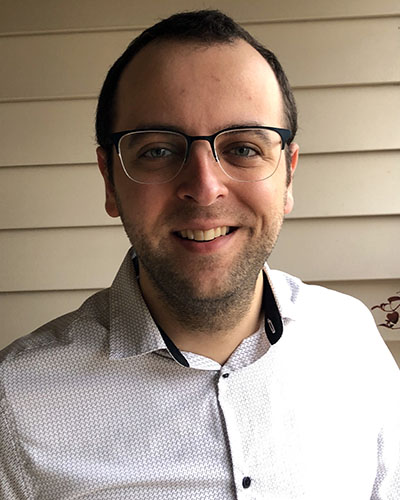
Murillo produces ‘The Disability Minute’ on Chicago’s WBBM Newsradio

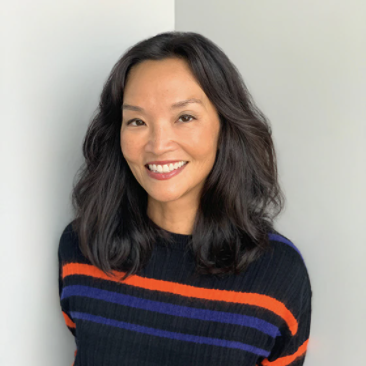
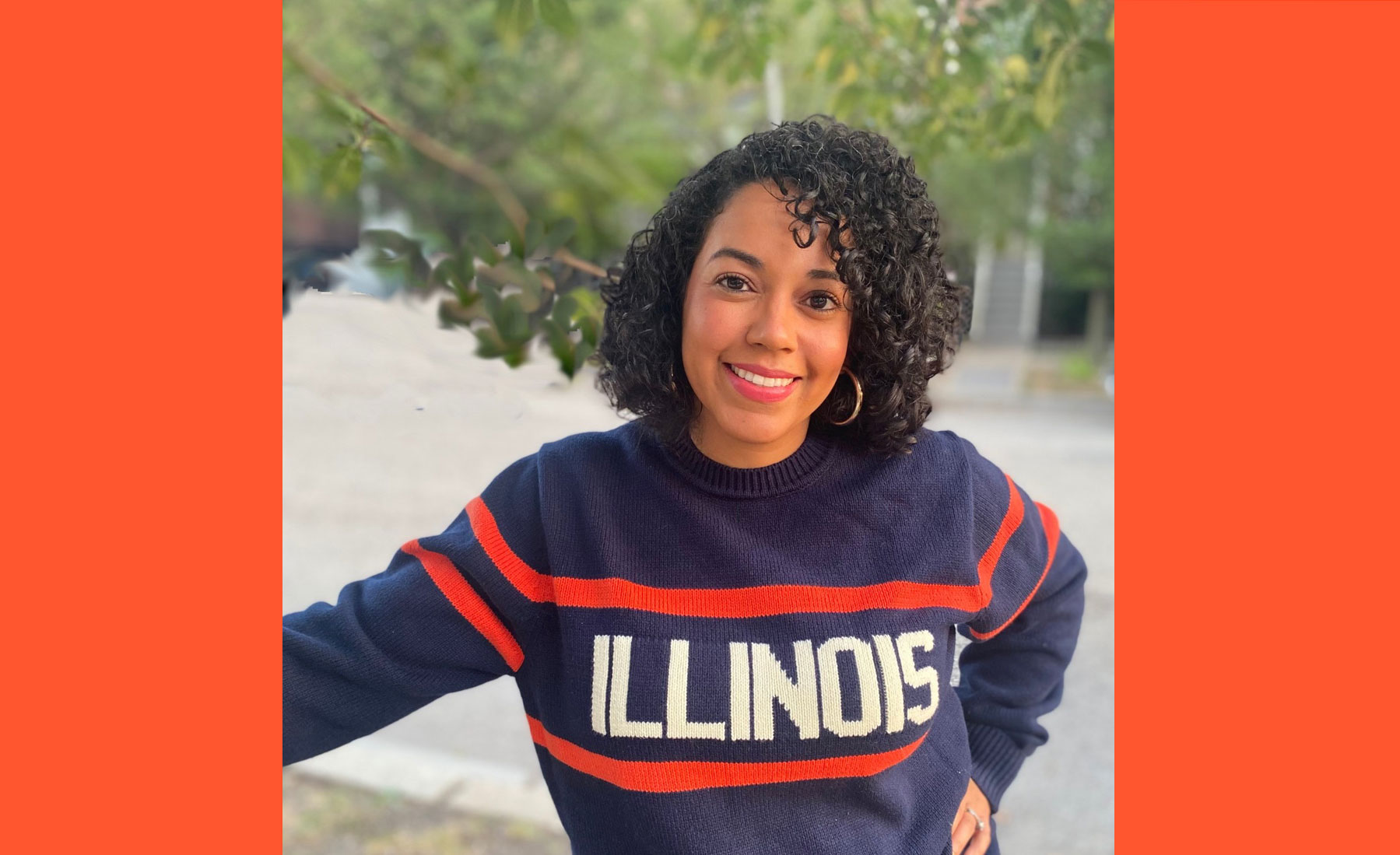
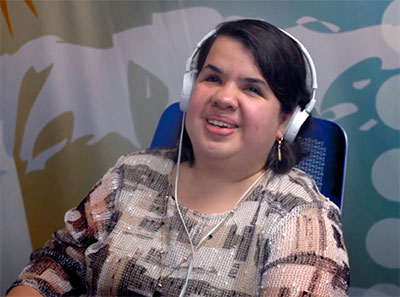
Sandy Murillo (BS ’12, journalism) produces and hosts “The Disability Minute,” a weekly segment that debuted on Chicago’s WBBM Newsradio in August 2021.

“This is an exciting venture that helps us spread awareness about disabilities to an even wider audience,” Murillo said. “Best of all, the segment is produced entirely by people with disabilities.”

Murillo is an associate producer at Chicago Lighthouse Media where she oversees and runs CRIS (Chicagoland Radio Information Service) Radio, a reading service for the blind and visually impaired. She was recently featured in a video to share her experiences at Chicago Lighthouse Media.

Sandy Murillo

Min appointed to President Biden’s Advisory Commission on Asian Americans, Native Hawaiians, and Pacific Islanders

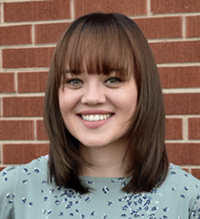
Sarah Min (BS ’93, journalism) has been appointed by President Biden as one of the commissioners to the President’s Advisory Commission on Asian Americans, Native Hawaiians, and Pacific Islanders. 

The Commission will advise the President on ways the public, private, and non-profit sectors can work together to advance equity and opportunity for every Asian American, Native Hawaiian, and Pacific Islander (AANHPI) community. The Commission is also charged with advising the President on policies to address anti-Asian xenophobia and violence, ways to build capacity in AANHPI communities through federal grantmaking, and policies to address the intersectional barriers that AANHPI women, LGBTQ+ people, and people with disabilities face. 

Min is an advocate and former media executive. From 2013 to 2019, Min was an independent consultant, working with clients such as HBO, Penguin Random House, and other nonprofits. Previously, she served as executive vice president for marketing and corporate development for ScrollMotion, an enterprise software company. Min also was the managing editor of Vibe and Domino magazines, a director at media company Bertelsmann, as well as president of literary publishing company McSweeney’s. She serves as a director on nonprofit boards, including Color of Change and EMILY’s List, and has been engaged in grassroots organizations, including the Korean American Community Foundation and the Asian American Power Network.

Read the White House press release.

Sarah Min

Marcotte publishes picture book for children

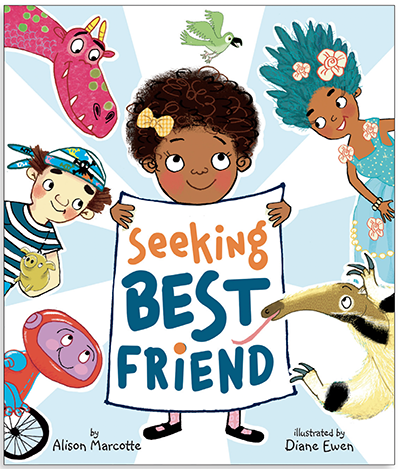
MarcotteAlison Marcotte (BS ’15, journalism) will have her first children’s picture book, Seeking Best Friend, published on January 25, 2022, by Beaming Books. 

“After graduating, I continued to pursue my passion for storytelling and started a career as a children’s book author,” Marcotte said. “The College of Media was instrumental in developing my writing style and voice and building my confidence as a writer.” 

In her humorous picture book, a child sends out an open call for a best friend and the most unlikely candidates apply for the job. Her book will be available at independent bookstores, Barnes & Noble, Target, Walmart, Amazon, and other retailers. 

Marcotte is a Chicago-based picture book writer. She’s passionate about writing stories that are authentic, funny, hopeful, and filled with heart. She’s a member of the 12 x 12 Picture Book Writing Challenge, SCBWI, Chicago Writers Association, and Off Campus Writers’ Workshop, and a freelance writer for American Library Association’s American Libraries magazine.

Marcotte book

Illinois Student Newsroom at IPM trains students alongside professionals in new campus collaboration


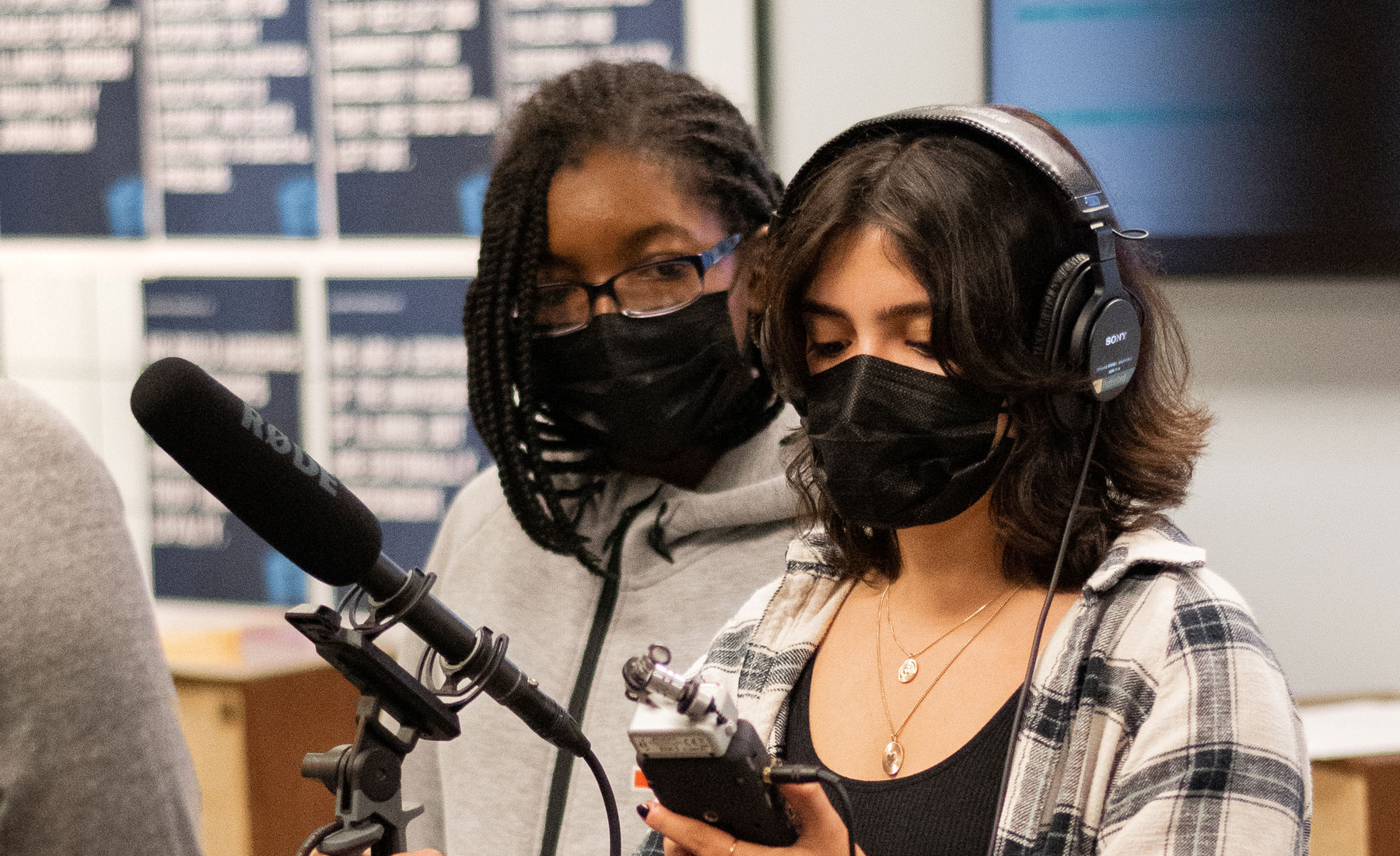
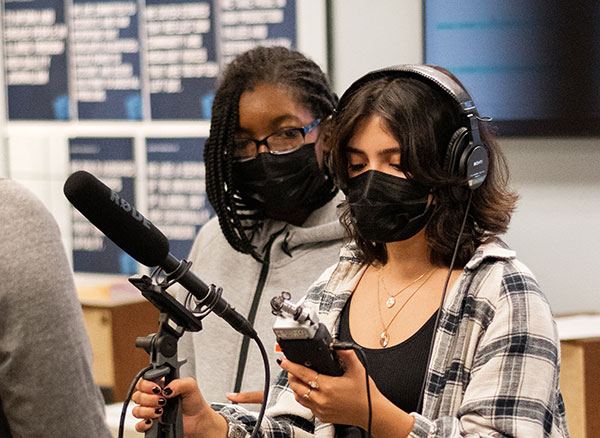
Illinois Student Newsroom students
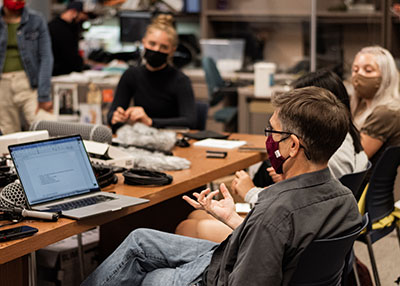
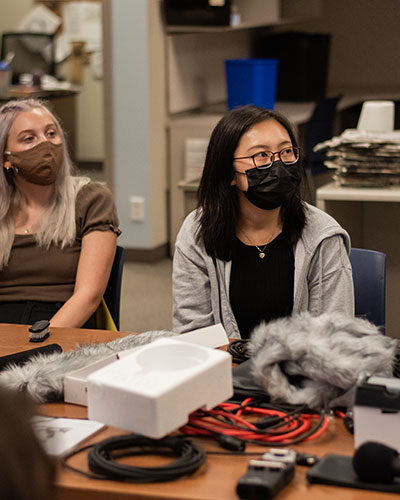
Students learn about audio tools in the Illinois Student Newsroom at Illinois Public Media. (Photos by Isabella Pennebaker, photography intern.)

Illinois Public Media and the Department of Journalism are thrilled to officially announce the founding of the Illinois Student Newsroom at Illinois Public Media—a collaborative place for journalism students to work side-by-side with professionals in all facets of a public media newsroom. 

“The Illinois Student Newsroom at IPM is a great reflection of our educational strategic priorities at the College of Media,” said Dean Tracy Sulkin. “We’re bringing together two parts of the college—IPM and the Department of Journalism—to foster experiential learning.” 

“Illinois Public Media is proud to support the next generation of upcoming journalists through this new student newsroom initiative, created in partnership with the Department of Journalism,” said Moss Bresnahan, executive director of IPM, which is a non-profit public media service of the College of Media.

“IPM is an ideal space for students to gain experience working in the field, while receiving personal guidance from journalists, and producing content for a professional media organization,” said Professor Stephanie Craft, head of the Department of Journalism.  

The program is led by Chris Evans, clinical assistant professor in journalism (pictured at right). His position was created in 2020 to facilitate students gaining real-world experience at IPM. The Illinois Student Newsroom at IPM offers space for students to learn how to report, write, interview, and anchor, as well as build a portfolio of work across audio, video, and multimedia platforms, right in the heart of a dynamic working newsroom.

“Student journalists can now produce segments, create multimedia content, and experiment with a variety of tools, while also gaining a unique experience in a fast-paced professional environment and supporting our public service mission,” Bresnahan added. 

Chris Evans in class

In the past year, as the Illinois Student Newsroom was being developed, Evans has connected students with the IPM news team to produce impactful journalism for the greater central Illinois community. 

“We have already shown if they’re willing do the work, a first-year student has as much of an opportunity to get on the air as a senior or even a grad student,” Evans said. “And as an educator, it’s been just thrilling to watch the students grow and thrive and begin their careers here at Illinois Public Media. The fact that the students have already started winning state and national awards for their work is awesome, too.”

For example, as an inaugural member of the Illinois Student Newsroom last year, Farrah Anderson—now a sophomore in journalism and senior student producer—reported on University of Illinois athletes’ response to the Black Lives Matter movement and their decision to lead a march in August 2020, which earned her first-place accolades in the Student Spot News category of the Public Media Journalists Association Awards.

“My experience with the Illinois Student Newsroom has been formative in my career as both a journalist and a multimedia storyteller,” Anderson said. “As a reporter, I was plunged into the world of audio storytelling and had the opportunity to report on the University of Illinois Urbana-Champaign campus and the surrounding community. By moving into my role as a producer in the student newsroom, I now edit and mentor other students that were in my same position just a year ago.” 

Illinois Student Newsroom students

Not only do the students learn from the professional journalists and journalism educators, but the program is also structured where they can learn from each other. Both Anderson and fellow inaugural member, Vivian La, a sophomore in journalism, have gone from student reporter to senior student producer in their short tenure. 

“I’ve really enjoyed guiding new reporters on the complexities of audio journalism,” La said, “and hearing their stories on the air is so exciting! I’m very honored to be a part of the newsroom and tell stories that impact our local community. With the guidance of Professor Chris Evans and some of the full-time reporters, I’ve learned something new every week that solidifies my interests in the wide world of journalism.”

The newsroom experience also ensures that student reporters receive professional mentorship and feedback along the way. 

“The Illinois Student Newsroom at IPM helps put more central Illinois voices on the air,” said Reginald Hardwick, news and public affairs director for IPM. “These talented University of Illinois journalism students help cover the news on-air and online while working alongside some of the best journalists in public media. We’re glad to broaden coverage, but we are also delighted to help guide the careers of America’s next generation of storytellers.”

Follow the students’ work at will.illinois.edu/studentnewsroom and hear their stories on WILL-AM 580 or illinoisnewsroom.org.

Media faculty and TAs make list of teachers ranked as excellent

Congratulations to all of the College of Media faculty and teaching assistants who were ranked as excellent by their students!

This list is based on Instructor and Course Evaluation System (ICES) questionnaire forms completed by students during the Spring 2021 semester. Only those instructors who distributed ICES forms at least once during this time period and who released their data for publication are included in the list. View the complete list.

Note: * denotes that the instructor ratings were outstanding.

ADVERTISING

JACOB FISHER – ADV 305

STEVE HALL – ADV 150

CHANG-DAE HAM – ADV 460

JACQUELINE HITCHON – ADV 283

* TERRY KASDAN – ADV 409

* AMANDA MABRY-FLYNN – ADV 283

* SHACHAR MERON – ADV 498

MICHELLE NELSON – ADV 582

SANG-HWA OH – ADV 410

* MARISA PEACOCK – ADV 350, 491

PETER SHELDON – ADV 390


JOURNALISM

CHRISTOPHER BALL – JOUR 199

STEPHANIE CRAFT – JOUR 250

KEN ERDEY – JOUR 445

CAROL LOMBARDI – JOUR 220

* JEAN MCDONALD – JOUR 460

ERIC MEYER – JOUR 425

MARGARET YEE-MAN NG – JOUR 460

NIKKI USHER – JOUR 199, 452


MEDIA & CINEMA STUDIES

* VICTOR FONT – MACS 480, 481

JOSH HEUMAN – MACS 320

SUSAN MUIRHEAD – MACS 372

HARSH TANEJA – MACS 572
 

TEACHING ASSISTANTS

S. DAS – MACS 100

Y. GAO – MACS 100

Y. LEE – ADV 281

* G. MALO – MACS 101

A. MUKHOPADHYAY – MACS 100

J. PYO – MACS 100

Balz receives inaugural College of Media Distinguished Alumni Award


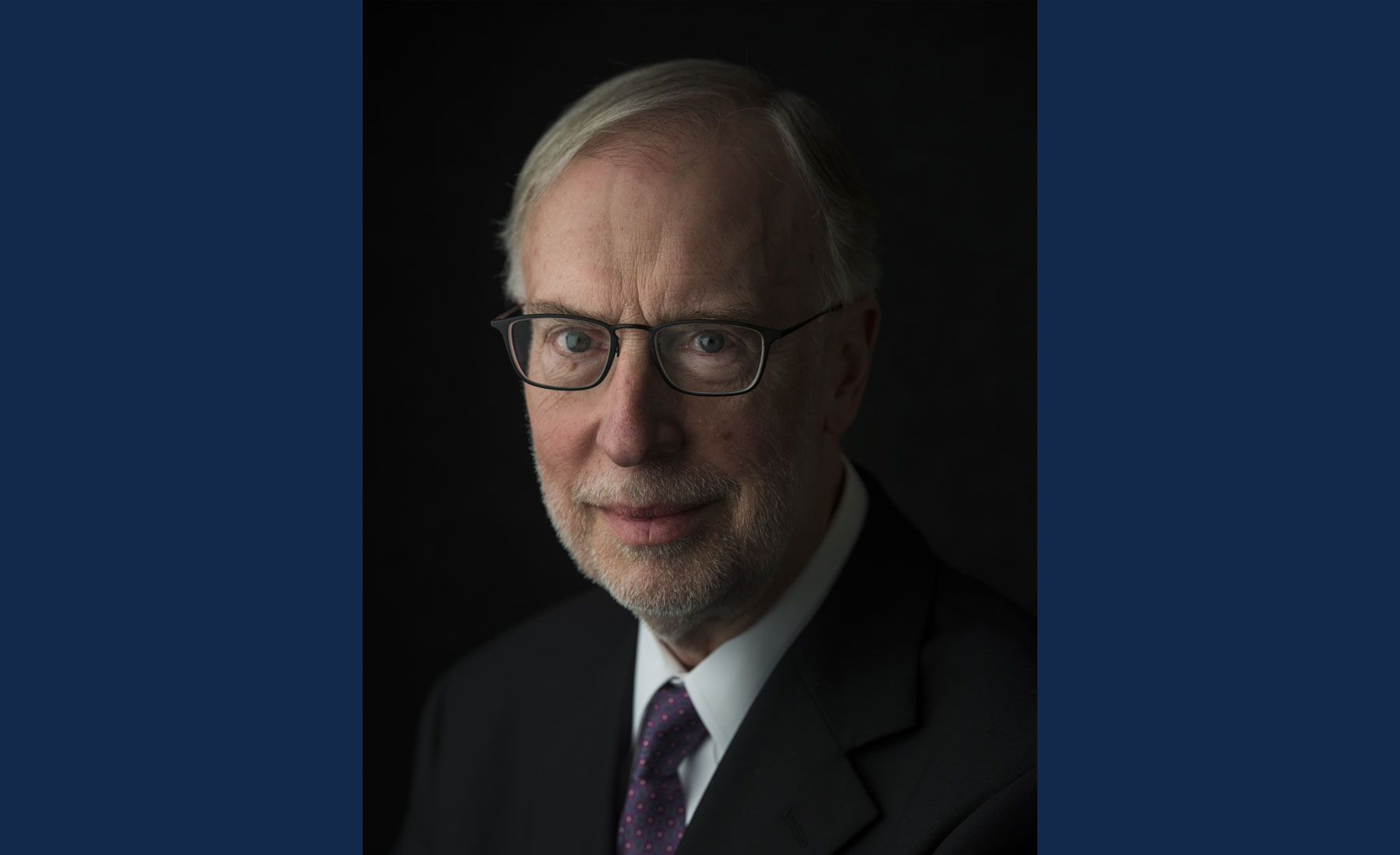
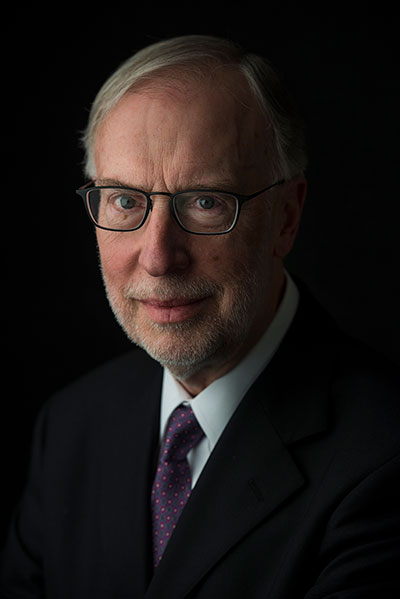
Dan Balz
(Photo of Dan Balz by Melina Mara, photojournalist at The Washington Post.)

When Dan Balz (BS ’68, MS ’72, journalism) arrived at the University of Illinois, he had no idea that he would choose journalism as his lifelong profession. His older brother, the late Doug Balz, who was also a journalism alumnus, had recommended that he join The Daily Illini. It was there that he fell in love with the craft as well as the camaraderie that he shared with fellow student journalists. 

Balz, chief correspondent at The Washington Post, said his Illinois education and the College of Media have shaped his life and career in all kinds of ways, “from the classroom learning, to the mentoring from faculty members, to working on The Daily Illini, to the friendships that have been maintained. I am incredibly grateful for all of that.” 

He has held a unique vantage point of history in the making, covering national politics since joining The Washington Post in 1978. He is also a regular panelist on PBS’s Washington Week, a frequent guest on other public affairs programs, and the author of several books on politics and elections, including two bestsellers.

Because of his extraordinary career, Balz has been selected as the inaugural recipient of the College of Media Distinguished Alumni Award.

“This new annual award honors an alum whose career accomplishments and engagement with the College of Media are exemplary,” said Dean Tracy Sulkin. “Dan has greatly contributed to the profession of journalism, reporting on our democracy for four decades, and has generously supported the College of Media and our students over the years.”

“I really enjoy political reporting,” Balz said. “You get to go around the country, you learn about the politics in different states—which every state has its own rich political heritage—and it gave me the opportunity to cover presidential campaigns and to see the evolving nature of the person who eventually gets elected as the President of the United States.” 

After working as a Capitol Hill intern during his sophomore year, Balz knew that he wanted to go to Washington, D.C., as a reporter. For most of his career, he has had front-row seats to the presidential candidates before they are bound by the trappings of the Oval Office, and he gets to observe how newly appointed presidents handle high-pressure situations. 

For him, a presidential campaign is like a Rorschach test for the nation. 

“The candidates are important, obviously, but a lot of it has to do with the mood of the country and what voters are looking for, and trying to understand all those forces that come together as a campaign,” Balz said. “To me, that has always been stimulating and that has always been different, so it keeps you fresh.” 

Balz described political reporting as part biography. “You are watching people, and learning about people, and writing about people. But it also gives you a chance to understand the country and its history.” 

Some of his most memorable stories include covering the election of President Barack Obama and the death of Princess Diana. 

“The 2008 election campaign was just infused with history and the competition between [Barack] Obama and [Hillary] Clinton was unlike anything that I have ever covered in a presidential campaign,” Balz said. 

“The death of Princess Diana was also just an incredible story, in part because it was so revealing of the country as a whole, and the outpouring of anger towards the Royal Family and the tabloid media,” he added. 

He said the most rewarding part of his career is to have been at The Washington Post for as long as he has been. He considers it to be a great fortune to have worked under talented editors and to continuously learn from other members of the newsroom for more than 40 years. 

“In a sense, I have had to reinvent myself every few years as faces change and demands change and stories change,” Balz said. “That, for me, journalistically, has been the greatest thing.” 

For journalism students, Balz shared: “As you start out as a journalist, you will see that every great journalist, no matter what they do, there’s intellectual curiosity, desire to read widely, a fundamental energy to chase and get the story, and a self-critical nature of never believing you’ve figured out how to do the job as good as it ought to be done.” 

Davis receives inaugural College of Media Emerging Leader Award


Suheily Natal Davis

Suheily Natal Davis (BS ’04, broadcast journalism), senior director of global diversity, equity, and inclusion at McDonald’s, has led a life of championing others through her professional and personal endeavors. 

She felt the difference that a welcoming community and a strong support system can make during her time at the University of Illinois.

“I think there were so many instances where such a big school felt very cozy and warm because of how other diverse students looked out for some of us who were coming in, especially from Chicago,” Davis said. 

Davis notably has compassion for others—whether helping people navigate the legal system, encouraging underrepresented populations to work in law, or providing resources to expectant families.

Because of the impact of her work and volunteerism, Davis has been selected as the inaugural recipient of the College of Media Emerging Leader Award. 

“We created this new annual award to honor an alum whose early career accomplishments and engagement with the College of Media are exemplary,” said Dean Tracy Sulkin. “We’re proud to acknowledge the important work that Suheily has dedicated her career to, while serving her community in leadership roles, and engaging with and supporting students in the College of Media.” 

Davis currently serves on the board of directors for the Illinois Equal Justice Foundation and the National Employment Law Council. She previously served on the College of Media’s Leadership Council, on the board of directors for the Diverse Attorney Pipeline Program, and on the associate board for CARPLS, the largest provider of free legal aid to Chicago area residents. Davis also stays very close to her roots on the south side of Chicago through the graduate chapter of her sorority, Alpha Kappa Alpha Sorority Incorporated, by working on mentorship programs aimed at supporting young girls from her neighborhood. 

Davis has also held leadership roles in legal organizations aimed specifically at increasing the meaningful retention and participation of women of color in the legal profession, both the Puerto Rican Bar Association of Chicago and the Black Women Lawyers’ Association of Greater Chicago. In 2017, Davis was named by the Chicago Daily Law Bulletin as one of the top 40 attorneys under 40 to watch.

“In my house we didn’t always have much, but what we did have we always shared with anyone who needed it. The truth is, I would not be in the rooms I am in today had it not been for others who invested in my development and brought me along with them,” Davis said. “The least I can do to honor the people who created opportunities for me is to help open doors and break down barriers for others. The experiences I have had serving my community, legal or otherwise, have helped give me so much perspective and serve as constant reminders that we are all better when we work together.”

She joined McDonald’s Corporation in 2014 as senior counsel for global labor and employment, where her work primarily focused on counseling around issues of fair treatment in the workplace, including maintaining a safe and respectful workplace free of harassment and discrimination of any kind. In 2019, after working exclusively with McDonald’s U.S. business, Davis transitioned into the role of general counsel for McDonald’s Latin American markets.  During her time in the legal department, Davis helped develop and lead the legal department’s diversity, equity, and inclusion strategy. She was promoted this year to her current role, in which she partners with the McDonald’s U.S. leadership team to drive strategic diversity initiatives. 

“The role combines my passion for equity and fairness with my love for counseling, people, development, and community service,” Davis said. “My best days are when I get to work alongside one of our leaders to help them grow in their journey to be more inclusive and empathetic, or when I get to weigh in on how our brand will use our size and scope to produce meaningful change in society. This is a big, new role with a lot of responsibility, but I am honored that I get to do this work.” 

Her roots in journalism stemmed from being fascinated with news and people’s stories. (So much so that her childhood punishment was that she couldn’t watch the news or her favorite investigative shows, 20/20 and Dateline.)

“I think that journalism to me felt like a very good vehicle to learn more about people and how they function, what makes them tick and also to think about whose stories are being told and whose stories are being left behind,” Davis said. 

It was during a First Amendment course in journalism at the University of Illinois when Professor Steve Helle, noting that the subject matter sparked excitement in her, pulled her aside and asked if she ever considered pursuing law as a profession.

After discussing it with her family, she decided to follow that career path and eventually earned her JD from DePaul Law School.  

Other experiences at the University of Illinois influenced her dedication to inclusion. 

She recalled how she was the only person of color in her first class as a college student and realized she would need to navigate spaces with people of different backgrounds, communicating about differences, and across cultures. 

“I feel like I grew a lot,” Davis said. “I was stretched in different ways beyond just academics. That concept of lifting while you climb and making room at the table for everyone, that collaborative nature, is something that was fostered at the time I was in college.” 

Davis has been lifting others in many ways. Six years ago, she and her husband started a foundation called The Perfect Cadence following the tragedy of losing their daughter. The foundation provides baby showers and celebrations for families who do not have access to resources, and it also provides support for families who have experienced similar losses. 

“For me, frankly, I had to give some sort of meaning to that loss to be able to cope,” Davis said. “The foundation was a way to create memories that could stand in place of the memories that we couldn’t have with our daughter, and it’s given us just that.” 

Davis has come a long way since being a college student who regularly battled self-doubt. She offered words of encouragement for current students: 

“Trust that you are here for a reason, your voice matters, your instinct and your presence are valuable,” Davis said. “There’s frankly so much in the world to deter you and you may have your own difficulties or conflicts, but trust that you are right where you are supposed to be and take a moment to enjoy what’s around you.” 

Seattle Times editor Iniguez to be alum speaker at virtual ceremony for December grads


Alex Iniguez

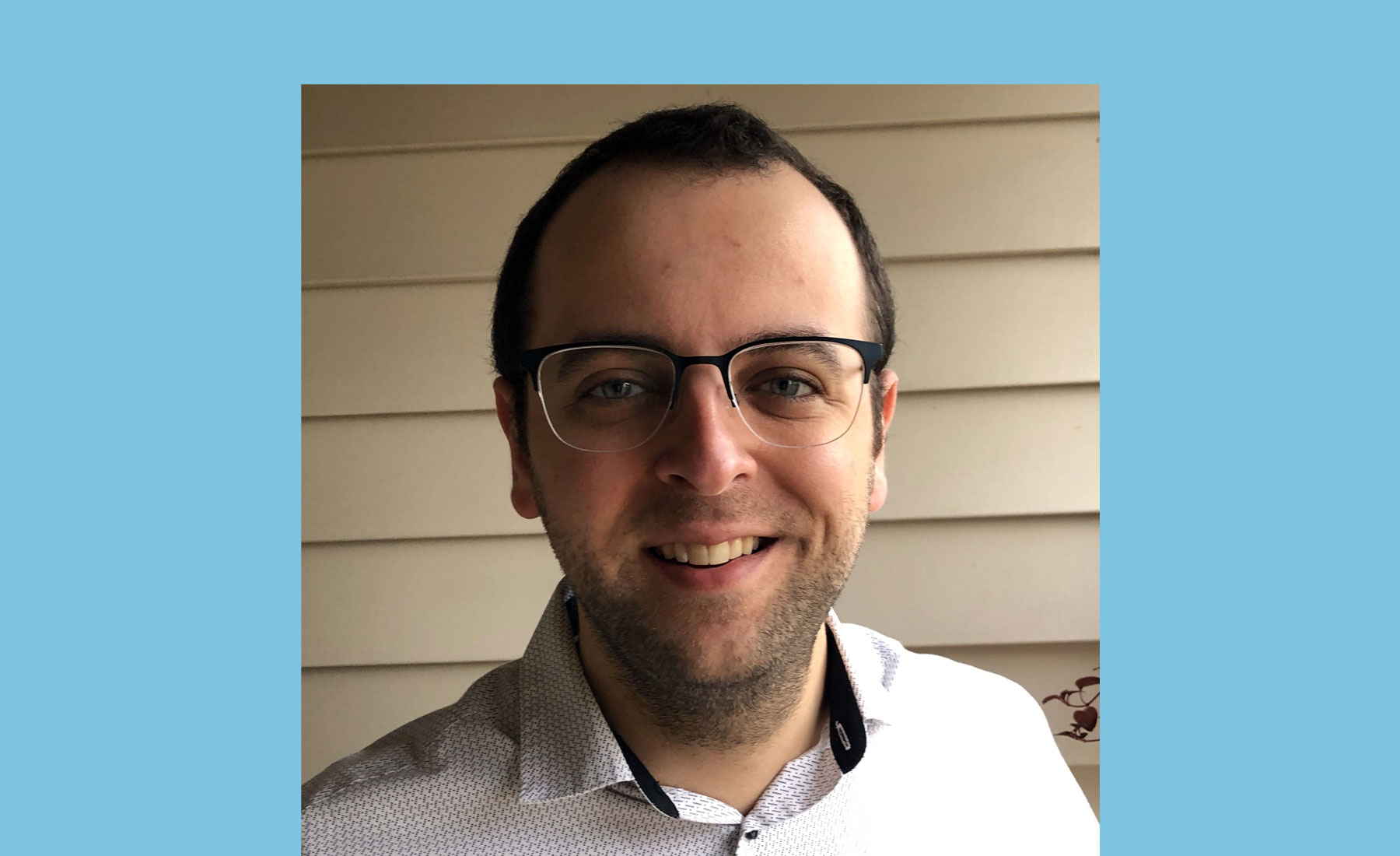
According to Alex Iniguez (BS ’11, journalism), assistant metro editor at The Seattle Times, one thing that can’t really be taught in college is “the grind”—a daily devotion to work that helps manage tough days on the job. However, Iniguez said his time as a journalism student prepared him to work hard, regardless of his career path. 

“My College of Media degree is worth a lot to me, first and foremost,” he said. “I felt like I thrived in a smaller environment in the College of Media compared to the large U of I umbrella, which was a good fit for me in other ways. And I’d be remiss to not mention [The Daily Illini]. The DI was a huge part of my development, and I still meet people who worked at the DI in the wild, which is always a pleasure.”

Iniguez was selected to be the alumni speaker at a virtual ceremony to honor College of Media December 2020 graduates.

“Alex has broad news coverage experience, having reported on both sports and recent events, including the protests, in Seattle. As a recent alum, and an emerging leader in the media industry, he will have helpful advice to share with our newest graduates,” said Dean Tracy Sulkin.

Previously an assistant sports editor at The Seattle Times, Iniguez was promoted to assistant metro editor, effective November 30. His job shifted focus this summer when he spent four months assisting with coverage of the coronavirus pandemic and racial justice protests before returning to sports.

“My previous stint in metro earlier in the pandemic made me finally accept and truly know my skills are transferable,” he said. “I can work in metro for the same reasons I can work in sports. If you’re a well-rounded and prepared journalist, the possibilities are great.”

He took on the role as editor for The Seattle Times’ news section over the summer at the height of the George Floyd protests, which he said was a fascinating experience. During a couple of shifts, he took feeds from reporters via email, Slack, and WordPress, and published them to the newspaper’s website in real time, “providing a valuable and up-close look at our community.”

“I enjoyed understanding the protests and protesters better, which I largely accomplished by watching hours of [Facebook, Periscope, and Twitch] livestreams from the streets. Seeing that kind of passion, relentlessness, and dedication, and understanding where and why those feelings exist was inspiring and made me understand our world more,” he said. 

At The Seattle Times, his coverage has included the Seattle Sounders’ 2019 Major League Soccer Cup title; the establishment of a National Hockey League team in Seattle and the announcement of its name; former Seattle Mariners Major League Baseball player Ichiro Suzuki’s retirement in Japan; Seattle Seahawks quarterback Russell Wilson’s midnight contract extension; and political donations made by the Seahawks.

Recognized for his talents, Iniguez was accepted into the Poynter Institute’s 2021 Leadership Academy for Diversity in Digital Media. The yearlong program trains journalists of color working in digital media to thrive, fosters honest discourse about the challenges for journalists of color in management roles, and provides the connections, confidence, and skills to confront them.

He said the most rewarding aspect of his career is his ability to work with journalists who have the same level of curiosity as his own. 

“We get to take our curiosities, spend time researching them, and, ultimately, provide some information that might help people understand their surroundings more,” he said. “That’s a powerful feeling.”

For aspiring journalists, he has one message: Brace yourself. 

“I don’t mean that as a warning,” he said. “But journalism is a wild ride. You never know what you’ll see or hear, and you never know where your work might take you. It’s a thrilling career, if you’re willing to go for a ride.”

Furthermore, he wishes December 2020 graduates well with their future. 

“I know this is a really hard time to be coming out of school, but if you turn on your survival mode, you will figure it out,” he said. “You have time to find your place, personally and professionally. Take the time to think intently about where you want to be and what kind of person you want to be. That will guide you on your career path.”

College of Media establishes new minors and adds new courses


The College of Media is pleased to announce a number of new and innovative curricular opportunities, including a new interdisciplinary minor in media, a minor in critical film production within the Department of Media & Cinema Studies, and new courses across all three departments that address emerging trends in the media industry. 

MEDIA MINOR

The media minor, established this fall, is available to students outside of the College of Media, and offers a variety of courses from the Charles H. Sandage Department of Advertising, Department of Journalism, and Department of Media & Cinema Studies. Suggested courses for the minor are grouped in themes of diversity, social media, sports, content creation, history, and more. 

“We’re so excited to be able to offer a media minor,” said Katie Clark, senior assistant dean for student services. “So many of our courses are of interest to students across campus and this minor gives them an opportunity to take these courses in a meaningful, guided way. We know how beneficial it will be to prepare students for the job market by teaching them media-specific skills, which they can apply to any field of interest.”

For example, Media courses could help an engineering student learn what is needed to patent an invention, understand the target audience, and communicate the idea. A social work student might be interested in the power of film to bring attention to a particular social problem. A biology or chemistry student might want to pursue science communication and also understand social media strategy. 

“What we teach here in the College of Media complements well the educational and career goals of many students across campus,” said Dean Tracy Sulkin. 

To complete the minor, students must take an introductory course in each of the college’s three departments, and then choose three advanced courses from at least two different departments in the college. 

CRITICAL FILM PRODUCTION MINOR 

The new critical film production minor is an expansion of the existing media production certificate, which provides students with media-making skills. 

“The critical film production minor is not ‘film school’ in the traditional technically-focused sense,” said Derek Long, assistant professor of media and cinema studies. “Making thoughtful media in the 21st century requires so much more than just knowing how to use the camera on your smartphone.” 

While the minor’s curriculum trains students in advanced technical skills for creating moving images and sound, it also emphasizes that students should create media with the same critical eye that they use to read, write, and conduct research.

That’s an important step, Long said, toward building a more inclusive and reflective culture in the media industries, and it requires knowledge of film and media history, theory, and criticism. The critical film production minor’s core courses and electives combine those technical aspects of mediamaking with critical studies.  

According to Long, all of the minor’s core courses involve video production and editing projects. MACS 150: Intro to Digital Media Production introduces students to other forms of mediamaking, such as photography, digital image manipulation, web design, and podcast production. In the critical studies electives, students can conduct research using old film magazines and pressbooks from the late Pulitzer Prize-winning film critic and journalism alumnus Roger Ebert. The elective courses offer a variety of assignments, from organizing a film festival to participating in a fantasy box office competition.  

“Illinois alum Roger Ebert called cinema an ‘empathy machine,’ and this notion is central to the main goal of the minor: to enable students to be empathetic leaders in the world of cinema and media at the same time that they share their ideas with a digitized world,” Long said.

The minor is a great choice for students interested in careers such as film production and distribution, as well as advertising and public relations. “Students interested in the critical study or production of any kind of art—be it visual, musical, or something else—will also find the minor attractive,” Long added. 

The most useful training that the minor will provide students is learning how to work as part of an inclusive team, Long said. Effective media producers know that while technologies become outdated every year, interpersonal skills never stop being useful. 

NEW COURSES IN DATA STORYTELLING AND NEW MEDIA

The Department of Journalism has added two new courses where students can gain experience with data science applications and new media technologies.

JOUR 460: Data Storytelling

JOUR 460: Data Storytelling teaches students the power of data, which can help them to tell a better story. 

“Data alone can tell them who to interview,” said Margaret Ng, assistant professor of journalism. “Data can be a driving point for them to really find out where the story is so that they can approach their interviewee or sources more appropriately.”

The class focuses on four objectives: how to obtain the data, clean the data, analyze the data, and present the data. 

The new course has attracted students from the journalism department and other disciplines within the College of Media, as well as graphic design, statistics, and computer science majors. 

In a newsroom, there are more than journalism majors, Ng pointed out, citing frequent collaborations between data scientists, graphic designers, and journalists. While computer scientists may already have substantial software or coding skills, they may not have experience with putting data into real practice and solving newsworthy questions. 

Students will also gain experience with how to properly file Freedom of Information Act requests to government agencies and how to make an appeal if they receive a rejection.

Ng hopes all students, no matter what their major is, learn how to gather and communicate data ethically so they can present their findings in a much more engaging way to their audience.

JOUR 199: New Media, Society, & You

When designing JOUR 199: New Media, Society, & You, Christopher Ball, assistant professor of journalism, selected critical topics that are currently being shaped by new media use, as well as articles that discussed the pros and cons of new media technologies. 

The goal, Ball said, was to create a course that surveyed the ways that new technology is integrating into our lives, while also seeking a more balanced understanding of their role in modern society.

An essential part of this course is using new media technologies in creative ways, including the creation of a personal blog that they will use to showcase a variety of new media projects. Students will also create timeline infographics, diagram their information diets, analyze social media profile pictures, and create short YouTube videos.  

“In our excitement (or apprehension), we often say that these new media technologies are ‘changing our world/lives,’” he said. “However, I hope that students leave my class with the knowledge that these technologies are not changing our lives directly. Instead, it is how we choose to use these technologies, both collectively and individually, that is changing our lives. So, let’s figure out how to use them best.”

Many of the projects in this course will involve using new media in novel ways. For instance, students will learn a new skill while only using YouTube videos and web forums. 

“The goal is that students will not just learn about new media; they will use it while reflecting on some of the ways to leverage them in their career or personal life,” he said.  

Ball looks forward to hearing his students’ perspectives and thoughts on emerging technologies, since most are already “expert users.” 

“I hope that students enjoy the course and that it helps them to see the interactive technologies surrounding them a bit differently,” he said. “I also hope that my class empowers my students to use these technologies to improve their lives and, ultimately, the world around them. There is no better time to learn about new media technologies than right now.”

NEW COMPUTATIONAL ADVERTISING COURSE 

In the new ADV 461: Computational Advertising course, students will learn technologies including “web-search, auctions, behavioral targeting, and mechanisms for viral marketing that underpin the display of advertisements on a variety of locations.” One section of the course is designed for advertising majors, taught by Ewa Maslowska, and the other section, for computer science (CS) + advertising majors, emphasizes programming and computer science.

“Computational advertising relies more and more heavily on behavioral data, which often are digital by nature. In this class, we discuss what insights advertisers can gain from the traces left by consumers in the digital space,” said Maslowska, assistant professor of advertising.

Computational advertising represents a paradigm shift driven by technological developments, including the digitization of brand-consumer interactions, the availability of big data, and the development of new artificial intelligence algorithms. 

Her section of the course uses case studies to explore how different theories, methods, and evidence can shape advertising strategies and their effects. Students will gain basic analytical skills that can be applied to understanding and solving business problems.

“We explore different ways for abstraction and modeling that can be applied to advertising,” Maslowska said. 

Students will design and run an A/B test on a website, compare different tools for personality profiling, and analyze various digital data. These assignments help students to better understand the workings and limitations of the different tools that use consumer data.  

“I hope that upon completion of this course, the students will be able to understand the computational advertising ecosystem, analyze and evaluate different advertising strategies, make actionable recommendations, and reflect on the ethical and normative aspects of computational advertising, including the responsibilities of both advertisers and academics,” she said. 

The CS + advertising section of the class will be available in Spring 2021 and will focus on Internet privacy and the security of individuals as they navigate the web. Students will analyze an actual firm engaged in computational advertising. Working with massive data sets, they will learn algorithms and how companies use personalization in ads.

—Kimberly Belser, Communications and Marketing Intern
$7.5 million gift to the College of Media establishes the Richard and Leslie Frank Center for Leadership and Innovation in Media


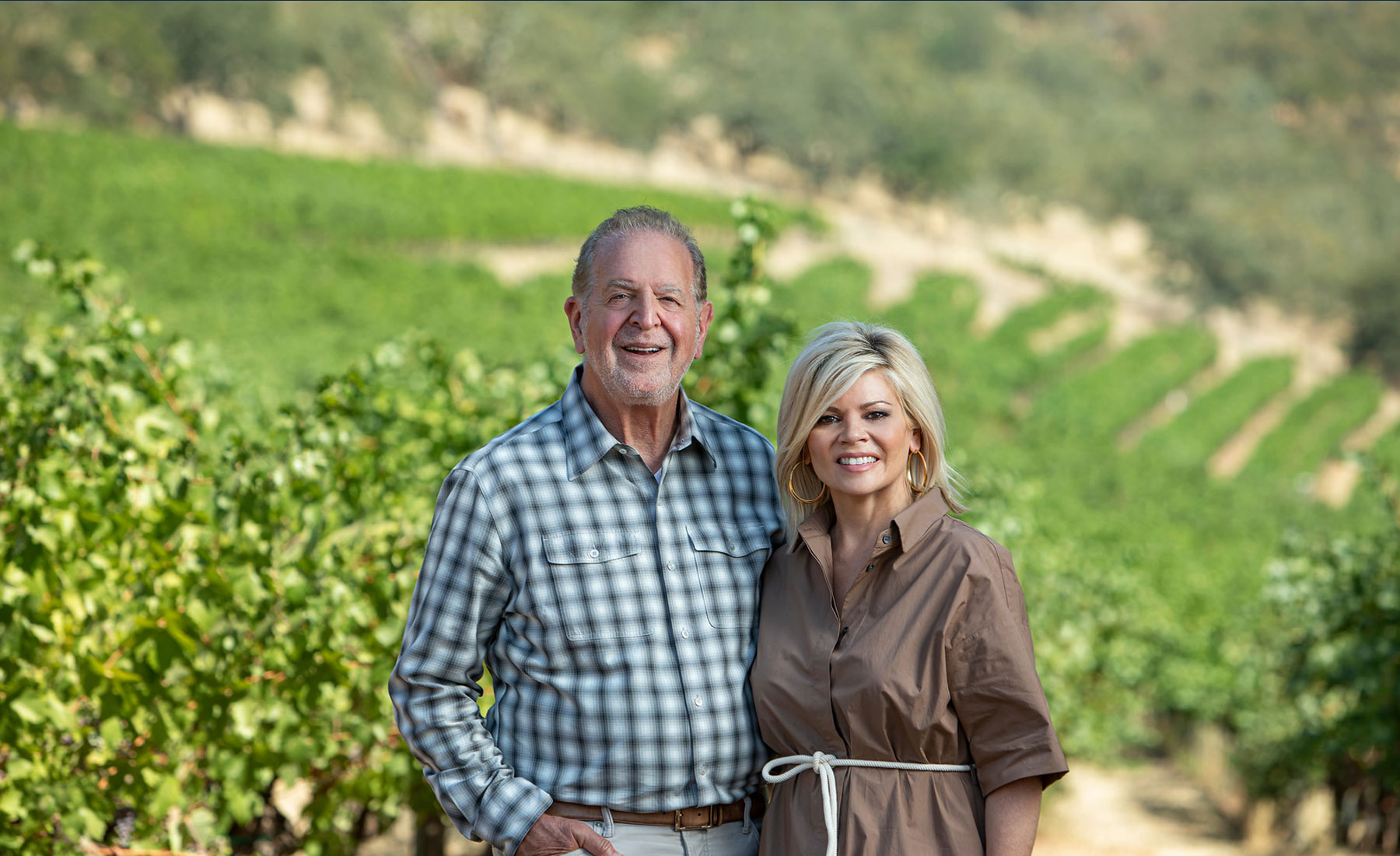
Richard and Leslie Frank
Rich and Leslie Frank have given the largest gift in the College of Media’s history to establish the Richard and Leslie Frank Center for Leadership and Innovation in Media. The center will have a transformative impact on students at the University of Illinois and will define future excellence, particularly in journalism programs.

The College of Media at the University of Illinois at Urbana-Champaign today announced that its students will benefit from a suite of enhanced professional experiences, thanks to a $7.5 million gift by Rich and Leslie Frank of St. Helena, California. The gift, the largest in the College of Media’s history, will establish the Richard and Leslie Frank Center for Leadership and Innovation in Media. 

“The opportunity this gift provides to our students who are pursuing careers in media is phenomenal,” said Illinois Chancellor Robert J. Jones. “The passion Rich has for his alma mater and his vast industry experience have combined perfectly with Leslie’s broadcast news experience to create a center that will become the perfect ecosystem for budding journalists and media professionals at Illinois.”

“Now more than ever there is a critical need for good, solid, objective journalism in this country,” said Rich and Leslie Frank. “We are encouraged our contribution will help create the highest level of learning for the next generation of journalists and that we are able to play a part in elevating the stature of the program at Illinois, making it a top destination for students and faculty.” 

Rich Frank, former president of Disney Studios, and Leslie (Miller) Frank, an Emmy award-winning broadcast journalist, both now vintners and hospitality leaders in Napa Valley, wanted to make an investment in the University of Illinois that would have an impact for generations.

The Richard and Leslie Frank Center at Illinois will develop students who are leaders in their professions by offering access to a diverse group of experts and practitioners through residencies and a speaker series, and by supporting outside learning opportunities such as professional immersion experiences, conference participation, and internships.

A portion of the Franks’ gift will be used to create a state-of-the-art broadcast facility within the Richmond Studio, and additionally to create two classrooms in Gregory Hall to accommodate the use of new technologies, and to offer space for media editing and production.

“The Richard and Leslie Frank Center will have a transformational impact on students and will define Illinois’ excellence in media fields from this point forward,” said Tracy Sulkin, dean of the College of Media. “This gift is a game-changer for the College of Media,” she added. “The upgrades to instructional facilities and the programming provided will ensure that we continue to train innovative and ethical professionals who will lead the way in their chosen fields, attract and retain the very best faculty to the Department of Journalism, and enhance our opportunities to engage with the public on pressing issues. We cannot thank the Franks enough for their generosity and commitment to shaping future generations of journalists and media professionals.”

Rich Frank, who received his bachelor’s degree in marketing from the University of Illinois, is no stranger to media. He began his career at the advertising agency BBDO in New York City before moving to Los Angeles to work as a sales Manager at KTLA. He then served as President of Chris-Craft Broadcasting. In 1977 he became President of Paramount Television Group, overseeing the creation and production of such shows as Taxi, Family Ties, and Cheers as well as the creation of the groundbreaking entertainment news show, Entertainment Tonight. In 1985 he became President of Disney Studios. Under his leadership, the studio created iconic sitcoms such as The Golden Girls and Home Improvement, and films including Good Morning Vietnam, Dead Poets Society, and The Lion King. He also oversaw the launch of the Disney Channel. Rich served three terms as President of the Academy of Television Arts and Sciences. In 2007, the Academy of Television Arts and Sciences recognized him with the prestigious Syd Cassyd Founder’s Award. In 2011, Rich received an honorary doctorate from the American Film Institute where he is currently a Vice Chairman on the AFI’s Board of Directors. Rich previously served on the board of the Motion Picture Association of America. His archival interview with the Television Academy provides a fascinating historical perspective of the evolution of modern television.  

Born in Hamilton, Ontario, Leslie (Miller) Frank began her career in Canada before crossing the border to work in some of the largest television markets in the United States. She spent more than 25 years covering many major stories including the 9/11 attacks where she reported live from ground zero in New York City, as well as from the scene of the devastating aftermath of Hurricane Katrina, and inside the courtroom at the Michael Jackson trial. Leslie spent the last nine years of her TV news career reporting and anchoring at the number one rated station, KABC in Los Angeles, where she covered politics, crime, weather calamities, as well as interviewing some of the biggest stars in Hollywood on the red carpet. Prior to Los Angeles, Leslie was the main anchor at KCPQ in Seattle, where she took the 10 pm newscast to number one in its time slot and clinched an Emmy for outstanding news anchor.

Today, Rich and Leslie live in the Napa Valley and run one of the most successful family-owned and -operated wineries in the region, Frank Family Vineyards. Established in 1993, the winery is well regarded for its estate-driven still and sparkling wines. 

Rich and Leslie return to the Illinois campus frequently, speaking with students and faculty in both the College of Media and the Gies College of Business and advising journalism students on their television news broadcasts and resume videos. 

For more information, contact Sue Johnson at the University of Illinois Foundation at (217) 244-7114 or johnso16@uif.uillinois.edu.

DEV College of Media
119 Gregory Hall
810 S. Wright St.
Urbana, IL 61801
217-333-2350