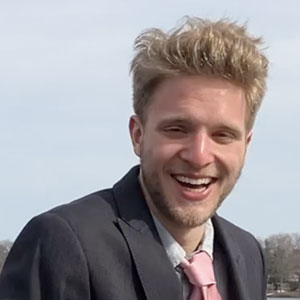
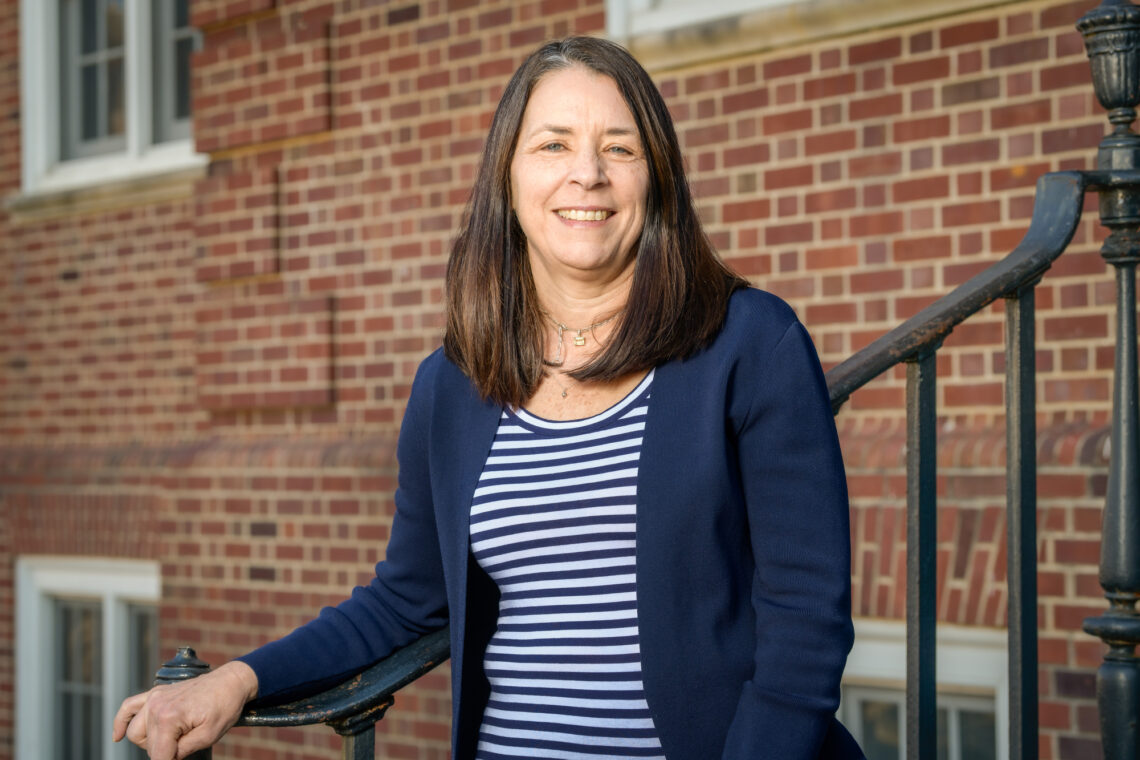
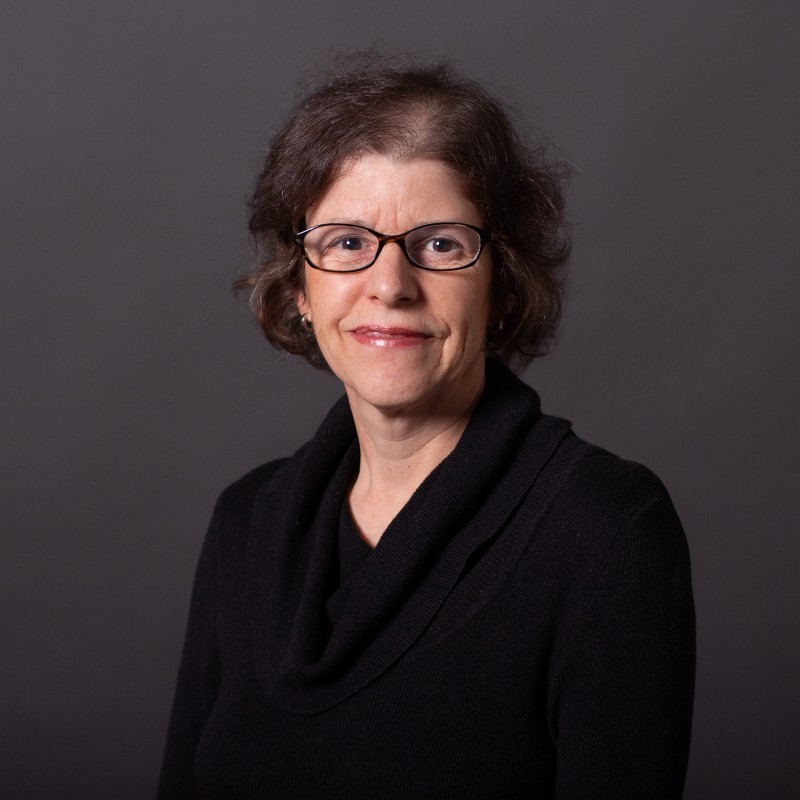
Get to know some of our College of Media students! Aaron Anastos is a Class of 2026 dual degree student majoring in journalism and anthropology.
What made you choose journalism at Illinois? My older siblings went to Illinois, so I was already familiar with the campus. I started off as an undeclared major but by getting involved in The Daily Illini and UI7 Newsroom, I started to realize how much I enjoyed storytelling. Illinois has such a strong journalism program that I ended up declaring my major in journalism.
What student organizations have you joined? Since my freshman year, I’ve been an opinions writer for The Daily Illini and a feature reporter for UI7 Newsroom. During my time at The Daily Illini, I served as assistant opinions editor from 2023-2024. In the UI7 Newsroom, I have my own segment called, “Aaron Anywhere.” If you get involved, you slowly start to get to know everybody and build connections.
What classes have you enjoyed the most? I was lucky enough to take JOUR 205: History of American Journalism with Stephanie Craft, professor of journalism and associate dean for academic affairs, my freshman year. Dr. Craft is a very passionate professor and has a great knowledge of journalism. It gave me a really deep appreciation for the course. Another class that stands out is JOUR 217: Content Producing for UI7. It was like a boot camp for broadcasters and in that class, I learned I wanted to get involved with journalism. It also helped me make friendships that I still have today.
You were awarded the Ebert Fellow role for 2024-2025. What has this experience been like? I get the opportunity to work with Michael Phillips, a film critic for the Chicago Tribune. He mentors us on writing different pieces, such as film reviews and film criticisms. We get feedback from him and get different experiences within the film industry. We recently went to the True/False Film Festival to cover the event, and it was a really cool experience. We also hold screenings every month, curating certain films through the Ebert Center. The most recent one we did was Dog Day Afternoon.
Do you have any advice for incoming College of Media students? Do not be afraid to get involved and get out of your comfort zone. Some of the most impactful experiences I’ve had in journalism have been ones that have gotten me completely out of my comfort zone. Also, know that we have a very tight-knit community in journalism. We all have each other’s backs.
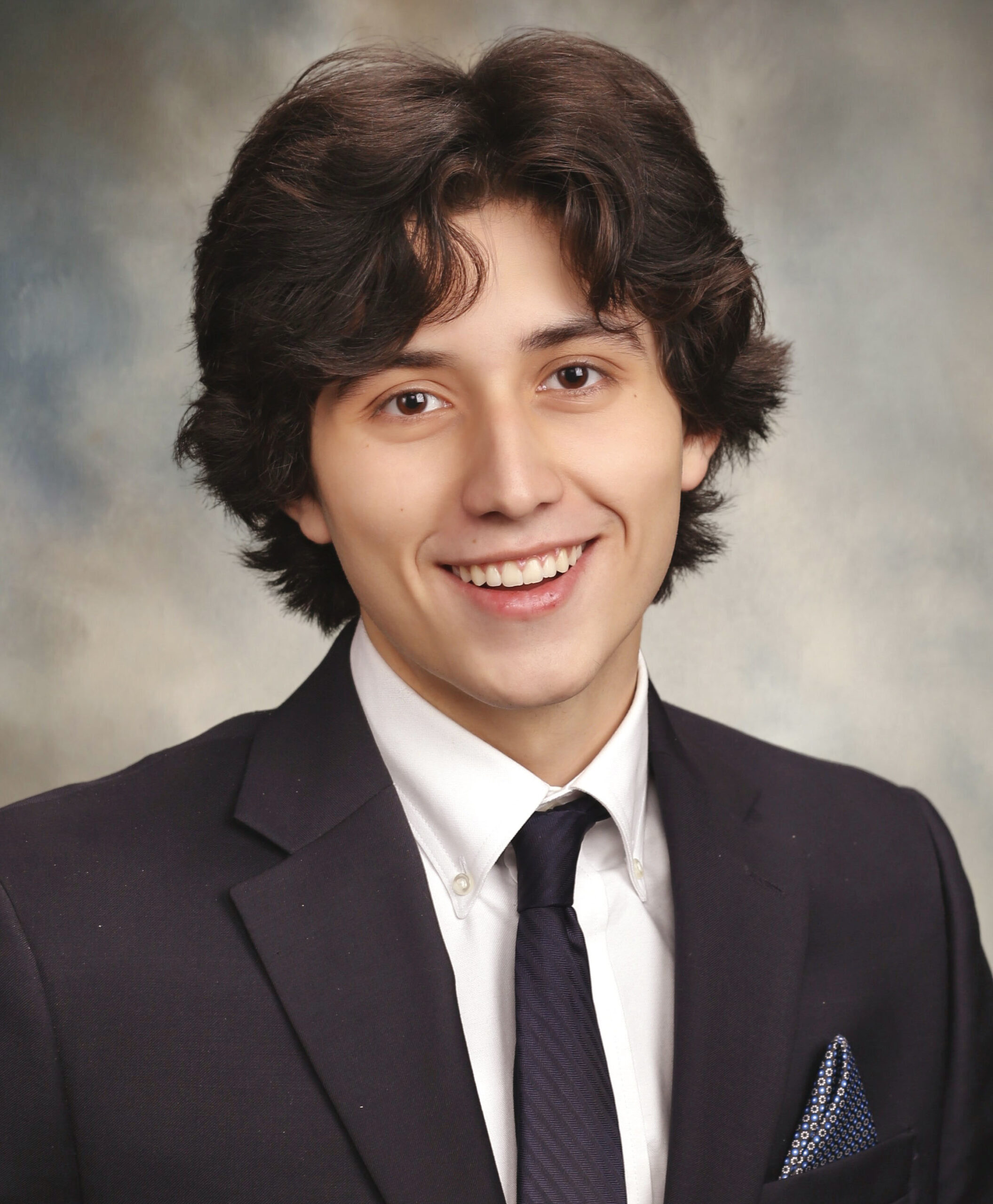
Get to know some of our College of Media Students! Nathan Gonzalez is a class of 2027 journalism major.
Why did you choose journalism at the University of Illinois? When my mom gave me my first camera, I became interested in videography and editing. In high school we had a sports broadcasting program where we’d livestream all the different games and give weekly news updates. I also gained experience in print journalism in high school through our art magazine and that piqued my interest in storytelling and how I could use different channels to tell stories. When I applied here, I saw a lot of potential in what Illinois built with their journalism program. As a first-generation college student, I didn’t have much guidance, and having the administration and faculty here being so kind and helpful has allowed me to be a stronger journalist. Had I gone to a different program, I am not sure I would been offered these experiences to become the journalist I am today. They’ve really helped me navigate what the field is, what journalism is, what broadcasting and television is, and I feel like now I’m more confident about all that.
How has being here helped you narrow down the sector of journalism you hope to go into in the future? I knew I wanted to do broadcasting, and I’ve always had a love for television. Growing up I was homeschooled and didn’t have an iPad or an iPhone, so my connection to the outside world came from watching broadcast news on television. The TV stations and the anchors were the ones who taught me about the world around me.
When the newly remodeled Richmond Studio reopened during my freshman year, I wandered around there and told Ken Erdey, the technical coordinator for Richmond Studio, I wanted to get involved. That experience further reassured me that broadcast was the right fit. I love every aspect of the newsroom, and I feel that it really helped me become a stronger journalist.
Which class at the College of Media have you found the most valuable so far? I would say the most valuable class I’ve taken is JOUR 400: Newsroom Experience. This class offers a lot of different opportunities. This was my first time getting hands-on experience with studio cameras. I learned how to write a package and how to use it to tell a visual story. I recently was nominated for a Crystal Pillar from the National Academy of Television Arts & Sciences for college students. A lot of what I learned in this class went into developing that package that got me that honorable mention.
What professional experiences will you be doing this summer? As a White House Correspondents’ Association scholar, I was invited to the White House where I met and questioned White House press secretary Karoline Leavitt on the administration’s relationship with the media. Under this program, I’ll be mentored by Jose Del Pino, international White House correspondent. This summer, I’ll also be interning at Fox News in Washington, D.C., as an assignment desk intern!
Can you talk about your recent research trip to Africa? We went to Freetown in Sierra Leone, West Africa. We were filming a documentary on period poverty. It is a very impoverished country and period products are very expensive, so girls experience mental shame due to the lack of education about what goes on.
I had never been out of the continent, let alone travel on my own, but for some reason I just thought to myself, why not? As a journalist, my job is to be, as the department likes to say, curious and fearless. So, I just said why not? Why can’t I? I feel that’s what really compelled me.
Is there a professor or faculty member at the College of Media that you’re inspired by? Someone who I’m extremely grateful for is Kenneth Erdey. He supervises the university newsroom and was one of the first people I met at Meet Media (a welcome week activity for College of Media students where they get the chance to meet their future classmates and professors). I went up to him and asked him how to become a producer. We talked for about an hour that day and, to sum it up, he told me to go to the newsroom and keep showing up. From there he’s helped me with my writing, taught me how to sharpen my work, given me advice on interviews, worked through my packages with me, and offered critiques where I needed them. He’s always ready and willing to give any advice he can. He’s always been there to give me reassurance that mess-ups happen, and that college is the perfect place to make them. He also gave me my first job and has helped me carve out my career path. I love all my professors and they’re all very talented and have helped me very much. But Ken has been there since my freshman year and I’m very grateful for that.
What advice would you give to an undergraduate student within the College of Media majoring in journalism? I would say to be honest with yourself. I live and breathe what I do because I love what I do. It’ll completely open your world. Journalism will make you connect with people in ways that you would’ve never thought of and connect with people you could’ve never imagined. I would’ve never imagined being in Africa interviewing a young girl about her struggles and challenges. It is truly an eye-opening field. Get ready because it will truly change you.
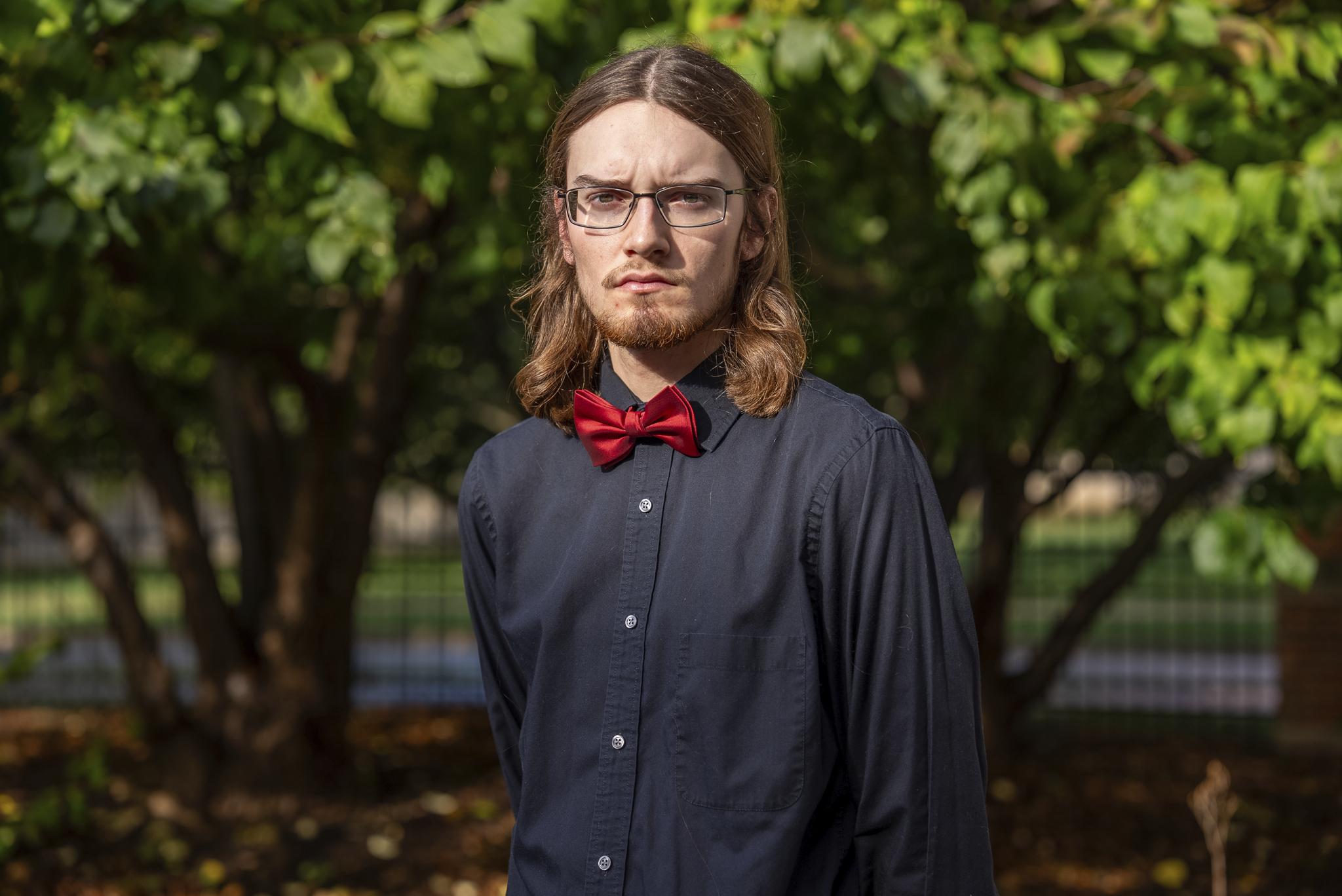
Get to know some of our College of Media students! Brendan Gallian is a Class of 2027 journalism major.
Why did you choose journalism at Illinois? After visiting other schools and learning more about the College of Media, I realized Illinois offered opportunities and experiences I wouldn’t find elsewhere, and I became more excited about what Illinois had to offer. I’m grateful I decided to attend, as it opened doors I didn’t expect when I first started my college search.
What drew you to journalism as a major? I’ve always loved sports. I played baseball growing up, collected sports cards, and I’m a huge White Sox fan. Journalism has given me a way to stay connected to the world of sports. Sports reporting allows me to combine my love of writing with the energy and excitement of the games. Once I got into feature writing, it became even more meaningful. Instead of focusing on scores and stats, I realized how much I enjoyed telling human stories, capturing the moments and people that don’t always get the spotlight.
How have your experiences outside the classroom shaped your journalism skills? Joining The Daily Illini has been one of the most essential parts of my experience at Illinois. I started as a sportswriter in Fall of 2023, covering cross country, track and field, and later, hockey. Writing two weekly stories and covering previews and recaps pushed me out of my comfort zone. I learned how to move beyond box scores and find the bigger story, like when I wrote about a soccer player scoring his first goal in front of his family. Telling stories like that showed me how much I enjoy feature writing and finding the human side of sports. Now, as the sports editor, I manage the entire sports section. I assign beats, edit articles, run weekly meetings, and make sure we maintain high-quality reporting. It’s a leadership role that taught me to be organized, work with different writers, and step up when needed.
Outside of The Daily Illini, I interned at Illinois Public Media (WILL), where I produced audio features, including a story about farmers installing wetlands to support local biodiversity. These hands-on experiences gave me a real-world understanding of journalism, helping me to become well-versed in conducting interviews and creating stories that matter.
What is one of your favorite stories you’ve written? One of my favorite stories was about a hockey player who scored his first goal in front of his family. Rather than writing a standard recap, I focused on the personal significance of the moment for the player. That experience reinforced how much I enjoy human-interest storytelling. I also appreciated covering smaller community events, like a local model train show. These stories allow me to highlight moments that may otherwise go unnoticed. They reminded me that journalism is not solely about significant headlines but about capturing meaningful human experiences.
What are your career goals after graduation? My long-term goal is to cover the Chicago White Sox for a professional publication. Although fewer journalists currently cover the team full-time, I want to help fill that gap and tell important stories about the organization. I plan to continue writing human-interest features and sports stories, focusing on the people behind the headlines. Whether I work for a traditional media outlet, a niche publication, or even a museum or historical organization, I want to keep telling meaningful stories.
What advice would you give to incoming journalism students? Believe in yourself and stay committed, even when it gets difficult. Journalism is competitive, and self-doubt is normal, but persistence is key. Try everything, join student media groups, pursue internships, and take different classes because you won’t know what you genuinely enjoy until you explore. Building relationships with professors and peers is also crucial, and the College of Media has many people dedicated to helping students succeed. Most importantly, remember that journalism is about passion. If you love storytelling, that will carry you through the challenges.
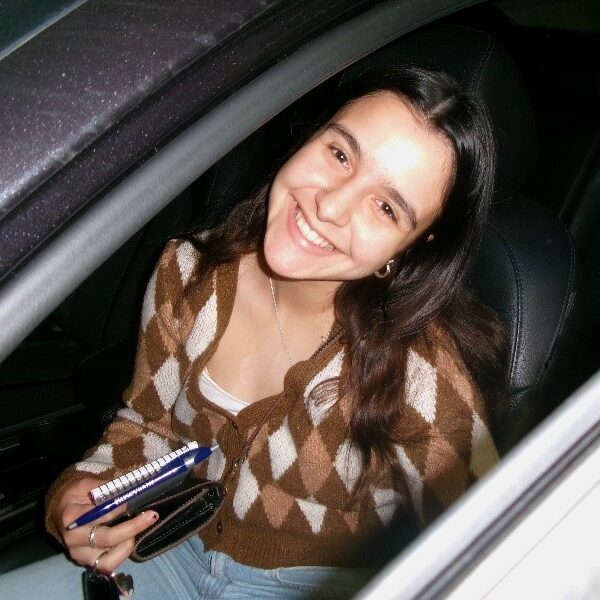
Get to know some of our College of Media students! Chloe Barbaise is a Class of 2027 journalism major.
Why did you choose journalism as your major? I’ve always loved to write since I was in elementary school and my interest in journalism came about in middle school. We took a trip to our high school’s journalism program and when I saw the media room, I started to think about journalism as a career interest. Fast forward, I knew that U of I had one of the top journalism programs, and I wanted to come here to study journalism.
What’s the most important thing you have learned as a journalism student? I would say the most important thing that I have learned is being comfortable using cameras. I did not like taking photos or videos; I enjoy the editing and writing aspects of journalism. However, last year, I took a class with Alison Davis, JOUR 215: Multimedia Reporting. Now, I’m taking another class with her, and I learned that it’s just a part of journalism.
How would you describe New Voices and working with the College of Media? I really enjoyed being a part of the New Voices program. Daniel Almanza, assistant director of Media Career Services, manages the program and helps us with professional development and gaining different media-related experiences. The program helped us get connected to the College of Media and gave us the opportunity to write for the college website, where I conducted interviews with many faculty members and alumni that I wouldn’t have the opportunity to do otherwise. As a first-generation student, this program made me feel seen by the college as soon as I was enrolled.
Describe your role at The Daily Illini In my first year at The Daily Illini, I became a copy editor because I love to edit. It consisted mostly of fact-checking, spelling, and grammar. In the spring, I applied to become a senior copy editor. It was a paid position that opened more doors than just continuing as a copy editor.
Netflix director Emma Miller (BS ’08, media studies) says returning to campus to speak at the 2025 College of Media Convocation ceremony feels like a full-circle moment for her.
As a Media student at Illinois, she remembers renting DVDs through Netflix’s mail subscription service for her film classes.
“I could watch films on my own time, which was really exciting because there was one video shop in town and all the film students would race to check out the film,” she said.
While Netflix was a lifesaver for her as a student, her current role at the global streaming service has proven to be an even more incredible opportunity.
“It’s amazing and I’m having the best time. I really love it, and I have to say [my job] has exceeded my expectations in a lot of ways,” she said.
Miller, who was named one of The Hollywood Reporter’s“35 Rising Executives 35 and Under” in 2018, joined Netflix in 2023 as director of overall deals in the series division.
I appreciate everything Illinois did to get me here and hopefully I can give something back and inspire at least one student.
Emma Miller(BS ’08, media studies)
Netflix Director of Studio Scripted Series
Since then, her title has changed to director of the studio scripted series division, but her role has essentially stayed the same.
Part of her job is to oversee deals with certain creative entities. For example, she covers Aggregate Films, founded by Jason Bateman (Ozark), and 21 Laps Entertainment, founded by Shawn Levy (Stranger Things).
Miller also works on ground-up development, doing first-reviews of projects and pitches from writers and producers.
“I’m basically one of the people at Netflix who buys projects and then supervises the creative development of those projects from the pitch to all the way out when it’s on the air,” she said.
Most of her work is reading first-episode scripts and giving notes to guide the writers, “almost like an editor would do in publishing.”
If Netflix picks up the series, Miller will do the same for all the episodes at the script level. While most of her work is in the creative domain, Miller also handles some business responsibilities as well. She oversees the production of projects, including budget management, hiring of actors and directors, and traveling to shoots on location to get shows up and running. She also covers technical aspects like editing sound mixes, visual effects, and film cuts.
As Miller approaches her two-year anniversary at Netflix, she’s looking forward to the release of a few exciting projects she’s managed.
Forever, a reimagination of the 1975 novel by Judy Blume, premieres on Netflix on May 8. Black Rabbit, starring Jason Bateman and Jude Law, is awaiting an air date. Miller is also working on post-production of Man on Fire, a television remake of the 2004 film starring Denzel Washington.
“I love Netflix and I’m really enthusiastic about what we’re doing,” Miller said. “I will say it’s just really fun to know that a lot of people are going to watch your work and the kind of impact you can have on culture is thrilling.”
Miller says she first learned about the power of media and how it can shape the way you experience the world as a student at Illinois. She credits a Women in Film class for changing the course of her academic career from English to media studies (now called media and cinema studies).
Miller, who serves on the College of Media Alumni Leadership Council and won the 2023 Emerging Leader Award, continues to engage with the college as a panelist for Media Career Nights and soon, to address the College of Media’s Class of 2025.
“I appreciate everything Illinois did to get me here and hopefully I can give something back and inspire at least one student,” she said.
It’s no surprise that renowned media studies scholar and two-time University of Illinois alum Denise Bielby (BS ’71, MA ’72, ACES), Distinguished Professor of Sociology, Emerita, at the University of California, Santa Barbara, was interested in fellow alum Roger Ebert’s work and helping preserve his legacy.
Bielby, whose research focuses on the culture-producing industries of film and television, has had a long appreciation for the scholarly value that the late Roger Ebert, Pulitzer Prize-winning film critic and journalism alum, brought to film criticism.
Bielby said it was important to support the research of faculty in the College of Media, and the training of their graduate and undergraduate students.
“Denise Bielby’s generosity is a distinct example of a transformative gift,” said Tracy Sulkin, dean of the College of Media. “The Ebert Center cements the College of Media as a supportive and enriching destination for academics pursuing film studies.”
After attending Ebertfest regularly, Bielby observed that “Roger’s thematic programming for each festival was not only intriguing, it was culturally important, and over time the scholarly value of that came into focus and relevant to how scholars understand and analyze the social value of film.”
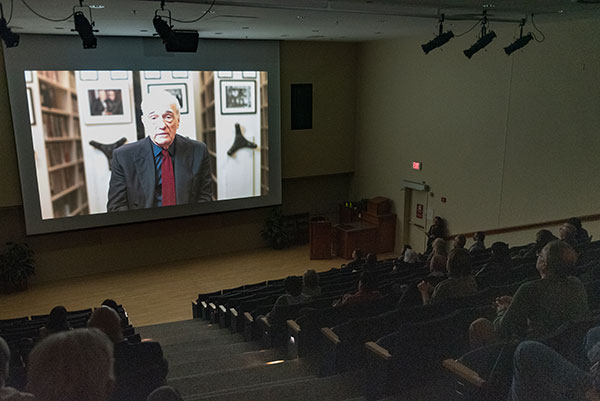
At the launch of the Roger Ebert Center for Film Studies at the University of Illinois on October 28, 2022, legendary filmmaker Martin Scorsese shared a recorded message. (Photo by J. Sidney Malone.)
Bielby’s own research on media fandom developed as an outgrowth to her research on the film industry.
“Because Hollywood produces culture through its products, I wanted to better understand the process of audience reception that made media so engaging,” she said. She has co-authored two books, Global TV: Exporting Television and Culture in the World Market (2008) and Soap Fans: Pursuing Pleasure and Making Meaning in Everyday Life (1995).
Since its inception, the Ebert Center has offered robust programming, including the annual Ebert Lecture in the fall, the annual Ebert Symposium in the spring with a keynote and roundtable discussions, and a curated screening series throughout the academic year.
It also supports Ebert Center research grants and travel grants for film studies as well as the long-running Ebert Fellows Program, which selects three undergraduate students from the College of Media each year for an in-depth experiential learning opportunity.
Ebert Fellows work with advisor and mentor Michael Phillips, the film critic at the Chicago Tribune. They hone their writing and interviewing skills, sharpen their critical skills, attend film festivals, develop their podcasting skills with Chicago Public Radio and Illinois Public Media, and participate in other workshops and activities, including those in conjunction with the Ebert Center.
In addition to supporting Media faculty and students, Bielby hopes the Ebert Center is set up to accomplish another goal: “To advance the scope of the college more broadly as it engages related disciplines, the campus at large, and society as a whole.”
The Ebert Center programming is free and open to the public. Learn more and watch recordings of past events at media.illinois.edu/ebertcenter.
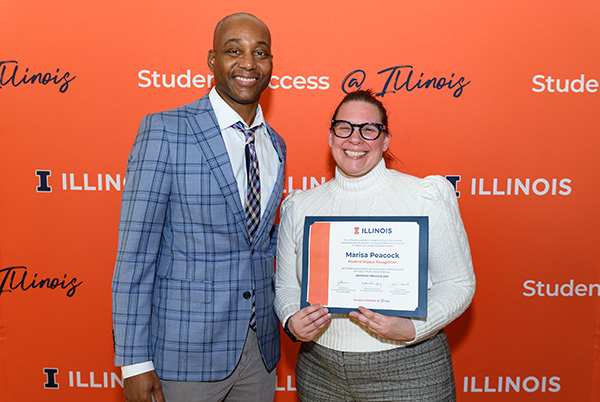
Marisa Peacock, senior lecturer of advertising, won both a Campus Award for Excellence in Undergraduate Teaching and a Student Success Impact Award.
Campus Awards for Excellence in Instruction, sponsored by the Office of the Provost, are given for sustained excellence and innovation in undergraduate and graduate teaching, undergraduate and graduate advising and mentoring, online teaching, and research guidance.
For this award, Peacock was cited as “using principles of universal design for learning, offering several ways for her students to learn and succeed. Her innovative, supportive, active-learning teaching methods and commitment to student success have left a lasting impact on students in the classroom and beyond.”
The Student Success Impact Award recognizes faculty and staff who have made a lasting difference in the lives of Illinois students, given to those who were mentioned 10 or more times in the Chancellor’s Senior Survey.
March 24, 2025 | Lois Yoksoulian, University of Illinois News Bureau
In today’s rapidly evolving media landscape, the spread of misinformation and disinformation regarding scientific topics such as natural disasters, vaccines and climate change can pose a risk to public health. Nancy Averett, a University of Illinois Urbana-Champaign lecturer of journalism and expert in science and environmental journalism spoke with News Bureau physical science and media editor Lois Yoksoulian about how science literacy can help the American public make more informed choices.
Photo by Craig Pessman
What is science literacy?
Scientific literacy means using the scientific method to create a systematic process, free of as many biases as possible, to uncover evidence to answer a question.
A scientifically literate person understands that science rarely deals in absolutes. If a study shows there’s a 95% chance that smoking and cancer are linked, then most scientists would say the link is real — even though there’s a small amount of room for doubt. And any scientifically derived result should be reproducible by independent researchers using the same methods.
A scientifically literate person also should understand that scientific knowledge evolves as younger scientists build upon, or occasionally tear down, the theories of the scientists that came before them.
Why is it important for the average American to keep up to date on science news?
We’ve thrived as a nation, in part, because of the incredible scientific breakthroughs that have happened in the past century. For example, most of us don’t wake up in the morning worried about contracting smallpox or having to light a candle to illuminate our bedroom.
But our way of life was built for a world in balance, and now we are out of balance with nature and drastically changing the world. Our warming planet is amping up weather-related disasters like Hurricane Helene and the Los Angeles wildfires. We’re also experiencing incredible technological advances that could lead to more scientific breakthroughs but that also threaten our humanity.
These problems impact our food, our health and our economic stability. Rather than turning away from science at this time, we should embrace it. Science is unique in that it can uncover the truth or at least the truest version of the truth, and information is power.
What are some potential problems with consuming science news in today’s media environment?
People get their news from a wide range of sources that may or not be trustworthy. For example, popular podcaster Joe Rogan told his viewers that he wasn’t going to get the COVID-19 vaccine because he worried about its safety. This undoubtedly led to some people deciding not to get the vaccine even though Rogan had zero evidence that it was unsafe.
Even journalists in more traditional media are notorious for disliking math and not understanding things like statistics. They tend to shy away from science or fail to explain it in a way that helps people understand why it’s important. They’re also intimidated by scientists, so they don’t press the scientists to explain their work in an understandable way.
There are ways for journalists and scientists to combat these problems. For example, one acclaimed environmental health researcher went on Joe Rogan’s podcast to talk about her research looking at how certain chemicals are disrupting fertility. She wanted to get her message about the dangers of these chemicals to as many people as possible, so she didn’t just stick to more mainstream media outlets.
I think scientists are getting better at recognizing that if they want the public to understand and appreciate what they do, they need to communicate better. And when students take classes like my science journalism class, they gain confidence that they can cover science.
How can readers fact-check scientific claims in the media?
Readers can always look at the original source. Any scientific claim should have been published in a reputable scientific journal. That means it has gone through peer review — scientists, who were not involved in the research, have examined how the study was organized, the methods used, the sample size, how it dealt with various biases that might creep into the research, and the statistical analysis.
In one of my journalism classes, I show students an Instagram post from a lifestyle influencer who posts about the “health benefits” of drinking raw milk. The influencer quoted part of a study, so I asked my students to look up the study and read the abstract. They found that while the influencer had quoted part of the study accurately, she’d left out another part that described the dangers of drinking raw milk.
Another issue is reproducibility. If scientists from different institutions and parts of the world are in general agreement with a scientific claim, it’s more likely to be true. For example, a consensus of the world’s scientists agree that fossil fuel use is linked to the warming of Earth’s surface.
Another approach is to go to a reputable fact-checking source such as Snopes, Mediawise and Politifact.
Is there any way readers can spot potential author/media outlet bias in science stories?
Yes. Be aware of headlines that claim absolutes such as a scientific study had 100% effectiveness. Science just doesn’t work that way. The most a study can show is that there’s a strong chance that something works or is true.
A good science news story will include an outside source — someone in the same field as the scientist who was not involved in the research. This source may offer criticism of, or skepticism about, the study, or they may praise it. I would be skeptical if a news story doesn’t include an outside voice.
Consider the scientist who led the study. Are they affiliated with an institution known for producing good science? The journal Nature just published an analysis of the universities with the most retracted journal articles in science. You can also check the website Retraction Watch and type in a researcher’s name to see if they’ve published any studies that were later retracted.
There are also some simple things to think about when evaluating a study or a story about a study. How many subjects were part of the experiment? The smaller the number, the less robust the findings. What type of study is it? There are observational studies, where the scientist carefully observes something and makes conclusions; experimental studies where scientists manipulate two or more variables to find an answer; and randomly controlled trials. The latter is the gold standard.
The media is supposed to present the news without taking sides, but that doesn’t mean they should give equal weight to both sides. Going back to the example of fossil fuels and global warming, there’s very strong evidence gathered from many scientists that the two are linked. So I think journalists should be able to report on climate change or vaccines as a way to stop the spread of disease without giving equal support to climate change deniers or anti-vaxxers.
There is also a potential for journalists to put scientists on a pedestal and never question their findings. That’s a more subtle kind of bias. Scientists do make mistakes; they can have implicit biases or their funding may support research that’s not necessarily in the public’s best interests. Journalists should approach their work with some healthy skepticism.
Helen Katz (MS ’86, advertising; PhD ’88, ICR), EVP of Research at Publicis Media, has been named the recipient of the prestigious 2025 Erwin Ephron Demystification Award. This lifetime achievement award honors industry leaders who are exceptional communicators and excel in making complex subjects accessible, embodying the spirit of legendary advertising research guru Erwin Ephron.
Katz, the 11th recipient of this esteemed award, has had a significant impact throughout her career, most recently leading the global data intelligence practice at Publicis Media. In her speeches and writings, Katz has consistently and passionately argued that effective media selection requires reliable measurement based on high-quality data.
She has also distinguished herself as a teacher, serving as an adjunct professor at both DePaul University and New York University. In addition to numerous articles in industry publications and academic journals, Katz has authored three textbooks on advertising and media, including the widely acclaimed The Media Handbook, now in its 8th edition.
Katz is a member of the U.S. Joint Industry Committee on alternative currencies, a member of the Media Rating Council, and of the ARF Board of Trustees. She served on the James Webb Young Advisory Board and continues to support the Charles H. Sandage Department of Advertising through case studies for classes.
The Most Promising Rising Star Award recognizes alumni who have made notable contributions to the advertising industry within five to eight years of graduating from the Most Promising program.
This accolade celebrates individuals who have demonstrated exceptional talent, leadership, and innovation in their careers, making a significant impact on the field and championing an inclusive industry along the way.
Recipients of this award embody the values and excellence that the Most Promising program instills in its inductees and serve as inspiring role models for current students and aspiring advertising professionals.
At Discord, Sanchez-Monsivais’sjob is to ensure the platform’s features, partnerships, and brand reach gamers in an impactful way that makes them excited to hang out and game with their friends.
He has served on the advisory board for We Are Next, where he spearheaded the Brand Ambassador Program, the Young Talent in Tech team, and the widely popular Coffee at a Distance.
In addition to serving on the Charles H. Sandage Department of Advertising’s James Webb Young Advisory Board, he is also on the AAF’s Mosaic Next Generation Leadership Council, ADCOLOR Advisory Board, and Creative Ladder Alumni Advisory Council.